Cultural norms shape the way people interact and what is deemed polite or offensive in everyday situations. Behaviors that convey friendliness and respect in the United States often carry entirely different meanings across international borders. Understanding these distinct social expectations helps travelers navigate new environments and avoid unintentional errors. Here is a look at everyday American habits that might raise eyebrows elsewhere in the world.
Tipping at Restaurants
Leaving a gratuity at the end of a meal is an expected practice to reward good service in American establishments. This same gesture is often viewed as insulting in countries like Japan and South Korea. Servers in these nations take pride in doing their jobs well without the need for additional financial incentives. Offering extra money implies that the employer does not pay them a fair wage.
Smiling at Strangers

Flashing a warm smile to people passing by on the street is a common way Americans acknowledge others. In countries such as Russia and parts of Eastern Europe this behavior is often perceived as insincere or foolish. People in these regions reserve their smiles for genuine moments of joy or when interacting with close friends. A sudden grin from someone they do not know can immediately trigger suspicion and mistrust.
Asking About Careers

Inquiring about someone’s profession is a standard icebreaker at American social gatherings and networking events. Many Europeans feel this question is overly intrusive and assigns a person’s value strictly to their economic output. People in countries like France prefer to discuss personal interests and hobbies during initial conversations. Leading with a question about employment feels incredibly transactional and diminishes the social experience.
Opening Presents Immediately

Tearing into a wrapped gift right after receiving it shows excitement and gratitude in the United States. Cultural etiquette in places like India and China dictates that gifts should be set aside and opened in private later. Opening a present in front of the giver can be seen as greedy or overly materialistic. This delayed approach ensures that the focus remains on the relationship rather than the physical object.
Using First Names
Addressing new acquaintances or colleagues by their first name establishes a friendly and egalitarian atmosphere in American workplaces. Many cultures around the world still rely heavily on formal titles and last names to show proper respect. German and Japanese business environments require the use of proper honorifics until permission is explicitly granted to do otherwise. Defaulting to a first name too quickly demonstrates a lack of professional decorum and boundary awareness.
Finishing All Your Food

Eating every last bite on a plate signifies that the meal was delicious and satisfying in an American home. Hosts in places like China might interpret an empty plate as a sign that they did not provide enough food. Leaving a small portion of the meal behind reassures the host that their generosity was more than adequate. This subtle gesture prevents the host from feeling embarrassed or compelled to order more dishes.
Small Talk with Cashiers

Chatting about the weather or weekend plans with store clerks is a hallmark of American retail interactions. Consumers in Northern European countries typically prefer to complete their transactions quietly and efficiently. Engaging in unnecessary conversation is viewed as an annoying delay that wastes the time of both the employee and other customers. Silence at the checkout counter is considered a sign of mutual respect for everyone’s schedule.
Refusing Food Offers
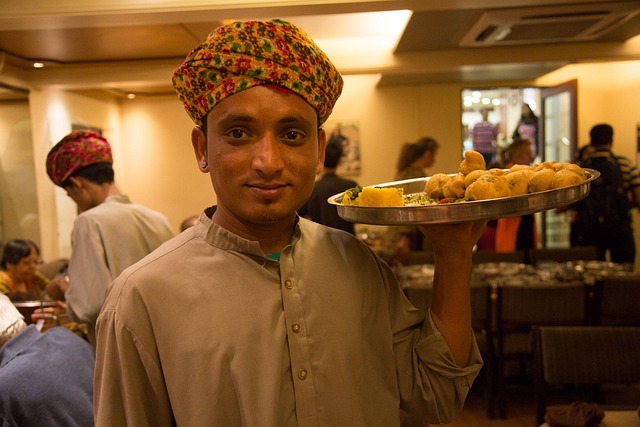
Politely declining a snack or beverage when visiting a home is perfectly acceptable in the United States. Guests in Middle Eastern countries are expected to accept hospitality regardless of their actual appetite. Rejecting an offer of tea or dates is often interpreted as a direct rejection of the host and their household. Accepting even a tiny amount honors the cultural tradition of welcoming visitors with abundance.
Showing the Soles of Shoes
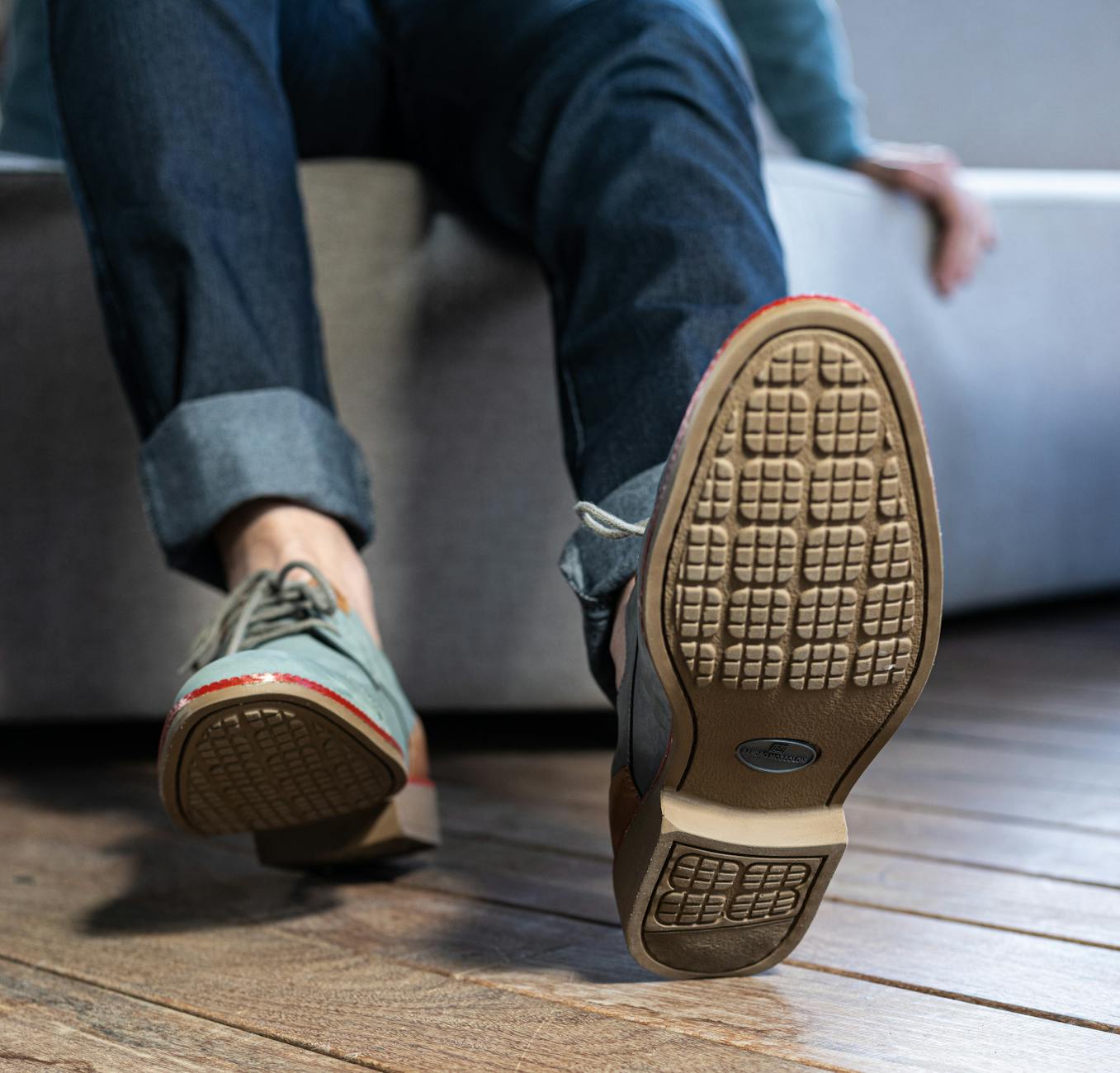
Crossing one leg over the other so the bottom of the shoe is visible is a relaxed posture common in America. This specific seating arrangement is highly offensive in many Arab countries where the sole of the foot is considered unclean. Exposing the bottom of a shoe toward another person is akin to a direct insult. Proper etiquette in these regions requires keeping both feet firmly planted on the floor during social visits.
Giving a Thumbs Up
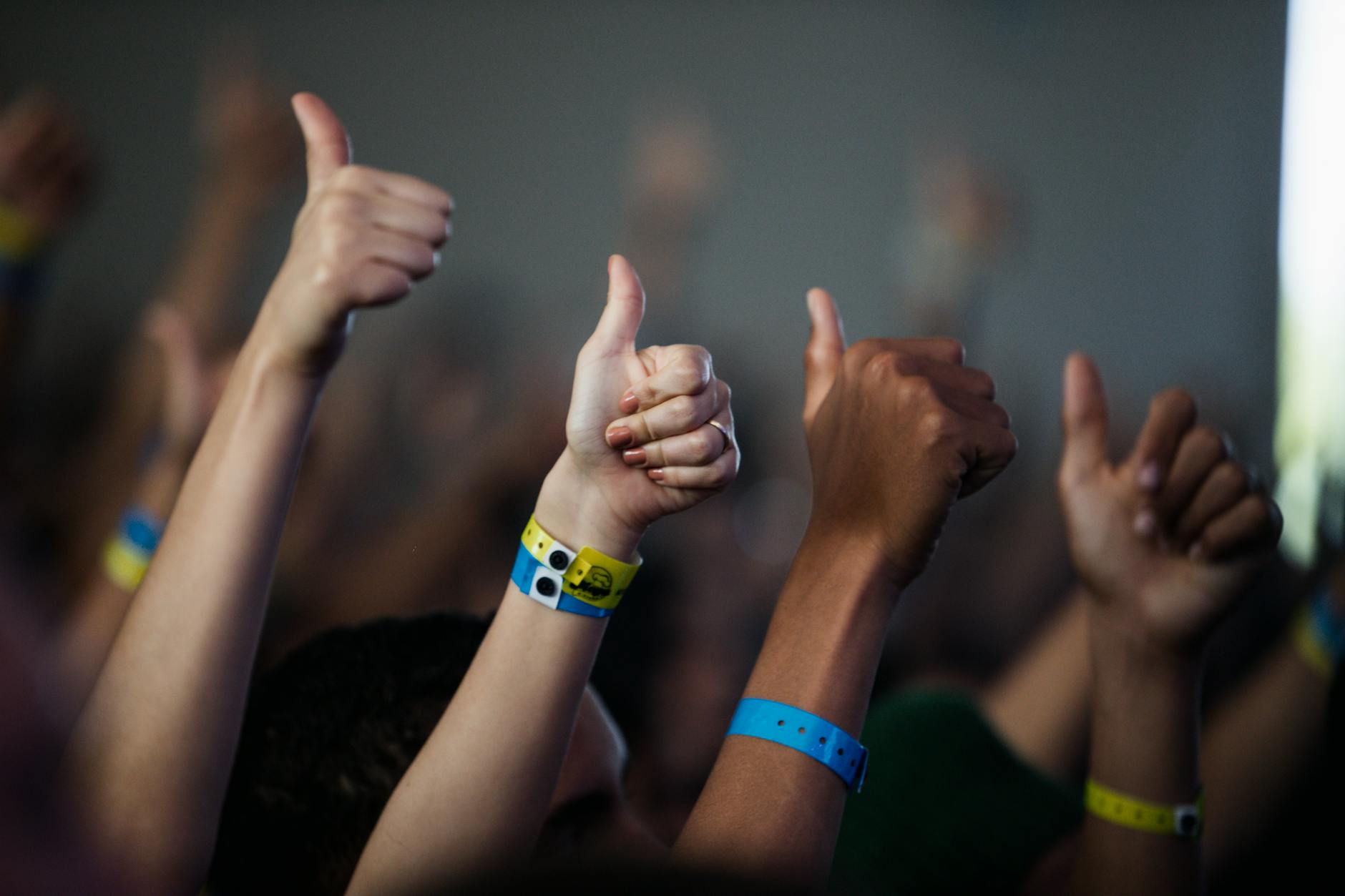
Raising a thumb to indicate approval or agreement is a universal sign of positivity in American culture. This same hand gesture carries a highly vulgar meaning in parts of the Middle East and West Africa. People traveling in these areas should rely on verbal confirmations rather than casual hand signals. Using this gesture can quickly escalate a friendly interaction into a deeply offensive confrontation.
Eating While Walking
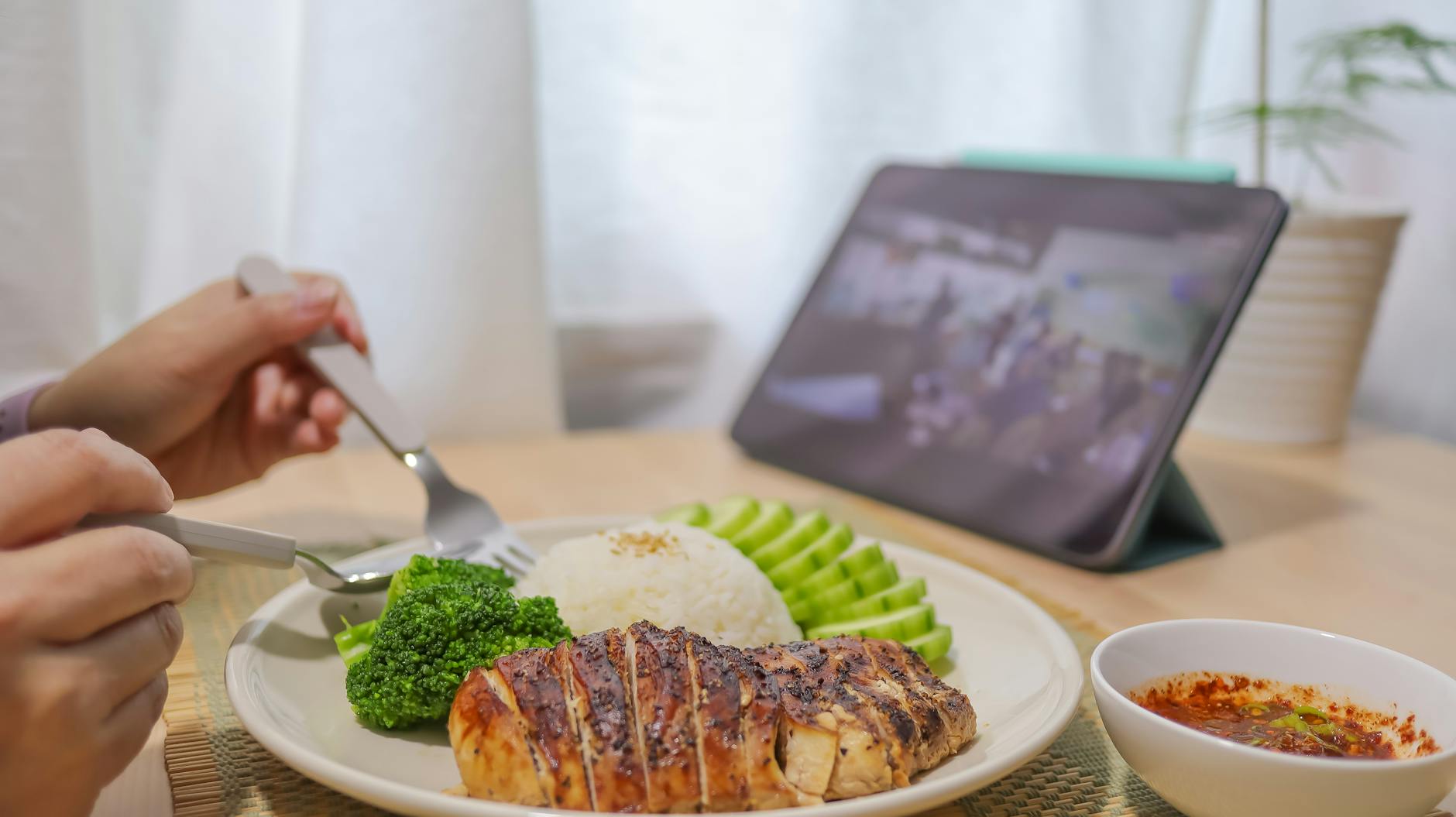
Grabbing a sandwich and eating it while walking down the street highlights the rapid and hurried nature of American life. Culturally traditional countries like Italy and Japan view eating as an activity that requires sitting down and focusing on the food. Consuming a meal on the go is often seen as sloppy and disrespectful to the culinary experience. Taking the time to stop and enjoy a snack demonstrates proper appreciation for the nourishment.
Blowing Your Nose in Public

Using a tissue to clear a runny nose during a conversation is a minor and forgivable interruption in the United States. Doing this in public spaces in Japan or South Korea is considered incredibly unhygienic and rude. People in these nations prefer to excuse themselves to a restroom to handle such personal bodily functions. Sniffling quietly is actually deemed more polite than openly blowing a nose in a crowded room.
Altering Restaurant Dishes
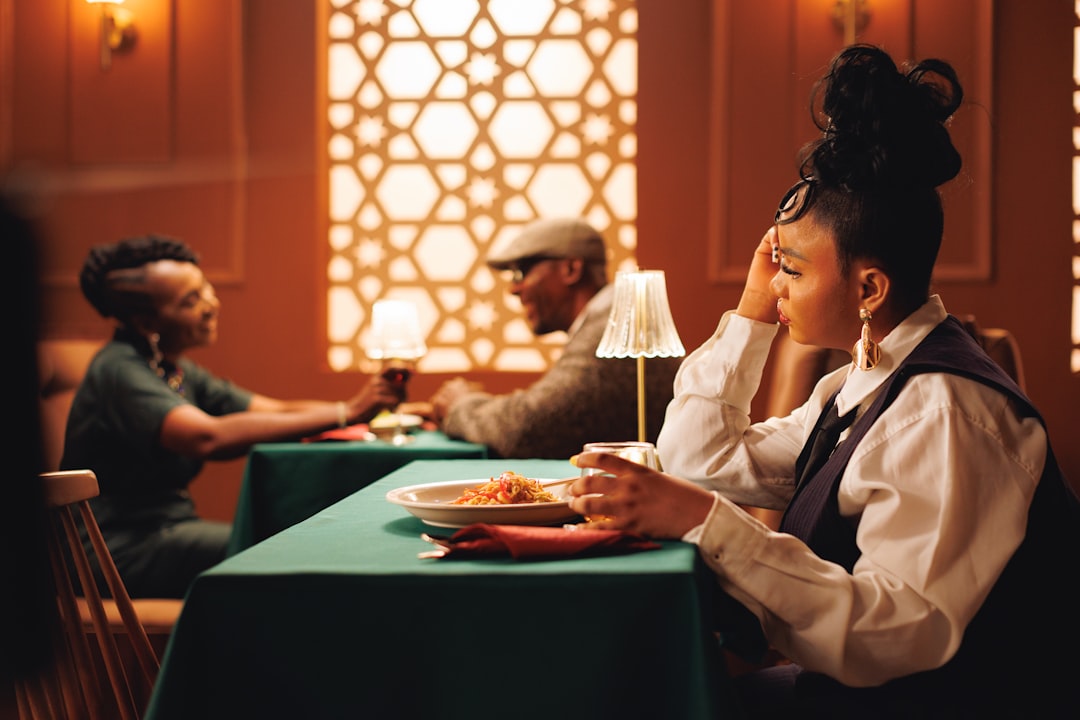
Requesting substitutions or removing ingredients from a menu item is a normal part of dining out for Americans. Chefs in countries like France and Italy view their dishes as complete culinary creations that should not be altered. Asking for modifications implies that the customer knows better than the culinary professional who designed the meal. Accepting the dish exactly as prepared shows respect for the regional gastronomy and the kitchen staff.
Drinking Tap Water

Asking a server for a free glass of tap water is a standard practice at almost any American dining establishment. Restaurants in many European countries expect patrons to purchase bottled mineral water to accompany their meals. Requesting tap water can mark a diner as incredibly cheap or ignorant of local dining customs. Purchasing a beverage is considered part of the expected financial exchange for occupying a table.
Wearing Activewear Everywhere

Donning yoga pants and athletic gear for running errands is a staple of modern American casual fashion. People in major European cities generally dress up before leaving the house out of respect for themselves and their community. Wearing workout clothes outside of a gym environment is often viewed as sloppy and unrefined. Changing into proper attire before entering public spaces demonstrates an adherence to basic societal standards.
Arriving Exactly on Time
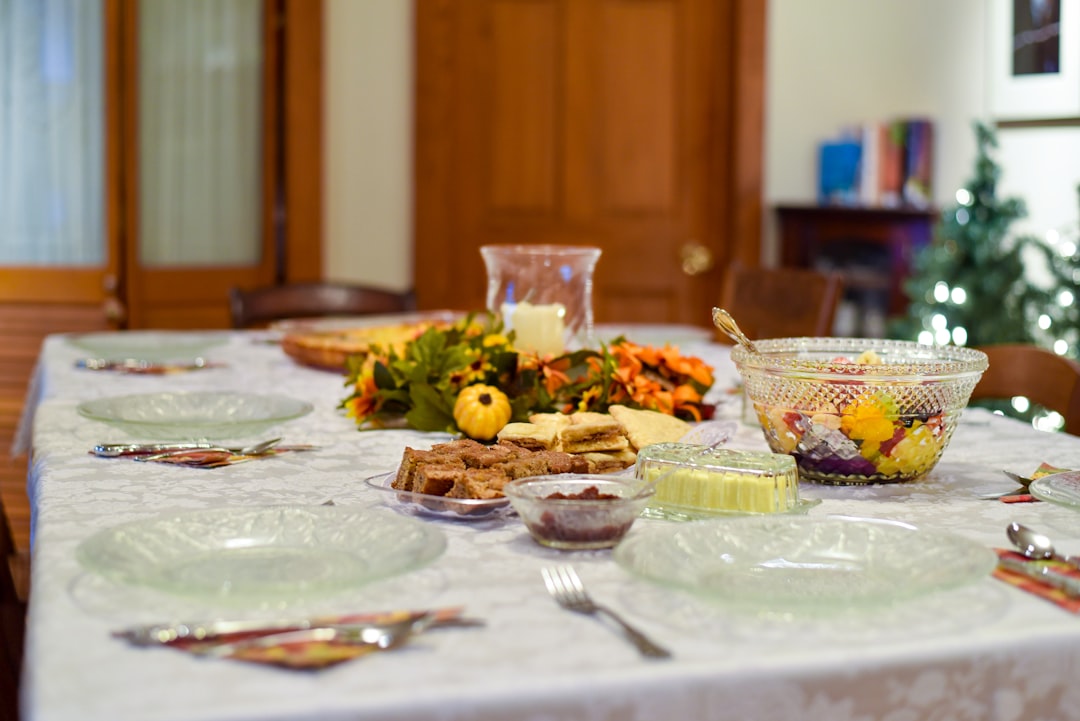
Showing up to a dinner party at the precise start time shows punctuality and respect in the United States. Arriving exactly on the dot in countries like Mexico or Argentina can actually catch the host completely unprepared. Guests are generally expected to arrive at least thirty minutes after the stated time to allow for final preparations. This relaxed approach to time management prevents awkward encounters while the host is still getting ready.
Entering Homes with Shoes

Keeping footwear on when stepping into a house is common practice in many parts of the United States. Visitors in most Asian and Scandinavian countries must remove their shoes at the door to keep the living space clean. Tracking outside dirt across interior floors is seen as a major sign of disrespect toward the homeowner. Wearing provided slippers or walking in socks shows an understanding of domestic hygiene rules.
Touching Merchandise

Picking up fruits and vegetables to inspect them is a normal part of grocery shopping in American supermarkets. Vendors at open markets in countries like Italy strongly prefer that customers do not touch the produce. Shoppers are expected to point to what they want so the seller can select and bag the items for them. Handling the goods without permission implies a lack of trust in the vendor and ruins the display.
Leaving Quickly After Eating

Asking for the check and departing shortly after the last bite is an efficient way Americans dine out. Diners in countries like Spain and Greece value the social time spent lingering over empty plates long after the meal ends. Rushing out of the restaurant suggests that the company was unenjoyable and the interaction was purely transactional. Staying to converse and digest is an essential component of the dining experience in these cultures.
Laughing Loudly in Public

Expressing joy with boisterous laughter and loud storytelling is completely acceptable in American restaurants and parks. Citizens in countries like Japan and Switzerland value quiet environments and view loud public displays as deeply disruptive. Keeping voices lowered ensures that one group does not disturb the peace of others sharing the space. Showing emotional restraint in public is a core tenet of societal harmony in these regions.
Splitting the Bill
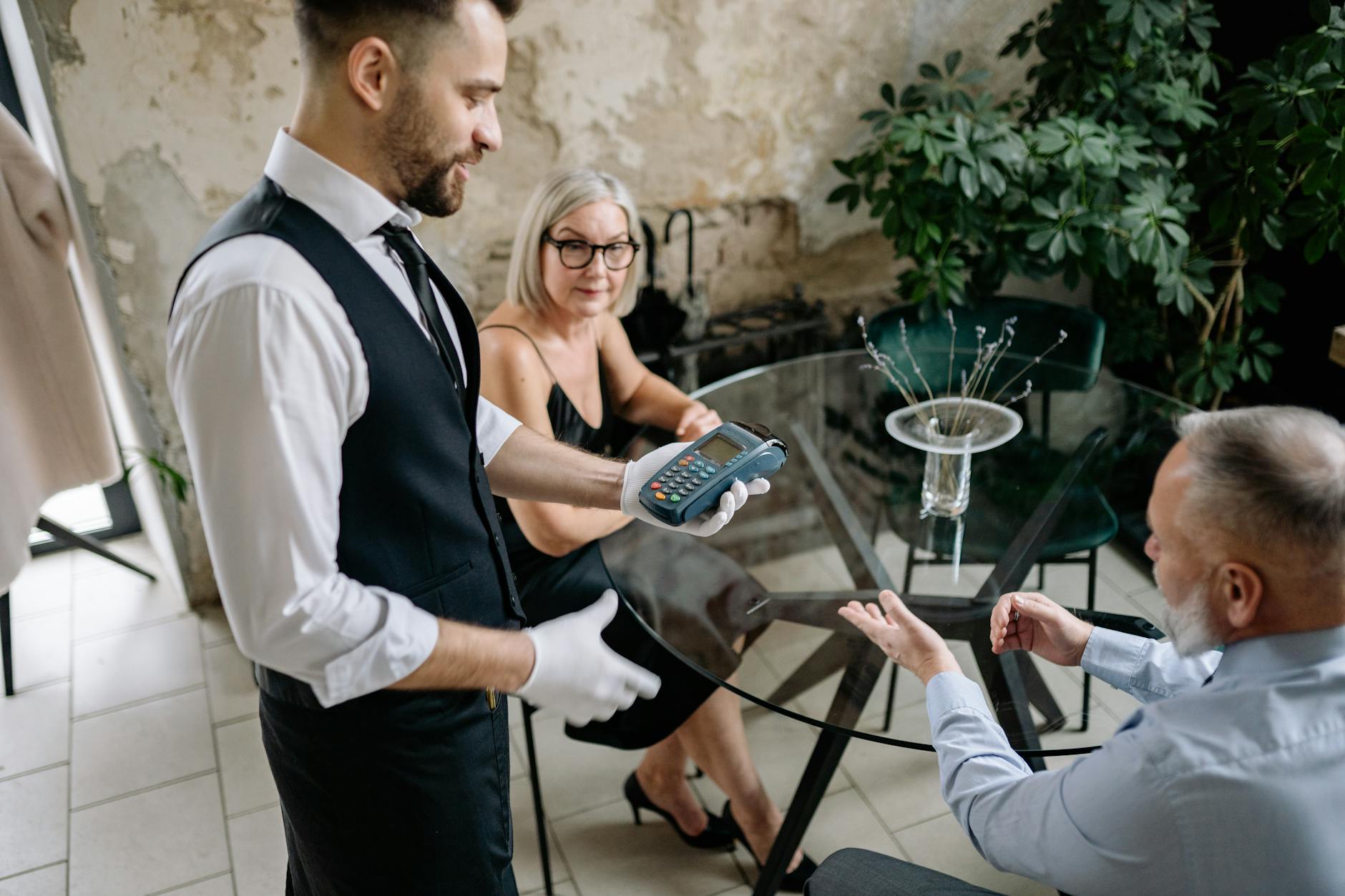
Calculating exact individual totals when dining with friends is a fair way Americans manage group expenses. Offering to pay for the entire table is the standard expectation in many Middle Eastern and Asian cultures. Fighting over the check is a performative display of generosity and friendship that honors the relationship. Asking to split the cost evenly looks incredibly stingy and diminishes the warmth of the gathering.
Sitting in the Back of Taxis
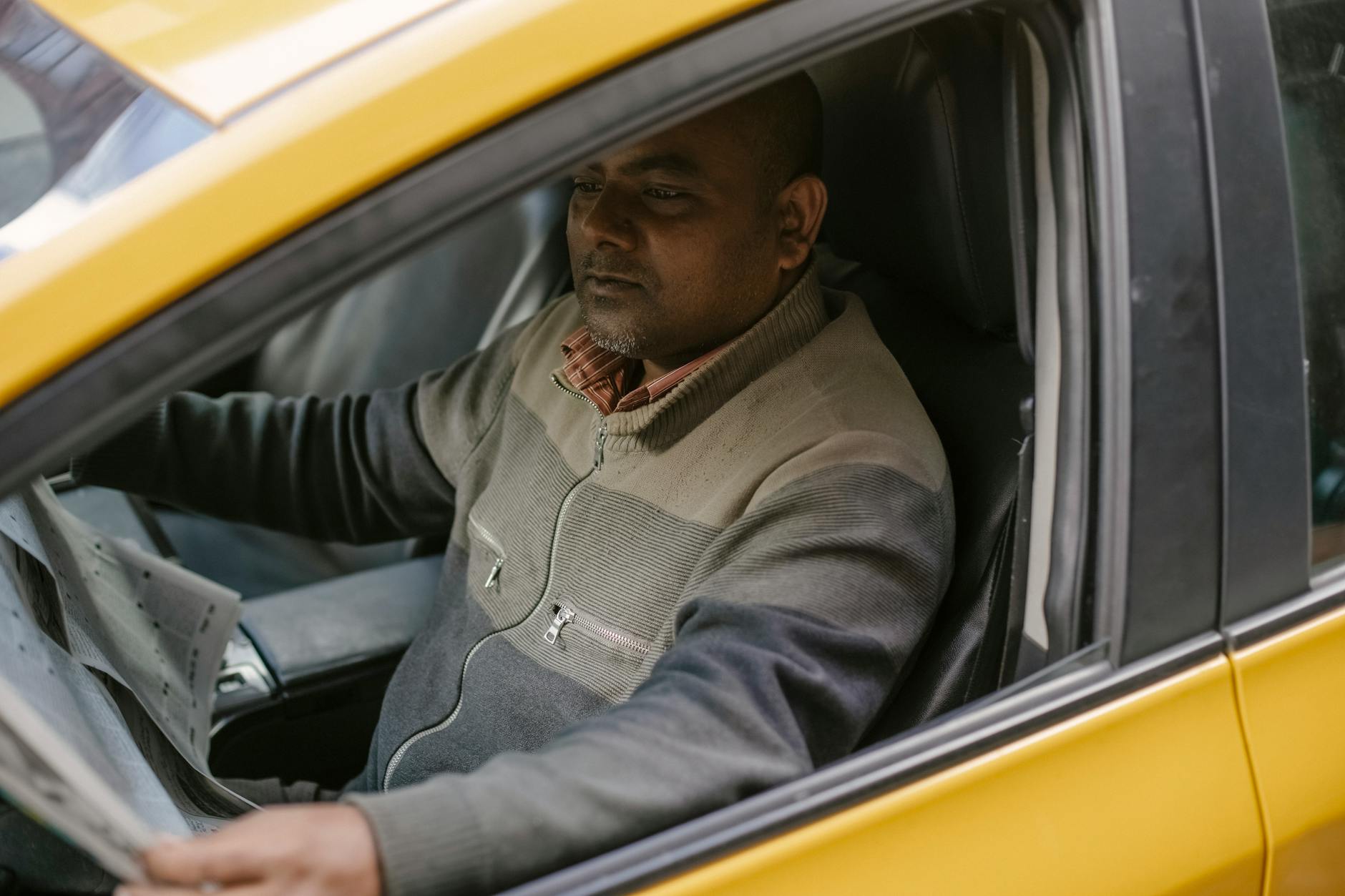
Climbing into the rear seat of a cab gives American passengers a sense of privacy and personal space. Solo travelers in countries like Australia and New Zealand are expected to sit in the front passenger seat next to the driver. Choosing the back seat can be interpreted as treating the driver like a servant rather than an equal. Sitting up front encourages friendly conversation and flattens the social hierarchy.
Complimenting Possessions

Praising a beautiful vase or a piece of jewelry is a polite way Americans express admiration for another person. Doing this in certain Middle Eastern and African cultures may force the owner to give the item away as a gift. Cultural rules of hospitality dictate that guests must receive whatever they openly admire. Refraining from overly enthusiastic compliments protects hosts from feeling obligated to part with their treasured belongings.
Helping Clean Up
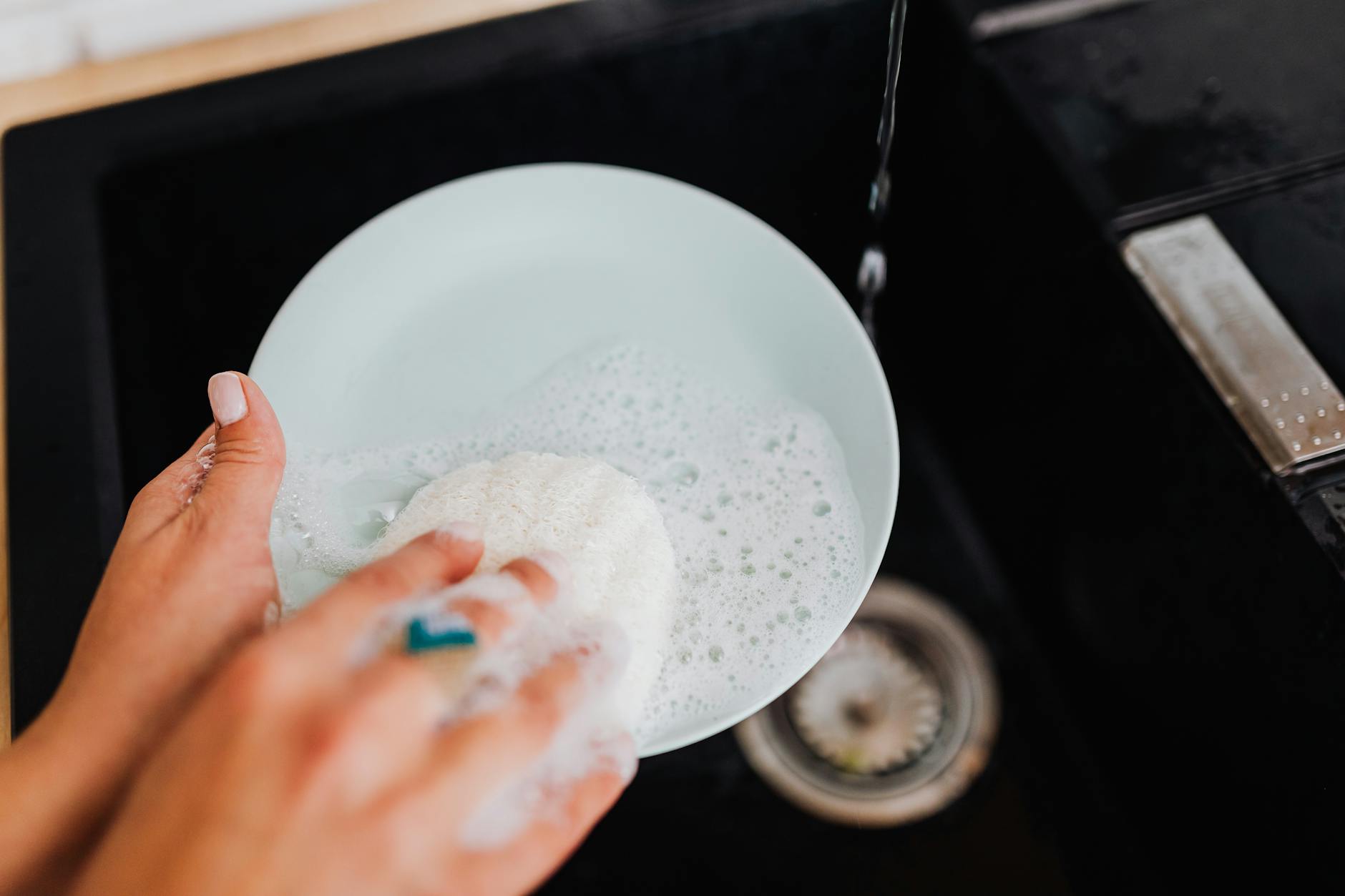
Offering to wash dishes or clear the table is a polite gesture Americans use to assist their hosts. Attempting to clean up in cultures like India can be highly insulting to the person who invited you over. The host considers it their absolute duty to serve the guest completely without requiring any manual labor in return. Letting the host handle all the chores is the proper way to respect their role as the provider.
Pointing with One Finger

Using an index finger to indicate a direction or single out an object is entirely natural in American communication. This specific motion is considered incredibly aggressive and rude in countries such as Malaysia and Indonesia. People in these regions use their thumb with the rest of the fingers folded underneath to point politely. Adjusting this simple hand gesture prevents locals from feeling threatened or disrespected by foreign visitors.
Please tell us which of these fascinating cultural differences surprised you the most by sharing your thoughts in the comments.