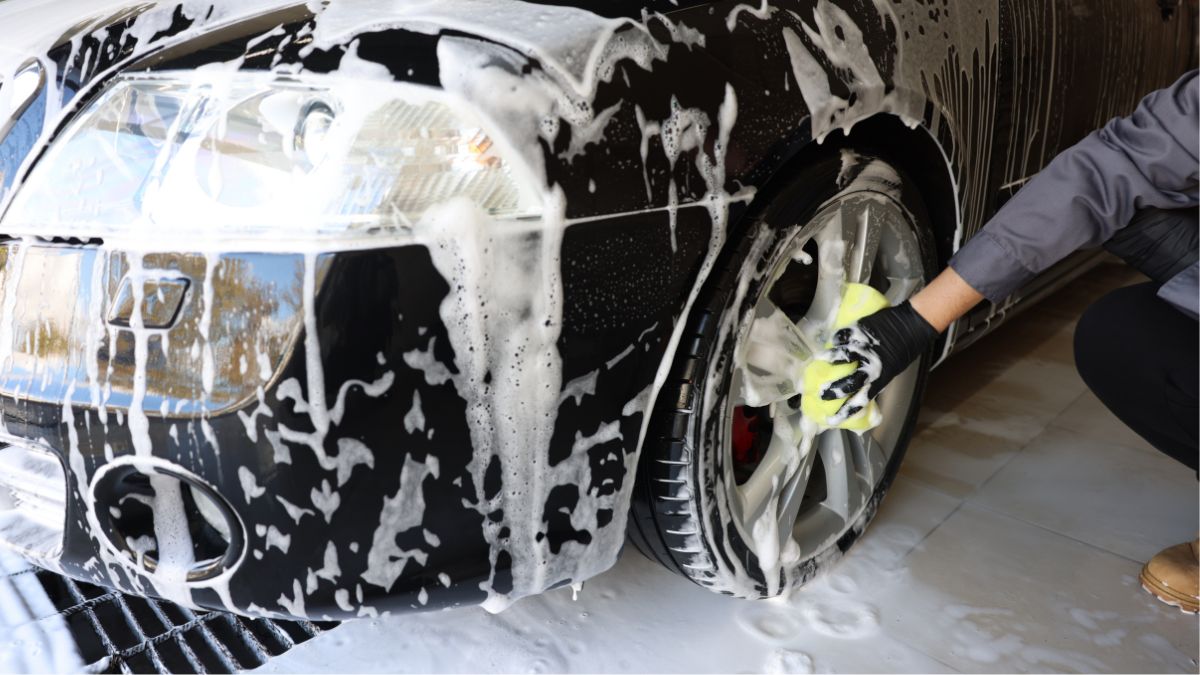
Your car’s paint is one of its most visible and vulnerable features, and the car wash is one of the most common places where damage quietly begins. Many drivers assume that any cleaning method is safe as long as it removes dirt, but the reality is far more nuanced. Small missteps during a routine wash can lead to swirl marks, fading, and micro-scratches that accumulate over time and dull even the most vibrant finishes. Understanding what actually harms your paint is the first step toward keeping your vehicle looking its best for years to come.
Automatic Tunnel Wash
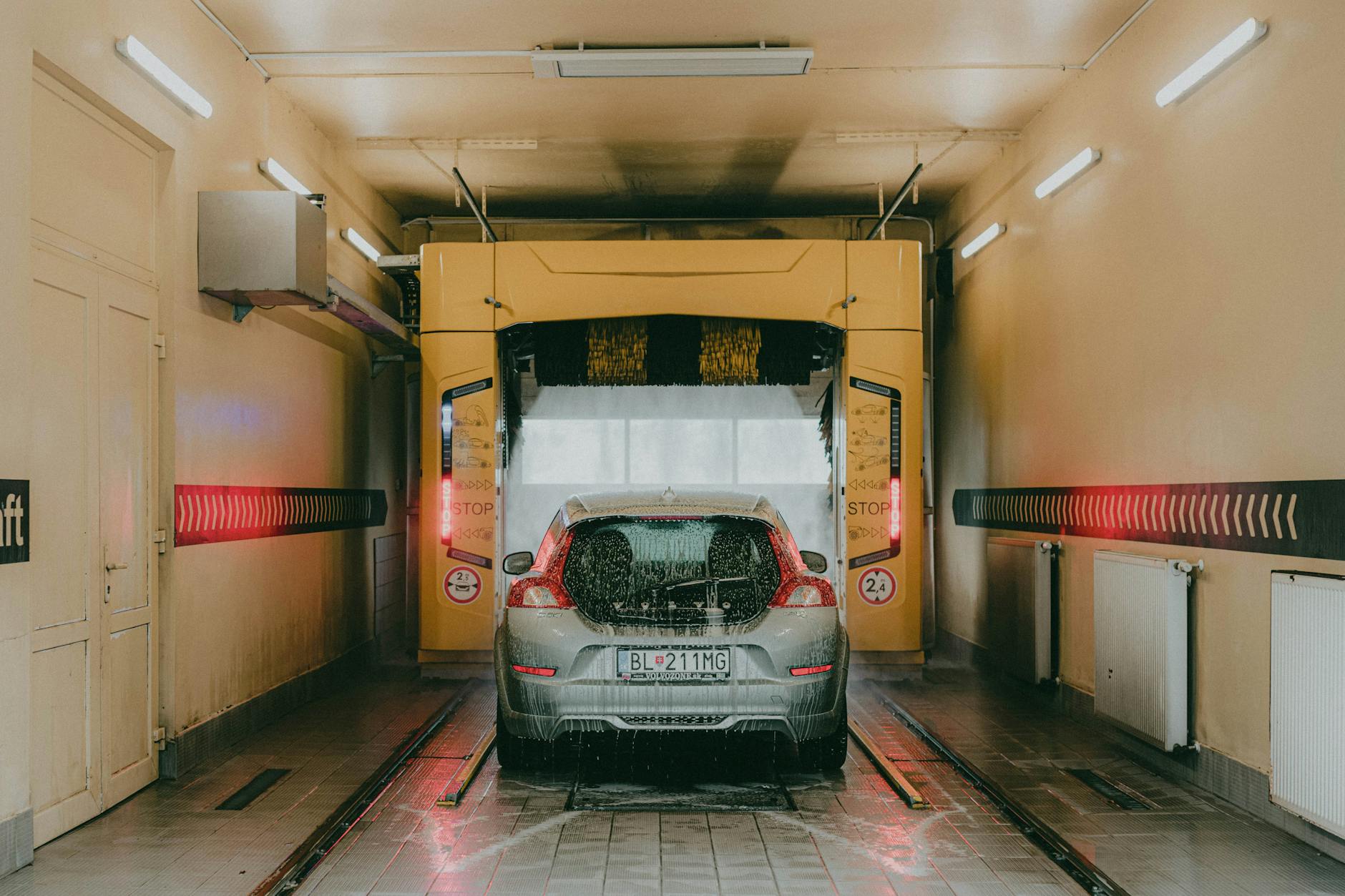
Automated tunnel car washes are convenient but notoriously harsh on vehicle paint. The stiff rotating brushes used in many of these machines trap grit and debris from previous cars and drag it across your paint at high speed. This creates fine swirl marks and surface scratches that are especially visible in direct sunlight. Over repeated visits, the cumulative damage can significantly degrade the clarity of your finish. Touchless alternatives are a safer choice if you prefer the convenience of an automated wash.
Dirty Wash Mitt
Using a mitt that has not been properly cleaned since its last use is one of the most overlooked causes of paint damage. Trapped particles of dirt, sand, and grit act like sandpaper against the clear coat when the mitt is dragged across the surface. Even a small amount of embedded debris is enough to leave behind a network of fine scratches. Washing your mitt thoroughly before each use and storing it in a clean container significantly reduces this risk. Microfiber mitts are the preferred choice as they are gentler and easier to rinse clean.
Wrong Soap
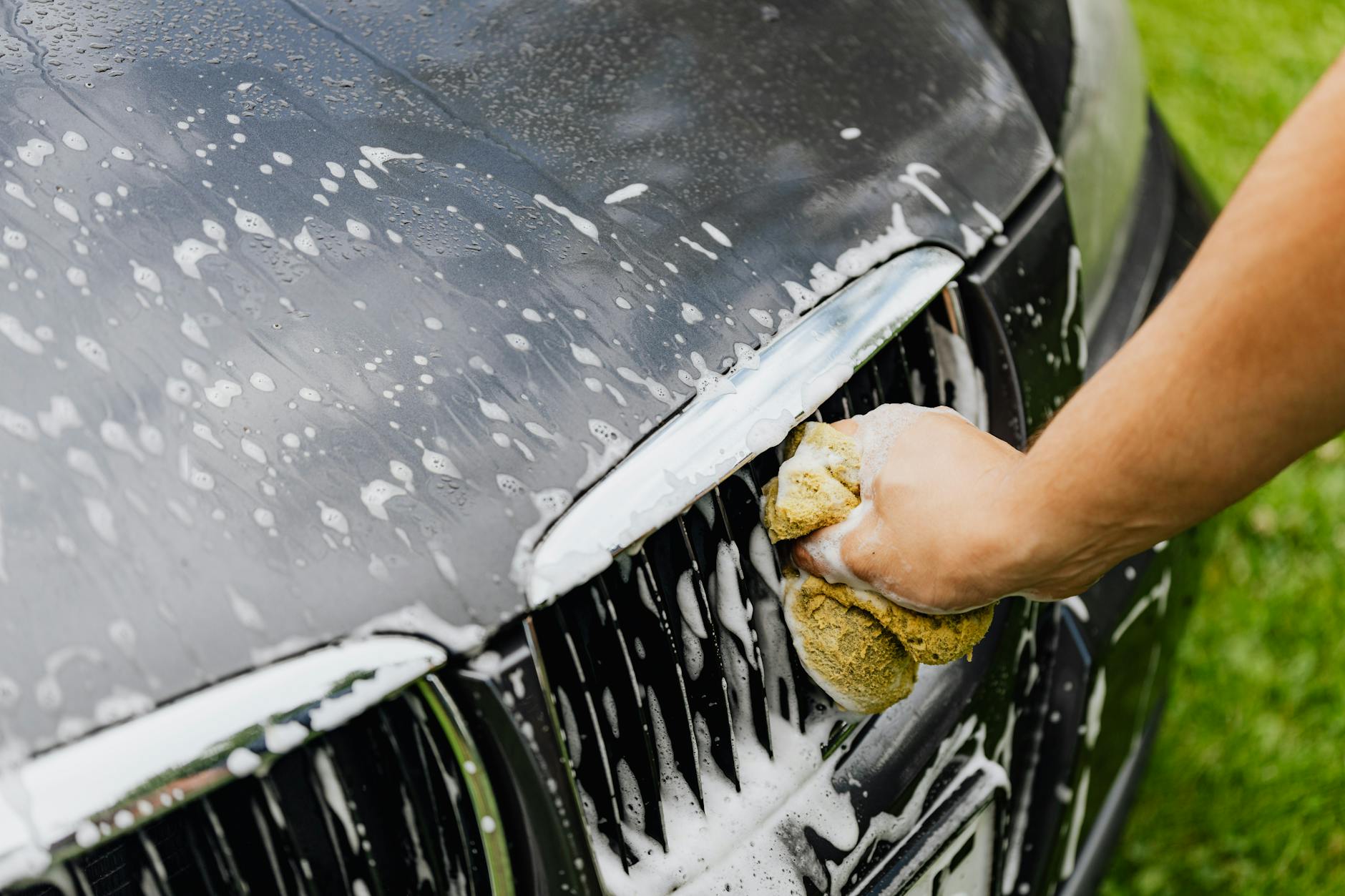
Dish soap and household cleaning products are not formulated for automotive paint and should never be used on a car’s exterior. These products strip away protective wax coatings and can degrade the clear coat over time, leaving the paint vulnerable to oxidation and fading. Car-specific shampoos are pH-balanced and designed to lift dirt without attacking the protective layers beneath. Using the correct product makes a measurable difference in how long your paint retains its gloss and protection. Always check that your chosen soap is explicitly labeled as safe for automotive finishes.
Single Bucket Method
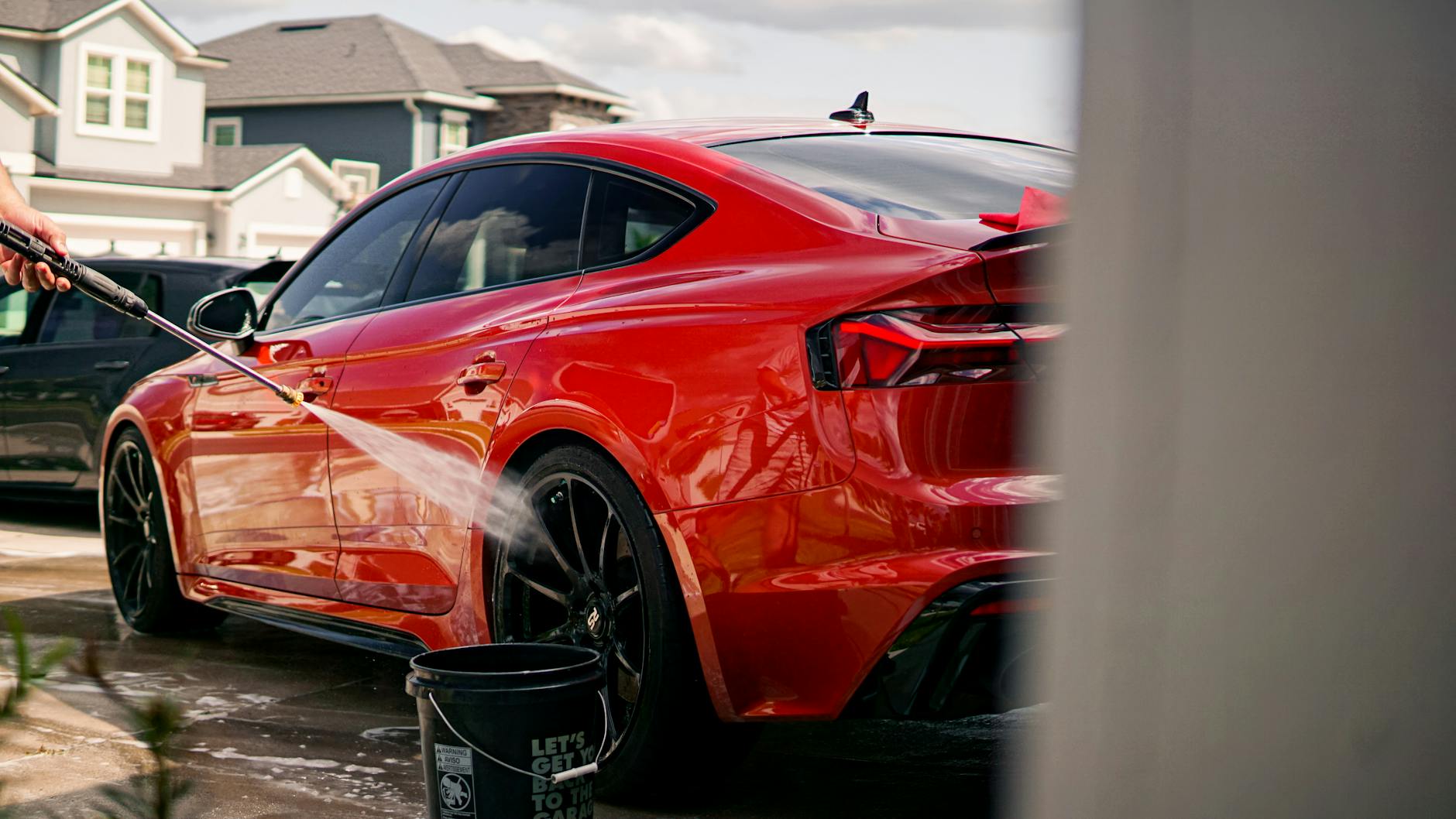
Washing with only one bucket means that your dirty rinse water is the same water you return your mitt to between passes. Every time you reload the mitt, you pick up the contaminants you just removed from the paint and reapply them to the surface. The two-bucket method addresses this by keeping one bucket for clean soapy water and a separate one for rinsing the mitt. Adding a grit guard to each bucket helps trap debris at the bottom so it cannot be picked back up. This simple adjustment dramatically reduces the risk of inflicting swirl marks during the wash process.
Washing in Direct Sunlight
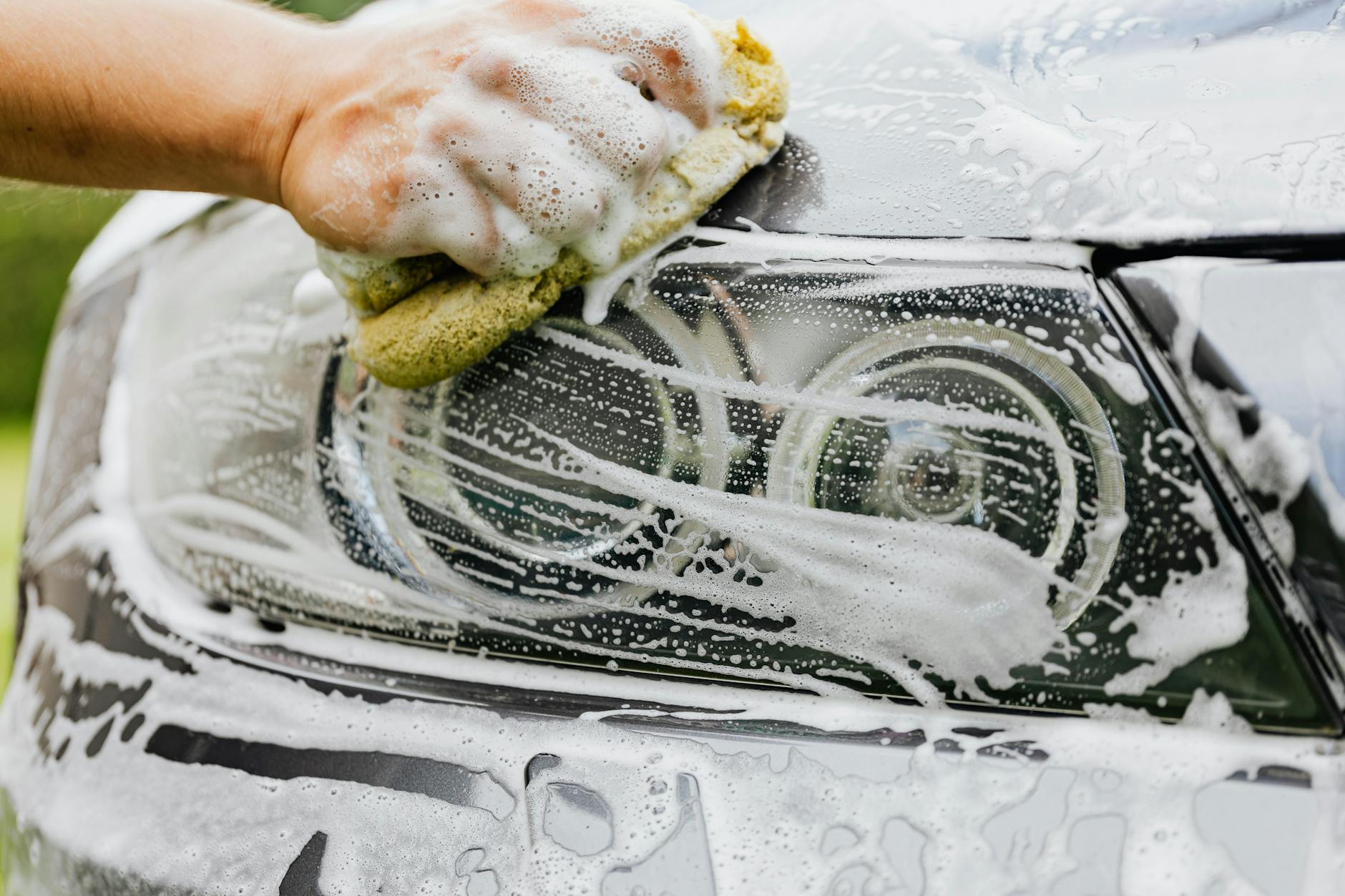
Cleaning your car under direct sunlight causes soap and water to dry almost instantly on the surface. Dried soap leaves behind mineral deposits and streaks that are difficult to remove and can etch into the paint over time if not addressed quickly. High surface temperatures also make the paint itself more sensitive and slightly more vulnerable during the washing process. Working in a shaded area or during cooler parts of the day gives you more control and allows products to work as intended. Consistently washing in the shade preserves both the finish and the effectiveness of your cleaning products.
Neglecting Pre-Rinse
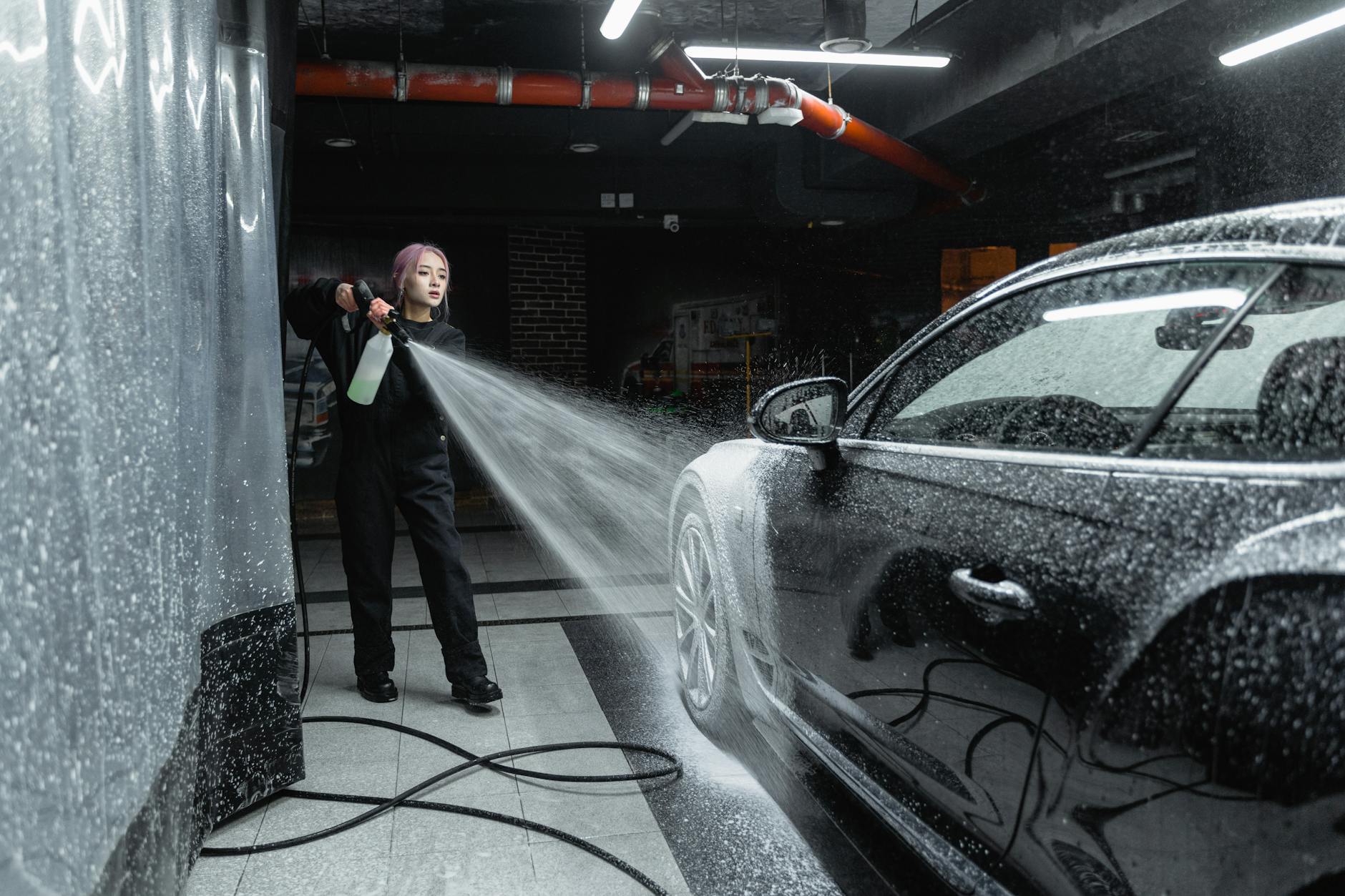
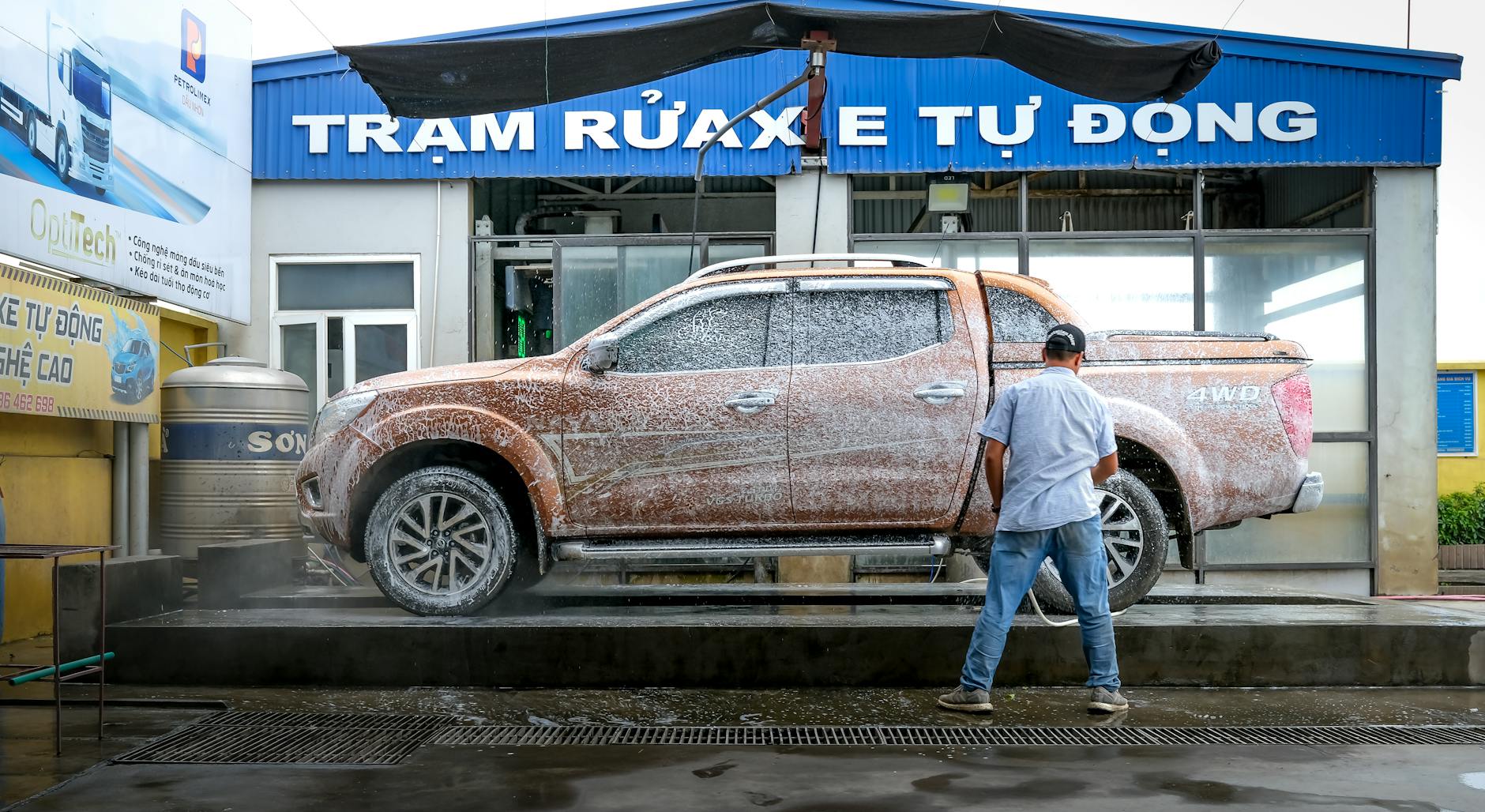
Skipping a thorough pre-rinse before applying soap or touching the car with a mitt is a common and damaging mistake. Loose dirt, dust, sand, and debris sitting on the surface will be ground into the paint the moment contact is made. A strong rinse with a hose or pressure washer removes the majority of surface contaminants before the physical washing stage begins. This step is especially important on the lower panels and wheel arches where road grime accumulates most heavily. Taking two or three minutes to pre-rinse the entire vehicle meaningfully lowers the risk of scratch-related damage.
Wrong Drying Technique
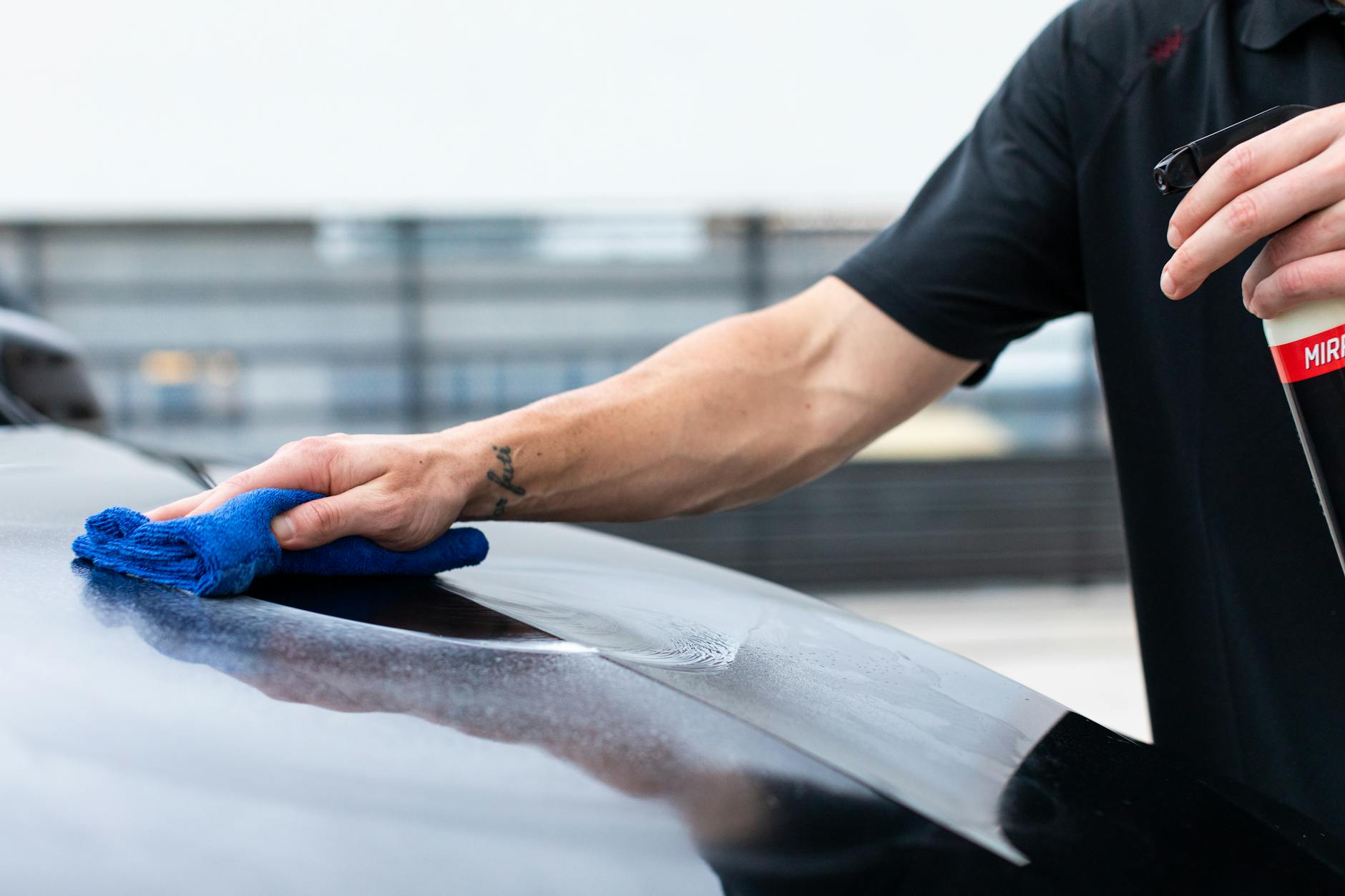
Air drying or wiping down your car with a regular household towel are both reliable ways to introduce new scratches after a successful wash. Household towels lack the softness and structure needed to glide safely across automotive paint and will drag fine debris across the surface. Air drying leaves water spots caused by minerals in tap water that can etch the clear coat if left to dry repeatedly over time. A clean, plush microfiber drying towel used with light blotting and sweeping motions is the recommended approach. Drying the car promptly and correctly is just as important as the wash itself.
Skipping the Wheels
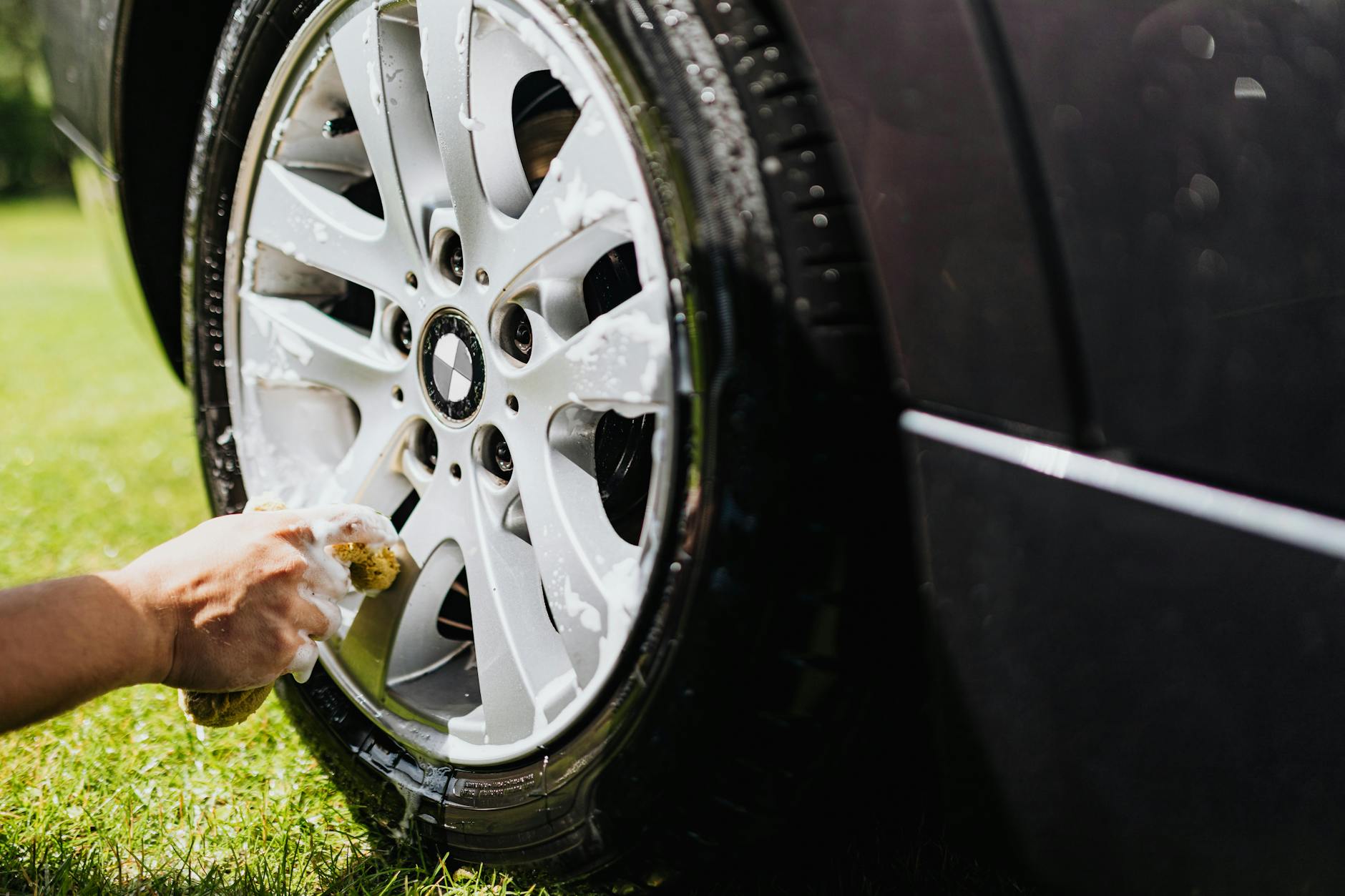
Washing the body of the car while neglecting the wheels is a mistake that can indirectly affect paint over time. Brake dust, road tar, and grime that build up on wheels and wheel wells eventually spread to surrounding painted surfaces during driving and subsequent washes. Wheels should be cleaned first, before the rest of the car, so that contaminated water from the wheels does not splash onto freshly washed paint. Use a dedicated wheel cleaner and separate brushes that are never used on the painted body. Keeping wheels clean is an integral part of a complete and paint-safe wash routine.
Low-Quality Microfiber
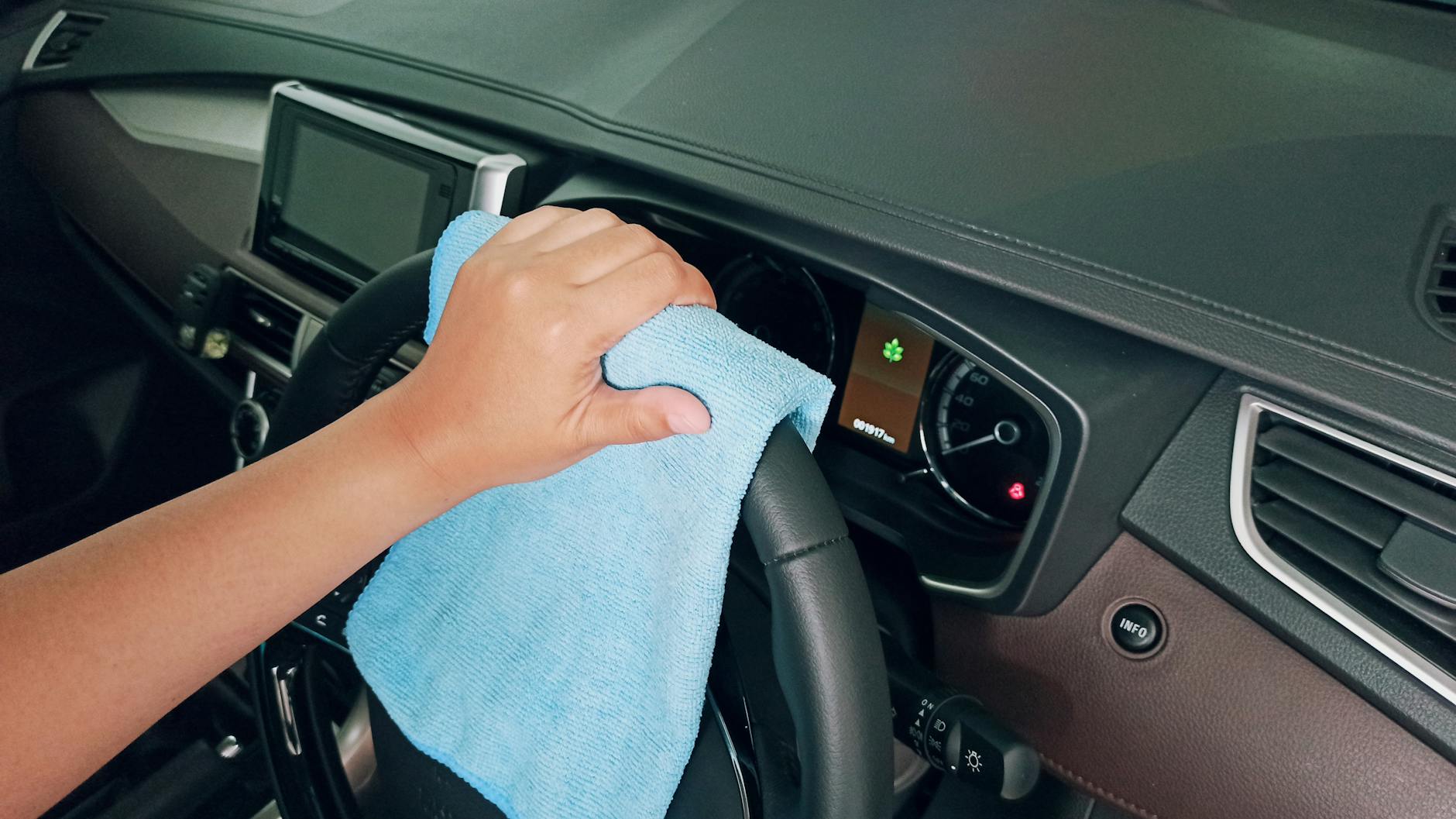
Not all microfiber products are created equal, and low-quality cloths can be just as damaging as conventional towels. Cheaper microfiber products often have a rougher weave, shorter pile, and lower gsm rating, which reduces their ability to safely trap and lift particles away from the surface. These cloths are also more prone to leaving behind lint and fine scratches, especially when used dry or with insufficient lubrication. Investing in high-quality, high-gsm microfiber towels and wash mitts is one of the most cost-effective ways to protect your paint over time. Washing and caring for your microfiber products correctly also extends their lifespan and effectiveness.
Ignoring Paint Decontamination
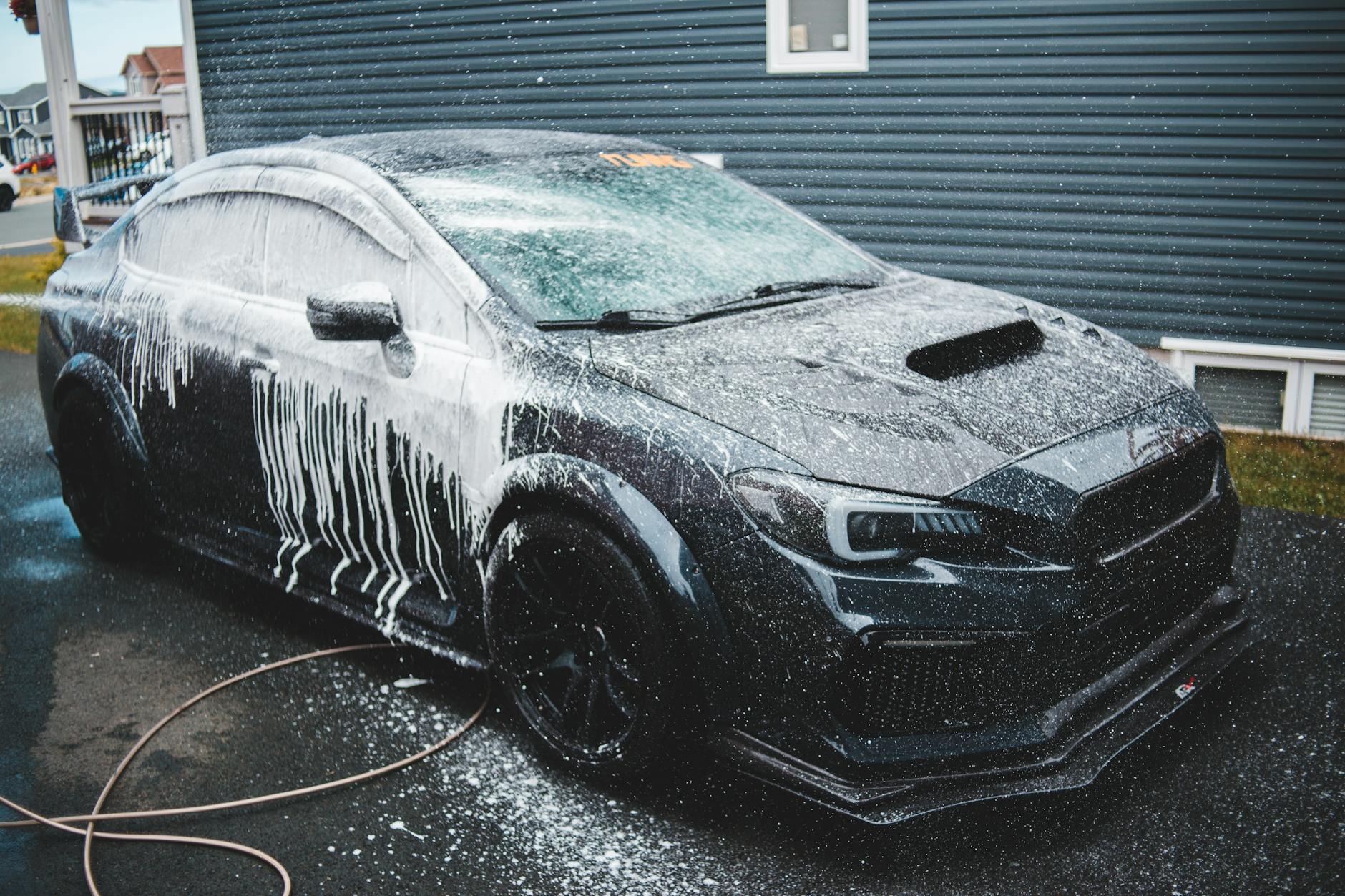
Washing alone does not remove all of the contaminants bonded to your paint’s surface. Industrial fallout, rail dust, tree sap, and tar particles embed themselves into the clear coat and cannot be lifted by soap and water no matter how carefully you wash. A clay bar treatment or chemical decontamination spray is necessary to remove these bonded contaminants and restore a truly smooth surface. Skipping this step means that every subsequent wash simply moves these particles around rather than eliminating them. Regular decontamination as part of your detailing routine keeps the paint surface in optimal condition for waxing or sealing.
Have you been making any of these mistakes at the car wash? Share your experiences and tips in the comments.