Many middle-class families work hard yet find themselves struggling to build significant wealth over time. Subtle spending behaviors often erode financial stability more than large singular expenses do. Identifying these silent wealth killers is the first step toward reclaiming financial freedom. Small adjustments to daily choices can compound into substantial savings and investment opportunities.
Lifestyle Inflation

Earning more money often leads to spending more money on unnecessary upgrades. People tend to move into more expensive apartments or buy luxury vehicles as soon as they get a raise. This habit prevents the accumulation of wealth because the surplus income disappears immediately. Keeping living expenses stable while income rises is a key strategy for financial growth.
Perpetual Car Payments

Many individuals view perpetual car payments as a standard part of adult life. Financing a vehicle often involves paying significant interest that depreciates along with the asset. Buying reliable used cars for cash eliminates this monthly drain on resources. Those funds could otherwise be directed toward appreciating assets or retirement accounts.
Minimum Credit Card Payments

Paying only the minimum amount due on credit cards creates a cycle of debt that is difficult to break. Interest accumulates rapidly and often doubles the cost of the original purchase over time. This habit keeps borrowers tethered to past expenses rather than planning for future needs. Clearing the full balance every month is essential to avoid these high costs.
Daily Coffee Runs

Small daily purchases often go unnoticed but add up to thousands of dollars annually. Buying coffee every morning rather than brewing it at home drains disposable income. This capital could be better utilized in a high yield savings account or investment portfolio. Tracking these micro transactions usually reveals a surprising amount of wasted money.
Unused Subscriptions

Streaming services and gym memberships often renew automatically without the user realizing it. Many people pay for multiple platforms they rarely access or completely forget about. Regular audits of bank statements help identify these recurring charges. Canceling unused services frees up monthly cash flow for more productive uses.
Neglecting Emergency Funds

Living without a financial safety net forces reliance on expensive credit when unexpected expenses arise. A broken appliance or medical bill can derail progress for months if no cash is set aside. Financial experts recommend keeping three to six months of expenses in a liquid account. Building this fund prevents minor setbacks from becoming major financial disasters.
Buying Brand New Items

Purchasing items brand new implies paying a premium for being the first owner. This applies heavily to furniture and electronics that lose value the moment they leave the store. Utilizing secondary markets or buying open box items can save substantial amounts of money. The functional difference between new and slightly used is often negligible compared to the price difference.
Waiting to Invest
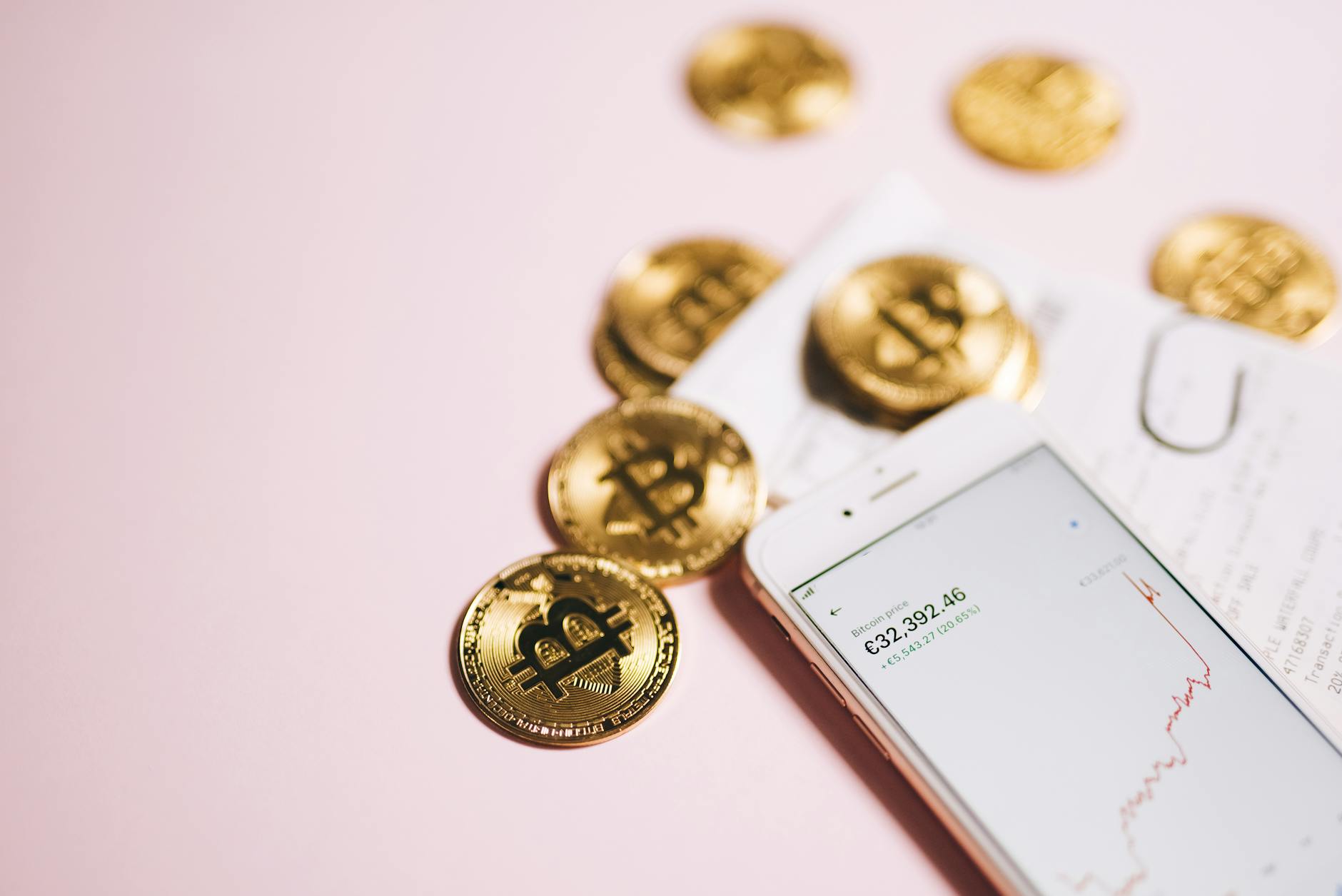
Delaying entry into the stock market results in the loss of valuable compound interest. Many people wait until they feel they have a large sum of money to begin investing. Time in the market matters significantly more than timing the market perfectly. Starting small with consistent contributions allows wealth to grow exponentially over decades.
Emotional Spending

Retail therapy provides a temporary dopamine hit that fades quickly after the purchase is made. Using shopping as a way to cope with stress or sadness leads to cluttered homes and empty bank accounts. Finding non monetary ways to manage emotions helps preserve financial health. Conscious spending requires pausing to evaluate the true necessity of an item before buying.
Keeping Up With Appearances

Social pressure drives many people to buy homes or cars that stretch their budgets to the breaking point. Trying to match the spending habits of friends or neighbors often leads to hidden financial distress. True wealth is usually what you do not see rather than flashy displays of consumption. Prioritizing personal financial goals over social status ensures long term stability.
Deferring Student Loans

Ignoring student loans or paying only the minimum extends the life of the debt significantly. Interest continues to accrue and increases the total amount paid over the life of the loan. Aggressive repayment strategies free up income for other life milestones like buying a home. Treating this debt as an emergency helps eliminate the burden faster.
Lack of Budgeting

Operating without a budget makes it impossible to know exactly where money is going each month. Expenses inevitably expand to fill the available income without a spending plan in place. Tracking every dollar assigns a specific job to income and prevents waste. This discipline is foundational for anyone looking to build serious wealth.
Ignoring Employer Matches

Failing to contribute enough to a retirement plan to get the employer match is effectively throwing away free money. This benefit offers an immediate one hundred percent return on the investment in many cases. It is one of the simplest ways to accelerate retirement savings with minimal effort. Prioritizing this contribution should be the first step in any financial plan.
Constant Tech Upgrades

Marketing campaigns convince consumers they need the latest phone model every single year. The functional improvements between annual releases are often minimal and not worth the cost. Holding onto electronics until they actually break saves hundreds of dollars annually. Breaking the cycle of constant upgrades protects the budget from unnecessary strain.
Buying Too Much House

Banks often approve mortgage amounts that are much higher than a monthly budget can comfortably handle. Purchasing a home at the top of this limit leaves little room for maintenance or savings. Being house poor restricts the ability to travel or invest in other opportunities. A smaller mortgage payment offers freedom and flexibility that a larger home cannot.
Paying for Convenience

Delivery apps and pre cut produce charge a high premium for saving a small amount of time. These convenience costs accumulate rapidly for those who use them frequently. Cooking from scratch and picking up takeout personally reduces these expenses significantly. Planning meals ahead of time reduces the need for last minute costly solutions.
Not Negotiating Salary

Accepting the first salary offer leaves a significant amount of potential earnings on the table. Over a career span this hesitation can result in hundreds of thousands of dollars in lost income. Employers often expect negotiation and have room in the budget to accommodate it. Researching market rates empowers employees to advocate for their fair market value.
Sale Shopping Mentality

Buying something simply because it is on sale does not actually save money if the item was not needed. Retailers use discount pricing to trigger urgency and encourage impulse purchases. Spending money on unnecessary goods reduces the cash available for essential goals. A true bargain is only valuable when it aligns with planned purchases.
Ignoring Credit Scores

A low credit score results in higher interest rates on mortgages and insurance premiums. Many people fail to check their reports for errors that could be dragging their score down. Maintaining a high score unlocks the best financial products and saves money on borrowing costs. Regular monitoring ensures that credit health remains strong.
Leasing Vehicles

Leasing appeals to those who want a new car every few years but it is the most expensive way to drive. The payments continue forever without resulting in ownership of the asset. The lessee ends up paying for the steepest depreciation period of the vehicle. Owning a car for a decade or more is far more economically sound.
Unused Gym Memberships

Aspirational fitness goals lead many to sign expensive contracts they rarely utilize. These monthly fees continue to draft from accounts long after the motivation has faded. Exercising at home or outdoors provides a free alternative to costly fitness centers. Canceling these memberships stops the slow leak of resources.
Failure to Refinance

Interest rates fluctuate and failing to refinance high interest debt costs significant money over time. Homeowners who stay in old mortgages when rates drop miss out on lower monthly payments. This applies to student loans and auto loans as well. Spending a few hours on paperwork can save thousands over the life of a loan.
Co signing Loans

Putting a signature on someone else’s loan creates a legal liability that can destroy financial standing. If the primary borrower misses payments the co signer is fully responsible for the debt. This often ruins relationships and credit scores simultaneously. Protecting personal credit requires saying no to these risky requests.
High Bank Fees
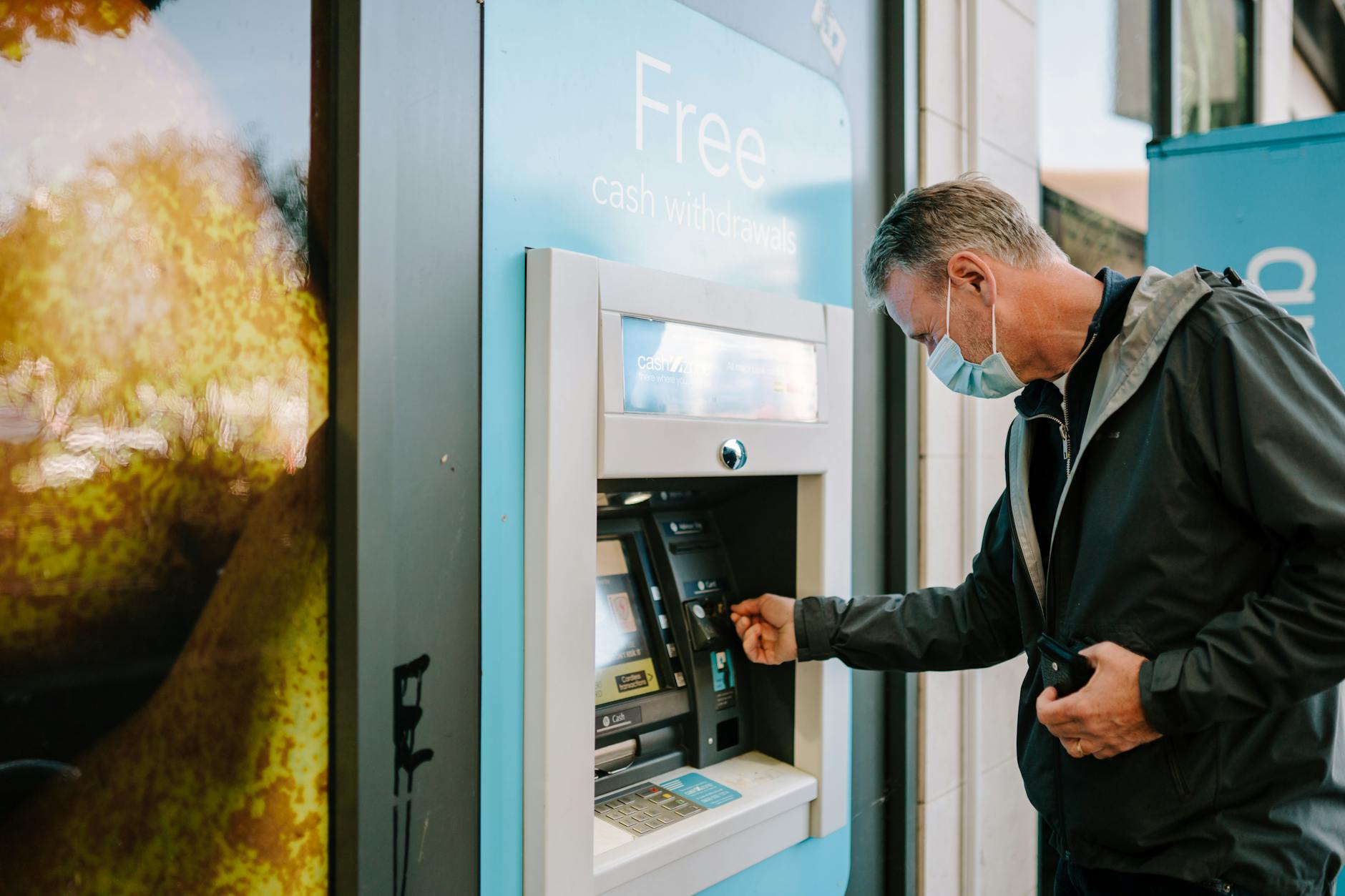
Many banks charge monthly maintenance fees or ATM fees that customers simply accept. Switching to online banks or credit unions often eliminates these unnecessary costs entirely. Overdraft fees are another penalty that can be avoided with a buffer in the checking account. Paying to access your own money is a habit that should be stopped immediately.
Grocery Shopping Without a List

Wandering the grocery store aisles leads to purchasing items that are not part of the meal plan. Stores are designed to maximize impulse buys through strategic product placement. Sticking to a strict list ensures that only necessary items end up in the cart. This simple discipline drastically reduces the weekly food bill.
Holiday Overspending

The pressure to buy lavish gifts often leads to a debt hangover in January. Many families fail to save for these predictable expenses throughout the year. Setting a strict budget for gifts forces creativity and thoughtfulness over price tags. Starting a holiday fund in January prevents end of year financial stress.
Renting Storage Units

Paying rent to store items that are rarely used is a clear sign of having too much stuff. The annual cost of the unit often exceeds the value of the items inside it. Selling or donating these possessions clears clutter and eliminates the monthly bill. This money serves a better purpose in an investment account.
Relying on One Income

Depending entirely on a single paycheck leaves a household vulnerable to layoffs or economic downturns. Middle class stability often requires diverse income streams to weather financial storms. Side hustles or passive income investments create a necessary buffer. Diversification is just as important for income as it is for investment portfolios.
Frequent Happy Hours

Socializing at bars and restaurants involves high markups on food and alcohol. While social connection is important the cost of frequent outings adds up quickly. Hosting gatherings at home offers a much more affordable way to spend time with friends. Rotating dinner parties can keep social lives active without draining the wallet.
Ignoring Insurance Deductibles

Carrying low deductibles results in higher monthly premiums that may not be necessary. Raising the deductible often lowers the premium significantly for those with emergency funds. This strategy works well for careful drivers and homeowners who can cover the difference. Reviewing policies annually ensures coverage is optimized for cost efficiency.
Please let us know which of these habits you are planning to break this year in the comments.