Many middle-class households fall into a costly trap of spending to project an image of affluence rather than building genuine financial security. The desire to appear successful often leads to decisions that quietly erode savings and delay real wealth-building milestones. These patterns are widespread, culturally reinforced, and rarely discussed openly. Understanding them is the first step toward breaking free from lifestyle inflation and making money work in a smarter direction.
Luxury Car Leasing

Leasing a high-end vehicle is one of the most common ways middle-class earners drain their monthly cash flow in pursuit of status. The payments are often steep, the insurance premiums follow suit, and at the end of the term there is nothing to show for the money spent. Many people cycle through lease after lease, never building any equity in a vehicle they drive daily. Wealthy individuals are statistically more likely to drive modest, paid-off cars because they prioritize asset accumulation over appearances. The allure of pulling up in a luxury model costs far more than the sticker price suggests.
Designer Handbags

Spending thousands on a single handbag to signal taste and affluence is a purchasing pattern that rarely aligns with actual financial health. Many buyers put these purchases on credit cards and carry balances for months, quietly paying interest on a fashion accessory. The resale value of most designer bags, while sometimes marketed as investments, is unpredictable and rarely matches the original cost. True high-net-worth individuals often have a far more pragmatic relationship with their everyday accessories. The bag may look expensive, but the financial decision behind it frequently is not.
First Class Upgrades

Routinely paying for premium cabin seats on flights is a splurge that signals wealth without contributing to it in any meaningful way. The price difference between business or first class and economy can run into hundreds or even thousands of dollars per trip. Middle-class travelers often justify the expense as a treat or a reward, but the habit compounds quickly across multiple trips per year. Many genuinely wealthy travelers fly economy when the journey is short or the budget demands it. Comfort at altitude is temporary while the credit card bill that follows is very real.
Country Club Memberships
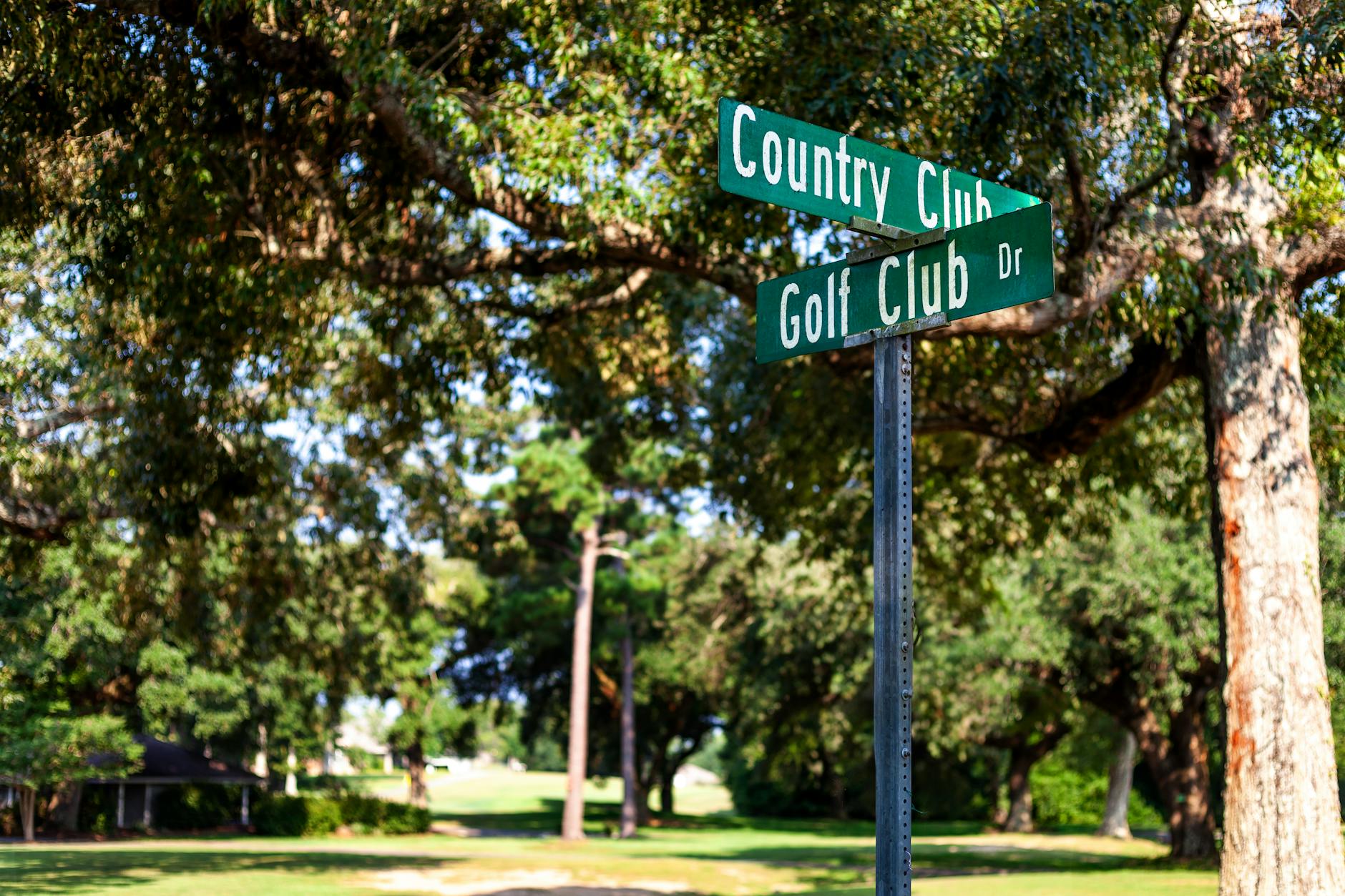
Joining a country club to network and project success is an expensive commitment that many households quietly struggle to maintain. Initiation fees alone can reach tens of thousands of dollars at prestige clubs, with monthly dues adding a recurring financial burden on top. Many members find themselves attending infrequently while continuing to pay full fees to avoid the social stigma of canceling. The networking benefits, often cited as justification, are available through far less costly professional and community organizations. The membership card may impress some people while quietly destabilizing a household budget.
Oversized Homes

Purchasing more house than a household genuinely needs is one of the most financially damaging ways middle-class families try to project success. A larger home brings higher mortgage payments, elevated property taxes, increased utility bills, and steeper maintenance costs year after year. Many buyers stretch far beyond their comfortable budget because the size and zip code of a home feel like a public declaration of achievement. The rooms that go unused still cost money to heat, cool, insure, and furnish. Real financial security is rarely found in square footage.
Private School Tuition

Enrolling children in expensive private schools is frequently driven as much by perceived prestige as by educational outcomes. Tuition at elite private institutions can rival college costs, placing an enormous recurring strain on household finances. Many families take on debt or forgo retirement contributions to maintain enrollment, prioritizing appearances over long-term financial health. Research consistently shows that public schools in well-resourced districts produce outcomes comparable to many private institutions. The sacrifice made for the name on the school crest is often invisible to everyone except the family making it.
Botox and Fillers

Maintaining a regular schedule of cosmetic treatments is an expense that quietly adds up to thousands of dollars annually for many middle-class consumers. The pressure to maintain a youthful, polished appearance is often tied to professional ambitions and social comparisons rather than personal wellness. Treatments need to be repeated at regular intervals to maintain results, creating a recurring cost that functions more like a subscription than a one-time purchase. The decision is rarely discussed openly, making it easy for individuals to underestimate how much they are collectively spending over time. Appearance-related spending of this kind rarely features in any serious financial plan.
Rolex Watches
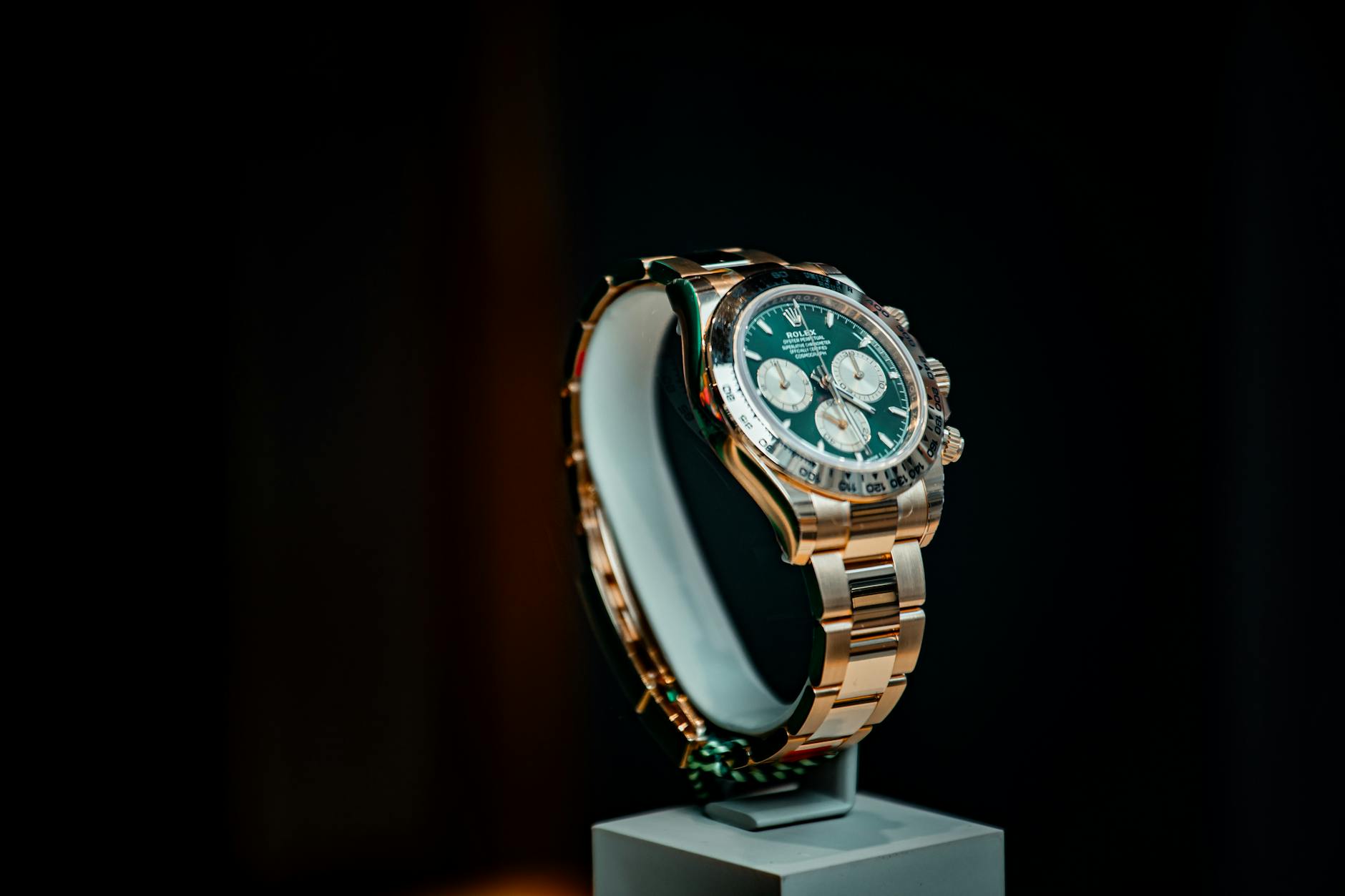
Buying a luxury watch as a status symbol is a purchase that many middle-class buyers rationalize as an investment with long-term value. While certain vintage or limited-edition models do hold or increase in value, the average retail Rolex purchased at full price rarely appreciates predictably. The watch is visible, conversation-starting, and effective at communicating a certain image in social settings. However, the capital tied up in a wrist accessory could be working far harder in a diversified investment portfolio. The timepiece tells others what the wearer wants them to believe about their financial position.
Frequent Dining Out

Eating at upscale restaurants multiple times a week is a lifestyle habit that projects affluence while quietly hollowing out a budget. The cost of a single dinner at a high-end establishment can equal a week’s worth of groceries for a household. Wealthy individuals certainly dine well, but they typically do so with intentionality rather than as a daily default driven by social habit. The ritual of being seen at fashionable restaurants has its own social currency, which is often the real motivation beneath the surface. Over the course of a year, this pattern can account for a significant and largely invisible financial leak.
Luxury Gym Memberships

Signing up for a premium fitness studio or exclusive gym is a spending habit that combines genuine wellness goals with a desire for social signaling. Monthly fees at high-end fitness clubs can exceed the cost of several streaming services combined, and that is before retail merchandise from the brand is factored in. Many members attend infrequently after the initial enthusiasm fades but continue paying to avoid the discomfort of admitting the membership was a mistake. Public parks, free workout programs, and budget gyms offer comparable fitness results at a fraction of the price. The logo on the gym bag rarely improves cardiovascular health.
Excessive Gifting
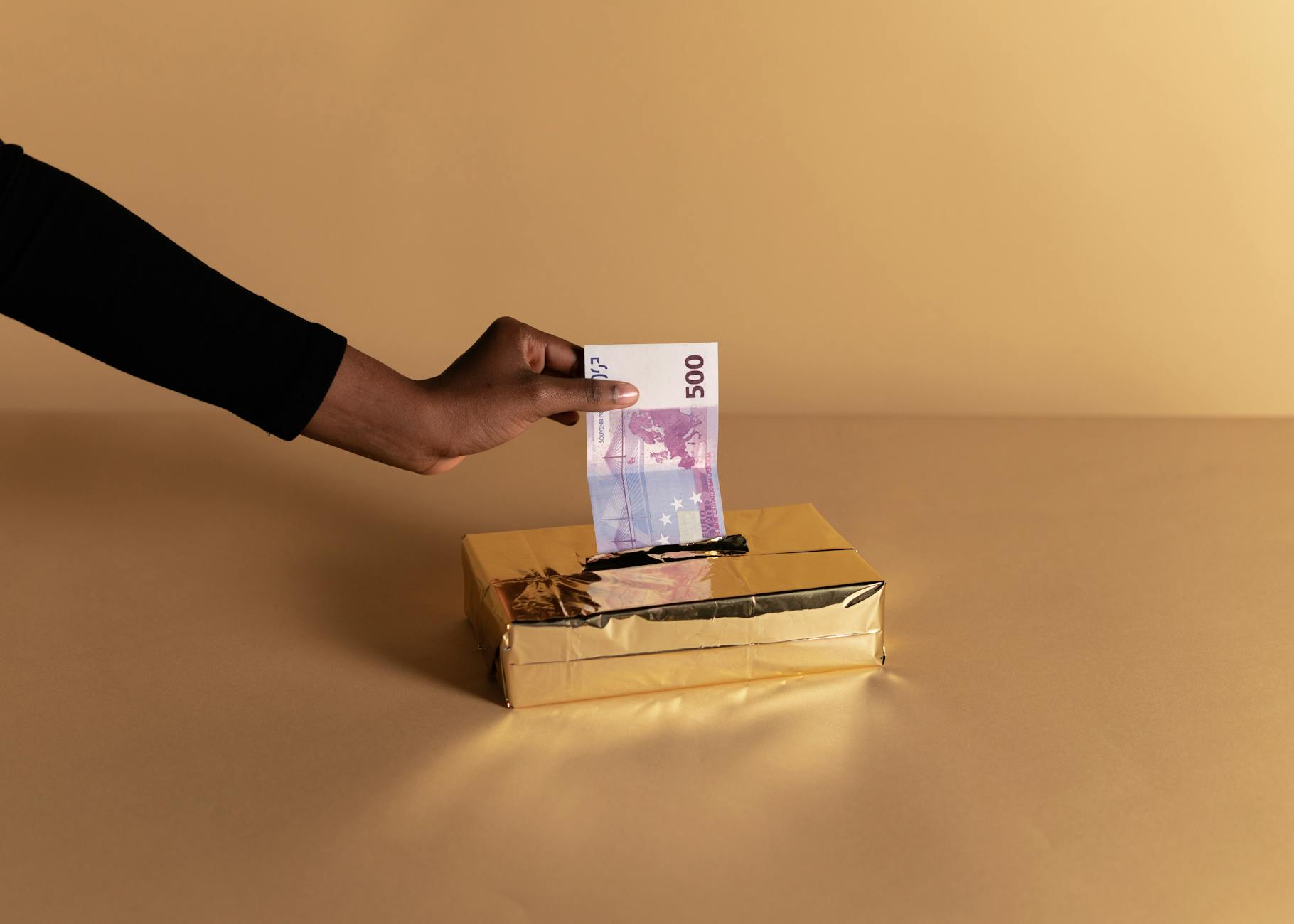
Spending far beyond one’s means on gifts for birthdays, holidays, and milestones is a form of financial performance that many middle-class individuals engage in habitually. The desire to be seen as generous and successful often overrides the practical reality of what a household budget can actually support. Credit card debt accumulated during holiday seasons in particular can take months to pay down, creating a cycle that repeats annually. Thoughtful, well-chosen gifts at a reasonable price point are consistently rated by recipients as more meaningful than expensive but impersonal ones. The financial hangover that follows excessive gifting is rarely worth the brief moment of social approval it generates.
Home Over-Renovation

Pouring money into home renovations to impress guests or match a certain aesthetic is a financial pattern that frequently exceeds actual property value gains. Middle-class homeowners often over-improve their properties relative to the neighborhood, spending on features that appraisers and future buyers will not fully credit. Kitchen and bathroom upgrades are the most common culprits, with costs routinely running tens of thousands of dollars over initial estimates. The renovation becomes less about livability and more about curating an environment that reflects a desired social image. The return on investment for appearance-driven renovations is rarely what homeowners expect.
Trendy Vacations
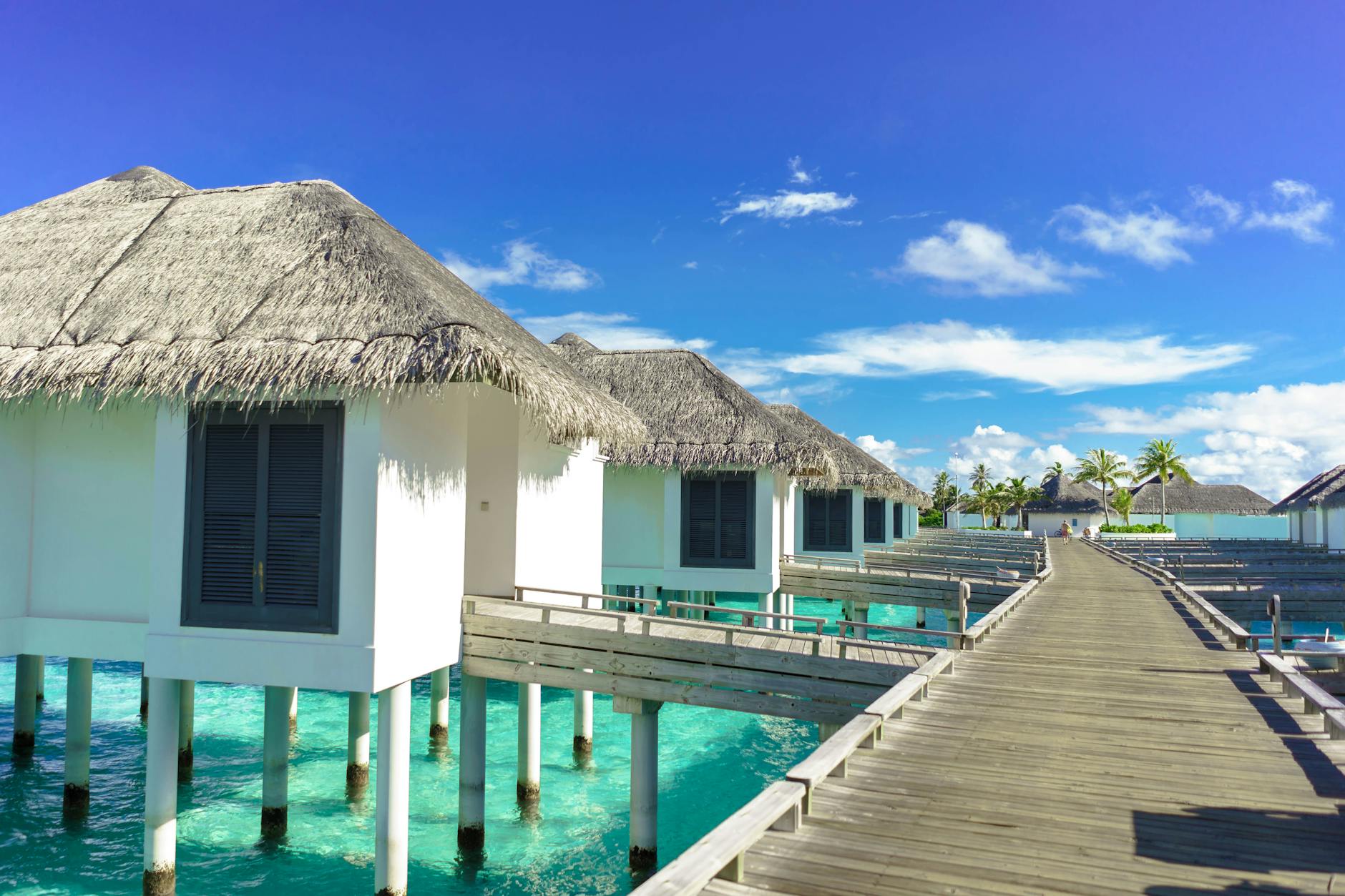
Booking holidays to fashionable destinations primarily because they are popular on social media is a spending pattern driven more by image than by genuine travel preferences. The most Instagrammable locations are frequently also the most expensive, with accommodation, dining, and activity costs all inflated by demand. Many travelers return home with a credit card balance and a feed full of curated images that bear little resemblance to the actual experience. Genuinely wealthy travelers often seek out less obvious destinations where their money goes further and the crowds are thinner. The cost of a vacation chosen for social currency is almost always higher than one chosen for personal enjoyment.
Premium Alcohol

Ordering or serving only top-shelf spirits and wines as a standard habit is a way of performing wealth that carries a significant price tag. The markup on premium alcohol at restaurants and bars is substantial, and hosting gatherings with exclusively expensive bottles adds up rapidly across a social calendar. Most people cannot reliably distinguish high-end spirits from mid-range alternatives in blind taste tests, which makes the premium a payment for perception rather than quality. Middle-class consumers who adopt this habit often do so to signal sophistication to their social circle. The difference between a thoughtful mid-range bottle and an expensive one is often the label rather than the liquid.
Brand Name Clothing

Filling a wardrobe primarily with designer or heavily branded clothing is a costly way to communicate status that requires constant updating to remain current. Fast-changing fashion cycles mean that today’s must-have label can feel dated within a season or two, prompting further spending to stay relevant. Many high-street and mid-range brands now produce quality garments that are indistinguishable from designer alternatives in terms of durability and construction. The visible logo on a garment is a signal directed at others rather than a reflection of the wearer’s actual financial position. A wardrobe built around quality basics and thoughtful choices will outlast and outperform one assembled around brand recognition.
New Tech on Release Day

Purchasing the latest smartphone, laptop, or gadget on launch day at full retail price is a habit that combines genuine enthusiasm for technology with a performance of staying ahead. Devices depreciate rapidly, and the premium paid for being first is rarely justified by the incremental improvements over the previous generation. Waiting even a few months after launch typically yields significant discounts while the technology itself remains functionally identical. Many people upgrade devices on an annual cycle not because their current model has failed but because novelty has social and psychological appeal. The newest model often says less about financial health than it does about the need for external validation.
Luxury Skincare

Spending heavily on premium skincare products because of brand prestige rather than ingredient efficacy is a purchasing pattern that cosmetics marketing has spent decades cultivating. Many luxury skincare lines share active ingredients with far more affordable alternatives, with the price difference largely attributable to packaging, marketing, and brand positioning. Dermatologists consistently point out that basic products containing proven ingredients outperform expensive options with complex but unsupported claims. The elegant packaging and aspirational branding make luxury skincare feel like an investment in self-care when it is often simply a premium for aesthetics. A well-researched drugstore routine will frequently deliver comparable or superior results.
Golf Memberships

Taking up golf as a networking tool and joining a private club to access the right circles is an expensive strategy that many middle-class professionals pursue. The sport itself requires significant equipment investment, and private club fees layer on top of green fees, dining minimums, and social expectations around attire and entertaining. Many members find that the professional relationships formed on the course could have been cultivated through less costly professional settings. The game has genuine appeal as a sport and recreational activity, but membership chosen primarily for image purposes rarely delivers proportionate professional or financial returns. The cost of belonging to the right club is one that accumulates quietly over years.
Subscription Overload

Accumulating a large collection of subscription services across streaming platforms, meal kits, lifestyle boxes, and premium apps is a modern form of lifestyle inflation that feels modest month to month but adds up significantly. Each individual subscription is easy to justify in isolation, but the combined monthly total often surprises people when they actually add it up. Many services are used infrequently after the initial novelty fades, yet the passive billing continues because canceling requires a conscious effort most people defer. Projecting the image of a full, curated lifestyle through multiple premium services has become a contemporary status marker. The cumulative cost of digital abundance is one of the least visible drains on a middle-class budget.
Keeping Up Appearances
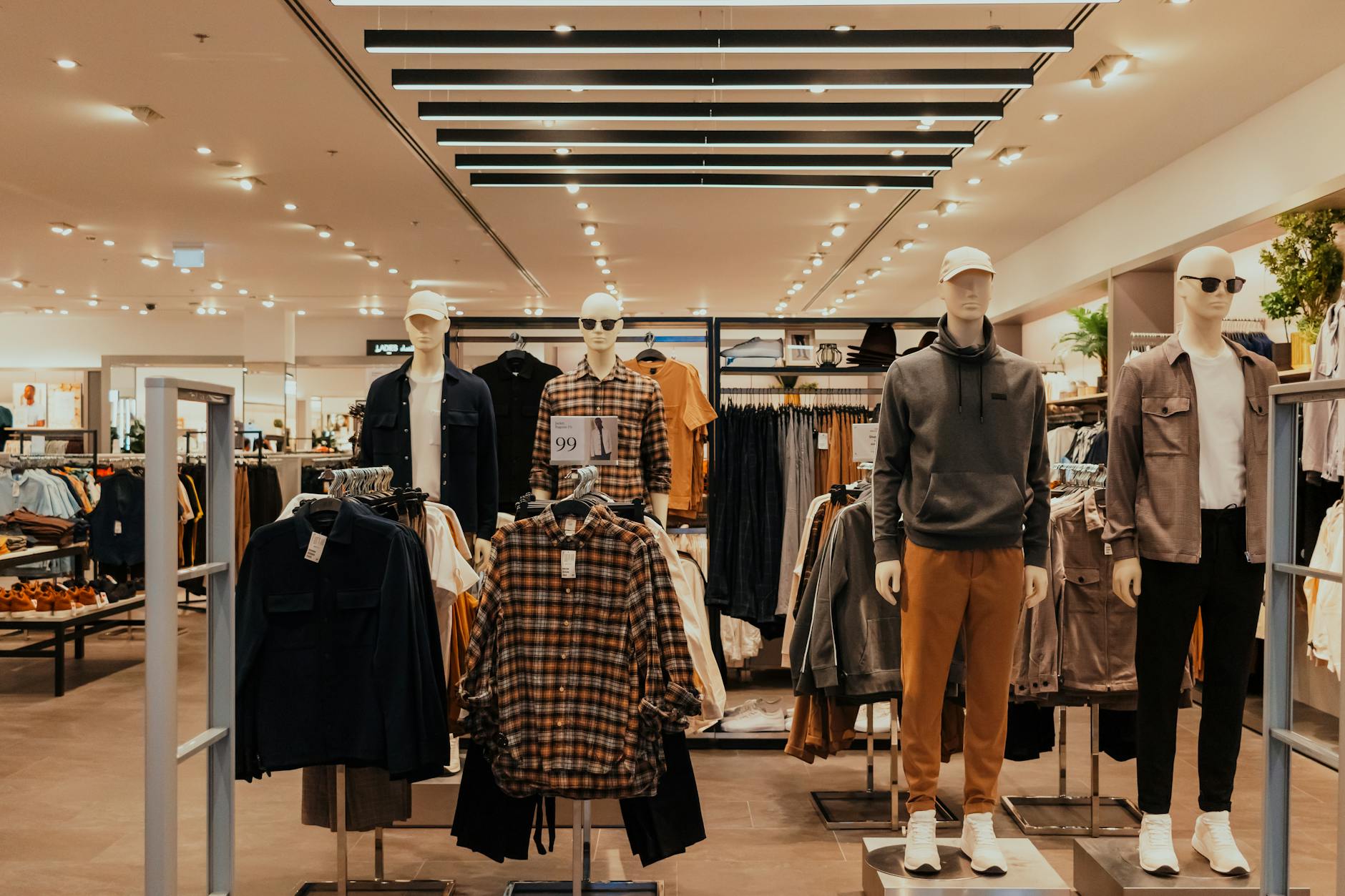
Spending money to maintain social parity with friends, colleagues, or neighbors is perhaps the most pervasive and least acknowledged of all middle-class financial patterns. The informal competition to match the lifestyle visible in someone else’s choices drives decisions around cars, vacations, clothing, and home upgrades that would not otherwise be made. This behavior is often unconscious, framed internally as aspiration rather than imitation. The financial cost of social conformity compounds over time and actively works against building the kind of quiet wealth that does not need an audience. True financial confidence rarely announces itself through consumption.
What money mistakes have you seen people make in the pursuit of looking wealthy? Share your thoughts in the comments.