Saving money often feels like a restrictive chore that limits enjoyment and spontaneity in daily life. Transforming financial discipline into a game changes this perspective by adding elements of competition and creativity. These challenges offer structure and tangible goals that turn frugal living into an engaging pursuit rather than a burden. Participants can choose specific tasks that align with their lifestyle or attempt several at once for maximum impact. The following ideas provide diverse ways to build a savings buffer while discovering new habits.
The No-Spend Weekend

This challenge involves committing to spending absolutely zero dollars from Friday evening until Monday morning. You must rely solely on food already in the house and utilize free entertainment options like hiking or reading. It forces you to get creative with your resources and often reveals how much money goes toward unplanned weekend activities. Many participants find they enjoy a calmer weekend schedule without the pressure of errands or costly outings. The savings from just one weekend can be surprisingly significant when totaled up.
The Pantry Clear-Out

You create meals using only the ingredients currently found in your cupboards and freezer during this challenge. The goal is to delay a trip to the grocery store for as long as possible while reducing food waste. This exercise encourages culinary creativity as you combine staples like pasta or rice with frozen vegetables and canned goods. It effectively rotates your food stock and ensures older items are consumed before they expire. The money normally spent on a weekly grocery run stays in your bank account.
Cash-Only Week

Participants leave their credit and debit cards at home and operate strictly with a predetermined amount of physical cash for seven days. Seeing the money physically leave your hand creates a psychological barrier that reduces impulse purchases. You become acutely aware of the cost of small items like gum or coffee when you have to break a large bill. This tactile approach often leads to leftover cash at the end of the week. It serves as a powerful reset for those accustomed to mindless digital swiping.
The 52-Week Progressive Save
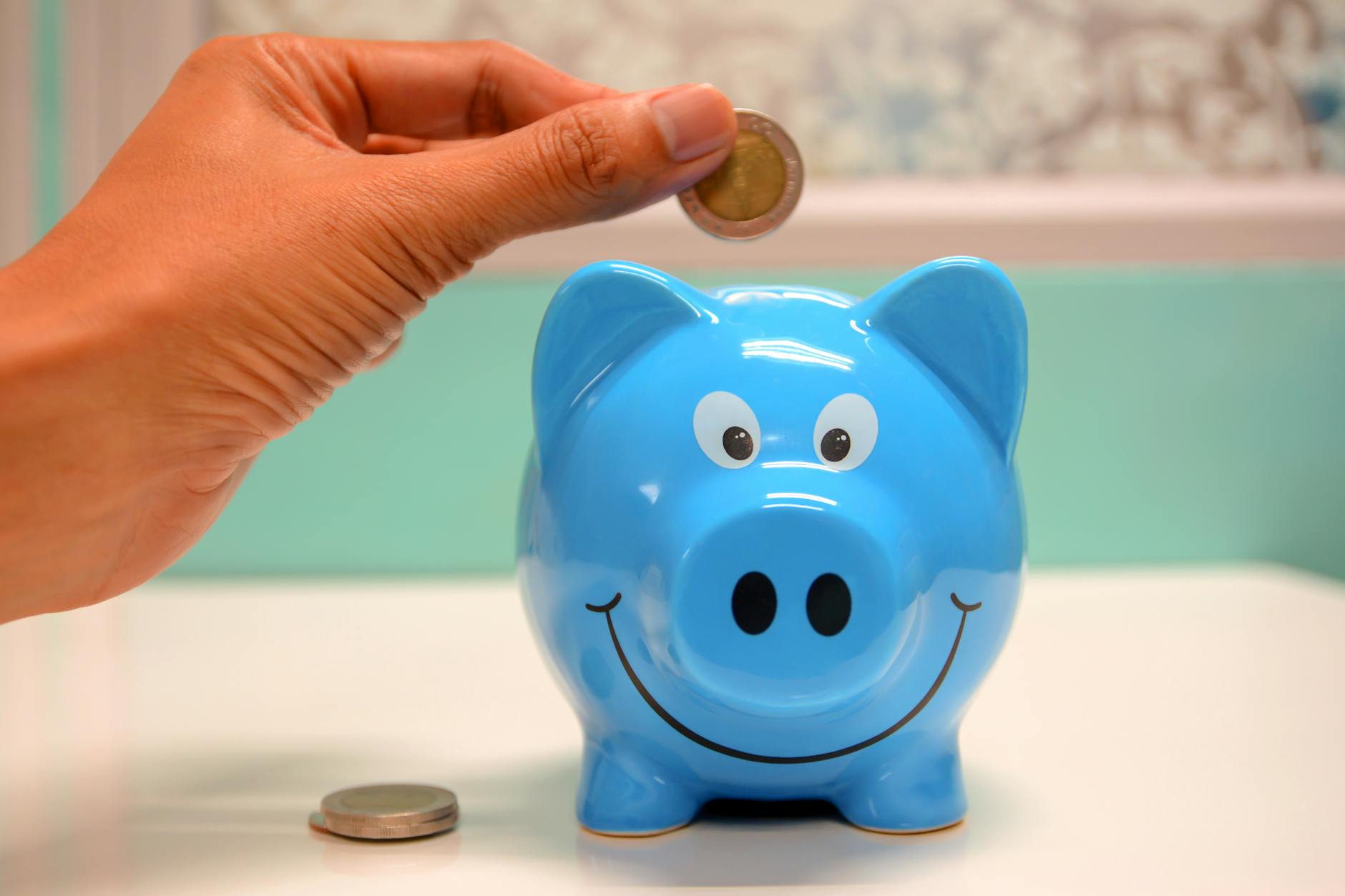
This popular method starts by saving one dollar in the first week and increases the amount by a dollar each subsequent week. By the last week of the year you are setting aside fifty-two dollars to complete the cycle. The gradual increase allows you to adjust your budget slowly without feeling a sudden financial shock. It results in a substantial sum of nearly fourteen hundred dollars by the end of the challenge. This structure builds momentum and turns saving into a consistent weekly habit.
The Five Dollar Bill Rule
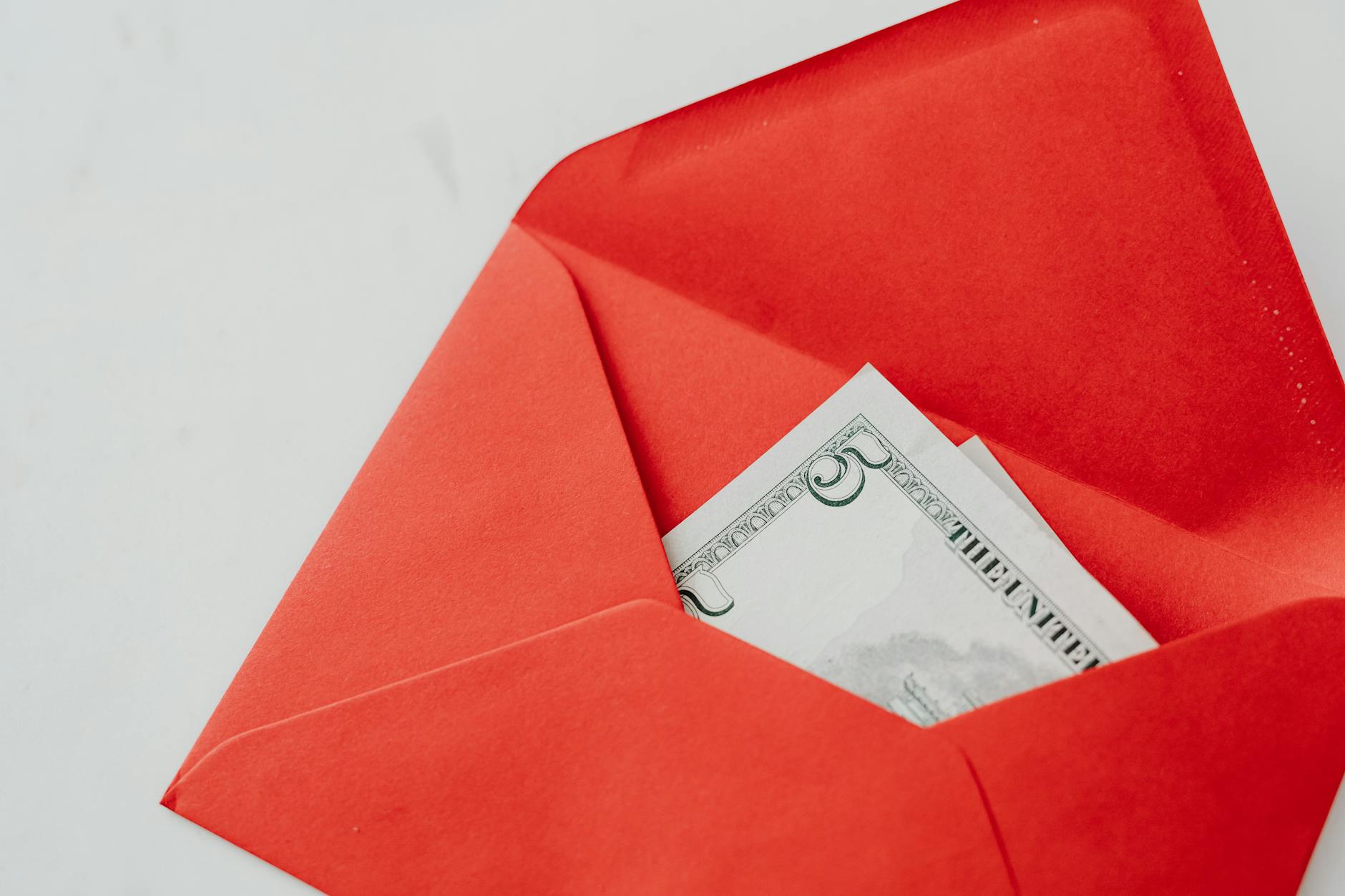
Every time a five-dollar bill comes into your possession you must save it rather than spend it. You place these specific bills into a jar or envelope and treat them as if they do not exist for spending purposes. The randomness of receiving change adds an element of surprise and gamification to the process. Over time this passive collection method accumulates a significant amount of cash without requiring complex tracking. It works best for those who still use cash frequently for daily transactions.
Generic Brand Swap

For one month you commit to buying only store-brand or generic versions of every product on your shopping list. This experiment tests the assumption that name brands offer superior quality for their higher price point. You compare the ingredients and taste of cheaper alternatives to see which ones are indistinguishable from premium labels. Most shoppers realize they can permanently switch to generics for many household staples. The difference in cost at the register provides immediate feedback on the savings potential.
The 30-Day Waiting Period

This rule requires you to wait thirty days before purchasing any non-essential item over a certain price threshold. You write down the desired item and the date on a list instead of buying it immediately. The cooling-off period eliminates the emotional rush of impulse buying and often results in the desire fading away. If you still want the item after a month you can proceed with the purchase knowing it is a deliberate decision. This habit drastically cuts down on clutter and buyer’s regret.
Home Barista Month

You pledge to brew all your coffee and tea at home for a full month instead of visiting cafes. Investing in quality beans and a travel mug makes the transition easier and more enjoyable. This challenge highlights the massive markup on beverages sold at coffee shops and reinforces the value of preparation. You can experiment with different brewing methods and recipes to replicate your favorite fancy drinks. The daily savings are easy to track and motivate you to continue the habit.
Library Entertainment Quest

This challenge restricts your media consumption exclusively to materials available for free from your local library. You explore their collection of books and movies as well as digital resources like audiobooks and streaming services. It encourages you to discover hidden gems and revisit classics without paying for monthly subscriptions or rental fees. Libraries often offer free passes to museums and local attractions to expand your entertainment options. This approach proves that high-quality entertainment does not require a credit card.
Brown Bag Lunch Streak

Participants commit to bringing a packed lunch to work or school every single day for a month. You prepare meals the night before or cook in batches on the weekend to ensure success. This habit eliminates the high cost of restaurant markups and delivery fees that quickly drain a budget. It also tends to lead to healthier eating choices since you control the ingredients and portion sizes. The cumulative savings from skipping daily takeout are often large enough to fund a future reward.
Meatless Monday Plus

You eliminate meat from your diet for at least one day a week to lower your grocery bill. Plant-based proteins like beans and lentils are significantly cheaper than beef or chicken and offer great nutritional value. This challenge invites you to try new recipes and explore different cuisines that focus on vegetables and grains. Expanding the challenge to two or three days a week increases the financial benefit. It serves as an environmentally friendly way to cut costs in the kitchen.
DIY Cleaning Supply Switch

This project involves making your own household cleaners using basic ingredients like vinegar and baking soda. You stop buying specialized sprays and scrubs that come with high price tags and harsh chemicals. Mixing these simple solutions is quick and costs a fraction of store-bought alternatives. The effectiveness of these natural cleaners often surprises people and simplifies their cleaning cabinet. You save money while reducing the number of plastic bottles brought into your home.
Subscription Service Audit

You print out your bank statements and cancel every recurring subscription that you do not use at least weekly. This audit often uncovers forgotten charges for streaming services or apps that drain money silently. The challenge requires you to be ruthless and keep only the services that add genuine value to your life. You can always resubscribe later if you find you truly miss a specific service. This one-time task creates permanent monthly savings with minimal ongoing effort.
Sell One Item Daily

The goal is to find one item in your home to sell every day for thirty days. You list these items on local marketplaces or auction sites to declutter your space and generate cash. It forces you to evaluate your possessions and part with things that no longer serve a purpose. The daily cadence keeps you motivated and prevents the task from becoming overwhelming. The income generated acts as a direct reward for your decluttering efforts.
The Round-Up Method

You manually round up every transaction in your checkbook or banking app to the nearest dollar and transfer the difference to savings. Many banks offer automated tools to do this but doing it manually increases your awareness of spending. This digital change jar grows quietly in the background without impacting your daily purchasing power. It turns every purchase into a small savings event that builds a nest egg over time. You will be surprised by how quickly the loose change adds up.
Weather Saving Challenge

This fun game involves checking the high temperature for the day and transferring that dollar amount into savings. A hot summer day might mean saving ninety dollars that week while winter offers a reprieve. It connects your savings habit to the external environment and adds variety to the amounts you save. You can reverse the rules in winter to save more when the temperature drops low. This unpredictability keeps the routine fresh and engaging throughout the year.
Capsule Wardrobe Trial

You select thirty-three items of clothing to wear for three months and box up the rest of your wardrobe. This restriction stops you from buying new clothes as you focus on mixing and matching what you already own. It reduces decision fatigue in the morning and highlights which pieces you truly love and wear. The challenge proves that you need far fewer clothes than you think to be stylish. You save money by completely halting apparel purchases for the season.
Repair Over Replace

This commitment requires you to attempt to fix any broken item before buying a new one. You utilize online tutorials and basic tools to mend clothing or repair small appliances. It fosters a mindset of resourcefulness and extends the lifespan of your possessions. Even if a professional repair is needed it is often cheaper than buying a brand new replacement. This habit reduces waste and saves significant amounts on big-ticket items.
Water-Only Beverage Week

You drink only water for seven days and cut out all soda and juice and alcohol. This strict rule eliminates the cost of sugary drinks and expensive cocktails at restaurants. Water is generally free or very low cost and offers superior hydration benefits. The challenge resets your taste buds and often leads to reduced cravings for sweet beverages. Your grocery bill and dining tabs will be noticeably lower during this week.
Leftover Remix

You create a completely new meal using the leftovers from a previous dinner instead of reheating them. This culinary challenge prevents food boredom and ensures that nothing goes to waste. You might turn roast chicken into tacos or mash roasted vegetables into a soup. It encourages you to view leftovers as ingredients rather than just old food. This strategy stretches your grocery budget by getting two distinct meals out of one cooking session.
Energy Saving Hour

Participants turn off all electricity and electronics for one hour every evening. You spend this time reading by candlelight or talking with family or taking a walk. This practice reduces your utility bill and provides a mental break from screens and noise. It creates a calming ritual that signals the transition from a busy day to a restful night. The small daily reduction in energy usage adds up over the course of a billing cycle.
Handmade Gift Month

You pledge to give only homemade gifts for all birthdays and holidays occurring in a specific month. This requires you to invest time and thought into creating something personal rather than buying a generic store item. Ideas include baked goods or photo albums or knitted items that carry sentimental value. Recipients often appreciate the effort more than a purchased object. This approach saves money and adds a heartfelt touch to your gift-giving.
Mystery Ingredient Cooking

A partner or family member chooses three random ingredients from the pantry that you must use in a meal. This game works like a televised cooking competition and forces you to think outside the box. It helps use up odd items that have been sitting on the shelf for months. The constraint of specific ingredients sparks creativity and makes dinner preparation entertaining. You save money by utilizing what you have instead of shopping for a specific recipe.
Dining Out Fast

You completely avoid restaurants and fast food and takeout for a set period like thirty days. This challenge forces you to plan your meals and snacks ahead of time to avoid hunger emergencies. It highlights how much convenience food impacts your monthly budget. You likely will improve your cooking skills and eat healthier meals as a result. The money saved can be earmarked for a special high-quality dining experience later.
Envelope System Test

You withdraw your discretionary spending money for the month in cash and divide it into labeled envelopes. Once an envelope for a category like entertainment or groceries is empty you cannot spend any more in that area. This visual and physical limit prevents overspending and forces you to prioritize your purchases. It teaches strict budgeting discipline without the need for complicated spreadsheets. The tangible nature of cash makes the budget feel real and finite.
Email Unsubscribe Purge

You spend one hour unsubscribing from every retail newsletter and marketing email that lands in your inbox. These emails are designed to tempt you with sales and limited-time offers that trigger impulse buys. Removing the constant barrage of advertisements reduces the psychological pressure to spend money. You reclaim your inbox for important communication rather than commercial noise. This digital cleanup creates a barrier between you and mindless shopping.
The Penny Challenge

This variation of the progressive save starts with saving one penny on day one and two pennies on day two. You continue adding a penny each day for a full year until you are saving three dollars and sixty-five cents on the last day. It is an incredibly easy entry point for those who feel they cannot afford to save large amounts. The final total is over six hundred dollars which makes a nice emergency fund starter. This micro-saving strategy builds consistency with almost zero financial pain.
Zero Waste Week

The goal is to produce as little trash as possible which naturally leads to buying fewer packaged goods. You shop in the bulk section with reusable containers and avoid single-use items entirely. This lifestyle shift often steers you toward whole foods and durable products that save money in the long run. It raises awareness of how much packaging you pay for that simply gets thrown away. The challenge benefits both your wallet and the environment.
Clothing Swap Party

You organize a gathering where friends bring clothes they no longer wear to trade with each other. This event allows everyone to refresh their wardrobe for free without spending a dime. It turns decluttering into a social activity and gives old clothes a second life. You can find unique pieces that you might not have picked out in a store. This sustainable practice satisfies the urge for newness without the financial cost.
Walk or Bike Challenge

You commit to walking or biking to any destination within a two-mile radius of your home. This rule saves money on gas and parking while adding physical activity to your day. It forces you to slow down and appreciate your local neighborhood from a different perspective. You reduce wear and tear on your vehicle for short trips which are often the most damaging. This habit is good for your health and your transportation budget.
Potluck Dinner Hosting

Instead of meeting friends at a restaurant you host a dinner where everyone brings a dish to share. This spreads the cost of the meal across the group and makes entertaining affordable. It creates a cozy and relaxed atmosphere where guests can stay as long as they like. You get to try a variety of homemade dishes without the high price of a tasting menu. This social strategy keeps friendships alive without draining bank accounts.
Outdoor Fitness Month

You cancel or pause your gym membership and exercise exclusively outdoors or at home for a month. Parks and trails offer free venues for running and hiking and bodyweight workouts. This change of scenery can revitalize your fitness routine and prevent boredom. You realize that effective exercise does not require expensive equipment or facilities. The monthly membership fee stays in your pocket while you stay fit.
100 Envelope Challenge

You number envelopes from one to one hundred and place them in a box or basket. Each day or week you draw one envelope at random and stuff it with the cash amount written on the front. This gamified method saves over five thousand dollars when all envelopes are filled. The element of chance keeps the process exciting and unpredictable. It is a powerful way to aggressively save for a large goal like a vacation or car down payment.
Vice Jar

You identify a habit you want to curb like swearing or biting your nails or smoking. Every time you slip up and engage in the habit you must put a dollar in the jar. This negative reinforcement helps break the bad habit while building a small savings fund. It adds a tangible consequence to your actions that increases mindfulness. The money collected can eventually be used for a healthy reward.
Luxury Matching

For every dollar you spend on a non-essential luxury item you must put an equal dollar into savings. This rule effectively doubles the price of treats which makes you consider them more carefully. If you cannot afford to save the matching amount then you cannot afford the luxury purchase. It balances your spending between present enjoyment and future security. This mechanism slows down discretionary spending and boosts your savings rate simultaneously.
Birthday Freebies Hunt

You sign up for rewards programs at various restaurants and retailers specifically to collect birthday freebies. During your birthday month you go on a tour to claim your free coffees and meals and desserts. This scavenger hunt provides a series of treats without any cost to you. It turns your birthday into a month-long celebration of savings. You just need to remember to use a secondary email address to avoid cluttering your main inbox.
No New Clothes Season

You pledge not to buy any new apparel for a specific season like summer or winter. This challenges you to find new combinations within your existing wardrobe to suit the weather. You might rediscover items you had forgotten about or learn to layer differently. It breaks the cycle of fast fashion consumption and saves a considerable amount of money. You enter the next season with a clearer understanding of what you actually need.
Thrift Store Treasure Hunt

You permit yourself to buy “new” items only if you can find them at a thrift store or garage sale. This hunt turns shopping into a game where you search for high-quality goods at bargain prices. It requires patience and a good eye but the financial payoff is massive. You often find unique vintage items that add character to your home or wardrobe. This constraint satisfies the shopping itch without the retail price tag.
Public Transit Trial

You leave your car at home and use public transportation for all your commuting needs for a week. This experiment saves money on fuel and parking and vehicle maintenance. It allows you to use your commute time for reading or relaxing instead of fighting traffic. You gain a better understanding of your city’s infrastructure and connectivity. This break from driving can reduce stress and lower your carbon footprint.
Insurance Rate Check

You dedicate an afternoon to calling insurance providers to compare rates for your car and home policies. This challenge involves gathering quotes to see if you can get better coverage for less money. Insurance companies often offer lower rates to new customers or will lower your current rate to keep you. It is a strictly administrative task that can yield hundreds of dollars in annual savings. You ensure you are not overpaying for essential protection.
Savings Rate Increase

You log into your retirement or savings account and increase your contribution by just one percent. This small adjustment is often unnoticed in your take-home pay but compounds significantly over time. It creates a habit of slowly ratcheting up your savings as you adjust to the new income level. You can repeat this challenge every few months to painlessly boost your long-term wealth. It automates your financial progress and secures your future.
Climate Control Break

You challenge yourself to go without heating or air conditioning for a specific day or week when the weather is mild. This involves dressing appropriately for the temperature and opening windows for cross-ventilation. It reconnects you with the natural climate and reduces your reliance on mechanical systems. The energy saved during these transition periods lowers your utility bill. You become more attuned to the seasons and less dependent on a thermostat.
Stay-at-Home Date Night

Couples commit to a romantic evening at home that replicates the experience of going out. You might cook a fancy dinner together or have a movie marathon with popcorn and snacks. This saves the cost of expensive restaurant meals and transportation and babysitters. It fosters intimacy and creativity as you plan activities to do together in your own space. The money saved can be put toward a shared financial goal.
Single Subscription Limit

You limit yourself to having only one active streaming service at a time. When you want to watch a show on a different platform you must cancel your current one first. This rotation method prevents you from paying for multiple services that you do not watch simultaneously. It encourages you to fully explore the catalog of one service before moving on. You save money by avoiding the trap of subscription accumulation.
Impulse Buy Ban

You create a rule that you cannot buy anything non-essential within twenty-four hours of seeing it. This pause allows your rational brain to take over from your emotional impulse. You often find that the urgency to own the item disappears after a good night’s sleep. This simple time buffer saves you from accumulating clutter and wasting money. It promotes intentional spending rather than reactive consumption.
Change Jar Art
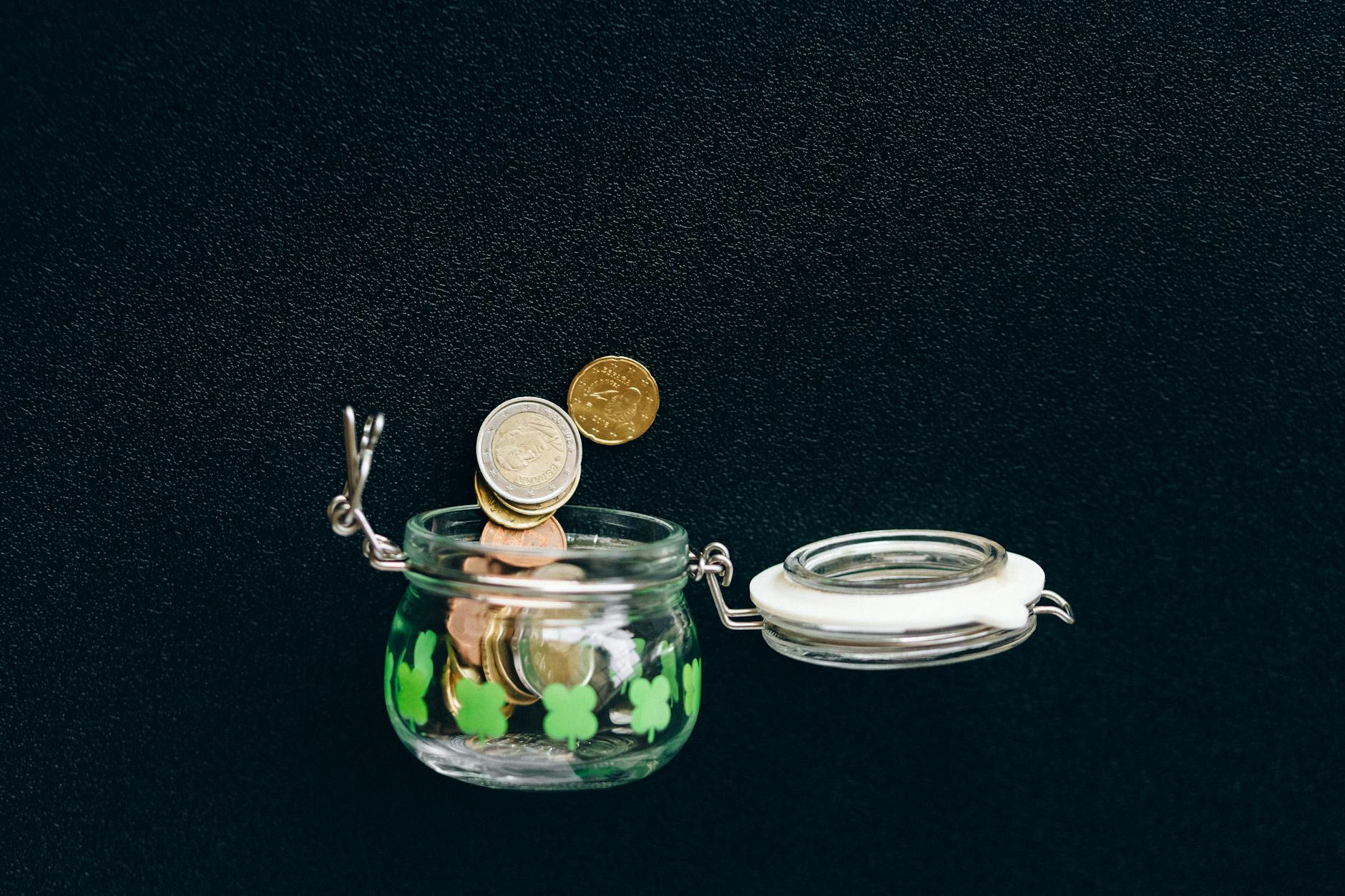
You collect spare coins in a clear glass jar and use different coins to create visual layers. The goal is to fill the jar to create a decorative piece while saving money. Seeing the layers grow provides visual motivation to keep adding to the collection. Once the jar is full you can cash it in for a reward or deposit it. This turns the act of saving loose change into an aesthetic project.
Coupon Scavenger Hunt
You challenge yourself to find a coupon or discount code for every single item on your shopping list. This requires searching online databases and store apps and circulars before you shop. It turns the boring task of grocery shopping into a strategic mission to lower the total. You discover new sources for discounts and learn the sales cycles of your favorite stores. The satisfaction of seeing the total drop at the checkout is the ultimate reward.
Free Local Events Only

You fill your social calendar exclusively with events that are free to the public. This involves searching community boards for concerts and festivals and art openings. You discover the vibrant culture of your city without spending money on tickets. It encourages you to try new activities that you might not have considered otherwise. You realize that having a busy social life does not require a large budget.
Wait 24 Hours

This strict rule applies to any online purchase you intend to make. You place the item in your digital cart but force yourself to close the browser tab until the next day. This cooling-off period drastically reduces late-night shopping sprees and emotional purchases. You often forget about the item entirely which proves it was not essential. This digital speed bump protects your bank account from instant gratification.
Bad Habit Tax

You assign a monetary penalty to a specific behavior you want to stop such as complaining or procrastinating. Every time you catch yourself doing it you must transfer a fixed amount to your savings account. This tax creates a disincentive for the behavior while padding your savings. It increases your self-awareness and helps you improve your personal habits. You win by either breaking the habit or saving money.
Share your favorite money-saving challenge or suggest a new one in the comments.