
Elite performers across industries share a quiet consistency in how they begin their days, and it rarely involves anything flashy or complicated. The most effective morning routines are built around deliberate choices that compound over time into extraordinary results. These habits are rarely discussed in interviews or highlighted in press coverage because they feel too simple to seem impressive. Yet it is precisely their simplicity and repeatability that makes them so powerful. Here are 25 morning routines that high achievers quietly rely on to maintain their edge.
Cold Shower Contrast
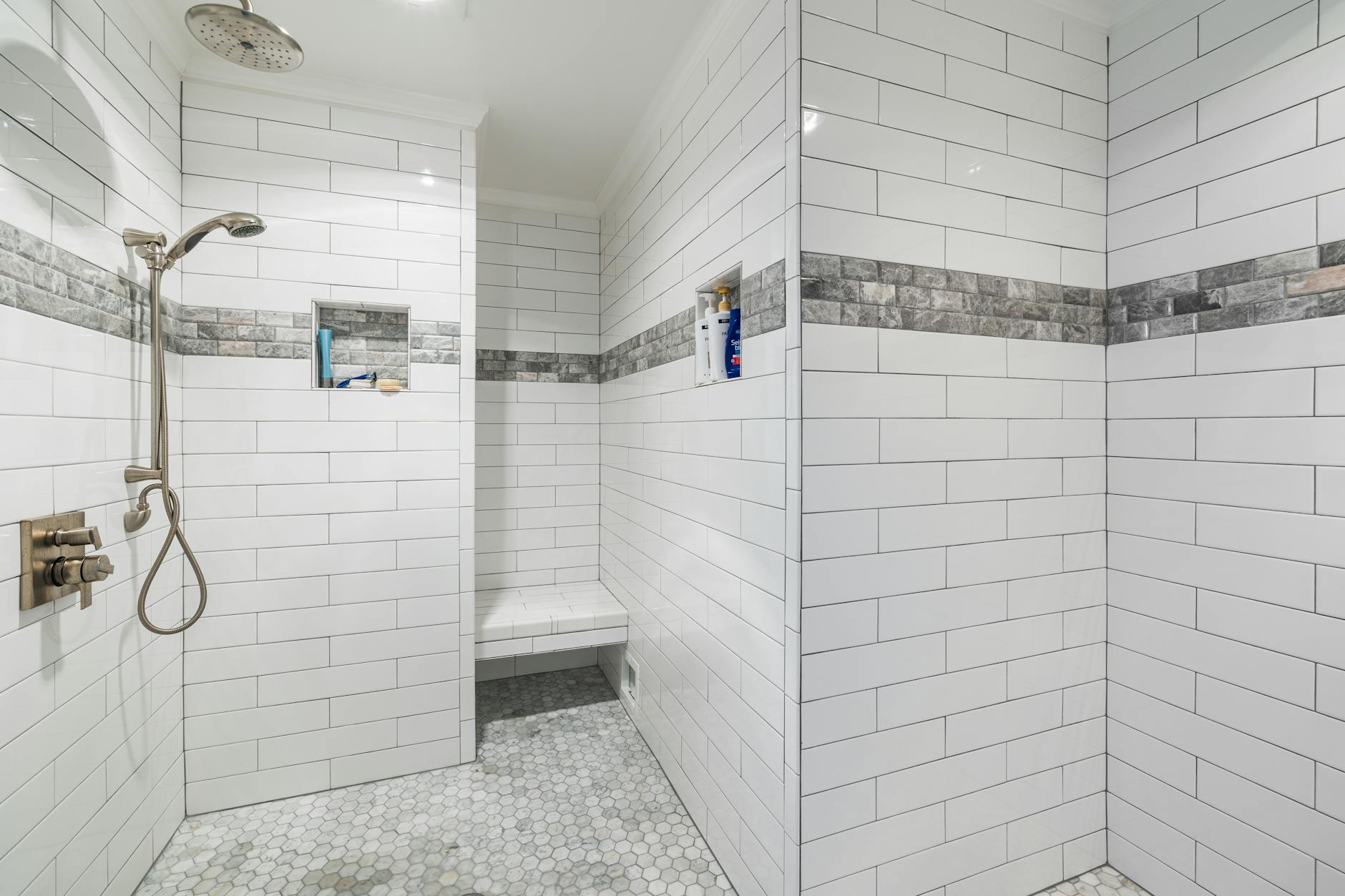
Many elite performers begin their morning with alternating bursts of hot and cold water to rapidly stimulate circulation and activate the nervous system. The cold exposure triggers a release of norepinephrine in the brain, which has been linked to improved mood, focus, and mental resilience. This contrast method is commonly used by professional athletes and executives who need to be cognitively sharp within minutes of waking. The physiological shock also encourages deep and controlled breathing, which further supports a calm and alert state. It takes less than five minutes and delivers results that are immediately noticeable.
Dry Brushing

This ancient practice involves using a firm natural-bristle brush on dry skin in long upward strokes before bathing. It stimulates the lymphatic system and promotes the removal of metabolic waste, which supports the body’s natural detoxification processes. Regular dry brushing has also been associated with improved skin texture and increased energy levels throughout the morning. High performers who use this ritual describe it as a meditative and grounding way to connect with the body before the demands of the day begin. The entire process takes fewer than ten minutes and requires no supplements or technology.
Breath Work
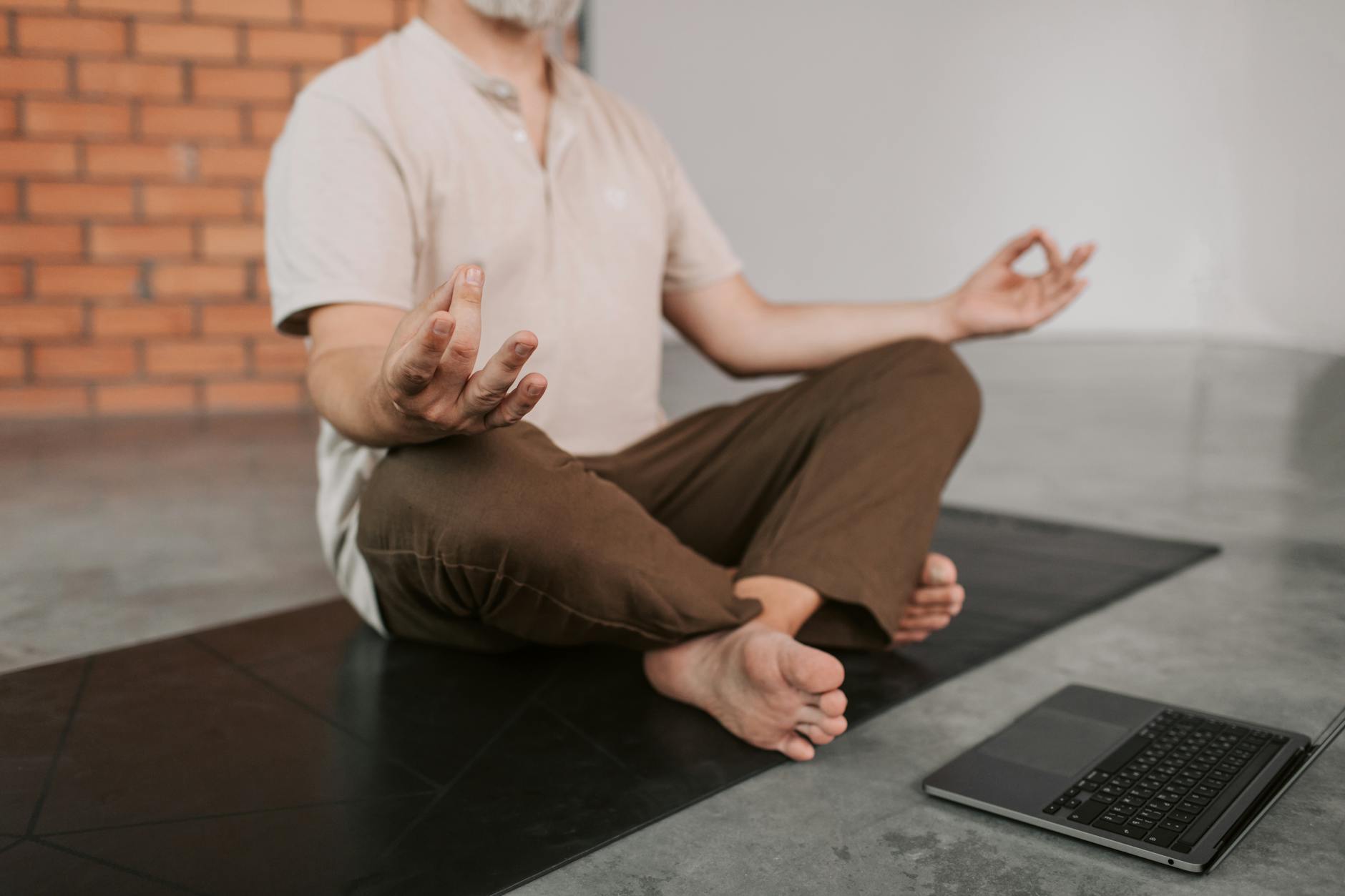
Structured breathing exercises performed in the first fifteen minutes of waking have a measurable impact on the autonomic nervous system. Techniques such as box breathing or diaphragmatic breathing help shift the body out of the stress response and into a more focused and regulated state. Many CEOs and elite athletes incorporate breath work as a non-negotiable anchor for their mornings before any screen time or communication begins. Consistent practice has been shown to reduce baseline cortisol levels and improve emotional regulation over time. The practice requires no equipment and can be performed seated on the edge of a bed or on a mat.
Handwritten Journaling
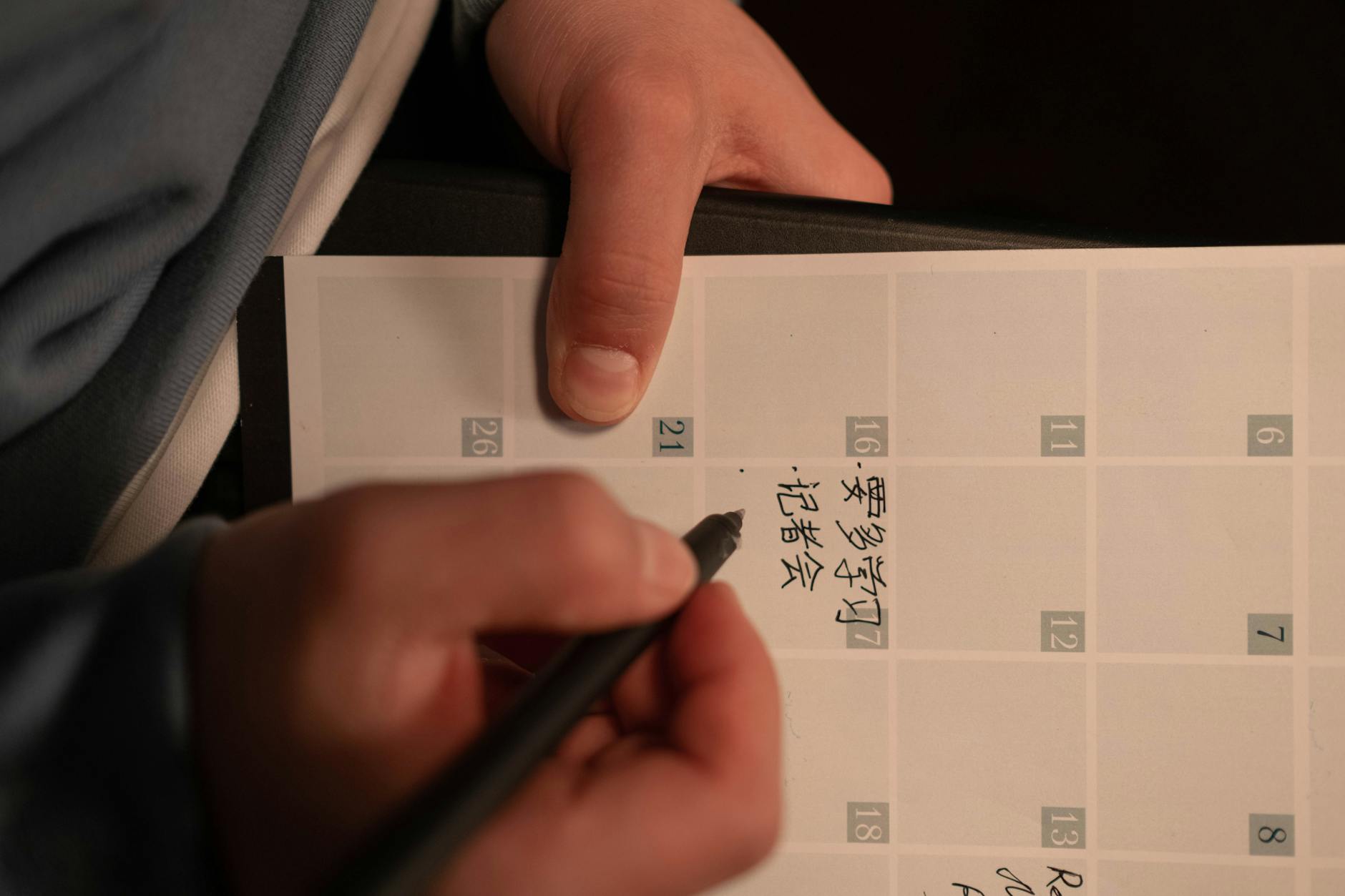
Writing by hand activates different cognitive pathways than typing and supports deeper reflection and emotional processing. Elite performers often use this time to capture three priorities for the day, note any lingering concerns, and articulate a single clear intention they want to carry forward. The physicality of pen on paper creates a slower and more deliberate rhythm that serves as a natural counterweight to the rapid pace of digital communication. Many high achievers credit consistent journaling with improving their decision-making clarity and reducing mental noise. A single notebook and ten quiet minutes are all that is required to begin this practice.
Tongue Scraping

Tongue scraping is an ancient Ayurvedic hygiene practice that removes bacteria and toxins that accumulate on the tongue overnight. Elite wellness practitioners incorporate it as the very first step of their morning oral routine before brushing or drinking water. The practice supports oral microbiome health and has been associated with improved digestion and fresher breath throughout the day. Many high performers who follow holistic health protocols view tongue scraping as a foundational daily reset that clears the body of what it processed during sleep. A simple stainless steel scraper is the only tool required and the process takes under thirty seconds.
Sauna Session

Morning sauna use has become a consistent practice among elite performers who prioritize cardiovascular health and mental clarity. The heat exposure elevates heart rate in a manner similar to moderate aerobic exercise and promotes the release of endorphins and growth hormone. Research from leading longevity institutions has highlighted regular sauna use as a practice associated with reduced risk of cardiovascular disease and improved stress tolerance. Many executives and professional athletes schedule their sauna session before email or meetings to create a protected window of mental stillness. Even a fifteen-minute session at moderate heat produces measurable physiological benefits when practiced consistently.
Oil Pulling

This traditional practice involves swishing a tablespoon of cold-pressed coconut or sesame oil around the mouth for ten to twenty minutes upon waking. It is believed to draw out bacteria and support gum health by reducing the microbial load that builds up in the mouth overnight. Many holistic health practitioners and high-performing individuals who follow integrative wellness protocols incorporate oil pulling as a silent and hands-free morning ritual. The practice is typically performed while preparing other elements of the morning routine such as making tea or reviewing intentions for the day. It requires no special preparation and the cost per session is negligible.
Rebounding
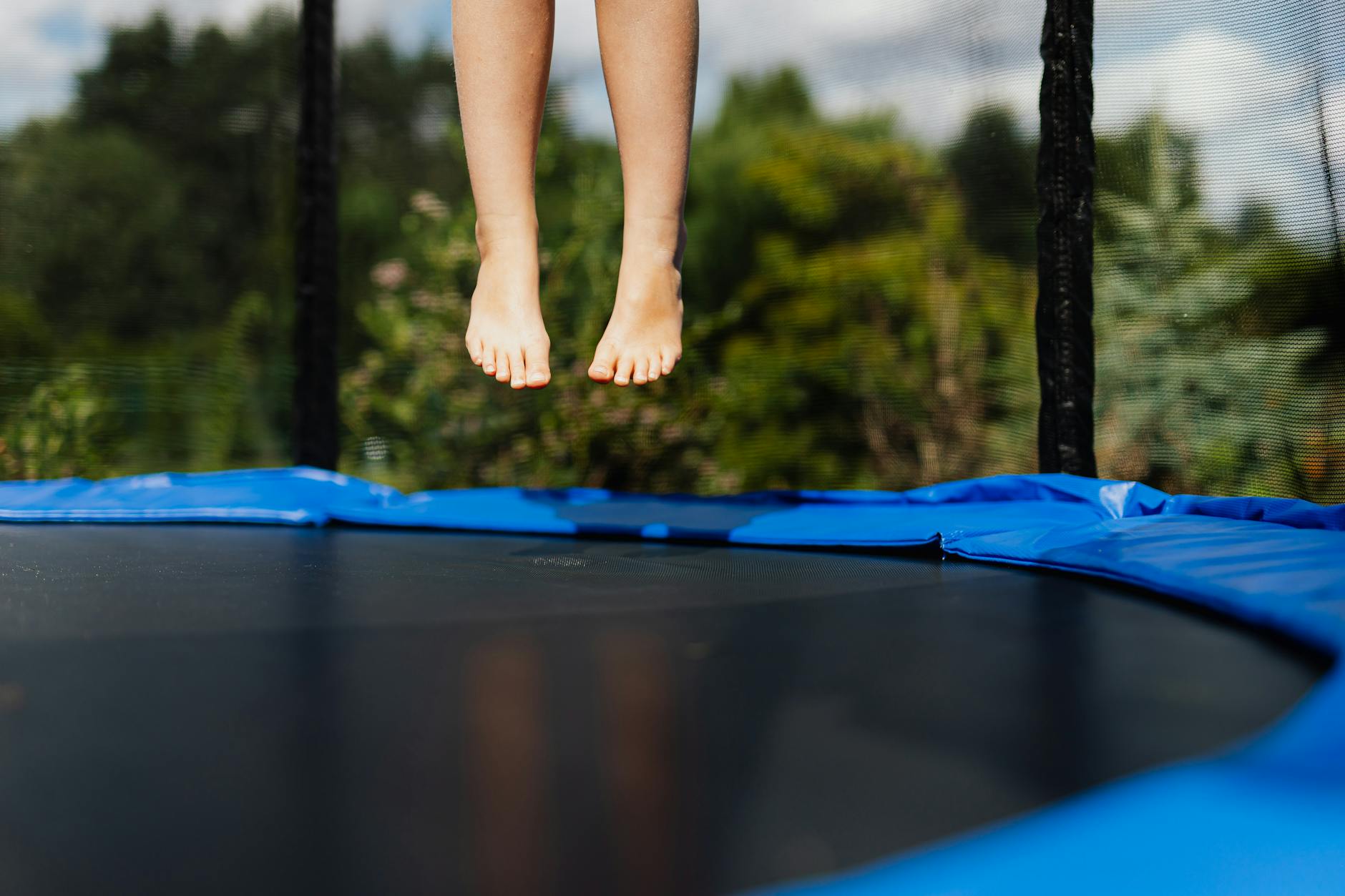
A mini trampoline is a common fixture in the home gyms of wellness-focused high performers who want to activate the lymphatic system first thing in the morning. Unlike the cardiovascular system which is driven by the heart, the lymphatic system relies on physical movement and muscle contraction to circulate lymph fluid throughout the body. Ten minutes of gentle bouncing on a rebounder first thing in the morning stimulates lymph flow, supports immune function, and activates the body without placing stress on the joints. Many practitioners describe the practice as energizing without the intensity of a full workout, making it easier to maintain daily. It is particularly popular among those who travel frequently or have limited space at home.
Gratitude Practice
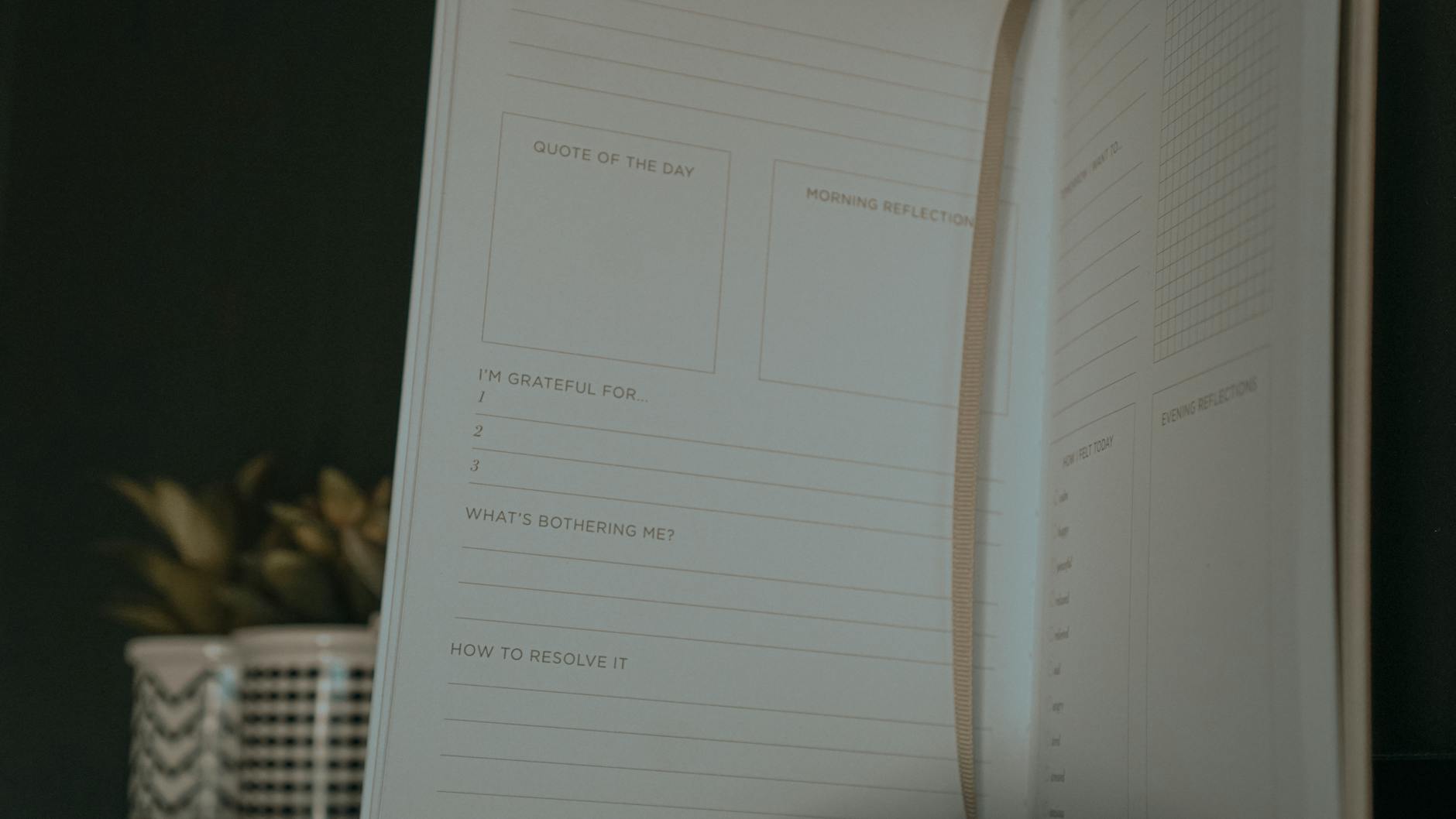
Taking five to ten minutes each morning to identify specific things one is grateful for has been linked to measurable improvements in psychological wellbeing and resilience. Elite performers use this practice not as a vague positive thinking exercise but as a structured cognitive tool that trains the brain to scan for opportunity and abundance rather than threat and scarcity. Neuroscience research supports the idea that consistent gratitude practice reshapes neural pathways related to mood regulation and social connection over time. Many high achievers pair gratitude writing with their journaling session to consolidate the ritual into a single focused block. The specificity of what is noted matters more than the length of the list.
Matcha Ritual
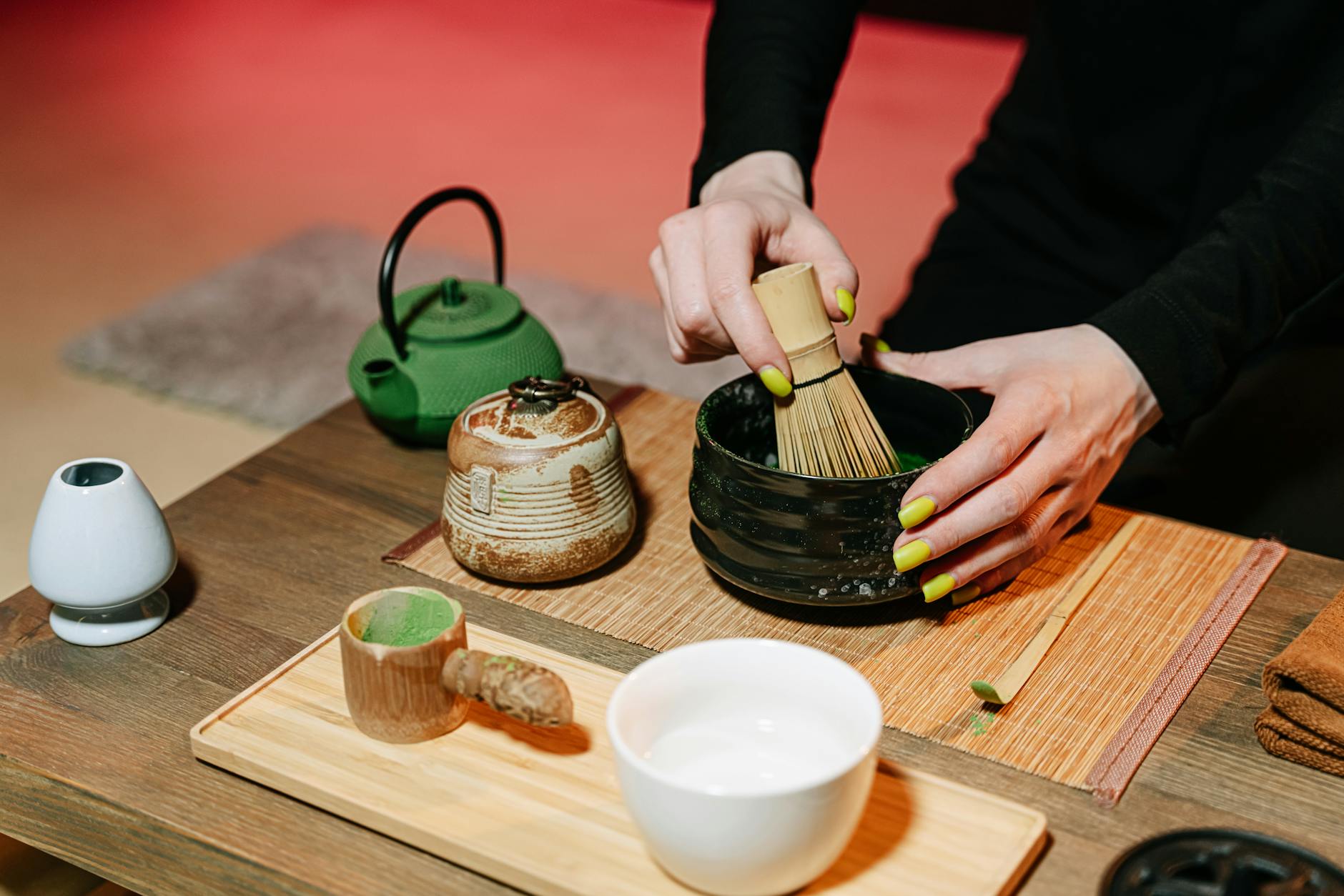
A carefully prepared cup of matcha has replaced coffee as the morning beverage of choice among many high-performing individuals in creative and entrepreneurial fields. Matcha contains L-theanine, an amino acid that promotes calm alertness and moderates the stimulating effects of caffeine to produce a smooth and sustained energy curve without the crash associated with espresso. The ritual of preparing matcha by hand with a bamboo whisk also functions as a mindfulness practice that slows the pace of the morning and encourages intentionality. Many performers describe the ten-minute preparation process as a form of active meditation that anchors the transition from rest to engagement. A high-quality ceremonial-grade powder and a ceramic bowl are sufficient to begin the practice.
Visualization
Spending five to ten minutes each morning in structured mental rehearsal of the day ahead is a practice used consistently by elite athletes, surgeons, and business leaders. The exercise involves closing the eyes and vividly imagining each key challenge or performance moment with a focus on the desired outcome and the emotional state associated with success. Sports psychology research has established that the brain activates similar neural pathways during vivid visualization as it does during actual physical performance. This makes visualization a form of mental training that builds confidence and reduces performance anxiety before high-stakes situations. Many practitioners report that pairing visualization with slow breathing deepens the effectiveness of the practice significantly.
Barefoot Grounding
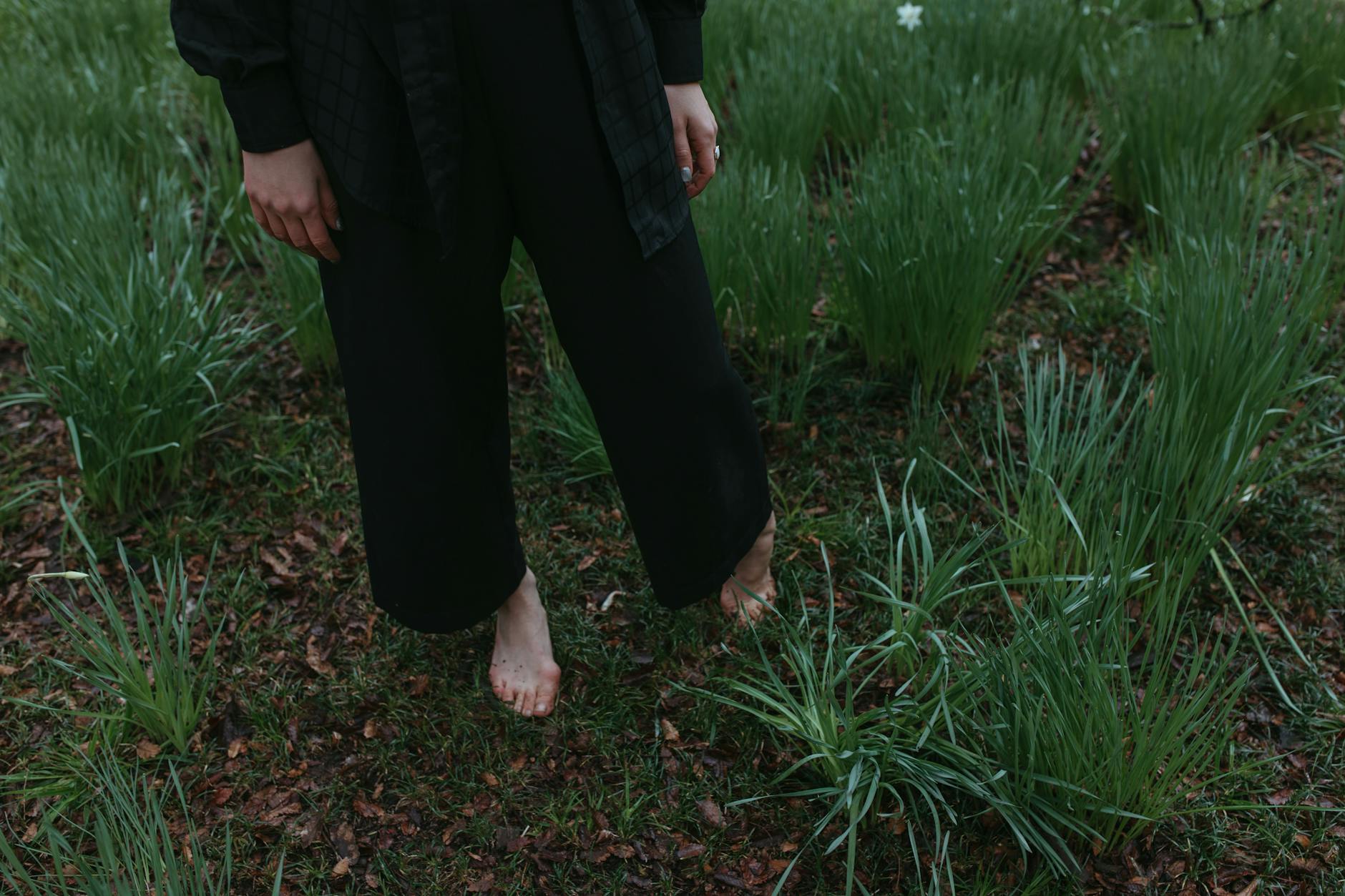
Walking barefoot on grass, soil, or sand for ten to twenty minutes first thing in the morning is a practice known as grounding or earthing. Proponents and a growing body of emerging research suggest that direct physical contact with the earth allows the body to absorb negatively charged electrons through the soles of the feet, which may support inflammation reduction and nervous system balance. Many elite wellness practitioners schedule grounding as a deliberate morning ritual that also doubles as light movement and a moment of sensory connection with the natural environment. For those without access to outdoor green space, grounding mats designed for indoor use provide an accessible alternative. The practice costs nothing and requires only a willingness to step outside before the day’s demands take over.
Affirmation Writing

Writing affirmations by hand each morning is a practice distinct from simply reciting positive statements aloud, and the difference matters significantly to how the brain encodes the experience. High-performing individuals who use this technique describe writing the same core affirmations repeatedly in a notebook as a deliberate act of reprogramming habitual thought patterns over time. The physical act of writing engages motor memory and visual processing simultaneously, which deepens the impression the statements make on the subconscious mind. Many practitioners combine affirmation writing with their primary journaling session to create a coherent morning reflection block. Consistency over weeks and months is what produces lasting shifts in self-perception and motivation.
Zone Two Cardio

A low-intensity aerobic session performed at a pace that allows for comfortable conversation is what exercise scientists call Zone Two cardio, and it is a cornerstone of many elite performers’ morning routines. This intensity level specifically trains the mitochondria, the energy-producing structures within cells, and builds the aerobic base that supports all higher-intensity physical and cognitive work. Many high-achieving individuals opt for a thirty to forty-five minute morning walk, easy cycling session, or light jog at this sustainable pace before their workday begins. The meditative quality of Zone Two exercise also makes it a natural time for unstructured thinking, which many performers report generates some of their most useful ideas. Regular morning Zone Two sessions have been associated with lower resting heart rates, improved fat metabolism, and greater mental stamina.
Reading Non-Fiction
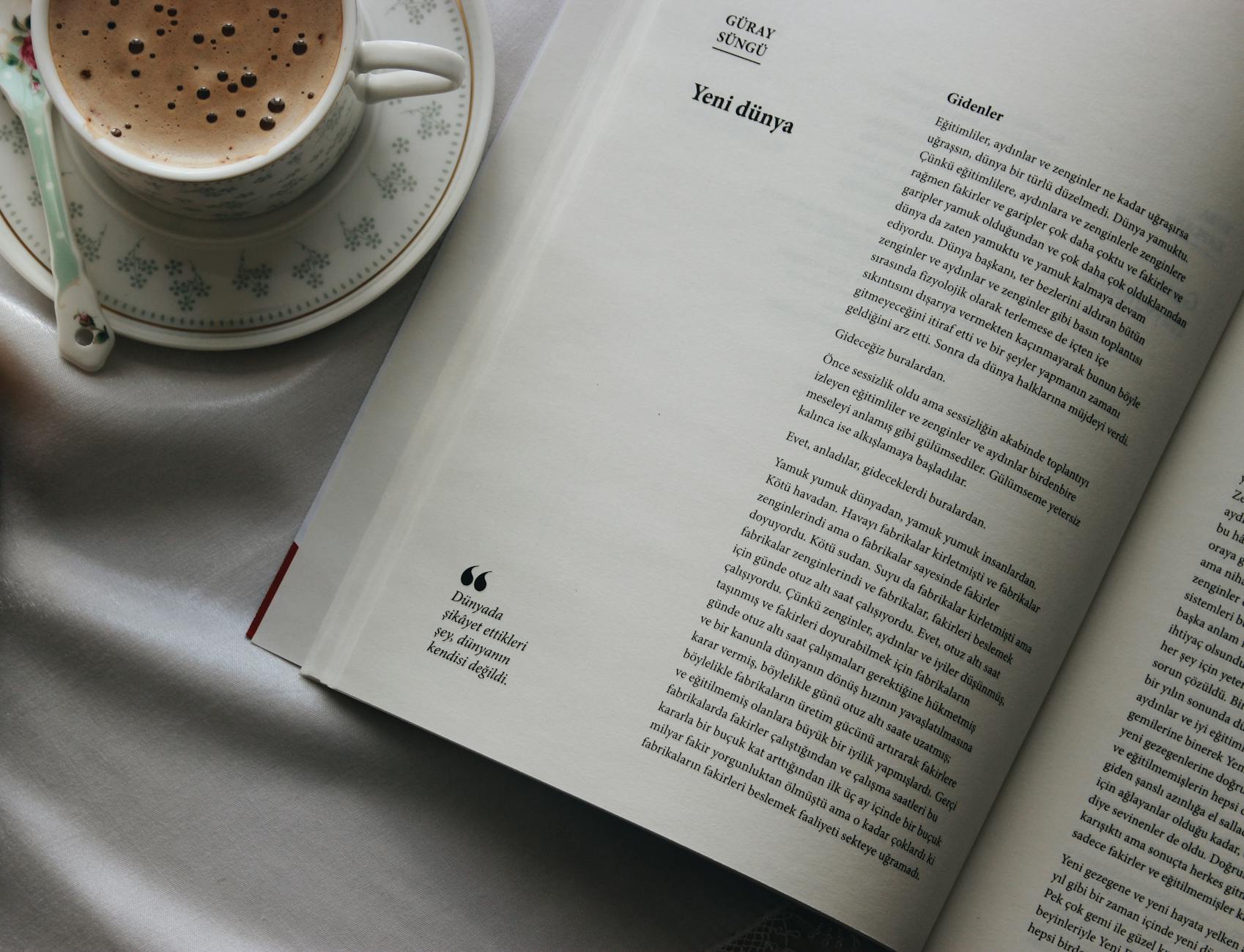
Setting aside twenty to thirty minutes each morning exclusively for reading non-fiction before engaging with any digital communication is a discipline practiced widely among top executives and intellectuals. This window is treated as an investment in compounding knowledge that separates the reader from those who only consume reactive information throughout the day. The subjects chosen tend to cluster around history, philosophy, science, and biography because these genres build mental frameworks that are broadly applicable to leadership and decision-making. Many high performers keep a dedicated morning reading book physically separate from their other books as a psychological cue that reinforces the habit. The practice also functions as a buffer that delays the dopamine disruption caused by immediate engagement with email and social media.
Ice Bath

A morning ice bath or cold plunge has become one of the most consistently reported practices among elite athletes and high-performing executives who prioritize both physical recovery and mental toughness. Immersion in water below fifteen degrees Celsius for two to five minutes triggers a significant sympathetic nervous system response that elevates alertness and focus for several hours afterward. The discipline required to willingly enter freezing water each morning also serves as a form of psychological training that builds tolerance for discomfort and strengthens the capacity to act in the face of resistance. Regular cold immersion has been associated with reduced muscle inflammation, improved mood, and enhanced immune function. Many practitioners describe the profound calm that settles in following the initial shock as one of the most reliable mental states they experience throughout their entire day.
Walking Meeting

Some elite performers convert their first meeting or thinking session of the day into a walking format rather than sitting at a desk or joining a video call. Research consistently shows that walking increases creative ideation and divergent thinking by a measurable margin compared to sedentary meeting formats. The combination of light physical movement, fresh air, and the informal rhythm of walking also tends to reduce social tension and encourage more candid conversation between colleagues or collaborators. Many leaders and founders who adopt morning walking meetings report that the shift produces both physical benefits and significantly better quality discussions. It is a structural change to the schedule that requires no additional time investment and produces compounding returns in both health and communication.
Protein-First Breakfast

Beginning the day with a meal that prioritizes protein before any carbohydrates or caffeine is a nutritional strategy endorsed by a growing number of sports scientists and performance dietitians. Consuming thirty to forty grams of protein within the first hour of waking has been shown to stabilize blood sugar levels, reduce cravings later in the day, and support lean muscle maintenance. Elite athletes and physically active executives often build their protein-first breakfast around eggs, Greek yogurt, smoked salmon, or a high-quality protein shake depending on their schedule and preferences. This approach also blunts the cortisol spike that naturally occurs in the morning by providing the amino acids the body needs to regulate stress hormones effectively. The consistency of this habit over months produces cumulative improvements in body composition and sustained cognitive energy throughout the workday.
Digital Silence

Maintaining a strict window of digital silence for the first sixty to ninety minutes after waking is one of the most commonly reported but rarely publicized habits of high-achieving individuals. During this period no phone, email, news, or social media is accessed, and the morning belongs entirely to practices that serve the individual rather than respond to others. This boundary prevents the reactive cognitive mode that is triggered by incoming information and protects the early morning hours as a period of proactive intention-setting. Many elite performers describe the quality of thinking available to them during this window as categorically different from anything that occurs once the digital day has begun. The discipline of enforcing this boundary consistently is reported as difficult in the first two weeks and then transformative for the months and years that follow.
Mobility Flow

A ten to fifteen minute mobility routine focused on the hips, thoracic spine, shoulders, and ankles is a morning practice favored by elite athletes and physically active executives who spend long hours at a desk or traveling. Unlike static stretching, dynamic mobility work performed in a flowing sequence increases joint range of motion while simultaneously activating the muscles that will be called upon throughout the day. Many practitioners follow a set sequence that they can perform without instruction or equipment immediately upon rising, which reduces the friction that often prevents morning movement habits from sticking. The practice is particularly effective when performed in natural light or near an open window as the combination of movement and light exposure helps regulate circadian rhythm. Consistent morning mobility work has been associated with reduced injury risk, improved posture, and a noticeable reduction in the chronic tension that accumulates from sedentary work patterns.
Mindful Tea Ceremony
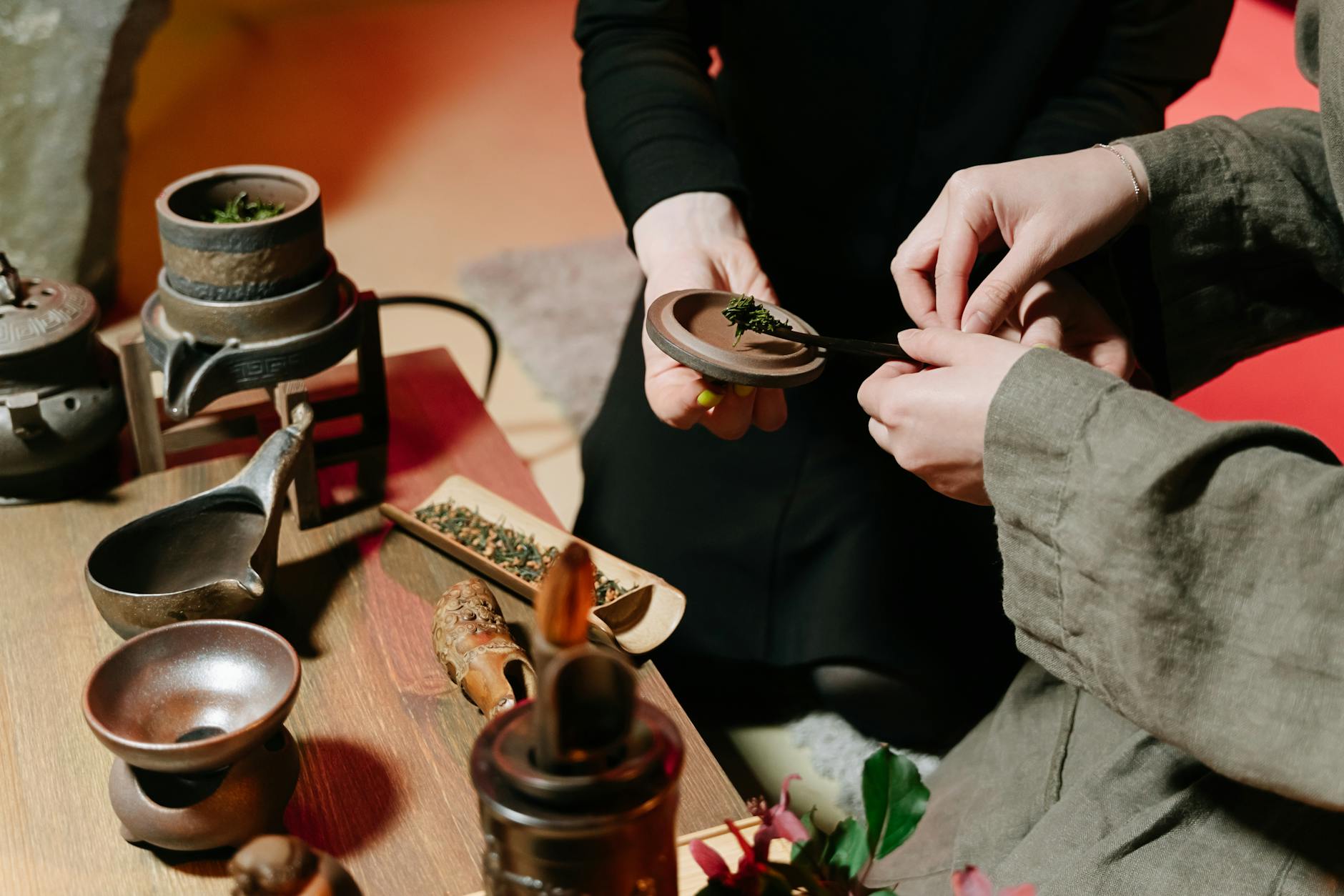
A slow and deliberate tea preparation ritual is used by many high-performing individuals in Asia and increasingly adopted globally as a contemplative morning anchor. The process involves carefully measuring loose-leaf tea, heating water to a precise temperature, and pouring with attention to each step rather than rushing through the preparation on the way to something else. The ritual creates a natural five to ten minute window of sensory presence that serves a function similar to formal meditation for those who find seated stillness difficult to sustain. Many practitioners describe the tea ceremony as a transitional bridge between the private inner world of sleep and the outward demands of a productive day. Green or white teas with lower caffeine content are commonly preferred for morning ceremonies due to their smoother energy profile and subtle flavor complexity.
Sunlight Exposure

Deliberately stepping outside or positioning oneself near a bright window within the first thirty minutes of waking is a scientifically validated practice that anchors the circadian clock and regulates the body’s natural rhythms. Morning light exposure triggers a cascade of neurological signals that suppress residual melatonin production and begin the cortisol awakening response that provides natural alertness and focus. Many elite performers build this habit into their routine by taking their first beverage of the day outside or going for a brief walk immediately after rising and before any indoor activity. Consistent morning light exposure has been linked to improved sleep quality at night, more stable mood throughout the day, and better regulation of appetite and energy. The effectiveness of the practice is greatest in the first hour of sunrise and does not require direct sun contact to produce measurable benefit.
Creative Freewriting
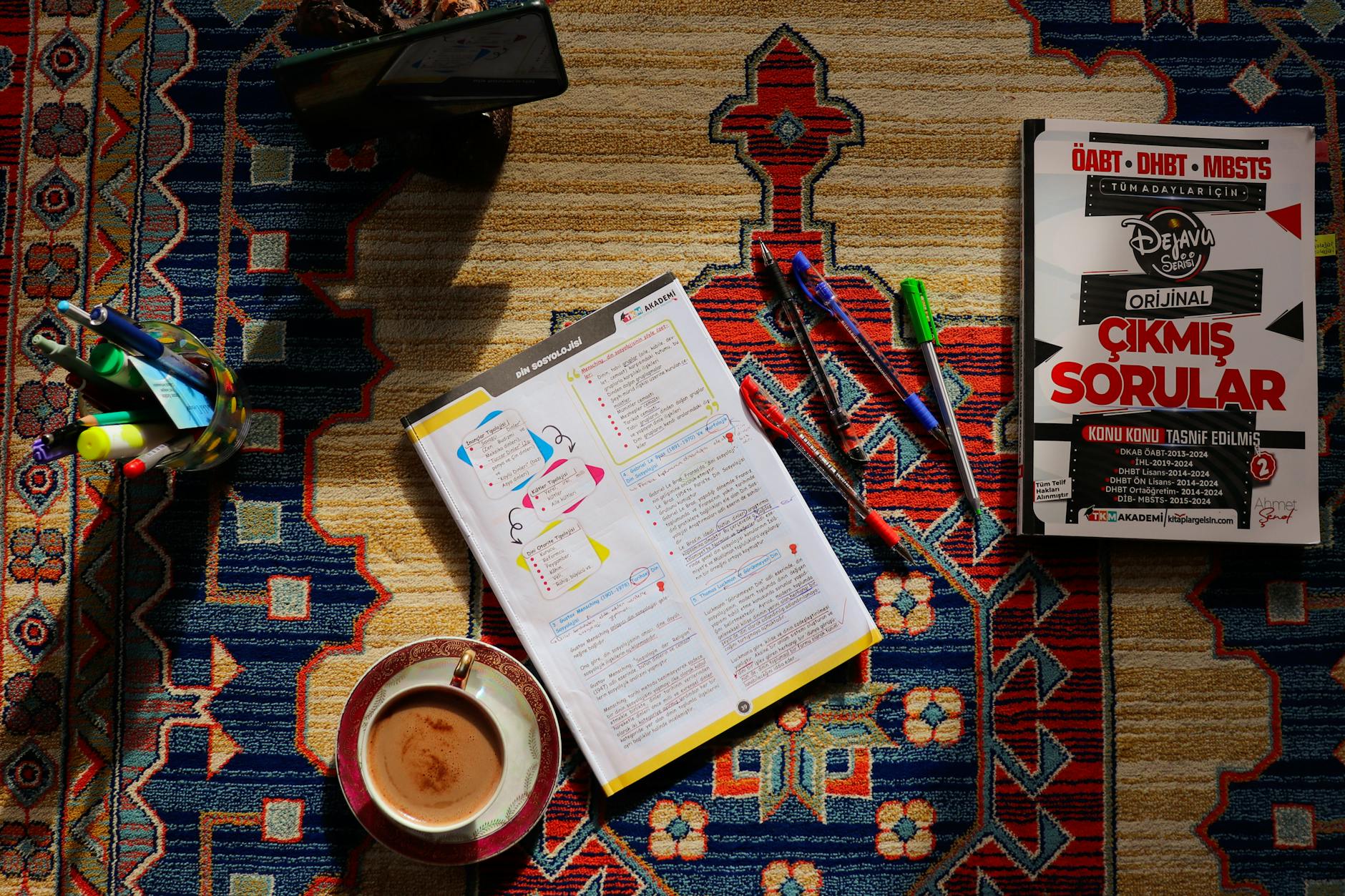
A short burst of uncensored, stream-of-consciousness writing performed immediately after waking captures the creative residue of the dreaming mind before the analytical brain fully activates. Many writers, designers, entrepreneurs, and innovators use this practice to generate raw material for projects, process emotional content before the day begins, and access ideas that are inaccessible during more structured thinking. The key distinction of this practice from regular journaling is that no editing or self-censorship is permitted and the pen is kept moving regardless of whether what appears on the page seems useful or coherent. Over time practitioners report that the quality of ideas surfaced during this window increases significantly as the habit trains the subconscious to begin delivering content on demand. Three pages of longhand writing completed first thing in the morning is the format most commonly cited by those who have used this practice for years.
Supplement Stack

A carefully curated morning supplement protocol is a consistent feature of many elite performers’ routines, typically designed in consultation with a physician or functional medicine practitioner. Common components include magnesium for nervous system support, vitamin D and omega-3 fatty acids for foundational health, and adaptogens such as ashwagandha or rhodiola for stress regulation and sustained energy. The specifics of any effective supplement protocol vary significantly based on individual bloodwork and health goals, which is why high performers invest in regular testing rather than adopting a generic approach. Many practitioners report that the act of taking supplements mindfully each morning also functions as a daily recommitment to their health as a performance asset rather than an afterthought. The consistency of the habit matters as much as the specific compounds chosen because most supplements produce meaningful effects only when taken over extended periods.
Stoic Reflection

Reading a brief passage from Stoic philosophy each morning is a practice with a long lineage among leaders, strategists, and high performers who seek a mental framework for navigating uncertainty and adversity. Works by Marcus Aurelius, Seneca, or Epictetus are among the most commonly cited sources, and many practitioners read no more than a single paragraph or meditation per morning rather than attempting extended reading sessions. The intention is not literary study but practical philosophy applied directly to the challenges and decisions facing the reader on that specific day. Many elite performers keep a dedicated Stoic text on their nightstand or morning desk as a physical cue that separates this practice from other reading. Regular engagement with Stoic thought has been reported to reduce reactivity to setbacks, improve equanimity under pressure, and strengthen the capacity to distinguish between what is within one’s control and what is not.
Which of these morning habits resonates most with you or surprises you the most? Share your thoughts in the comments.