The nightshade family of plants encompasses a vast botanical group known scientifically as Solanaceae. This family includes thousands of species that range from poisonous weeds to some of the most popular crops in the global food supply. While vegetables in this category provide essential nutrients like vitamin C and potent antioxidants, they also contain natural compounds called alkaloids. Some individuals avoid these plants because they believe the alkaloids and lectins can trigger inflammation or exacerbate autoimmune conditions like arthritis. Tomatoes specifically draw attention in these dietary discussions due to their high consumption rate and specific chemical composition.
White Potatoes

White potatoes are widely consumed tubers that serve as a primary source of carbohydrates for millions of people. These vegetables contain glycoalkaloids which are naturally occurring pesticides found in higher concentrations within the skin. The levels of these compounds increase significantly if the potato turns green or begins to sprout eyes. Peeling the potato before cooking removes the majority of the glycoalkaloids and lowers the risk of digestive upset. Sweet potatoes do not belong to the nightshade family and often serve as a safe substitute for those avoiding white potatoes.
Eggplant

Eggplants are distinctive purple vegetables known for their spongy texture and ability to absorb rich flavors. They contain small amounts of nicotine and other alkaloids that can contribute to a bitter taste if not prepared properly. Salting the raw flesh before cooking draws out moisture and reduces the concentration of these bitter compounds. People with autoimmune diseases sometimes report that eggplant triggers inflammation and joint stiffness more than other vegetables. Roasting or grilling the vegetable thoroughly can improve its digestibility for sensitive stomachs.
Bell Peppers

Bell peppers add a sweet crunch to meals and come in vibrant shades of green and red and yellow and orange. They contain very low levels of capsaicin compared to spicy peppers which makes them mild enough for almost everyone to enjoy. The outer skin of the pepper consists of tough fiber that can be difficult for the human digestive system to break down completely. Roasting the peppers until the skin blisters allows for easy peeling and results in a softer and sweeter vegetable. These peppers provide a massive dose of vitamin C which supports immune system function.
Chili Peppers

Chili peppers include varieties like jalapeños and habaneros and serranos that add significant heat to culinary dishes. The heat comes from capsaicin which is an alkaloid that can increase metabolism and reduce pain signals in the body. High consumption of these spicy peppers can irritate the stomach lining and cause acid reflux in sensitive individuals. The seeds and internal white ribs contain the highest concentration of heat and removing them lowers the spice level. Many cuisines rely on these peppers to add depth and excitement to sauces and stews.
Tomatillos

Tomatillos resemble small green tomatoes but come wrapped in a papery husk that must be removed before cooking. They offer a tart and acidic flavor that serves as the foundation for traditional salsa verde recipes. The fruit contains a sticky substance under the husk that washes off easily with warm water. Tomatillos are rich in niacin and potassium but still carry the same alkaloids found in other nightshade family members. Roasting them mellows their acidity and brings out a complex sweetness that pairs well with savory meats.
Goji Berries

Goji berries are small red fruits often marketed as a superfood due to their high antioxidant content. They belong to the nightshade family and are typically sold in dried form for use in smoothies or granola. Traditional Chinese medicine has utilized these berries for centuries to support eye health and boost vitality. Some individuals with nightshade sensitivities may experience joint pain or digestive issues after consuming them in large quantities. Soaking the dried berries makes them softer and easier to digest in cooked preparations like oatmeal.
Paprika

Paprika is a ground spice made from dried red peppers and ranges in flavor from sweet to smoky to hot. It serves as a common ingredient in spice rubs and stews to add vibrant red color and depth of flavor. The drying process concentrates the compounds found in the peppers including the alkaloids that some people try to avoid. Using high quality smoked paprika can provide a meaty flavor profile to vegetarian dishes. Individuals on strict elimination diets must read labels carefully as paprika is often hidden in generic spice blends.
Cayenne Pepper
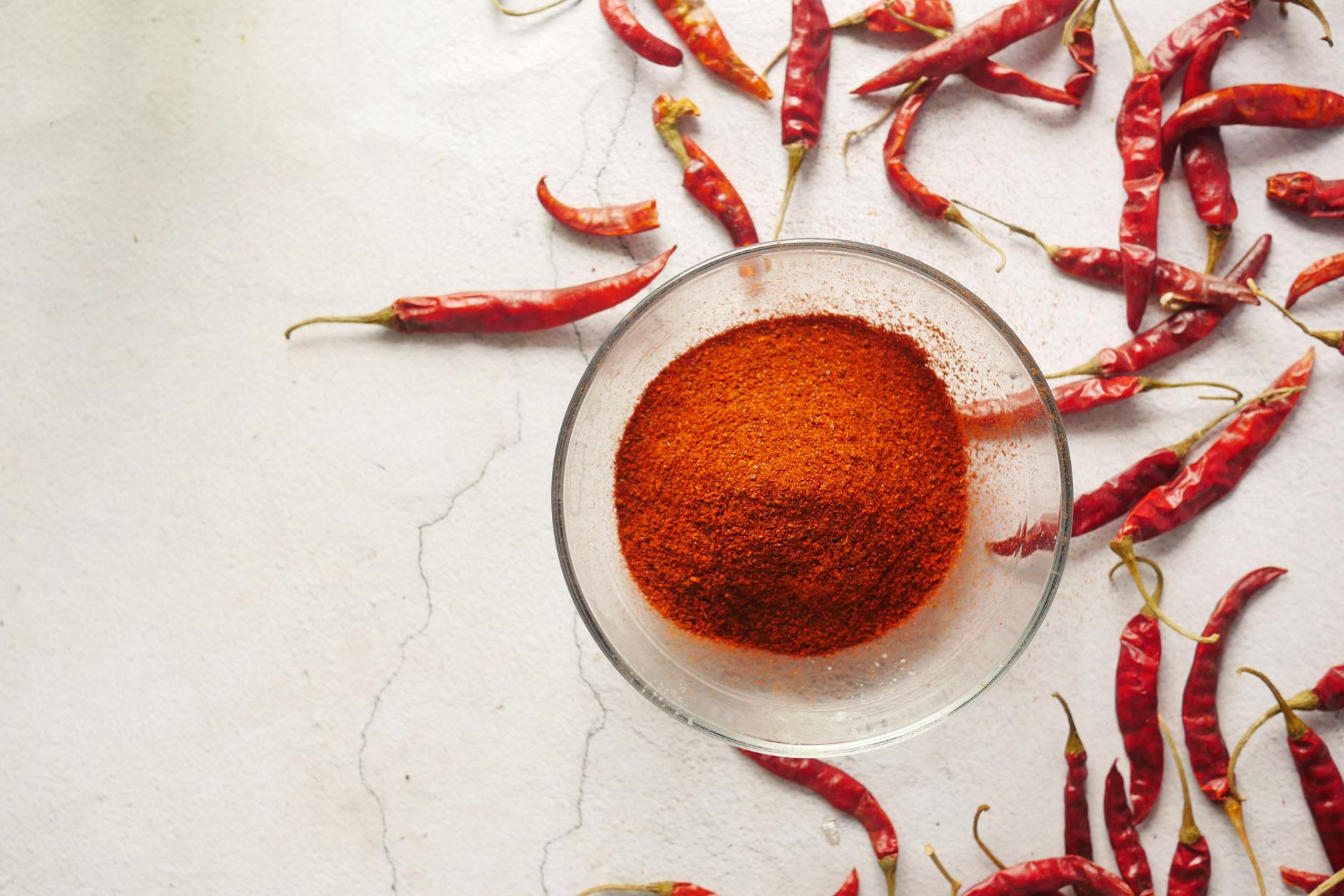
Cayenne pepper is a hot chili powder used to add intense heat and pungency to food. It contains high levels of capsaicin which promotes blood circulation and may help suppress appetite. The powder is potent and even a small pinch can alter the flavor profile of an entire dish. Excessive use can lead to gastrointestinal distress or heartburn in people who are not accustomed to spicy foods. Many health enthusiasts use cayenne in lemon water beverages to kickstart their metabolism in the morning.
Ground Cherries

Ground cherries are small orange fruits that grow inside a lantern-like husk similar to tomatillos. They offer a unique flavor profile that tastes like a mix of pineapple and tomato with a hint of vanilla. These fruits are often used in jams and pies or eaten raw as a sweet snack. They contain solanine when unripe so it is important to only eat them when they are fully yellow and have fallen off the plant. Their sweetness makes them a rare nightshade that functions more like a dessert ingredient.
Pimentos

Pimentos are large and heart-shaped peppers that are sweeter and more aromatic than standard red bell peppers. They are most famous for being the red stuffing found inside green cocktail olives. The flesh is succulent and mild which makes them excellent for canning or blending into creamy cheeses. Pimentos contain the same potential inflammatory compounds as other nightshades despite their mild and sweet taste. They add a bright pop of color and flavor to Southern dishes like pimento cheese.
Tamarillos

Tamarillos are often called tree tomatoes and grow on small trees in subtropical regions. The fruit has a bitter skin that is usually discarded to reach the tangy and tart flesh inside. They come in red and yellow varieties with the red ones typically being more acidic and savory. People often scoop the flesh out with a spoon or blend it into chutneys and hot sauces. The high acidity can sometimes aggravate heartburn issues in addition to any nightshade sensitivity.
Pepinos

Pepinos are South American fruits that look like small melons with purple stripes and yellow skin. The flavor resembles a cross between a honeydew melon and a cucumber with a refreshing and watery texture. They are typically eaten raw in fruit salads or served with a squeeze of lime juice to enhance their mild sweetness. Pepinos provide a hydrating snack option that is lower in sugar than many other tropical fruits. They are less common in standard grocery stores and often require a visit to a specialty market.
Naranjillas

Naranjillas look like small fuzzy oranges on the outside but feature a green tomato-like interior. The juice is highly prized in South America for making refreshing beverages with a tart and citrusy flavor. The fruit is extremely delicate when ripe and does not travel well which makes it hard to find outside its native region. Locals typically cook the fruit with sugar to make desserts or fermented drinks. The fuzzy hairs on the skin can be irritating and must be rubbed off before handling or processing.
Garden Huckleberries

Garden huckleberries are distinct from the wild huckleberries found in forests and are actually members of the nightshade family. The raw berries are bitter and slightly toxic so they must be cooked thoroughly with sugar or lemon. Properly prepared garden huckleberries taste somewhat like blueberries and work well in pies and preserves. The cooking process breaks down the harmful compounds and renders the fruit safe for human consumption. Gardeners appreciate them because they grow easily and produce a large yield late in the season.
Please share your personal experiences with nightshades or your favorite nightshade-free recipes in the comments.