Parenting styles have evolved significantly over the decades as psychologists learn more about child development and emotional intelligence. Many practices that were once considered standard discipline are now understood to have detrimental effects on a child’s developing self-esteem. Relying on fear or blind obedience often suppresses a child’s voice and prevents them from learning how to regulate their emotions effectively. Modern research suggests that moving away from these antiquated methods fosters resilience and self-assurance in young people. Here are the specific outdated rules that experts suggest leaving in the past.
Children Should Be Seen and Not Heard

This pervasive rule implies that a child’s presence is tolerable only if they remain completely silent. It teaches young people that their thoughts and opinions hold no value in the family dynamic. Adults who enforce this demand often prevent children from developing essential communication skills. The long-term impact typically manifests as a reluctance to speak up or share ideas in professional settings later in life.
Clean Your Plate

Forcing children to finish every bite of food overrides their natural internal hunger cues. This practice creates a disconnect between the child and their bodily autonomy. It establishes a confusing precedent where external authority figures dictate physical needs rather than the individual. Many adults struggle with portion control and intuitive eating because they were trained to ignore their own satiety signals during childhood.
Boys Don’t Cry

Telling young boys to suppress their emotions reinforces toxic stereotypes about masculinity. It denies them the ability to process sadness or frustration in a healthy manner. This suppression often leads to emotional outbursts or an inability to empathize with others in adulthood. Children need to understand that experiencing a full range of human emotions is natural and necessary for mental health.
Because I Said So

Using this phrase shuts down inquiry and discourages critical thinking. It teaches children that authority should be followed blindly without understanding the reasoning behind rules. Children who receive explanations are more likely to internalize values rather than just complying to avoid punishment. This dismissive response misses a crucial opportunity to teach logic and decision-making skills.
Give Your Relative a Hug

Forcing physical affection teaches children that they do not have ownership over their own bodies. It suggests that pleasing adults is more important than their own comfort levels or boundaries. Empowering a child to choose a handshake or a high-five fosters a healthy sense of bodily autonomy. This outdated social pressure can make it difficult for children to recognize and assert boundaries in future relationships.
Stop Crying or I’ll Give You Something to Cry About

Threatening a distressed child with physical punishment validates fear rather than comfort. This approach creates an environment where expressing vulnerability is dangerous. It teaches children to repress their feelings to ensure their physical safety. The result is often an adult who struggles to regulate emotions or seeks validation through people-pleasing behaviors.
Don’t Talk Back

Labeling any explanation or disagreement as talking back prevents children from advocating for themselves. It equates blind submission with respect and demonizes self-expression. Children need to learn how to present their side of a story respectfully without fear of retribution. Silencing them creates resentment and damages the open line of communication between parent and child.
Wait Until Your Father Gets Home

This threat casts one parent as the disciplinarian and the other as powerless. It creates unnecessary anxiety for the child as they anticipate punishment throughout the day. This dynamic undermines the authority of the present parent and damages the child’s relationship with the absent one. Effective discipline should be immediate and related to the behavior rather than deferred and fearful.
Sticks and Stones May Break My Bones

Teaching children to ignore verbal abuse minimizes the emotional pain caused by bullying. It suggests that words cannot cause harm and that emotional wounds are invalid. This old adage prevents children from seeking help when they are being verbally harassed. Acknowledging that words have power helps children develop empathy and understand the impact of their communication.
You Are So Smart

Praising fixed traits like intelligence rather than effort creates a fragile self-image. Children who are told they are inherently smart often fear failure and avoid challenges that might disprove that label. Focusing on hard work and perseverance instills a growth mindset that values the learning process. This shift helps children build confidence based on their actions rather than an arbitrary attribute.
Why Can’t You Be More Like Your Sibling

Comparing children breeds resentment and creates unhealthy competition within the family. It damages the self-worth of the child being criticized and places undue pressure on the child being praised. Each child has unique strengths and weaknesses that should be recognized individually. This practice often leads to strained sibling relationships that persist well into adulthood.
Toughen Up

Dismissing a child’s physical or emotional pain teaches them to distrust their own experiences. It creates a sense of isolation where the child feels they cannot turn to their parents for support. This mentality suggests that vulnerability is a weakness rather than a human reality. Children who are told to toughen up often struggle to ask for help when they are in genuine distress.
Go to Your Room

Isolating a child when they are emotionally dysregulated prevents them from learning how to manage their feelings. It teaches them that they are only welcome in the family when they are happy and compliant. Connection often works better than separation to help a child calm down and process their behavior. Time-outs often lead to feelings of abandonment rather than reflection on the mistake.
It’s Not a Big Deal

Minimizing a child’s problem creates a disconnect between their reality and the parent’s perception. What seems small to an adult is often a significant event in a child’s world. Dismissing their concerns makes them feel misunderstood and unsupported. Validating their feelings builds trust and helps them learn perspective in a supportive way.
Physical Discipline

Spanking and other forms of physical punishment instill fear rather than genuine respect. Research consistently shows that physical discipline leads to increased aggression and antisocial behavior. It teaches children that violence is an acceptable way to solve problems or gain compliance. This approach significantly erodes the parent-child bond and damages the child’s sense of safety.
Blind Obedience

Demanding compliance without question prepares children for a world that does not exist. It creates vulnerability to peer pressure and exploitation by other authority figures. Children who are never allowed to question rules may struggle to make ethical decisions on their own. Teaching children to ask questions respectfully cultivates strong moral character and leadership skills.
Labeling Children

Assigning labels like the shy one or the wild one can become a self-fulfilling prophecy. These descriptors limit a child’s perception of themselves and their potential for growth. Children often internalize these labels and act accordingly to fit the narrative created by their parents. allowing children to explore different aspects of their personality creates a more robust sense of self.
Forced Sharing

Forcing a child to share their possessions immediately creates anxiety about ownership. It fails to teach the true generosity that comes from choosing to share willingly. Children need to feel that their items are secure before they can feel comfortable letting others use them. Respecting their right to say no helps them understand boundaries and property rights.
Parents Never Apologize

Refusing to apologize to a child teaches arrogance and hypocrisy. It suggests that adults are infallible and that mistakes are shameful things to be hidden. When parents apologize they model accountability and repair relationships effectively. This humility shows children that everyone makes mistakes and that taking responsibility is a strength.
Public Shaming

Discipling a child in front of others humiliates them and destroys their trust. It shifts the focus from the behavior to the embarrassment of the audience witnessing the event. This approach creates deep feelings of shame that can last a lifetime. Discipline is most effective when handled privately where the child feels safe to learn.
Achievement Over Happiness

Prioritizing grades and awards over mental health teaches children that their worth is conditional. It creates a high-pressure environment where love feels earned rather than given freely. This focus can lead to burnout and anxiety as the child strives for perfection. Valuing effort and happiness encourages a balanced and fulfilling life.
Reading Diaries and Journals

Invading a child’s privacy destroys trust and eliminates their safe space for self-expression. It teaches them that their personal thoughts are not respected within their own home. Children need private outlets to process their emotions without fear of judgment. This violation often leads children to become secretive and distant from their parents.
Guilt Tripping

Using phrases like I sacrificed everything for you places an unfair burden on the child. It manipulates their behavior through obligation rather than understanding. This emotional blackmail creates a relationship based on debt rather than love. Children should not feel responsible for their parents’ life choices or emotional state.
The Silent Treatment

Withdrawing affection and communication is a form of emotional manipulation that causes severe anxiety. It leaves the child feeling abandoned and desperate to restore the connection. This passive-aggressive tactic teaches children to use silence as a weapon in relationships. Healthy conflict resolution involves communication and working through problems together.
Don’t Be a Tattletale

Discouraging children from reporting behavior often prevents them from seeking help in dangerous situations. It confuses the difference between trying to get someone in trouble and trying to keep someone safe. Children need to know that they can come to adults with serious concerns. This rule often protects bullies and silences victims who fear being reprimanded for speaking up.
Idle Hands Are the Devil’s Workshop

Demonizing rest and downtime creates a culture of constant productivity. It prevents children from learning how to relax and be alone with their thoughts. Boredom is actually a crucial catalyst for creativity and imagination. constant activity leads to stress and prevents children from developing their own interests.
You Are Too Young to Understand

Dismissing a child’s curiosity creates a barrier to learning and understanding the world. Even complex topics can usually be explained in an age-appropriate manner. This phrase tells the child that they are incapable and excludes them from family realities. Honest and simple explanations build trust and help children process the world around them.
My House My Rules

This totalitarian statement shuts down negotiation and compromise. While parents are in charge this phrase emphasizes power over relationship. It fails to prepare children for the collaborative nature of the real world. Involving children in rule-making when appropriate increases their buy-in and cooperation.
Strictly Gendered Toys and Activities
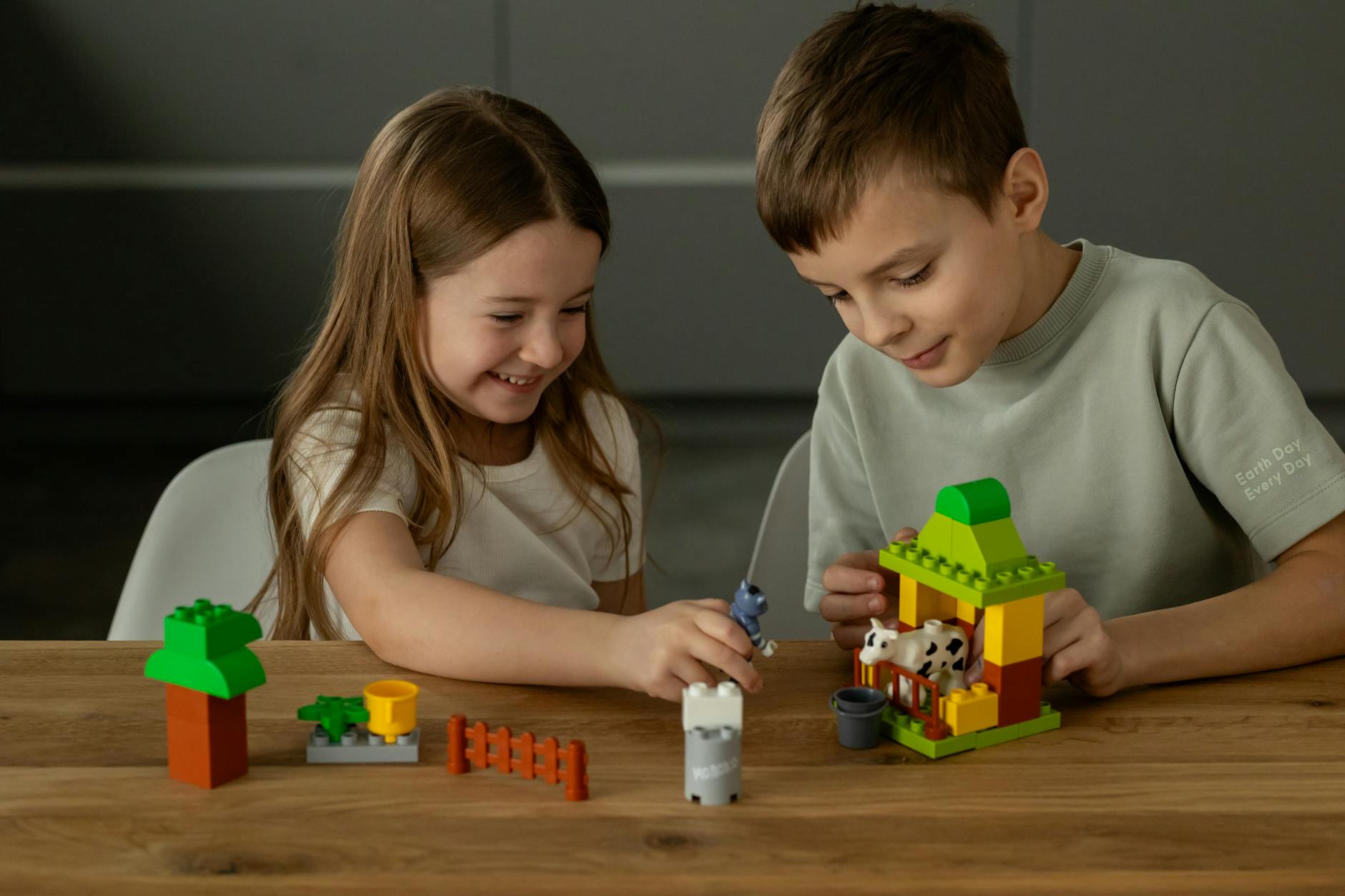
Restricting a child’s interests based on their gender limits their skill development. It prevents boys from learning nurturing skills and girls from exploring engineering or leadership. Children naturally gravitate toward what interests them and should be supported in those pursuits. These arbitrary limitations stifle creativity and self-discovery.
Conditional Love

Withdrawing love when a child makes a mistake shatters their sense of security. It teaches them that they are only lovable when they are perfect or compliant. Children need to know that they are loved regardless of their behavior or achievements. Unconditional support provides the safety net necessary for children to take risks and grow.
Share your thoughts on which parenting rules you have decided to leave behind in the comments.