
Modern social life has evolved far beyond the rigid codes of conduct that once governed every interaction, from dinner parties to workplace behavior. Many rules that were considered essential in previous generations now feel stiff, exclusionary, or simply out of touch with how people actually live and connect today. Holding onto outdated etiquette can create unnecessary stress and even make others feel unwelcome rather than respected. Understanding which rules deserve to be retired is an important step toward more genuine and relaxed social engagement.
Thank You Notes
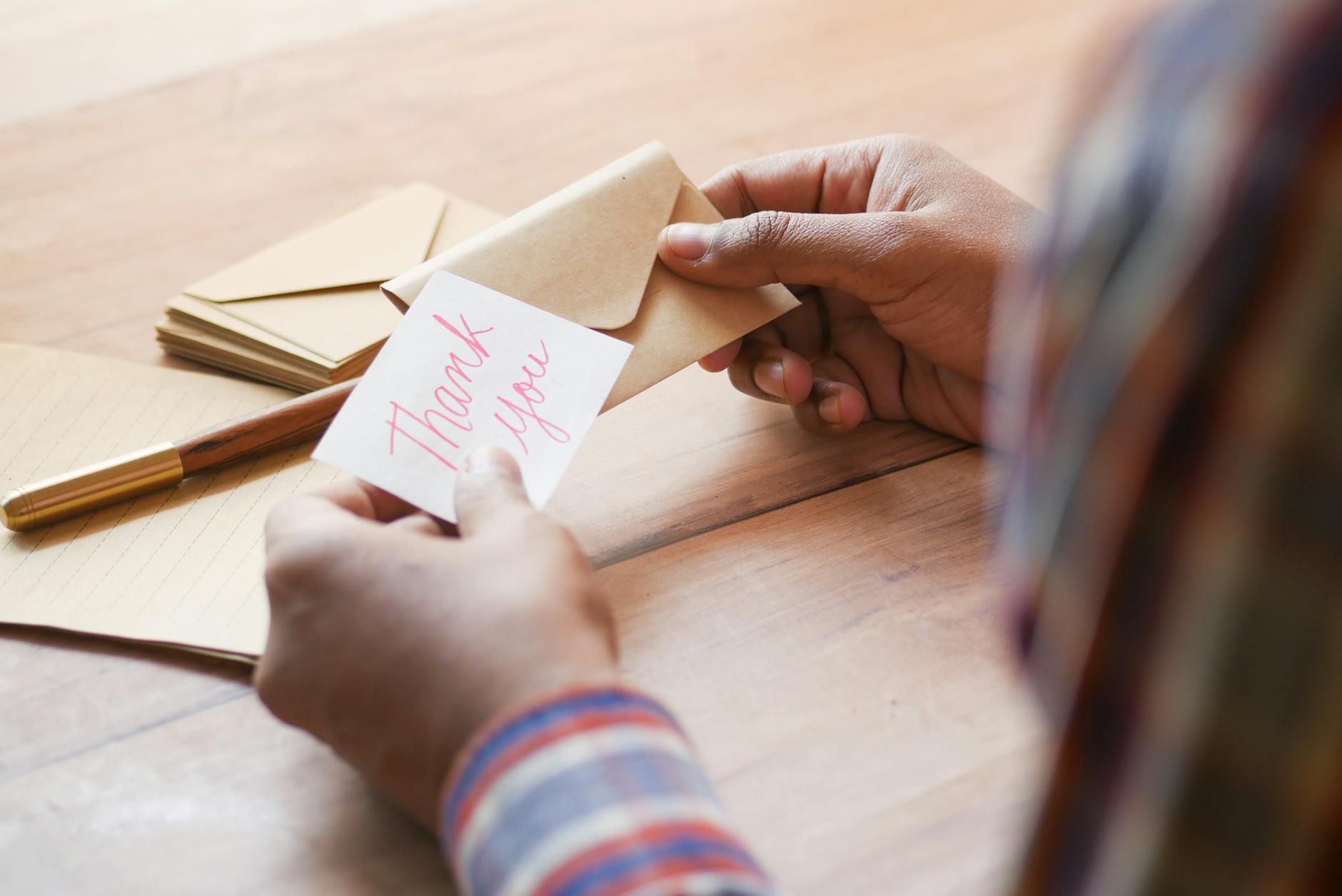
Handwritten thank you notes were once considered non-negotiable after receiving any gift or attending any event. While the sentiment behind them is lovely, insisting on a physical letter in the age of instant communication can feel impractical and even slightly passive-aggressive if the sender expects one urgently. A warm and sincere text or voice message carries just as much meaning as a card in many modern social contexts. The gesture matters far more than the medium through which it is delivered.
White After Labor Day

This rule originated in early twentieth-century American high society as a way to signal seasonal transitions and class distinctions. Fashion has long since moved beyond these arbitrary seasonal restrictions, with designers and stylists actively embracing winter whites and cream tones year-round. Wearing white in October or February is now considered perfectly stylish and even intentional. The rule was always more about social gatekeeping than genuine taste.
Firm Handshakes
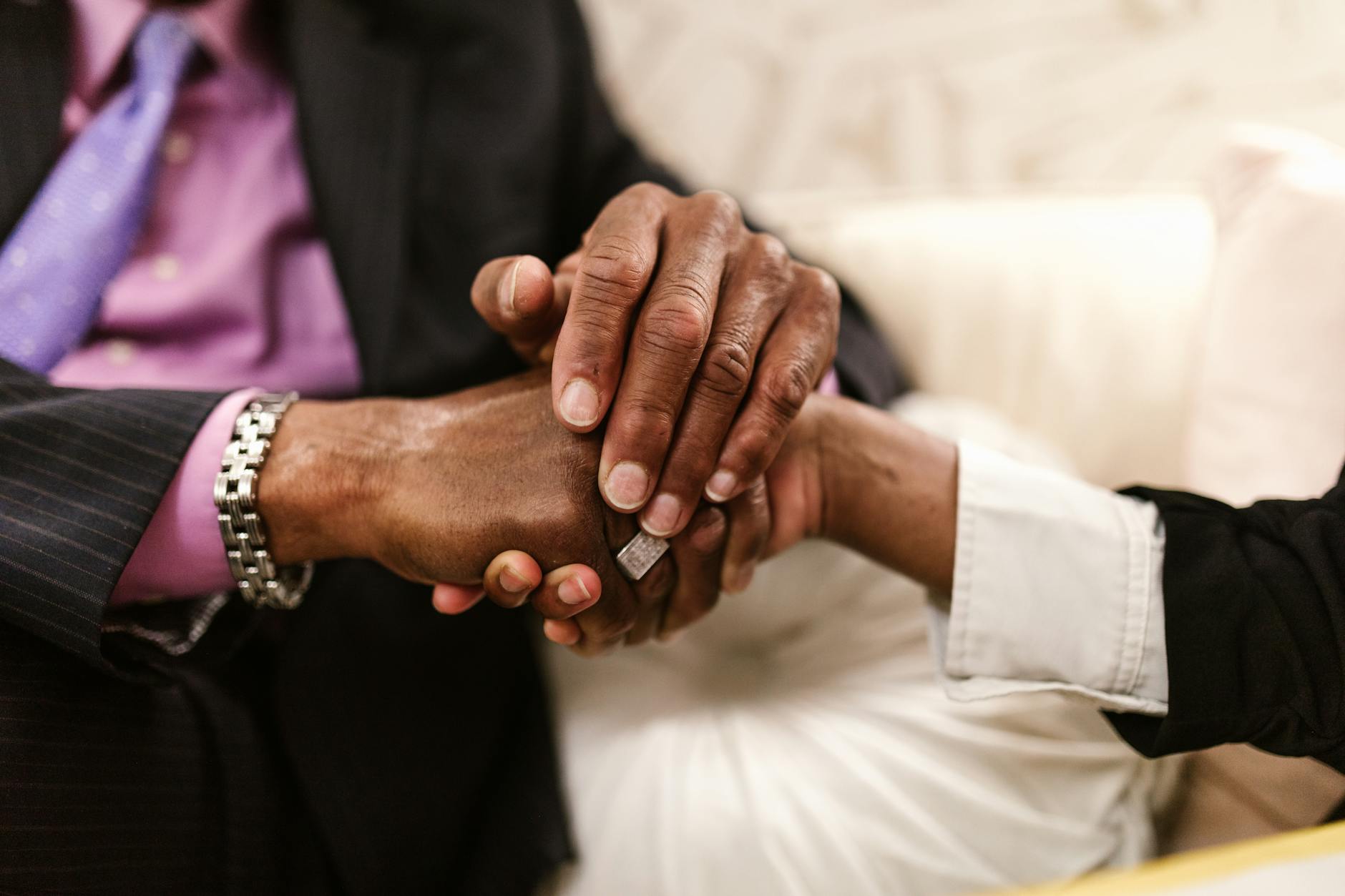
For decades, a firm handshake was considered the gold standard of a confident and trustworthy first impression. Cultural differences, physical disabilities, health concerns, and personal boundaries have all contributed to a broader acceptance of alternative greetings such as a nod, a wave, or a hand over the heart. The pandemic further accelerated a collective rethinking of physical contact between strangers. Forcing a handshake when someone is clearly uncomfortable defeats the entire purpose of a warm introduction.
Standing for Elders
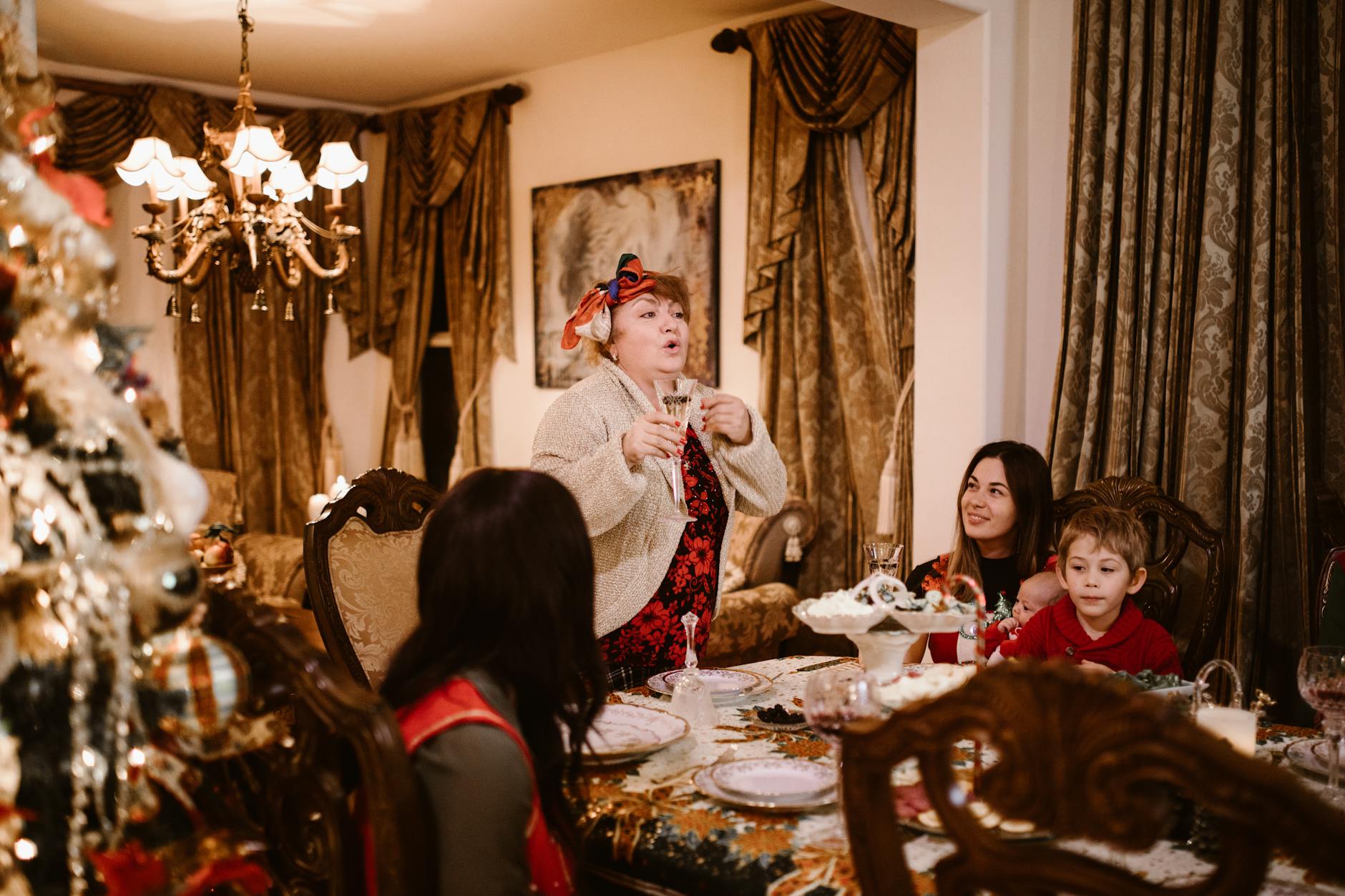
Automatically rising to your feet whenever an older person enters a room was a deeply ingrained custom in many Western households and workplaces. Today, respect for older individuals is better expressed through attentive listening, thoughtful conversation, and genuine consideration of their needs. Standing on command can feel performative and even condescending to many people, particularly older adults who prefer to be treated as peers. Authentic respect does not require a physical gesture scripted by social convention.
Men Paying Always

The expectation that a man must always pick up the bill on a date or social outing is rooted in gender dynamics that most people no longer reflect in their daily lives. Splitting the check, taking turns treating each other, or the person who extended the invitation paying are all widely accepted and appreciated approaches. Insisting on paying regardless of the other person’s wishes can actually undermine their sense of autonomy and independence. Financial arrangements between people work best when they are discussed openly rather than assumed.
Elbows Off Tables
This rule traces back to an era when dining tables were less stable and resting elbows on them could cause disruption to the meal. Modern tables are perfectly sturdy, and relaxed dining postures are widely accepted in both casual and many formal settings. Etiquette experts today largely agree that this rule no longer holds practical or social significance. Comfortable body posture at the table helps people feel at ease and enjoy the meal more fully.
RSVP Deadlines

While it is still considerate to respond to invitations in a timely manner, the strict formality of a written RSVP with a firm deadline has largely given way to more relaxed digital communication. Texting, group chats, and event platforms have made it easier and more natural to confirm attendance closer to the event date. Rigidly enforcing RSVP etiquette in personal social settings can feel unnecessarily formal and even alienate guests who are managing busy or unpredictable schedules. A friendly follow-up message is a far more effective approach than silent judgment.
Formal Titles

Automatically addressing every adult as Mr., Mrs., or Dr. in social settings was once a mark of respect and proper upbringing. Many people today actively prefer to be addressed by their first name and may find formal titles distancing or even uncomfortable, particularly in professional environments built around collaboration and openness. Using someone’s preferred name and pronouns is now considered a much more meaningful form of respect than defaulting to a title based on gender or marital status. Taking a moment to ask what someone prefers to be called goes far further than any formal address.
Arriving Exactly on Time
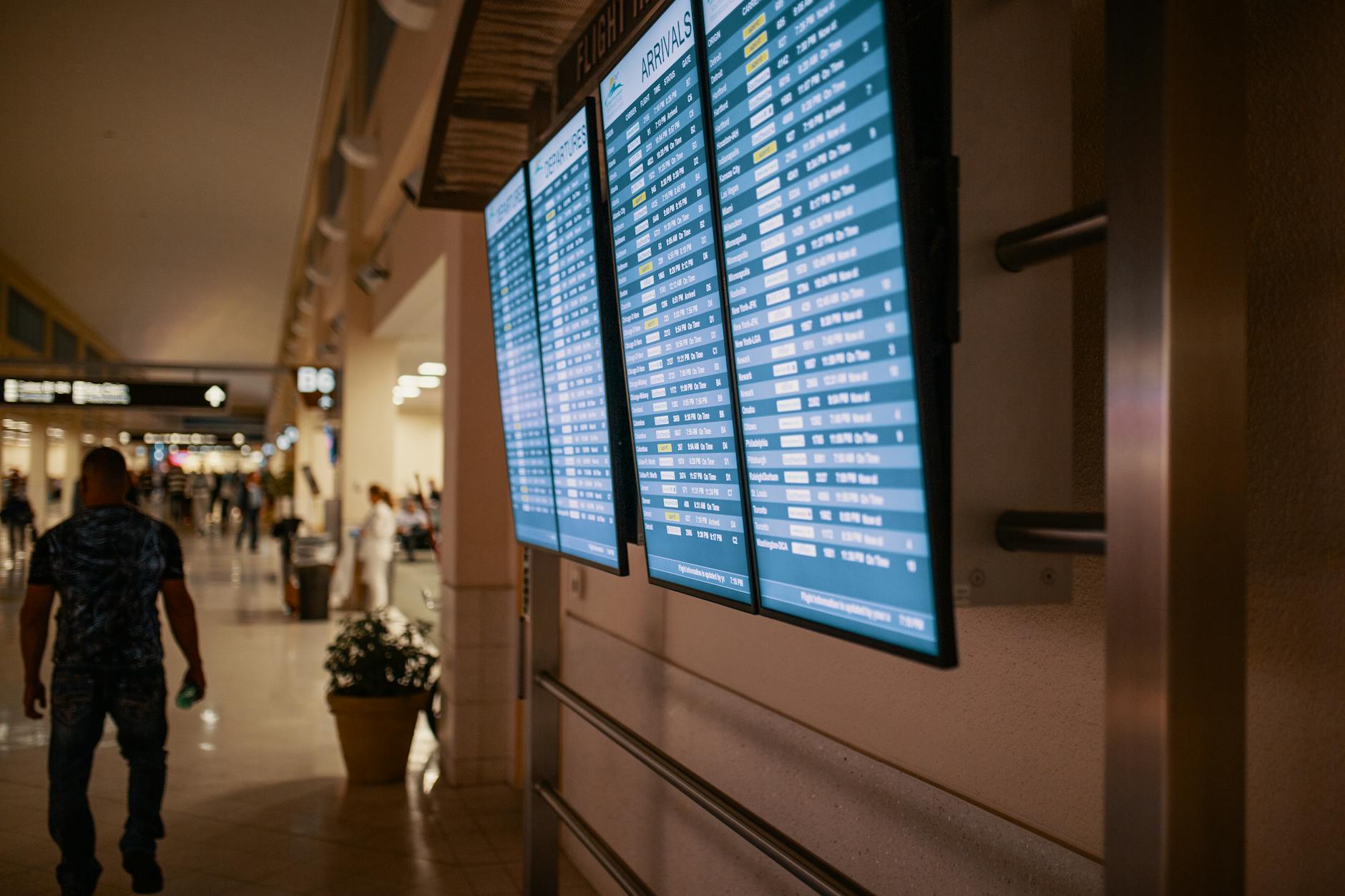
In many cultures and social contexts, arriving at the precise start time of a gathering was considered courteous, but hosts in many traditions actually prefer guests to arrive a little later so final preparations can be completed. Showing up exactly on time to a dinner party can sometimes catch a host off guard and create unnecessary stress. A window of ten to fifteen minutes after the stated start time is now widely accepted as the polite norm for casual and semi-formal social gatherings. Reading the specific context and host’s preferences always matters more than rigid punctuality.
Women First Through Doors

The custom of men always stepping aside to hold doors for women was born from an era that viewed women as physically delicate and in need of male assistance. Today, holding a door for anyone nearby regardless of gender is simply a gesture of basic courtesy and spatial awareness. Performing it specifically and exclusively based on gender can feel patronizing to many women who prefer to be treated as equals in everyday interactions. The kind impulse behind the gesture is worth keeping while the gendered application of it is worth leaving behind.
Phone Calls Before Texting

There was a time when calling someone unannounced was the standard way to reach out, and failing to do so was considered slightly rude. Today, many people find unexpected phone calls intrusive or anxiety-inducing, particularly when a quick text could communicate the same information more efficiently. Texting first to check whether someone is available before calling is now considered the more considerate approach in most personal and professional relationships. Adapting communication style to what works for the other person is the modern equivalent of good telephone manners.
Saving Gifts for Later

Opening gifts privately or saving them to unwrap later so as not to appear greedy was once a common social norm in certain Western contexts. Many gift-givers today actually feel pleased and acknowledged when their thoughtfulness is received with visible enthusiasm in the moment. Unwrapping a gift in front of the giver allows for genuine connection and immediate gratitude that benefits everyone involved. The old rule was designed to prevent awkwardness but often created more of it.
Dressing for Flights

Not long ago, air travel was considered a glamorous and formal occasion that required polished attire out of respect for fellow passengers and airline staff. Today, the priority for most travelers is comfort during what can be a long and physically demanding journey. Comfortable, neat clothing is entirely appropriate for modern air travel without any social judgment attached. The democratization of flying has naturally brought a more relaxed standard of in-flight dress.
Waiting to Be Seated

In traditional dining etiquette, guests were expected to wait to be seated by a host before touching anything on the table or beginning any conversation. Many contemporary restaurants and social dining experiences operate on far more casual models where guests are encouraged to settle in at their own pace. Rigid seating ceremony in informal or modern dining contexts can feel unnecessary and even slightly awkward. Paying attention to the specific environment and following the lead of the host or venue staff is always the better guide.
Keeping Religion and Politics Private
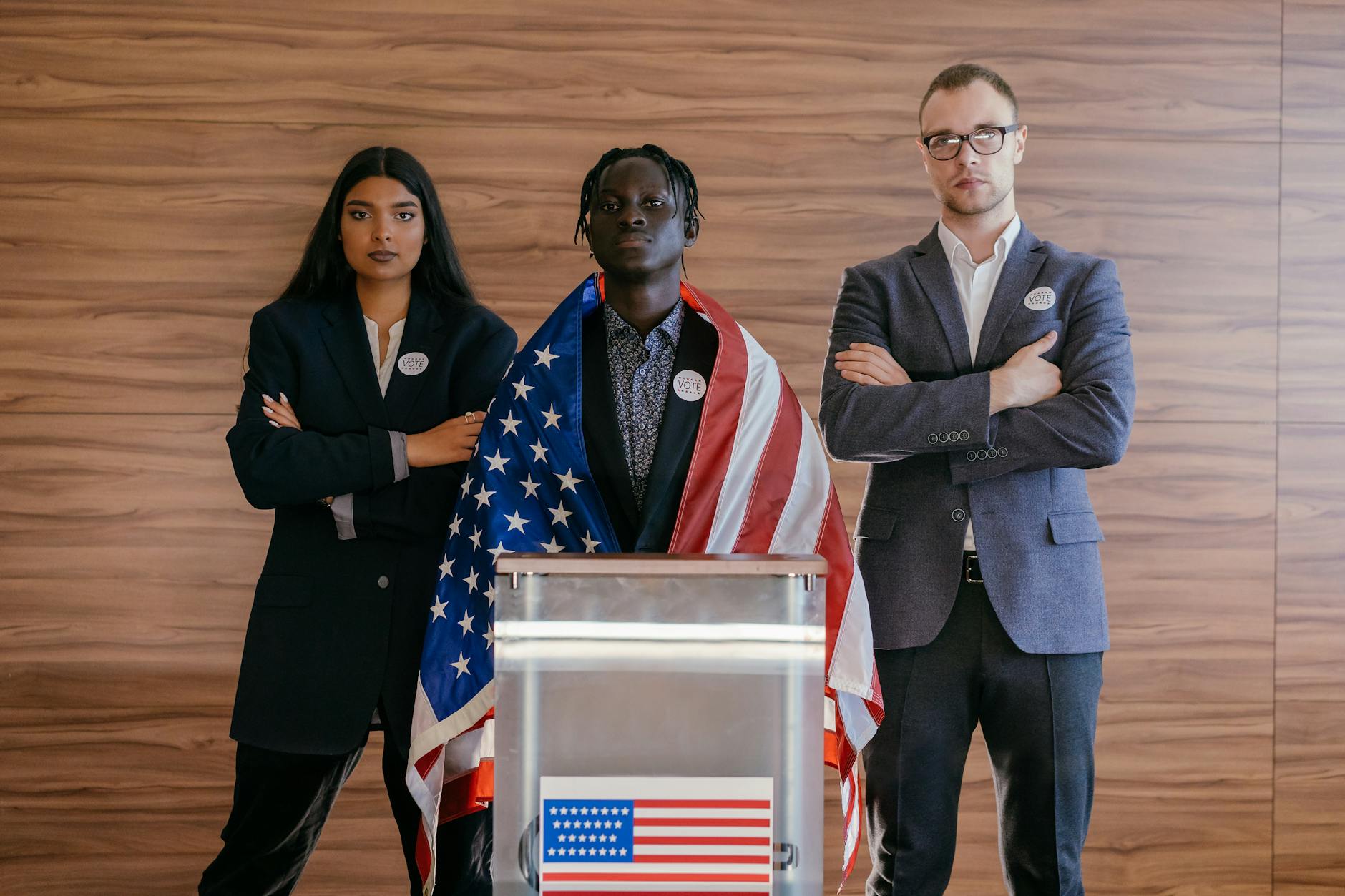
The old adage about avoiding religion and politics at the dinner table was designed to preserve social harmony in an era when such discussions were considered inherently divisive. Thoughtful, respectful conversation about meaningful topics including values, beliefs, and current events is now widely seen as a sign of intellectual engagement rather than poor manners. The key distinction is in tone and curiosity rather than avoidance of substance altogether. Blanket rules that suppress entire categories of human experience do not serve genuine connection.
Formal Wedding Attire
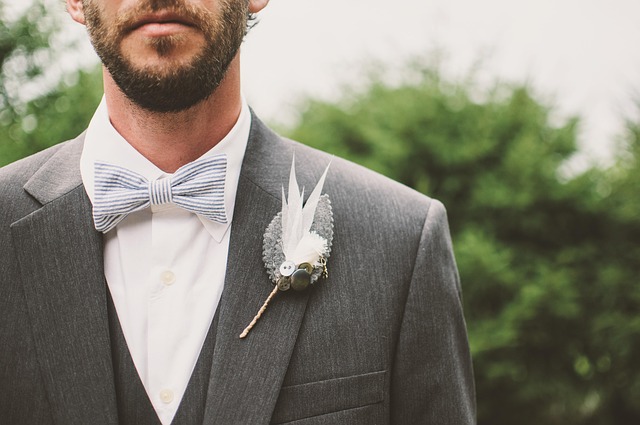
Strict dress codes for weddings, including the expectation that all guests wear formal attire regardless of venue, season, or couple’s preferences, no longer reflect the diversity of wedding styles people celebrate today. Beach weddings, festival-themed ceremonies, and intimate backyard gatherings all call for very different standards of dress. Following the couple’s stated dress code or the tone of the invitation is far more appropriate than defaulting to old formal assumptions. Weddings today are deeply personal events that guests honor best by dressing intentionally for the specific celebration.
Introducing Women Last

Traditional introduction etiquette often placed men before women in the order of introduction, reflecting social hierarchies that no longer apply. Modern introduction etiquette focuses on context, role, and relationship rather than gender when determining who is introduced first. In professional settings, the more senior person is typically introduced first regardless of any other factor. Replacing gender-based introduction rules with context-sensitive ones creates a more inclusive and logical social experience for everyone.
Finishing Everything on Your Plate
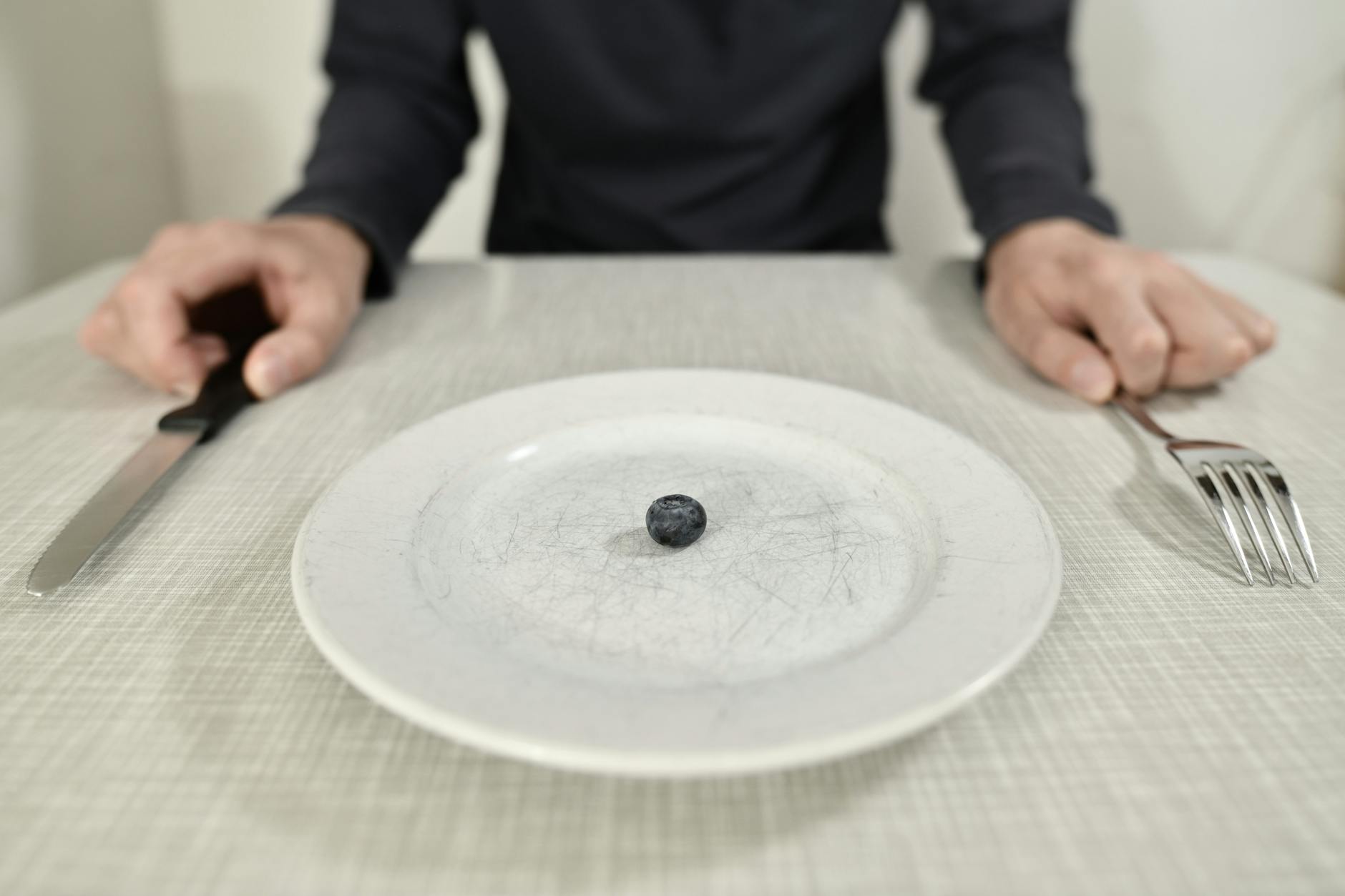
The expectation that a guest must finish every portion served to them was rooted in post-war scarcity cultures and a desire to show appreciation for the host’s effort. Today, people are far more attuned to hunger signals, dietary restrictions, and nutritional awareness, and leaving food on the plate is widely accepted without social stigma. Forcing oneself to overeat out of politeness is neither healthy nor necessary as a display of gratitude. Expressing appreciation through words and genuine engagement with the meal communicates far more than an empty plate.
Crossing Legs at Ankles

The insistence that women cross their legs at the ankle rather than the knee was a posture rule born entirely from a narrow and gendered standard of physical decorum. Body autonomy and comfort in how one sits have rightly become more important than conforming to historically sexist behavioral expectations. Sitting comfortably and naturally is perfectly appropriate in virtually every modern social and professional setting. Physical comfort does not undermine poise or professionalism.
No Phones at the Table

While phone addiction and distraction during meals are genuine and valid concerns, the blanket rule banning phones entirely at every table in every context no longer reflects real life. Caregivers checking in on children, people managing time-sensitive work situations, or friends sharing a funny photo mid-conversation are all perfectly reasonable uses of a phone during a meal. The spirit of the rule, which is about being present and engaged with the people you are with, is worth keeping while the absolute prohibition is worth softening. Intentional engagement always matters more than performing the appearance of it.
Share which outdated etiquette rules you have already stopped following, and which ones still feel surprisingly hard to break, in the comments.