
Combining certain medications can quietly turn a routine treatment into a medical emergency, and many dangerous interactions happen with drugs found in everyday medicine cabinets. Healthcare professionals consistently warn that even over-the-counter painkillers carry serious risks when taken alongside other substances. The interactions below range from mildly harmful to potentially fatal, making awareness a matter of genuine urgency. Patients managing multiple conditions are especially vulnerable, as the risk of accidental combinations increases with each added prescription. Understanding which pairings to avoid is one of the most important steps a person can take to protect their own health.
Aspirin and Ibuprofen
Both aspirin and ibuprofen belong to the NSAID family, and taking them together significantly amplifies the risk of gastrointestinal bleeding. Aspirin’s blood-thinning properties become dangerously unpredictable when combined with ibuprofen, which can block aspirin’s protective cardiovascular effects. The stomach lining faces compounding irritation from two anti-inflammatory agents working simultaneously. People who take low-dose aspirin for heart health are particularly at risk if they also reach for ibuprofen to manage pain. A physician should always be consulted before combining any two NSAIDs, even briefly.
Warfarin and Aspirin

Warfarin is a powerful anticoagulant that keeps blood from clotting, and aspirin further suppresses platelet activity through a separate mechanism. Together, they create an elevated bleeding risk that can result in internal hemorrhage even from a minor injury. Patients on warfarin are monitored closely because even minor shifts in their medication regimen can throw off their clotting balance. Aspirin is widely perceived as a harmless painkiller, which makes this combination one of the most underestimated dangers in pharmacy safety. Anyone prescribed warfarin should confirm with their doctor before taking any pain relief product that contains aspirin.
MAOIs and Opioids
Monoamine oxidase inhibitors are prescribed for depression and anxiety, and their interaction with opioid painkillers can produce a life-threatening condition called serotonin syndrome. This syndrome causes a dangerous surge of serotonin activity in the brain, leading to agitation, rapid heart rate, high fever and in severe cases seizures. Meperidine and tramadol are considered the highest-risk opioids in this combination, though all opioids carry some level of concern. The reaction can occur rapidly after ingestion, leaving little time for medical intervention. People prescribed MAOIs are advised to inform every treating physician and pharmacist about their medication to prevent accidental exposure.
Opioids and Benzodiazepines
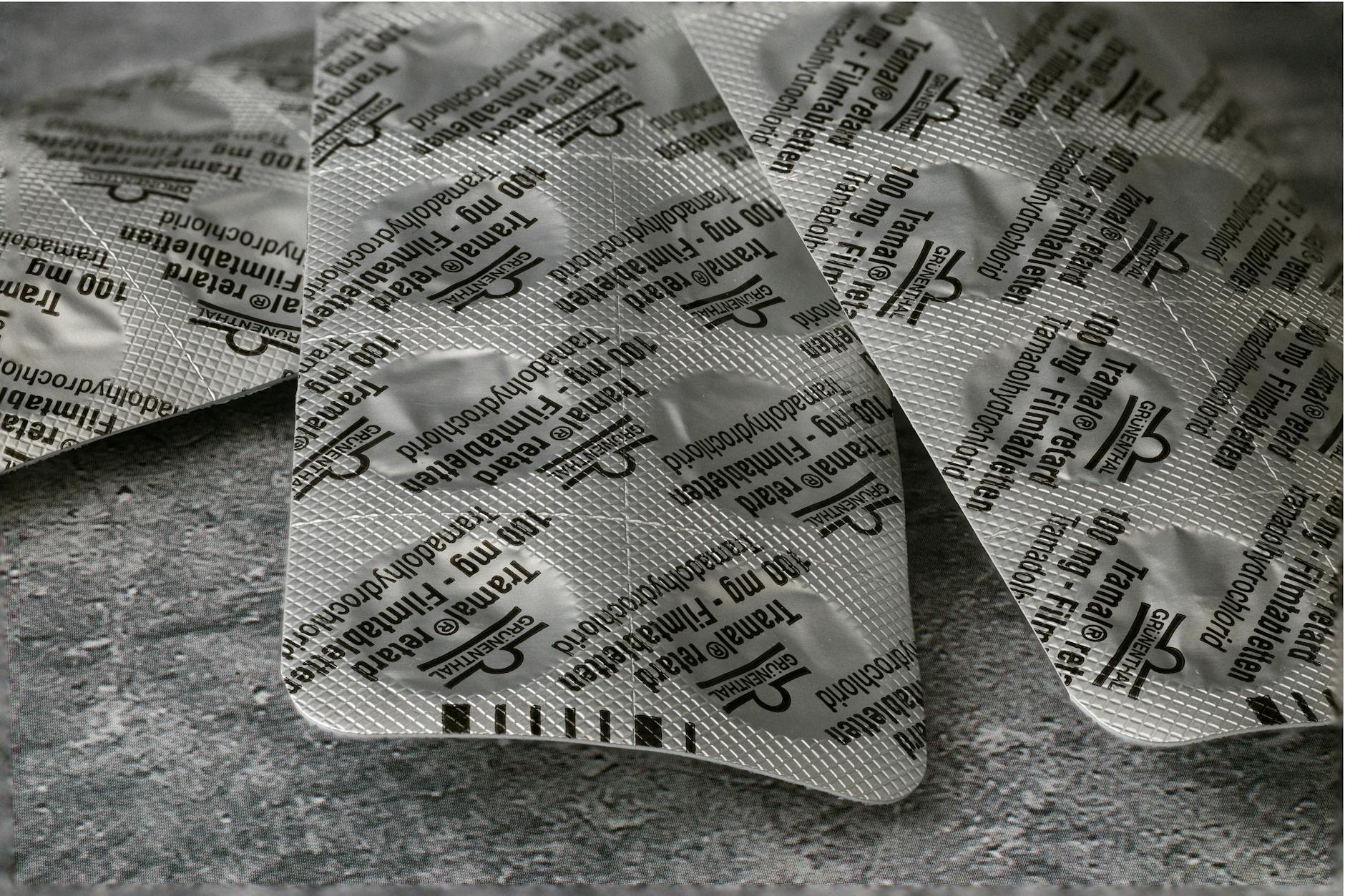
Opioid painkillers and benzodiazepines both suppress central nervous system activity, and taking them together dramatically increases the chance of respiratory depression. The combined sedative effect slows breathing to dangerous levels, sometimes stopping it entirely during sleep. This combination is responsible for a significant proportion of overdose fatalities and is flagged as one of the most serious drug interaction risks in modern medicine. Benzodiazepines such as diazepam and alprazolam are frequently prescribed for anxiety or sleep disorders, making accidental overlap with opioid pain prescriptions more common than many expect. Medical regulators worldwide have issued urgent warnings about this pairing, urging prescribers to avoid it wherever possible.
SSRIs and Tramadol
Selective serotonin reuptake inhibitors are among the most commonly prescribed antidepressants, and tramadol is a widely used painkiller that also affects serotonin pathways. When taken together, they can trigger serotonin syndrome by flooding the brain with excess serotonin activity. Symptoms appear quickly and can range from restlessness and tremors to dangerously elevated body temperature and blood pressure. The risk is heightened because neither medication is typically associated with severe side effects on its own. Patients taking SSRIs for depression or anxiety should specifically ask their prescriber about safer painkiller alternatives before accepting a tramadol prescription.
Acetaminophen and Alcohol
Acetaminophen is processed almost entirely by the liver, and alcohol places a competing burden on that same organ. Regular alcohol consumption depletes the liver enzyme that safely metabolizes acetaminophen, allowing toxic byproducts to accumulate in liver tissue. Even moderate drinkers face a heightened risk of liver damage when they take acetaminophen at standard doses. Heavy drinkers who rely on this common painkiller for hangover relief are placing themselves at especially serious risk. Health authorities recommend that people who consume alcohol regularly consult a doctor about safe pain management alternatives.
Methotrexate and Ibuprofen
Methotrexate is used to treat rheumatoid arthritis, psoriasis and certain cancers, and it requires very precise dosing to remain safe. Ibuprofen interferes with how the kidneys eliminate methotrexate from the body, causing it to build up to toxic levels in the bloodstream. This accumulation can cause severe damage to bone marrow, the liver and the lining of the digestive tract. The interaction is especially dangerous because ibuprofen is sold over the counter and is often perceived as a routine choice for joint or muscle pain. Patients on methotrexate therapy are typically given a strict list of medications to avoid, with NSAIDs appearing prominently on that list.
Lithium and Ibuprofen

Lithium is used to stabilize mood in people with bipolar disorder, and it operates within a very narrow therapeutic range in the bloodstream. Ibuprofen and other NSAIDs reduce the kidneys’ ability to excrete lithium efficiently, allowing levels to rise to toxic concentrations. Lithium toxicity produces symptoms including tremors, confusion, coordination problems and in severe cases kidney failure or coma. The challenge is that ibuprofen is readily available without a prescription, making accidental use alongside lithium a common clinical concern. People managing bipolar disorder with lithium should always check with their prescriber before using any over-the-counter painkiller.
Codeine and Alcohol

Codeine is an opioid painkiller that is converted to morphine by the liver, and alcohol intensifies its sedative effects considerably. The combination slows the central nervous system more profoundly than either substance alone, creating a steep risk of respiratory depression and loss of consciousness. Reaction times and coordination are severely impaired, making driving or operating machinery extremely hazardous. Some people metabolize codeine faster than average due to genetic factors, which increases the danger when alcohol is also present. Even small amounts of alcohol can produce an outsized effect when codeine is active in the system, making complete avoidance the recommended approach.
SSRIs and MAOIs

SSRIs and MAOIs both target the serotonin system but through entirely different mechanisms, and combining them can produce one of the most severe drug interactions known in clinical medicine. The simultaneous action of both drug classes on serotonin pathways can cause an extreme and potentially fatal case of serotonin syndrome. Symptoms escalate rapidly and can include uncontrollable muscle spasms, extremely high fever and cardiovascular instability. Even switching from one to the other requires a carefully managed washout period of several weeks to allow the first medication to fully clear the body. This combination is considered an absolute contraindication and should never be attempted without strict medical supervision.
Statins and Erythromycin
Statins are prescribed to lower cholesterol, and erythromycin is an antibiotic used to treat a range of bacterial infections. Erythromycin inhibits the enzyme responsible for breaking down many statin medications, causing statin levels in the blood to rise sharply. Elevated statin concentrations dramatically increase the risk of a muscle-destroying condition called rhabdomyolysis, which can lead to kidney failure. The risk applies most strongly to statins like simvastatin and lovastatin, which are metabolized through the same pathway that erythromycin blocks. Prescribers managing patients on statins typically choose an alternative antibiotic to avoid this interaction entirely.
Antidepressants and St. John’s Wort

St. John’s Wort is a widely used herbal supplement for low mood, and it interacts with the serotonin system in ways that mirror the action of prescription antidepressants. When combined with SSRIs or other serotonergic medications, it significantly raises the risk of serotonin syndrome. Beyond serotonin-related dangers, St. John’s Wort also affects liver enzymes that process dozens of pharmaceutical medications, potentially reducing their effectiveness. People taking antidepressants for clinical depression may find their treatment undermined by the addition of this supplement. Because herbal products are often perceived as safe and natural, this interaction is frequently overlooked in medication reviews.
Digoxin and Amiodarone
Digoxin is used to manage heart rhythm disorders and heart failure, and amiodarone is an antiarrhythmic medication prescribed for irregular heartbeats. Amiodarone inhibits the pathways through which digoxin is cleared from the body, causing its levels to rise significantly when both are taken together. Elevated digoxin concentrations can produce toxicity symptoms including nausea, vision disturbances and life-threatening changes in heart rhythm. This interaction is particularly dangerous because the symptoms of digoxin toxicity can be subtle and slow to appear. Cardiologists who prescribe both drugs simultaneously do so only with frequent blood level monitoring and adjusted dosing protocols.
Blood Thinners and NSAIDs

Blood thinners such as heparin, rivaroxaban and apixaban are prescribed to prevent dangerous clots in people at risk of stroke or deep vein thrombosis. Adding any NSAID to this regimen creates a compounding effect on the body’s clotting mechanisms and simultaneously irritates the gastrointestinal lining. The result is an elevated risk of serious internal bleeding, particularly in the stomach and intestines. NSAIDs also affect platelet function independently, further disrupting the careful balance that anticoagulant therapy is designed to maintain. Patients on any form of blood-thinning medication should treat all NSAID pain relievers as off-limits unless explicitly approved by their prescriber.
ACE Inhibitors and Potassium
ACE inhibitors are a first-line treatment for high blood pressure and heart failure, and they work partly by raising potassium levels in the blood. Taking potassium supplements alongside these medications can push potassium concentrations into a dangerously high range, a condition called hyperkalemia. Elevated potassium disrupts the electrical signals that govern heart rhythm, and severe hyperkalemia can cause cardiac arrest. Many patients are unaware that potassium is present in a range of supplements, electrolyte drinks and salt substitutes that are marketed as health-supporting products. Regular blood monitoring is essential for anyone on ACE inhibitor therapy, and any supplement use should be disclosed to a prescriber without exception.
Share which medication safety topics you’d like to see covered next in the comments.