
Property boundaries are among the most emotionally charged and legally consequential features of residential life, representing the invisible lines along which neighborly relationships can deteriorate from cordial to catastrophic with surprising speed and remarkably little justification. The phenomenon of boundary creep, the gradual and often deliberate expansion of one property’s effective territory at the expense of an adjacent one, is far more common than most people realize and far more legally significant than most perpetrators acknowledge when they are in the process of committing it. What begins as a fence placed a few inches over a property line or a garden bed extended into a neighbor’s lawn can, under the legal doctrine of adverse possession, ultimately result in the permanent transfer of land ownership if left unchallenged for sufficient periods. The tactics involved range from the boldly deliberate to the conveniently accidental, but their cumulative effect on property rights, property values, and the quality of neighborly relations is consistently negative for everyone involved except the encroaching party. These are the twenty-five petty but legally consequential tactics homeowners use to quietly absorb their neighbors’ land.
Fence Shifting

The incremental relocation of a boundary fence by small amounts over successive years is one of the oldest and most consistently practiced forms of residential land encroachment, exploiting the fact that distances of six to twelve inches are genuinely difficult to detect by eye across the length of a typical residential boundary. The homeowner who moves a fence four inches toward a neighbor’s property and then waits several years before moving it another four inches is operating on the entirely reasonable assumption that the cumulative displacement will not be noticed until it has become legally significant under adverse possession doctrine. Fence replacement projects provide the most natural cover for this tactic, as the installation of a new fence following storm damage, normal deterioration, or aesthetic upgrading creates a legitimate-seeming occasion for repositioning that is difficult to challenge without survey evidence obtained before the replacement occurred. The legal exposure created by unchallenged fence displacement is real and substantial, as courts in many jurisdictions have found that failing to object to an encroaching fence for the statutory adverse possession period, which varies by jurisdiction from as few as five to as many than twenty years, constitutes the acquiescence that transfers ownership rights. A neighbor who accepts a surveyor’s cost as an unnecessary expense when a new boundary fence is proposed has made a financial calculation that may ultimately cost them significantly more than the survey would have.
Driveway Expansion
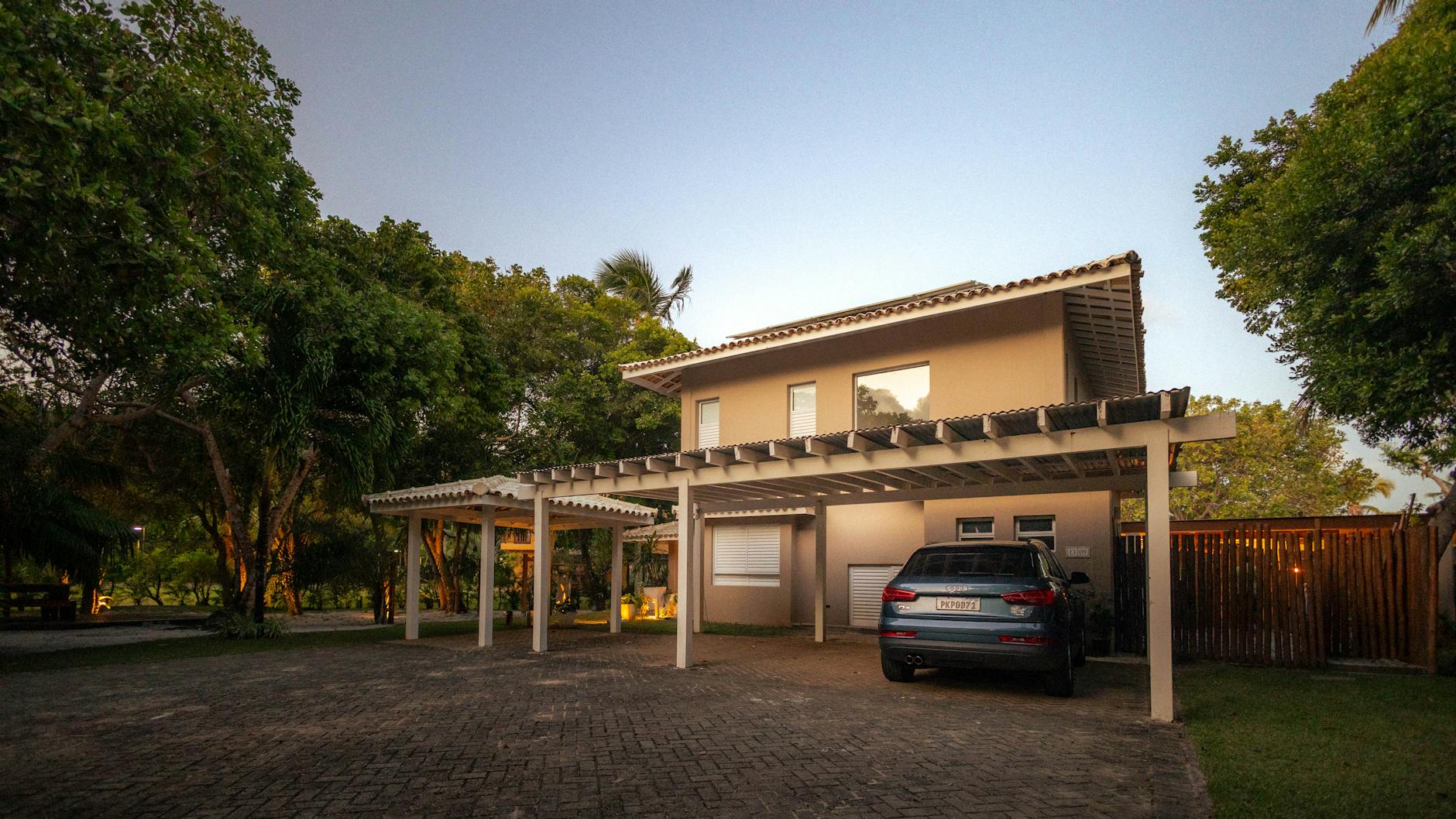
Gradually widening a driveway toward an adjacent property through successive resurfacing or extension projects creates a pattern of incremental encroachment whose progress is disguised by the legitimate maintenance framing of each individual phase and whose cumulative effect on the neighboring property line is obscured by the slow pace of the expansion. Each resurfacing project adds a few inches of width that individually seems within the bounds of normal construction variation while collectively representing a systematic displacement of the boundary over years or decades of accumulated expansions. The permanence of hardscaped surfaces makes driveway encroachment particularly consequential, as the removal of poured concrete or asphalt is significantly more disruptive and expensive than the removal of a misplaced garden bed or relocated fence, creating practical barriers to remedy that benefit the encroaching party long after the encroachment has been identified. Shared driveway situations and properties with narrow side yards are particularly vulnerable to this tactic, as the constrained space makes precise boundary identification more consequential and the value of additional width more motivating to the encroaching homeowner. A neighbor who does not respond to driveway expansion because the disputed strip appears too narrow to matter has misunderstood both the legal significance of unchallenged encroachment and the compounding value of land in developed residential areas.
Garden Bed Creep

The gradual extension of garden beds, plantings, and landscaped areas across an established property boundary under the cover of normal horticultural activity is among the most visually benign and legally consequential encroachment tactics in routine use in residential neighborhoods, exploiting the social awkwardness of challenging a neighbor’s gardening as a practical barrier to objection. A garden bed that advances six inches into a neighbor’s lawn each spring during annual replanting creates a displacement that accumulates over a decade into a meaningfully sized strip of territory whose continuous use and maintenance by the encroaching homeowner establishes the open, notorious, and continuous possession that adverse possession doctrine requires. The living nature of garden plantings adds a dimension of legitimate ambiguity to the encroachment, as plants spread, self-seed, and migrate in ways that can be attributed to natural growth rather than deliberate positioning when challenged. Mature plantings that have been in place for years are additionally protected by the practical and social cost of demanding their removal, as the destruction of established garden beds generates the kind of neighbor conflict that many property owners will tolerate significant land loss to avoid. The homeowner who has quietly absorbed a strip of a neighbor’s lawn through patient annual garden extension has exploited both the legal mechanism of adverse possession and the social mechanism of conflict avoidance with considerable effectiveness.
Tree Placement

Strategically planting trees or large shrubs near or on a property boundary with the intention that their mature root spread, canopy, and established presence will create a de facto boundary displacement that would be prohibitively expensive and destructive to reverse is a long-horizon encroachment tactic that combines patience with the considerable leverage that mature vegetation provides against future challenge. A tree planted two feet inside the encroaching homeowner’s property but positioned so that its mature canopy significantly overhangs the neighbor’s land, its roots intrude into the neighbor’s soil, and its shadow affects the neighbor’s garden creates a presence that effectively colonizes adjacent space without technically crossing the boundary line in its above-ground trunk position. The legal status of overhanging branches and encroaching root systems varies by jurisdiction but generally favors the tree owner in ways that make removal difficult and expensive for the affected neighbor to pursue. Large established trees that are planted deliberately to mark or assert a boundary position also acquire a social weight that makes their removal or trimming a confrontational act, providing their owners with a living barrier to boundary challenges that grows more difficult to address with every passing year of the tree’s growth. The neighbor who watches a fast-growing species planted three feet from their boundary reach canopy dimensions that shade their garden, lift their paving, and damage their drainage infrastructure has encountered the long-term consequences of a planting decision that was almost certainly not accidental.
Survey Marker Removal
The removal, relocation, or deliberate burial of official property survey markers, the physical pins or stakes placed by licensed surveyors to mark the precise legal boundaries of adjacent properties, is one of the most legally serious encroachment behaviors on this list, constituting in many jurisdictions a criminal offense rather than merely a civil one. Survey markers represent the physical manifestation of the legal property record and their intentional disturbance is treated with corresponding seriousness by courts that recognize their evidentiary importance in boundary disputes. The tactic is particularly effective against neighbors who have never obtained their own survey and who therefore lack an independent record of marker positions against which the disturbance can be demonstrated, leaving them in the position of claiming without documentary evidence that their boundary was previously located differently than the current visible evidence suggests. Buried markers are especially insidious because their submersion beneath sod, mulch, or paving creates the appearance of absence rather than disturbance, making the encroachment less visible and the evidence of intentional removal more difficult to establish. A homeowner who discovers that survey markers that were visible at the time of purchase have subsequently disappeared without any licensed survey activity having been conducted in the intervening period has reasonable grounds for both a criminal complaint and a civil boundary dispute action.
Mulch Migration

The repeated application of mulch, topsoil, or decorative stone that gradually advances across a property boundary with each successive landscape maintenance cycle is a low-confrontation encroachment method that operates through the entirely defensible framing of routine garden maintenance while systematically displacing the effective boundary through accumulated material deposition. Each individual mulching event adds only a few inches of advancement that falls well within the variation that could be attributed to imprecise application, but the annual repetition of the same directional expansion creates a visible and measurable displacement over a span of years that any surveyor would identify as systematic rather than incidental. The material nature of the encroachment also creates a practical soil-level boundary displacement that physically raises the grade of the encroached area, creating drainage implications for the affected neighbor that extend beyond the aesthetic and territorial dimensions of the advance. Mulch and decorative stone encroachment is particularly common along unfenced boundaries where the absence of a fixed structural marker makes the boundary’s precise location genuinely ambiguous and any challenge difficult to sustain without survey evidence. The neighbor who annually watches a mulched bed advance three inches in their direction and says nothing has provided the acquiescence that the encroaching party’s adverse possession strategy requires.
Paving Over Boundaries

Installing patios, pathways, or hardscaped outdoor living areas that extend across a property boundary and whose solid surface creates a physical assertion of ownership that is significantly more expensive and disruptive to remove than the soft landscaping encroachments that typically precede them represents an escalation tactic that converts earlier incremental gains into permanent structural territory. The installation of paving is frequently presented as the improvement of previously unmaintained or ambiguously occupied space, with the encroaching homeowner taking the position that their investment in an uncontested area justifies their effective claim to it while simultaneously creating the practical obstacle to removal that makes the challenge more costly than most neighbors are willing to pursue. Hardscaping encroachment is also particularly effective at establishing the continuous, exclusive use that adverse possession requires, as a paved surface actively prevents the neighboring property owner from using the affected land in ways that softer encroachments do not. The neighbor who is presented with a completed patio installation that encroaches on their property faces a removal dispute whose practical costs, including concrete breaking, disposal, and landscape restoration, create financial barriers to enforcement that the encroaching party has deliberately imposed. A boundary encroachment that costs the affected party more to remedy than the encroached land is worth has achieved the practical objective of adverse possession without waiting for the statutory period to expire.
Renovation Boundary Creep

Home renovation and extension projects that incorporate boundary displacement into construction plans by positioning new structures slightly beyond the legal property line while relying on the complexity of the building process, the involvement of multiple contractors, and the neighbor’s unfamiliarity with the approved plans to obscure the encroachment until the structure is completed and its removal would be prohibitively expensive. New construction creates its own social and practical protection against challenge, as the expense and disruption of a building project generates a powerful psychological pressure on neighboring property owners to avoid a confrontation during the process that would mark them as obstructive, with the consequence that many encroachments are not challenged until the structure is in place and the economic case for challenge has been substantially altered by completion costs. Planning approval documents are public record but are rarely reviewed by neighboring property owners who lack the architectural literacy to identify boundary positioning from technical drawings, a knowledge gap that encroaching homeowners engaged in deliberate boundary manipulation can exploit with considerable confidence. The neighbor who did not review building permit applications for an extension constructed against a shared boundary has missed the earliest and most cost-effective opportunity to challenge any encroachment before concrete was poured. An extension completed and occupied is a fundamentally different legal and practical challenge from a proposed extension on a planning application, and the time between the two represents the window in which the encroaching homeowner’s strategy is most vulnerable.
Retaining Wall Repositioning
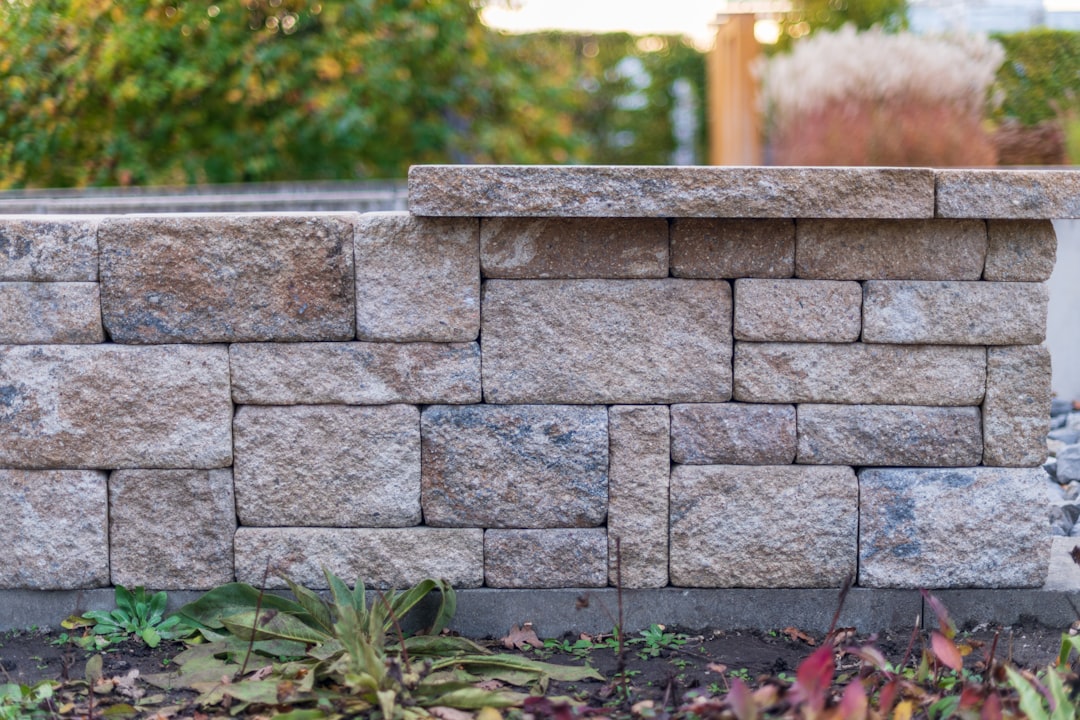
Installing retaining walls that define the visual and functional territory of a garden or outdoor area slightly beyond the legal boundary uses structural permanence and the visual authority of engineered construction to assert a boundary claim that is considerably more difficult to challenge than the informal encroachments that precede most significant territorial disputes. A retaining wall, once constructed, carries a physical authority that overrides the invisible legal boundary in the perception of casual observers, establishing in the neighborhood’s collective understanding a visual boundary that may differ materially from the legal one. The drainage and soil retention functions of retaining walls also create a practical interdependence between the structure and the affected neighbor’s land, as removal of a wall that retains soil from an elevated garden creates engineering implications for the adjacent property that the affected neighbor may feel unable to demand regardless of the encroachment it represents. Retaining walls are also frequently constructed under permitted development rights that do not require formal neighbor consultation, meaning that the affected property owner may have no formal notice of a project whose boundary implications are significant until the construction is complete. The combination of structural permanence, visual authority, practical interdependence, and procedural legitimacy makes the retaining wall one of the most effective single-construction encroachment tools available.
Informal Parking Claims
Gradually expanding parking behavior onto a neighbor’s verge, unmaintained strip, or accessible frontage by parking vehicles there repeatedly without objection exploits the adverse possession principle of open and notorious use to establish a practical claim that is difficult to challenge once the behavior has been normalized through repeated unchallenged occurrence. The social dynamic of challenging a neighbor’s parking behavior creates a personal confrontation whose discomfort many property owners elect to avoid on individual occasions while collectively allowing the behavior to become established through the very avoidance they are practicing. Parking encroachment is particularly common on corner lots where verge ownership is genuinely ambiguous, on properties with undeveloped side strips that the legal owner does not actively maintain or use, and in neighborhoods where informal parking norms have historically been more flexible than legal boundaries would strictly allow. The neighbor who begins parking on a strip that they do not own but know to be unused, and who continues doing so for years without objection, is intentionally or unintentionally accumulating the adverse possession clock time that their behavior’s continuity is legally relevant to. A property owner who becomes aware that a neighbor’s vehicles are regularly using their land should document the behavior, communicate objection in writing, and if necessary install a physical barrier before the pattern becomes legally significant.
Drainage Manipulation
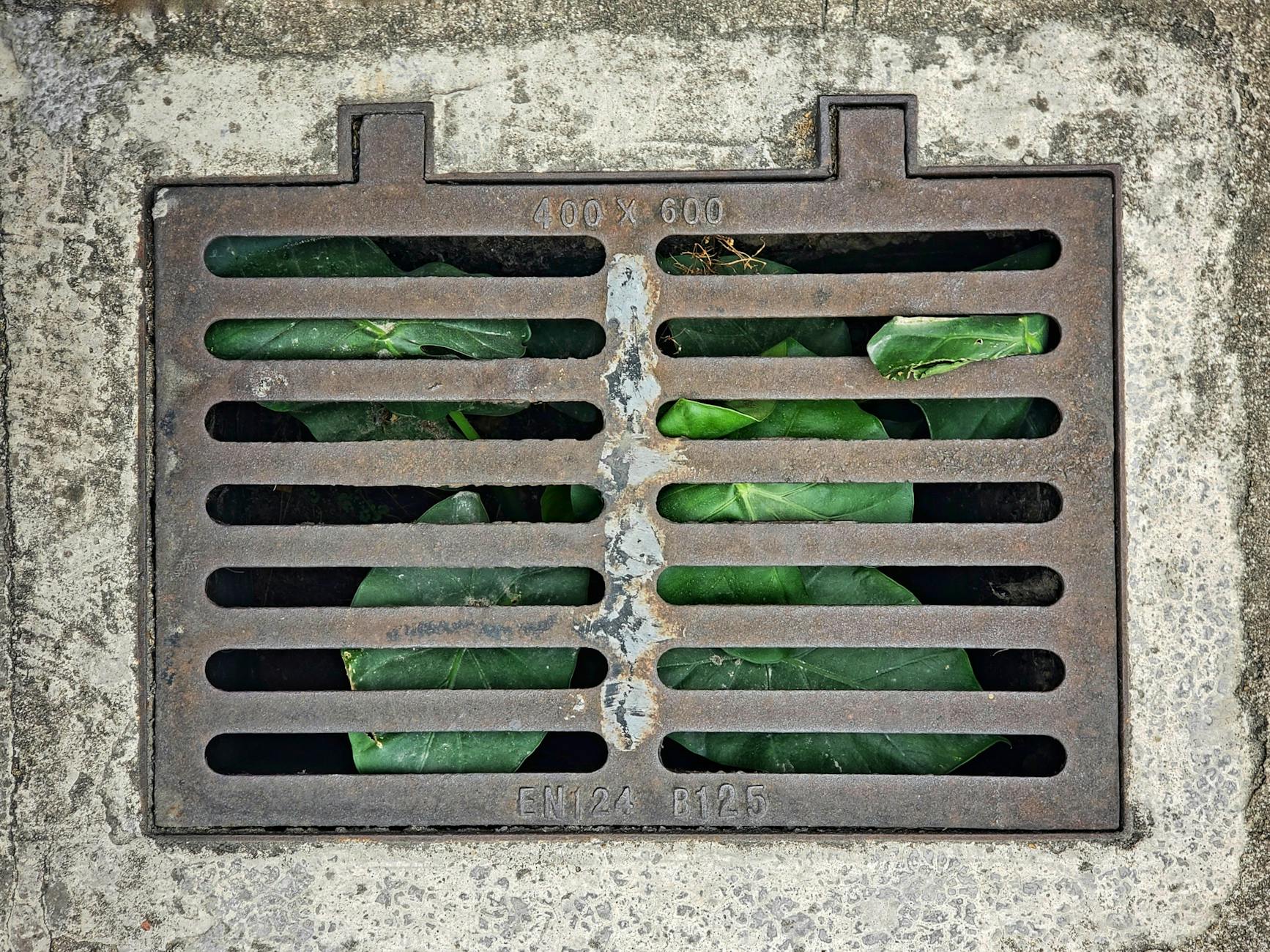
Deliberately grading land, installing drainage systems, or modifying water flow patterns in ways that direct surface water or subsurface drainage toward a neighboring property causes physical deterioration of that property through erosion, waterlogging, and foundation damage while simultaneously rendering the affected areas less functional and less valuable as private outdoor space. Drainage manipulation rarely presents itself as a deliberate hostile act and is almost always available to be defended as an incidental consequence of legitimate landscape improvement, making it one of the most legally ambiguous encroachment-adjacent behaviors available to a homeowner motivated to degrade an adjacent property without obvious culpability. The cumulative physical damage caused by redirected drainage can be substantial, including soil erosion that removes topsoil from garden areas, waterlogging that kills established planting, and moisture intrusion that affects boundary structures and outbuildings in ways that create ongoing maintenance costs for the affected neighbor. Legal claims arising from deliberate drainage manipulation are available in most jurisdictions under nuisance doctrine but require expert evidence establishing the modification’s deliberateness and the causal connection between the modification and the resulting damage, a standard that the ambiguity of drainage behavior makes genuinely difficult to meet. The neighbor whose garden has inexplicably developed drainage problems following the adjacent property’s landscape renovation has likely encountered deliberate drainage manipulation and faces the considerable challenge of proving what is almost certainly true.
Temporary Structure Permanence

Installing structures described and permitted as temporary, including portable buildings, storage units, greenhouse frames, and equipment housings positioned near or on a boundary, and then maintaining them in place indefinitely in ways that effectively convert temporary positioning into permanent occupation is a tactic that exploits the planning system’s differential treatment of temporary and permanent structures to achieve the boundary effects of permanent construction without its procedural requirements. Structures positioned in the temporary category frequently require less formal approval, less neighbor notification, and less precise boundary positioning than permanent construction, creating a regulatory gap that permits initial installation closer to or on a boundary than permanent structures would be allowed. The gradual normalization of a temporary structure’s presence, combined with the social cost of demanding removal of something that has been in place for years without previous objection, creates the conditions in which the temporary designation becomes irrelevant to the practical reality of permanent occupation. Neighbors who accept a temporary structure’s presence without formally documenting their objection to its continued permanence have inadvertently provided the unchallenged continuous use that gives the structure’s de facto permanent positioning its adverse possession legal relevance over time. The planning system’s distinction between temporary and permanent loses most of its practical meaning when the temporary structure is never removed and its removal is never formally demanded.
Easement Abuse
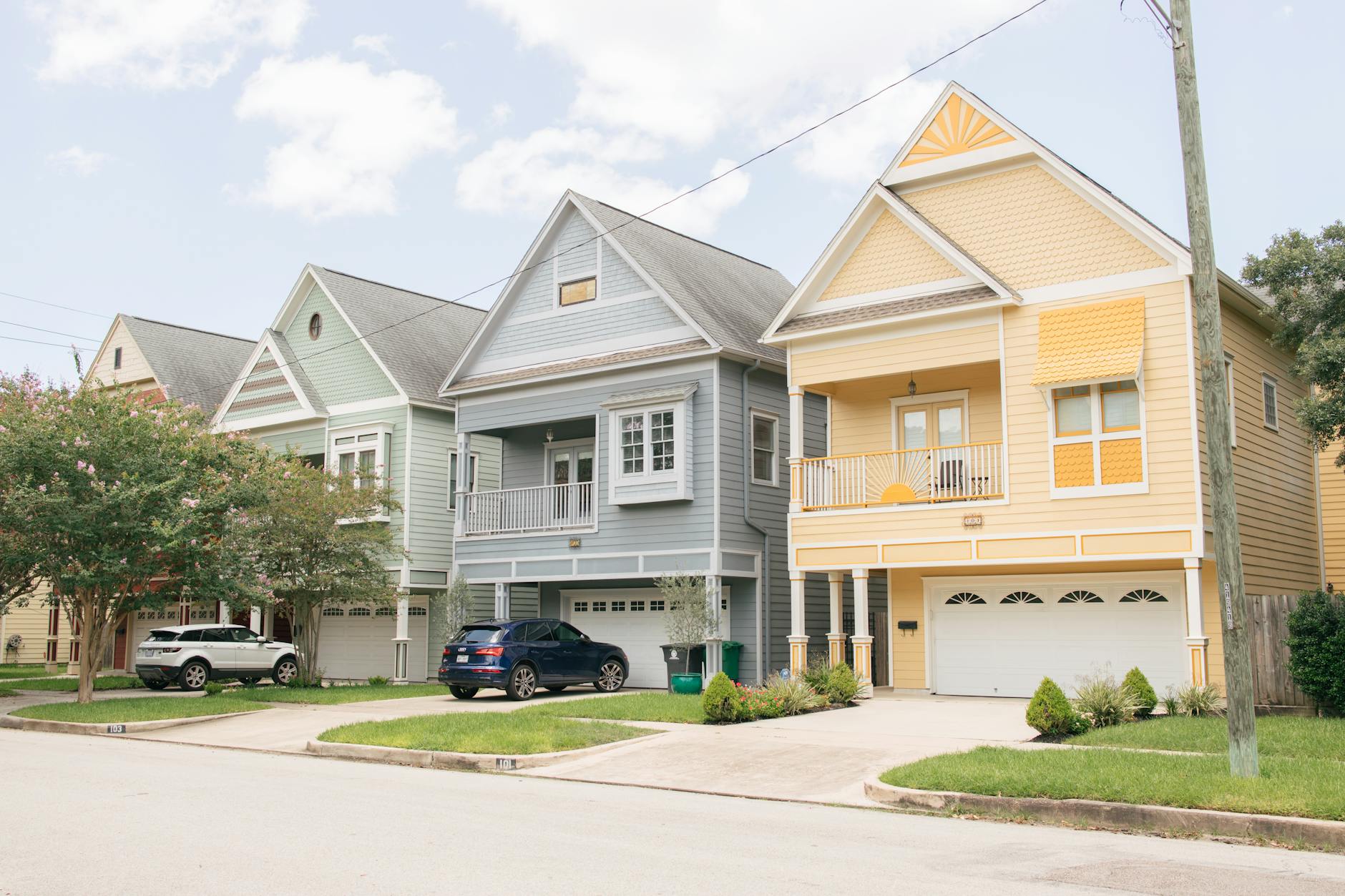
Exploiting a legitimate easement, a legal right of access or use across a neighboring property for a specific defined purpose, beyond its defined scope, geographic extent, or permitted use in ways that expand the effective territory of the easement holder’s practical occupation represents a legal encroachment wrapped in the credibility of a genuine property right. An access easement that permits crossing a neighboring property by foot is not an authorization for vehicle access, for storage of materials, for landscaping activity, or for any use beyond the specific right defined in the easement documentation, but the existence of a legitimate right of access creates a practical presence on the neighboring property that can be exploited to normalize broader uses through gradual expansion. Easement scope creep is particularly common in rural and semi-rural properties where easement boundaries are physically unmarked and the defined permitted use is subject to interpretation by parties whose interests conflict regarding its extent. The legal challenge of easement abuse requires the affected property owner to establish both the defined scope of the original right and the manner in which the current use exceeds that scope, a burden of proof that the ambiguity of many easement definitions and the normalization of expanded use over time makes practically difficult to meet. A property owner who has allowed a neighbor to use an easement in ways that exceed its defined scope without objection may find that the expanded use has acquired a legitimacy through long acquiescence that the original easement document alone would never have provided.
Hedgerow Colonization

Planting a hedge on or near a boundary and then maintaining it in ways that progressively expand its footprint into the neighboring property, using the hedge’s living growth as cover for a systematic land absorption that advances with each growing season and each maintenance cycle, combines the practical encroachment of garden bed creep with the physical obstruction qualities of fence shifting in a single living structure that is considerably more difficult and socially contentious to remove than either. A newly planted hedge whose intended mature width already extends into a neighbor’s property will, if unchallenged through its establishment phase, create a living boundary marker whose mature presence appears to have been there for years and whose removal requires the kind of destructive intervention that most property disputes do not ultimately produce. Hedgerow encroachment is additionally effective at degrading the neighboring property by casting shade, extracting soil moisture, and creating root competition in the adjacent area, reducing the utility and aesthetic quality of the affected strip before the adverse possession period has been completed. The British legal tradition surrounding hedgerows as boundary markers, in which the oldest hedge on a boundary is presumed to be the legal boundary marker, has been particularly vulnerable to exploitation by homeowners who establish new hedges in positions that subsequently become the assumed historic boundary. Any neighbor who allows a new boundary hedge to establish without documenting the legal boundary position relative to the proposed planting has provided the hedge with a head start on the adverse possession timeline that its growth will quietly extend with each passing year.
Accessory Structure Encroachment
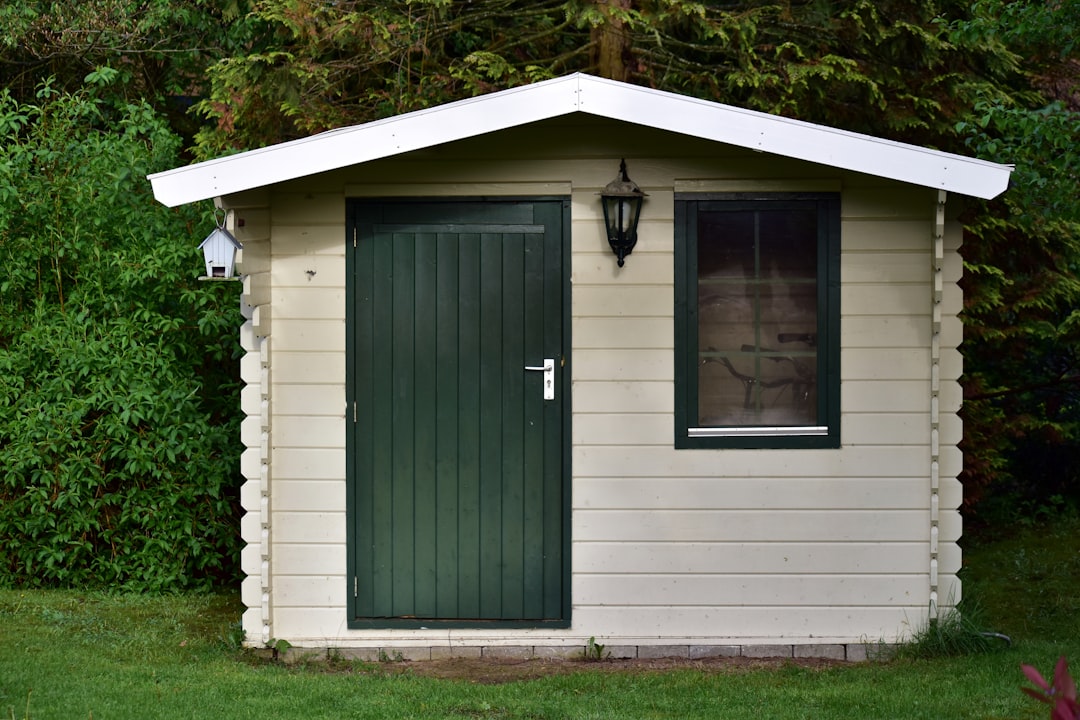
Positioning sheds, garages, outbuildings, and accessory structures against a boundary in ways that their overhanging eaves, foundation footings, guttering, and drainage fall on the neighboring property rather than within the building footprint technically positioned within the legal boundary achieves a structural presence on adjacent land without the above-ground wall line crossing the boundary in a manner visible to the casual observer. The technical positioning of a structure’s wall on or near a boundary line while its eaves project beyond it onto the neighboring property is a construction approach that exploits the difference between the structure’s legal footprint and its physical impact on adjacent space, effectively using the neighbor’s land for drainage collection, weather protection, and structural support while maintaining the appearance of boundary compliance. Planning regulations in many jurisdictions establish minimum distances between accessory structures and boundaries precisely because of the impact that even technically compliant structures have on adjacent properties, but these regulations are frequently misunderstood by homeowners and inconsistently enforced by local authorities. The neighbor whose boundary fence receives the drip from an adjacent outbuilding’s guttering, whose soil is compacted by the overhang of the neighboring structure’s eaves, and who cannot access or use the strip immediately adjacent to the structure has effectively lost the use of their land without the legal boundary having been technically crossed. Structural encroachment through projection rather than foundation position is one of the most technically sophisticated boundary manipulation tactics available and one of the most difficult to challenge under planning and property law.
Light Obstruction
Constructing boundary features including walls, fences, hedges, and structures at heights designed to eliminate a neighbor’s access to natural light and sunlight in ways that degrade the practical value, agricultural productivity, and quality of life associated with the affected property represents an encroachment on property enjoyment rather than on physical territory, using the adjacent boundary position to impose costs on the neighboring property without crossing it. The ancient legal doctrine of right to light in English law, and its equivalents in other jurisdictions, recognizes that prolonged unobstructed access to natural light through specific windows and openings can acquire a legal status as a property right that subsequent obstruction may infringe, but this protection applies narrowly and requires extended periods of uninterrupted prior light access to engage. Deliberate light obstruction through tall boundary plantings or constructions is additionally effective as a negotiating pressure tactic in boundary and neighbor disputes, creating an ongoing quality-of-life degradation that incentivizes the affected neighbor to settle other disputes on less favorable terms to obtain the removal of the obstruction. The homeowner whose boundary hedge grows to a height that eliminates afternoon sunlight from a neighbor’s garden has deployed a low-cost environmental pressure mechanism that can be maintained indefinitely at minimal cost to themselves while imposing continuous significant costs on the affected neighbor. Legal remedies for light obstruction through growing vegetation are particularly limited in most jurisdictions, making the maintenance of an oversized boundary hedge one of the most defensible hostile acts available in the residential property context.
Adverse Possession Squatting

Deliberately occupying and using a strip of neighboring land with the specific intention of accumulating the statutory period of adverse possession required to apply for legal ownership transfer is the most explicitly intentional form of land theft on this list and the one that most directly exploits the legal doctrine of adverse possession as an offensive tool rather than encountering it as an incidental consequence of other boundary behaviors. Adverse possession doctrine was historically designed to resolve genuine uncertainty about abandoned or unclaimed land by vesting title in the party who had used and maintained it, but its application to deliberate encroachment on clearly owned adjacent property represents a significant divergence from its original purpose that many legal systems have addressed through statutory reform without entirely eliminating. The elements required for a successful adverse possession claim vary by jurisdiction but typically include open and notorious possession, continuous use for the statutory period, exclusion of the true owner, and use without the owner’s permission, conditions that a deliberate encroacher can engineer through careful behavioral management of each element. Jurisdictions that have retained short adverse possession periods, some as brief as five years for cultivated land, provide a compressed timeline within which a determined encroacher with the patience to manage their behavior carefully can achieve legal ownership of a neighbor’s land without their consent. The property owner who discovers that a neighbor’s deliberate occupation of a boundary strip has progressed through the statutory period without challenge has discovered that their inaction has been treated by the legal system as acquiescence whose consequences are the permanent loss of the affected land.
Utility Line Manipulation
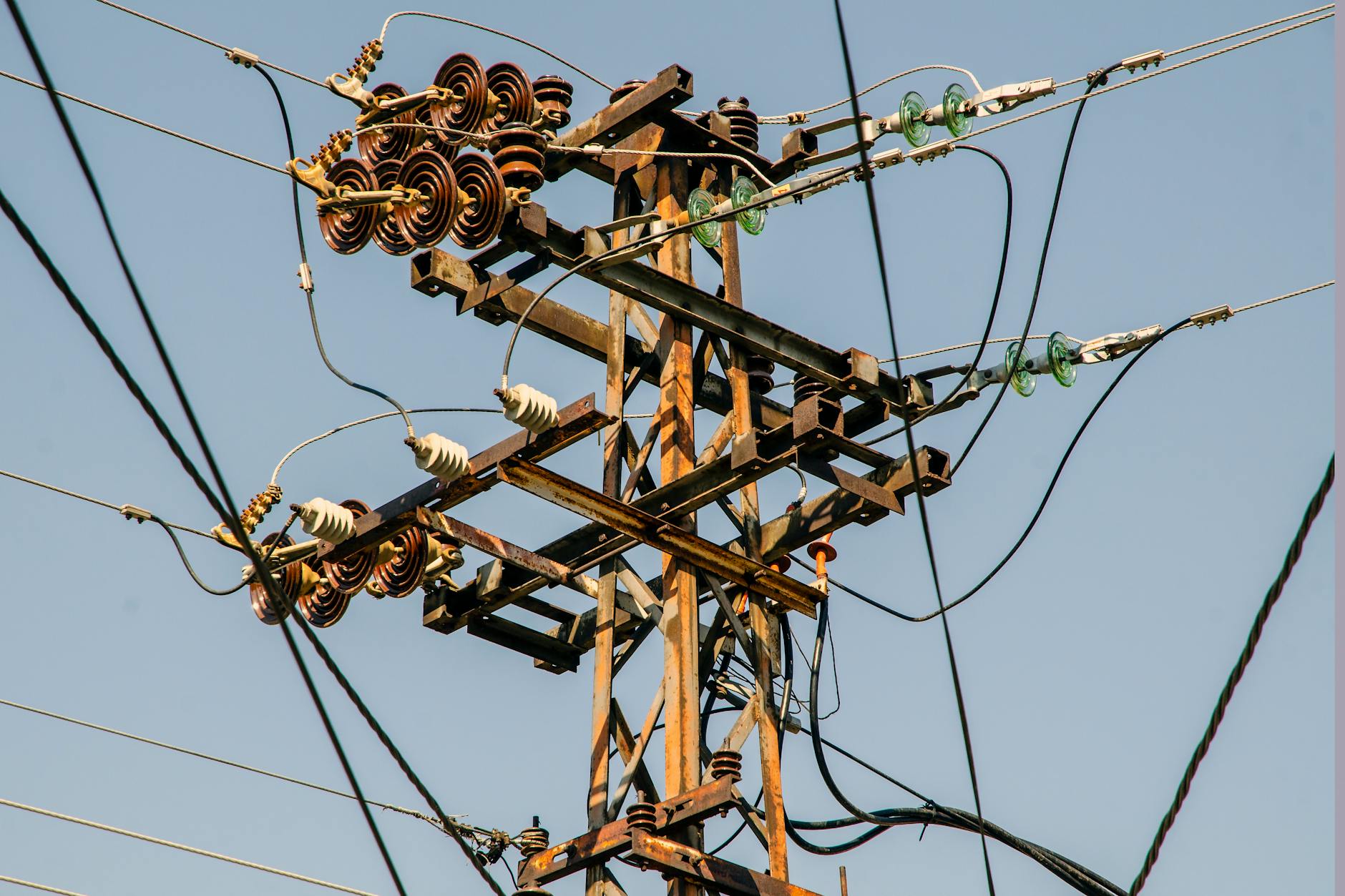
Directing or positioning utility infrastructure including irrigation systems, electrical conduit, drainage pipes, and service lines across a property boundary without the neighboring property owner’s knowledge or consent creates a subsurface encroachment that is invisible by its nature and therefore able to accumulate the continuous possession required for adverse possession claims without the affected owner having any reasonable basis to identify, document, or challenge the intrusion. Underground encroachment is particularly insidious because it combines the legal significance of physical occupation with the practical invisibility that makes challenge impossible without professional investigation, leaving affected property owners in the position of owning land that is being used by their neighbor in ways they cannot see, cannot prove without expensive excavation, and may not discover until their own development or maintenance activity reveals the unauthorized infrastructure. The discovery of a neighbor’s irrigation line, drainage connection, or other service infrastructure running beneath one’s property can be legally significant regardless of whether the underground presence has been there long enough to trigger adverse possession, as such installations typically require either an easement or the property owner’s explicit consent that an unauthorized installation by definition lacks. Property owners who are undertaking any excavation or construction work near a boundary should commission utility surveys that include both public utility records and non-registered private installations before proceeding, both for safety reasons and for the boundary dispute information that unauthorized neighbor infrastructure would provide. The neighbor who has run irrigation across a boundary to supply a garden planted on encroached territory has layered one boundary violation within another in a combination whose full legal exposure they may not have carefully considered.
Debris Boundary Extension
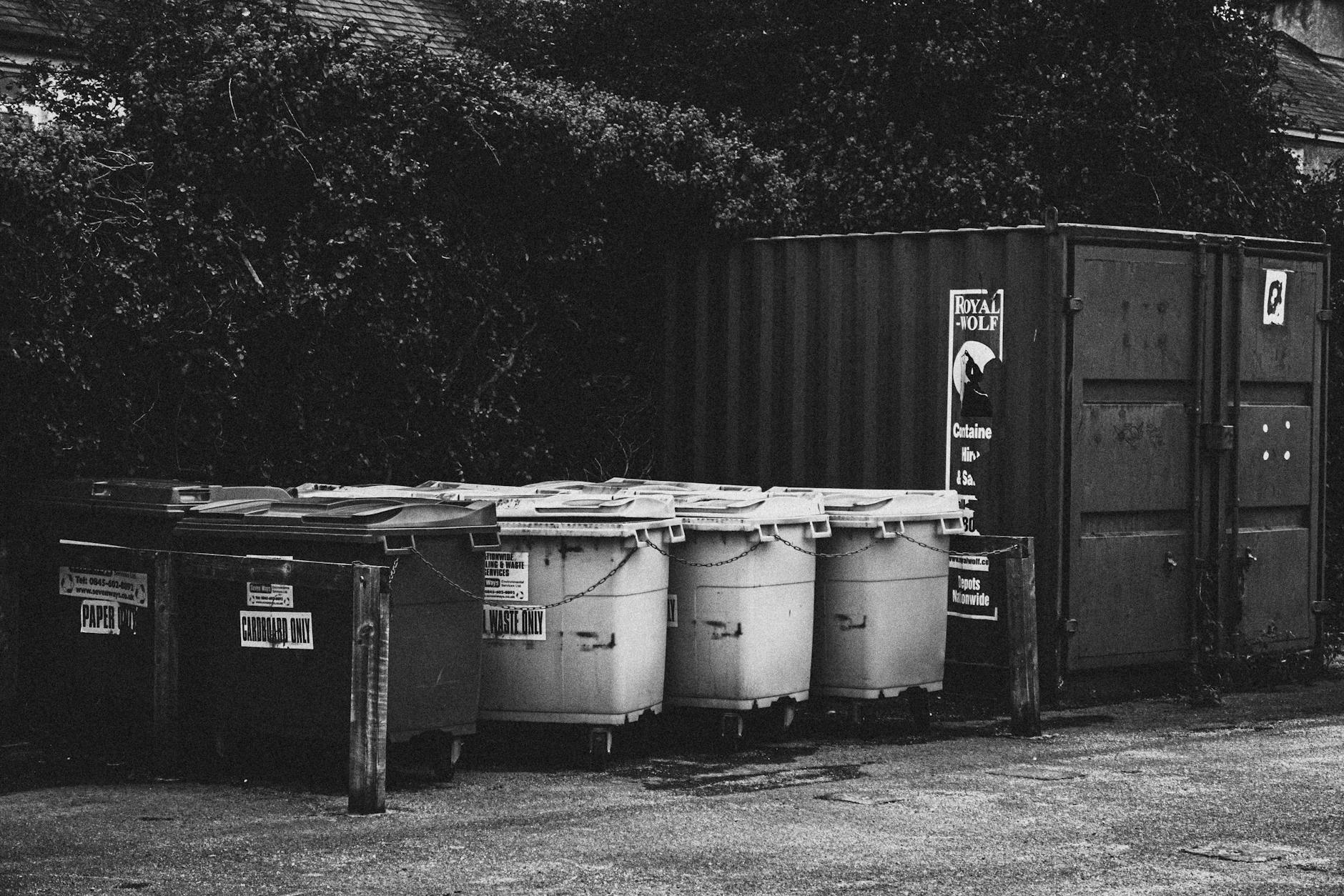
Systematically depositing garden waste, construction materials, soil excavation spoil, or other debris on the strip of neighboring land immediately adjacent to a shared boundary creates a physical occupation of the affected area that simultaneously asserts de facto territorial control, degrades the affected land’s utility and appearance, and imposes removal costs on the true owner if they wish to reclaim use of the occupied strip. The debris deposit tactic exploits the social awkwardness of challenging a neighbor’s waste disposal behavior and the practical cost of clearing material that is not one’s own, using both barriers to create a low-cost territorial advance whose continuation requires only the neighbor’s inaction rather than the encroaching party’s ongoing effort. Repeated debris deposition on the same strip establishes the pattern of use and the implicit territorial claim that adverse possession doctrine may recognize over time, particularly when the affected owner’s failure to clear or use the deposited-upon area could be interpreted as effective abandonment of the strip. The degradation of affected land through debris deposition also reduces the apparent value of the affected strip in ways that lower the affected owner’s motivation to pursue expensive legal remedy for an area that appears, from its condition, to be worth less than the cost of its recovery. A property owner who allows a neighbor to treat a boundary strip as a convenient disposal area is allowing both their land and their legal position to deteriorate simultaneously.
Signage Assertion
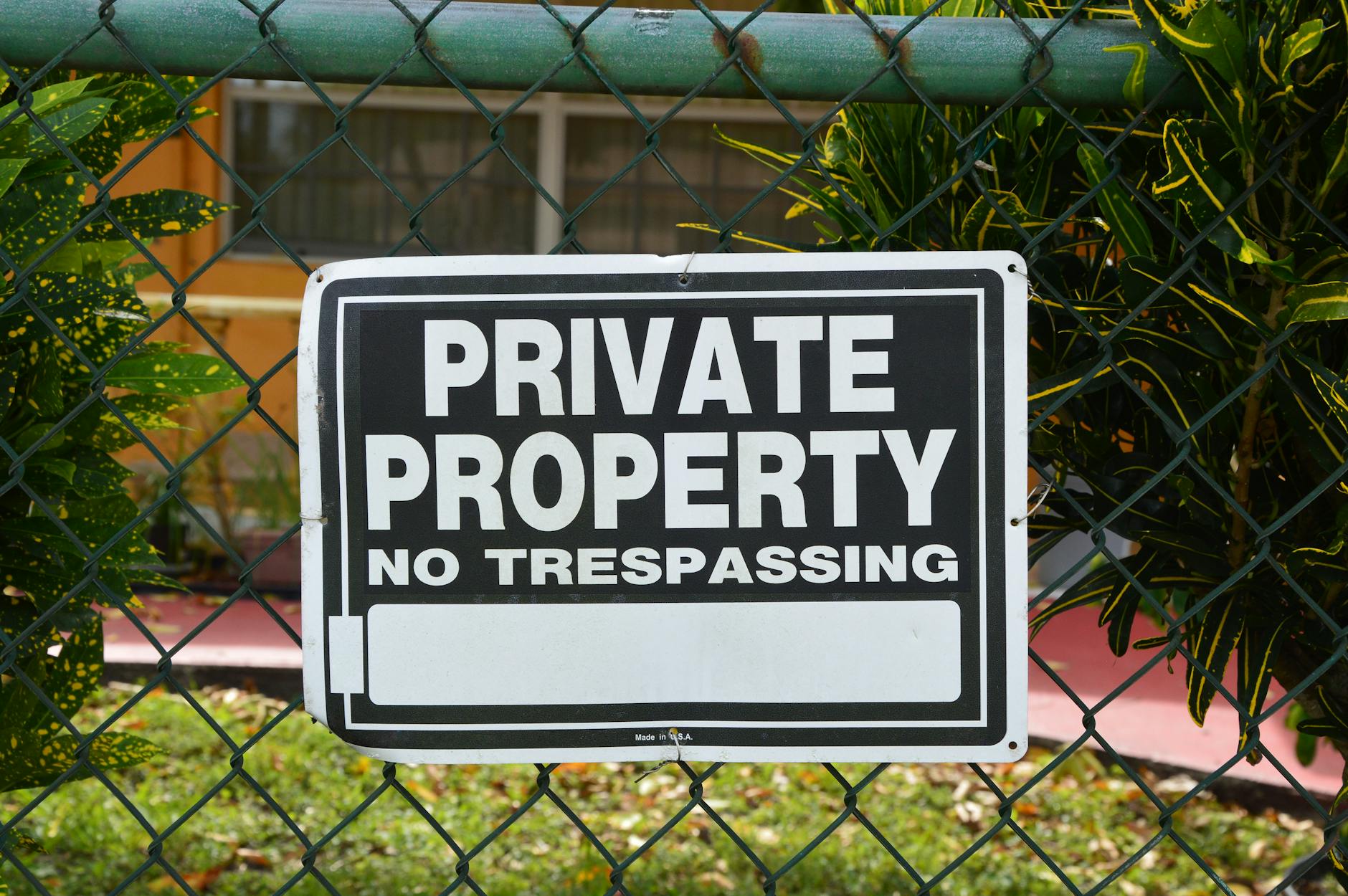
Installing private property signs, boundary markers, decorative posts, or other visible territorial signals on or beyond a property boundary uses the visual authority of formal marking to assert an ownership claim that the sign’s position physically contradicts, exploiting the fact that most observers and neighbors will interpret the presence of boundary-asserting signage as evidence of the sign owner’s legal right to the territory it claims. A private property notice or no trespassing sign positioned two feet into a neighbor’s land creates a visual territorial claim whose implications are apparent to any observer regardless of the legal reality that the sign is itself trespassing on the property it purports to claim. Signage assertion is frequently the surface manifestation of a broader boundary encroachment strategy, establishing a visual narrative of ownership that is intended to normalize the claimed boundary position in the neighborhood’s collective perception before any formal challenge occurs. The social function of territorial signage as a deterrent to challenge is real even when the legal basis for the territorial claim the sign asserts is nonexistent, as most property owners are reluctant to confront a neighbor who appears to have made a formal, documented claim to a boundary position without first obtaining their own survey evidence capable of contradicting it. The neighbor who installs boundary signage before encroaching on the territory the signs claim has reversed the logical sequence of property rights and territory in a way that strategically front-loads the visual credibility their encroachment strategy requires.
Maintenance Neglect Strategy

Deliberately neglecting to maintain a boundary fence, wall, or hedge that is the shared responsibility of both adjoining property owners in ways that cause the structure to deteriorate and shift toward the neighboring property exploits both the physical movement of degrading structures and the legal ambiguity created by disputed maintenance responsibility to achieve a passive boundary displacement whose mechanism is negligence rather than the active encroachment tactics that characterize most items on this list. A wooden boundary fence whose posts are allowed to rot and lean progressively toward the neighboring property is physically displacing the boundary marker through a process whose causation is technically maintenance failure but whose directional consequences for boundary position are indistinguishable from active encroachment. The maintenance neglect tactic is additionally effective at generating the neighbor dispute conditions in which direct conversation about boundary issues becomes charged and difficult, as the maintenance responsibility question and the boundary position question become entangled in a combined dispute whose emotional temperature makes rational resolution less likely. Property owners who share maintenance responsibility for boundary structures should document the structure’s current position and condition formally at regular intervals and communicate maintenance proposals in writing, creating a paper trail that distinguishes their own good faith from a neighbor’s strategic negligence. The boundary structure allowed to deteriorate beyond repair must eventually be replaced, and the replacement negotiation following years of contested neglect occurs in a legal and relational environment substantially more complicated than the one that existed before the neglect began.
Photography and Documentation Intimidation

Using systematic photography, video surveillance, and formal written documentation of a neighbor’s activities near a disputed or targeted boundary as an intimidation mechanism designed to chill the neighbor’s use of their own land near the boundary, creating through the discomfort of surveillance a de facto exclusion of the true owner from their own property that begins accumulating the continuous exclusive use that adverse possession requires without any physical act of encroachment having yet occurred. The neighbor who becomes uncomfortable using their garden, maintaining their boundary plantings, or accessing the strip of their property nearest a surveilling neighbor due to the oppressive presence of cameras and documentation has effectively been excluded from their own property by a psychological mechanism rather than a physical one. Documentation and photography of genuine boundary activity are legitimate protective measures for property owners with real concerns about encroachment, but their deployment as a proactive intimidation strategy in advance of intended encroachment represents a sophisticated preparation tactic that creates the conditions for adverse possession before the physical occupation has begun. The combination of surveillance pressure near a boundary with subsequent physical encroachment represents a two-phase strategy in which the intimidation phase reduces the documented use by the true owner that would undermine the adverse possession claim accumulating during the encroachment phase. A property owner who feels surveilled near their own boundary should consult legal advice before their discomfort at being observed translates into the reduced use of their land that their neighbor’s documentation strategy may be specifically designed to produce.
Permit Application Manipulation
Submitting planning and building permit applications that describe proposed construction in terms of boundary positioning that differs from the actual construction intent, either by using survey references inconsistent with the legal boundary or by describing setback distances from a claimed boundary position rather than the legal one, exploits the administrative processing of permit applications to obtain official approval for construction whose actual boundary implications the application intentionally obscures. Planning authorities reviewing permit applications typically rely on the accuracy of the survey information and boundary descriptions submitted with the application rather than conducting independent verification of boundary positions, creating a reliance vulnerability that applications containing deliberately inaccurate boundary information exploit at the expense of both the authority and the neighboring property owner. Neighboring property owners are entitled to view planning applications affecting their adjacent properties and to submit formal objections, but the technical nature of survey descriptions and the complexity of boundary positioning from plans requires a level of professional literacy that most affected neighbors lack and would need to commission at their own expense to obtain. The permit approved on the basis of a manipulated boundary description provides the encroaching construction with a veneer of administrative legitimacy that substantially complicates the affected neighbor’s challenge options once construction is complete. False or misleading information in planning applications constitutes a legal offense in most jurisdictions whose discovery after construction completion creates both criminal and civil liability for the applicant, but whose discovery typically requires the very professional survey investigation that the affected neighbor must fund to pursue.
Gradient and Grading Manipulation

Regrading land near a property boundary to alter the topographical relationship between adjacent properties in ways that make the boundary’s legal position effectively inaccessible, unusable, or physically ambiguous for the neighboring property owner represents a sophisticated encroachment tactic that uses civil engineering rather than direct occupation to achieve the territorial exclusion that adverse possession requires. A significant grade change that creates a steep embankment immediately adjacent to a legal boundary makes the land on the affected neighbor’s side of the boundary impractical to access, maintain, or use without engineering intervention that the neighbor has been given no notice of and has incurred no cost of, effectively rendering the affected strip functionally belonging to the graded property regardless of its legal ownership. Grading manipulation is particularly effective in combination with retaining wall installation, with the combination creating both the physical barrier and the engineered rationalization for the barrier’s boundary position that together establish a de facto territorial claim with considerable structural permanence. The neighbor whose flat garden has been converted into an inaccessible sloped area below a neighbor’s newly elevated terrace has encountered the consequences of a grading project whose boundary implications they may not have been able to anticipate from the permit application description. Topographical changes near shared boundaries should trigger the same careful survey verification and documented objection response as any other boundary-proximate construction, as their consequences for land use and adverse possession are legally equivalent to those of structural encroachments that are more immediately visible.
If any of these tactics have appeared in your neighborhood or if you have experience navigating a boundary dispute, share your story in the comments.