
A backyard barbecue feels like one of the simplest pleasures of domestic life until the subtle interference of a resentful or inconsiderate neighbor begins working quietly against everything you have planned. The most effective forms of neighborhood sabotage are the ones that never announce themselves leaving you frustrated confused and unaware of the actual source of the problem. Understanding these patterns does not require suspicion of every neighbor but it does require awareness of how ordinary-seeming actions can have very deliberate and targeted effects. These are the moves that happen just below the threshold of what most people would ever think to question.
Sprinkler Timing
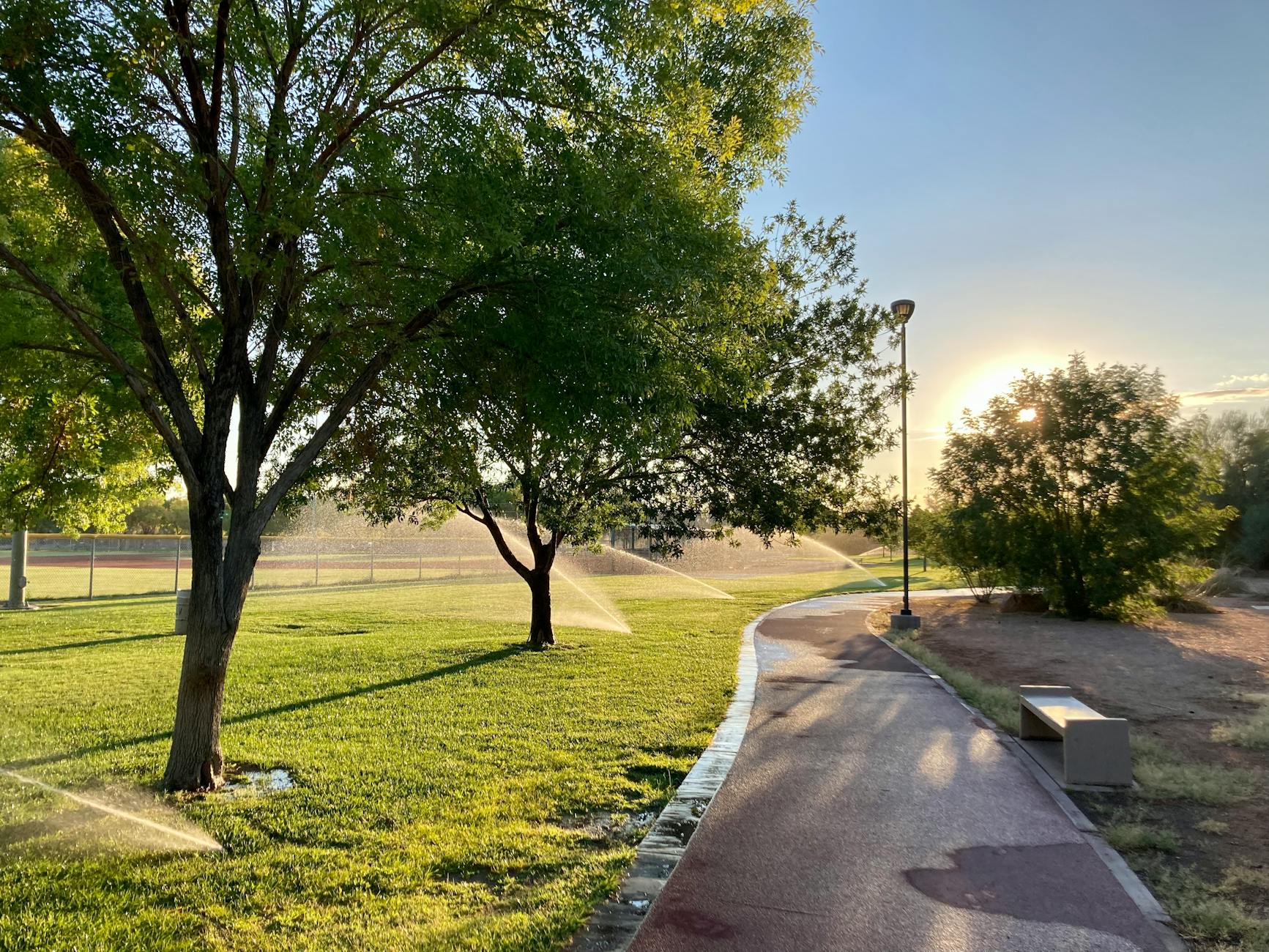
A neighbor who adjusts their automated irrigation system to run during the precise window of your gathering ensures that wind-carried mist and spray drift creates a persistent dampness over your outdoor space that feels like unfortunate weather rather than a deliberate act. Guests who notice their chairs or food becoming subtly wet attribute the moisture to humidity or a passing breeze rather than to irrigation running along a shared fence line at an unusually convenient time. The social disruption caused by a damp outdoor environment is significant enough to shorten gatherings and reduce guest comfort without ever producing a confrontation-worthy moment. Noticing a pattern between your outdoor events and your neighbor’s irrigation schedule is the only way to distinguish deliberate timing from genuine coincidence.
Smoke Direction

Lighting a backyard fire pit chiminea or their own grill immediately after yours is underway and positioning it to take advantage of prevailing wind direction creates a smoke drift that settles over your gathering space and flavors everything including the food the guests and the atmosphere with an uninvited haze. The plausible deniability of smoke behavior makes this one of the most elegant forms of passive interference available because no one can prove intent from the direction a fire burns. Guests begin experiencing eye irritation and the smell of someone else’s burning material competes with and contaminates the carefully managed aromas of your own cooking. The timing of a neighbor’s fire relative to your gathering is the only indicator worth monitoring when this pattern repeats across multiple events.
Bass Frequency
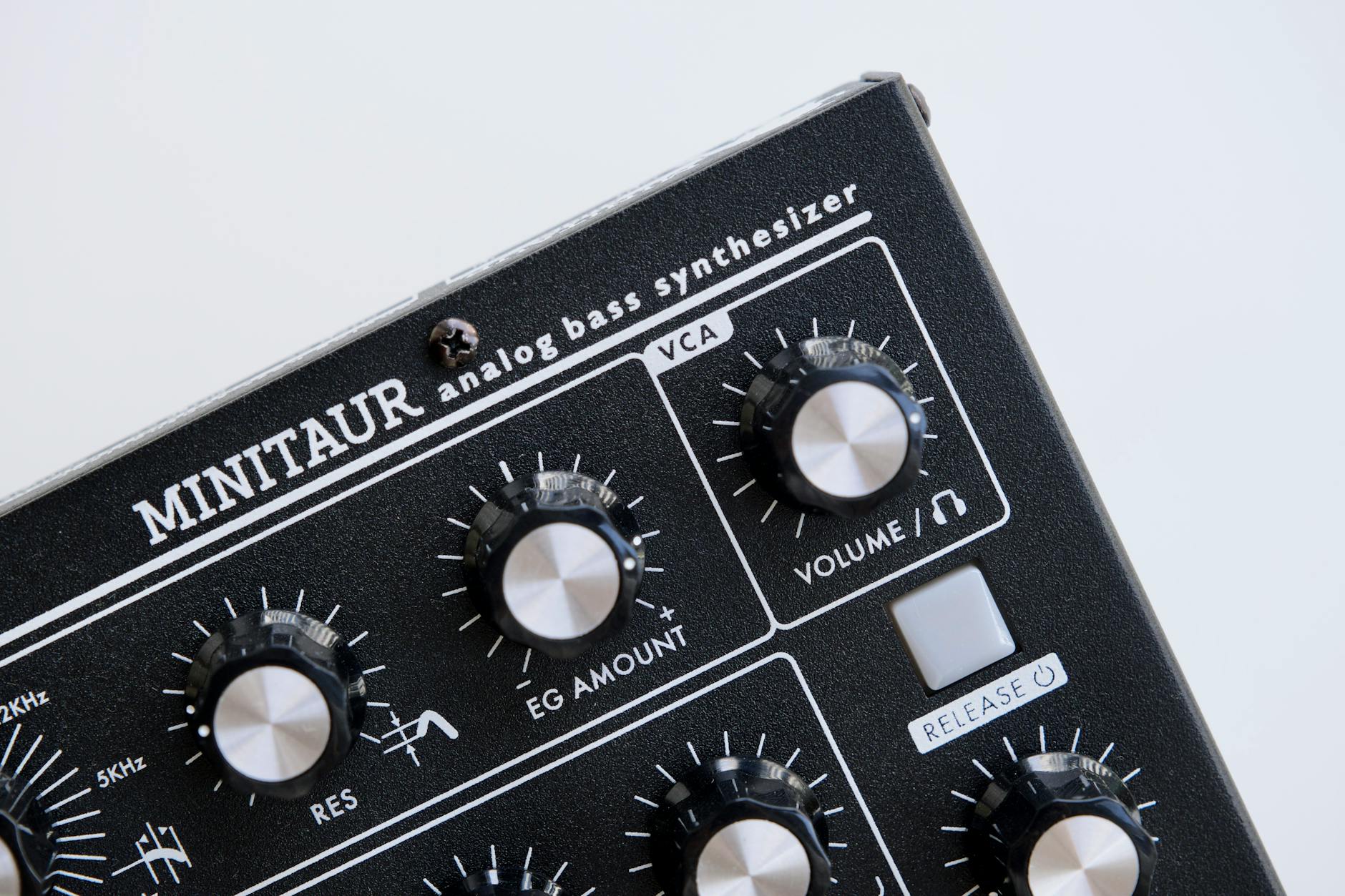
Playing music with heavy low-frequency bass through outdoor speakers or through interior speakers facing a shared wall creates a subsonic interference that guests feel as physical discomfort and ambient unease without being able to clearly identify its source. Low-frequency sound travels through structures and ground far more effectively than mid or high frequencies meaning the volume audible at the neighbor’s property can remain technically within acceptable limits while the bass energy experienced in your backyard is genuinely disruptive. Conversations feel harder to sustain in environments with elevated bass interference and the general atmosphere of relaxed enjoyment that a barbecue depends on is subtly but consistently undermined. The technical nature of frequency-based sound interference means most guests will attribute the discomfort to vague restlessness rather than to an identifiable acoustic source.
Cooking Smells

Preparing particularly pungent foods including heavily spiced dishes fermented ingredients or strongly aromatic cooking at the same time as your event and ensuring windows and extractor vents face your gathering space introduces competing and often unpleasant food aromas that confuse and diminish the sensory experience your own cooking is designed to create. The olfactory environment of a barbecue is central to its enjoyment and uninvited competing smells from neighboring cooking operations undermine the appetite and atmosphere that careful menu planning is designed to produce. Guests will often comment on a strange smell without connecting it to the neighboring property and the host is left with an atmospheric problem that has no obvious solution. The deliberate timing of pungent cooking relative to a neighbor’s visible outdoor event is the pattern that distinguishes this from ordinary domestic cooking activity.
Car Positioning

Parking an additional vehicle or asking visitors to park directly in front of the property on a day when deliveries guests or catering arrivals are expected creates access friction that disrupts the timing and smooth arrival of everything needed for a successful event. A blocked or significantly narrowed arrival approach means delivery drivers cannot complete drop-offs efficiently food or ice that needs to be unloaded quickly in warm weather sits in vehicles longer and guests arriving for the first time cannot easily identify or access the property. The action of parking a car is so ordinary and legally unimpeachable in most residential contexts that it creates friction without creating any actionable grievance. Recognizing the pattern of vehicle positioning coinciding consistently with your outdoor events is the only way to distinguish deliberate obstruction from ordinary parking behavior.
Dog Activation

Allowing or encouraging a dog to bark persistently along a shared fence line during an outdoor gathering exploits one of the most socially disruptive sounds available in a residential environment without requiring any action that could be characterized as deliberate interference. Continuous dog barking at a fence line creates a sustained background noise that forces guests to raise their voices significantly increases conversational fatigue and produces a general atmosphere of agitation that shortens the comfortable duration of any outdoor social event. The plausible deniability is near total because dogs bark and owners cannot always prevent it making any complaint both difficult to articulate and easy to dismiss as an overreaction. Noticing that the barking intensifies specifically when guests are present and settles when the yard is empty is the behavioral pattern that indicates something more deliberate than ordinary pet noise.
Guest Approach

Intercepting arriving guests in the street or driveway before they reach your gathering to engage them in extended conversation complaints about noise or parking or unsolicited information about neighborhood disputes is a technique that delays guest arrivals creates social awkwardness and introduces a negative conversational tone that guests carry with them into your event. A guest who has just been informed about a long-running fence dispute or a noise complaint from a neighbor arrives at your gathering already primed with a concern that has nothing to do with your event but which attaches itself to the social atmosphere. The host is unaware of the interception and cannot address or neutralize the narrative that was introduced before their guests even arrived. Guests often mention these conversations casually mid-event in ways that reveal the pattern without the host having had any opportunity to prevent it.
Wi-Fi Interference

Deliberately operating wireless equipment on overlapping channels or introducing signal competition through the placement of additional routers and repeaters affects the quality of the shared wireless spectrum in a way that degrades streaming music smart speaker connectivity and any wireless entertainment technology being used during your event. A gathering that relies on a wireless playlist or connected audio system experiences dropouts buffering and connectivity failures that the host attributes to their own equipment or service provider rather than to spectrum congestion being deliberately introduced from a neighboring property. The technical invisibility of wireless interference makes it one of the most untraceable forms of ambient disruption available in a modern residential setting. Guests experience the entertainment failures as host preparation oversights rather than as externally introduced technical problems.
Light Positioning
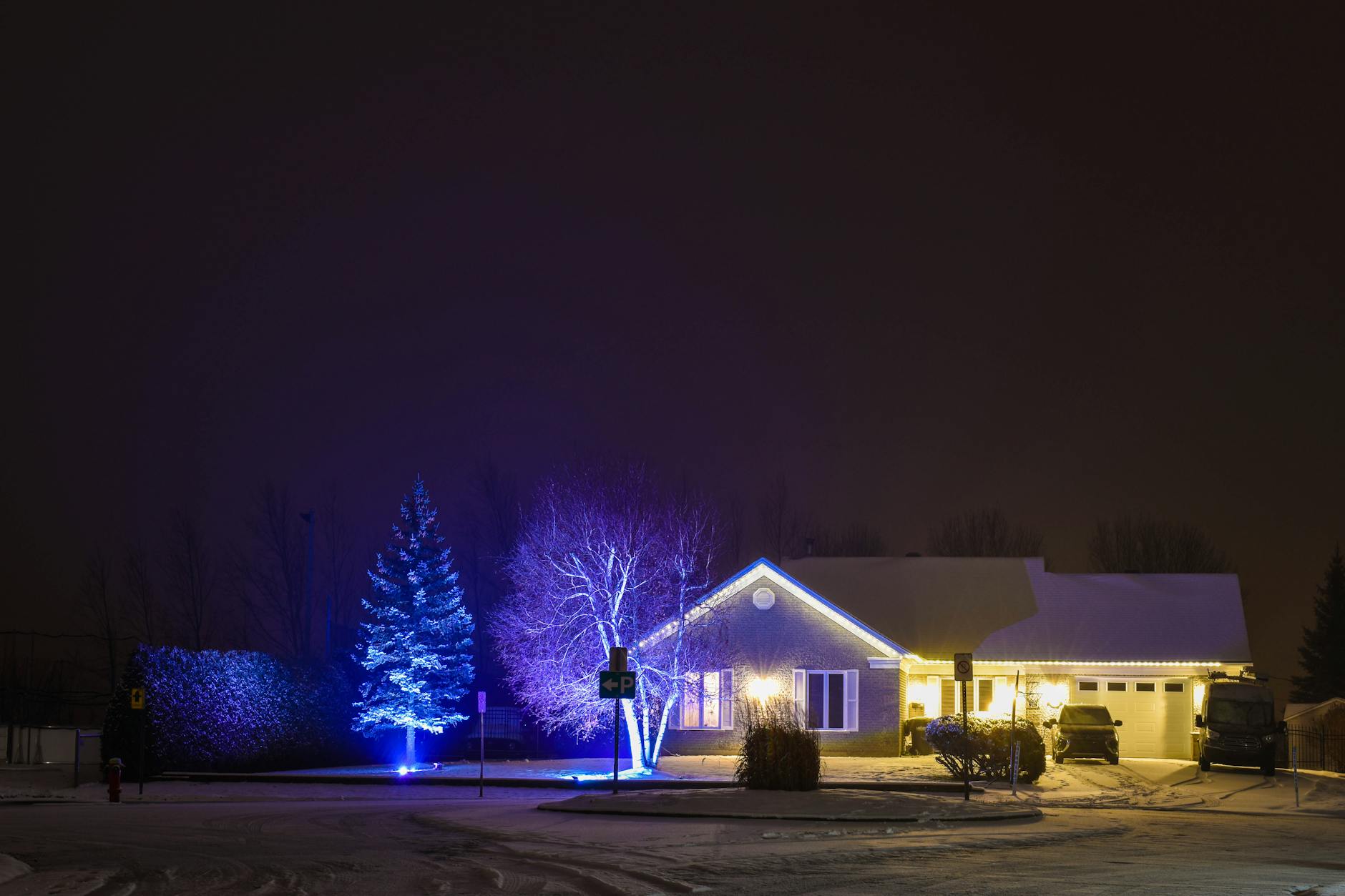
Activating powerful external floodlights security lights or decorative lighting directed toward a shared boundary creates light spillage into your outdoor space that washes out the ambient lighting atmosphere you have created and introduces a harsh brightness that disrupts the visual comfort of an evening gathering. Outdoor evening events depend heavily on controlled atmospheric lighting and the introduction of a competing light source from a neighboring property resets the visual environment in ways the host cannot compensate for without directly addressing the source. Guests squinting against a floodlight or having carefully arranged garden lighting overwhelmed by a powerful neighboring fixture will simply feel the event is less comfortable without identifying the external cause. The timing of lighting activation relative to the onset of your outdoor evening gathering is the indicator that distinguishes deliberate positioning from a coincidental security response.
Complaint Calls

Placing a noise complaint call to local authorities during the early or middle portion of a gathering that is operating within permitted hours and at reasonable volume introduces a law enforcement or council response visit that disrupts the social atmosphere regardless of its outcome. The arrival of an official vehicle responding to a noise complaint creates immediate social anxiety among guests produces an interruption that the host must manage publicly and generates a general uncertainty about whether the event can continue that persists even after the responders confirm no violation has occurred. The complainant has successfully disrupted the event without attending it and without any cost to themselves beyond the duration of a phone call. Hosts who receive complaint responses during events that are clearly within permitted hours and reasonable volume have strong reason to investigate the pattern of complaints relative to their event calendar.
Grass Cutting

Operating a petrol lawn mower or ride-on grass cutter during the first hour of a scheduled gathering fills the immediate outdoor environment with engine noise exhaust fumes and grass particle dispersal that compromises both the air quality and the acoustic atmosphere of the event at its most critical early stage when guests are arriving and the social tone is being established. The opening period of any outdoor gathering is disproportionately important to its overall success because the impressions formed by early arriving guests establish the atmosphere that subsequent guests join rather than reset. Lawn equipment noise at this precise timing forces conversations into raised voices creates a need for the host to shout welcomes and instructions and introduces exhaust odor that competes with food aromas. The ordinary legitimacy of lawn maintenance makes this timing impossible to challenge directly while its effect on a gathering in progress is immediate and significant.
Boundary Planting

Rapidly growing tall planting or the installation of screening panels along a shared boundary just before or during warm weather gathering season blocks natural airflow through your outdoor space in a way that makes the environment noticeably hotter more humid and less comfortable during the precise months when outdoor entertaining is most frequent. Reduced airflow in an enclosed outdoor space increases the ambient temperature experienced by guests accelerates food temperature changes and creates a general physical discomfort that shortens the comfortable duration of any gathering in warm conditions. The act of planting or installing screening along a property boundary is entirely within a neighbor’s rights making any objection practically impossible regardless of its calculated effect on your outdoor environment. Noticing that new plantings or screening appear specifically along the sections of boundary most relevant to your outdoor entertaining area is the spatial indicator worth observing.
Gate Noise

A shared or adjacent gate with a deliberately unlubricated hinge spring or latch mechanism that produces a loud metallic noise with every operation creates a repetitive acoustic punctuation during any gathering where foot traffic through nearby access points is occurring. Each guest arrival or departure produces a jarring noise event that interrupts conversations startles guests and introduces a persistent low-level irritation that accumulates over the duration of the event without ever rising to the threshold of a confrontable complaint. The attribution of a noisy gate to simple maintenance neglect rather than deliberate choice is natural and almost universal making this one of the most psychologically effective passive disruption tools available in a shared boundary context. Hosts who oil their own gate hardware and find the neighboring gate noise increases specifically around event periods have the pattern evidence needed to draw their own conclusions.
Visible Confrontation

Conducting a visible argument phone call or emotionally charged conversation in a neighboring yard or at a shared boundary during your gathering introduces a social discomfort that guests observe and absorb into their experience of your event in a way that the host cannot neutralize through any hosting behavior. Guests who witness or overhear a heated exchange from a neighboring property during a social occasion feel the tension of that exchange as part of the atmosphere of your gathering and the emotional register of the event shifts downward regardless of how unrelated the conflict is to your occasion. The deliberate performance of conflict or distress in a visible location during a neighbor’s social event is a form of ambient disruption that operates entirely through emotional contagion. Guests remember the overall feeling of an event more reliably than its specific details meaning that an atmosphere contaminated by witnessed conflict produces a lasting negative impression of the occasion.
Garbage Positioning

Moving refuse bins garden waste bags or general garbage to a position along the shared boundary immediately before or during a gathering introduces odor and visual unpleasantness that guests process as part of the general environmental quality of your outdoor space rather than as something originating from a neighboring property. Food-related refuse in warm weather produces odors that travel readily across boundary lines and the visual presence of waste materials along the edge of an entertaining space reduces the aesthetic quality of the environment in ways that no amount of decorative effort by the host can fully overcome. The ordinary nature of garbage placement makes any objection appear disproportionate while its timed positioning relative to your events creates a pattern that reveals its intent to anyone paying close attention. Guests experiencing an unexplained odor during an outdoor gathering will instinctively question the food rather than investigate the neighboring boundary.
Foot Traffic Noise

Organizing household activity that generates significant foot traffic slamming of internal doors movement of furniture or repetitive impact noise through shared walls or floors during your gathering introduces a persistent structural noise that guests experience as physical vibration and ambient disruption without being able to identify its precise origin. In semi-detached or terraced properties the transmission of impact noise through shared structural elements is particularly effective as a disruption tool because it is experienced as a felt sensation rather than a clearly audible sound making it even harder for guests to consciously identify and for hosts to address. The activity generating the noise is ordinary domestic movement that cannot be characterized as deliberate from any external perspective. Hosts who notice that the intensity of internal neighbor activity increases specifically during their outdoor social events have the experiential pattern needed to recognize what is occurring.
Weather Commentary
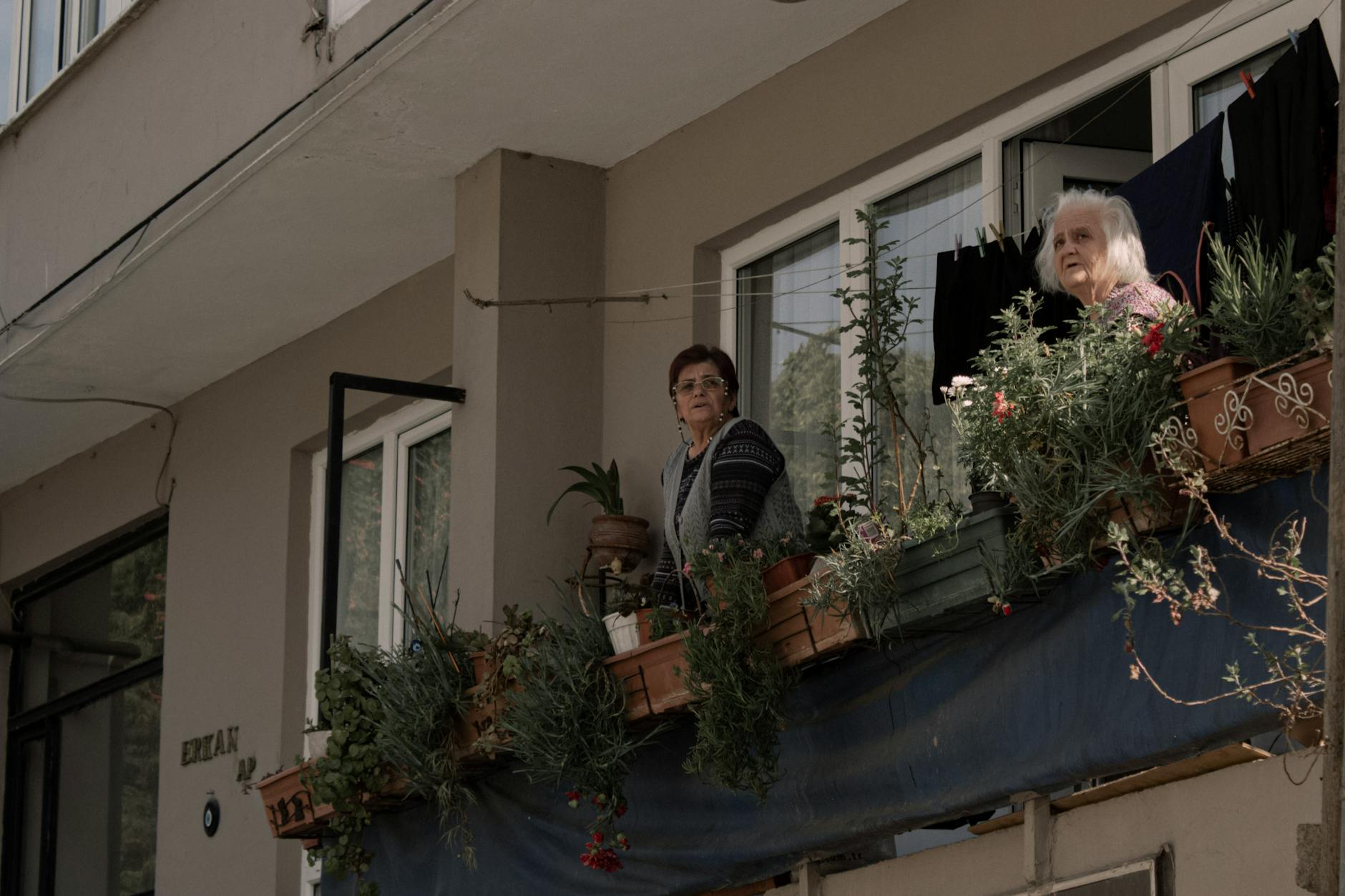
Appearing at a shared boundary fence or window to loudly and repeatedly comment on incoming weather changes predict rain or express concern about deteriorating conditions directly into the awareness of a gathering in progress introduces meteorological anxiety into an event at precisely the moment guests are most settled and relaxed. The social psychology of weather anxiety is powerful in an outdoor setting because the enjoyment of any outdoor gathering depends on a collective decision to remain comfortable in the current conditions rather than to anticipate changes. A neighbor who introduces repeated weather commentary at the boundary successfully destabilizes this collective comfort even when the predicted weather does not materialize because the anticipation of disruption is itself disruptive. Guests begin monitoring the sky monitoring their own comfort and discussing departure timing in response to a weather narrative that was introduced deliberately into their awareness.
Power Fluctuations
In properties sharing electrical infrastructure or in close proximity to a neighboring property’s high-draw equipment the deliberate activation of power-intensive appliances creates voltage fluctuations that affect lighting stability speaker performance and any other electrical entertainment or catering equipment operating during your event. Lights that dim or flicker unexpectedly create an atmospheric disturbance that hosts attribute to their own wiring or bulb quality rather than to a neighboring electrical load increase. Audio equipment that experiences power-related performance changes during an event creates an entertainment disruption that appears to be a host preparation failure rather than an externally introduced problem. The technical opacity of shared electrical infrastructure makes this one of the most untraceable forms of event disruption available in a connected residential context.
Selective Socializing

Appearing at the boundary fence to greet and engage specific guests particularly those the neighbor knows are central to the gathering’s social dynamic draws those individuals into a separate and extended conversation that removes them from the flow of your event and creates social imbalance within the group dynamic you have carefully assembled. The loss of a socially central guest to a prolonged boundary conversation changes the energy of a gathering in ways that are felt by everyone present without anyone understanding exactly why the atmosphere has shifted. The neighbor who executes this move appears friendly and social to all observers while functionally extracting the social anchor of your event for the duration of the interaction. Hosts who notice that the same guest is consistently targeted for boundary conversations across multiple events have the relational pattern needed to understand what is occurring.
Pest Introduction

Leaving out food waste compost or standing water in areas adjacent to your entertaining space in the period leading up to and during your gathering attracts insects flies wasps and other pest activity that migrates into your outdoor space and becomes a persistent and escalating disruption to food service guest comfort and the general enjoyment of the occasion. Wasp and fly activity at a food-serving outdoor event is one of the most effective natural disruption mechanisms available because it cannot be complained about confronted or resolved without the host abandoning or significantly modifying their event. The source of the attractant on a neighboring property is invisible to your guests who experience only the pest activity itself as an unfortunate environmental condition. Observing whether the food waste or standing water that precedes insect activity in your outdoor space appears specifically in the days before your scheduled events provides the temporal pattern evidence for identifying deliberate pest attraction.
Noise Scheduling

Planning the noisiest household maintenance activities including pressure washing power tool use angle grinding or concrete mixing to coincide precisely with the food service portion of your gathering creates a peak acoustic disruption at the moment of maximum social concentration when guests are seated eating and engaged in the kind of sustained conversation that requires the greatest acoustic comfort. The timing of maintenance activity is entirely within a neighbor’s rights to determine and the activities themselves are individually unimpeachable making any objection both socially difficult and practically ineffective. Hosts experiencing repeated coincidences between their food service timing and neighboring power tool activation across multiple events are experiencing a pattern that exceeds reasonable probability. The specificity of the timing to the highest-value social moment of the gathering is the indicator that distinguishes deliberate scheduling from ordinary domestic noise.
Photography Visibility

Positioning themselves visibly with a phone or camera at a window fence line or elevated point during your gathering and making that documentation activity apparent to your guests creates a surveillance atmosphere that immediately changes guest behavior and introduces self-consciousness into what was intended to be a relaxed and informal social environment. Guests who notice they are being photographed or recorded by a neighboring party become guarded in their conversation behavior and movement in ways that are socially inhibiting regardless of whether any actual recording is occurring. The feeling of being observed and documented during a private social occasion produces a persistent low-level anxiety that is fundamentally incompatible with the relaxed atmosphere that successful outdoor entertaining requires. The visibility of the documentation activity is the point because the chilling effect on guest behavior occurs whether or not any actual recording takes place.
Scent Spraying

Operating aerosol pest control systems garden chemical sprayers or strongly scented substances including fertilizer treatments near a shared boundary during your gathering introduces chemical odors into your outdoor space that guests find unpleasant and which raise food safety concerns that the host cannot easily address or dismiss. The combination of a chemical smell and the presence of food creates an instinctive contamination concern that is difficult for guests to override rationally even when the actual exposure risk is negligible. Hosts who cannot identify the source of the chemical odor are placed in the uncomfortable position of being unable to reassure their guests from a position of knowledge. The scheduling of chemical garden treatments to coincide with a neighboring outdoor food event is the timing indicator that distinguishes this from routine garden maintenance practice.
Structural Banging

Repeatedly impacting shared walls fences or structural elements through the deliberate striking of posts hammering of surfaces or repeated heavy contact with boundary infrastructure creates a low-frequency impact transmission that guests experience as physical vibration and ambient instability that undermines the sense of settled comfort that outdoor entertaining depends upon. The physical sensation of recurring impact transmitted through ground and structure is experienced by guests as an environmental unease that they cannot clearly attribute to any specific source and which accumulates into a general discomfort over the duration of the event. Any individual impact is deniable as accidental or incidental making the cumulative pattern of repetition the only evidence of intent available to the affected host. Guests who comment on a recurring thudding or vibration sensation during an event are providing the host with the corroborating observation needed to confirm that the impact pattern is consistent and externally sourced.
Sudden Visitors

Arranging for multiple visitors to arrive at the neighboring property during your gathering in a way that generates sustained street noise extended driveway conversations car door activity and general social noise directly adjacent to your outdoor space introduces a competing social environment that dilutes the acoustic and atmospheric integrity of your own event. The energy and noise of an adjacent social arrival competes directly with the conversational environment you have created and draws guest attention toward the neighboring activity in ways that are both distracting and socially awkward for a host to manage. Multiple vehicle arrivals in close succession create parking displacement noise and movement that guests arriving at or departing from your own gathering must navigate in conditions made more complicated by the coordinated neighboring activity. The temporal coincidence of a sudden coordinated neighboring social gathering with your own event across multiple occasions is the pattern that moves this from coincidence to strategy.
If any of these scenarios feel uncomfortably familiar or if you have navigated a particularly inventive piece of neighborhood barbecue sabotage share your story in the comments.