The culture of tipping in hospitality environments is one of the most studied, debated, and emotionally charged dimensions of the service industry, and the gap between what bartenders openly say about non-tipping customers and what they quietly do about them has generated a substantial body of anecdotal documentation across industry publications, hospitality worker forums, and service culture research. Bartenders operate in an environment where gratuities represent a significant portion of their effective hourly compensation, and the psychological and behavioral responses to customers who receive service without leaving anything behind have been consistently documented by hospitality researchers, labor economists, and industry insiders who study the informal economy of bar culture. The following practices represent the most frequently reported quiet retaliations described by bartenders across a range of establishment types, from neighborhood bars to hotel lounges to high-volume nightlife venues.
Slow Pouring
Deliberately reducing the speed of service for a customer who has previously left no tip so that their drinks arrive noticeably later than those of tipping customers seated nearby is one of the most universally reported bartender responses documented in hospitality worker surveys. The slowdown is calibrated to fall within the plausible range of ordinary busyness so that it cannot be identified as deliberate by the customer experiencing it. Bar service researchers who have conducted ethnographic studies in high-volume drinking establishments note that experienced bartenders develop a precise intuition for how much delay can be introduced into service before it crosses into territory that generates a complaint. The non-tipper waits longer for everything and is never given a reason they can articulate with confidence.
Weak Pours
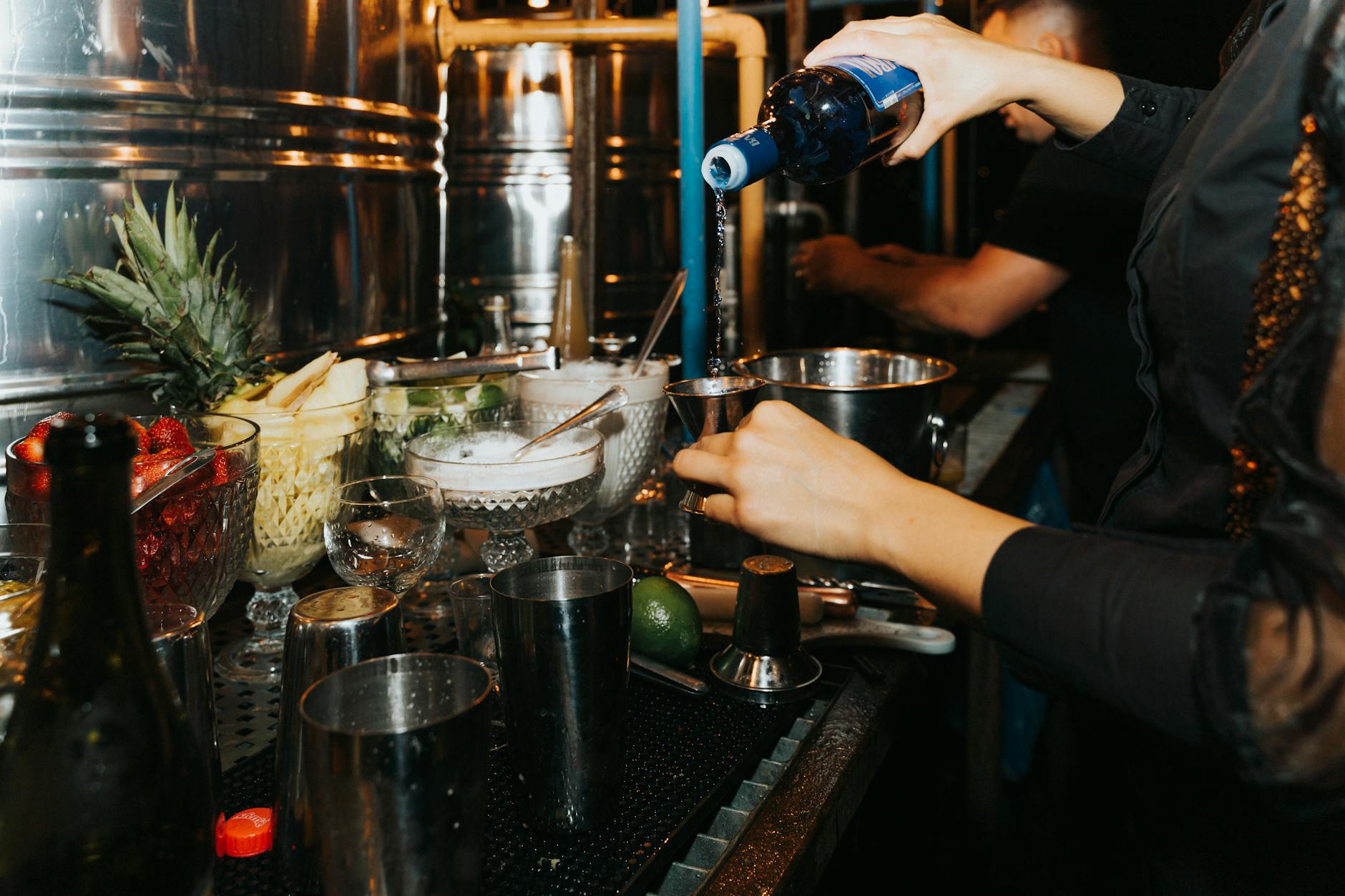
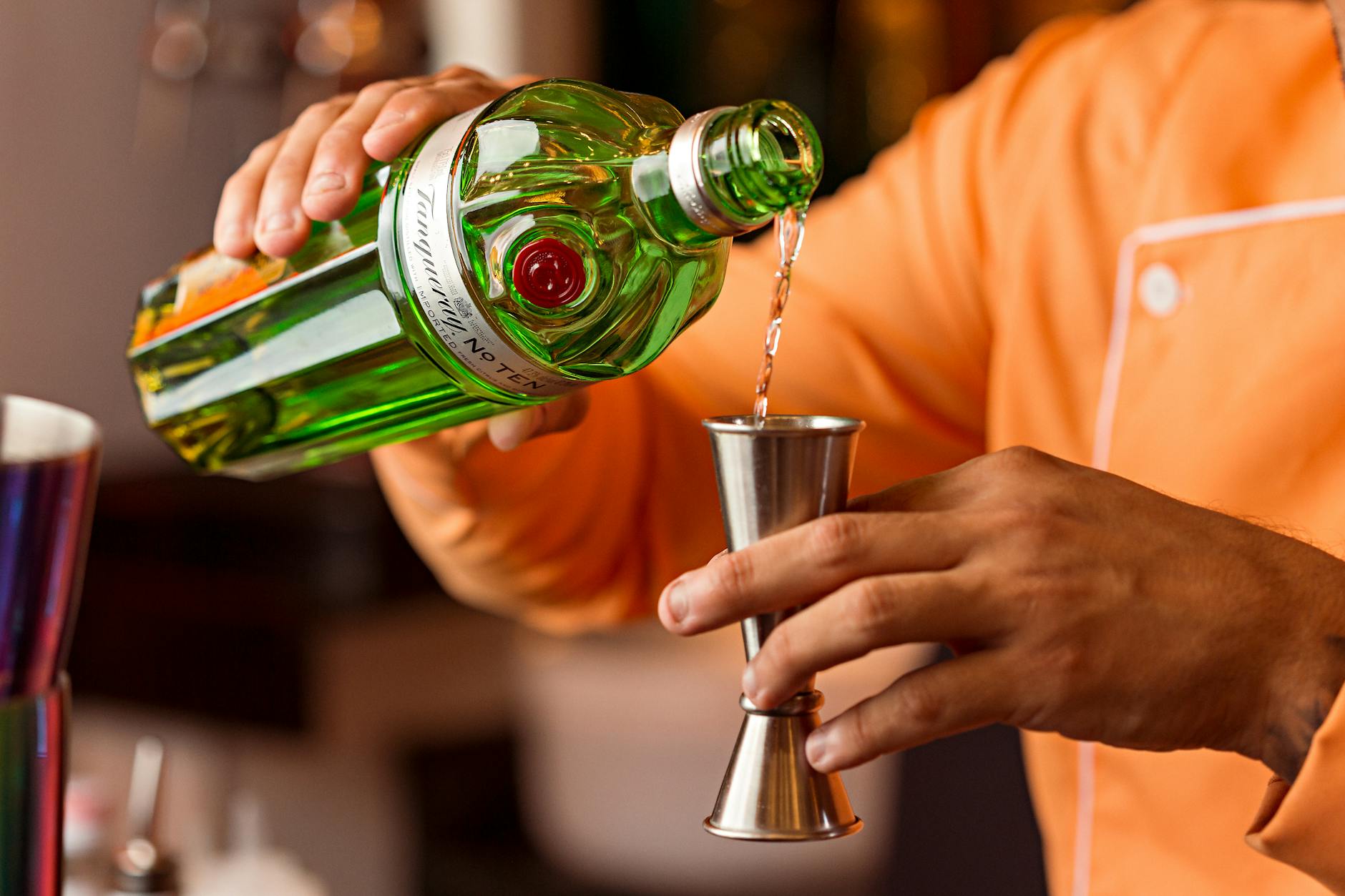
Reducing the alcohol content of drinks served to non-tipping customers by pouring below the standard measure while maintaining the visual appearance of a normal drink is a practice reported with remarkable consistency across bartender accounts collected in hospitality industry research. The technique relies on the fact that most customers have no reliable way to assess the precise alcohol content of a mixed drink by taste or appearance, particularly after the first one or two drinks of an evening. Hospitality ethnographers note that the weak pour is considered among bartenders to be a particularly elegant form of quiet retaliation because it degrades the value of what the customer is receiving without generating any observable evidence of deliberate shortchanging. The customer pays full price for a reduced product and attributes any sense of underwhelming effect to the drink itself rather than to the pour.
Conversation Cuts
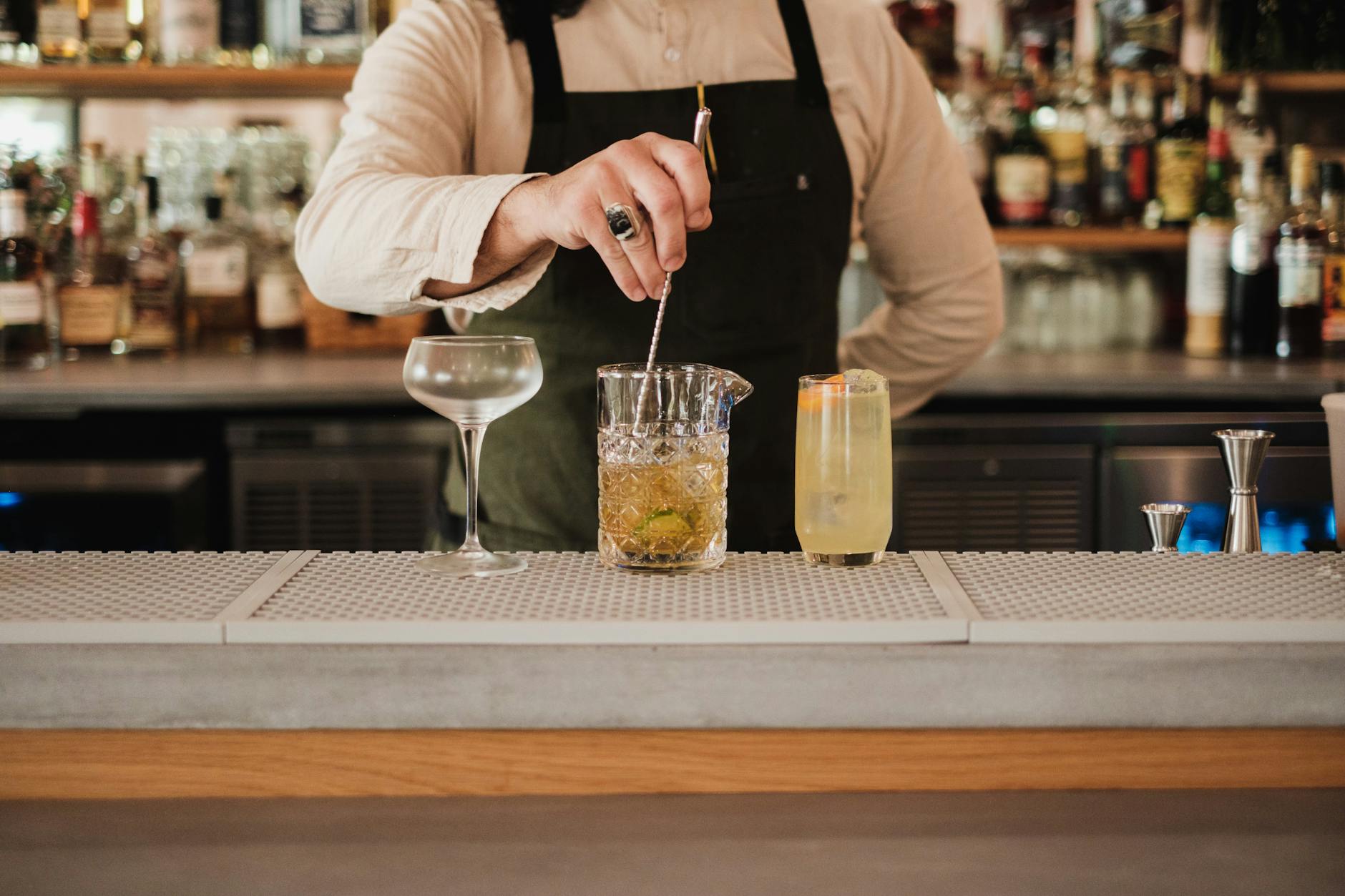
Withdrawing the warmth, humor, and conversational engagement that bartenders routinely extend to valued customers and replacing it with purely transactional interaction for those who have demonstrated they will not tip is a social withdrawal practice that hospitality psychologists identify as one of the more emotionally precise forms of service adjustment available to front-of-house staff. Bartenders are trained in most professional environments to create a social atmosphere that makes customers feel welcome and valued, and the deliberate removal of that atmosphere from a specific customer while maintaining it visibly for everyone else creates a form of social exclusion that is felt without being nameable. Hospitality culture researchers note that customers who experience conversation cuts often describe a vague sense of coldness or unfriendliness without being able to identify its source or onset. The bartender has not been rude, has not failed to serve, and has not done anything a manager could address.
Ice Loading
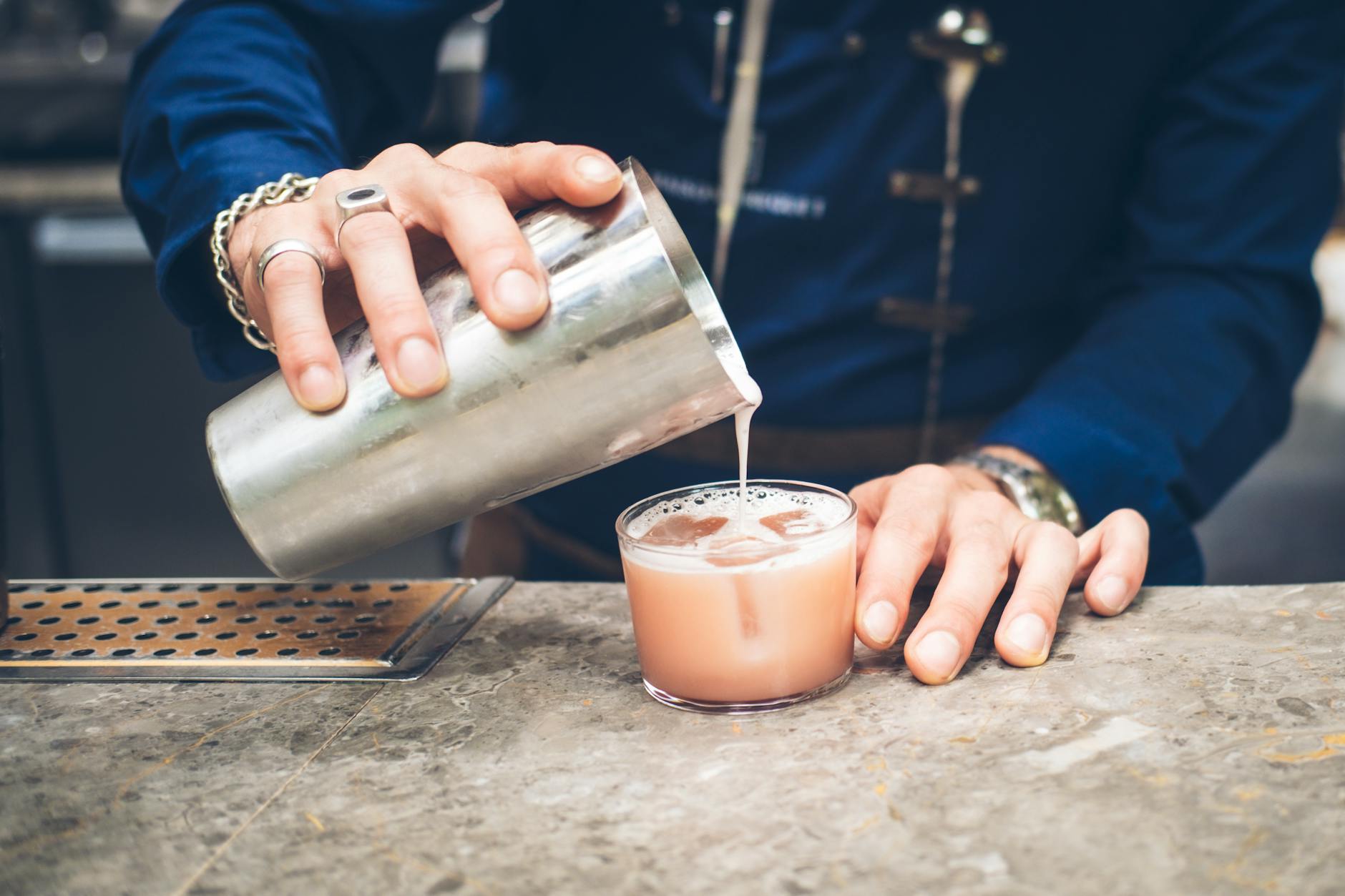
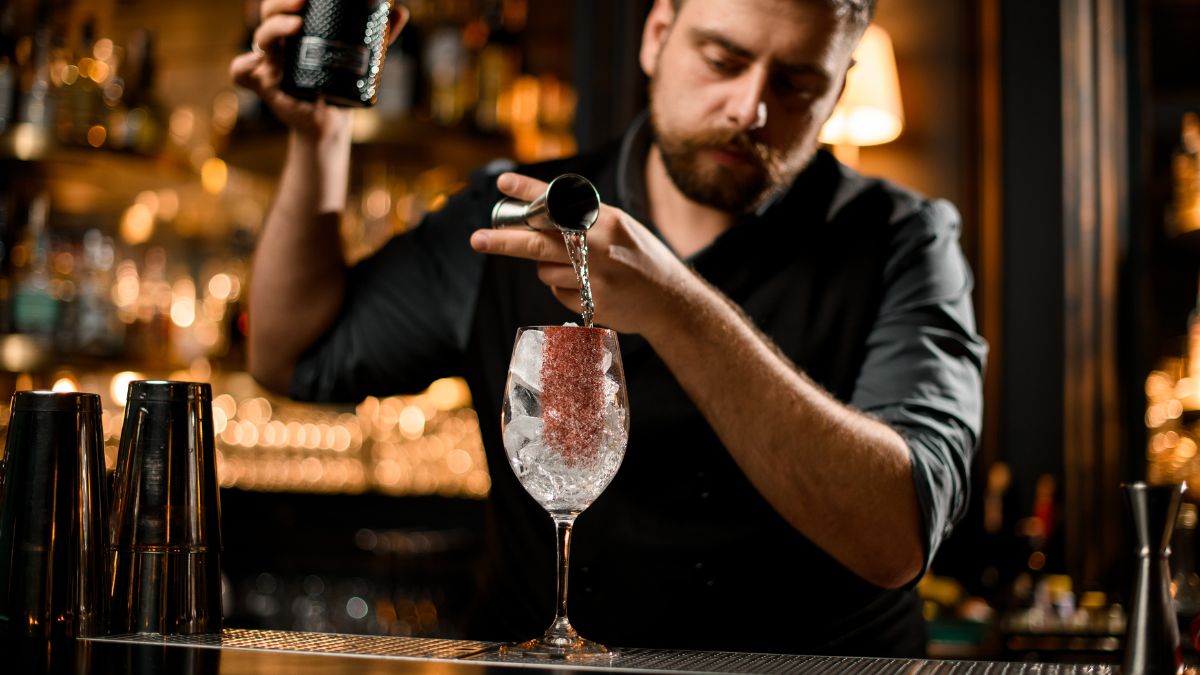
Filling a non-tipping customer’s glass with a disproportionately large quantity of ice so that the ratio of liquid to ice is significantly less favorable than what tipping customers receive is a volume reduction technique that bartenders report as both satisfying and undetectable. The heavily iced drink looks full, feels cold, and presents no visible evidence of having been shortchanged, but it contains measurably less beverage than the same glass poured for a customer who tips. Hospitality industry commentators who have written about the economics of bar service note that ice loading is one of the oldest documented forms of quiet customer management in bar culture and predates the current tipping debate by several decades. The non-tipping customer who orders multiple rounds over the course of an evening receives a cumulative volume deficit that amounts to a self-imposed drink tax on their decision not to tip.
Memory Lapses
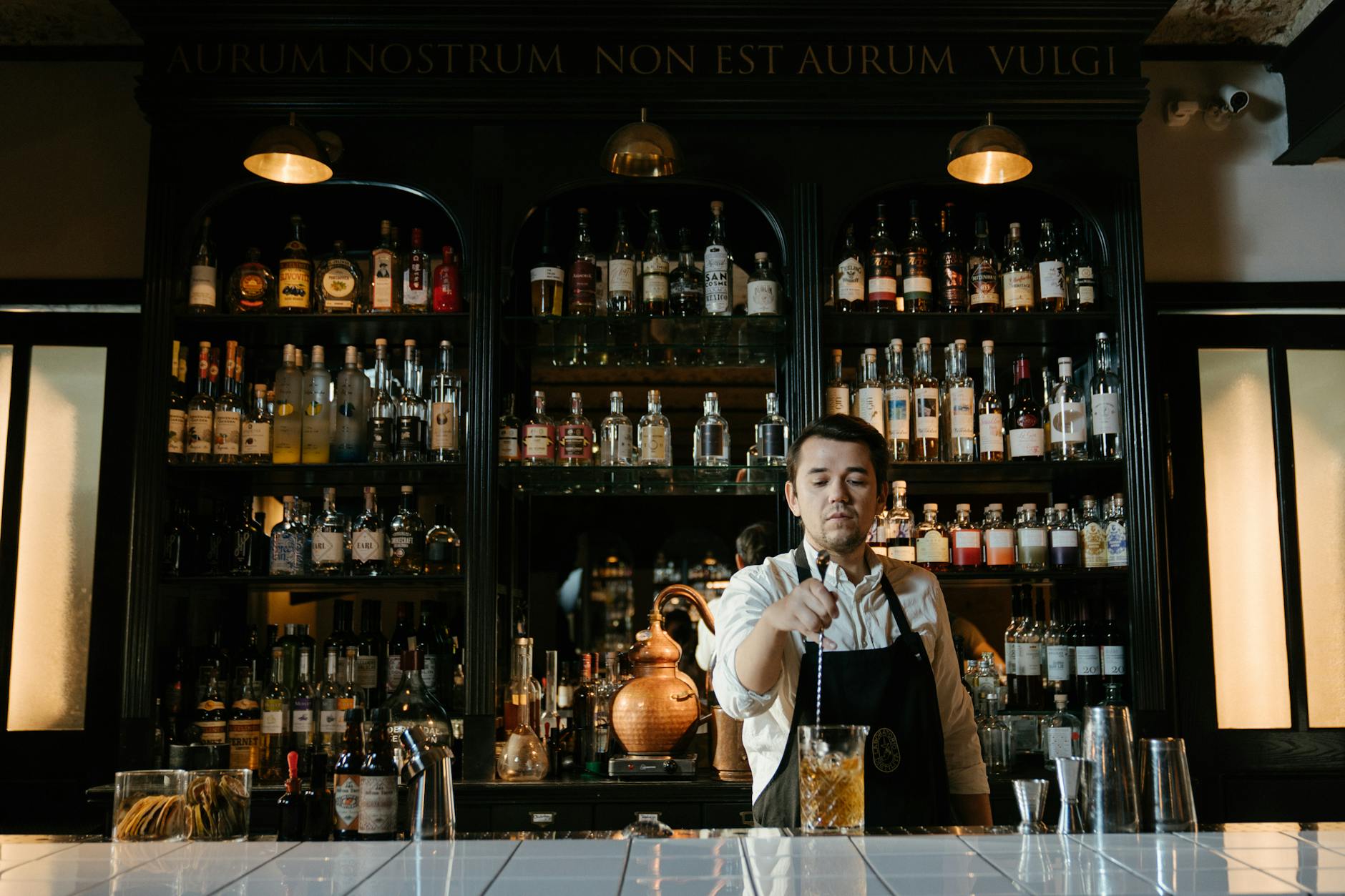
Developing a selective and convenient inability to remember the drink order of a non-tipping customer accurately or promptly, requiring them to repeat their order more frequently than other customers, is a cognitive performance adjustment that bartenders describe as requiring very little conscious effort once a customer has been categorized as a non-tipper. The memory lapse manifests as returning to a customer with the wrong drink, forgetting a modifier that was clearly stated, or simply taking longer to process an order that the bartender would handle immediately and correctly for a regular tipping customer. Organizational behavior researchers who study service worker discretion note that the allocation of cognitive resources in high-demand environments is naturally skewed toward relationships that the worker perceives as reciprocal, and that the memory lapse phenomenon may reflect a genuine rather than entirely deliberate shift in attentional priority. The effect on the customer is identical regardless of its precise mechanism.
Eye Contact Avoidance
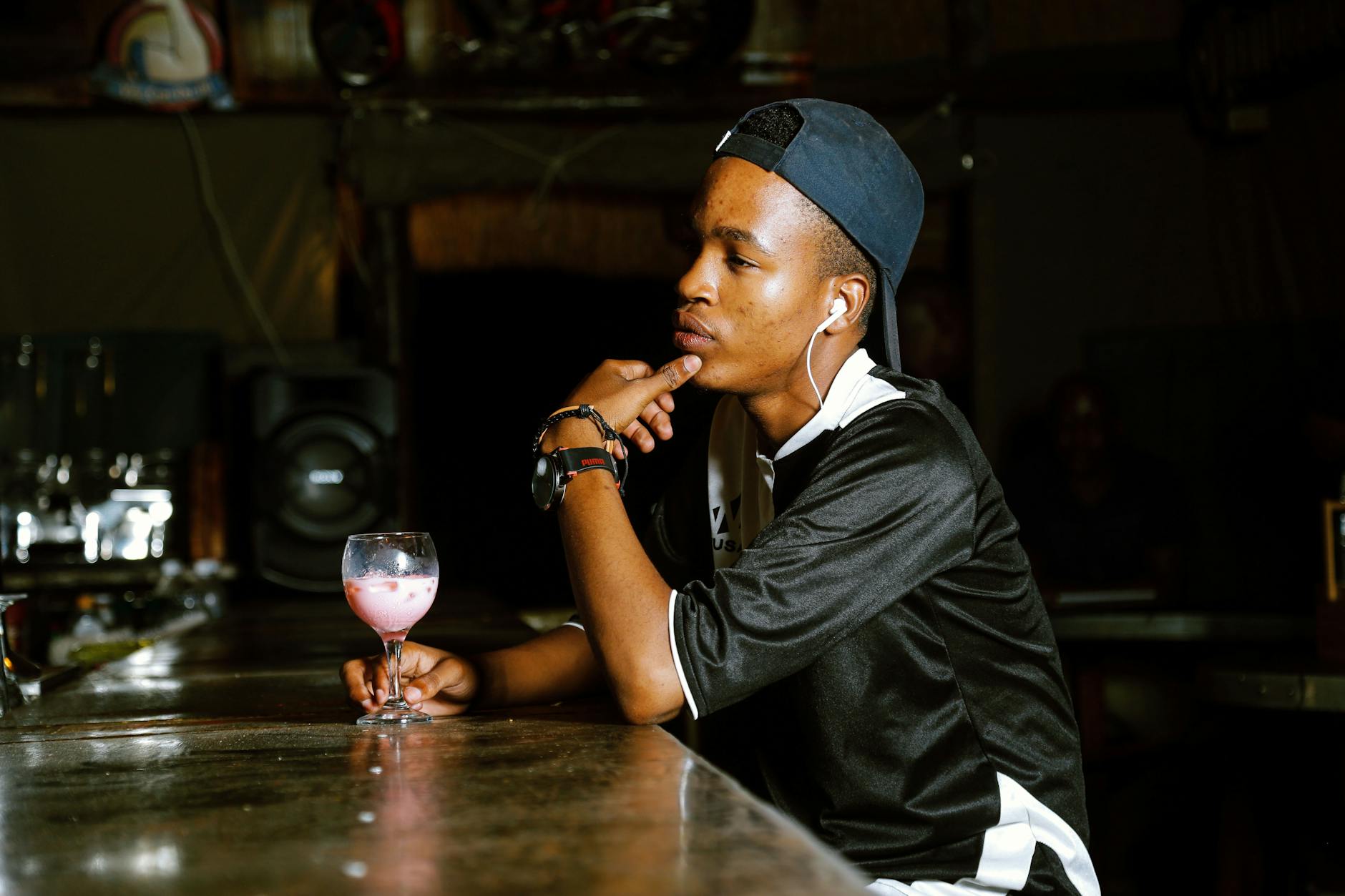
Making oneself consistently difficult to catch the attention of through strategic eye contact avoidance, peripheral positioning, and the cultivation of perpetual busyness whenever a non-tipping customer is visibly trying to order is a physical availability management technique that hospitality workers describe as one of the most effortless and deniable forms of service adjustment in their repertoire. The technique requires only that the bartender develop a reliable habit of scanning the bar in a pattern that excludes the non-tipper’s position at moments when direct eye contact would obligate a service interaction. Bar service ethnographers who have observed this practice in high-volume environments note that expert practitioners can maintain the appearance of attentive general availability while consistently and reliably missing the specific customer they have chosen not to see. The non-tipper stands at the bar with money in hand and cannot explain why they are the last person to be served in a room full of people who arrived after them.
Wrong Change

Returning change for a cash transaction in a denomination structure that is maximally inconvenient for tipping, such as returning all change in coins rather than including bills of a denomination appropriate for gratuity, is a payment management practice that bartenders report as a passive structural discouragement of tipping that simultaneously documents the customer’s decision not to tip in a way that feels slightly more pointed than simply not receiving one. The all-coin change return places the social awkwardness of leaving a pile of coins as a tip squarely on the customer, who must now either make that gesture or pocket all of it in a way that feels more conspicuous than pocketing a bill would. Hospitality economists who study tipping behavior note that the denomination structure of change returned after a cash transaction has a measurable effect on tipping rates, a finding that bartenders appear to have arrived at through experience independently of the academic literature.
Garnish Omission
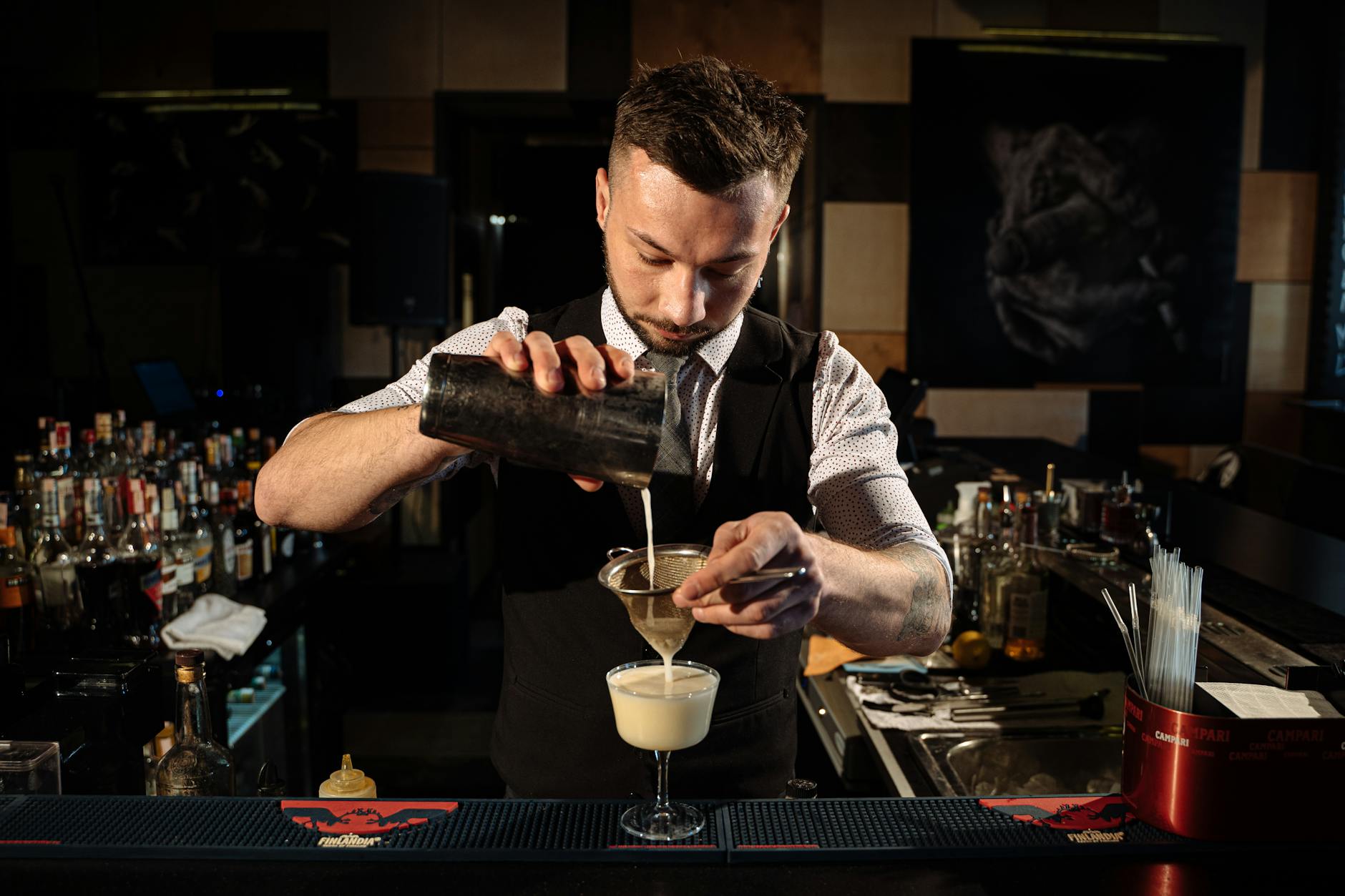
Serving drinks to non-tipping customers without the garnishes, decorative elements, or finishing touches that the same drink would receive when served to a tipping customer is a presentation downgrade that is small enough to be attributable to busyness but consistent enough to represent a deliberate policy. A cocktail served without its citrus twist, a beer delivered without its branded glass, or a mocktail presented without its fruit skewer represents a reduction in the value of the product that the customer is unlikely to explicitly complain about but may register as a vague sense of having received a lesser experience than they expected. Hospitality presentation researchers note that the finishing details of a drink order communicate the level of care invested in its preparation and that their consistent omission for specific customers sends a message that is absorbed at an experiential level even when it is not consciously processed. The non-tipper receives functional drinks that are never quite as finished as those being enjoyed by the person seated next to them.
Last Call Exclusion

Ensuring that a non-tipping customer is among the last to be informed about last call, or is overlooked in the informal early warning that bartenders routinely extend to valued regulars before the official announcement, is a temporal information privilege that hospitality culture researchers identify as one of the more socially meaningful distinctions bartenders make between customers they value and those they do not. The early last call warning is a genuine gift in bar culture, allowing a favored customer to order one final drink before the general announcement creates a rush that slows service significantly. The non-tipper who misses this window is not denied service but is denied the information that would have allowed them to use the remaining service period more effectively. The asymmetry is felt rather than observed and is attributed to chance rather than to any deliberate decision.
Drink Delay Sequencing
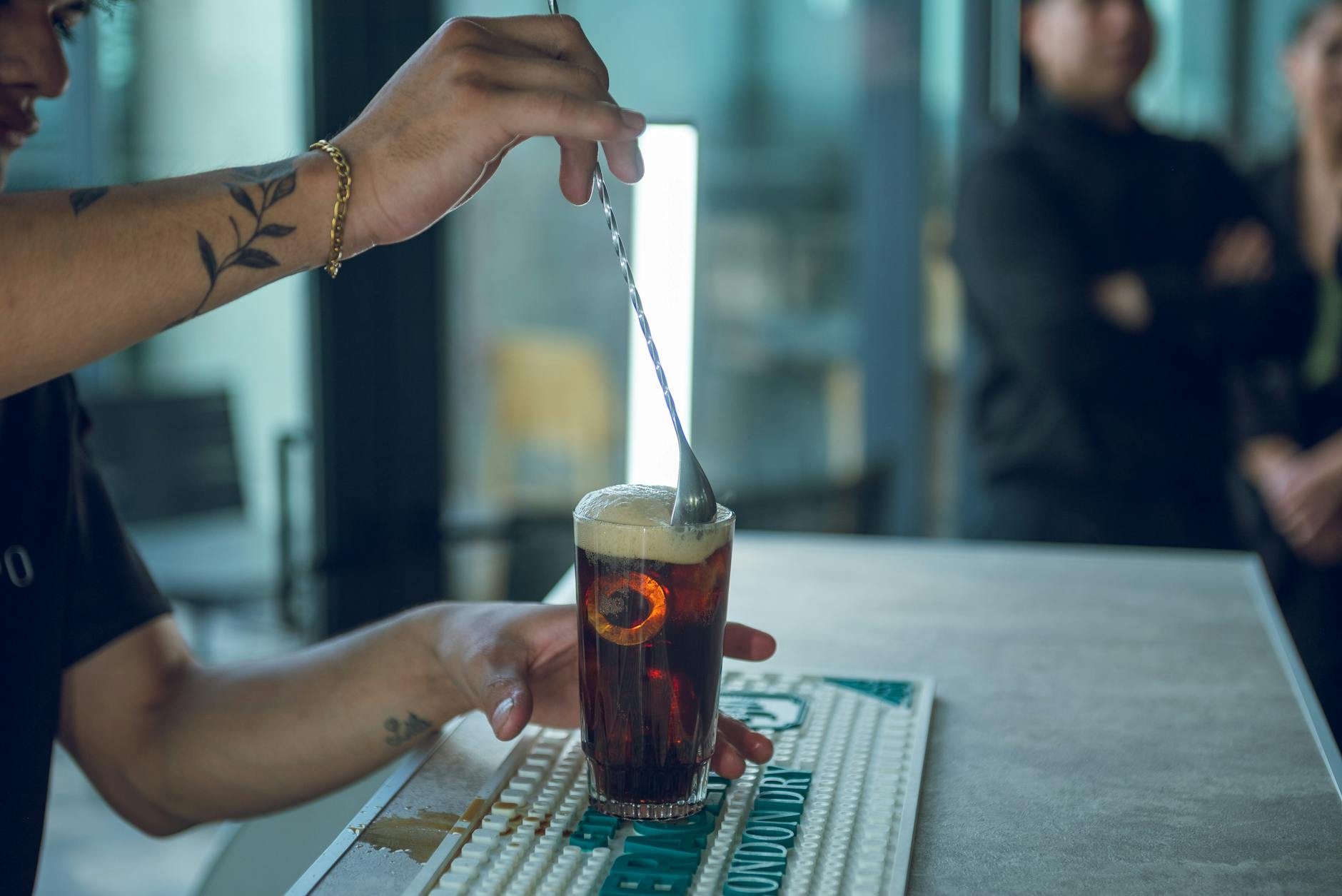
Organizing the sequence in which multiple simultaneous drink orders are prepared and delivered so that the non-tipping customer’s order is consistently completed last regardless of when it was placed is a queue management technique that bartenders describe as invisible in practice because customers at a busy bar have no reliable way to track when their specific order entered the preparation sequence relative to others. The sequencing decision is made in the preparation space behind the bar where customers cannot observe it, and the result at the customer-facing end is simply that some drinks arrive promptly and others take longer, with no visible explanation for the difference. Bar operations researchers who have studied the informal hierarchy of service delivery in high-volume environments note that preparation sequence is one of the most powerful tools available to bartenders for differentiating service quality without generating evidence of deliberate discrimination. The non-tipper consistently experiences bar service as slower than the people around them without understanding why.
Recommendation Withholding
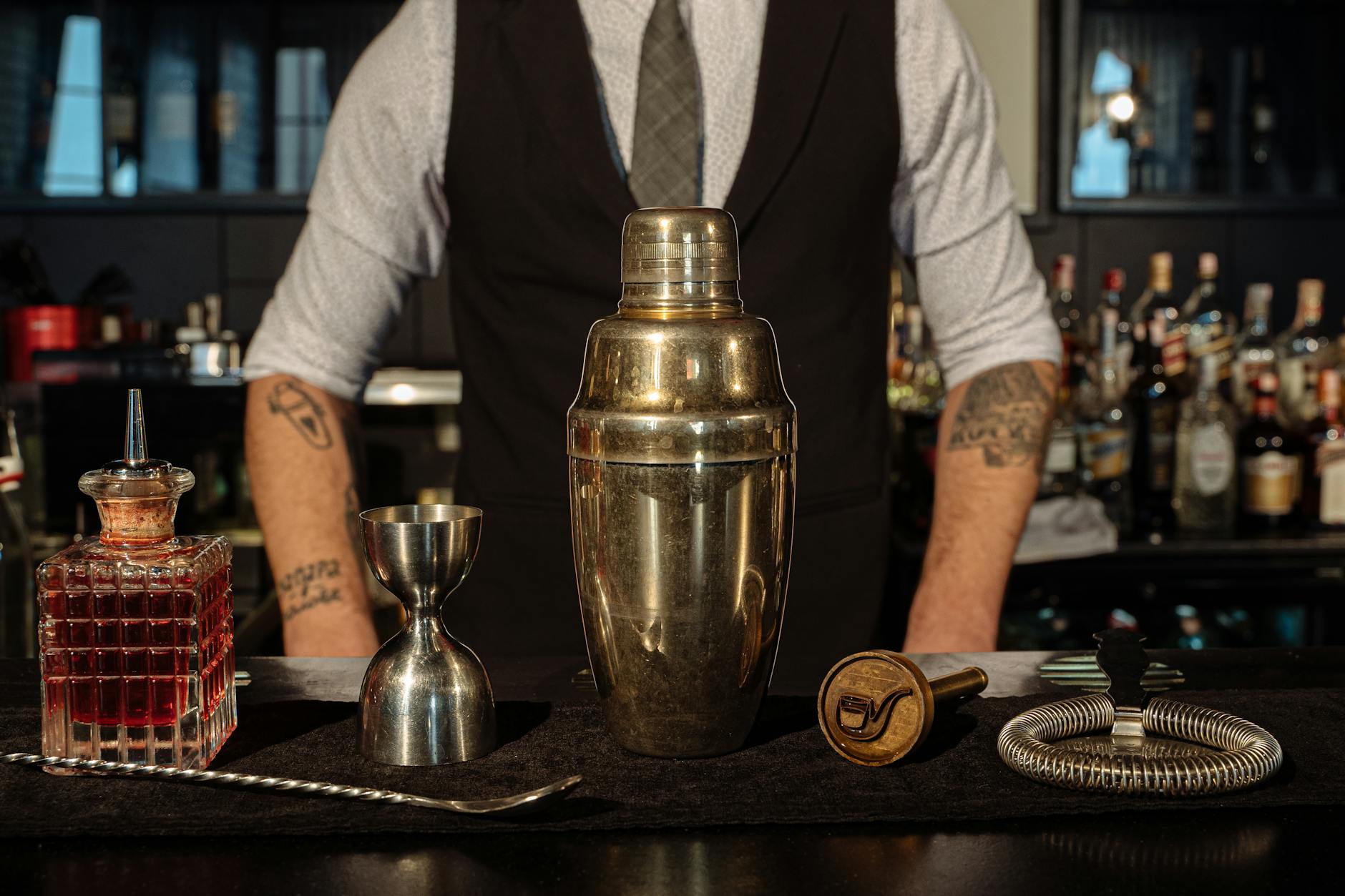
Declining to offer the spontaneous drink recommendations, off-menu suggestions, and genuine enthusiasm about new products that bartenders routinely share with customers they enjoy serving, and instead responding to non-tippers only with minimal order-taking interactions, is an expertise withdrawal practice that removes one of the most valuable dimensions of a skilled bartender’s service from customers who have not demonstrated that they value it. The bartender who knows a customer will not tip has little professional motivation to share the knowledge that represents years of training and experience, and the self-interested logic of that calculation is difficult to argue with. Hospitality industry commentators note that the expert recommendation is one of the primary ways that bar service justifies its premium over retail alcohol purchase, and its withdrawal effectively reduces the interaction to a pure transaction that delivers less total value to the customer. The non-tipper receives their drink but is never told about the better one they could have had.
Tab Mismanagement

Allowing a non-tipping customer’s tab to develop minor administrative inconveniences such as delayed tab retrieval, slower processing at closing time, or a requirement to wait longer than usual for a bill that a tipping customer would receive promptly is a tab management technique that adds friction to the end of the drinking experience in a way that is attributable to busyness or system issues rather than to deliberate inconvenience. The end-of-evening tab closing is a moment of significant service differentiation in high-volume bar environments, with valued customers receiving prompt and accurate bills while those in lower priority receive delayed or administratively complicated closings. Hospitality operations researchers note that end-of-service processing speed is one of the most reliable indicators of informal customer priority ranking in bar environments. The non-tipper who wants to leave discovers that their departure is consistently more complicated and time-consuming than everyone else’s.
Bathroom Code Delays
Providing a non-tipping customer with delayed, incorrect, or deliberately unclear directions to bar facilities, phone charger locations, or other amenity information that the same staff member would deliver promptly and helpfully to a tipping customer is an information service downgrade that operates in the conversational margins of bar interaction where its differential application is invisible. The bartender who responds to a non-tipper’s question about the bathroom location with a vague gesture rather than clear directions, while providing the next tipping customer with precise and friendly guidance, has delivered a measurably different service experience that leaves no observable evidence. Hospitality service quality researchers who study the informal dimensions of bar service note that information provision is one of the most overlooked categories of service differentiation available to front-of-house staff. The non-tipper navigates the establishment with slightly less information than they need and attributes their confusion to the venue rather than to the service.
Pricing Ambiguity
Allowing a non-tipping customer to remain uninformed about drink prices, happy hour timing, or promotional offers that would reduce their bill, while proactively sharing this information with tipping customers who would equally benefit from knowing it, is an information withholding practice that affects the customer’s financial experience of the visit without involving any active deception. The bartender who tells a tipping customer that their second drink qualifies for the happy hour price but does not extend the same information to the non-tipper has not lied to either party but has allocated a financial benefit along lines of perceived reciprocity. Hospitality economics researchers who study informal pricing behavior note that the proactive sharing of cost-saving information is a significant service differentiator in bar environments that customers rarely recognize as a discretionary act of service rather than a standard operating procedure. The non-tipper pays more than they needed to and never knows there was a cheaper option available to them.
Mixer Ratios
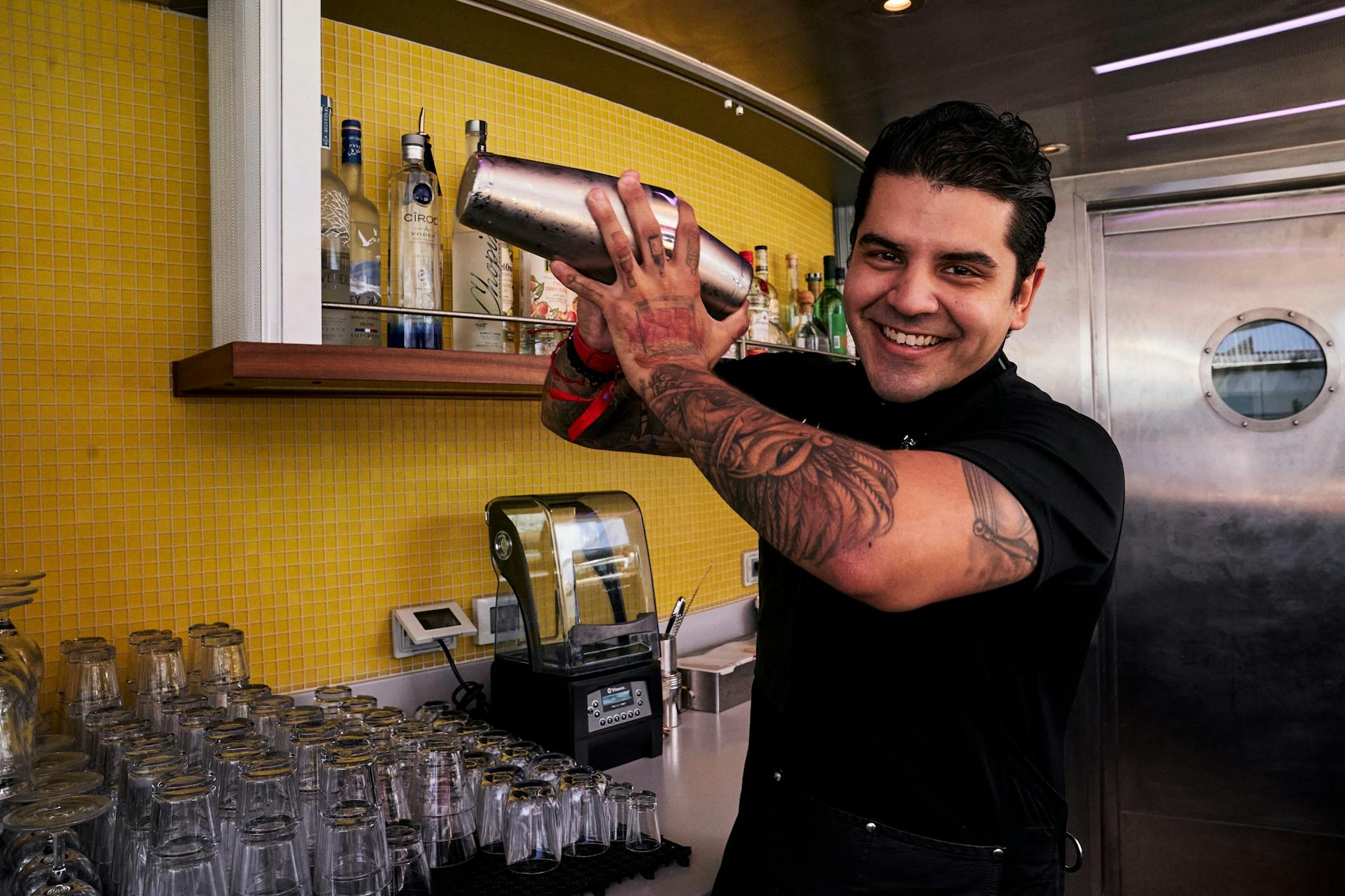
Adjusting the ratio of mixer to alcohol in a non-tipping customer’s drink so that it is more heavily diluted with non-alcoholic components than the same drink prepared for a tipping customer is a preparation technique that, combined with the ice loading practice, can significantly reduce the effective alcohol content and flavor intensity of drinks served to a customer who has been categorized as unlikely to reciprocate the bartender’s effort. The heavy mixer pour is particularly applicable to spirit-forward cocktails where the balance between alcohol and mixer is a matter of bartender discretion rather than a fixed recipe, giving the practitioner genuine latitude to adjust the ratio without departing from anything that could be described as a standard preparation. Hospitality culture researchers note that the mixer ratio adjustment is considered among bartenders to be a more satisfying retaliation than the weak pour alone because it simultaneously increases the customer’s consumption of the cheapest components of the drink while reducing their consumption of the most expensive ones. The economics of the adjustment favor the bar while the experience of it penalizes the customer.
Social Signal Broadcasting
Using subtle social signals visible to other customers such as a particular tone of voice, a specific type of interaction, or a brief exchanged glance with a colleague to communicate a non-tipping customer’s status within the informal social hierarchy of the bar is a community broadcasting practice that hospitality ethnographers have documented in environments where bar staff form a coherent social unit with its own communication codes. The broadcast ensures that any colleague who serves the same customer during the same visit or on future visits has access to the relevant status information without requiring an explicit verbal briefing. Bar culture researchers note that the social signaling system around customer status operates with remarkable efficiency in experienced bar teams and that customers who have been categorized negatively are often aware of a vague social atmosphere around their interactions with staff without being able to identify its source or mechanism. The non-tipper is marked in a social ledger they cannot see and cannot access to correct their entry.
Premium Substitution
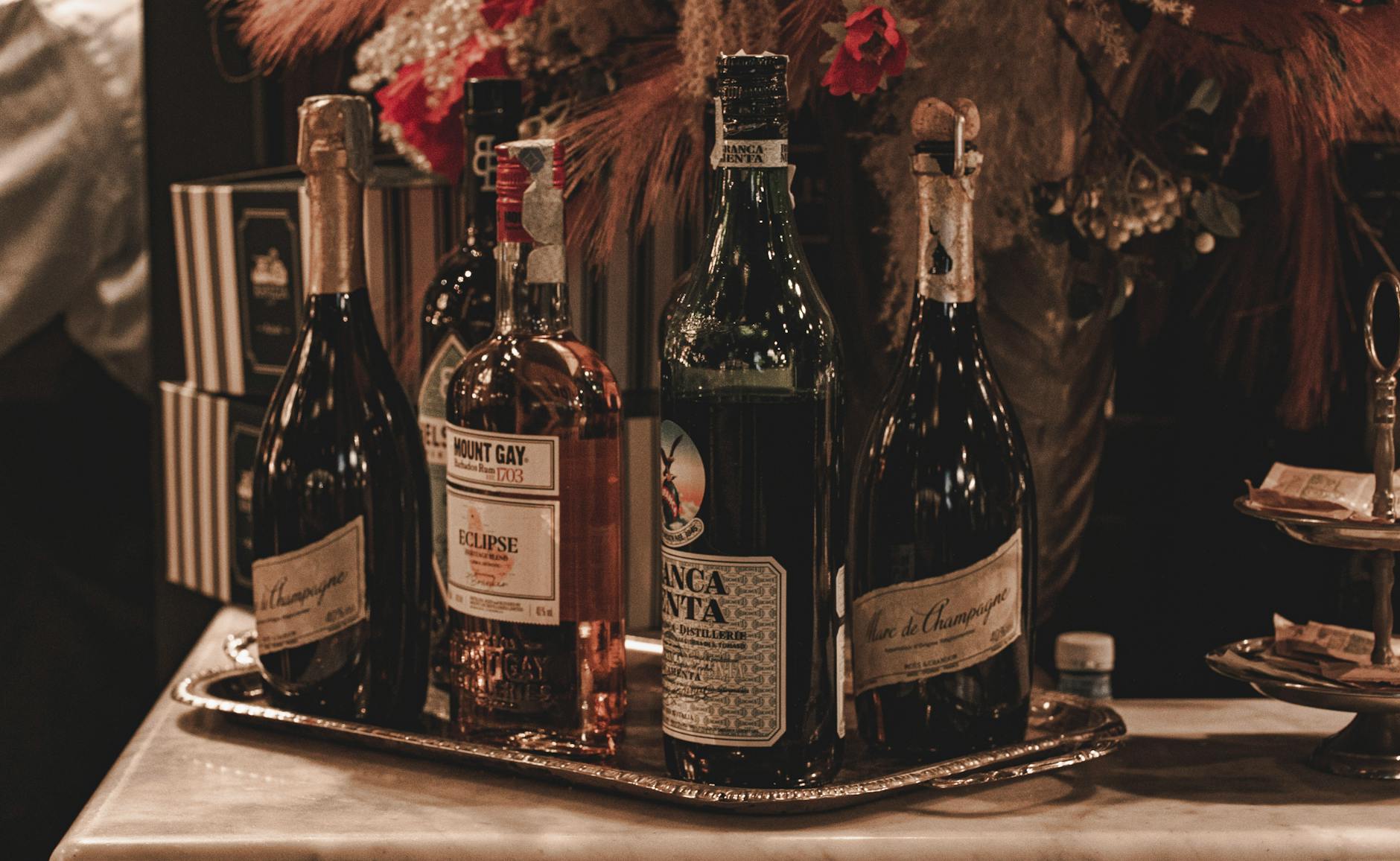
Substituting a lower-quality spirit for the requested brand in a drink prepared for a non-tipping customer when the visual similarity of the pour makes the substitution undetectable in the finished drink is a product substitution practice that hospitality researchers note is more commonly reported in high-volume environments where the speed of service and the complexity of orders reduce the customer’s ability to monitor every aspect of their drink preparation. The substitution is most commonly applied to well-mixed cocktails where the spirit is one of several flavor components rather than the primary taste experience, making the difference between a premium and a standard spirit difficult to detect for any but the most trained palates. Bar industry commentators who have written about this practice note that it represents a more significant departure from straightforward service adjustment than most of the other practices in this collection because it involves delivering a product that does not match what was ordered and charged. Its inclusion reflects its consistent presence in documented bartender accounts rather than an endorsement of its ethical standing.
Compliment Withholding
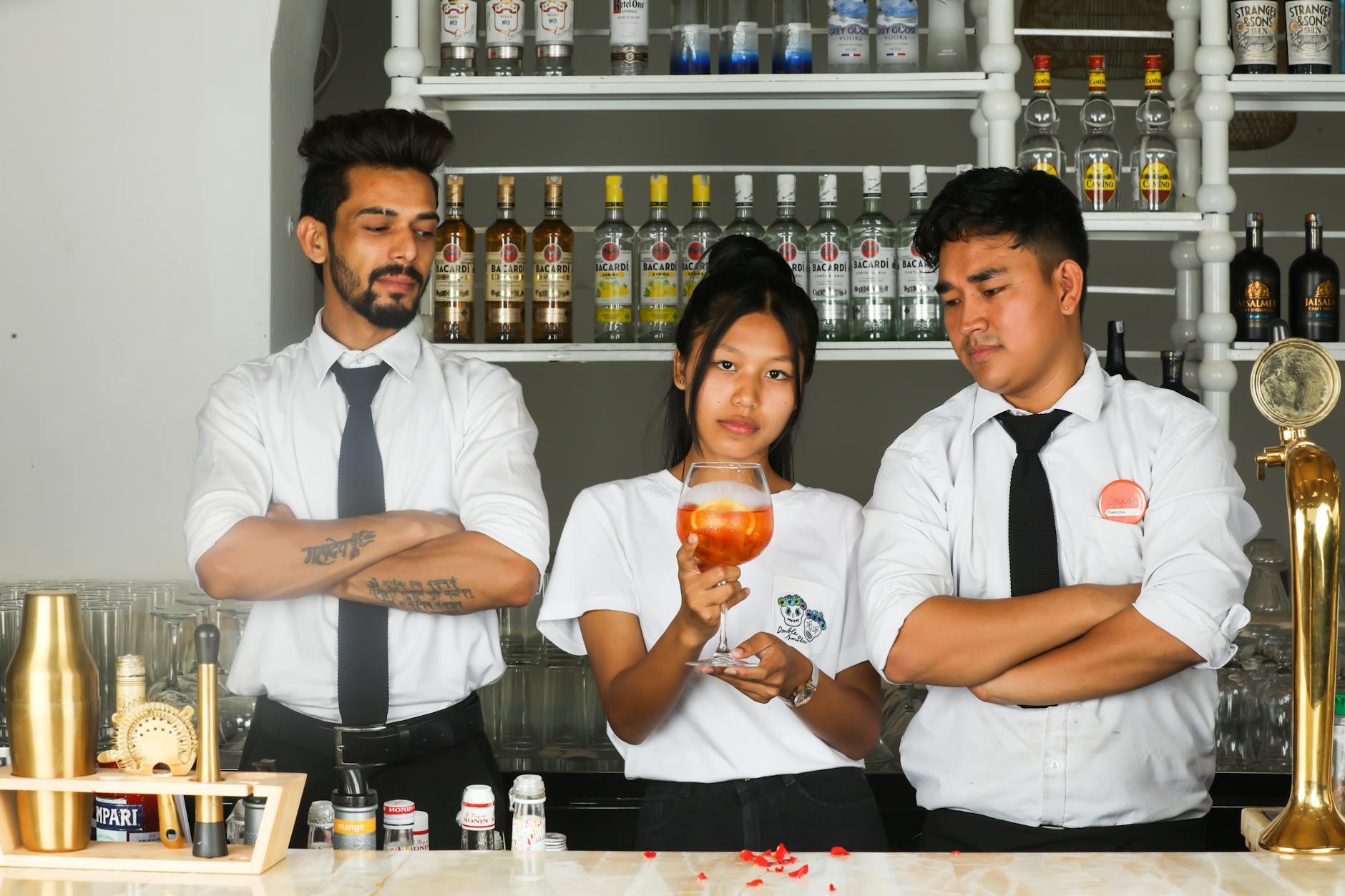
Declining to offer the spontaneous compliments, positive acknowledgments, and social validations that bartenders routinely extend to tipping customers regarding their drink choices, their appearance, or their general presence in the establishment, and instead maintaining a purely neutral and functional demeanor toward non-tippers, is a social warmth withdrawal practice that removes one of the most psychologically satisfying dimensions of a positive bar experience from customers who have not demonstrated reciprocal appreciation. Hospitality psychologists who study the emotional economy of service environments note that the spontaneous compliment from a bartender is one of the most reliably reported sources of positive feeling associated with a bar visit and that its consistent absence for specific customers creates a subtle but cumulative sense of being less welcome than the people around them. The non-tipper receives technically adequate service in a social atmosphere that is consistently warmer for everyone around them than it is for them specifically. The cumulative effect of this differential warmth is described by hospitality researchers as one of the more psychologically precise forms of service distinction available to an experienced bartender.
Straw Politics
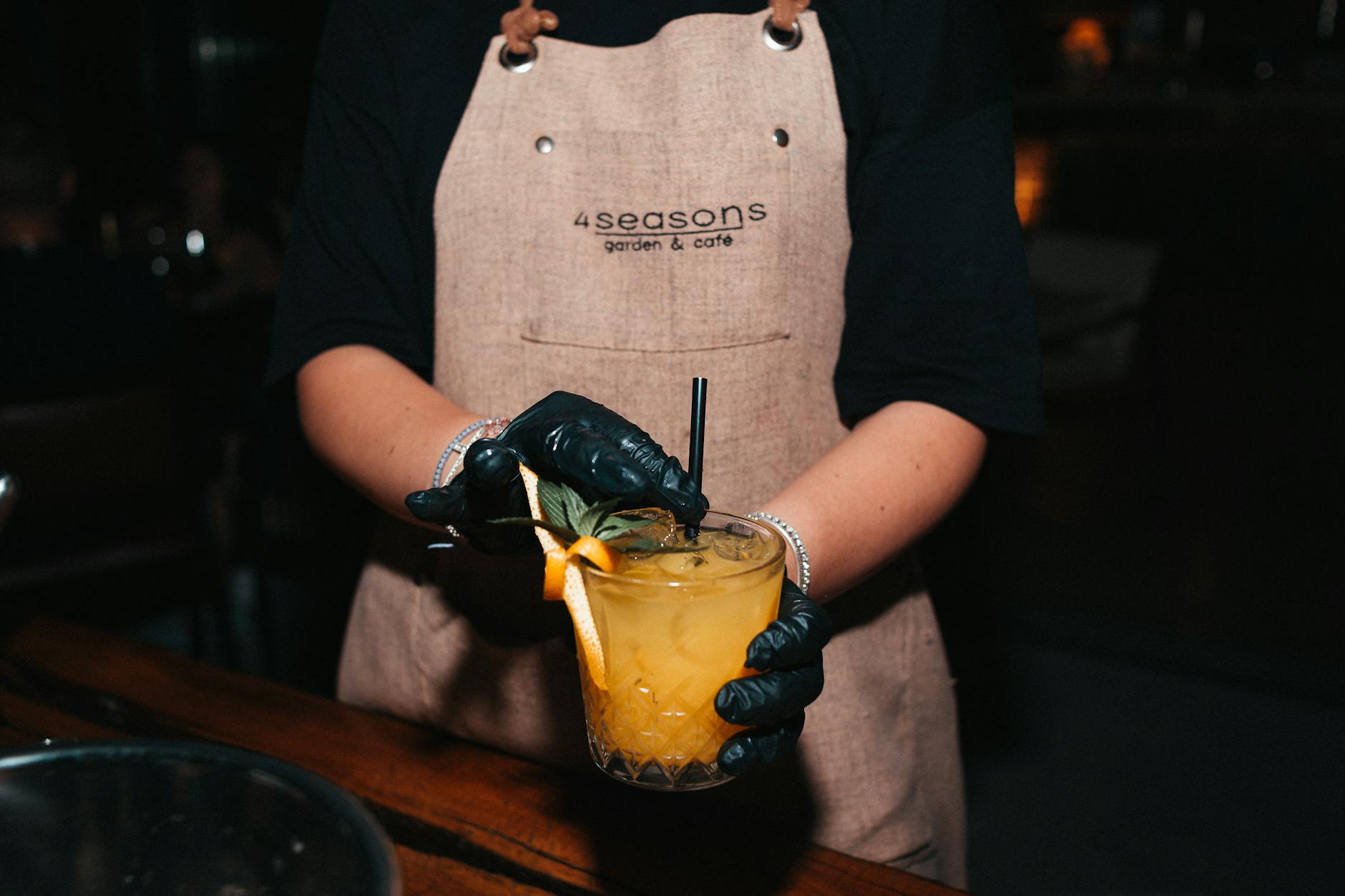
Providing non-tipping customers with fewer straws, stirrers, or cocktail accessories than their drinks technically require while ensuring that tipping customers receive appropriately equipped drinks is a granular service detail management practice that operates in the finishing details of drink presentation where its differential application is invisible to anyone other than the recipient. The customer who receives a blended drink without a straw or a stirred cocktail without a stirrer has received a functionally complete drink that is nonetheless slightly less convenient to consume than it should be. Hospitality presentation researchers note that the finishing accessories of a drink represent a final layer of service care whose consistent omission for specific customers communicates a level of investment in their experience that falls below the visible standard being applied to everyone else at the bar. The non-tipper navigates minor inconveniences that their tipping neighbors do not encounter and attributes each one to chance or oversight.
Expiry Information
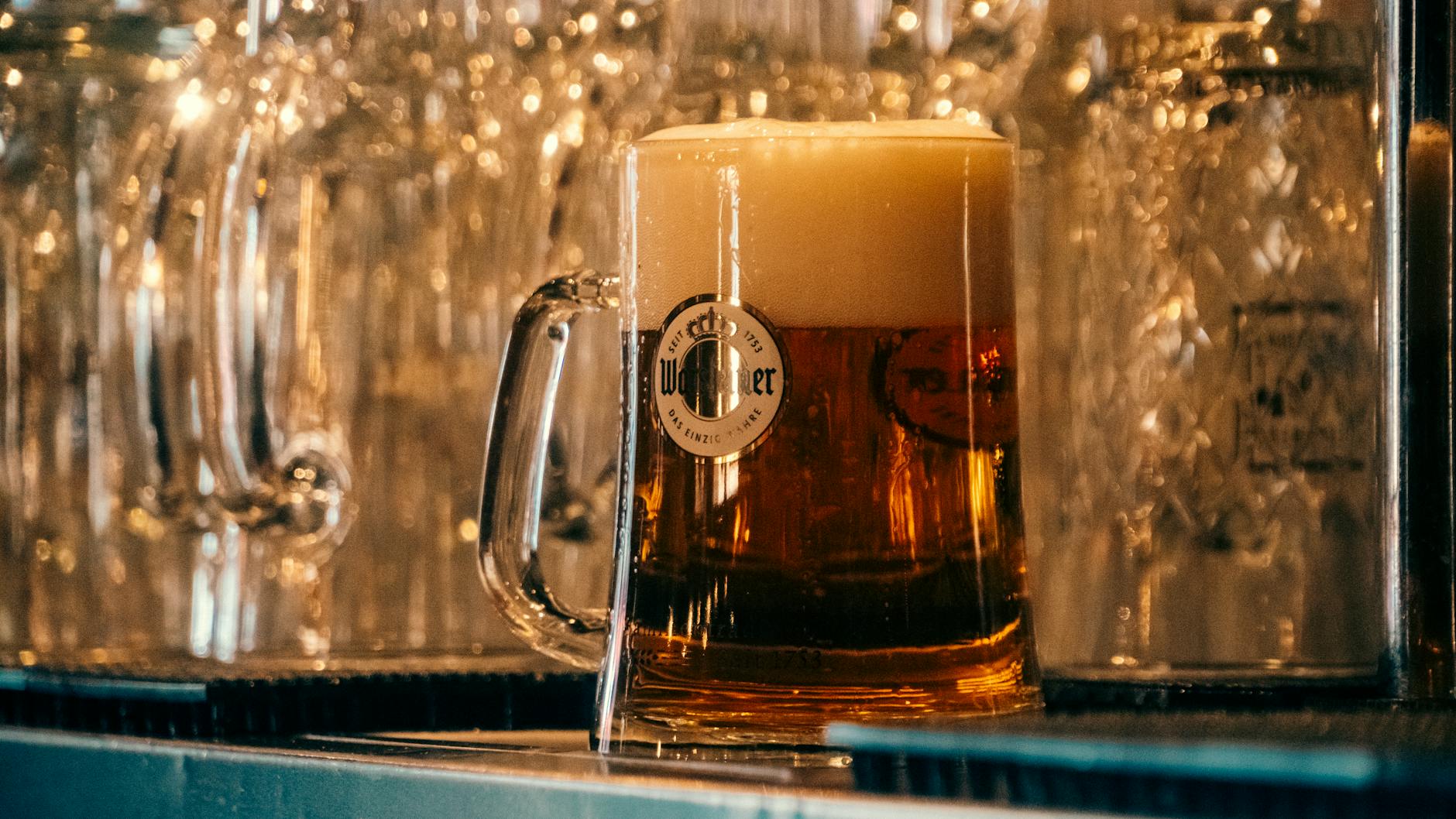
Neglecting to inform a non-tipping customer that their happy hour window is about to close, that a promotional offer expires at a specific time, or that a particular drink they have been enjoying will no longer be available after a certain hour, while proactively sharing this time-sensitive information with tipping customers who are equally positioned to benefit from it, is a temporal information privilege practice that affects the customer’s financial and experiential outcomes without involving any active deception. The bartender who watches the happy hour clock run out while a non-tipping customer remains unaware has not lied but has allocated a service courtesy along lines of perceived reciprocity in a way that has a measurable financial consequence for the uninformed party. Hospitality service researchers note that time-sensitive promotional information sharing is one of the most clearly discretionary service acts available to bar staff and one of the most consistently reported sites of informal customer differentiation. The non-tipper pays full price for drinks they could have had at the promotional rate if anyone had thought to mention it.
Comfort Management
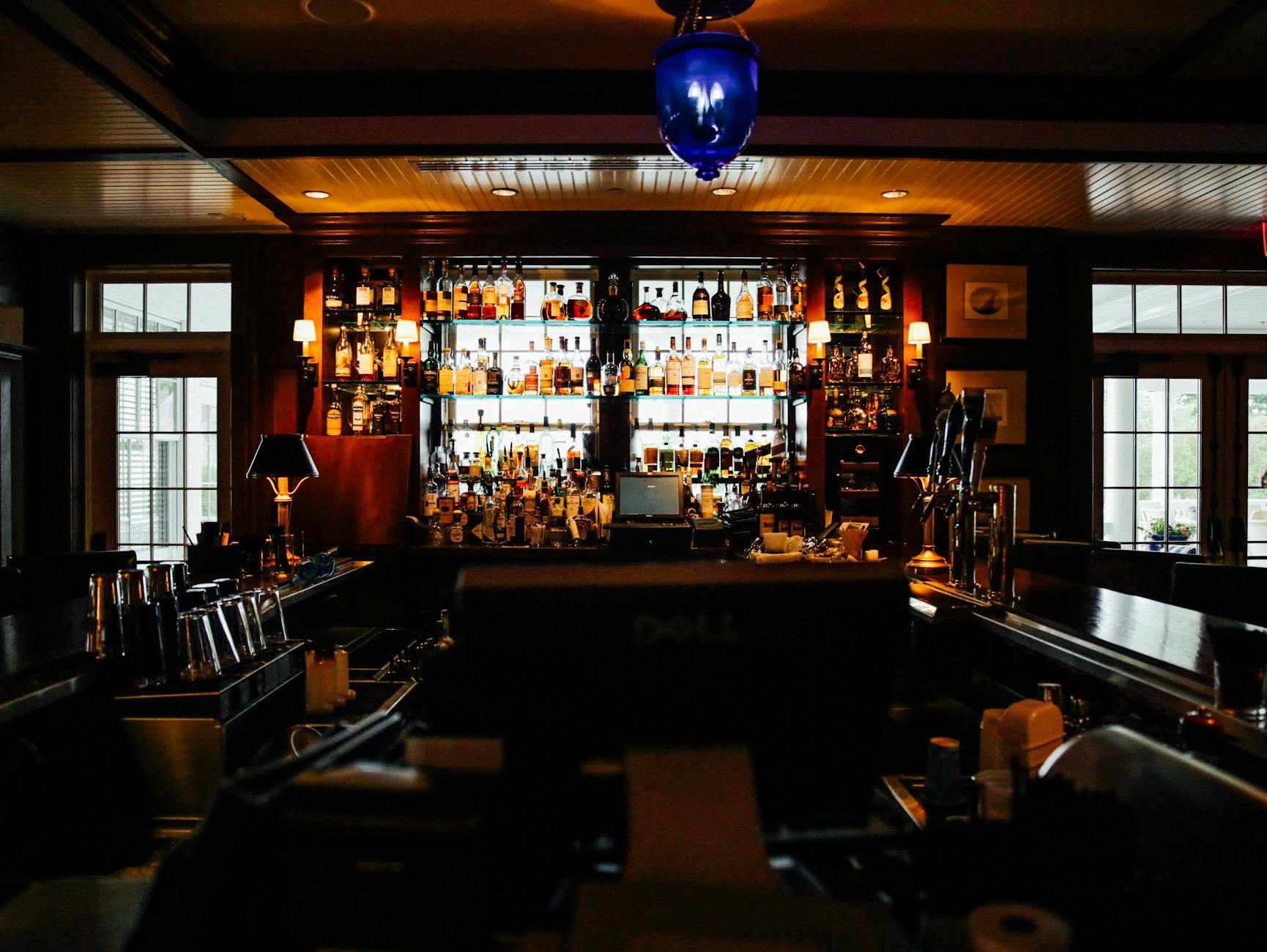
Allowing a non-tipping customer to remain in a slightly less comfortable position at the bar, whether by not proactively offering a better seat that has become available, not providing a coaster without being asked, or not clearing empty glasses from their immediate space with the same frequency applied to tipping customers, is an environmental comfort management practice that accumulates across the duration of a visit into a measurably different physical experience of the same space. The bar environment is managed for the comfort of its occupants through dozens of small discretionary acts every hour, and the consistent application of those acts to tipping customers while withholding them from non-tippers creates an invisible but felt differential in the quality of the physical experience. Hospitality operations researchers who study environmental comfort management in bar settings note that the frequency of glass clearing, coaster provision, and seating attention are among the most reliable indicators of informal customer priority ranking in bar environments. The non-tipper occupies the same physical space as everyone else but experiences it as slightly less attended to and slightly less comfortable throughout their visit.
Networking Exclusion
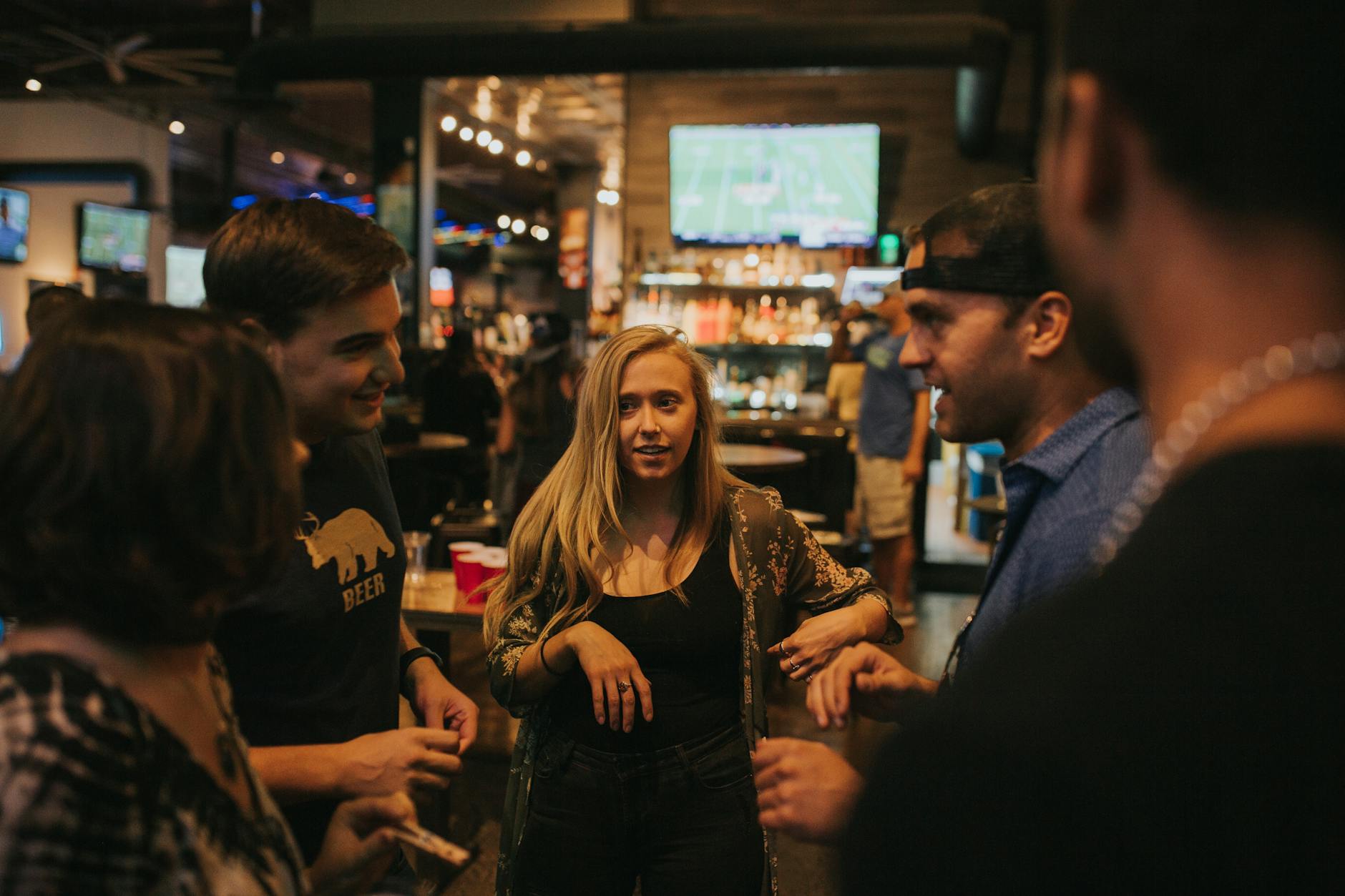
Declining to introduce a non-tipping customer to interesting fellow patrons, to mention events or gatherings that might interest them, or to facilitate the kind of social connections that bartenders routinely broker for valued regulars is a social capital withholding practice that removes one of the most significant long-term benefits of a positive relationship with an establishment’s bar staff. Bartenders in neighborhood and specialty bar environments function as genuine social connectors, and the value of those connections for regulars who receive them extends well beyond any individual visit. Hospitality community researchers note that the bartender’s role as a social broker is one of the most underappreciated dimensions of their professional function and that its withdrawal from specific customers creates a long-term social opportunity deficit that compounds over time. The non-tipper enjoys the same drinks as everyone else but never becomes part of the social fabric of the establishment in the way that tipping regulars do.
Verbal Minimalism

Reducing all interaction with a non-tipping customer to the absolute minimum words required to take and deliver an order, eliminating the small talk, personal inquiry, and conversational warmth that characterize interactions with valued customers, is a verbal economy practice that strips the social dimension from the service transaction in a way that makes the bar experience feel more like operating a vending machine than visiting a hospitality environment. Hospitality psychology researchers who study the social dimensions of bar service consistently identify conversational quality as one of the primary drivers of customer satisfaction and return visit intention, making its deliberate withdrawal from specific customers a meaningful degradation of the core product being delivered. The customer who receives only the words strictly necessary to complete their order experiences bar service as a purely commercial transaction rather than a social one and often describes the visit afterward as fine but somehow flat without being able to identify why. The bartender has said nothing wrong and nothing warm.
Loyalty Amnesia
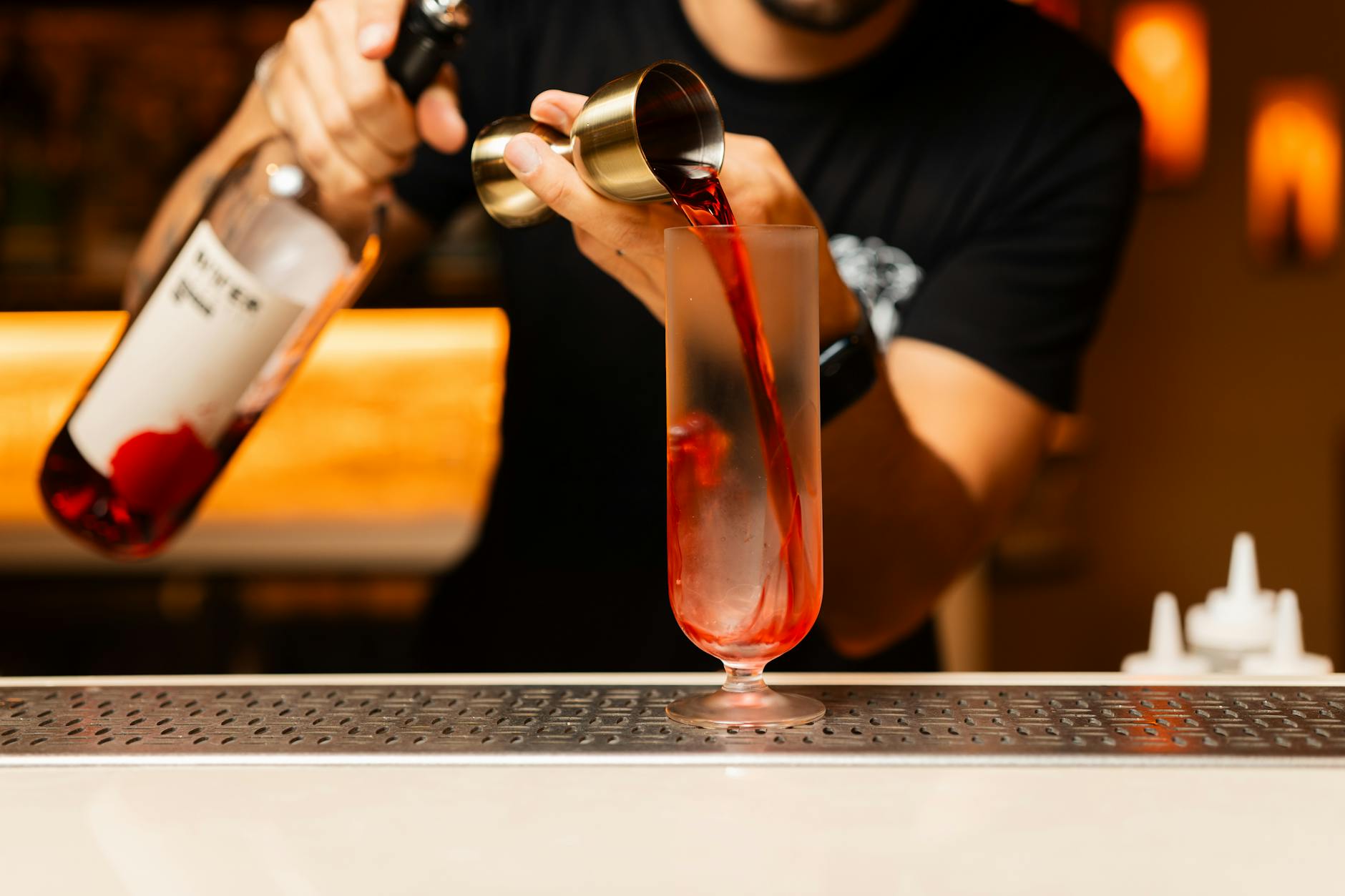
Developing a convenient inability to remember a non-tipping customer’s usual order, their name, their preferences, or any detail of their previous visits, while demonstrating a warm and accurate memory for the personal details of tipping regulars, is a selective recall practice that communicates the value the bartender places on the relationship through the simple mechanism of whether or not they have bothered to retain information about the person delivering it. The remembered regular who is greeted by name and asked whether they want their usual drink has received a social recognition that communicates genuine value in a way that no amount of technically adequate service can replicate. Hospitality loyalty researchers note that remembered personal details are one of the most powerful drivers of customer return behavior and establishment attachment, making their consistent application to tipping customers and withholding from non-tippers a structural reinforcement of the tipping incentive. The non-tipper is a stranger every time they visit regardless of how frequently they come.
Closing Time Acceleration
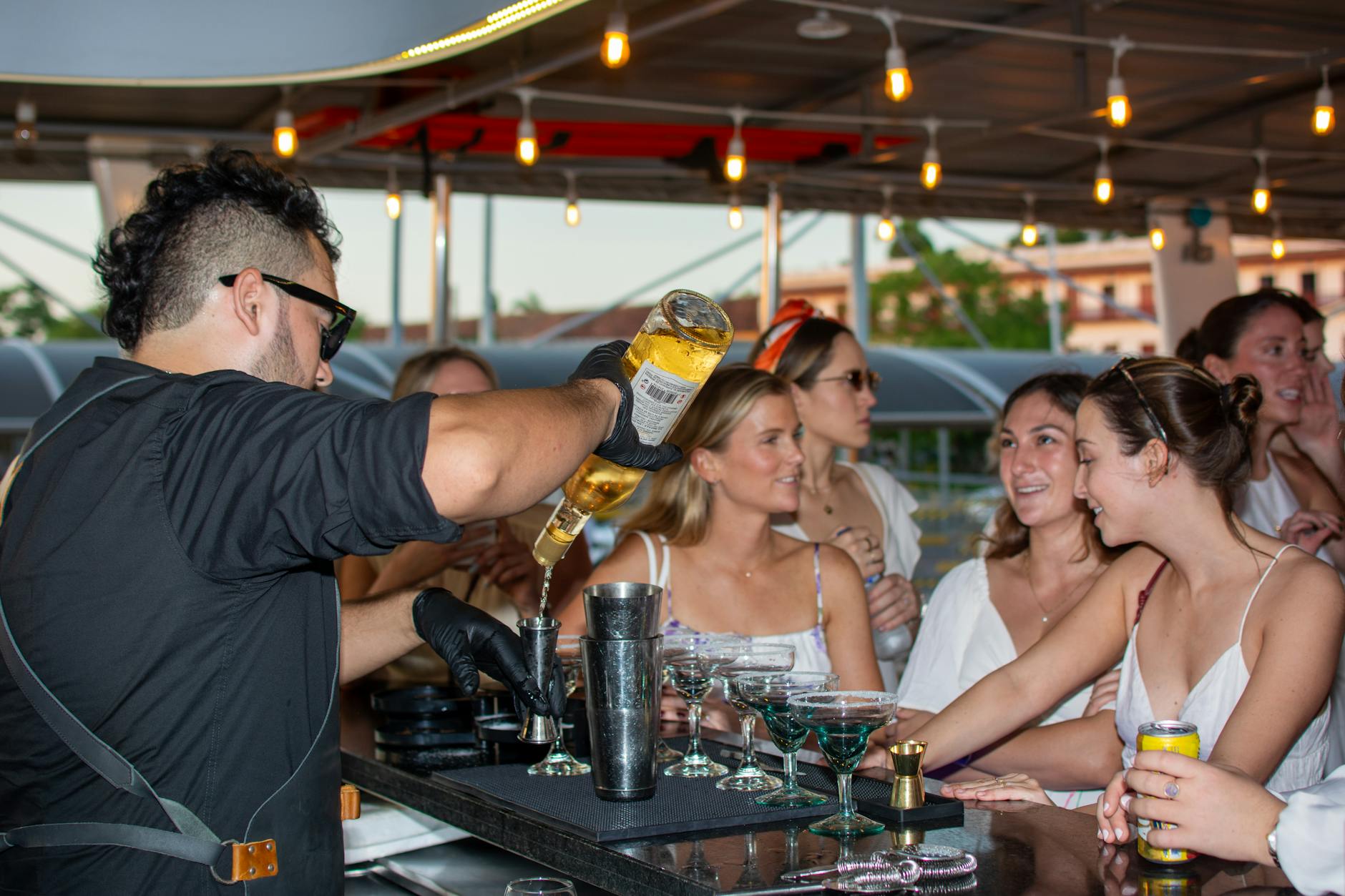
Communicating closing time, last orders, and end-of-service information to non-tipping customers in ways that effectively shorten their available drinking time relative to tipping customers who receive more generous and flexible interpretation of the same closing protocols is a temporal boundary management practice that hospitality workers in late-night service environments report as one of the most commonly applied forms of end-of-evening customer differentiation. The tipping regular who is told that there is time for one more and the non-tipper who is told the bar is closing now have received different versions of the same reality, with the difference calibrated along lines of perceived reciprocity rather than actual clock time. Bar closing culture researchers note that the flexibility applied to end-of-service protocols in licensed establishments varies enormously depending on informal customer status and that this flexibility represents a significant experiential benefit that tipping customers receive and non-tippers consistently do not. The non-tipper leaves earlier, drinks less, and spends less, which is perhaps the most self-defeating outcome of a decision not to tip from the perspective of the establishment’s revenue as well as the bartender’s income.
Share your own bar experiences from either side of the counter and let the conversation about tipping culture continue in the comments.