
The human body carries a remarkable genetic archive, and many physical features that people consider ordinary are actually deeply informative windows into their ancestral past. Scientists and geneticists have spent decades mapping how specific traits connect to particular populations, migration routes, and evolutionary adaptations. From the shape of a tooth to the pattern of a fingerprint, the body holds clues that stretch back thousands of years. These 15 physical traits can offer fascinating glimpses into where your family line truly originates.
Earwax Type

The type of earwax a person produces is determined by a single gene variant and falls into one of two categories, dry and flaky or wet and sticky. People of East Asian and Native American descent overwhelmingly carry the dry earwax variant, while most people of African and European ancestry produce the wet type. This difference traces back to a genetic mutation that emerged in Northeast Asia roughly 2,000 years ago. Researchers have used earwax type as one of the clearest genetic markers for tracing ancient migration patterns across continents.
Shovel Teeth

Shovel-shaped incisors are upper front teeth with raised ridges along the inner edges, giving them a scooped or shovel-like appearance. This trait is found in nearly 90 percent of people with East Asian ancestry and is also prevalent among Indigenous peoples of the Americas. It is relatively rare among those of European or sub-Saharan African descent. The same gene responsible for shovel teeth also influences breast tissue density and sweat gland distribution, making it a particularly far-reaching ancestral marker.
Widow’s Peak

A widow’s peak is a distinct V-shaped point in the hairline at the center of the forehead and is inherited through a dominant gene. It appears with notably higher frequency in people of South Asian, Middle Eastern, and Southern European ancestry. The trait has been traced through family lineages for generations and tends to persist even when other features change through intermarriage. Its prevalence in certain populations reflects the geographic clustering of specific gene pools over long periods of human history.
Eye Shape
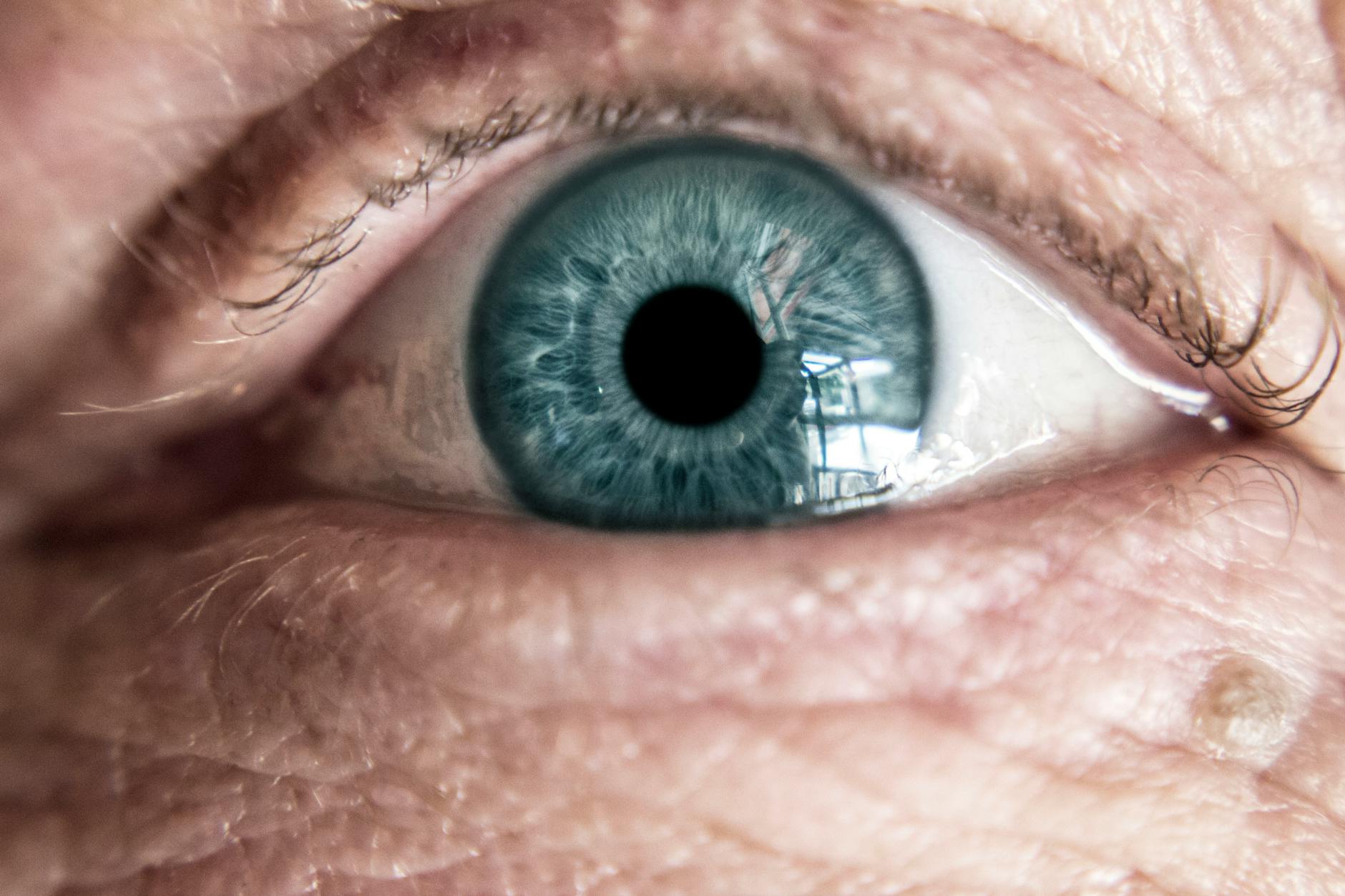
The shape of the eye, particularly the presence of an epicanthic fold covering the inner corner, is one of the most geographically specific traits in human genetics. This feature developed as an adaptation to cold, bright environments and is common among people with ancestry from East Asia, Central Asia, and parts of Africa. The trait provided protection against UV radiation reflected off snow and against extreme cold by reducing the exposed surface area of the eye. Its distribution closely mirrors the ancient migration routes of populations across the northern hemisphere.
Freckles

Freckles are small concentrations of melanin triggered by sun exposure and are linked to specific variants of the MC1R gene. They appear most commonly in people with Northern and Western European ancestry, particularly those descended from Celtic or Scandinavian populations. The same gene variants responsible for freckles are also associated with red or light hair and pale skin, forming a cluster of traits that evolved in low-sunlight environments. Research into MC1R has helped scientists map ancient European population movements with considerable precision.
Hair Texture

The texture of hair, whether tightly coiled, wavy, or straight, is influenced by the cross-sectional shape of the hair follicle and is a strongly ancestry-linked trait. Tightly coiled hair is nearly universal among people with sub-Saharan African ancestry and is believed to have evolved as a mechanism to protect the scalp from intense equatorial sun. Straight hair is most common among those with East Asian ancestry, while wavy hair tends to appear in populations from Europe, the Middle East, and South Asia. The genes governing hair texture have been studied extensively as indicators of ancient population divergence.
Fingerprint Patterns
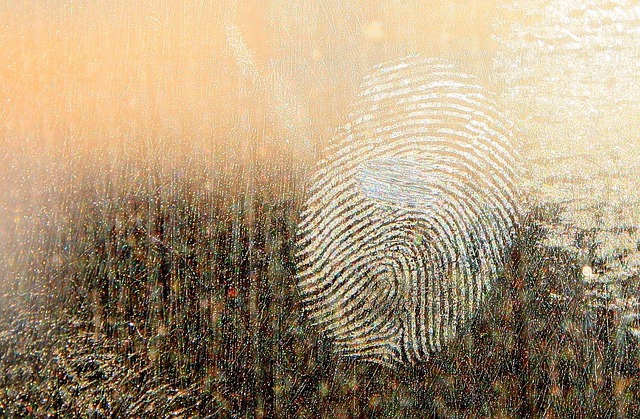
Human fingerprints fall into three broad pattern types including loops, whorls, and arches, and their distribution is not random across global populations. Whorl patterns are significantly more common among people of East Asian ancestry, while loop patterns dominate in European and African populations. Arch patterns are the rarest overall but appear at slightly higher rates in populations from certain parts of Africa. Geneticists have linked fingerprint pattern frequencies to ancient population bottlenecks and founder effects in isolated communities.
Skin Tone

Skin pigmentation is one of the most studied traits in human genetics and is directly tied to the geographic origins of ancestral populations. Darker skin evolved in equatorial regions as protection against UV radiation damage and folate degradation, while lighter skin developed in higher-latitude populations to maximize vitamin D synthesis in low-sunlight environments. The genes controlling skin tone are numerous and interact in complex ways, which is why populations in intermediate regions often display a wide spectrum of pigmentation. Genetic ancestry tests frequently cite skin-tone-related gene variants as among the most reliable ancestry indicators.
Lactose Tolerance

The ability to digest lactose into adulthood is a genetic trait that emerged independently in several pastoral populations around the world. It is most prevalent among people with Northern European ancestry, particularly those descended from populations that historically relied on cattle herding. Certain East African groups, including the Tutsi and Maasai, also developed lactase persistence independently through a separate genetic mutation. The geographic distribution of lactose tolerance provides one of the clearest examples of how diet-driven natural selection shaped specific human populations over just a few thousand years.
Cleft Chin

A cleft chin is caused by the incomplete fusion of the lower jawbone during fetal development and is controlled by a dominant gene. It appears with the highest frequency among people of European ancestry, particularly those from Northern and Central European populations. The trait is relatively uncommon across East Asian, sub-Saharan African, and Indigenous American populations. While it has no known functional purpose, its prevalence in specific gene pools makes it a useful anecdotal marker of European ancestral heritage.
Attached Earlobes

Earlobes are classified as either free-hanging or attached directly to the side of the face, and this trait follows a pattern of hereditary distribution that varies across populations. Attached earlobes appear at higher rates among people with South Asian, East Asian, and Indigenous American ancestry. The genetics of earlobe attachment are more complex than once thought and involve multiple gene variants rather than a single dominant trait. Population geneticists have used earlobe attachment frequencies as one data point among many when reconstructing the genetic history of isolated communities.
Tongue Rolling

The ability to roll the tongue into a tube shape is one of the most widely discussed genetic traits in popular science, though its inheritance is more complex than previously believed. It is significantly more common in populations with European and South Asian ancestry than in those from East Asia or sub-Saharan Africa. Studies have found that identical twins sometimes differ in their ability to roll their tongues, suggesting environmental or developmental factors also play a role. Regardless of its complexity, tongue-rolling ability has long served as an accessible entry point into discussions of ancestral genetic variation.
Dimples

Facial dimples are small indentations in the cheeks that appear when a person smiles and result from a variation in the structure of the zygomaticus major muscle. They are inherited as a dominant trait and appear across all human populations, though their frequency varies by ancestry. Research suggests they are somewhat more common in populations from South Asia, the Middle East, and Southern Europe. While dimples are not a definitive ancestry indicator on their own, their clustering within family lines and certain ethnic groups makes them a recognizable piece of the larger genetic picture.
Eye Color
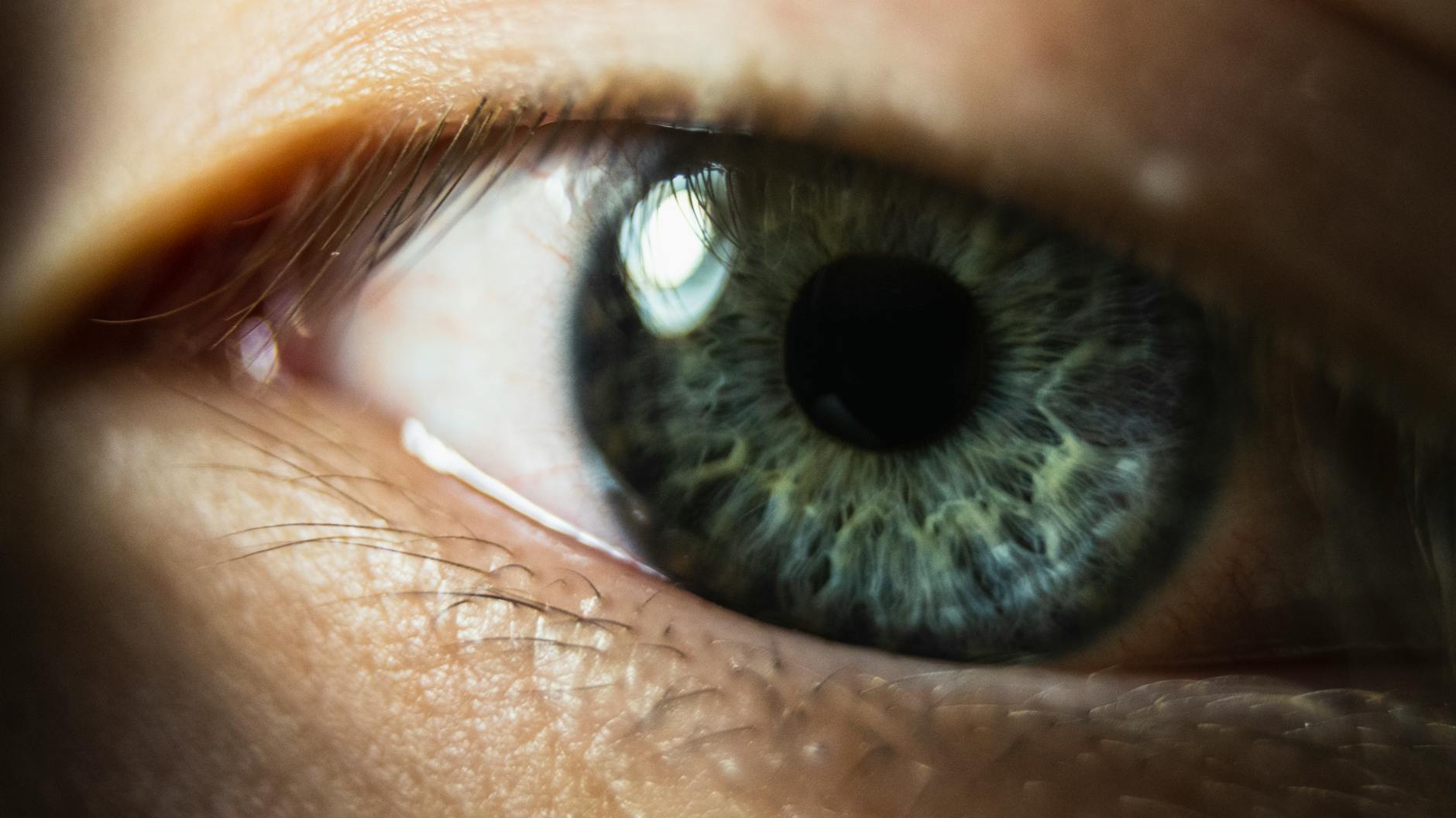
Eye color is determined by the amount and distribution of melanin in the iris and is one of the most visually striking ancestry-linked traits. Blue and green eyes are almost exclusively found in people with Northern and Eastern European ancestry and are the result of mutations in the OCA2 and HERC2 genes that emerged roughly 6,000 to 10,000 years ago. Brown eyes are the global default and are found across all populations, while hazel eyes tend to cluster in European and Middle Eastern populations. The rarity of light eye color outside Europe makes it one of the most geographically specific visible traits in the human genome.
Hitchhiker’s Thumb

A hitchhiker’s thumb refers to a hypermobile thumb that bends backward at an angle of 90 degrees or more and is linked to a recessive gene variant. It appears with notably higher frequency in people of European and South Asian ancestry compared to those from East Asian or Indigenous American backgrounds. Some studies have noted a higher prevalence among populations from specific regions of India and the Middle East. Like many recessive traits, hitchhiker’s thumb tends to surface more often in communities with historically limited genetic diversity due to geographic isolation or cultural endogamy.
Which of these traits did you recognize in yourself or your family members? Share your thoughts in the comments.