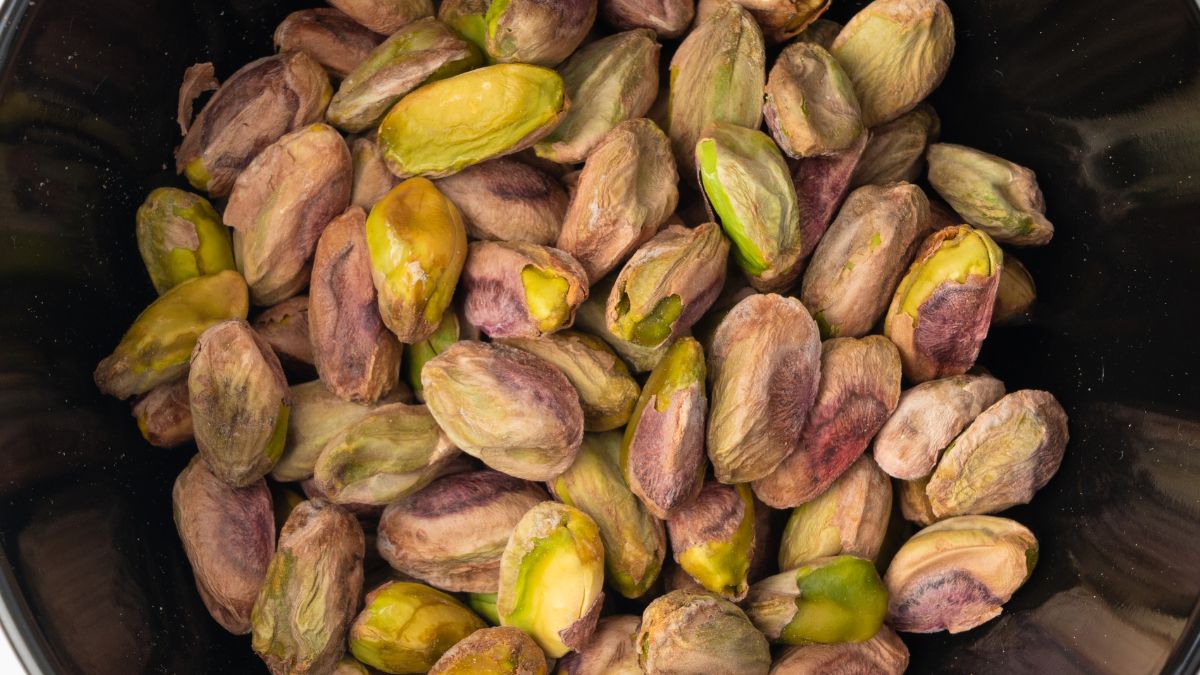
Pistachios stand out as one of the priciest nuts on the market, often costing several times more than almonds or hazelnuts for the same weight. Their elevated price stems from a combination of challenging growing conditions and intricate production steps that demand time, skill, and resources. These little green gems require very particular environments to thrive, with abundant sunshine, dry soil, and significant temperature swings between day and night. Without these elements, the trees struggle to produce quality fruit, limiting where they can be cultivated successfully.
The trees themselves take considerable patience from growers. It often requires seven to ten years before a pistachio tree starts bearing any fruit at all, and full, reliable yields typically arrive only after fifteen to twenty years. This extended timeline means farmers invest heavily in care, irrigation, and maintenance long before seeing returns. Adding to the complexity, pistachios are dioecious plants, so orchards must include both male and female trees in a precise ratio to ensure pollination and fruit production. Only the female trees bear nuts, which makes planning and maintaining groves more complicated than for many other crops.
Harvesting presents its own set of difficulties that drive up costs further. The nuts do not ripen uniformly across the tree, forcing growers to monitor closely for the exact moment when shells naturally split open. Picking too early results in tough, underdeveloped nuts, while waiting too long risks shells cracking prematurely and quality declining. This precision calls for experienced labor rather than heavy machinery in many cases, increasing expenses significantly. Major producing regions like Iran, the United States, and Turkey dominate global supply, yet even there, these constraints keep output in check.
Once picked, pistachios go through demanding processing stages. They must be dried carefully, cleaned thoroughly, and sorted by hand or machine to separate open, attractive ones suitable for premium packaging from closed or imperfect nuts that head to industrial uses or mixes. The nuts are quite sensitive to moisture and light, so storage and shipping require controlled conditions to preserve freshness and flavor. International transport from key producers adds customs fees, logistics hurdles, and extra handling that all contribute to the final retail cost.
Demand for pistachios remains strong year-round, fueled by their use in everyday snacking, gourmet dishes, desserts, cakes, and even trendy treats. This consistent popularity worldwide puts additional pressure on limited supplies, pushing prices higher. Recent trends, including viral recipes featuring pistachios, have only intensified interest and highlighted their premium status. Despite these factors, the unique, rich taste and appeal keep many people reaching for them anyway.
Every handful of pistachios represents years of careful cultivation, precise timing, and dedicated effort from growers around the world. What do you think makes pistachios worth the splurge, or do you have a favorite way to enjoy them, share your thoughts in the comments.