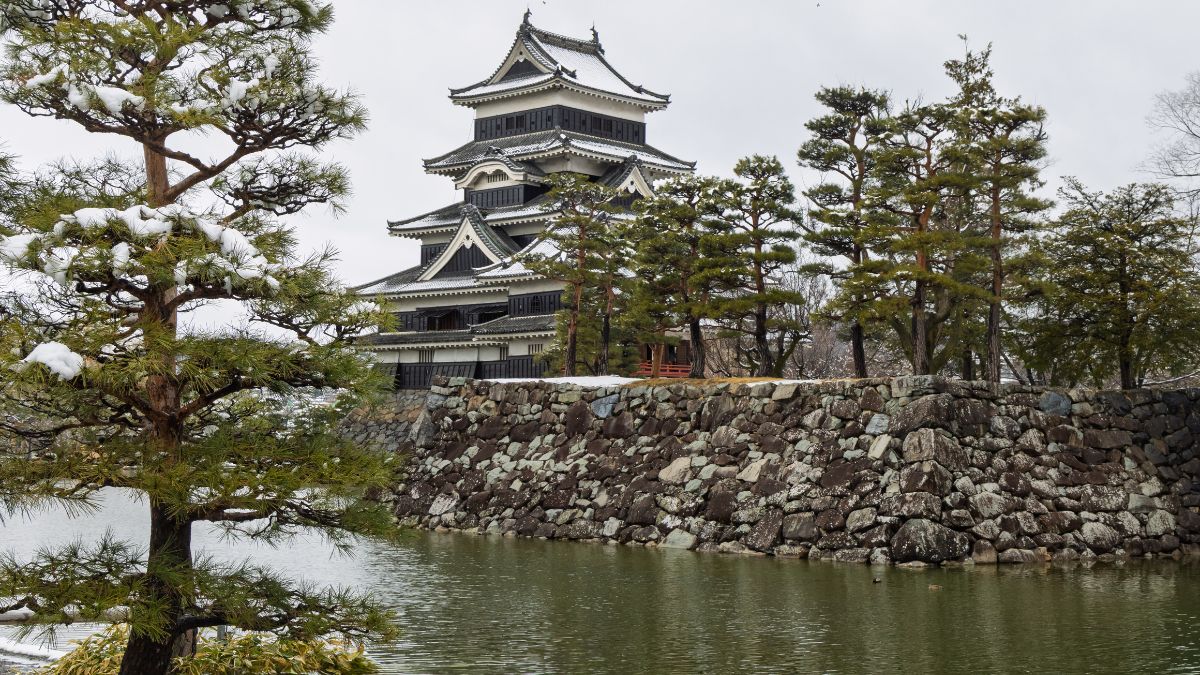
Scattered across the globe, certain communities have quietly mastered the art of living well into old age with remarkable energy and purpose. Researchers and health scientists have spent decades studying these populations in hopes of uncovering the daily habits, dietary patterns, social structures, and environmental conditions that contribute to their extraordinary longevity. What emerges is a fascinating portrait of diverse cultures united by surprisingly consistent principles of wellness, community, and intentional living.
Okinawa, Japan
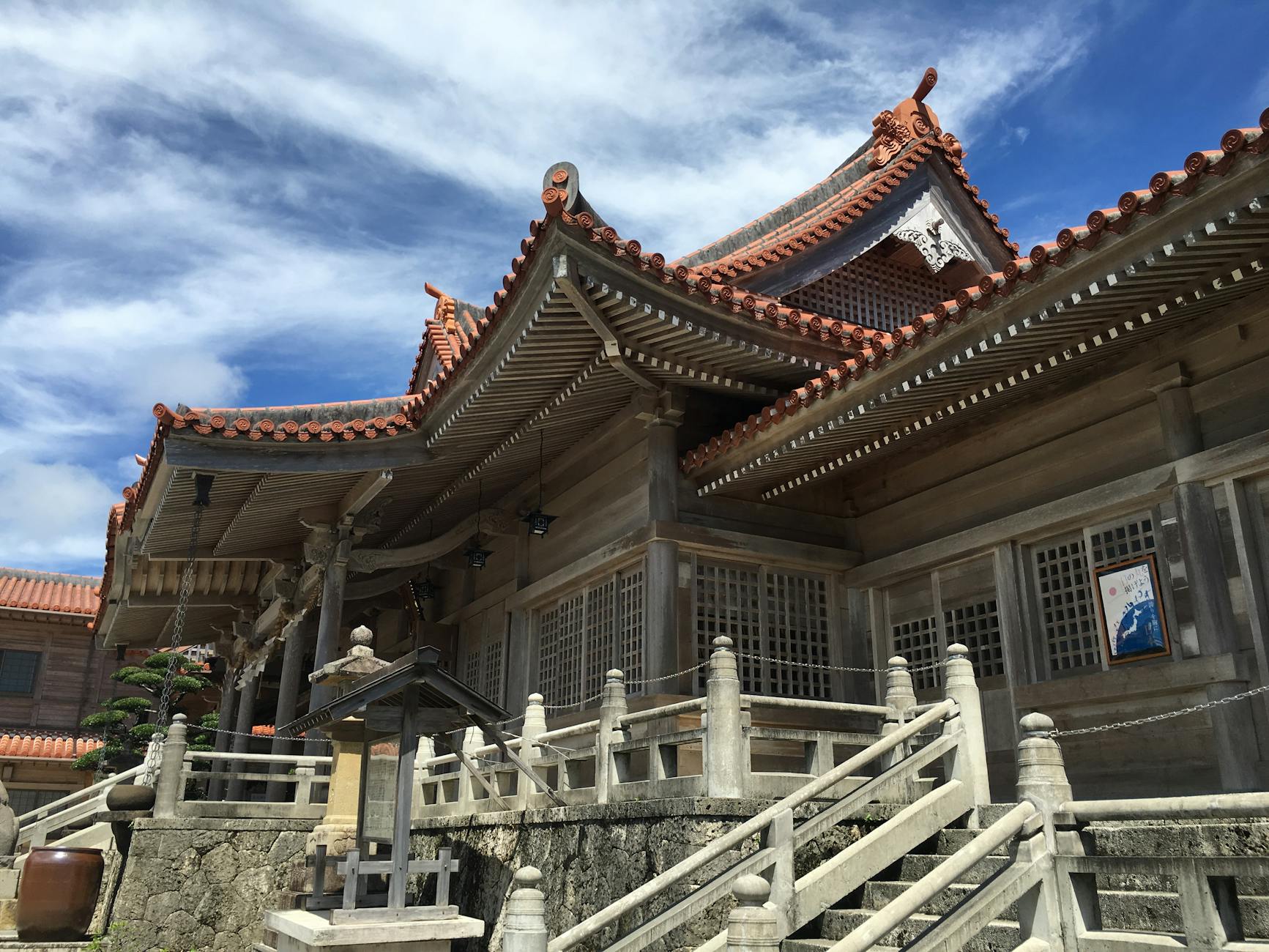
Okinawa has long captured the attention of longevity researchers for its unusually high concentration of centenarians per capita. The traditional diet here is rich in purple sweet potatoes, bitter melon, tofu, and seaweed, all of which are low in calories and high in antioxidants. A deeply rooted cultural practice called “hara hachi bu” encourages people to stop eating when they feel about eighty percent full, naturally preventing overeating. Strong social bonds through tight-knit friend groups known as “moai” provide emotional support and a deep sense of belonging throughout life. Regular low-intensity movement, gardening, and meaningful daily purpose round out a lifestyle that consistently produces exceptional lifespans.
Sardinia, Italy
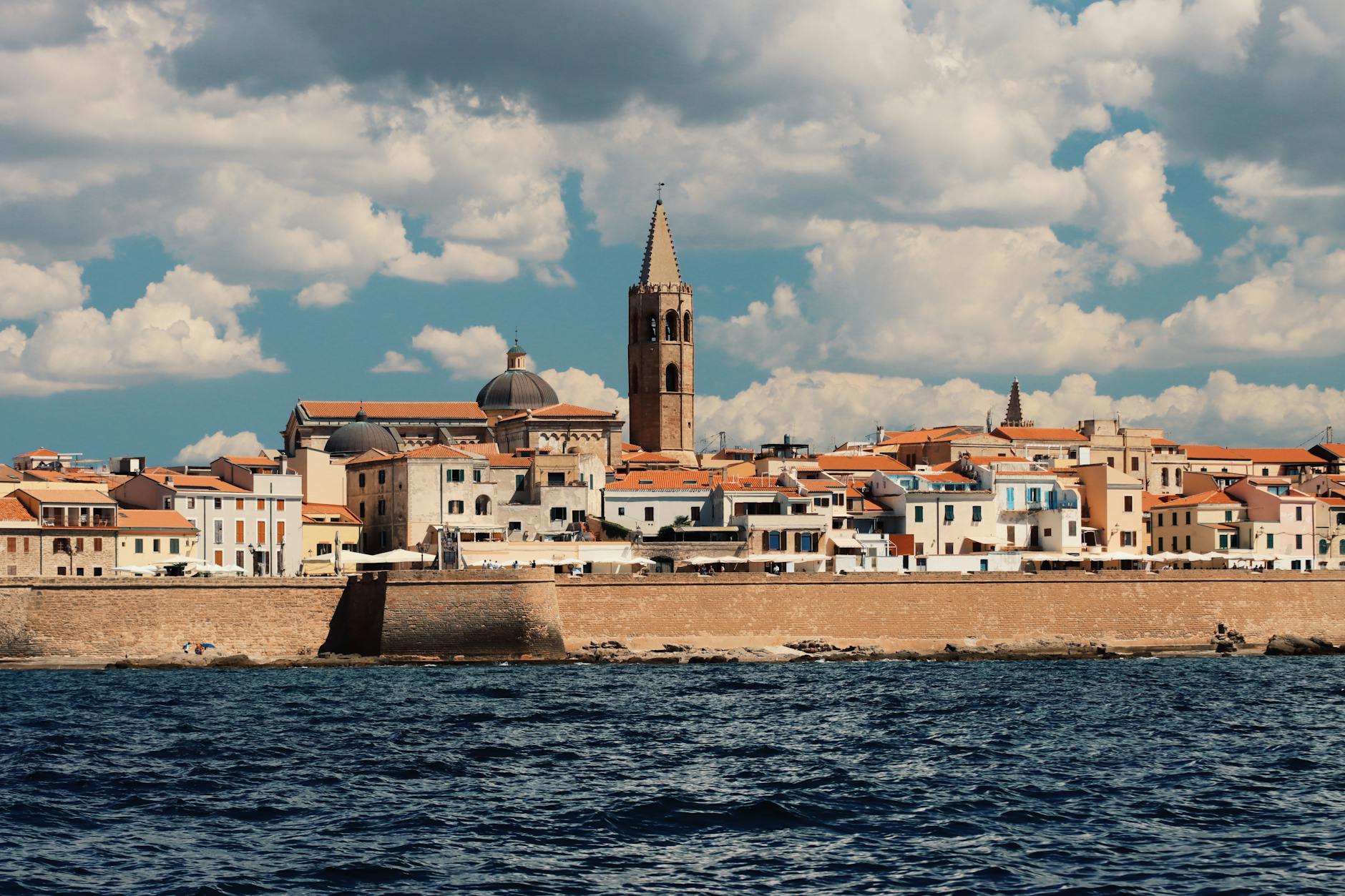
The mountainous Barbagia region of Sardinia is home to one of the highest concentrations of male centenarians anywhere in the world. The local diet revolves around whole grains, legumes, garden vegetables, and small amounts of locally produced sheep’s milk cheese and wine. Unlike many Western populations, Sardinian men remain physically active well into advanced age through shepherding and walking across rugged terrain. Family and community are considered sacred here, and elderly individuals are deeply respected and kept central to daily family life rather than isolated. This combination of purpose, physical activity, and Mediterranean eating habits contributes significantly to their remarkable health outcomes.
Nicoya Peninsula, Costa Rica
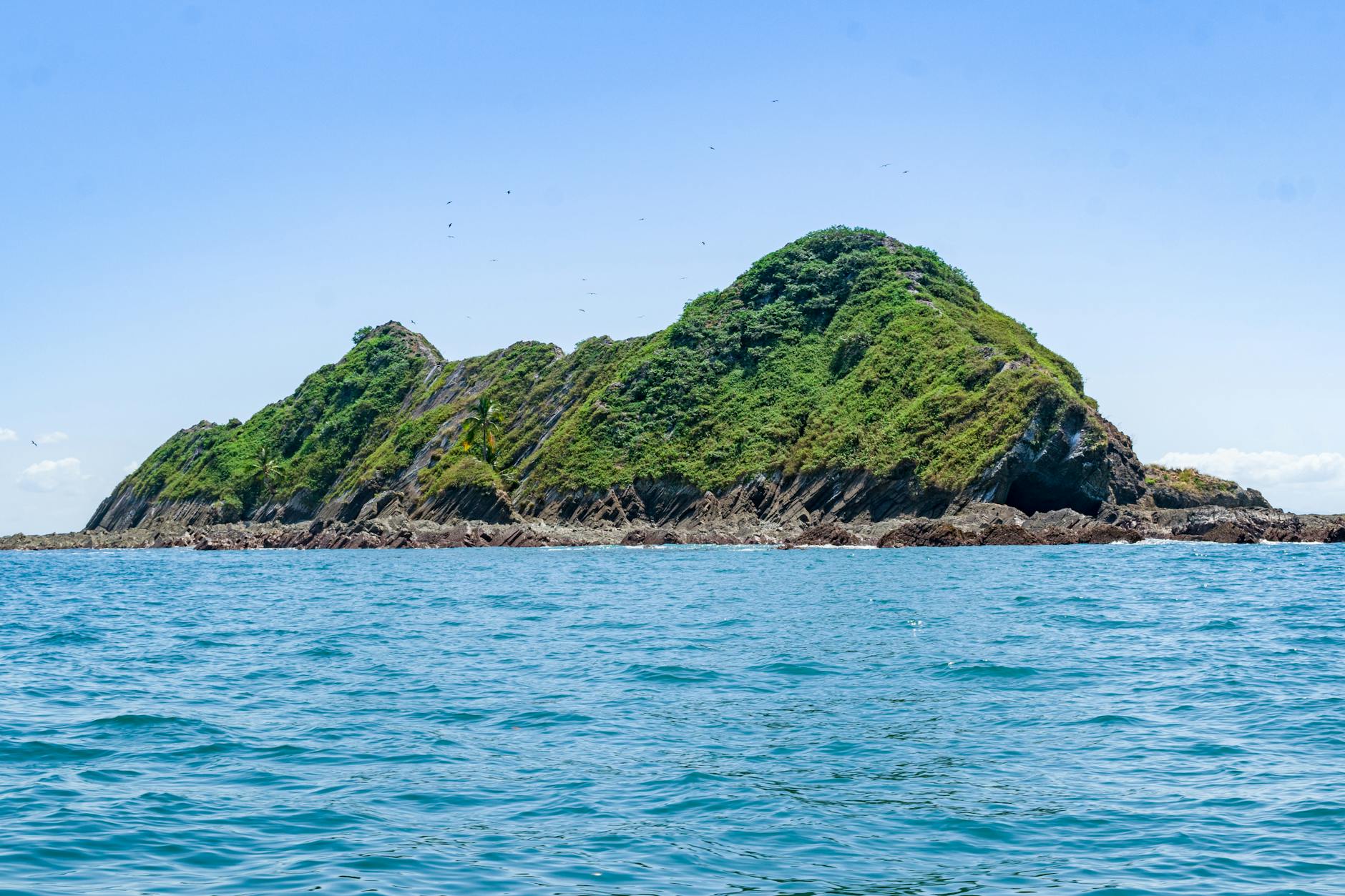
The Nicoya Peninsula stands as one of the rare longevity hotspots located in a developing nation, making its secrets particularly compelling for researchers. The traditional diet is anchored in corn tortillas, black beans, squash, and tropical fruits, providing a nutrient-dense foundation that is also deeply affordable. Residents typically have a strong sense of life purpose known locally as “plan de vida,” which gives them a daily reason to rise and engage with the world. Physical labor continues naturally through farming and household tasks well into old age, keeping bodies strong without the need for formal exercise. Deep faith, family cohesion, and regular face-to-face social interaction further reinforce both mental and emotional resilience.
Loma Linda, California

Loma Linda is a small city in Southern California that harbors a thriving community of Seventh-day Adventists whose religious practices happen to align closely with science-backed longevity habits. Members of this community follow a predominantly plant-based diet, with many abstaining entirely from meat, alcohol, and caffeine. The Sabbath is observed as a full day of rest, prayer, and social connection each week, providing a structured and reliable rhythm of recovery and renewal. Volunteerism and service to others are embedded in the community’s values, which research consistently links to reduced stress and improved mental health. The result is a population that lives on average several years longer than the typical American while maintaining higher levels of physical function into late life.
Ikaria, Greece
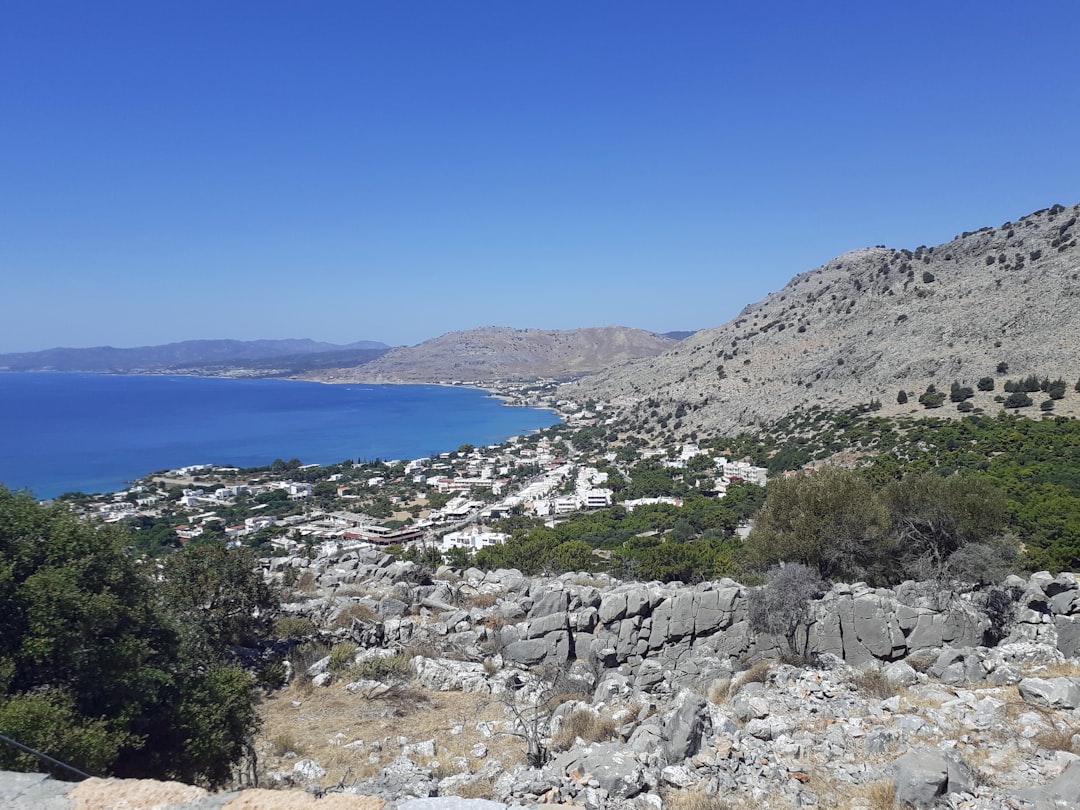
The Greek island of Ikaria has earned a reputation as a place where people seem to forget to die, with residents routinely living active lives well past their nineties. The island’s isolation has preserved traditional dietary and social customs that have since been largely abandoned in more urbanized Greek communities. Meals are built around olive oil, wild greens, legumes, herbal teas, and moderate amounts of locally produced red wine consumed with food. Afternoon naps are a cultural norm across much of the island, which studies suggest dramatically reduce cardiovascular stress over a lifetime. Social gatherings, late evening meals shared with neighbors, and a general unhurried pace of life create an environment where chronic stress has little room to take hold.
Ogliastra, Sardinia

Distinct even from the broader Sardinian longevity zone, Ogliastra is a particularly isolated and mountainous subregion where ancient genetic lineages have remained remarkably intact over centuries. The population here subsists on a diet of flatbread called carta di musica, local cheeses, legumes, and vegetables grown in small family plots. Isolation from outside cultural influences has helped preserve not only traditional eating habits but also a strong intergenerational family structure where the elderly are active contributors to household life. The physical demands of mountain living, including daily walking over steep terrain, provide consistent cardiovascular and muscular conditioning without structured exercise routines. Genetic studies in this region have identified several biological markers associated with slower aging, suggesting that lifestyle and heredity work in powerful partnership here.
Ovodda, Sardinia
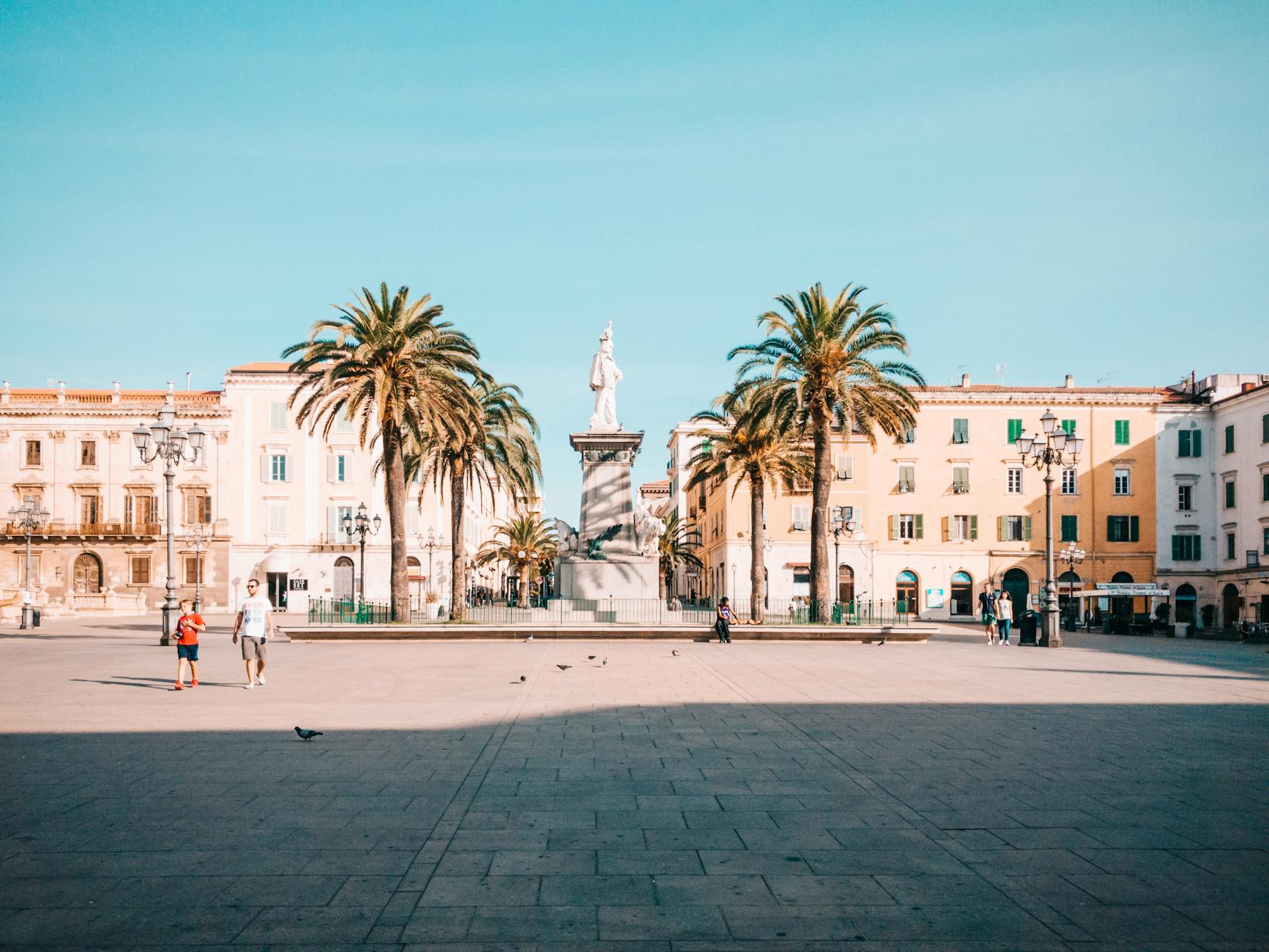
Ovodda is a tiny village nestled deep within Sardinia that has produced a disproportionate number of centenarians relative to its small population size. Life here moves slowly and deliberately, shaped by centuries of pastoral tradition and agricultural practice that have changed little with modernization. The village diet remains close to the land, featuring homemade pasta, legume-based soups, and seasonal vegetables harvested from personal gardens. Strong communal ties mean that no resident faces hardship or aging alone, with neighbors and extended family providing consistent social and practical support. Scientists point to the interplay between genetic homogeneity, clean mountain air, minimal environmental pollution, and deeply traditional living as collectively responsible for Ovodda’s remarkable longevity statistics.
Hunza Valley, Pakistan
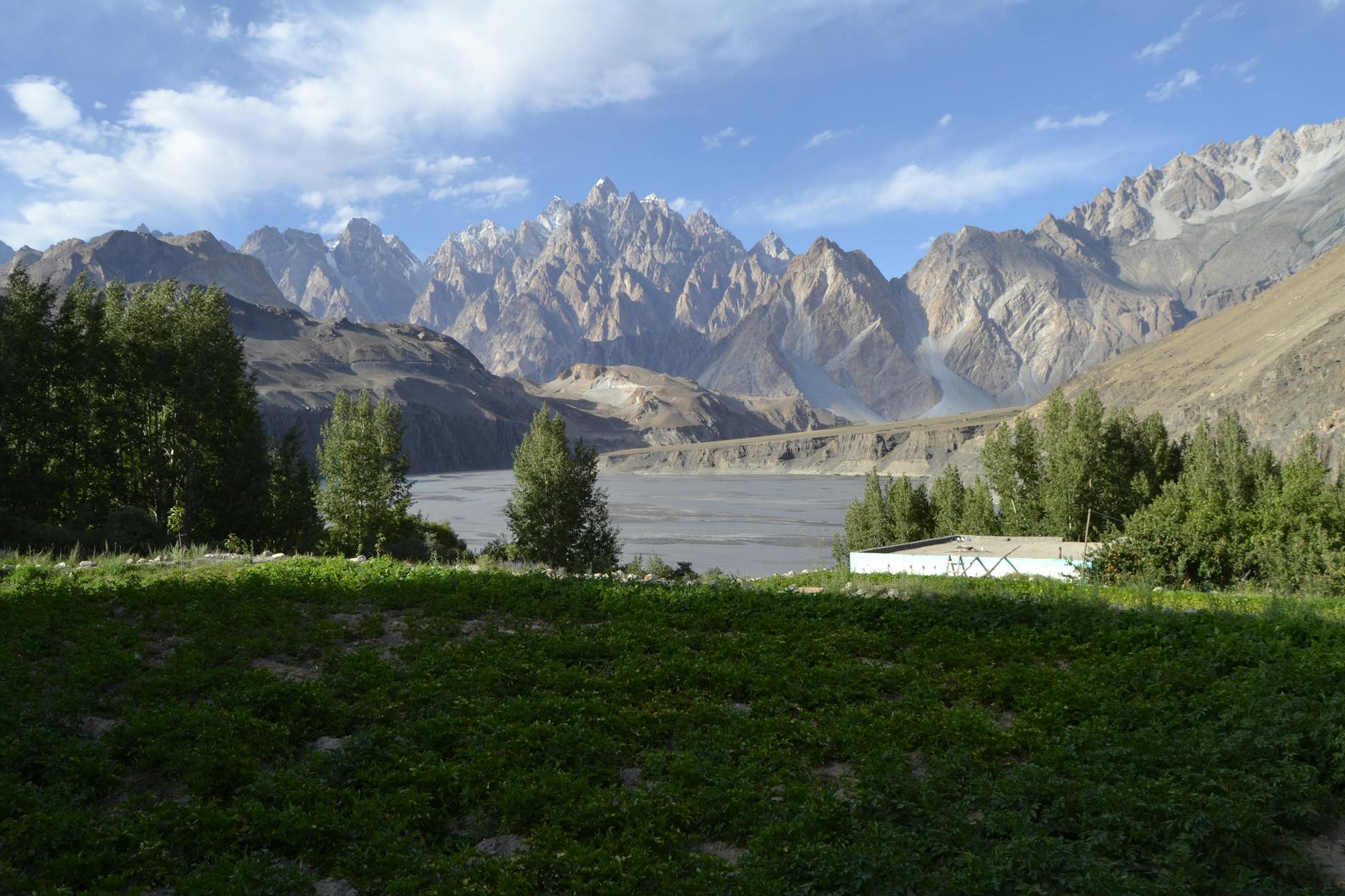
Tucked into the Karakoram mountain range in northern Pakistan, the Hunza Valley has fascinated health researchers for generations with its population’s reported vitality and long lives. The traditional Hunza diet is centered on apricots, mulberries, whole grains, legumes, and vegetables, with meat consumed very sparingly and primarily during celebrations. Glacial meltwater that supplies the valley is rich in minerals and is believed to contribute to the region’s distinctive health profile. Physical activity is unavoidable in this mountainous environment, where terraced farming and long walking distances are simply part of everyday life. The Hunza people are also noted for their calm and unhurried temperament, a cultural trait that researchers associate with lower rates of stress-related illness.
Campodimele, Italy
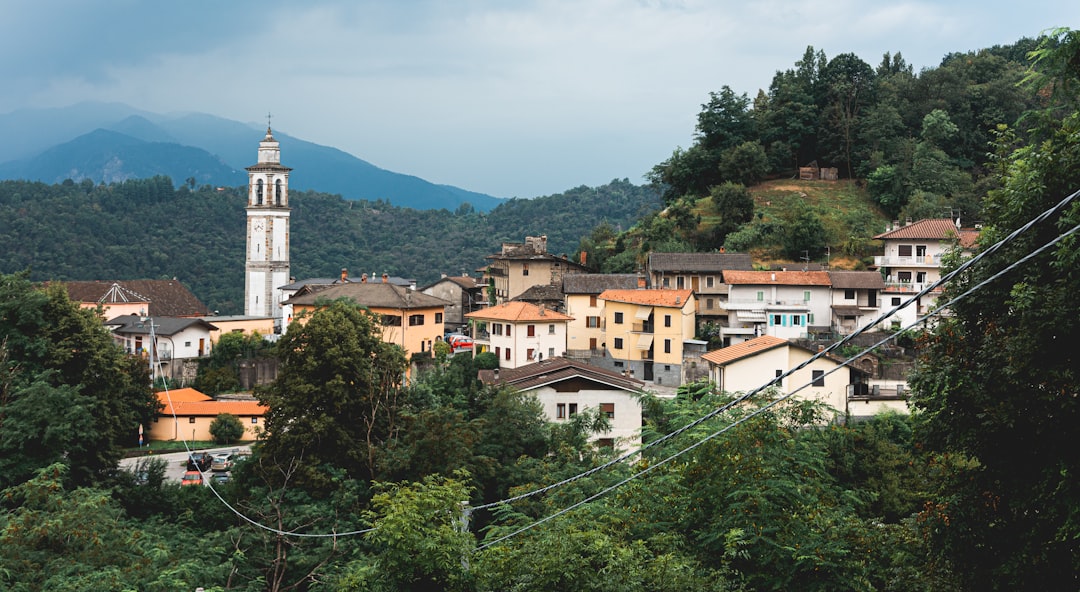
Campodimele is a hilltop village in the Lazio region of Italy that has earned the nickname “the village of eternal youth” due to its extraordinary rate of residents living past one hundred. The local diet draws heavily from the Mediterranean tradition, with homegrown vegetables, olive oil, legumes, and fresh herbs forming the backbone of most daily meals. Residents here tend to maintain lifelong engagement with physical work, including gardening and small-scale farming that keeps them active without the modern concept of formal exercise. The village’s geography also plays a role, as daily walking over hilly terrain provides consistent low-intensity cardiovascular conditioning. Social life in Campodimele is deeply communal, with shared meals, village festivals, and multigenerational households maintaining strong emotional bonds throughout life.
Acciaroli, Italy

The small coastal village of Acciaroli in southern Italy sits along the Cilento coast and has attracted significant scientific attention for its high number of elderly residents in remarkably good health. Rosemary grows abundantly in the region and is consumed daily in cooking, and researchers have noted that the local variety contains unusually high levels of compounds associated with circulatory and cognitive health. The village diet reflects classic southern Italian traditions with fresh fish, olive oil, tomatoes, and legumes playing prominent roles in daily meals. Residents remain physically active through fishing, walking, and tending to small plots of land well into advanced age. The pace of life is gentle and unhurried, and older residents remain fully integrated into family and village social life rather than living in isolation.
Bama County, China
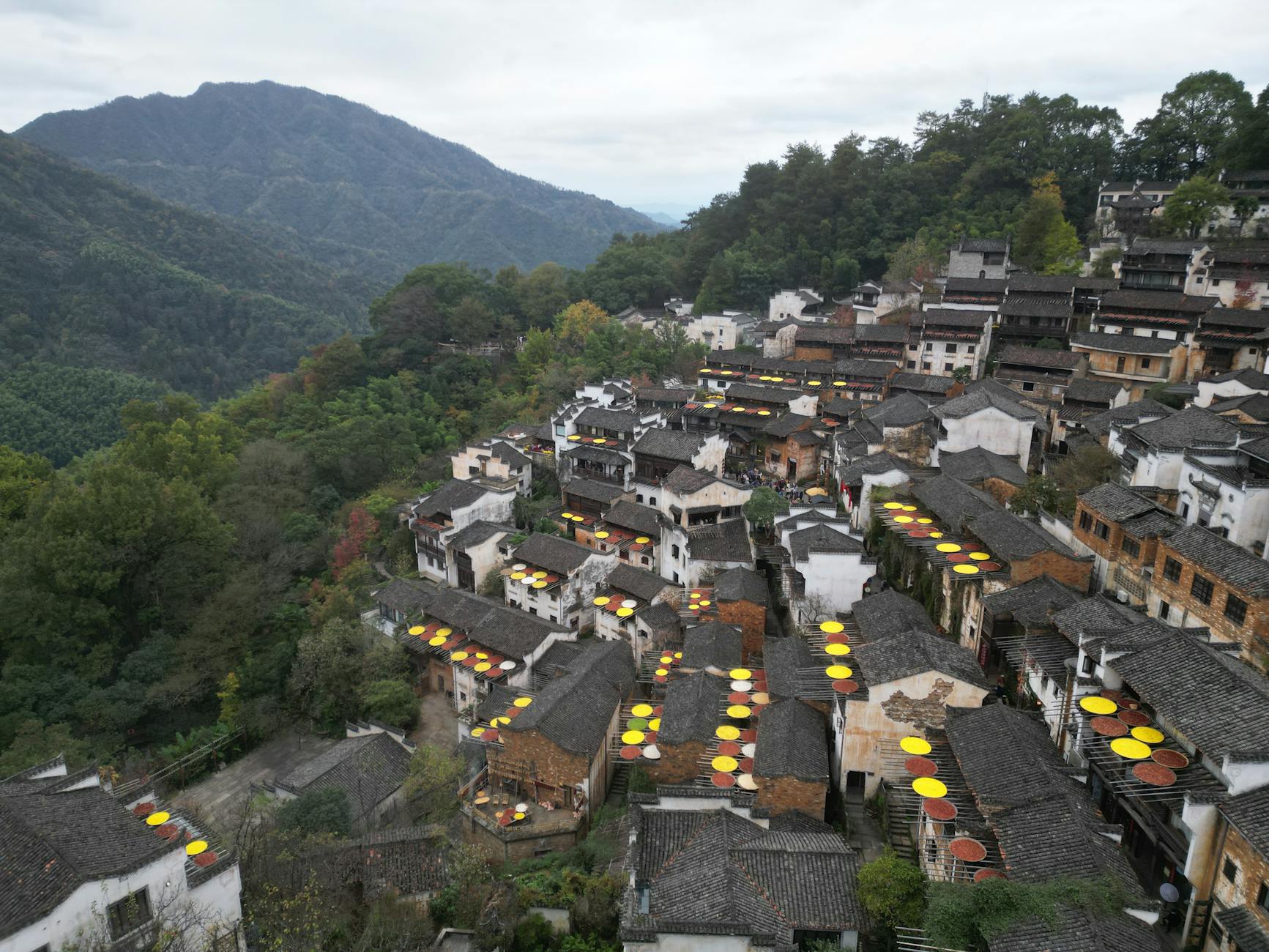
Bama County in the Guangxi region of southern China is one of Asia’s most celebrated longevity clusters, with a concentration of centenarians that has drawn researchers from around the world. The local diet is simple and plant-centered, built around corn porridge, hemp oil, bamboo shoots, wild herbs, and river fish, with virtually no processed foods in the traditional household. Residents typically wake early, engage in physical labor throughout the day, and retire shortly after sunset, maintaining a natural circadian rhythm that supports restorative sleep. The Panyang River running through the valley is noted for its high negative ion concentration, and the surrounding air quality is exceptionally clean by regional standards. Strong family bonds and a cultural reverence for the elderly ensure that older residents remain engaged, valued, and purposeful throughout their extended lives.
Abkhazia, Georgia
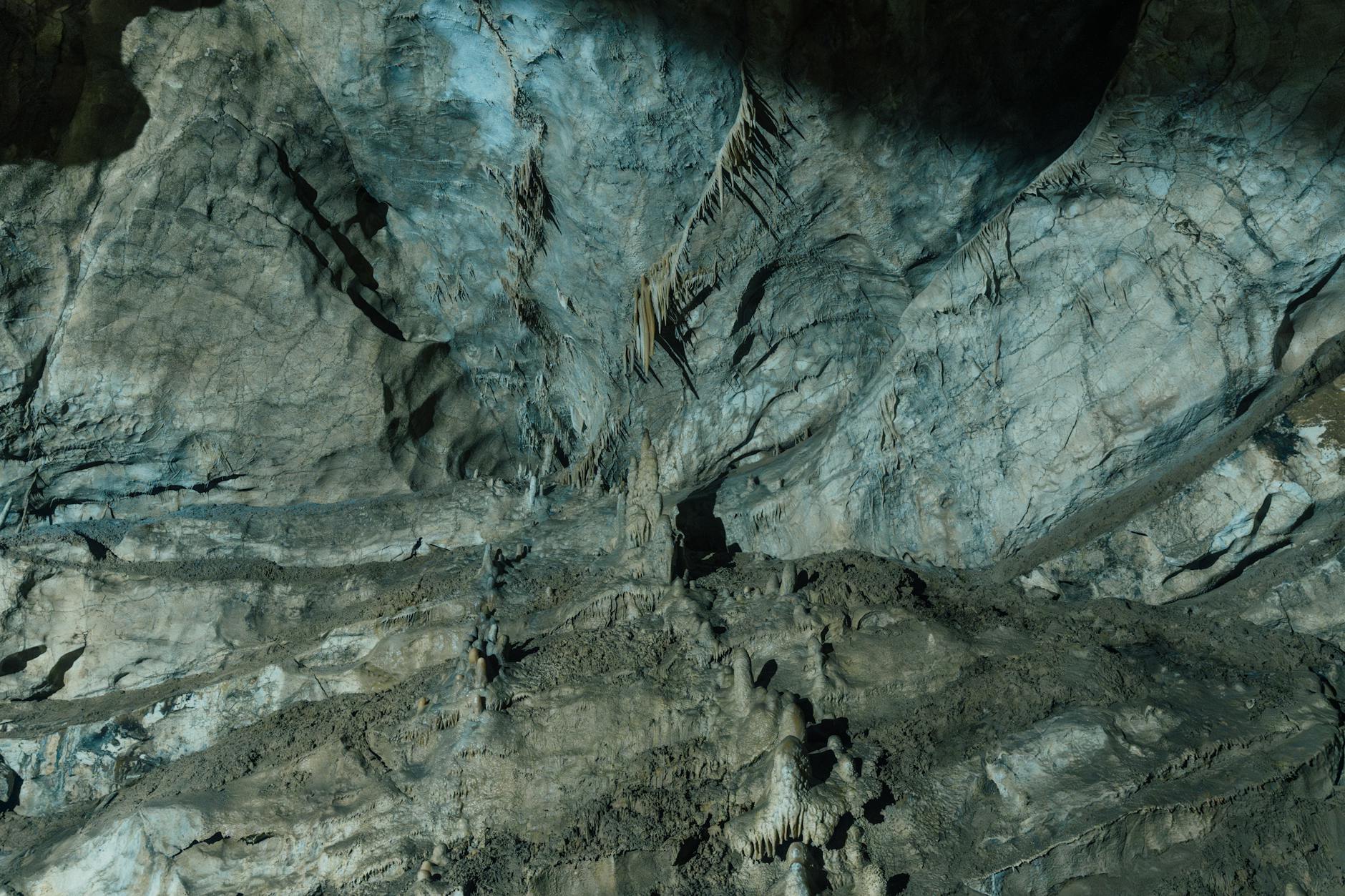
The mountainous republic of Abkhazia in the South Caucasus region has been recognized for decades as home to populations with an unusually high proportion of exceptionally long-lived individuals. The traditional diet in this region includes fermented dairy products, particularly a yogurt-like drink called matsoni, along with fresh vegetables, beans, cornbread, and moderate amounts of red wine. Physical labor is considered a lifelong virtue here, and many Abkhazian elders continue farming and herding well into their eighties and beyond without considering it unusual. Age is viewed as a mark of honor and wisdom rather than decline, and the elderly occupy positions of genuine social respect and authority within their communities. This cultural attitude toward aging appears to reduce the stress and psychological burden that often accompanies growing old in societies where youth is disproportionately celebrated.
Vilcabamba, Ecuador
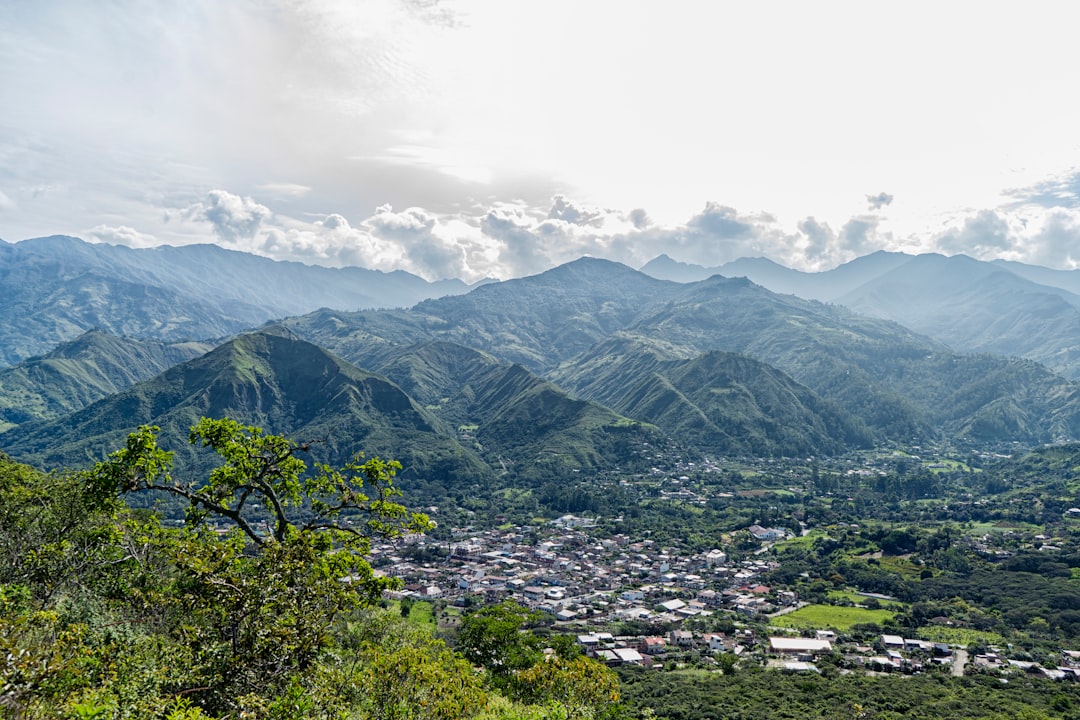
Nestled in the Andes mountains of southern Ecuador, Vilcabamba has long held a mystical reputation as a valley of longevity, drawing researchers and wellness seekers for decades. The climate here is remarkably stable throughout the year, with mild temperatures, clean mountain air, and mineral-rich spring water that residents drink and use for irrigation. The local diet is predominantly plant-based, featuring fresh fruits, vegetables, legumes, and grains grown in fertile volcanic soil with minimal use of agricultural chemicals. Daily physical activity flows naturally from the terrain, as residents walk steep mountain paths and work agricultural land as part of their regular routine. The relaxed social atmosphere and low population density contribute to a notably stress-free environment that appears to support both mental clarity and physical health across the lifespan.
Seventh-day Adventist Communities, Canada
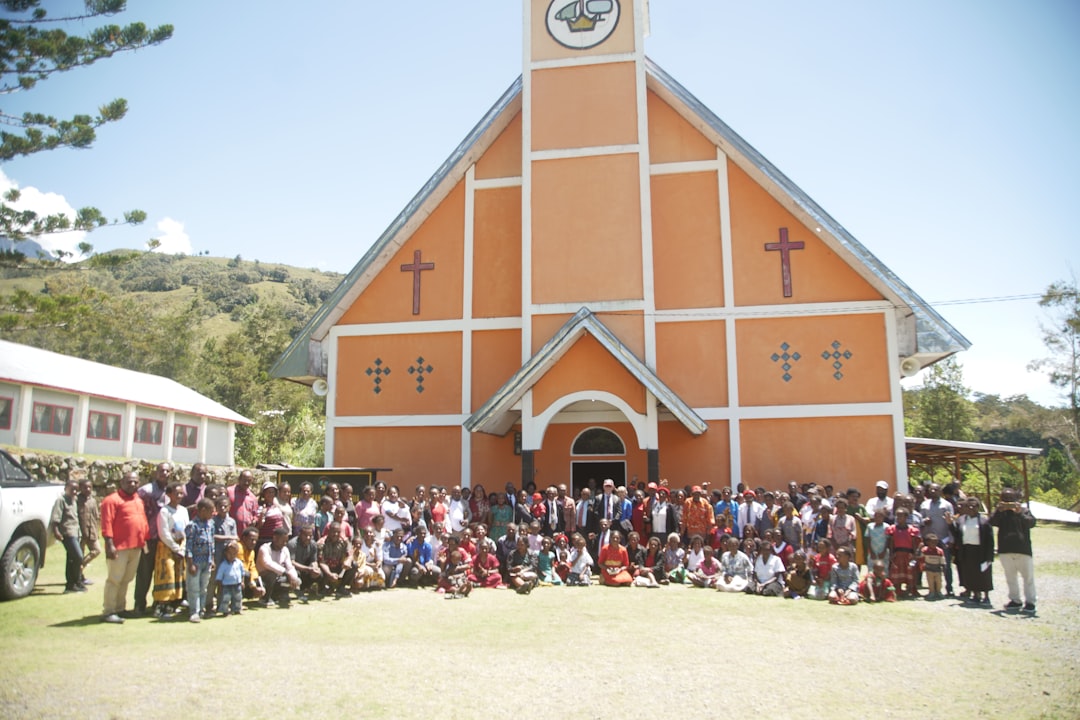
Seventh-day Adventist communities in parts of Canada, particularly in British Columbia, mirror many of the health patterns observed among their counterparts in Loma Linda and consistently outperform regional life expectancy averages. The dietary emphasis within these communities leans strongly toward plant-based whole foods, with many members following vegetarian or vegan practices rooted in religious conviction. Weekly Sabbath observance provides a built-in interval of rest and spiritual reflection that creates a reliable stress-reduction rhythm across the entire year. Community life is rich and structured around shared worship, volunteerism, and regular social gatherings that counteract the isolation increasingly common in modern urban life. Health studies tracking these populations over decades consistently find lower rates of heart disease, certain cancers, and diabetes compared to surrounding non-Adventist populations.
Montacute, England
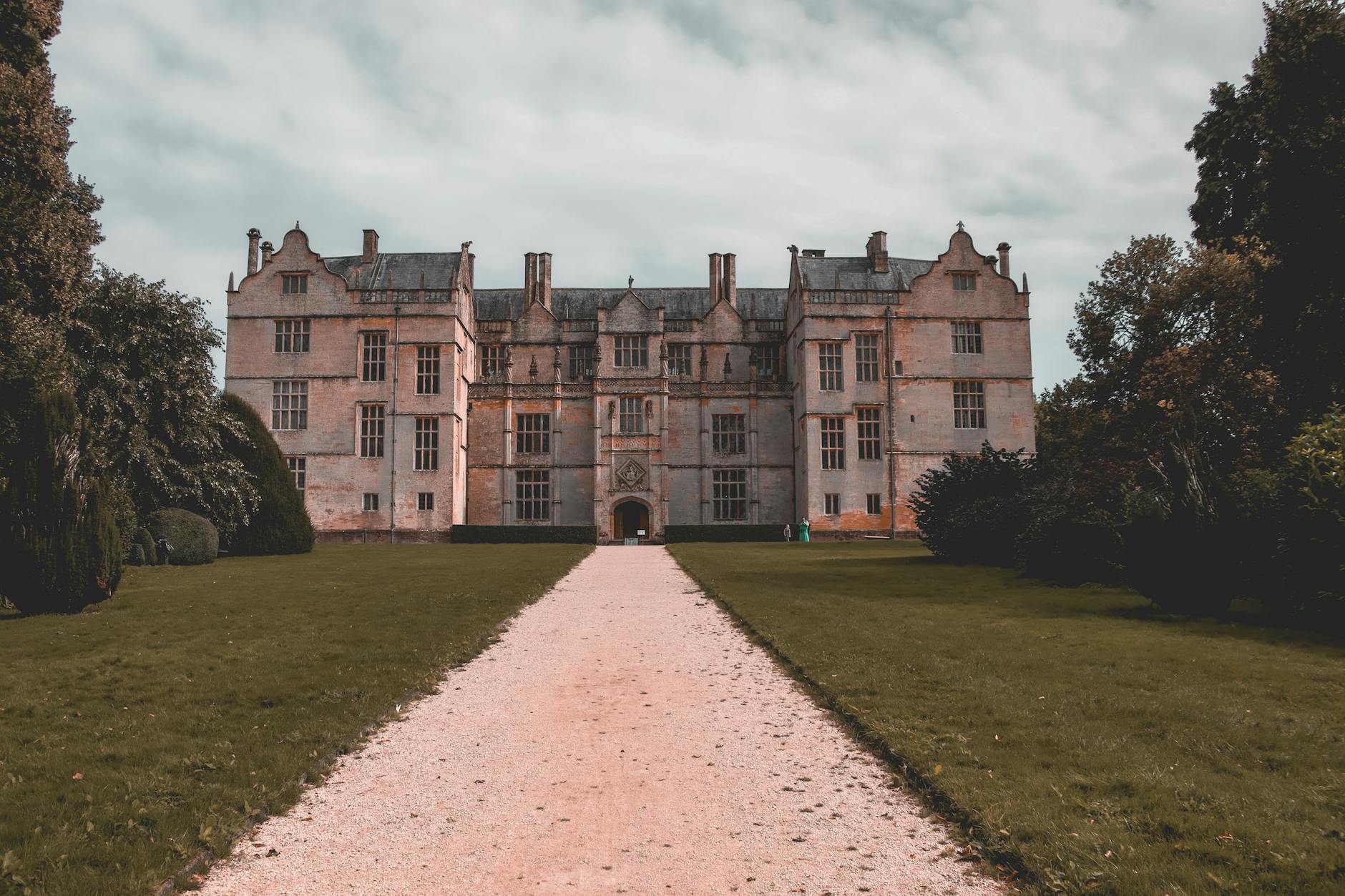
Rural communities in the Somerset countryside around Montacute and similar English villages have attracted longevity researchers interested in how traditional rural British life compares to better-known global hotspots. The combination of clean country air, moderate walking distances as part of daily life, and strong social ties embedded in village culture contributes to health outcomes that outperform urban British averages. Traditional allotment gardening remains popular among older residents, providing both physical activity and a reliable source of fresh seasonal produce throughout much of the year. The local culture of regular community gathering through church, market, and village events ensures that social connection is woven into weekly routines rather than treated as an occasional activity. While not as dramatic as the Blue Zones, this type of English rural community illustrates that the principles of longevity are accessible outside of exotic or extreme environments.
Nagano Prefecture, Japan
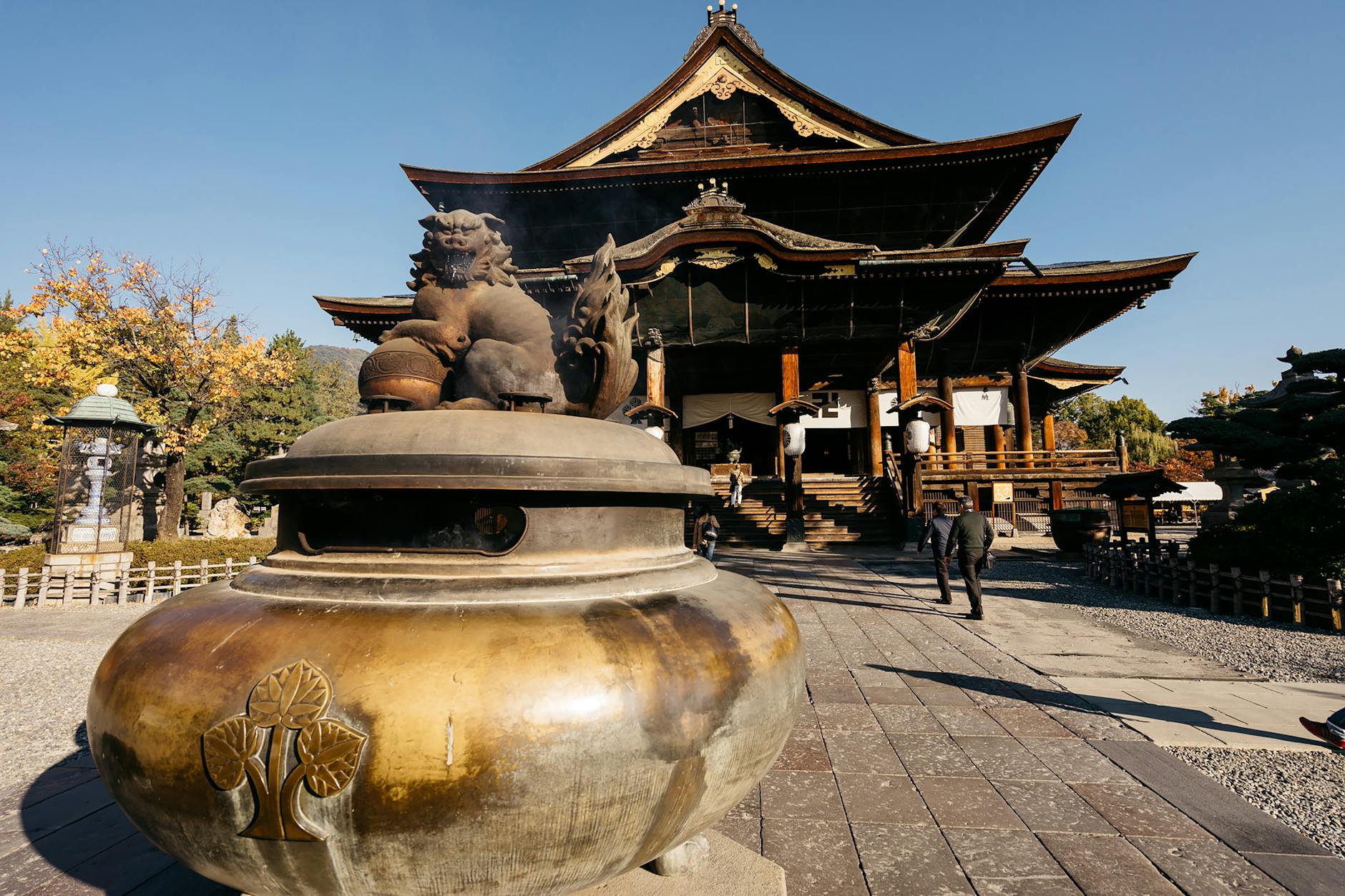
Nagano Prefecture in the Japanese Alps consistently ranks at or near the top of Japan’s prefectural longevity rankings, which is significant given that Japan already leads global life expectancy statistics. The region’s diet has been shaped in part by public health campaigns dating back decades that successfully reduced sodium intake and increased vegetable and fruit consumption among the local population. Nagano residents benefit from clean mountain air, access to natural hot springs known as onsen, and a cultural emphasis on outdoor activity including hiking and skiing that keeps the population physically active across age groups. The community has a strong tradition of local food production, with residents maintaining household vegetable gardens and preserving traditional fermented foods as part of everyday cooking. Social cohesion in Nagano is reinforced through regional festivals, neighborhood associations, and a deep collective pride in the prefecture’s identity and natural environment.
New South Wales Blue Mountains, Australia
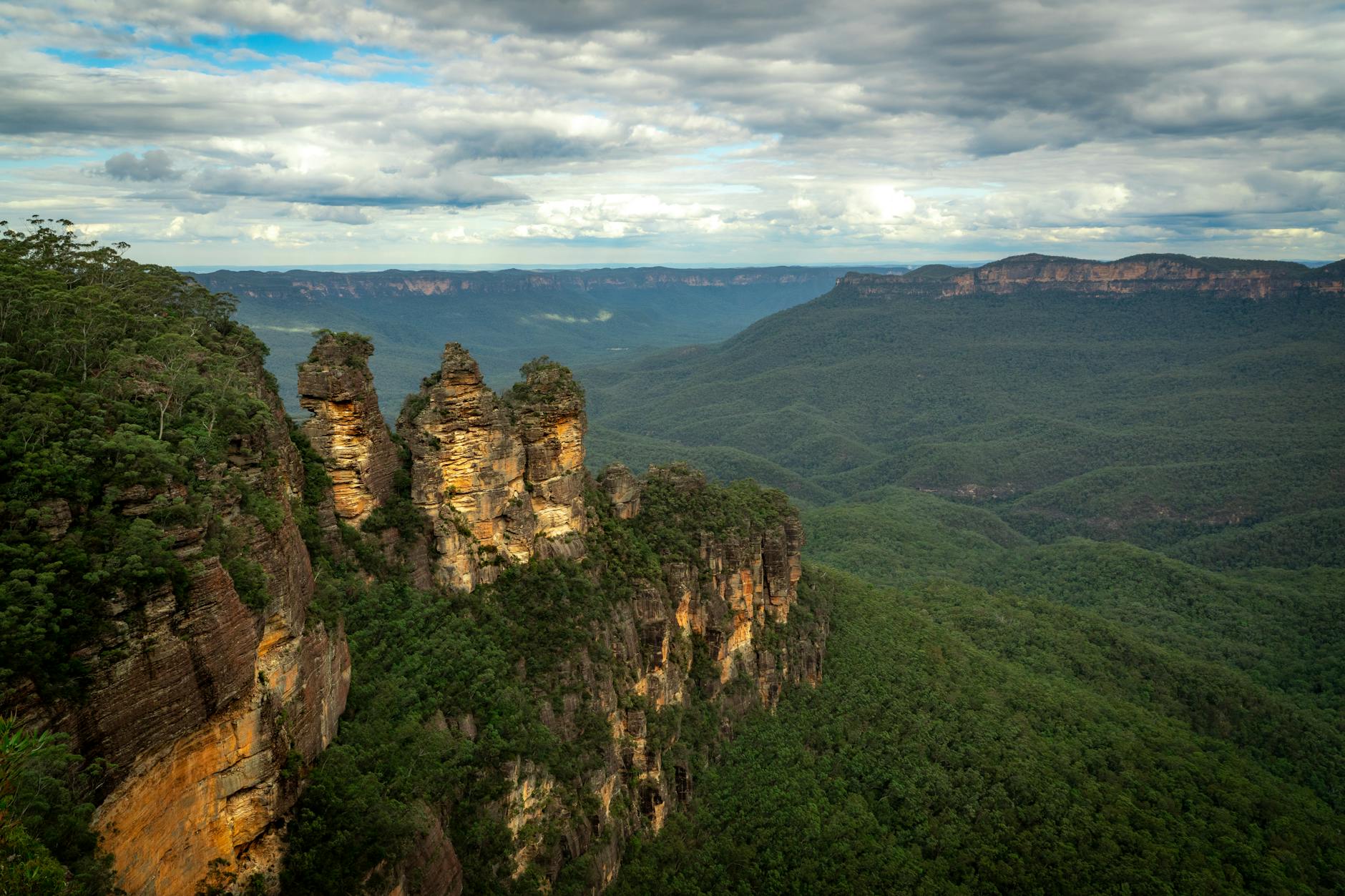
Certain communities within the Blue Mountains region of New South Wales have drawn attention for health outcomes and longevity statistics that stand out relative to broader Australian averages. The clean mountain air, access to extensive national parkland, and the natural invitation to walk, hike, and engage with nature create a built environment that passively encourages daily physical activity. Residents in these communities tend to maintain strong social networks through local clubs, community gardens, arts organizations, and outdoor activity groups that span multiple generations. The diet in many Blue Mountains households reflects Australia’s multicultural food heritage while drawing heavily from Mediterranean and Asian traditions rich in plant-based ingredients and healthy fats. Researchers point to the unique combination of environmental quality, low urban stress, and high social engagement as key contributors to the region’s favorable health profile.
Barbagia Region, Sardinia

The broader Barbagia region of inland Sardinia encompasses several villages beyond Ovodda that collectively form one of the world’s most densely studied longevity populations. Sheep herding has been the backbone of life in these communities for generations, demanding consistent daily walking, lifting, and physical problem-solving that maintains muscular and cardiovascular fitness naturally. The regional diet is based on whole-grain flatbreads, legume soups, local vegetables, aged sheep’s milk cheese, and cannonau red wine, which has notably high levels of polyphenols compared to other varietals. The culture here places enormous weight on communal meals, extended family loyalty, and the expectation that older relatives will remain active and respected contributors to family decision-making. This deeply embedded respect for aging appears to produce measurable psychological benefits that translate directly into better physical health outcomes across the lifespan.
Yuzurihara, Japan
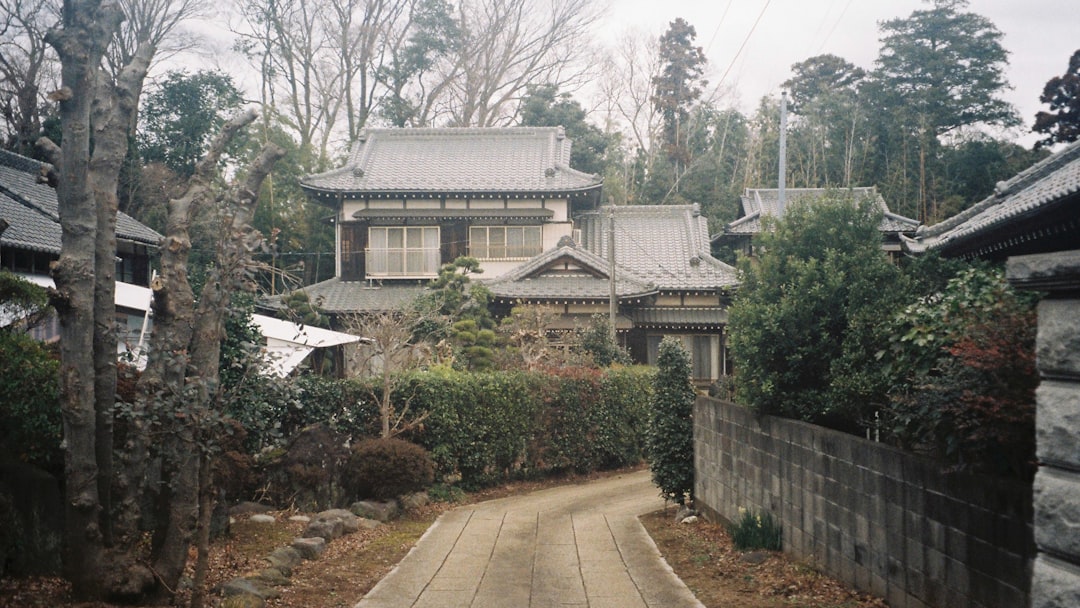
The small Japanese village of Yuzurihara has earned the nickname “the village of long and happy lives” and has been studied for decades in connection with the remarkably youthful appearance and flexibility of its elderly residents. Scientists have linked the health of Yuzurihara’s population in part to a diet rich in starchy root vegetables such as satsumaimo and satoimo, which are believed to stimulate the natural production of hyaluronic acid in the body. The village is nestled in a mountainous environment where residents traditionally grew their own food, walked considerable distances daily, and maintained close family and community bonds across generations. Farming continued as a primary activity well into advanced age, keeping residents physically active without formal exercise programs or gym memberships. The village has become a reference point in discussions about the relationship between diet, connective tissue health, and the quality of life in later years.
Taldy-Kurgan Region, Kazakhstan
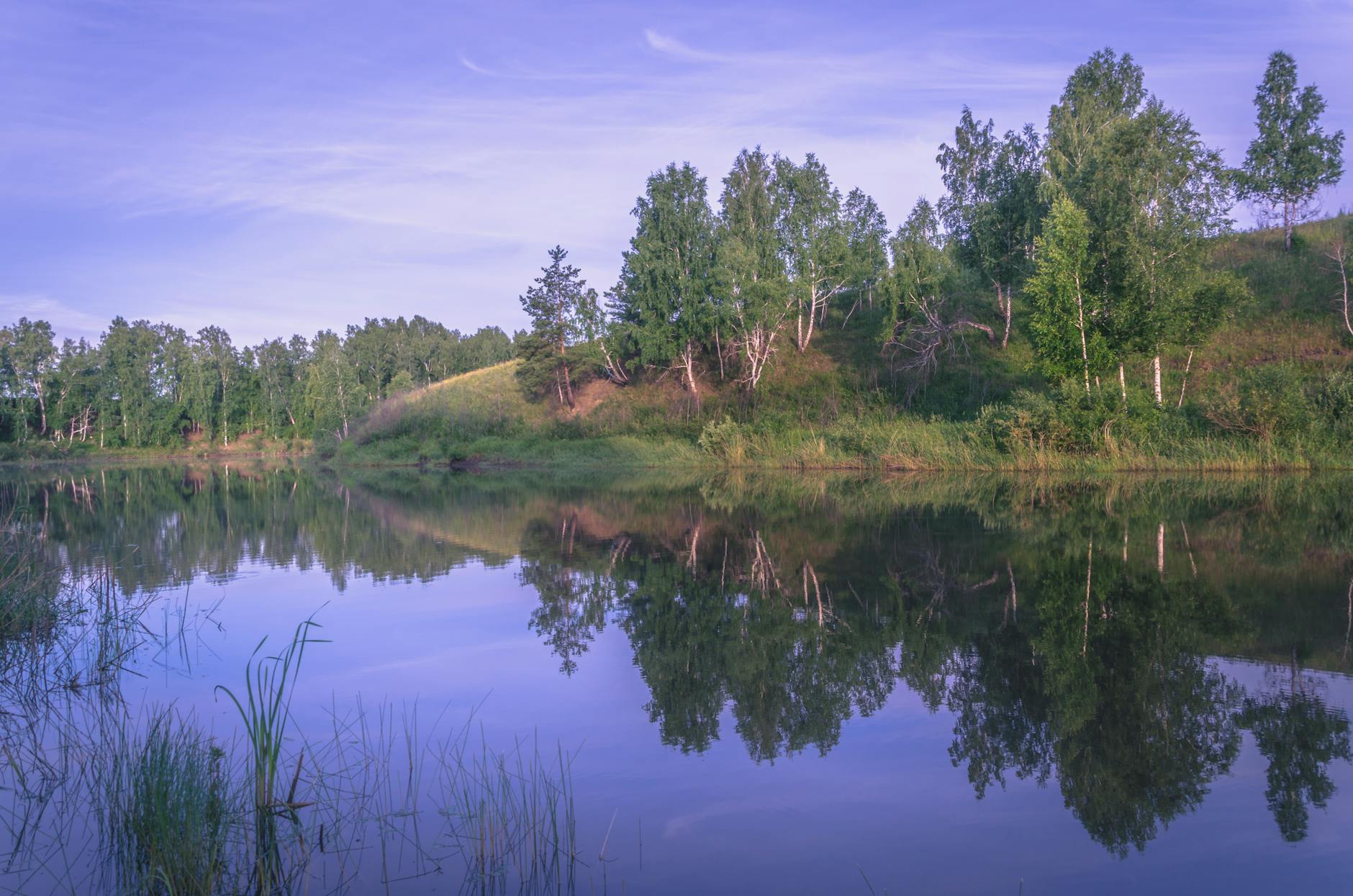
The Taldy-Kurgan region of Kazakhstan and surrounding areas of the Central Asian steppe have quietly accumulated longevity data that places them among the world’s more remarkable but less globally recognized examples of extended healthy lifespan. Traditional Kazakh life in these communities centers on fermented mare’s milk known as kumiss, along with lamb, vegetables, and hearty grain-based dishes that together form a nutritionally diverse diet shaped by centuries of nomadic adaptation. Physical activity has historically been embedded in daily life through animal husbandry, agricultural work, and the practical demands of maintaining households in a challenging climate. Strong extended family systems ensure that older community members remain purposeful and socially connected well into advanced age, with grandparents playing active roles in raising grandchildren and transmitting cultural knowledge. The region’s wide open spaces, low population density, and relative distance from industrial pollution also contribute to an environment that supports respiratory health and a lower chronic disease burden.
Which of these longevity secrets resonates most with your own lifestyle, and do you have a personal habit or cultural tradition that you believe contributes to a longer and healthier life? Share your thoughts in the comments.