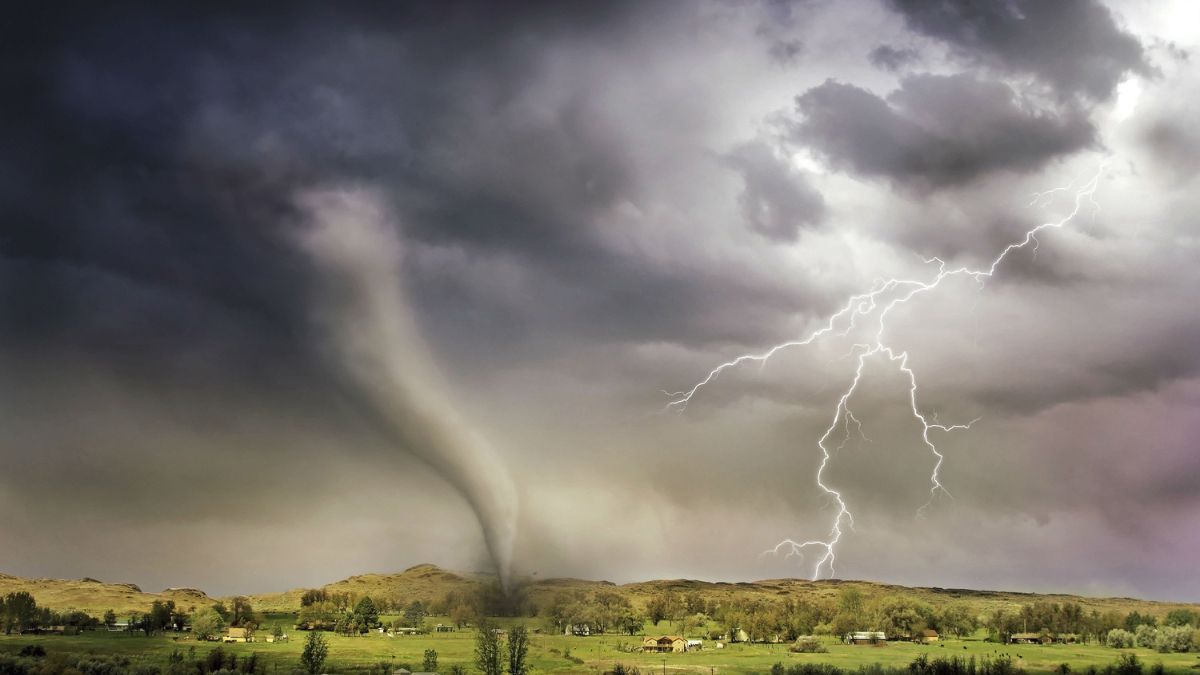
Across the globe, there are destinations where nature operates by its own ruthless schedule, shifting from calm to catastrophic faster than any forecast can predict. These are not places that merely experience bad weather on occasion but locations where the atmosphere itself seems to conspire against human survival at a moment’s notice. Travelers, climbers, and even locals have been caught off guard by conditions that escalate with terrifying speed. Understanding where these danger zones exist is essential knowledge for anyone who ventures into the wild or explores remote corners of the world. These are the places on Earth where the weather can turn deadly in minutes.
Mount Washington
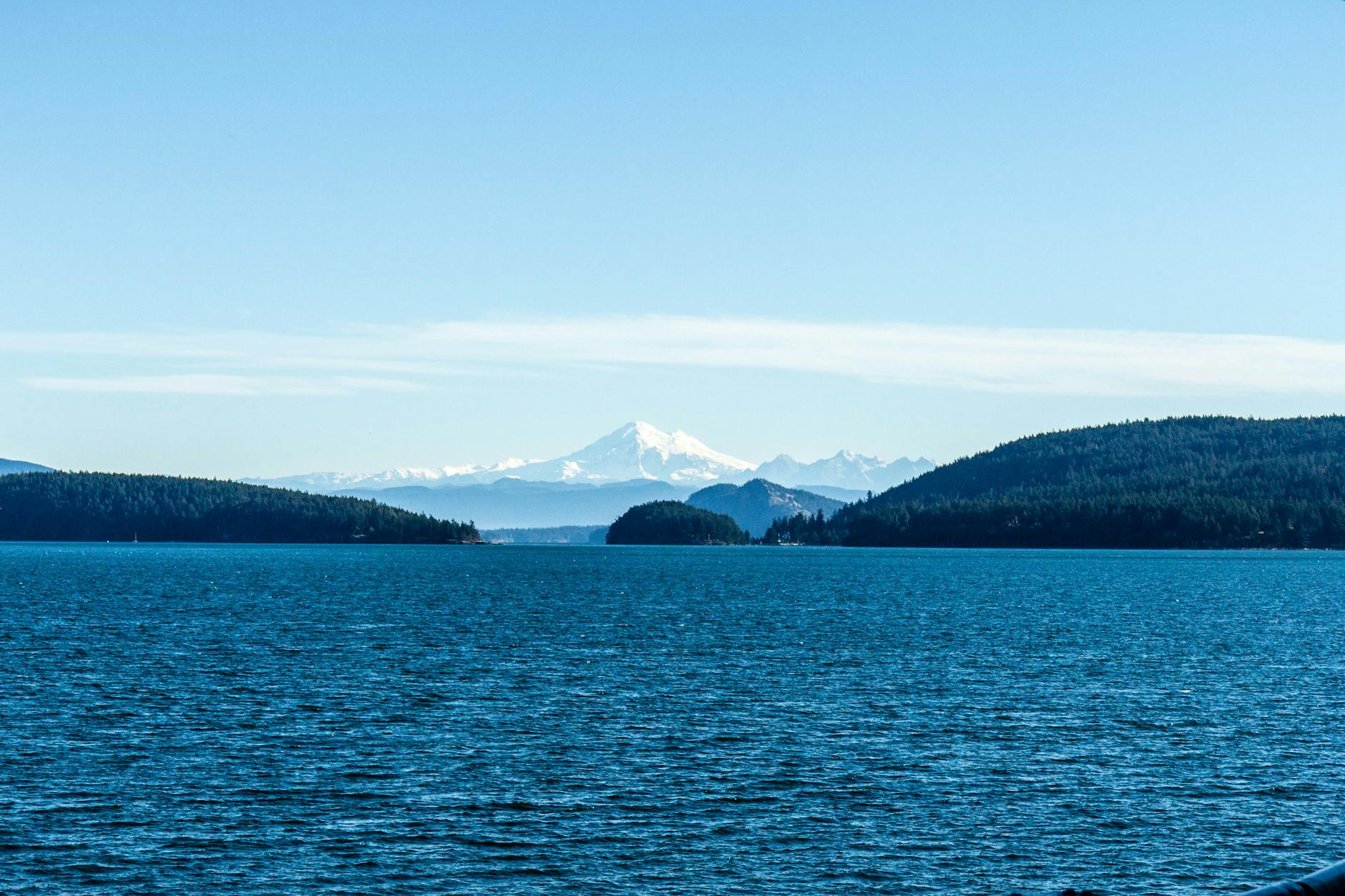
Located in New Hampshire, this peak holds the record for one of the highest surface wind speeds ever recorded on Earth. The mountain sits at the convergence of several major storm tracks, which creates conditions that can shift from mild to ferocious within seconds. Temperatures can plummet dramatically even in summer, and hikers in t-shirts have been caught in life-threatening blizzards with no warning. The summit experiences hurricane-force winds on an average of 110 days per year. Rescue operations on this mountain are frequent and often dangerous for the teams involved.
Tornado Alley
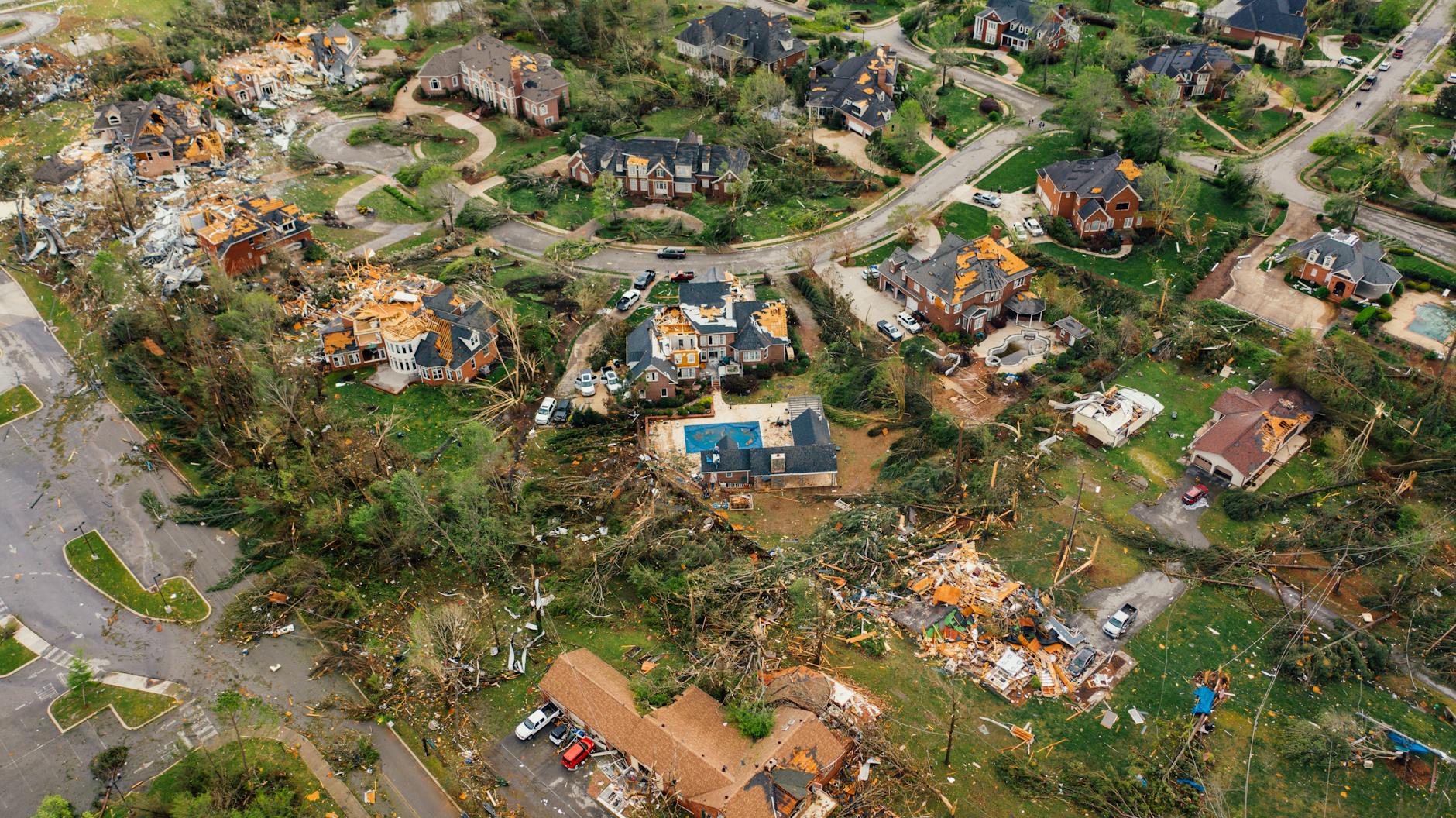
Stretching across the central United States through states like Oklahoma, Kansas, and Texas, this region is one of the most tornado-prone areas on the planet. The flat terrain allows warm, moist air from the Gulf of Mexico to collide violently with cold, dry air from the Rockies, producing supercell thunderstorms at extraordinary speed. A tornado can go from formation to full destructive power in under two minutes, leaving almost no time for those in its path to react. Wind speeds inside a violent twister can exceed 300 miles per hour, destroying everything in a matter of seconds. Spring and early summer are peak seasons, though tornadoes have been recorded in every month of the year.
The Sahara
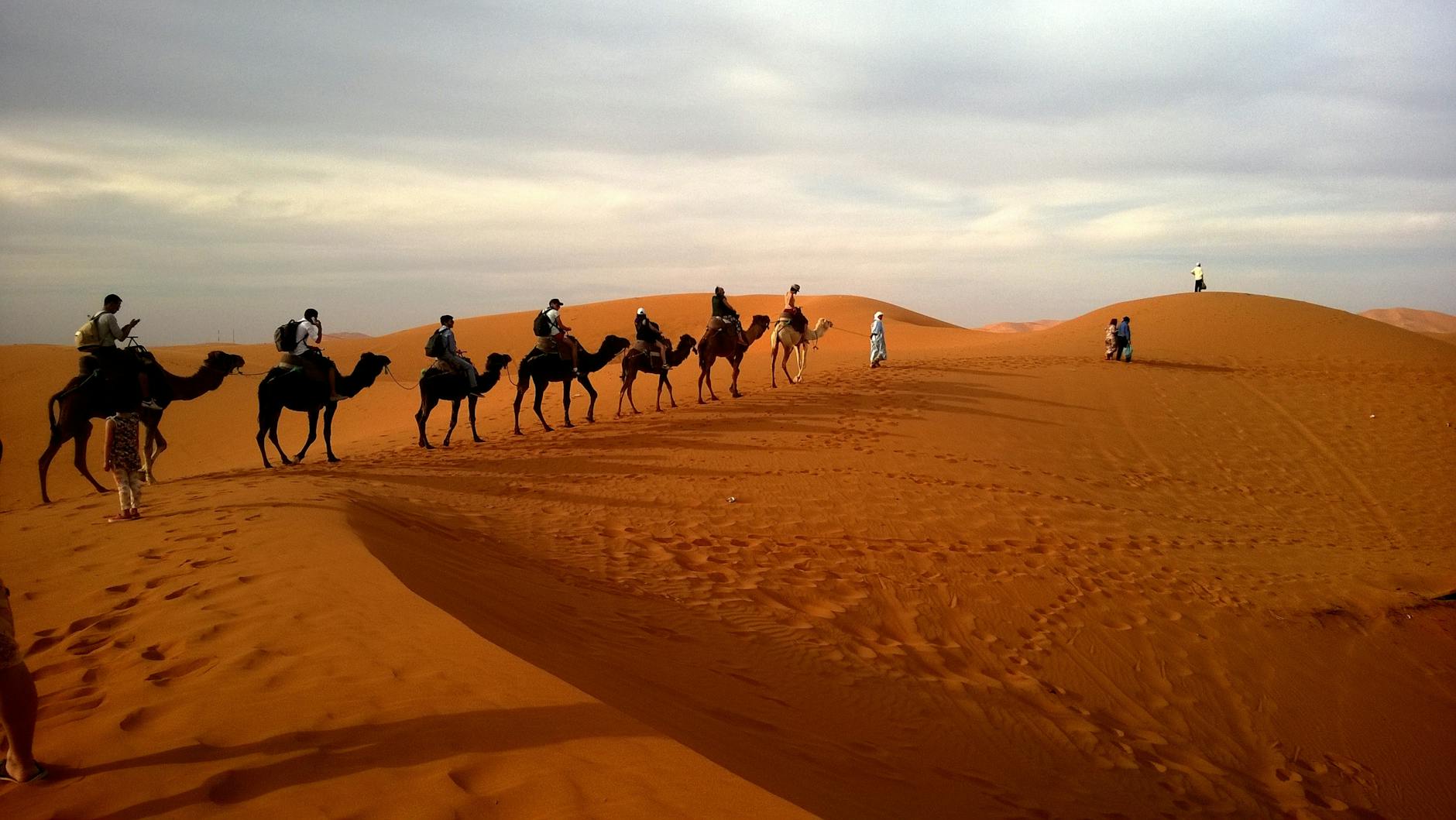
The world’s largest hot desert is notorious for its haboobs, which are massive walls of sand and dust that can rise hundreds of meters into the air and engulf entire settlements within minutes. These storms reduce visibility to virtually zero and make breathing without protection extremely dangerous. Temperatures in the Sahara can swing by as much as 40 degrees Celsius between day and night, creating thermal conditions that are difficult for the human body to regulate. Flash floods are also a genuine threat despite the arid landscape, as sudden, intense rainfall in distant areas sends water rushing through dry riverbeds without warning. Travelers have perished simply by being caught in the open when conditions turned.
Death Valley
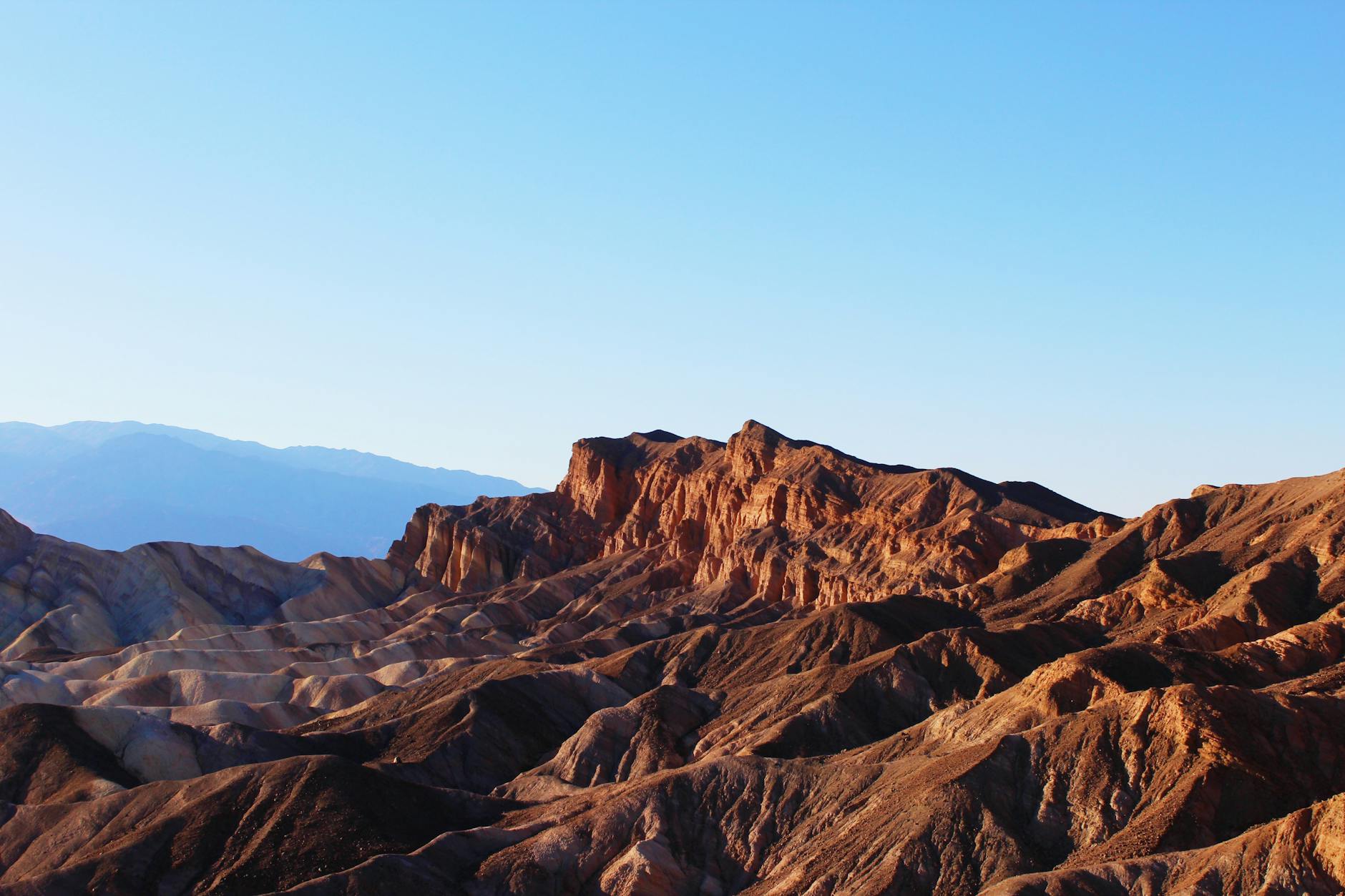
Consistently the hottest place on Earth, this California desert holds the record for the highest reliably recorded air temperature in history. Heat stroke can set in within minutes of exposure to peak summer temperatures, particularly in the absence of shade or water. Flash floods pose an equally serious but less expected threat, as thunderstorms over surrounding mountains send walls of water cascading through narrow canyons at terrifying speed. Dust devils and sudden windstorms are common occurrences that can disorient and endanger anyone caught in open terrain. Conditions here can change from brutal heat to violent storm without the dramatic buildup that most weather systems provide.
Cape Horn
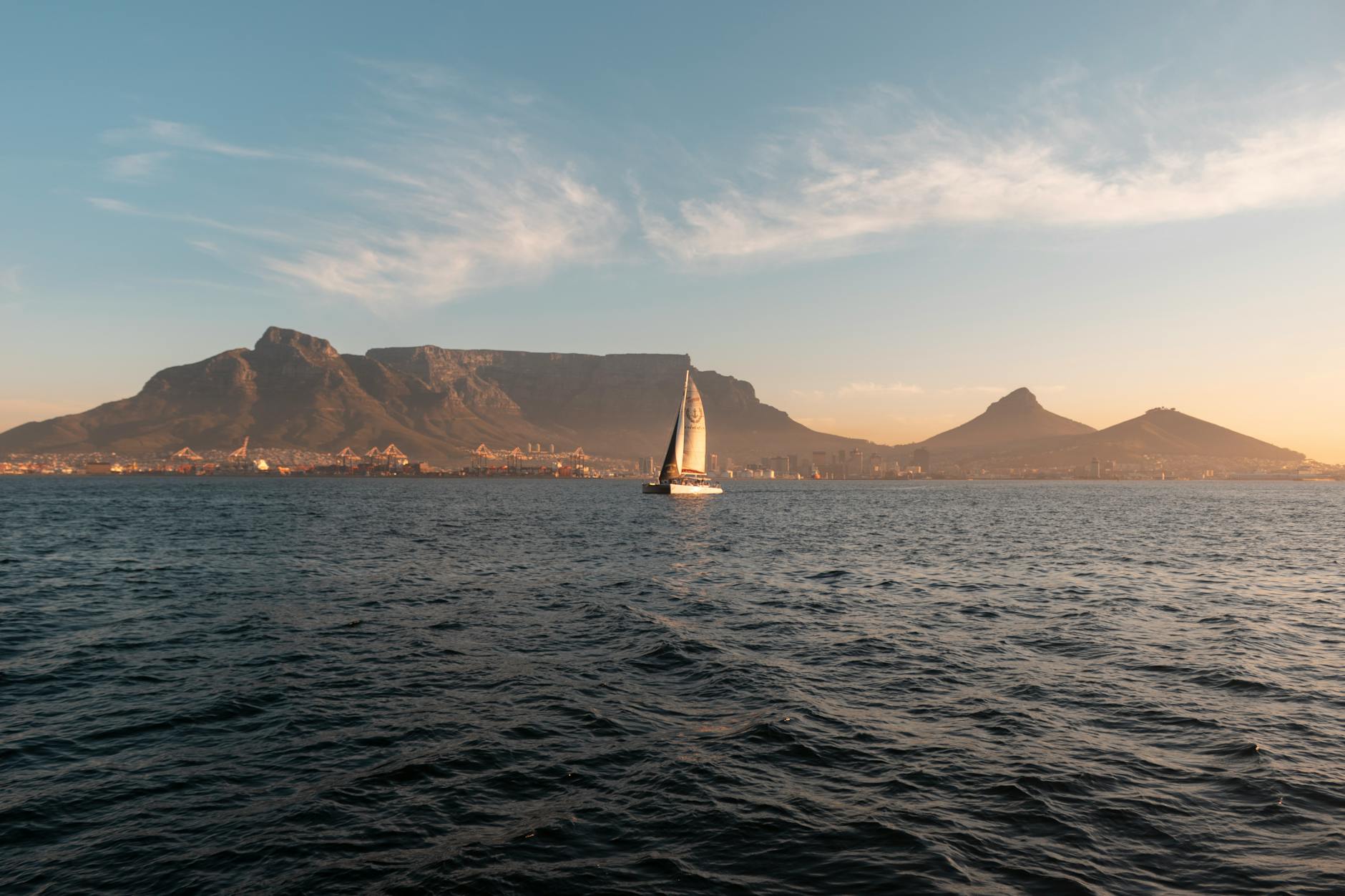
At the southern tip of South America, this stretch of ocean is considered one of the most dangerous sailing routes in the world. Cold fronts from the Antarctic can arrive with almost no warning, transforming calm seas into towering waves within a very short time. The meeting of the Pacific and Atlantic oceans here creates unpredictable wave patterns that can reach heights exceeding 20 meters during storms. Wind speeds regularly exceed hurricane force, and the cold temperatures make survival in the water virtually impossible. Even modern vessels with advanced forecasting equipment have been lost in these waters.
The Matterhorn
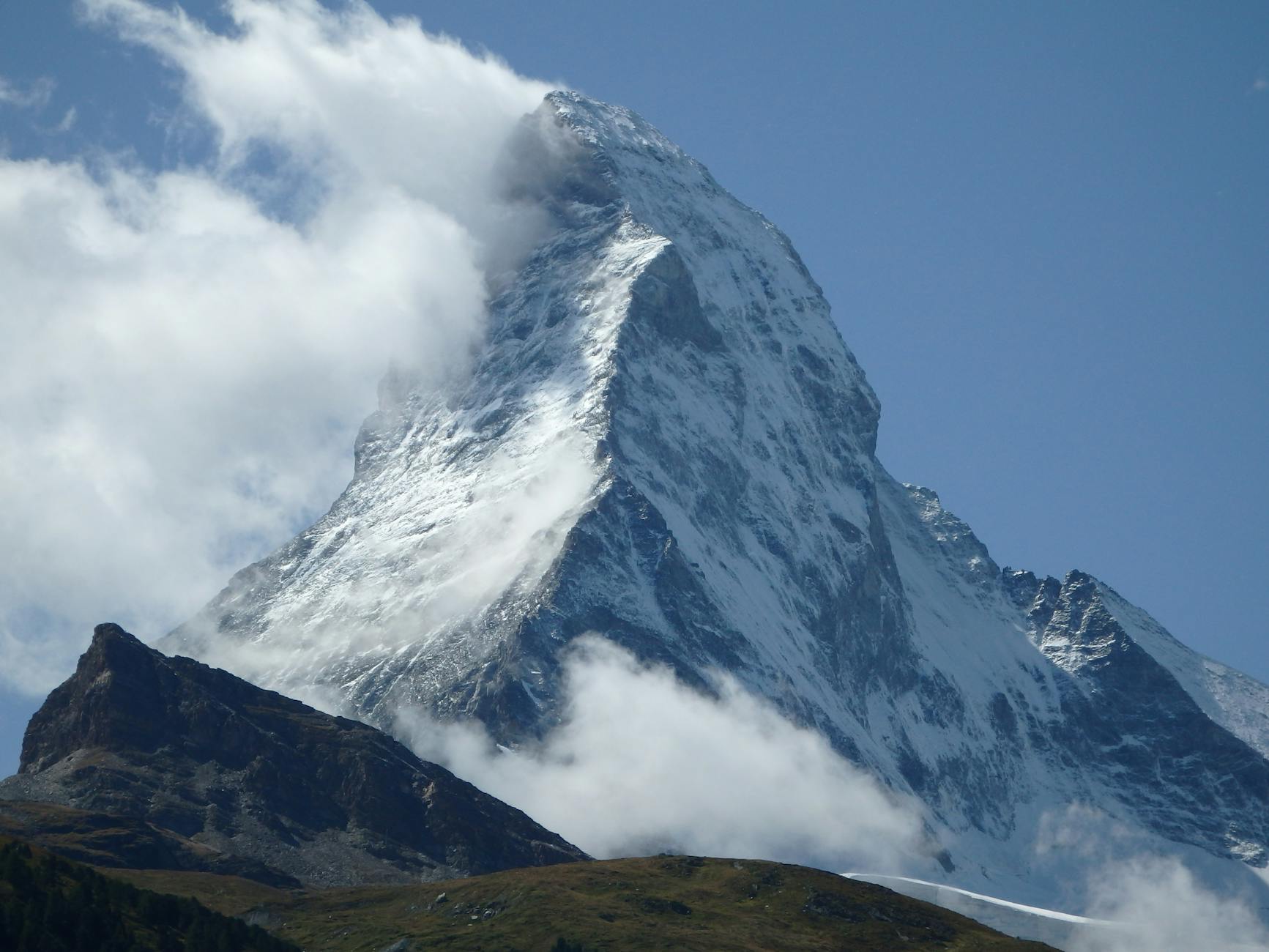
This iconic Alpine peak on the border of Switzerland and Italy is infamous for sudden and violent weather changes that have claimed the lives of experienced climbers. Clear skies can be replaced by blizzard conditions within fifteen minutes as storms roll in from the Mediterranean or central Europe. Lightning strikes are a particular hazard on the exposed upper ridges, and electrical storms can materialize with little advance warning. The combination of altitude, technical terrain, and rapidly deteriorating visibility makes every ascent a gamble with the elements. More climbers have died on this mountain than on almost any other peak in the Alps.
Lake Victoria
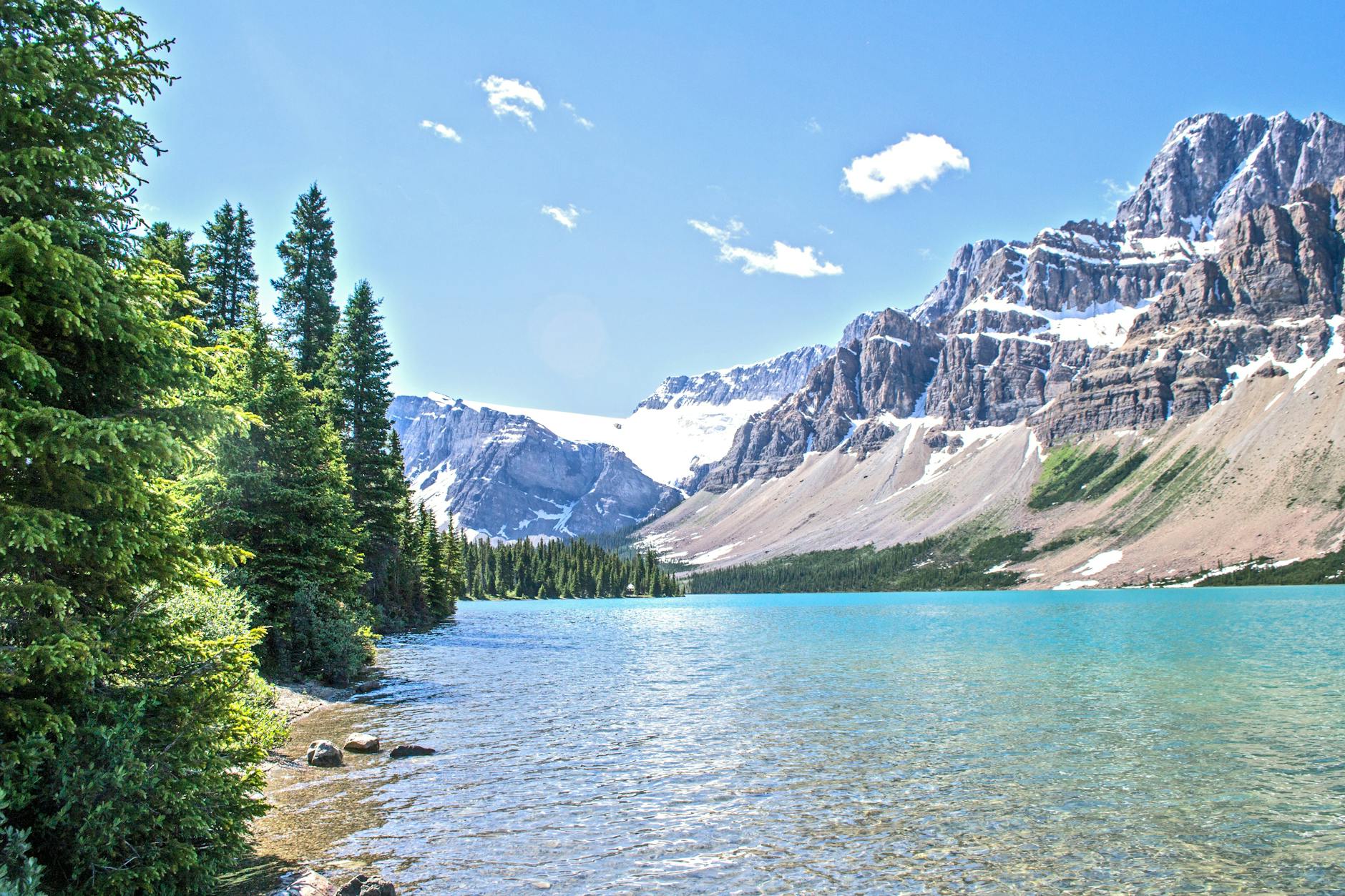
Africa’s largest lake generates its own weather systems with alarming regularity, producing storms that descend on the water with almost no warning. The lake sits in a basin surrounded by mountains, and warm air rising from the water surface creates convective storms, particularly in the late afternoon and evening hours. Winds can go from calm to gale force in under ten minutes, capsizing fishing vessels before crews have any chance to reach shore. Thousands of people have drowned on this lake over the decades, many of them local fishermen with years of experience on the water. Weather forecasting infrastructure in the region has historically been limited, compounding the danger significantly.
Mount Everest
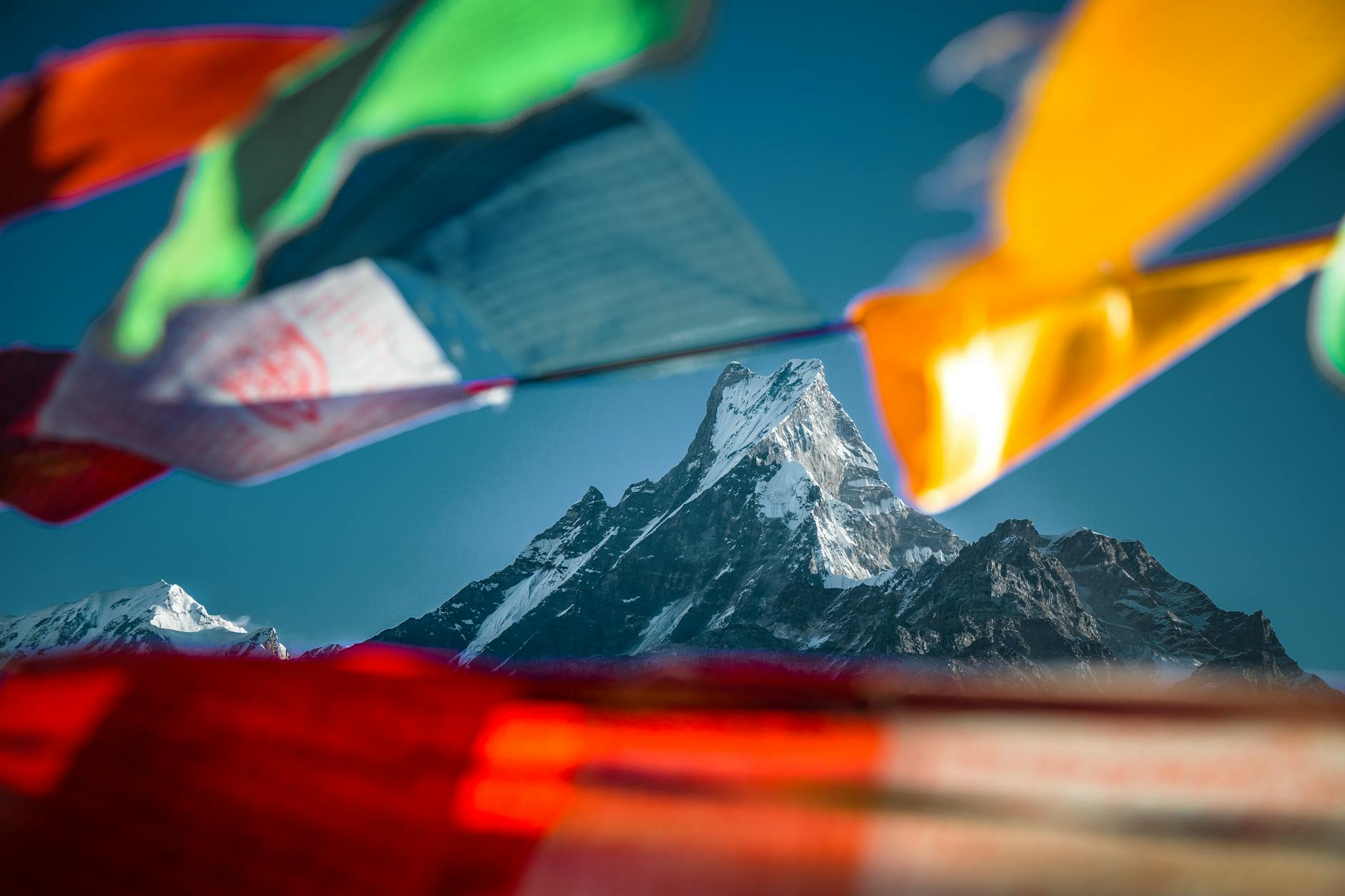
The world’s highest peak is subject to some of the most extreme and unpredictable weather on earth, with conditions that can shift from manageable to life-threatening within minutes. The jet stream occasionally dips down to summit level, bringing wind speeds that can exceed 280 kilometers per hour with almost no notice. Whiteout conditions can develop rapidly, disorienting climbers and making navigation in the death zone nearly impossible. Temperature drops of 20 degrees Celsius within an hour have been recorded during sudden storm arrivals. Many of the deaths on this mountain are directly attributable to weather that turned without the warning climbers needed to descend safely.
Patagonia
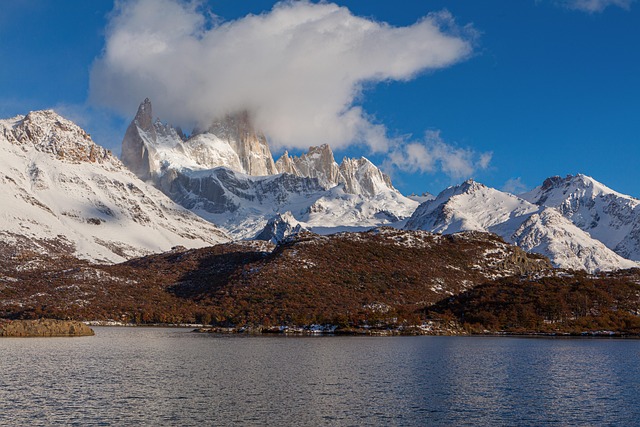
Spanning the southern regions of Argentina and Chile, Patagonia is one of the windiest inhabited places on the planet. The winds here are driven by the same southern latitude systems that make Cape Horn so treacherous, and they arrive with stunning abruptness across open grasslands and mountain passes. Horizontal rain, snow, and hail can simultaneously assault a traveler caught in the open, with the wind chill creating temperatures far below what thermometers register. In Torres del Paine and other popular trekking areas, rescue operations due to sudden weather emergencies are a regular occurrence. Even the most prepared and experienced hikers have been humbled by weather that materialized without a visible storm front approaching.
Iceland
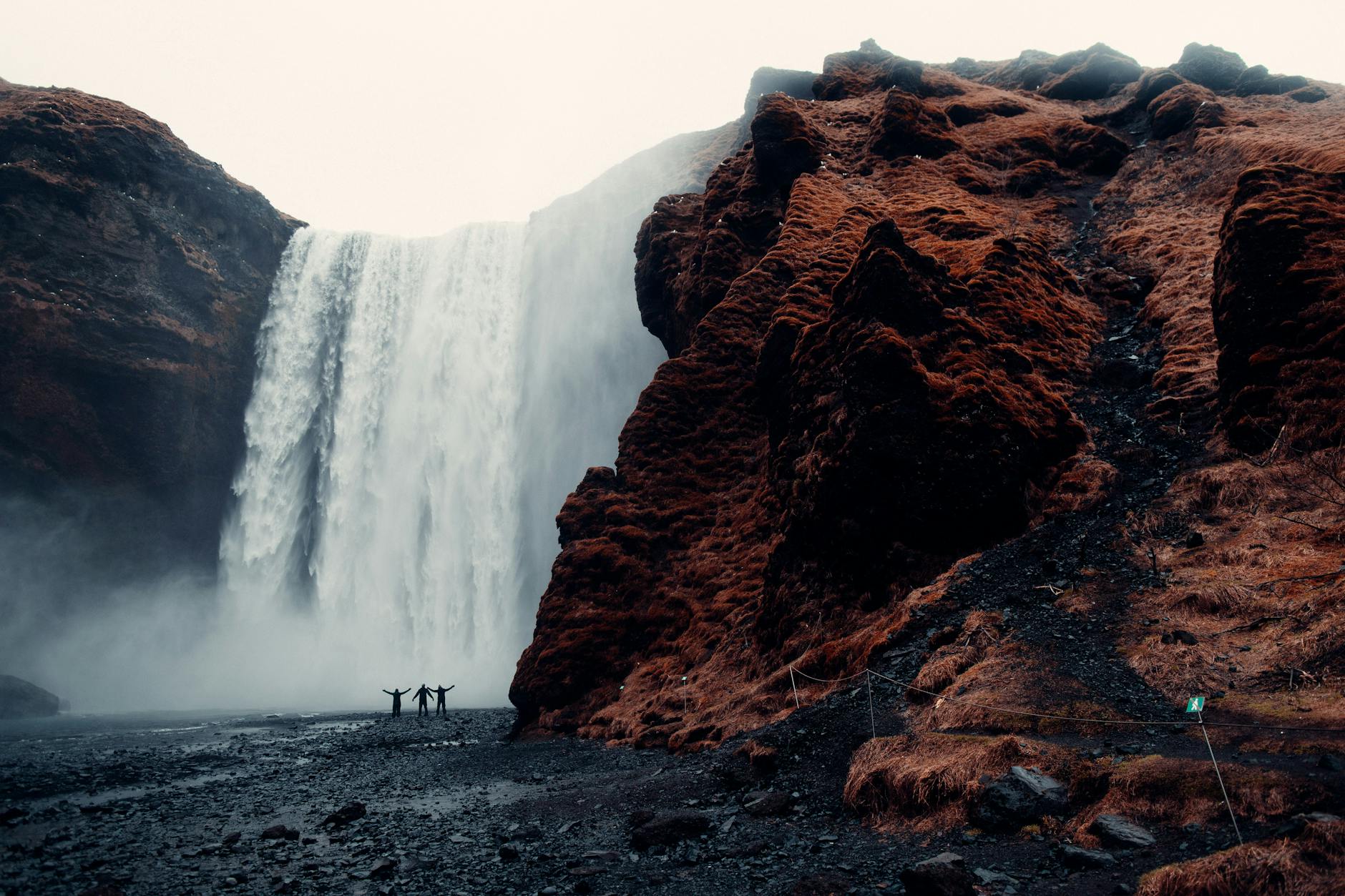
Sitting just below the Arctic Circle, this island nation experiences weather that locals describe as all four seasons in a single day with complete sincerity. Blizzards can develop in minutes, particularly in the highland interior where roads are regularly closed without warning even in late spring and early autumn. Sudden temperature inversions create dense fog that descends over roads and hiking trails faster than travelers can respond. The combination of volcanic terrain, geothermal activity, and Arctic air masses produces microclimates that make regional forecasting exceptionally difficult. Tourists unfamiliar with Iceland’s behavioral weather patterns are frequently caught in dangerous situations each year.
The Amazon
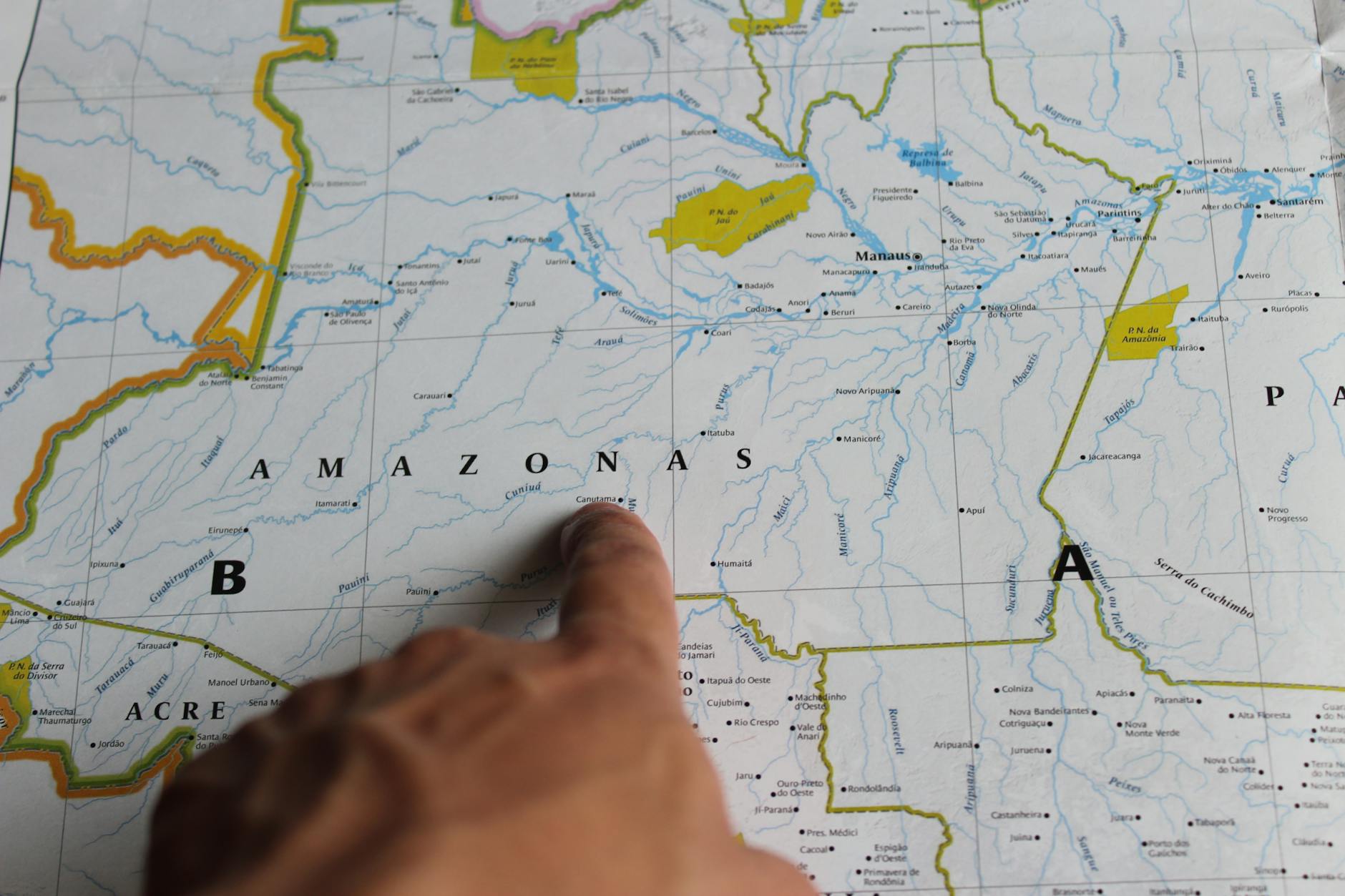
The world’s largest rainforest generates powerful convective storms on a nearly daily basis during wet season, but even the dry season offers little reprieve from sudden atmospheric violence. Massive cumulonimbus clouds can build to full storm height in under thirty minutes, producing lightning strikes, ferocious downpours, and waterspouts over the river system. The Amazon River itself can become extraordinarily dangerous during sudden squalls, with waves and currents that challenge even the most experienced river navigators. Remote jungle locations mean that those caught in dangerous conditions have limited options for seeking shelter or assistance. The density of the canopy can mask an approaching storm until it is directly overhead.
Siberia
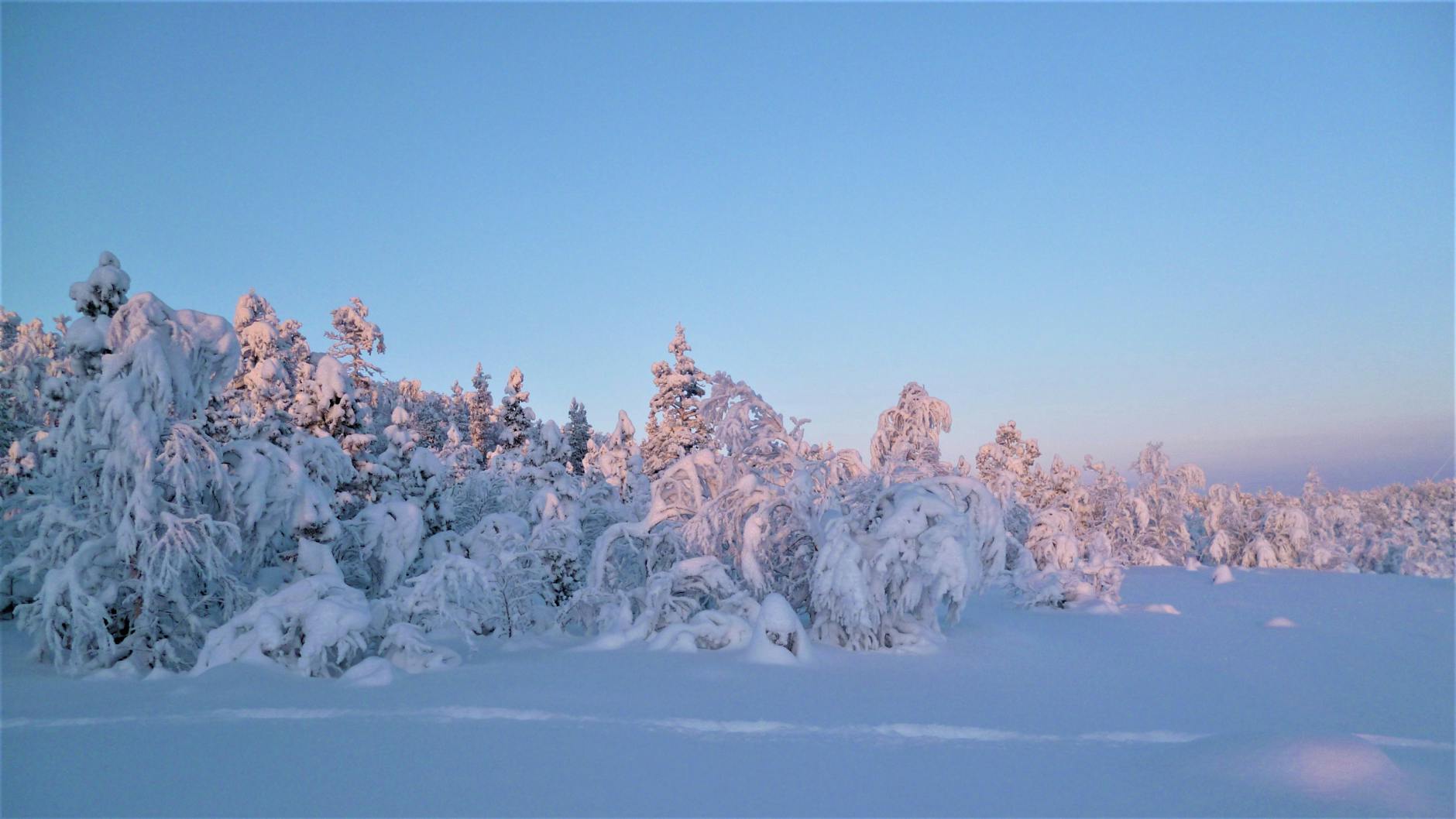
The most extreme continental climate on Earth produces conditions in Siberia that can become lethal within a very short window of exposure. A phenomenon known locally as a buran is a sudden blizzard that erupts with almost no warning across the open steppe, reducing visibility to zero and causing temperatures to plunge to dangerous levels in minutes. Wind chill values during these events can reach minus 70 degrees Celsius, causing exposed skin to freeze in seconds. Spring and autumn are particularly hazardous seasons, as rapid temperature swings can catch travelers between seasonal preparations. Even inhabitants with generational experience in these conditions have perished during sudden storms.
The Arizona Desert

Despite its image as a dry and static landscape, the Sonoran Desert in Arizona is subject to violent weather events that arrive with stunning speed. Monsoon season brings flash floods that can fill dry washes with meters of water in minutes, fed by rainfall from storms kilometers away that are not visible to anyone standing in the flood zone. Dust storms known locally as haboobs can reduce visibility to zero on major highways with almost no advance warning. Lightning density during Arizona summer storms is among the highest recorded anywhere in the United States. The combination of extreme heat and sudden flooding creates a uniquely dangerous dual threat for anyone caught outdoors.
The North Sea
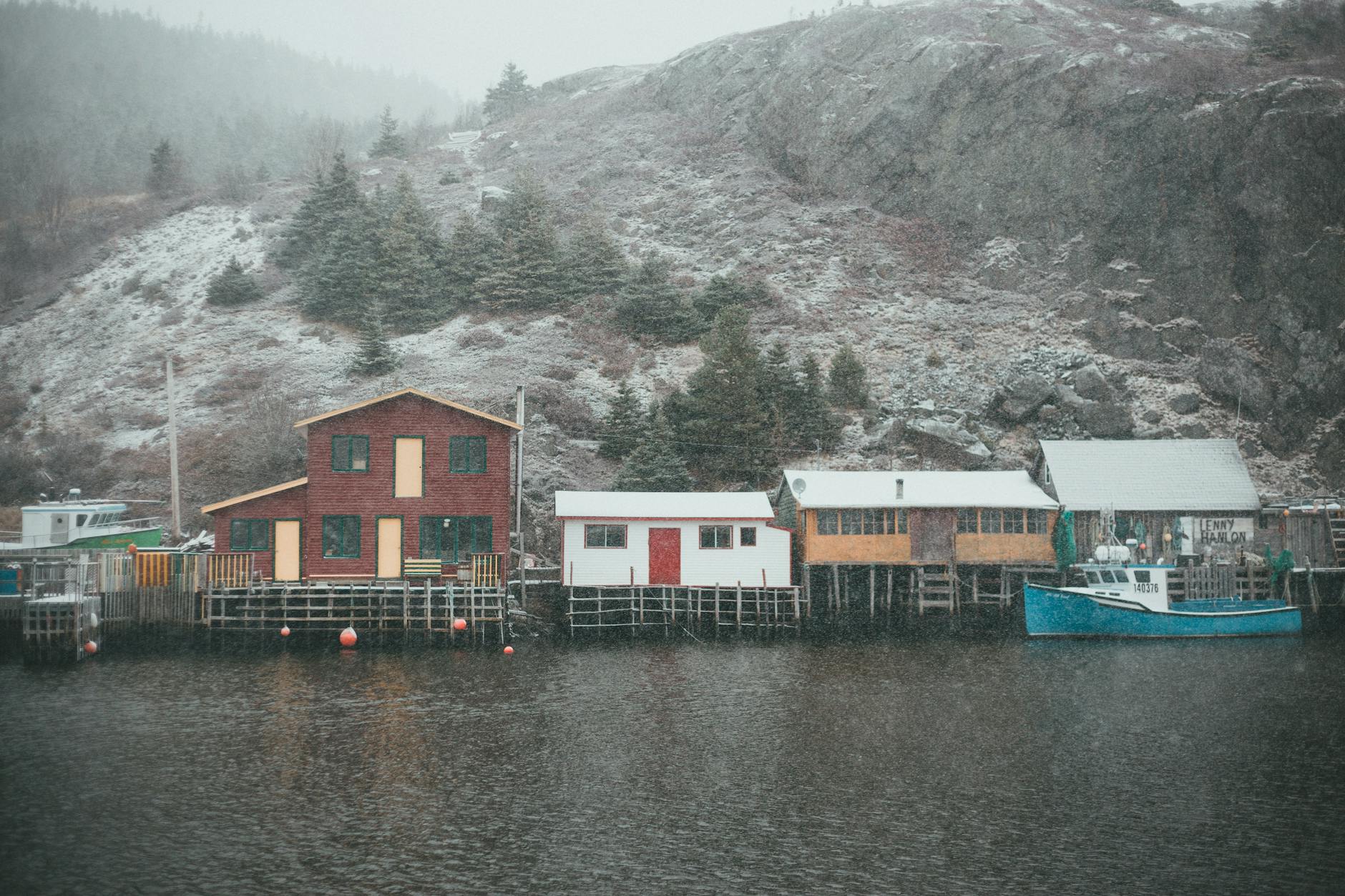
Connecting the Atlantic Ocean to the Scandinavian and Baltic coastlines, the North Sea is one of the most treacherous bodies of water in the Northern Hemisphere for sudden storm development. Shallow water depth causes waves to become steep and irregular far more quickly than in deeper ocean environments. A storm that is barely registering on radar can produce wave heights of six meters within an hour as it accelerates across the basin. The oil and gas industry operating in these waters has invested heavily in weather monitoring precisely because of the speed with which conditions deteriorate. Fishing communities along its coastlines have centuries of history grieving losses caused by storms that arrived without adequate warning.
Bangladesh
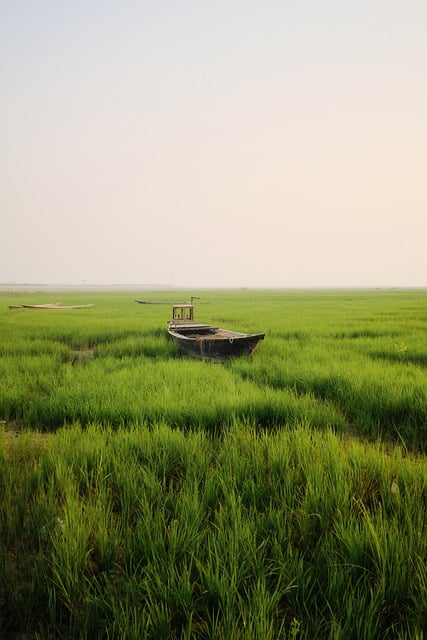
Positioned at the head of the Bay of Bengal, Bangladesh sits in the direct path of some of the most powerful tropical cyclones in the world, many of which intensify rapidly before making landfall. Storm surges generated by these systems can inundate low-lying coastal areas with several meters of water in a matter of minutes, with little time for evacuation even when warnings are issued. The country’s flat delta geography offers no natural barriers to wind or water, allowing storms to travel inland with devastating force. Nor’westers, which are violent local thunderstorms, can also develop and strike populated areas in under thirty minutes during pre-monsoon season. Bangladesh has invested significantly in early warning systems, yet the combination of population density and geography keeps the risk extremely high.
Colorado Rockies
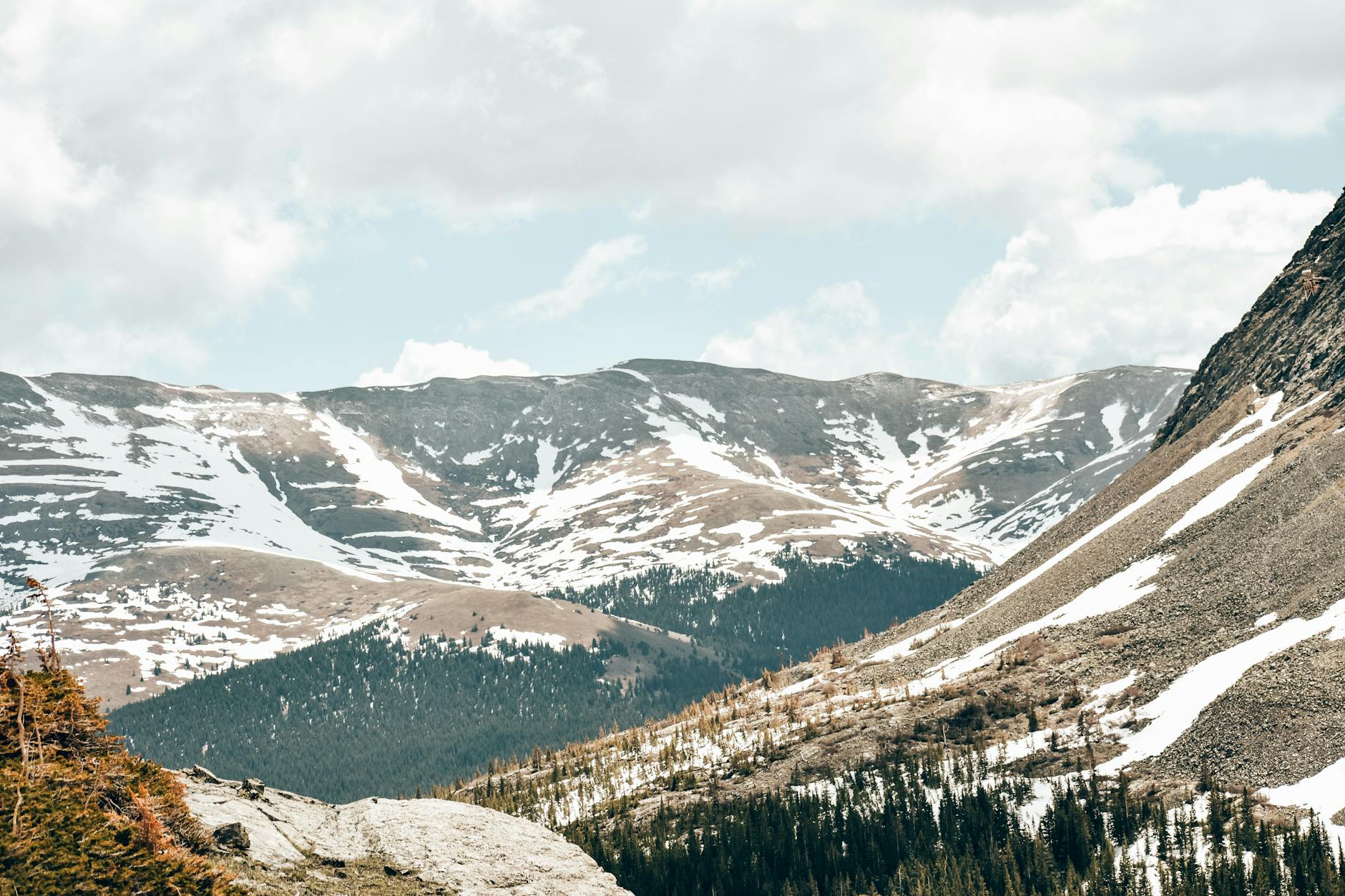
The high-altitude terrain of the Colorado Rockies is subject to afternoon thunderstorm patterns that are both predictable in their timing and terrifying in their speed of development. What begins as a clear morning can become a full electrical storm by early afternoon, with lightning striking mountain ridges and exposed hikers with lethal frequency. Hailstorms at altitude can produce ice the size of golf balls within minutes, and the sudden temperature drop accompanying a storm can bring hypothermia risk even in July. Flash flooding in mountain canyons is another serious threat, triggered by rainfall from storms that may be entirely out of sight of those in the canyon below. Mountain rescue services in Colorado respond to dozens of weather-related emergencies each summer season.
The Persian Gulf
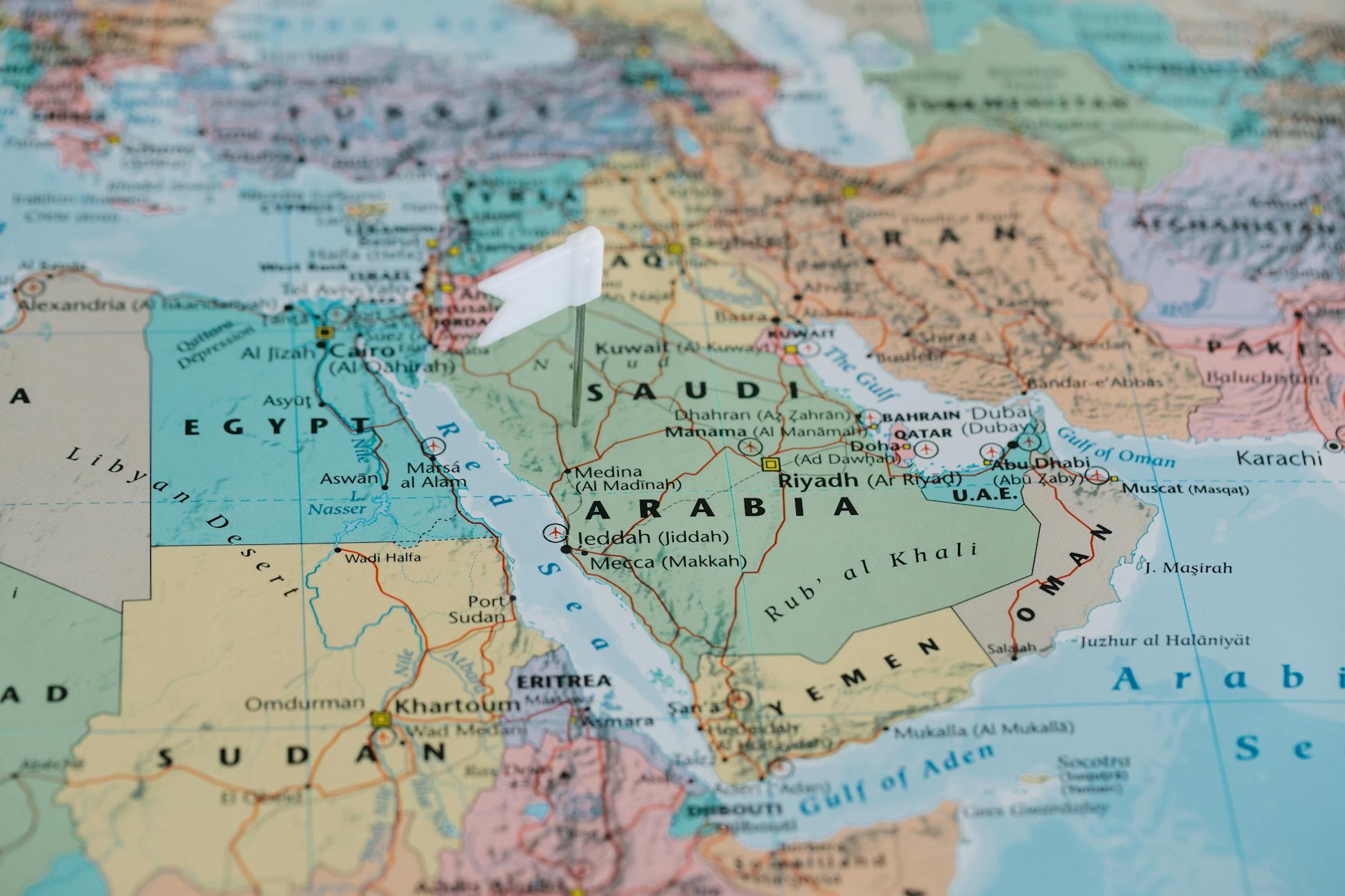
The hot, shallow waters of the Persian Gulf create conditions in which violent weather events can develop and escalate more rapidly than in most other maritime environments. Shamal winds, driven by pressure systems over the Arabian Peninsula, can arrive with sudden intensity, kicking up walls of dust and driving dangerous seas in a very short period. Waterspouts form regularly during transitional seasons and can threaten small vessels with almost no warning. The extreme summer heat creates unstable atmospheric conditions that make afternoon and evening storm development highly unpredictable. The busy shipping lanes and recreational waterways of the Gulf see regular emergencies triggered by weather that escalated faster than crews or passengers anticipated.
The Outback

Australia’s vast interior is one of the most climatically hostile environments on the planet, combining extreme heat, sudden electrical storms, and flash flooding in a landscape that offers almost no shelter. Dust storms can form over the red plains within minutes, driven by thermal activity and frontal systems that interact unpredictably across the flat terrain. During wet season in northern regions, monsoonal downpours can turn dry creek beds into raging rivers in under ten minutes, cutting off roads and trapping travelers. Temperature swings of 30 degrees Celsius between day and night are common, and a warm afternoon can become a dangerously cold night without the transition most people expect. The remoteness of the Outback means that weather-related emergencies often occur far from any possibility of rapid rescue.
The Himalayas
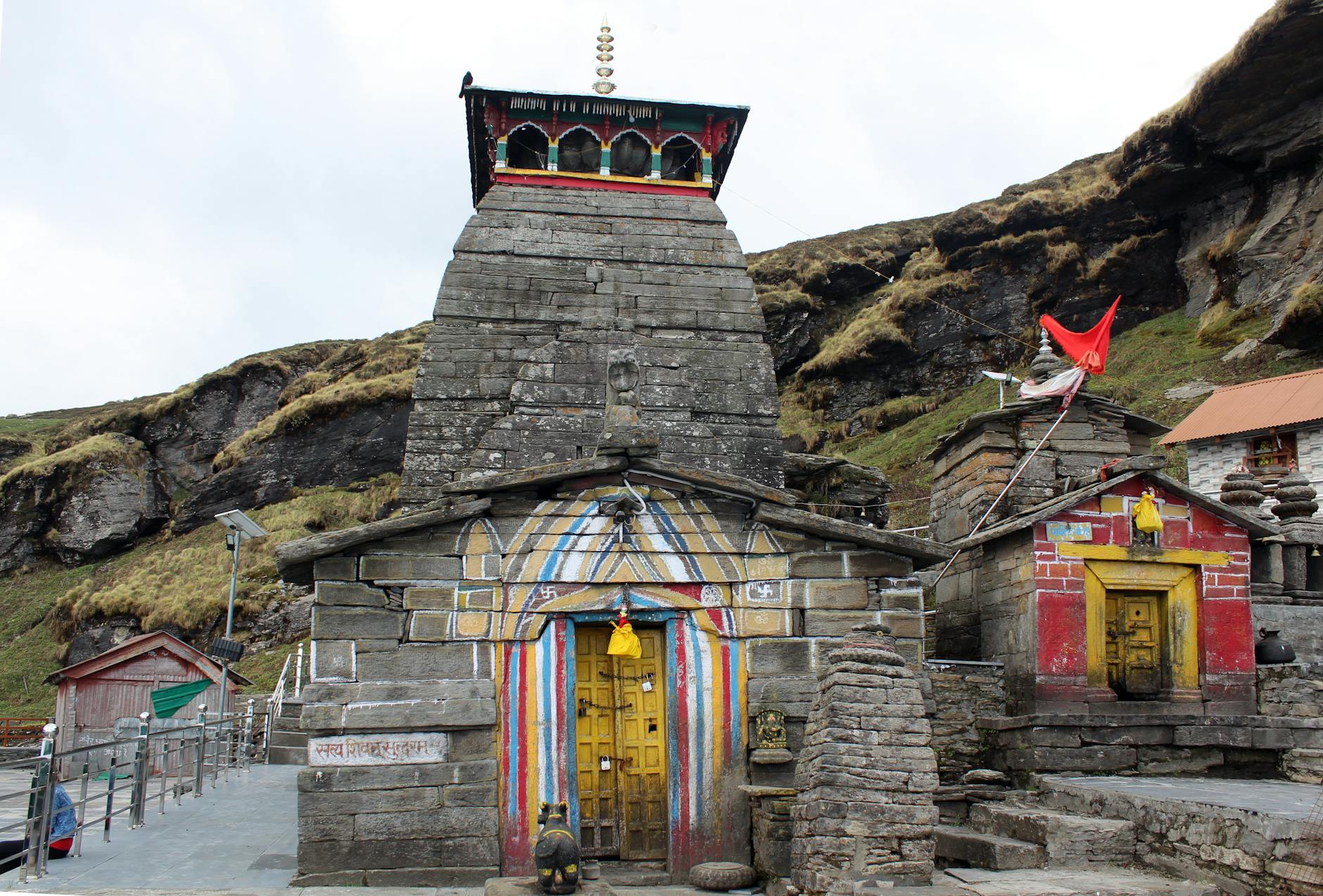
The highest mountain range on Earth is home to some of the most complex and dangerous weather systems found anywhere on the planet. The interaction between the Indian monsoon and cold Tibetan plateau air creates conditions that experienced mountaineers describe as inherently unforeseeable above certain elevations. Avalanches triggered by rapid snowfall accumulation during sudden storms have claimed more lives in this range than any other single cause of mountain fatality. Altitude amplifies the physiological impact of cold and wind, meaning that conditions which might be manageable at lower elevations become life-threatening in the death zones above 8000 meters. The Himalayas remain a place where even satellite-assisted forecasting cannot always provide the lead time needed for climbers to reach safety before storms arrive.
Ganges Delta
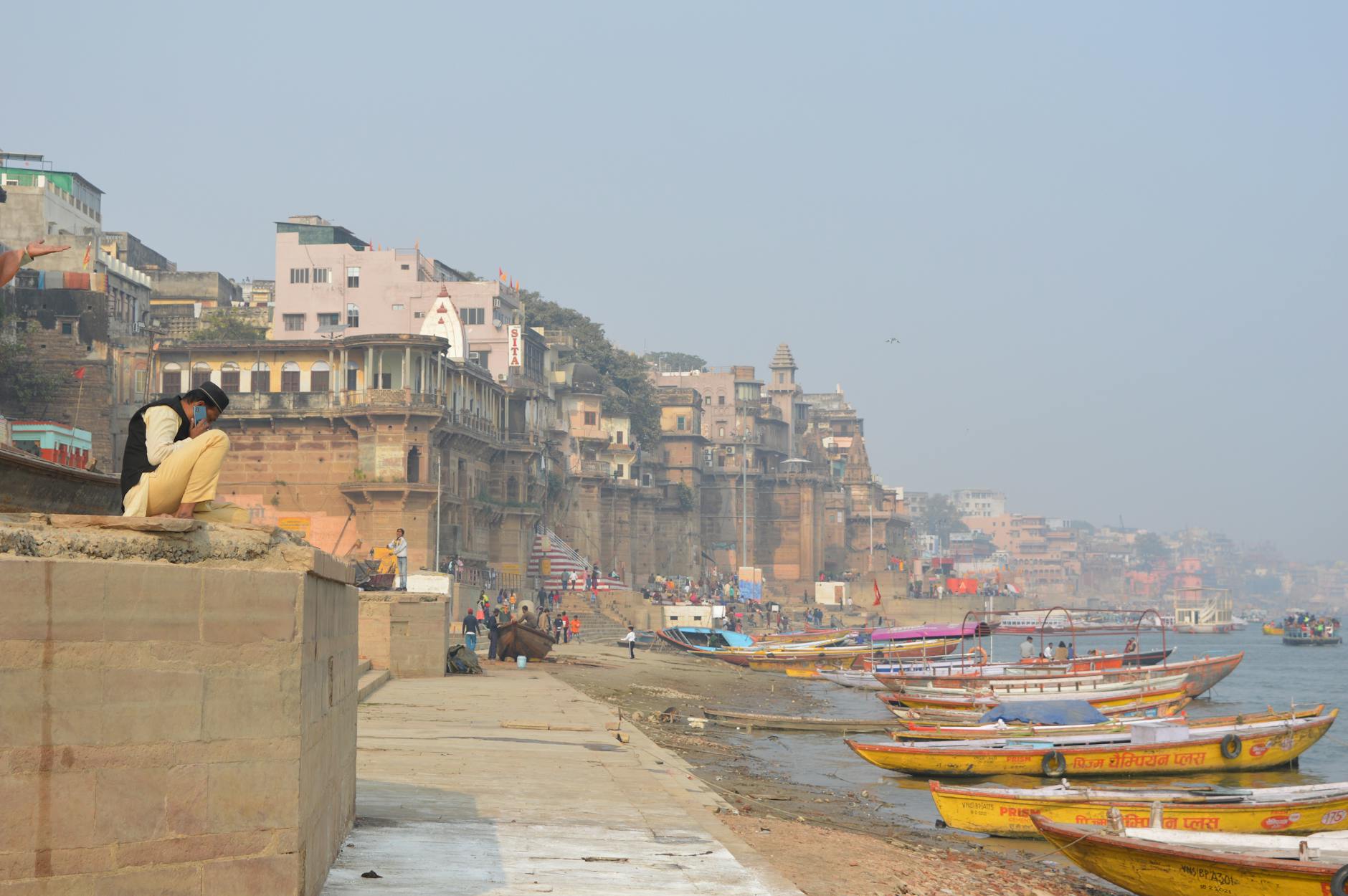
Where the Ganges and Brahmaputra rivers meet the Bay of Bengal, a unique convergence of fluvial and oceanic weather dynamics creates conditions of exceptional and sudden danger. The delta’s extreme flatness allows storm systems to move inland without losing force, and tidal surges driven by cyclones can cover entire islands with seawater in minutes. Nor’westers in this region are among the most violent pre-monsoon storm systems recorded anywhere in South Asia, producing lightning, gale-force winds, and torrential rain within an extremely compressed timeframe. The population density of the delta, combined with limited high ground for evacuation, makes rapid weather escalation here particularly catastrophic in human terms. Climate change is intensifying the frequency and severity of extreme weather events across this region, making conditions that were once rare increasingly common.
Which of these weather-prone destinations surprises you most, and have you ever been caught in a sudden and dangerous storm while traveling? Share your experience in the comments.