A growing chorus of plus-size travelers is pushing back against what they are calling a discriminatory new policy from one of America’s major airlines. Southwest Airlines quietly rolled out a “Customers of Size” policy in January 2026, redefining a single seat as the space contained between two lowered armrests. Passengers who cannot comfortably fit within that boundary are now required to purchase a second seat in advance, or risk being denied boarding and bumped to a later flight. The change has ignited a fierce debate online, with both critics and supporters sharing their views in the thousands.
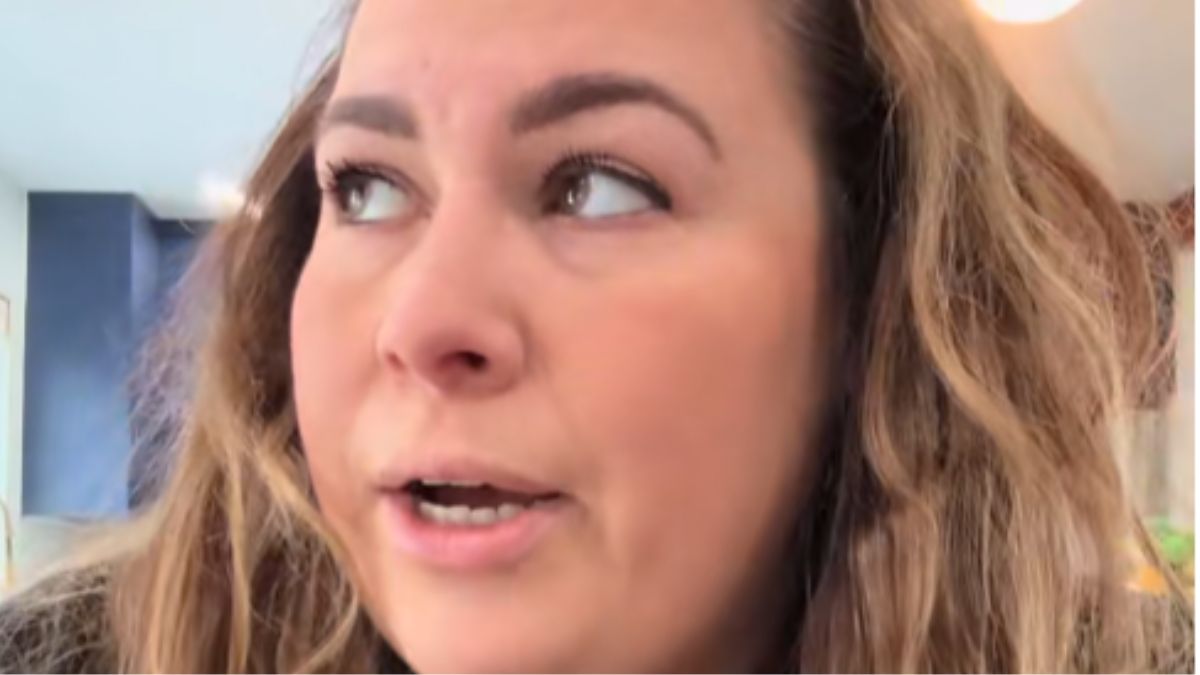
The controversy came into sharp focus when a traveler named Erika, who posts on TikTok under the handle @erikawithak27, shared her experience flying to Las Vegas with a friend in February. A hairdresser by trade and someone who identifies as plus-size, Erika arrived at the airport without a pre-purchased extra seat, as she had done on countless previous flights without incident. At the check-in counter, a Southwest employee asked whether she would like to “try” buying an additional seat, which Erika declined. When she pushed back and asked whether she was being singled out because of her weight, the employee told her the request was made “for the safety and comfort of other passengers.”
Erika was not willing to let that answer stand. “How do you even make that determination just by looking at me?” she said. “You have no idea whether I can fit in that seat or not.” A supervisor was eventually called over, and Erika was firmly told she would not be allowed to fly without purchasing the extra space. After a tense back-and-forth at the gate, she ended up paying $176 for an additional seat. She has since filed a formal complaint with Southwest and requested a refund, and has described the airline’s policy as “absolutely disgusting, discriminatory, and exploitative,” arguing that it targets a “vulnerable group of people” who may already feel anxious about flying.
Her story resonated with another passenger, Grace Simpson, who goes by @graceplattesimpson on TikTok and described what she called “the worst flying experience of my life.” Grace said she was pulled aside while waiting for a connecting flight to San Diego in February, when a Southwest supervisor approached her and said she had been flagged as a “customer of size.” She was asked to purchase an additional seat before boarding. Grace refused, telling the supervisor she had never in her life had a conversation about her weight at an airport gate, nor had any airline ever made such a demand of her.
@erikawithak27 @Southwest Airlines #southwest #southwestairlines #flying #omaha ♬ original sound – Erika
The emotional toll was significant. “In moments like that, I want the ground to swallow me up and never come back,” Grace said. She also noted she had already lost 100 pounds and was dismayed to find that even that progress offered no protection from this kind of experience. She went on to call Southwest’s enforcement of the policy “truly discriminatory” and argued that if the airline intends to apply such rules so strictly, it ought to have clear, transparent, and consistent criteria for determining who qualifies as a “customer of size.”
The reaction across both women’s videos was deeply divided. Many commenters sided with the airline, pointing out that passengers who spill into an adjacent seat are encroaching on space another traveler has paid for. One person wrote: “If you’re taking up part of the next seat, then yes, you should have to buy another one. I don’t understand why that’s even up for debate.” Another shared a personal account of experiencing a panic attack during a flight because a seatmate extended well beyond their own space. However, others questioned the fairness of the policy’s application, with one commenter asking whether a tall, broad-shouldered man would face the same treatment and calling it “the real question.”
Southwest Airlines defended its approach, with a spokesperson stating: “We began notifying customers of changes to our policy, which aligns with industry standards, nearly a year ago and continued to send direct reminders throughout the summer. Our policy is clearly explained on our website, which also includes instructions for purchasing a second seat during booking.” The airline added that fewer than 0.25 percent of its passengers are ever asked to purchase an additional seat, framing the measure as a minor adjustment to a broader set of operational changes rather than a sweeping new rule.
Standard airline seat widths in the United States have actually shrunk over the decades, with many economy seats now measuring just 17 to 17.2 inches wide, compared to around 18.5 inches in the 1970s. Southwest, ironically, built much of its brand identity around a no-assigned-seating model that it abandoned entirely in 2025, making this seat-purchase policy one of several major shifts the carrier has introduced in a relatively short span. The armrest-as-boundary definition used in Southwest’s policy is also the standard adopted by the U.S. Department of Transportation when it comes to airline seating guidelines for passengers of size.
What do you think about airlines requiring plus-size passengers to buy an extra seat — share your thoughts in the comments.