Foraging for wild berries offers a rewarding connection to nature and provides fresh flavors that grocery stores cannot match. Many enthusiasts head into the woods hoping to find blueberries or raspberries but often encounter dangerous lookalikes instead. Identifying safe wild edibles requires keen observation and specific knowledge of botanical characteristics. Mistaking a toxic plant for a sweet treat can lead to severe health consequences or even fatal results. This guide highlights common poisonous berries that frequently confuse novice foragers and outdoor adventurers.
American Holly
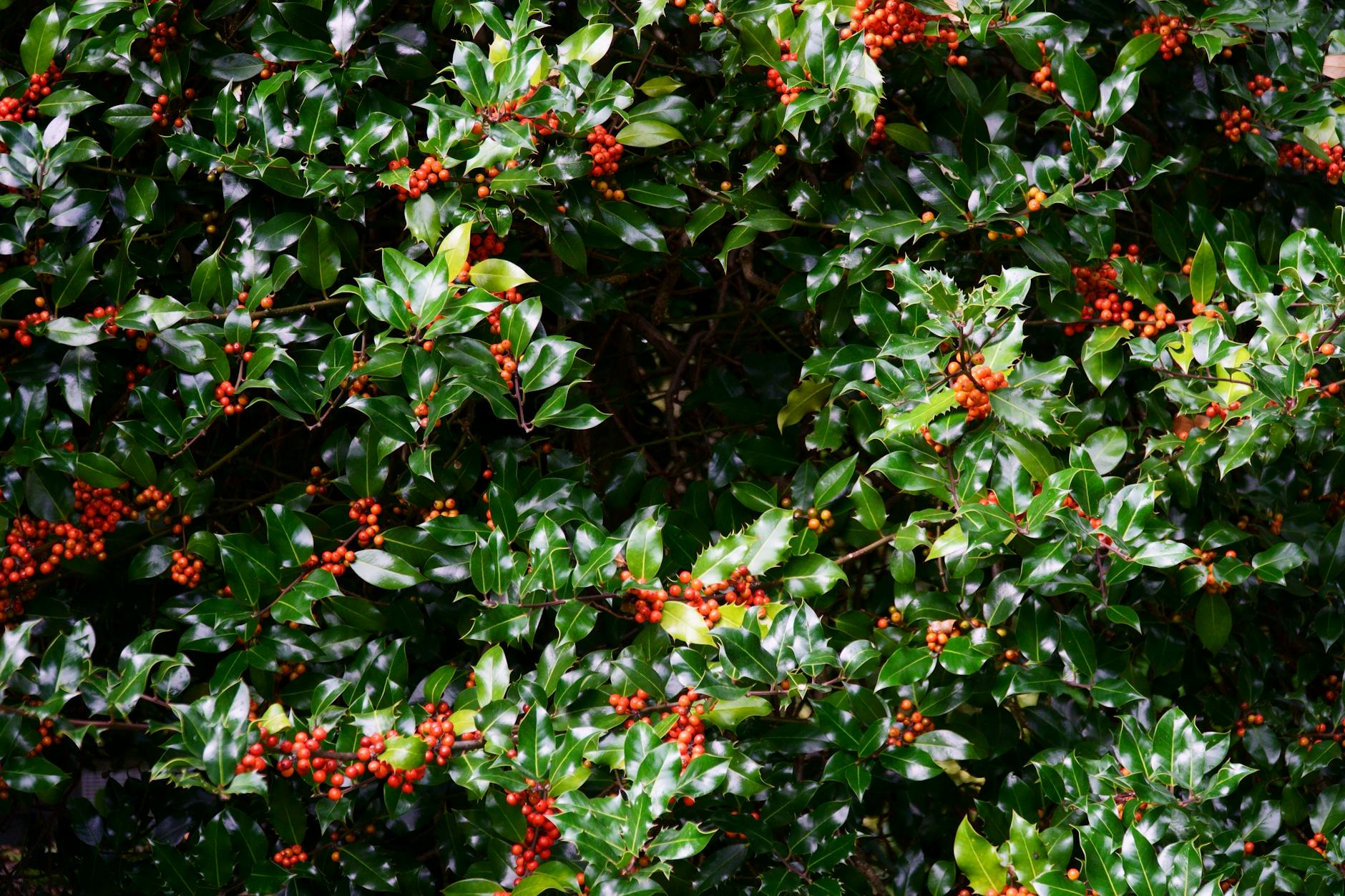
These bright red berries often appear in winter holiday decorations and look deceptively similar to wild currants. Consumption of these small fruits causes nausea and severe vomiting due to the toxic compound ilicin. The leaves offer a sharp warning with their spiky edges while the berries remain smooth and inviting. Small children and pets face the highest risk of accidental poisoning from these festive looking plants.
Pokeweed
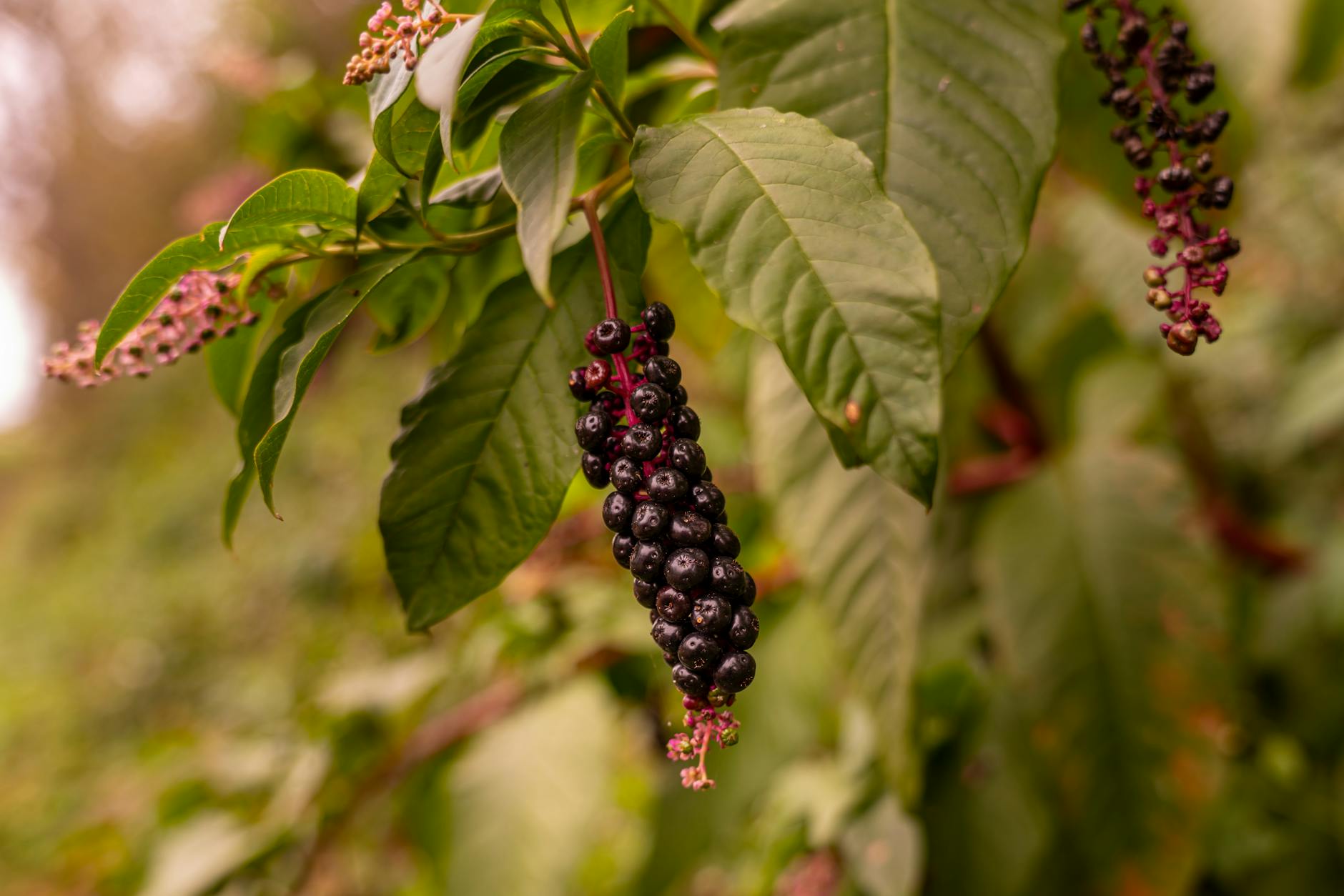
Clusters of deep purple berries hang from this plant and closely resemble wild grapes or blueberries to the untrained eye. Every part of the pokeweed plant contains toxicity but the roots and mature berries pose the most significant danger. The juice from these berries can stain skin purple and causes intense digestive distress if ingested. Proper identification relies on spotting the bright pinkish red stems that support the drooping fruit clusters.
Bittersweet Nightshade
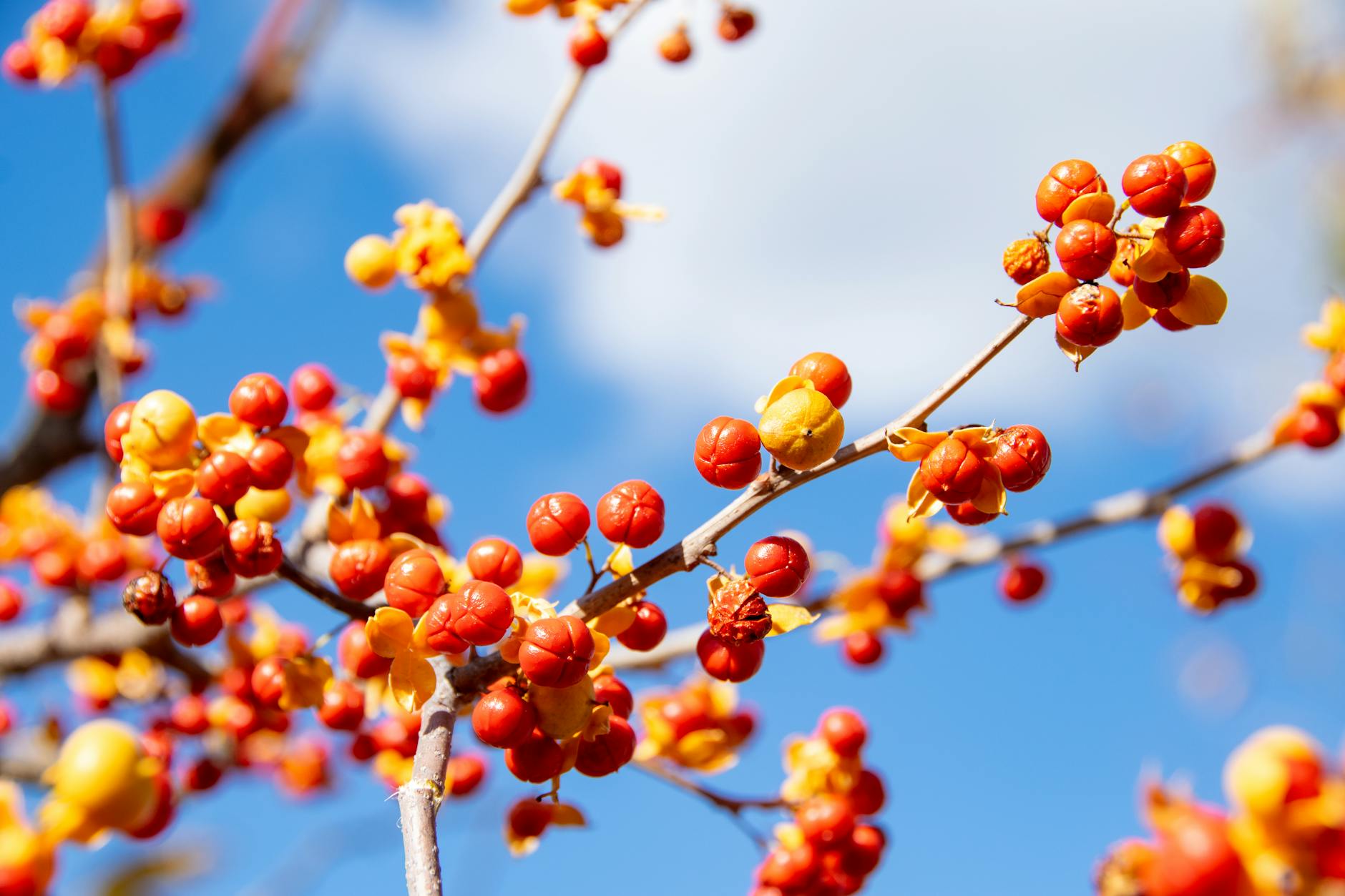
This trailing vine produces small egg shaped berries that transition from green to yellow and finally to a bright red. The fruit looks remarkably like tiny tomatoes or red currants but contains dangerous solanine alkaloids. Ingesting these berries results in a scratching sensation in the throat followed by serious gastrointestinal symptoms. The purple star shaped flowers with yellow centers usually help distinguish this toxic plant from edible varieties.
Virginia Creeper
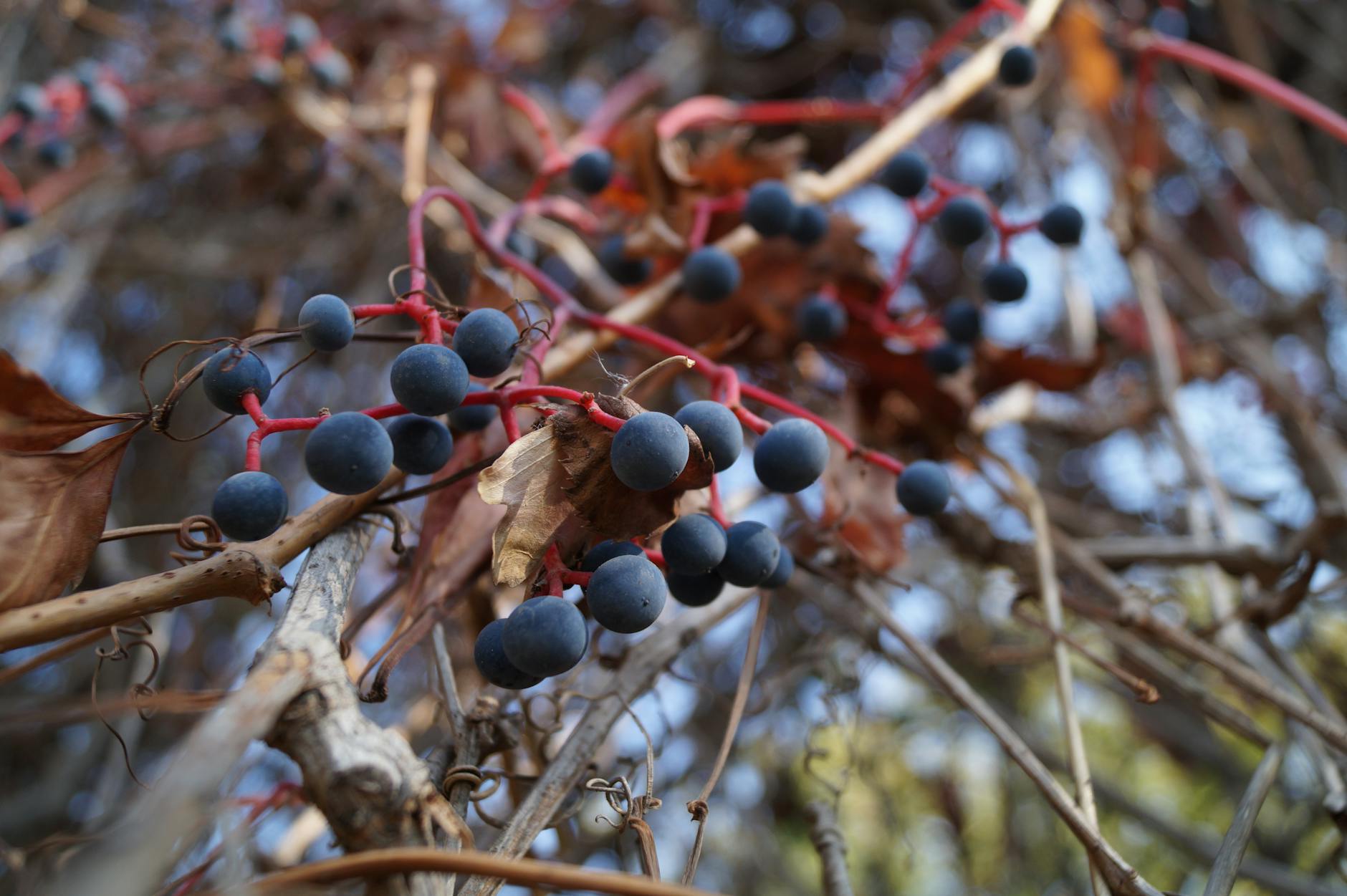
Blue berries grow on this woody vine and often grow alongside wild grapes which creates dangerous confusion. The leaves of this plant typically grow in groups of five leaflets while wild grape vines have simple heart shaped leaves. Ingesting these berries irritates the mouth and throat and can lead to kidney damage in severe cases. The sap from the plant also causes an itchy rash on the skin similar to poison ivy.
Yew
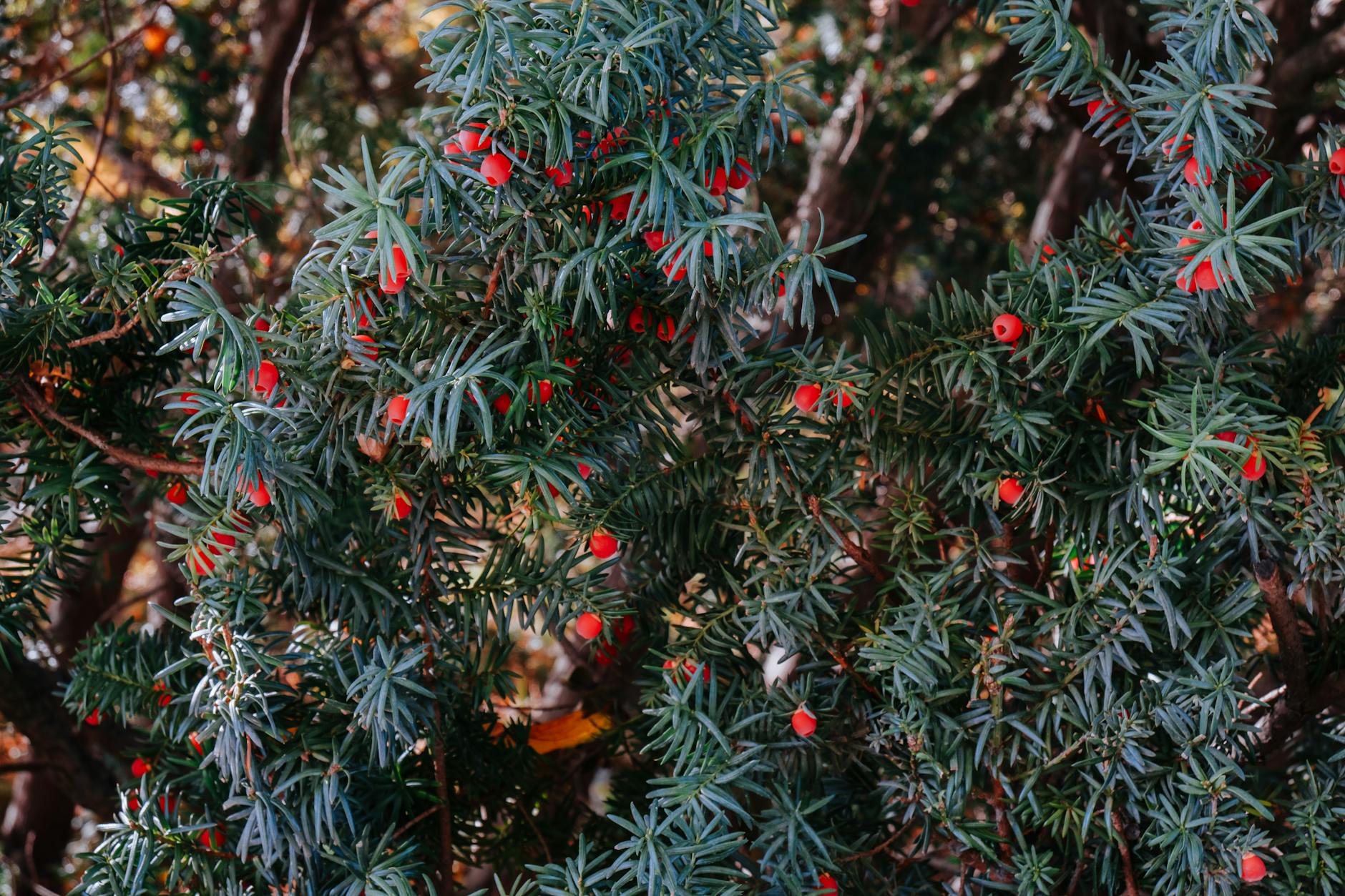
The red berries of the yew shrub feature a cup like shape with a visible dark seed in the center. The fleshy red part is actually the only non toxic part of the tree but the seed within it is instantly fatal. Birds often eat the fruit and pass the seed but humans who chew the seed release deadly taxine alkaloids. This evergreen shrub is common in residential landscaping and poses a constant risk to curious children.
American Mistletoe
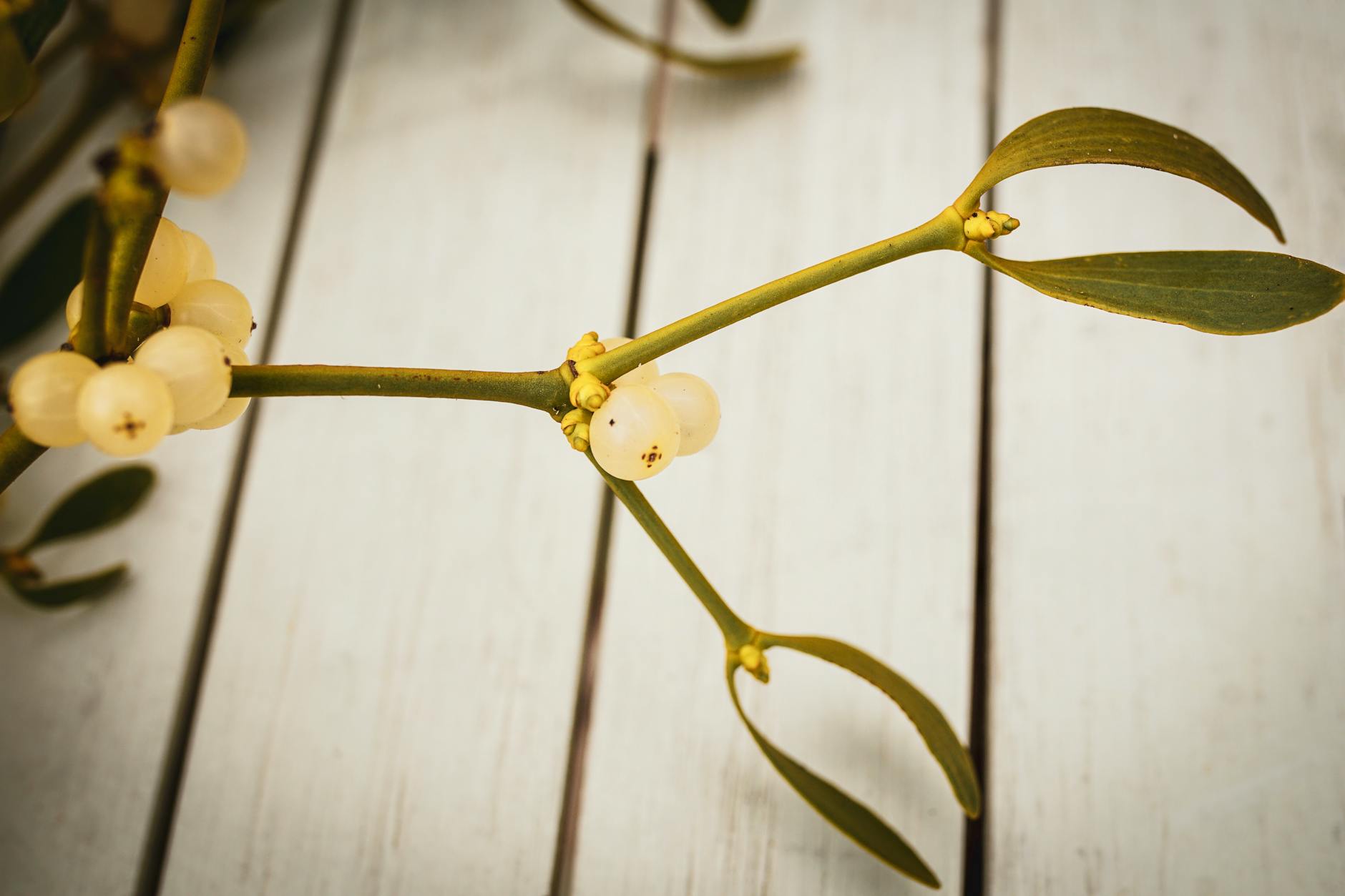
White or pinkish berries grow in clumps on this parasitic plant that lives in the branches of oak and other trees. These translucent berries look somewhat like white currants but contain hazardous phoratoxin. Ingestion leads to blurred vision and stomach cramps alongside a slowed heartbeat. The plant retains its foliage in winter which makes the berries stand out clearly against the bare branches of host trees.
Red Baneberry
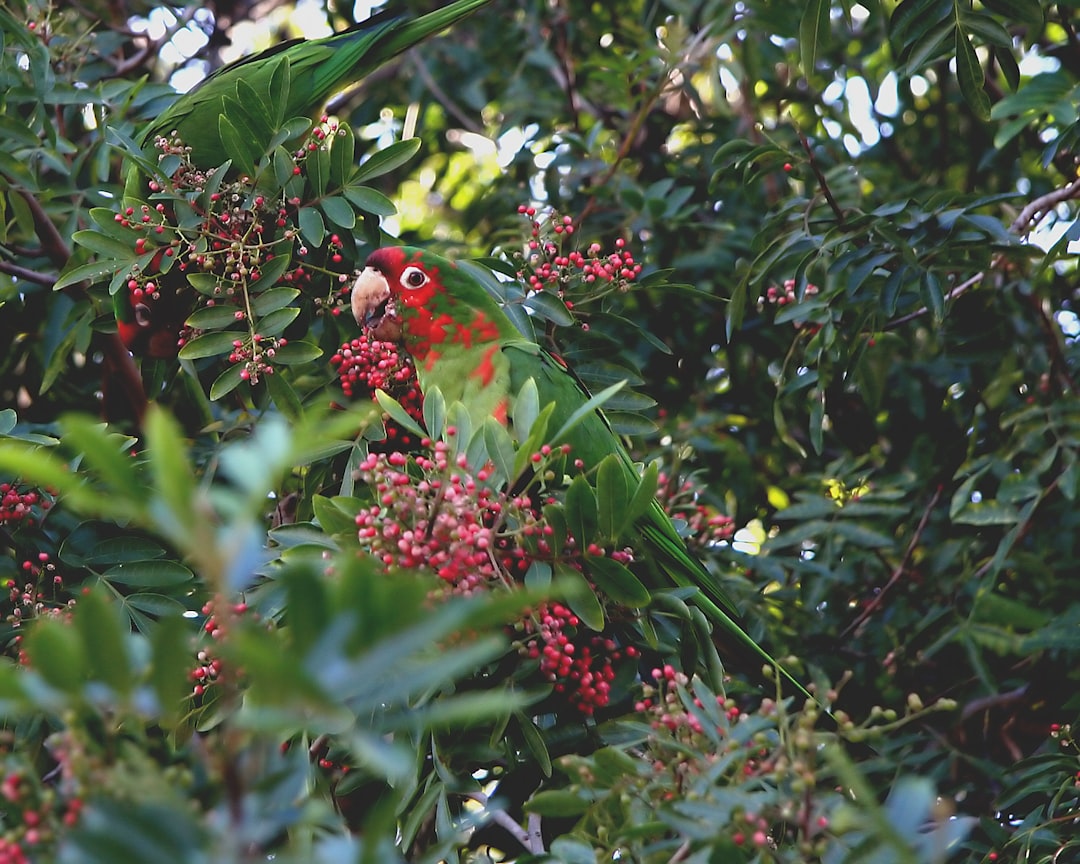
Glossy red berries grow in tight clusters on this herbaceous perennial and resemble safe edible fruits like red currants. The plant contains a cardiogenic toxin that can sedate the heart muscles almost immediately upon ingestion. Early symptoms include burning in the mouth and throat which usually stops people from consuming a lethal amount. The berries often grow on a long stalk above the foliage and look dangerously appetizing to hungry hikers.
Canada Moonseed
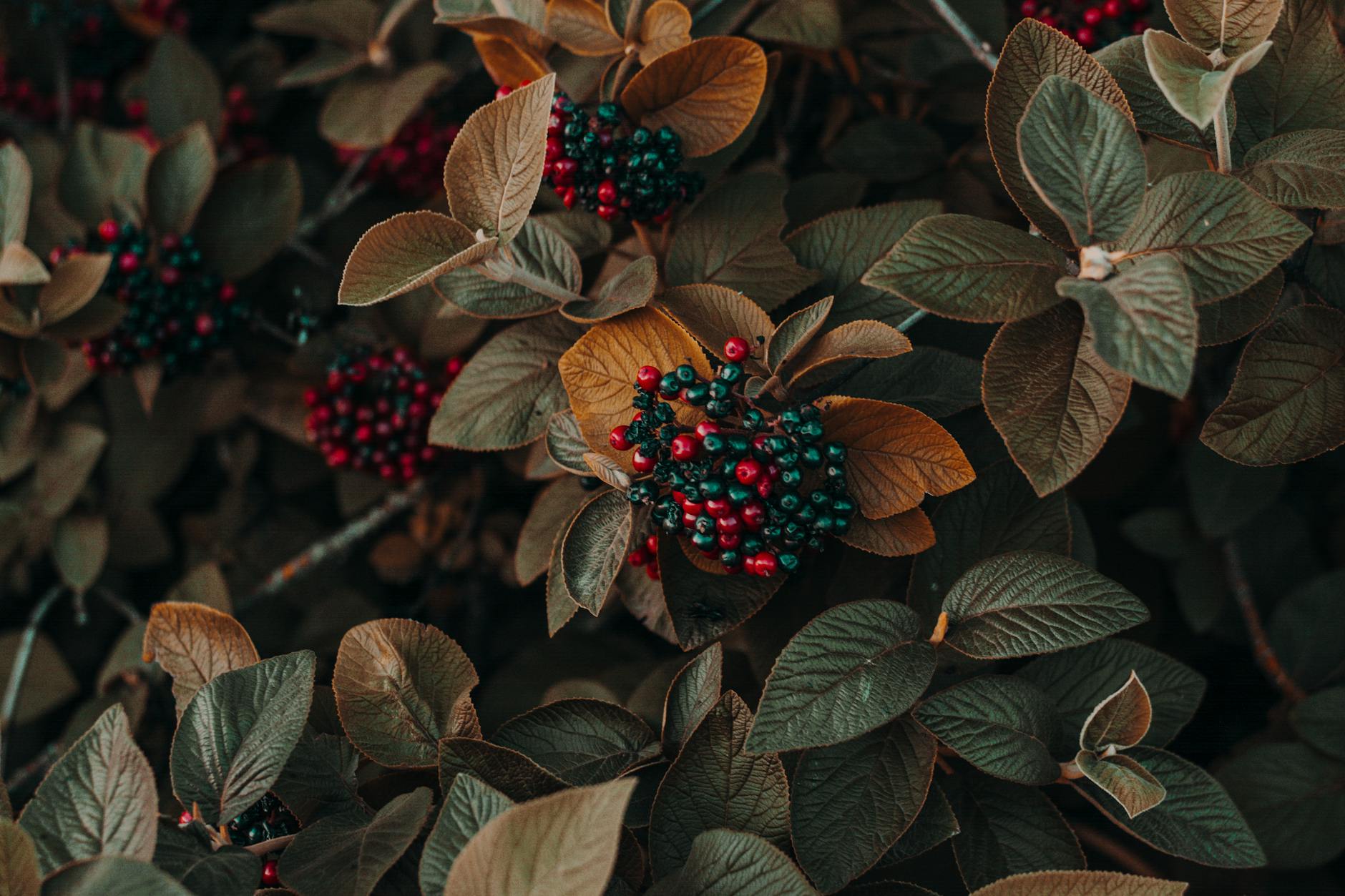
The dark blue fruit of the moonseed plant looks nearly identical to wild grapes and grows in similar clusters. A key difference lies in the seed shape since moonseed fruits contain a single crescent shaped seed. Wild grapes contain multiple round seeds and have toothed leaves compared to the smooth edges of moonseed leaves. Eating these berries causes convulsions and seizures due to the presence of the toxic alkaloid dauricine.
Cotoneaster
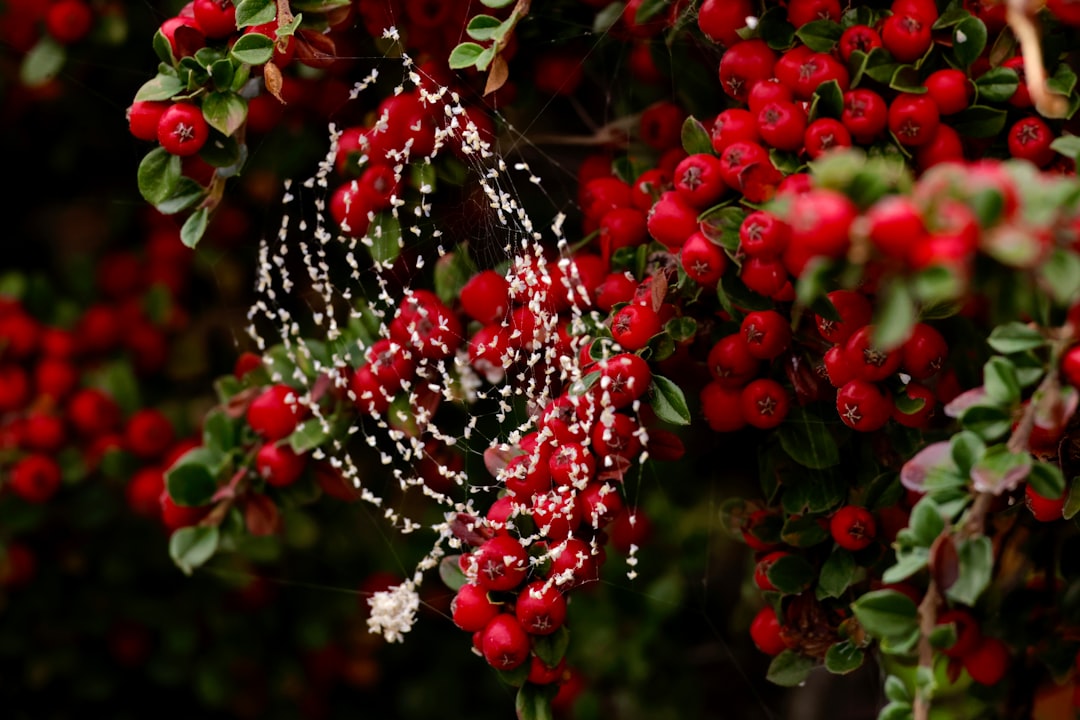
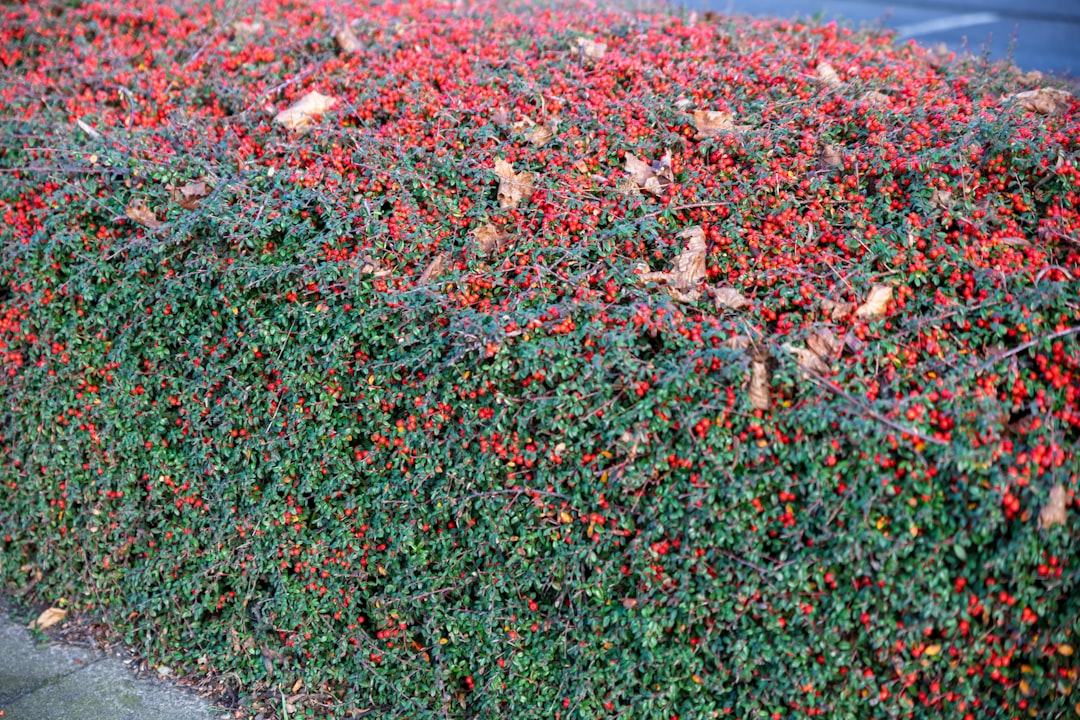
Red berries cover this spreading shrub in the autumn and persist well into the winter months. The fruit resembles small cranberries or huckleberries but causes heart and liver problems due to cyanogenic glycosides. Gardeners often plant this shrub for ground cover which brings the toxic fruit within easy reach of children. The berries have a mealy texture and a bitter taste that usually discourages consumption of large quantities.
Jerusalem Cherry
Small round fruits grow on this houseplant and change color from green to yellow and finally to a bright orange red. They look incredibly similar to cherry tomatoes but contain solanocapsine which affects the heart. The plant belongs to the nightshade family and often appears in nurseries as a decorative ornamental pepper. Children frequently mistake the colorful berries for candy or edible tomatoes with dangerous results.
Lily Of The Valley
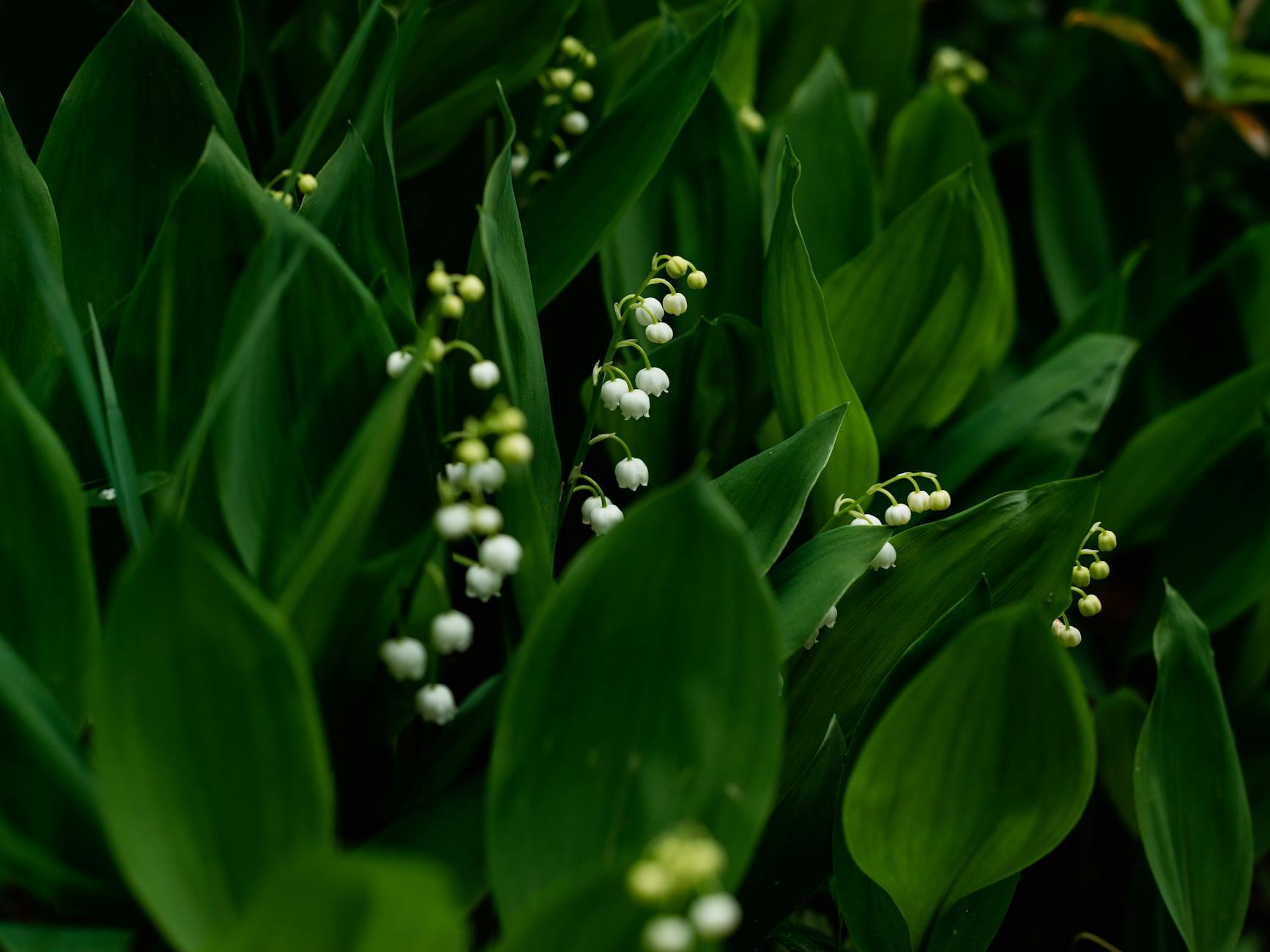
Delicate white bell shaped flowers give way to orange or red berries that grow low to the ground. These attractive fruits contain roughly forty different cardiac glycosides that disrupt the heart’s natural rhythm. Even a small amount of water from a vase holding these flowers can contain enough toxin to cause illness. The berries look sweet and juicy but induce severe headache and disorientation within hours of consumption.
Common Privet
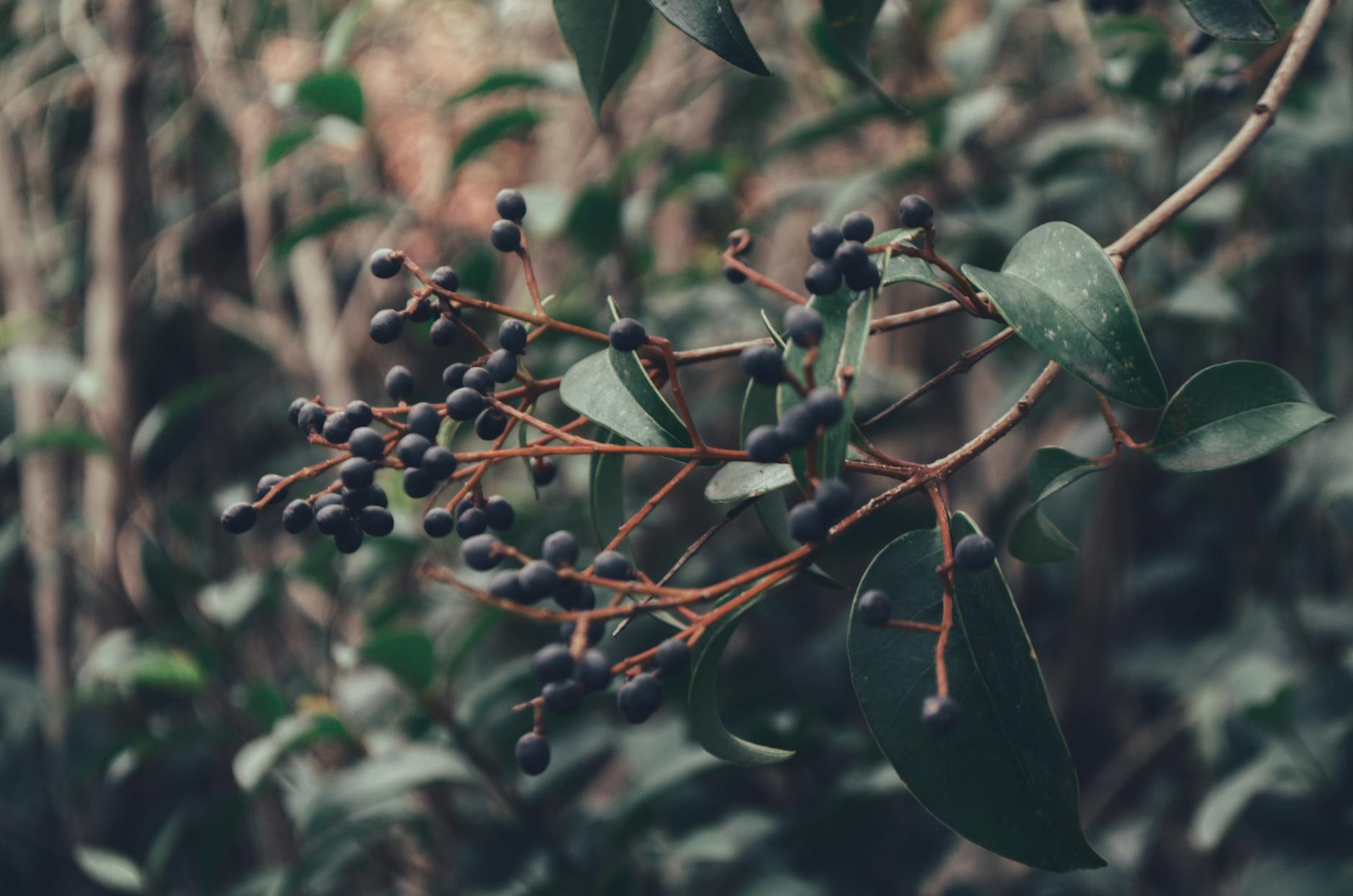
Small black berries grow in dense clusters on this popular hedge shrub and resemble wild blueberries or elderberries. The fruit ripens in autumn and stays on the branches through winter to provide food for wild birds. Humans who eat these berries experience a drop in blood pressure and severe abdominal pain. The leaves and stems also contain toxins that make the entire plant unsafe for consumption.
Daphne Mezereum
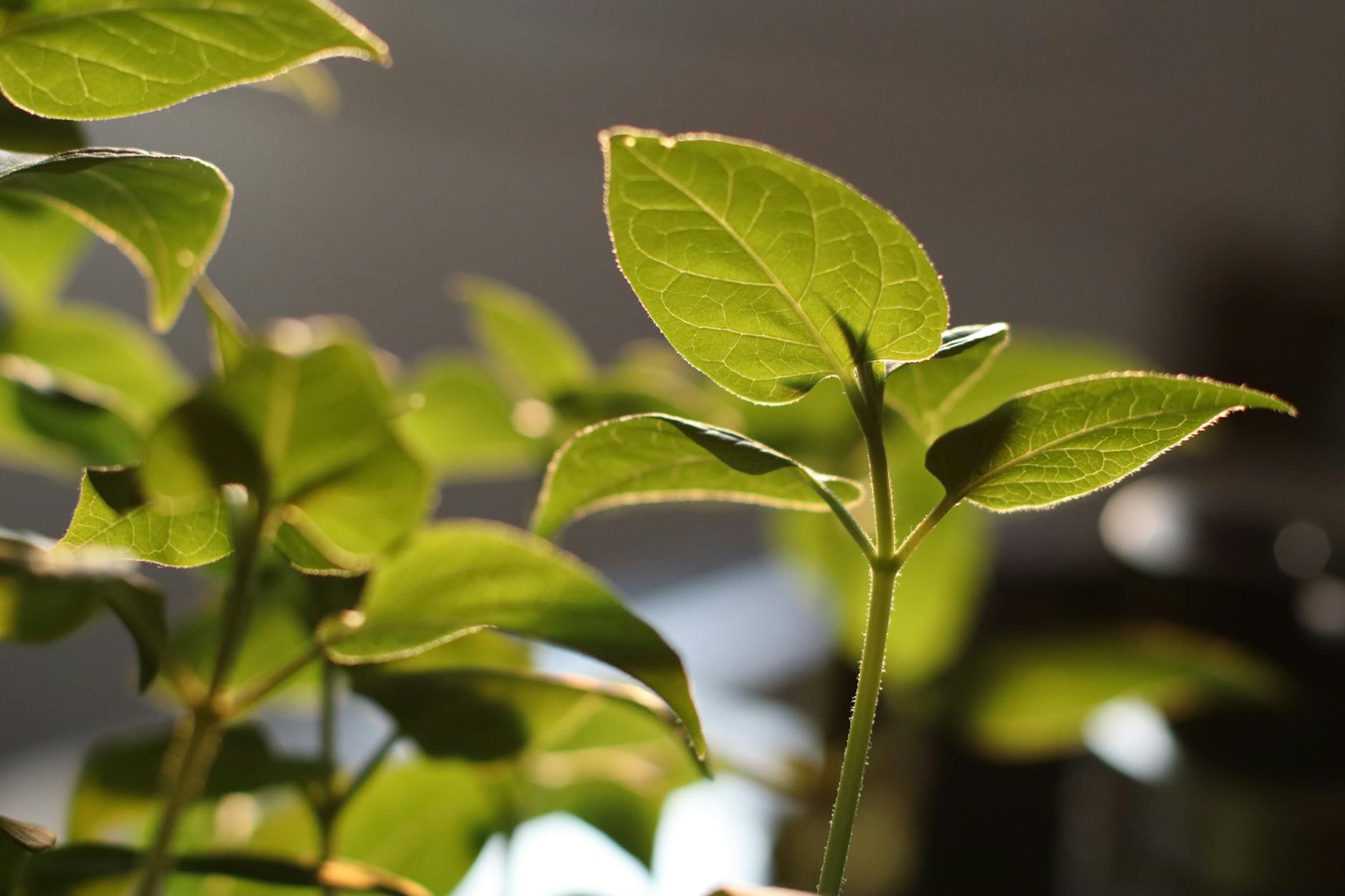
Bright scarlet berries appear directly on the stems of this shrub in late summer and look very much like red currants. The poison daphnetoxin concentrates in the berries and the sap and causes severe choking sensations. Chewing the berries or twigs creates a corrosive effect on the mouth and the digestive tract. Just a few of these attractive berries can prove fatal to a child due to the high potency of the toxin.
Winterberry
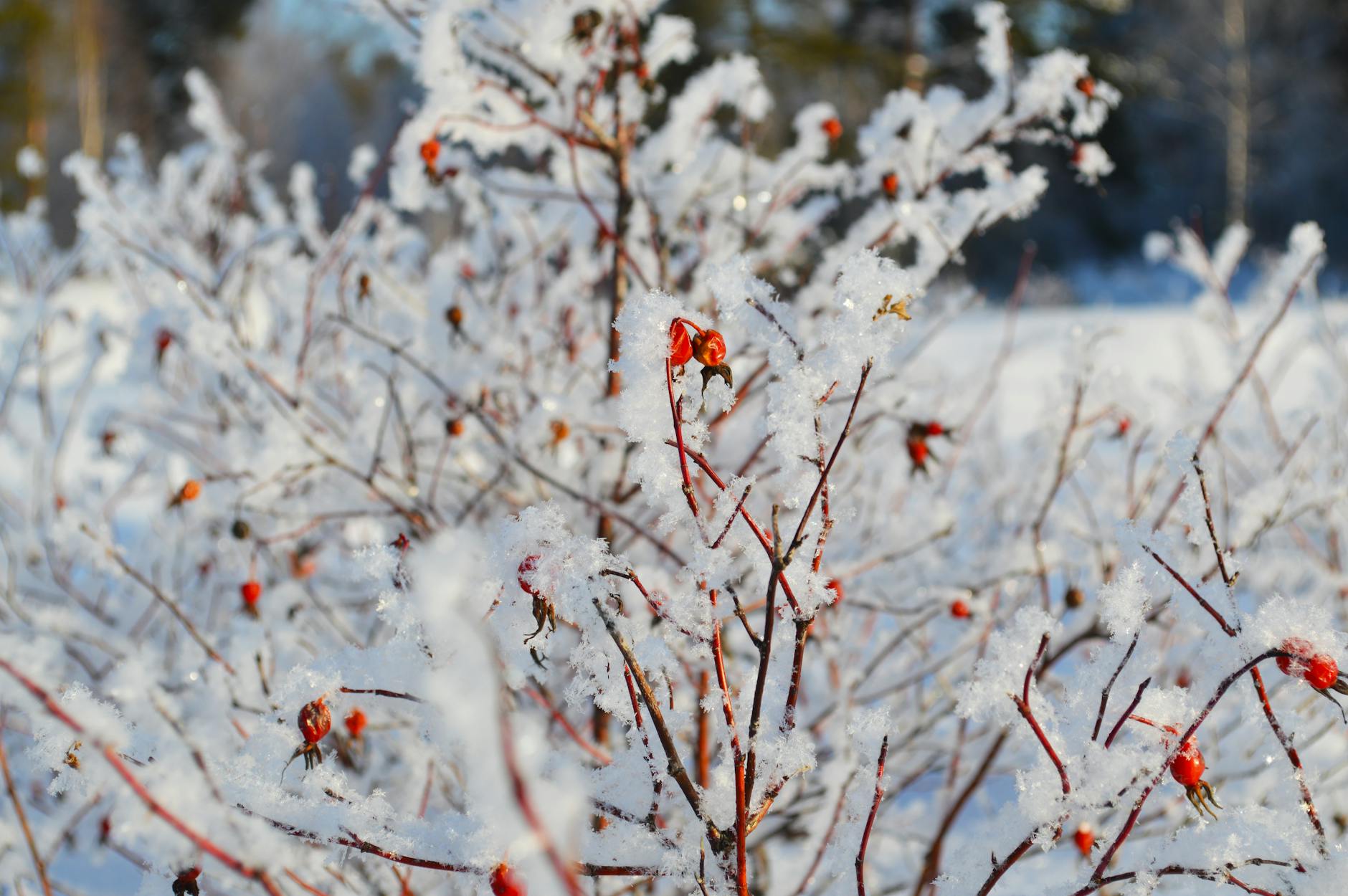
Bright red berries cover the branches of this deciduous holly species after it loses its leaves in late autumn. The fruit contrasts beautifully with white snow and looks invitingly like cranberries or red currants. Ingestion leads to low blood pressure and nausea as the berries contain similar toxins to other holly species. This plant serves as an important food source for birds but causes significant distress to humans and pets.
Burning Bush
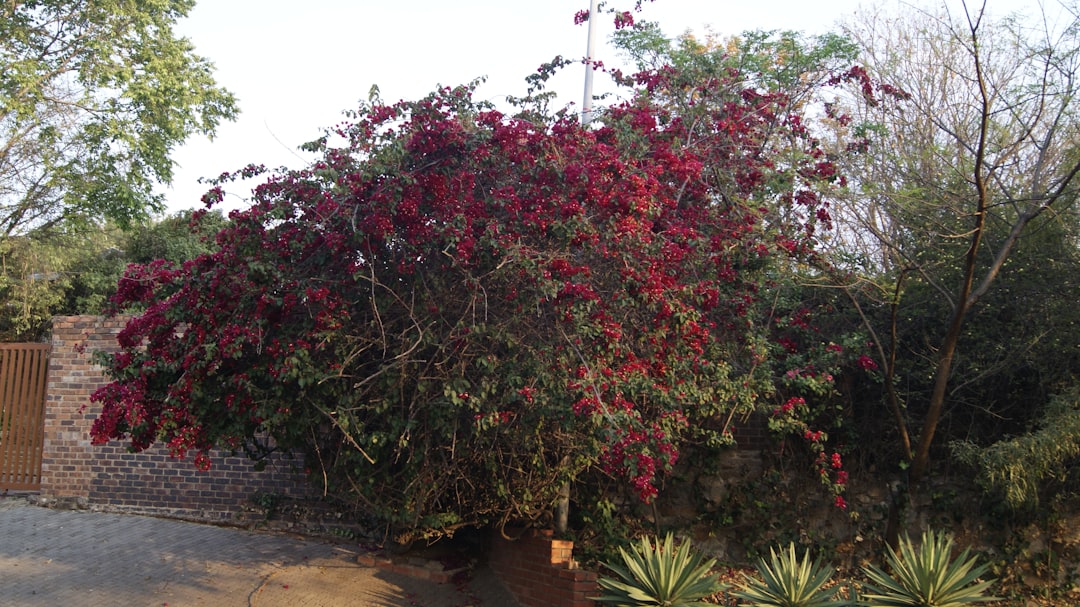
Reddish purple fruits dangle from this shrub in autumn and open to reveal bright orange seeds. The berries resemble the edible fruit of the strawberry bush but act as a strong laxative and purgative. Eating these seeds results in weakness and chills followed by convulsions in extreme cases. The fiery red fall foliage draws attention to the plant and its toxic berries during the autumn hiking season.
Please share your thoughts or experiences with identifying wild berries in the comments.