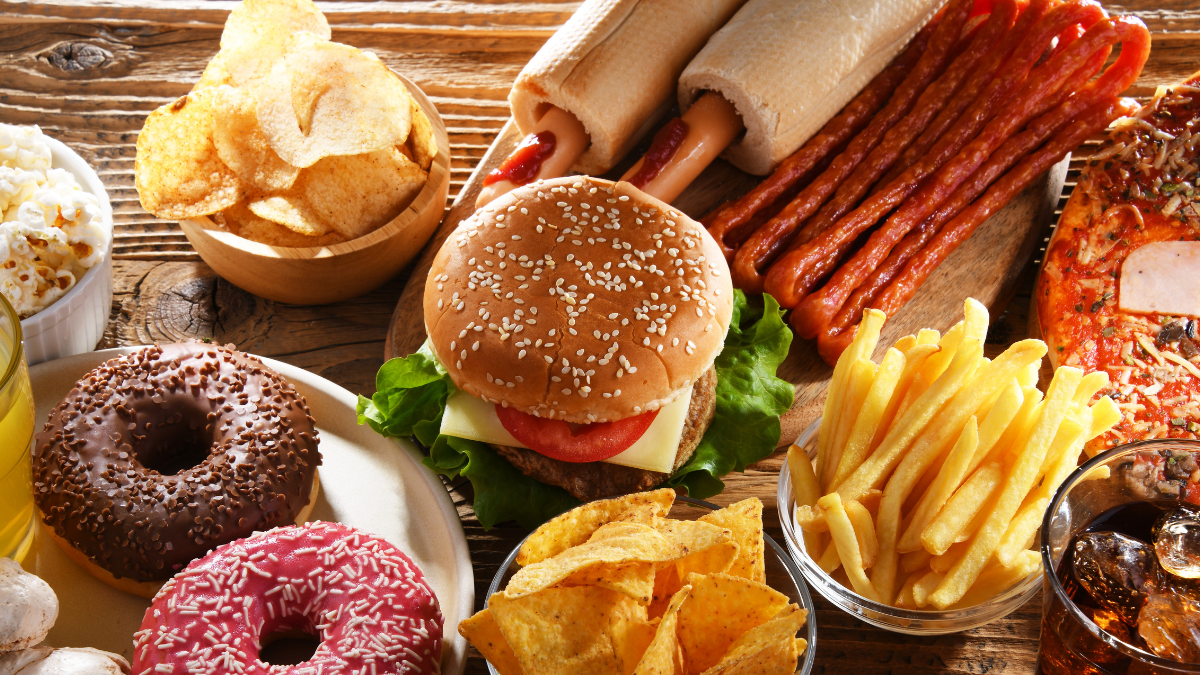
From social media fads to celebrity-endorsed cleanses, the wellness world is flooded with diet trends promising rapid results. Many of these approaches circulate widely online and gain mainstream traction before medical research catches up. Doctors and registered dietitians consistently warn that certain popular methods carry serious health risks that outweigh any short-term benefits. Understanding which trends raise red flags among medical professionals can help protect long-term health and inform smarter nutritional choices. Before adopting any new dietary approach, consulting a qualified healthcare provider remains the most important first step.
Breatharian Diet

This extreme practice involves the belief that humans can survive on air and sunlight alone without consuming food or water. Medical professionals categorize this as one of the most dangerous dietary ideologies in existence as it directly contradicts fundamental human biology. Several documented deaths have been linked to individuals attempting to follow this approach in earnest. The body requires macronutrients, water and essential vitamins to sustain organ function and cellular activity. No scientific evidence supports the premise that the human body can derive sustenance from light or atmospheric exposure.
Tapeworm Diet

This practice dates back to the early twentieth century and involved intentionally ingesting tapeworm eggs or segments to reduce caloric absorption. The parasites take up residence in the intestinal tract and can migrate to other organs including the brain eyes and spinal cord. Medical professionals warn that infection can cause seizures blindness organ failure and in severe cases death. This approach is illegal in many countries and no regulatory health body endorses it under any circumstances. The long-term neurological and gastrointestinal damage caused by parasitic infection can be irreversible.
Carnivore Diet
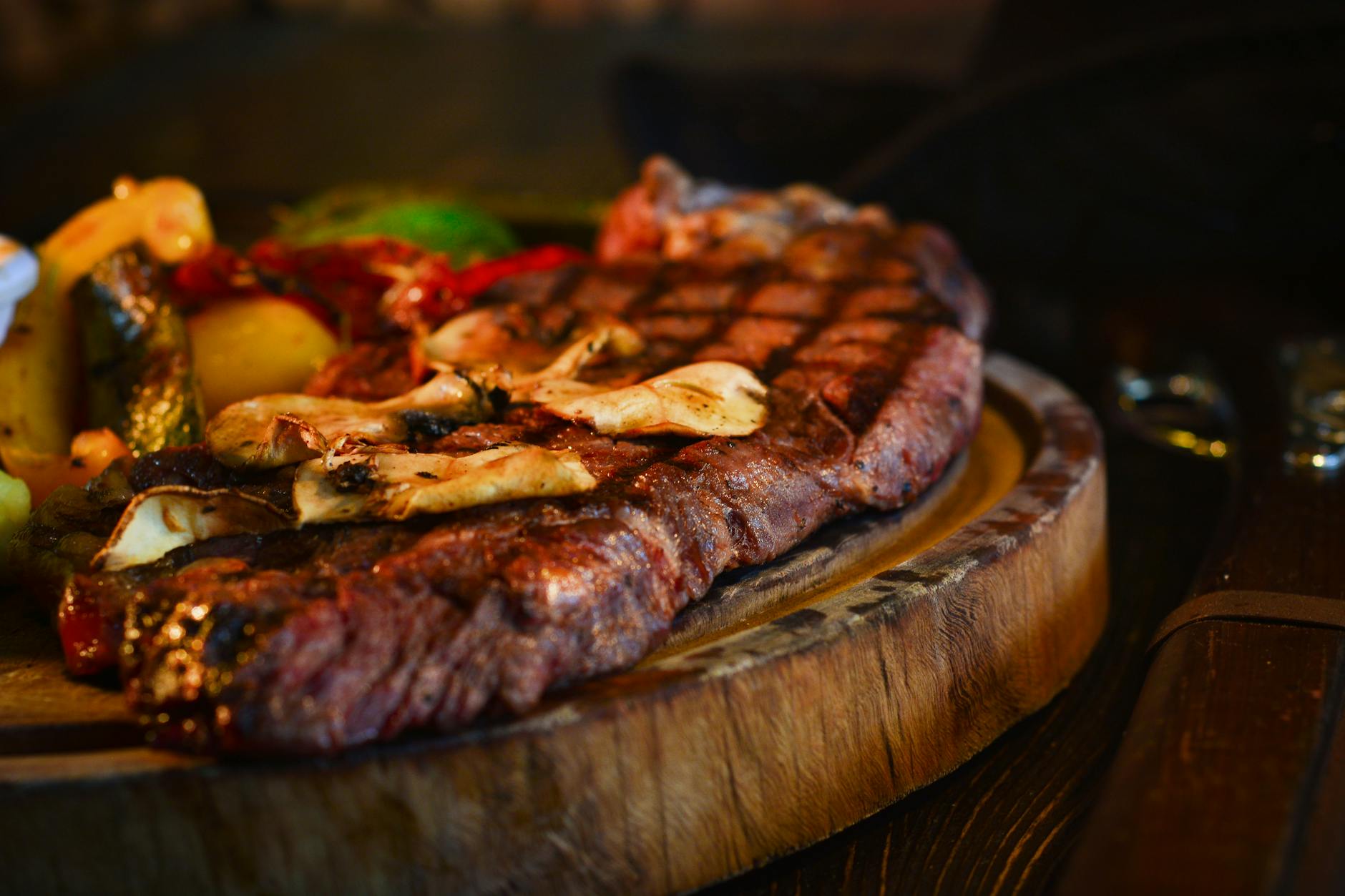
This dietary approach restricts intake exclusively to animal products including meat fish eggs and some dairy while eliminating all plant-based foods. Physicians raise concerns about the complete absence of dietary fiber which plays a critical role in gut microbiome health and digestive regularity. Long-term adherence has been associated with elevated LDL cholesterol levels and increased cardiovascular risk according to multiple clinical reviews. The elimination of fruits vegetables and legumes removes key antioxidants phytonutrients and vitamins essential for immune and cellular function. Gastroenterologists note a documented rise in colorectal cancer risk correlated with extremely high red meat consumption over time.
Feeding Tube Diet

Medically known as the K-E diet this approach involves inserting a nasogastric tube through the nose to deliver a continuous low-calorie protein and fat solution directly to the stomach. It was originally designed as a clinical tool for patients unable to eat due to illness and was never developed as a weight loss method for healthy individuals. Doctors warn that unsupervised tube feeding carries risks including infection nasal tissue damage electrolyte imbalances and dangerous drops in blood pressure. The extremely low calorie delivery typically around 800 calories per day can trigger the body into starvation mode causing muscle loss alongside fat reduction. Medical associations strongly oppose the cosmetic use of clinical feeding equipment outside of monitored hospital environments.
Baby Food Diet

This trend involves replacing regular adult meals with small portions of pureed baby food to control calorie intake and reduce portion sizes. Nutritional scientists point out that baby food formulas are specifically engineered to meet the developmental needs of infants not the metabolic demands of adults. Adult bodies require substantially higher levels of protein fiber and complex carbohydrates than these products provide. Prolonged adherence can result in nutrient deficiencies muscle deterioration and a disrupted relationship with normal eating behaviors. The absence of textural variety and social eating experiences also contributes to psychological impacts associated with disordered eating patterns.
Master Cleanse

This liquid-only protocol involves consuming a mixture of water lemon juice cayenne pepper and maple syrup for an extended period ranging from several days to weeks. Medical professionals categorize it as a form of severe caloric restriction that deprives the body of protein healthy fats and essential micronutrients. The kidneys and liver are the body’s natural detoxification organs and require no external dietary intervention to perform their biological functions. Physicians report that participants frequently experience dizziness fainting muscle cramps heart palpitations and significant lean muscle loss. Any weight lost during the cleanse period is predominantly water and glycogen stores and typically returns once normal eating resumes.
HCG Diet

The HCG diet combines daily injections or oral drops of human chorionic gonadotropin with an extremely restrictive intake of just 500 calories per day. The United States Food and Drug Administration has declared HCG weight loss products illegal and ineffective citing no credible scientific evidence that the hormone contributes to fat metabolism. Consuming only 500 calories daily falls far below the minimum threshold required for basic organ function and metabolic stability. Documented side effects include fatigue headaches depression blood clots and in some cases ovarian hyperstimulation syndrome in women. Endocrinologists warn that manipulating reproductive hormone levels without medical supervision poses significant and unpredictable systemic health risks.
Cotton Ball Diet

This practice involves consuming cotton balls soaked in liquids such as juice or smoothies with the intention of creating a feeling of fullness without caloric intake. Cotton balls are typically made from bleached polyester fibers that the human digestive system is completely incapable of breaking down or absorbing safely. Gastroenterologists warn that ingesting non-food materials can cause intestinal blockages known as bezoars which may require surgical intervention to remove. The dyes bleaching agents and chemical treatments used in cotton production introduce toxic compounds directly into the digestive tract. This approach is widely cited by eating disorder specialists as a dangerous behavior associated with extreme body dysmorphia and disordered eating.
Raw Water Diet

This trend promotes drinking unfiltered untreated water collected directly from natural springs rivers or groundwater sources as a rejection of municipal water treatment. Public health officials and infectious disease specialists classify this as a significant risk for contracting waterborne pathogens including E. coli giardia cryptosporidium and hepatitis A. Modern water treatment processes exist specifically to eliminate biological and chemical contaminants responsible for historically devastating disease outbreaks. Proponents claim that treated water loses beneficial minerals and probiotics but no peer-reviewed research supports this as a meaningful health benefit. Consuming untreated water has caused documented outbreaks of serious gastrointestinal illness in communities across multiple countries.
Sun Gazing Diet

Sun gazing involves staring directly at the sun during specific periods of the day with some proponents claiming it reduces or eliminates the need for conventional food. Ophthalmologists categorically state that direct sun exposure to the retina causes irreversible photochemical damage resulting in a condition known as solar retinopathy. This form of eye damage leads to permanent central vision loss blurred sight and blind spots that do not improve with time or treatment. No credible nutritional science supports the claim that solar energy can substitute for caloric and macronutrient intake in the human body. Cases of serious vision impairment and total blindness have been documented among individuals who practiced this method over sustained periods.
Urine Therapy Diet

This practice involves consuming one’s own urine either partially or as a full dietary supplement based on the belief that it contains beneficial compounds the body has discarded. Nephrologists explain that urine is a waste product produced specifically because the kidneys have identified its components as unnecessary or harmful to retain in the body. Reintroducing concentrated waste products including urea ammonia and excess salts forces the kidneys to process and expel them a second time adding unnecessary strain to the organs. No clinical study conducted under peer-reviewed standards has found therapeutic or nutritional benefit associated with urine consumption. Physicians associate the practice with increased risk of bacterial contamination particularly when urinary tract infections are present.
Alkaline Diet

The alkaline diet operates on the premise that consuming foods designed to raise the body’s pH will improve health outcomes and promote weight loss. Physiologists note that the human body maintains blood pH within an extremely narrow range through highly regulated respiratory and renal mechanisms regardless of dietary intake. No food or beverage consumed orally has the capacity to meaningfully alter systemic blood pH in a healthy functioning individual. While the diet does encourage the consumption of vegetables and fruits its foundational scientific premise is not supported by clinical evidence. Doctors caution that followers may spend significant resources on alkaline water and specialty products based on a biochemical claim that does not hold up under medical scrutiny.
Ketogenic Diet Extremes

The standard ketogenic diet involves reducing carbohydrate intake drastically to induce a metabolic state known as ketosis where the body burns fat for primary fuel. Medical concerns arise when individuals pursue extreme or unsupervised variations that eliminate entire food categories for prolonged durations without clinical monitoring. Nephrologists have documented cases of kidney stones and elevated uric acid levels in long-term adherents following very high protein versions of the diet. Those with pre-existing liver conditions pancreatitis or disorders of fat metabolism face particularly elevated risks when adopting this approach without physician oversight. Pediatric neurologists use medically supervised ketogenic protocols for epilepsy treatment but emphasize that self-directed extreme versions are not equivalent to these controlled clinical applications.
Fruitarianism

Fruitarianism restricts the diet almost entirely to raw fruits with some variations permitting nuts and seeds while excluding all vegetables grains legumes and animal products. Nutritional medicine specialists identify significant deficiencies in vitamin B12 calcium iron zinc omega-3 fatty acids and complete proteins among long-term practitioners. Chronically low B12 levels lead to irreversible neurological damage including peripheral neuropathy cognitive decline and spinal cord degeneration if left uncorrected. The very high sugar content of an all-fruit diet also raises concern among endocrinologists particularly regarding insulin sensitivity and liver fat accumulation over time. Documented case studies of severe malnutrition have emerged from communities and families attempting to raise children on exclusively fruitarian diets.
Blood Type Diet
This approach prescribes specific foods to eat or avoid based entirely on an individual’s ABO blood type claiming that blood group determines optimal nutritional needs. Hematologists and nutrition researchers have repeatedly found no credible mechanistic link between ABO blood type and the body’s ability to metabolize specific foods. A large-scale study published in peer-reviewed literature found that benefits observed by individuals on blood type diets were attributable to general healthy eating patterns rather than blood type compatibility. The diet often restricts entire food groups without nutritional justification leading to unnecessary elimination of beneficial proteins fats and complex carbohydrates. Medical professionals express particular concern about followers avoiding evidence-based dietary recommendations in favor of a system with no validated scientific foundation.
Activated Charcoal Cleanse

Activated charcoal has legitimate medical applications in emergency settings where it is administered to neutralize certain ingested poisons under direct clinical supervision. Its use as a daily dietary supplement or internal cleanser in wellness trends has drawn significant concern from pharmacologists and gastroenterologists alike. Activated charcoal binds non-selectively meaning it absorbs beneficial nutrients vitamins and minerals alongside any substances deemed harmful disrupting nutritional absorption. Of particular medical concern is its interaction with prescription medications including birth control antibiotics and cardiovascular drugs significantly reducing their efficacy. Repeated unsupervised use has been associated with electrolyte disturbances severe constipation and in some cases intestinal blockage.
Detox Tea Diet

Detox teas are herbal beverage blends marketed for weight loss internal cleansing and digestive improvement widely promoted by social media influencers and celebrity endorsements. Hepatologists and toxicologists warn that several commonly used ingredients in these blends including senna aloe vera and certain botanical extracts cause significant liver toxicity with prolonged use. The laxative effect produced by many of these teas causes chronic loose stools which leads to dangerous dehydration and electrolyte imbalances over time. Regulatory agencies including the FDA have issued warnings against specific detox tea products following reports of acute liver failure linked to their consumption. The concept of using herbal teas to detoxify the body is medically unsupported as the liver and kidneys perform this function continuously without supplemental assistance.
Cabbage Soup Diet

This short-term dietary plan involves consuming primarily a homemade cabbage-based soup alongside very limited additional foods for a period of seven consecutive days. Physicians describe the nutritional profile of this plan as severely lacking in protein healthy fats and a broad spectrum of essential micronutrients required for basic physiological function. The dramatic caloric deficit produces rapid initial weight loss that is almost entirely composed of water weight and glycogen rather than adipose tissue. Endocrinologists note that repeated cycles of this type of crash dieting disrupt hormonal appetite regulation and slow resting metabolic rate over time. Gastrointestinal side effects including bloating excessive gas cramping and fatigue are widely reported and attributable to the high insoluble fiber content consumed in large volumes.
Werewolf Diet

Also known as the lunar diet this approach involves fasting or consuming only water and juice on full moon and new moon days based on the belief that lunar cycles influence body fluid dynamics. Chronobiologists and nutrition scientists state there is no peer-reviewed evidence demonstrating that moon phases exert any measurable influence on human metabolism digestion or fat storage. The fasting component may produce minor short-term calorie deficits but the associated rationale has no foundation in physiology or endocrinology. Repeated juice-only fasting days can contribute to blood sugar instability particularly in individuals with insulin resistance or type 2 diabetes. Medical practitioners note that framing restrictive eating behaviors within mystical or cyclical frameworks can make disordered eating patterns more difficult to identify and address clinically.
Raw Meat Diet

Promoted in certain fringe wellness communities this approach advocates for the consumption of uncooked animal proteins including beef poultry fish organs and unpasteurized dairy as a way to preserve natural enzymes. Food safety authorities and infectious disease physicians consistently classify raw meat consumption as one of the highest-risk dietary behaviors in terms of exposure to dangerous pathogens. Salmonella E. coli O157:H7 listeria campylobacter and toxoplasma are among the organisms capable of causing life-threatening illness following consumption of inadequately prepared animal products. Vulnerable populations including pregnant women immunocompromised individuals and young children face disproportionately severe outcomes including miscarriage organ failure and death. Cooking animal products to recommended internal temperatures remains the only method validated by food science to reliably neutralize these biological hazards.
Breathwork Fasting

This emerging trend combines extended water fasting periods sometimes lasting several days or weeks with intensive breathwork sessions claiming that oxygen and specific breathing patterns can sustain the body in the absence of food. Critical care physicians warn that prolonged water fasting beyond 24 to 48 hours without medical supervision causes the body to break down muscle protein and vital organ tissue for energy in addition to fat stores. Electrolyte abnormalities arising from extended fasting periods can trigger life-threatening cardiac arrhythmias particularly when combined with physically intensive activities such as vigorous breathwork exercises. Refeeding syndrome a potentially fatal condition caused by the sudden reintroduction of nutrition after prolonged starvation presents a serious risk during the recovery phase. No clinical evidence supports the hypothesis that controlled breathing can replace the biochemical energy derived from macronutrient consumption in sustaining human physiological processes.
If any of these trends have appeared on your radar share your thoughts in the comments.