Every city has its crown jewels that draw millions of visitors each year, but behind the Instagram filters and tour bus queues lies a very different story told by the people who actually live there. Locals often develop a complicated relationship with the landmarks that define their hometown to the outside world, watching their neighborhoods transform under the weight of constant foot traffic, inflated prices, and the slow erasure of authentic community life. From overcrowded plazas to commercialized waterfronts, these famous sites may top every travel bucket list while quietly driving residents to distraction. Here are the tourist attractions that the people who live closest to them love to avoid.
Times Square
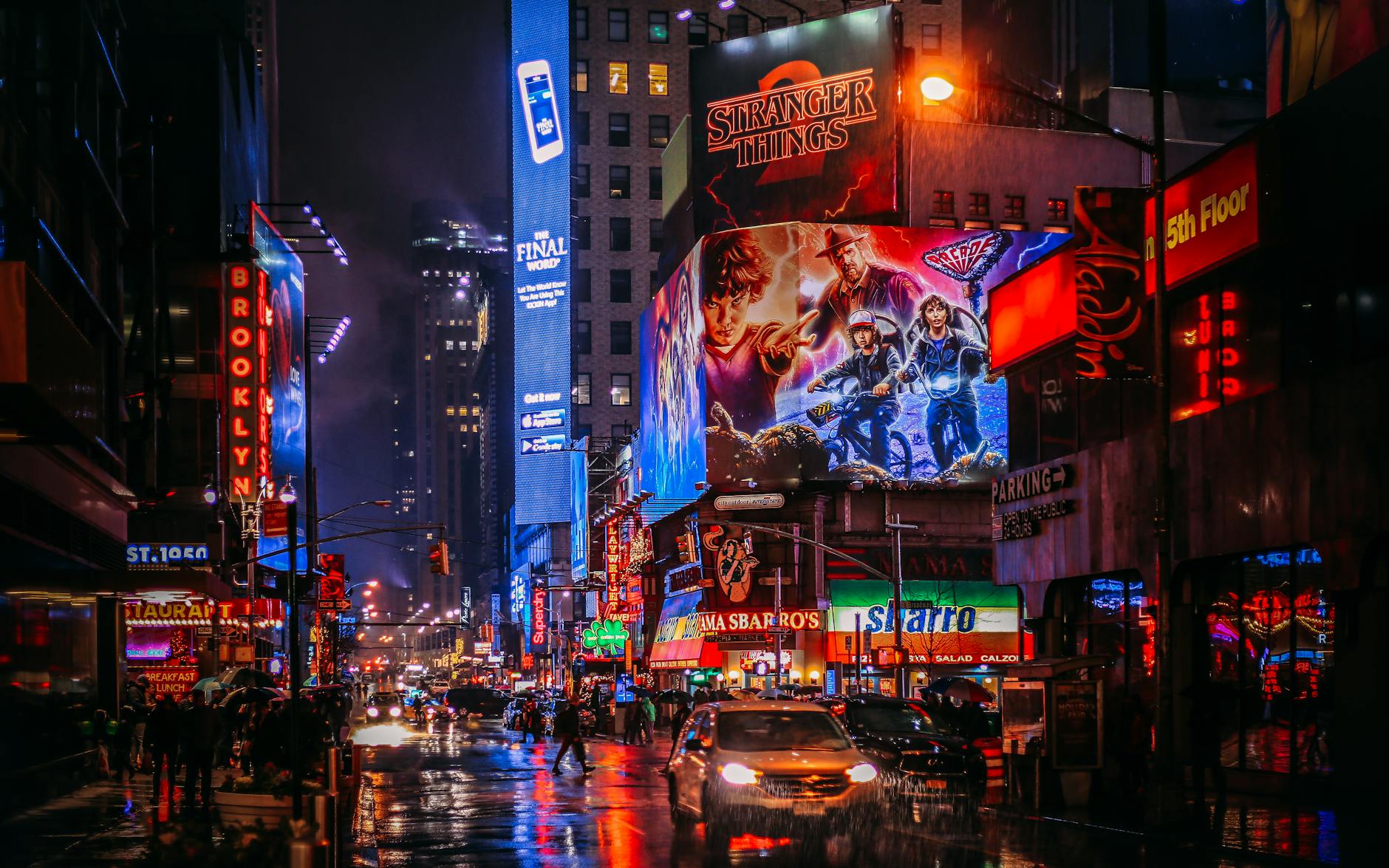
Few places on earth concentrate as much neon, noise, and human congestion into a single block as this legendary Manhattan intersection. What was once a gritty theatrical district has been transformed into an open-air retail corridor lined with chain restaurants and costumed characters charging for photos. Residents of New York City treat it as a no-go zone, rerouting their daily commutes just to avoid the sidewalk gridlock. The sensory overload that delights first-time visitors is precisely what makes it unbearable for anyone trying to simply get from one place to another. Most New Yorkers will openly tell you they have not willingly set foot there in years.
La Rambla
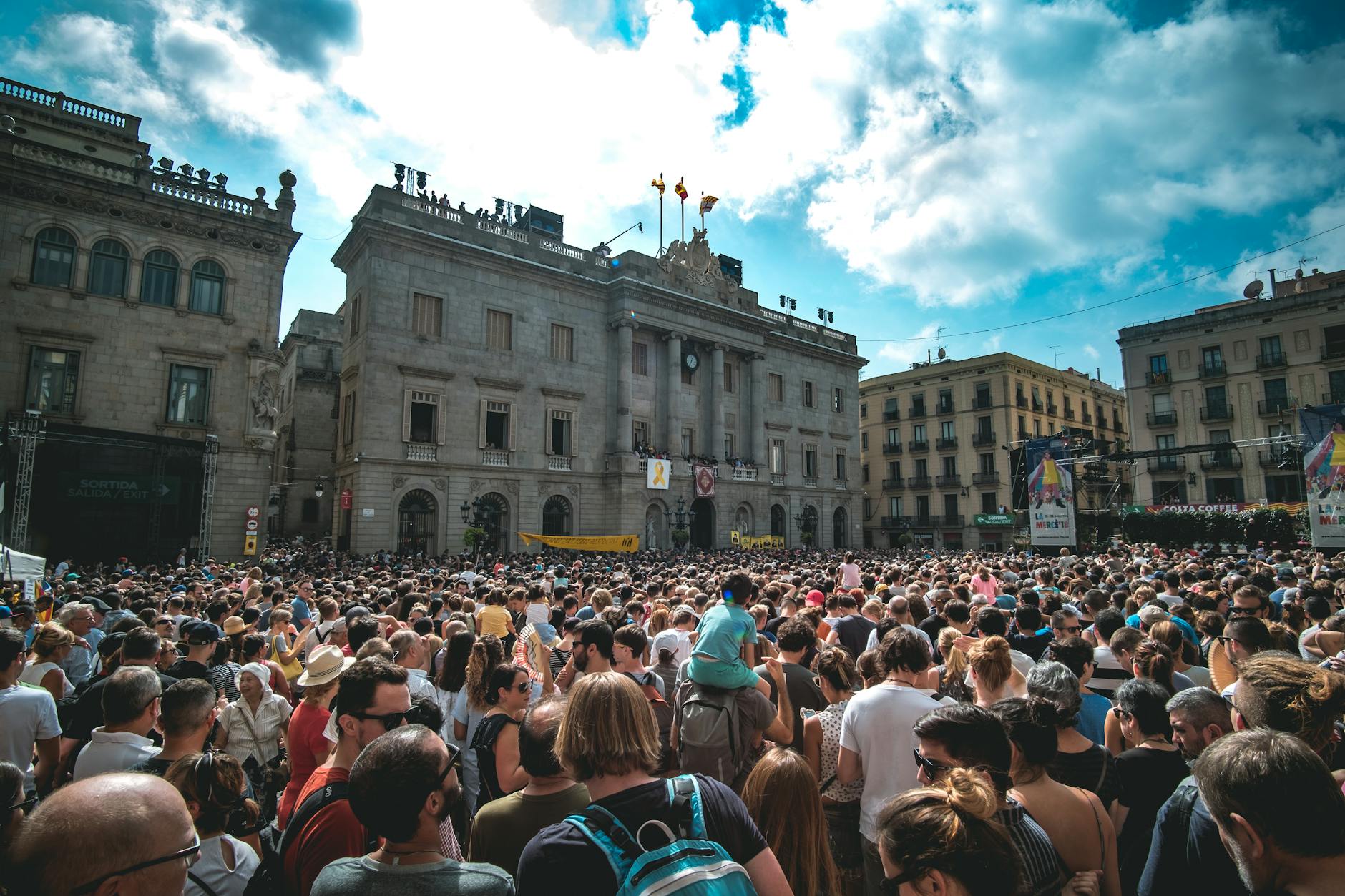
Barcelona’s most famous pedestrian boulevard stretches from the city center down to the waterfront and attracts an almost incomprehensible number of tourists every single day. Locals once used this tree-lined promenade for leisurely evening strolls, a tradition that has been entirely overtaken by slow-moving visitor crowds clutching selfie sticks. Pickpocketing is so prevalent along its length that residents warn every out-of-town guest within minutes of their arrival. The street performers, souvenir stalls, and overpriced café terraces have replaced the authentic Catalan businesses that once gave the boulevard its character. Catalans who grew up walking La Rambla now actively avoid it and use parallel side streets instead.
Trevi Fountain
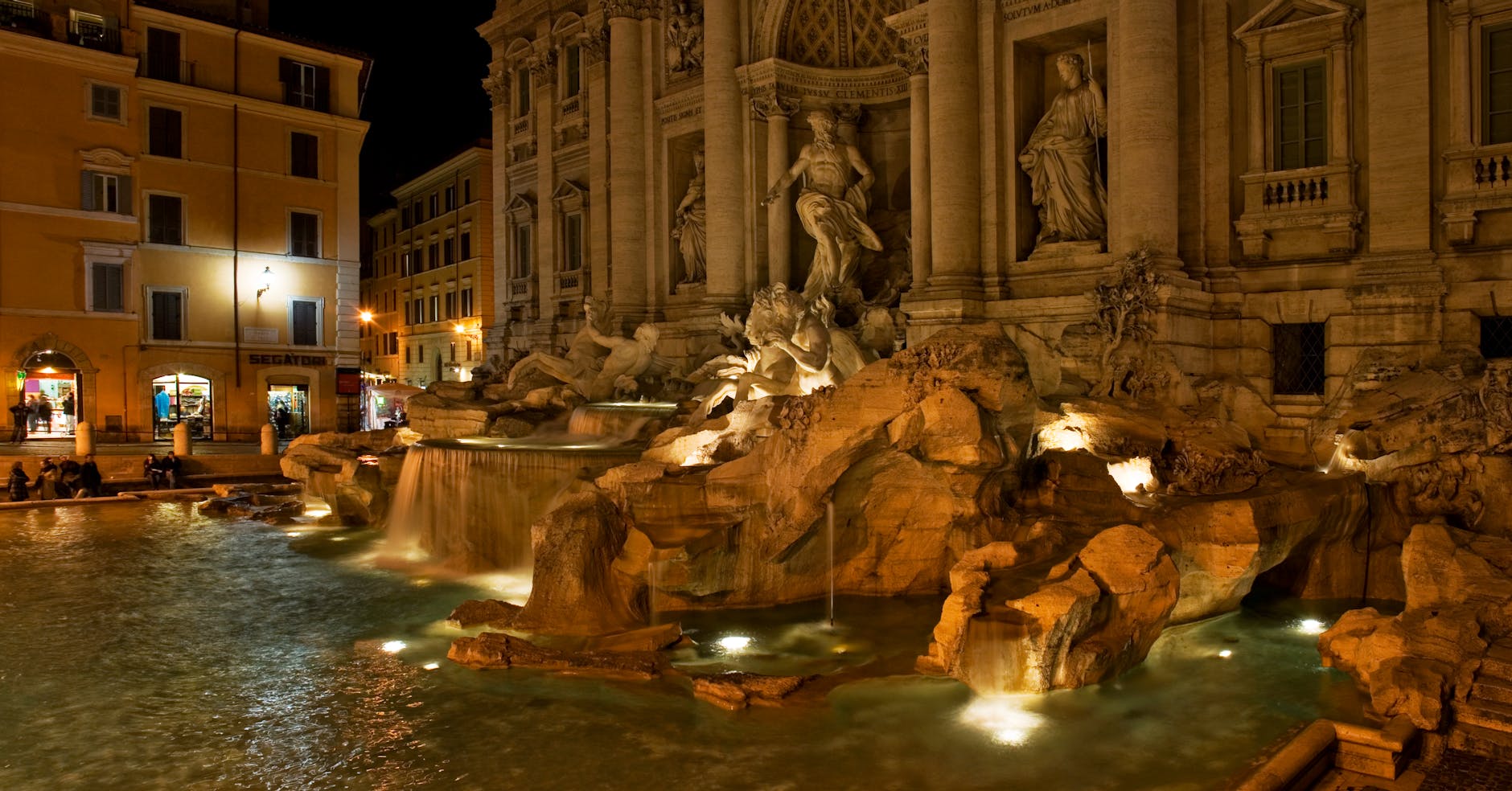
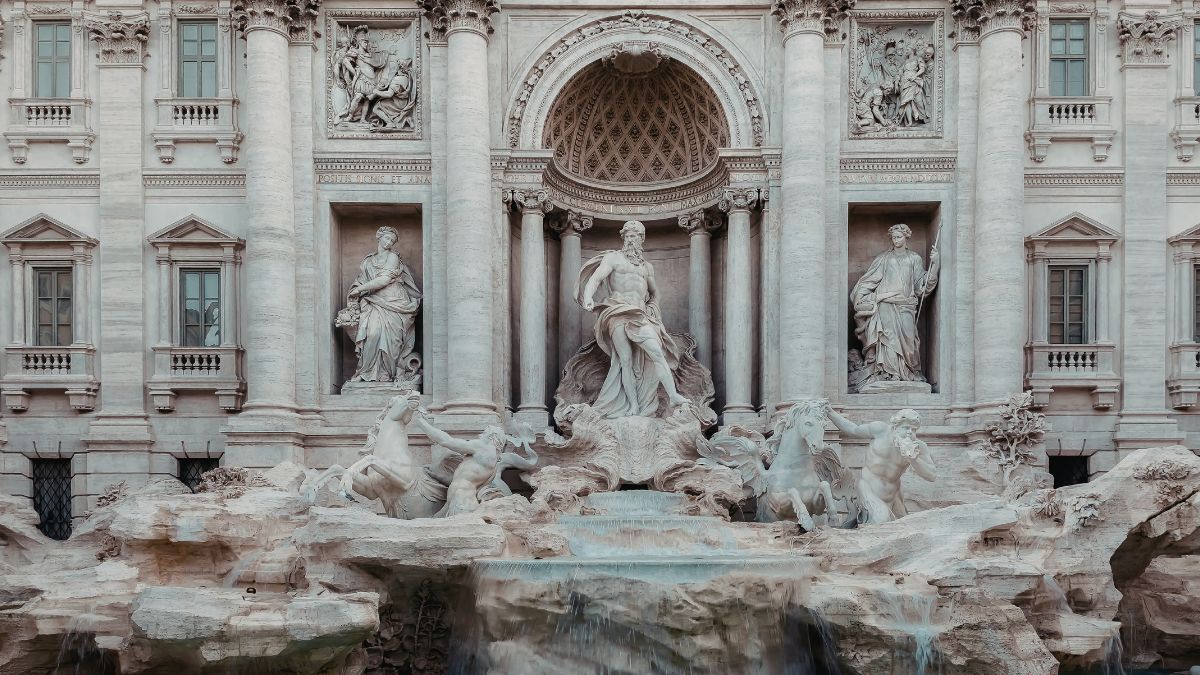
Rome is a city built on the art of the slow afternoon, yet this magnificent baroque fountain has become one of the most densely packed tourist sites in all of Europe. Visitors queue for hours in the surrounding cobblestone piazza just to toss a coin and snap a photograph, creating a near-permanent state of gridlock in what was once a quiet residential corner of the city. Romans living in the nearby Trevi neighborhood regularly struggle to carry groceries home through the churning river of sightseers. The local government has repeatedly debated ticketing systems and timed entry to manage the overwhelming daily crowds. Residents simply refer to it as the place they stopped going to sometime in the early 2000s.
Buckingham Palace
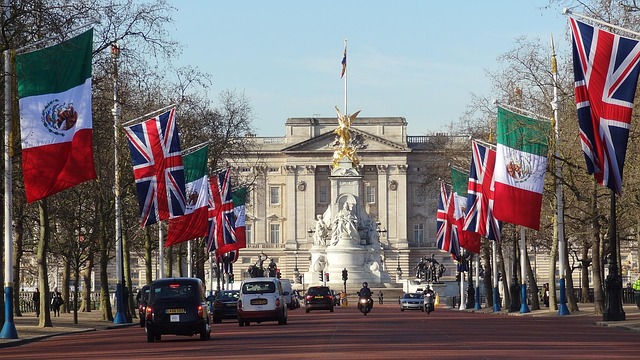
The official London residence of the British monarch draws enormous crowds to the wide ceremonial boulevard of The Mall throughout the year. Local Londoners find the surrounding area virtually impassable on the days when the Changing of the Guard ceremony brings tourist numbers to their peak. The roads around St James’s Park and the Victoria Memorial become clogged with tour coaches, and nearby restaurants price their menus accordingly. Despite the pageantry, most Londoners have little personal connection to the palace and view the whole spectacle with affectionate indifference at best. Many will cheerfully admit they have never once watched the famous ceremony despite living in the city for decades.
Hollywood Walk of Fame
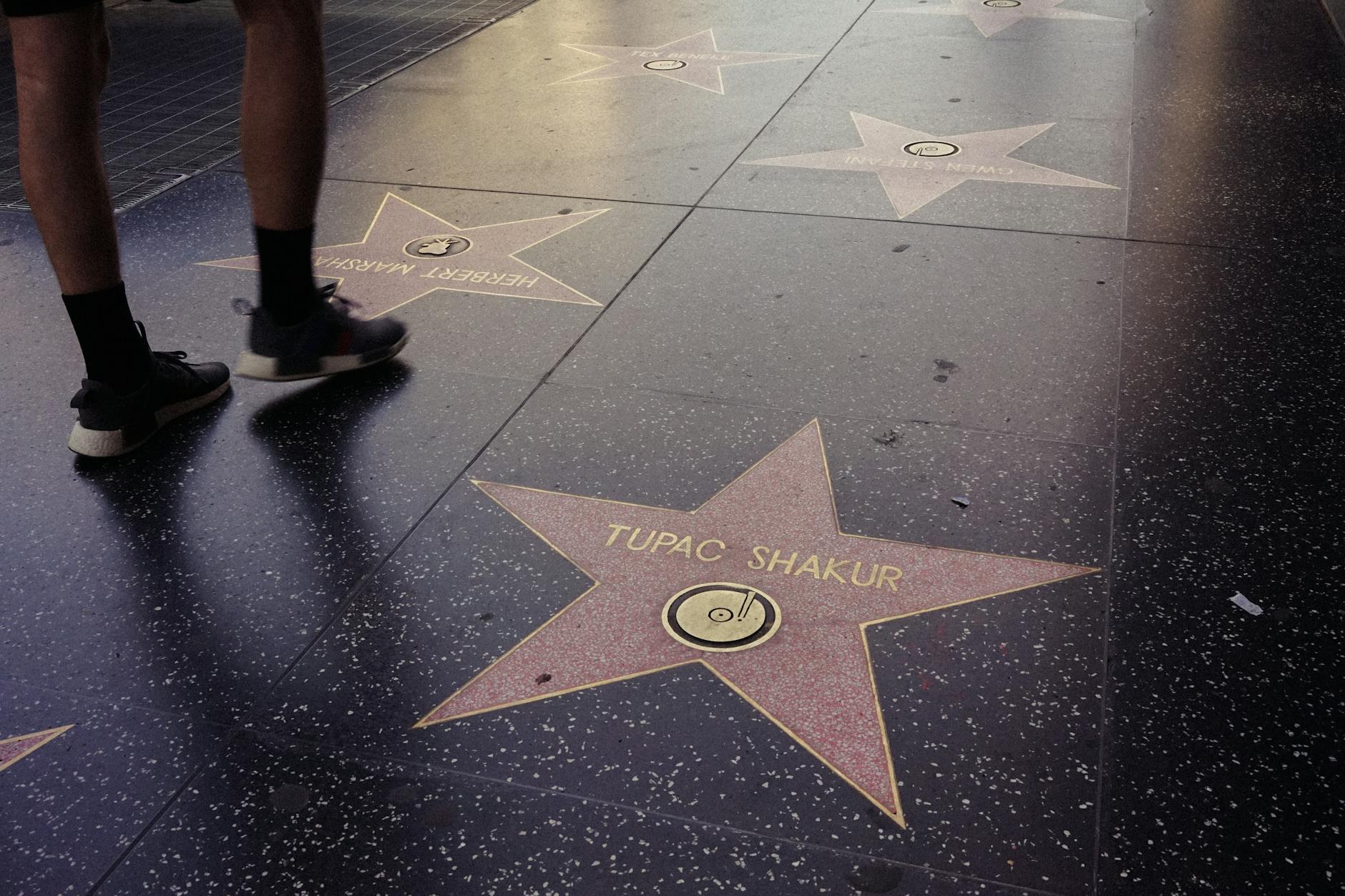
The stretch of pavement along Hollywood Boulevard embedded with star-shaped plaques has a reputation that far exceeds the reality of the experience. Visitors expecting a glamorous slice of cinematic history instead find a congested street flanked by souvenir shops, fast food outlets, and aggressive street performers. Residents of Los Angeles are famously dismissive of the Walk of Fame, viewing it as a monument to a version of their city that bears little resemblance to where they actually live and work. The neighborhood surrounding it has historically struggled with issues that the tourist brochures conspicuously omit. Angelenos rarely have cause to visit and will typically redirect visitors toward the city’s far more rewarding hidden neighbourhoods.
Manneken Pis
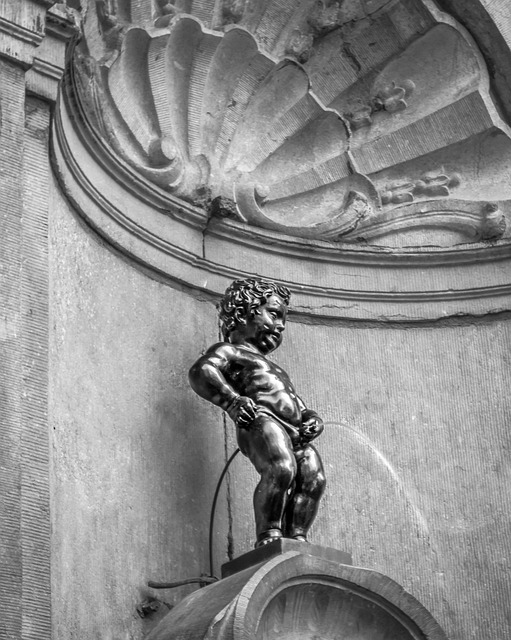
Brussels is a city rich with extraordinary architecture, world-class chocolate, and some of the finest beer on the planet, yet its most visited attraction is a small bronze statue of a urinating boy. The monument stands just 61 centimetres tall, and the sheer density of tourists pressing forward to photograph something so modest genuinely baffles Belgian residents. Locals find the surrounding area perpetually choked with visitors who have often bypassed genuinely spectacular nearby sights to see this one underwhelming figure. The surrounding souvenir market has given rise to an entire industry of questionable merchandise that locals find more embarrassing than charming. Bruxellois tend to reserve their fondness for the statue as a quirky piece of city mythology rather than something worth visiting in person.
Champs-Élysées
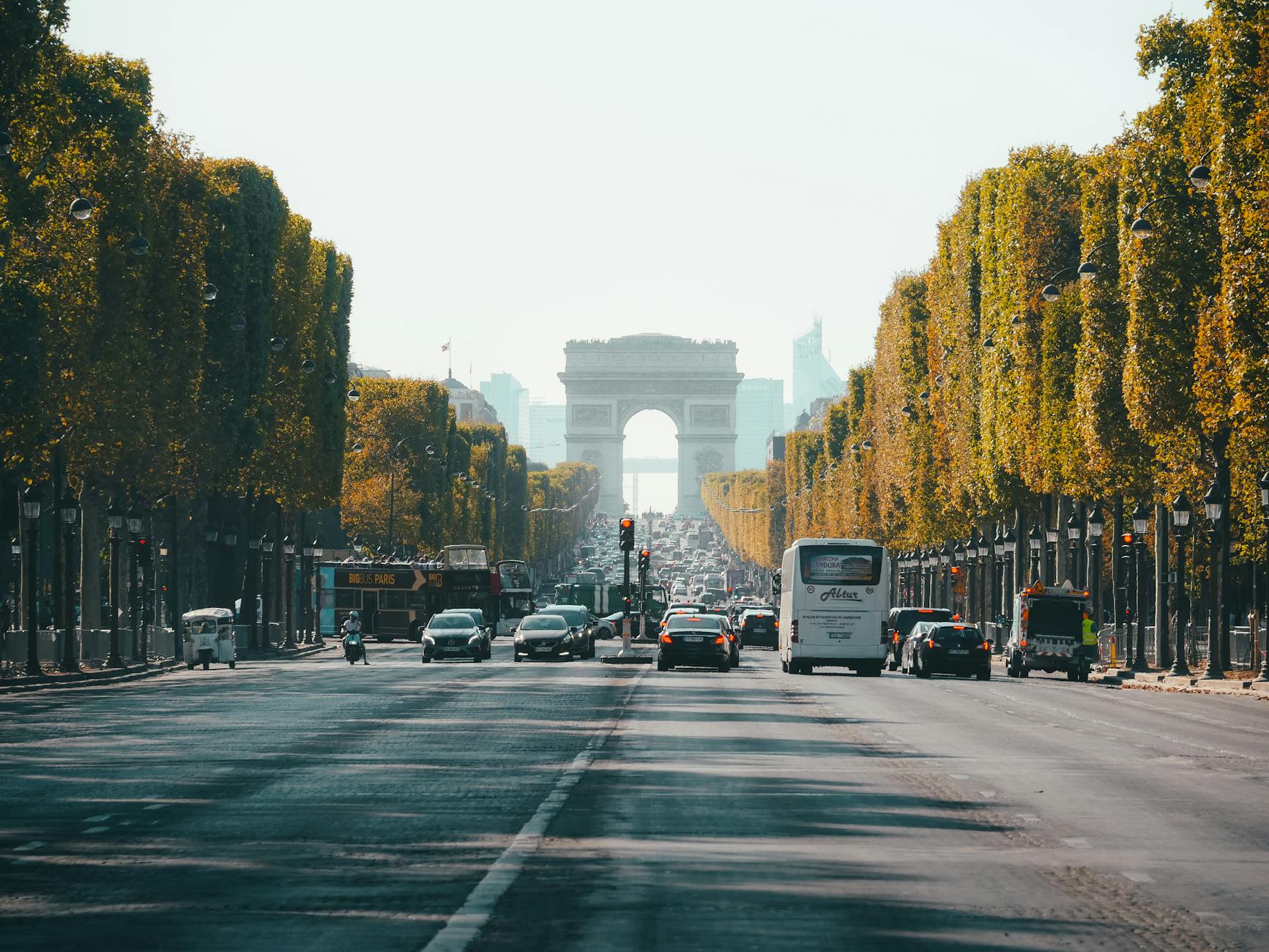
Paris has no shortage of breathtaking avenues, but this wide ceremonial boulevard has long since surrendered its soul to international luxury chains and tourist-targeted commerce. Parisians once promenaded here with genuine pleasure, but the transformation of the street into a showcase for global retail brands has made it feel more like an airport duty-free corridor than a French cultural landmark. The pavements heave with visitors throughout the day, and the café prices have climbed to levels that exclude anyone simply looking for a casual coffee. Traffic along its length is a constant nightmare, and the surrounding arrondissements bear the congestion consequences year-round. Most Parisians will flatly tell you they have no reason to visit the Champs-Élysées and haven’t in a very long time.
Fisherman’s Wharf
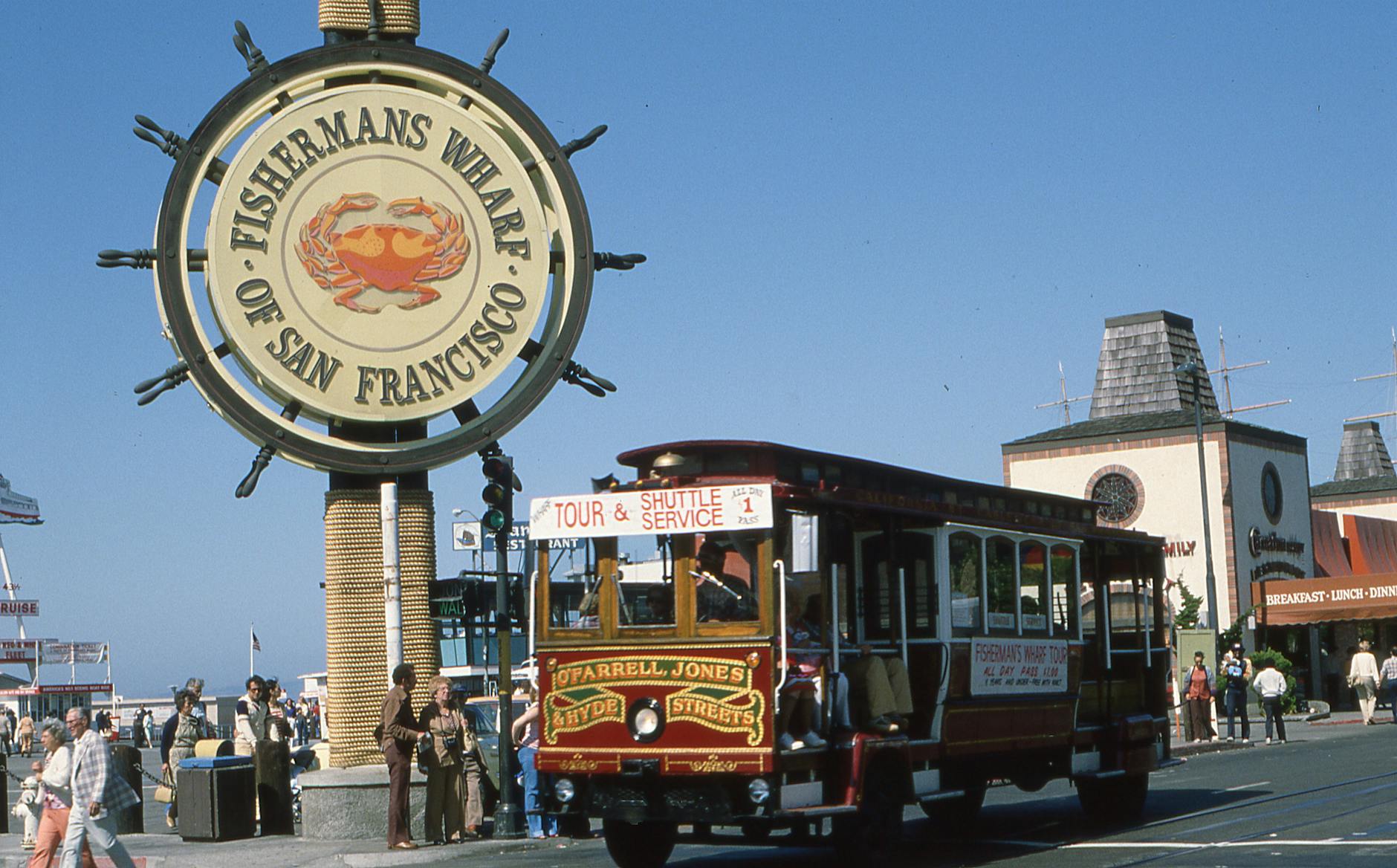
San Francisco is one of the most visually spectacular cities in the United States, yet its iconic waterfront precinct has become a source of resigned eye-rolling for most residents. The wharf area is dominated by souvenir shops selling items of dubious quality, chain seafood restaurants, and wax museums that seem to exist in a permanent 1987 time capsule. Locals know the city’s genuinely extraordinary food scene exists in the neighborhoods a short distance away and view the wharf as a necessary evil of the tourism economy. The sea lions lounging on the docks remain the one authentic feature that even jaded San Franciscans will occasionally admit to appreciating. Everything else is generally regarded as best left for visitors on their first and only trip.
Niagara Falls
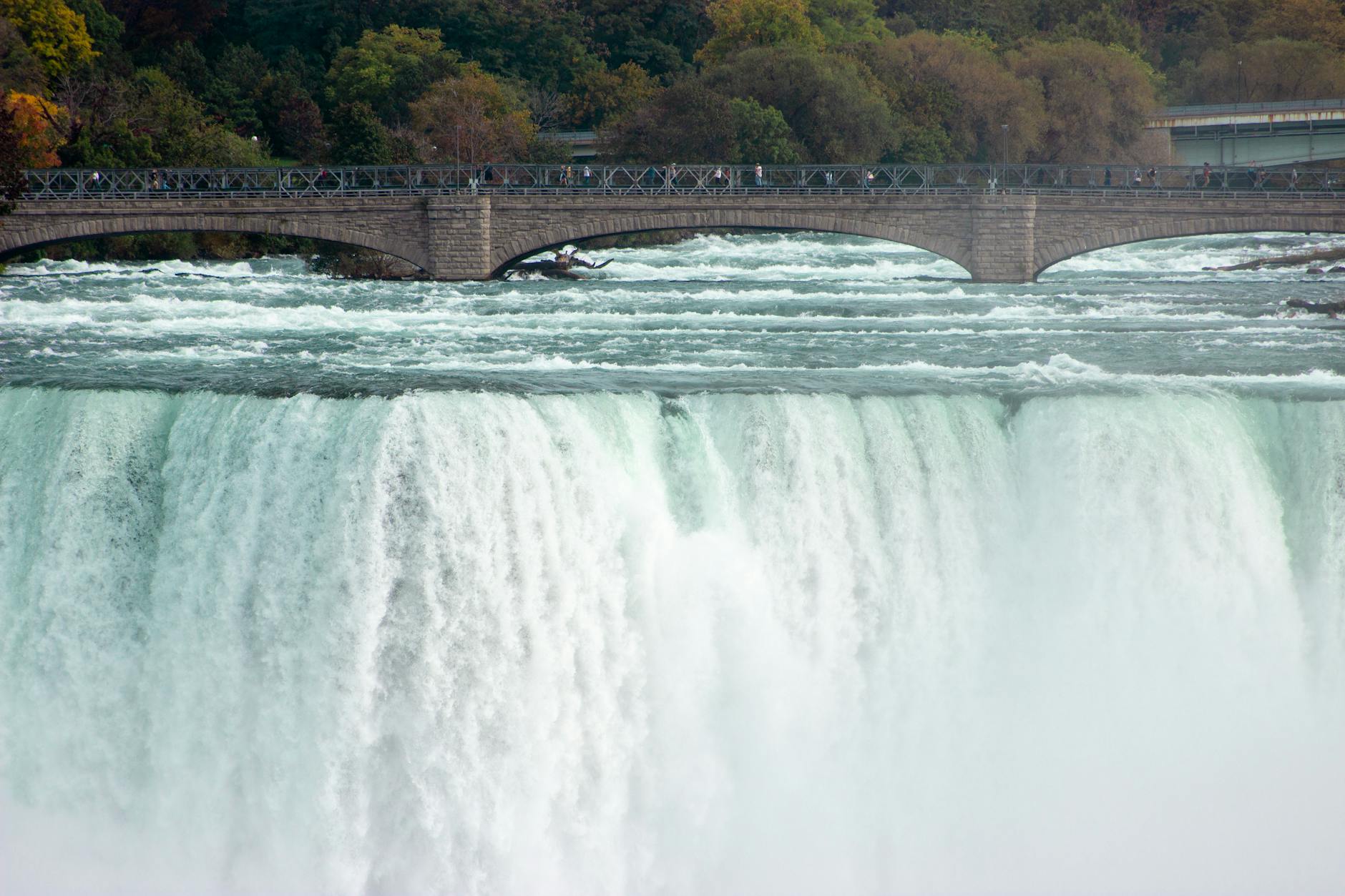
The Canadian and American sides of this thundering natural wonder draw millions of visitors every year to witness one of the most powerful waterfalls on earth. Residents of Niagara Falls, Ontario in particular have a complicated relationship with a tourism industry that has draped their city in a peculiar mix of wax museums, casino hotels, and haunted attractions that have little to do with the natural spectacle itself. Locals are intimately familiar with the traffic chaos that descends every summer weekend and the way the town’s character has been entirely consumed by the demands of the visitor economy. Many residents drive well out of their way to avoid the main tourist strip entirely during peak season. The falls themselves remain genuinely awe-inspiring, but the infrastructure built around them is a source of persistent local embarrassment.
Ponte Vecchio
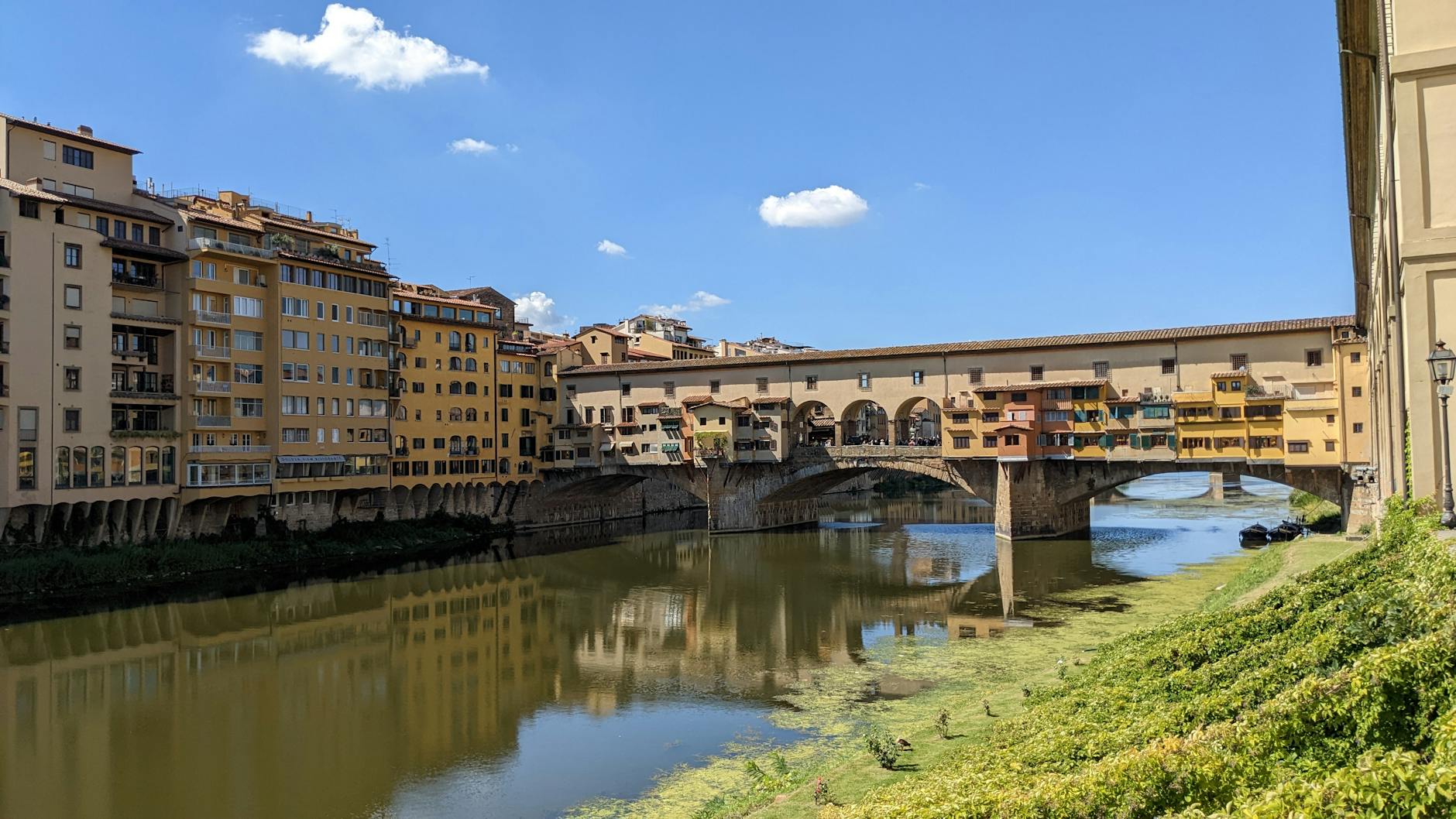
Florence is arguably the most art-saturated city of its size on the planet, yet this famous medieval bridge over the Arno has become one of the most impossible places in the city for residents to actually cross. The bridge is lined with jewellery shops that cater almost exclusively to tourists, and the foot traffic moving across it at any given moment during high season is extraordinary. Florentines who once used it as a practical crossing point between the Oltrarno neighborhood and the city center have long since found alternative routes. The surrounding streets fill with tour groups following umbrella-waving guides, creating bottlenecks that ripple outward through the entire historic core. Locals celebrate the bridge’s beauty in the abstract while treating it as a practical inconvenience to be navigated around rather than through.
Abbey Road
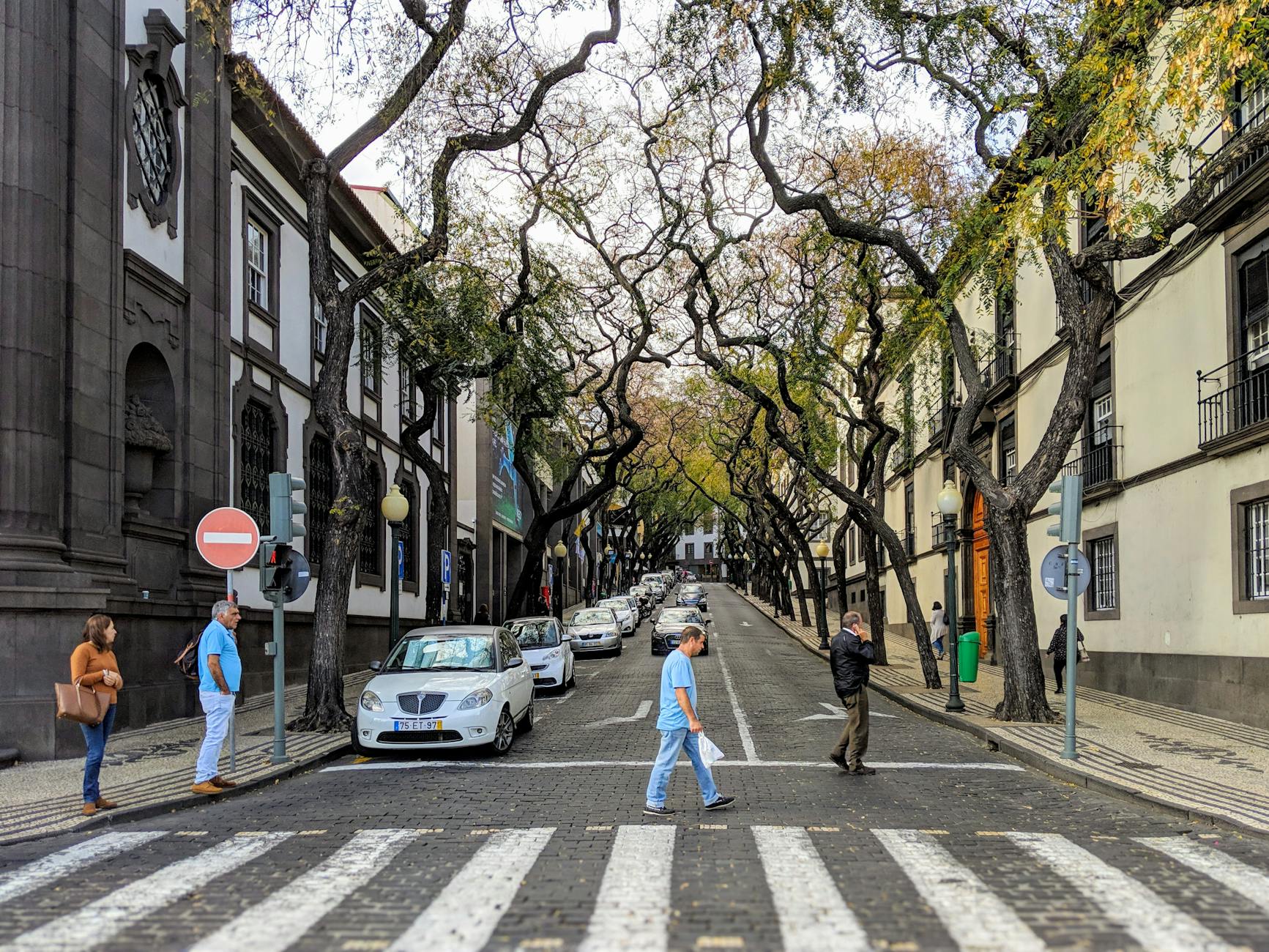
The quiet residential street in the St John’s Wood neighborhood of London would be utterly unremarkable were it not for the zebra crossing immortalized on a Beatles album cover. Residents of the surrounding streets live with a near-constant stream of visitors recreating the famous photograph in the middle of active traffic, bringing cars to a standstill multiple times per hour throughout the day. Local frustration has reached the point where the situation has been discussed seriously at the level of the local council. The crossing itself has no physical significance beyond its association with a single album cover photograph taken in 1969. Neighbors have reportedly developed a philosophical but strained acceptance of the disruption as an unavoidable feature of their postcode.
Moulin Rouge
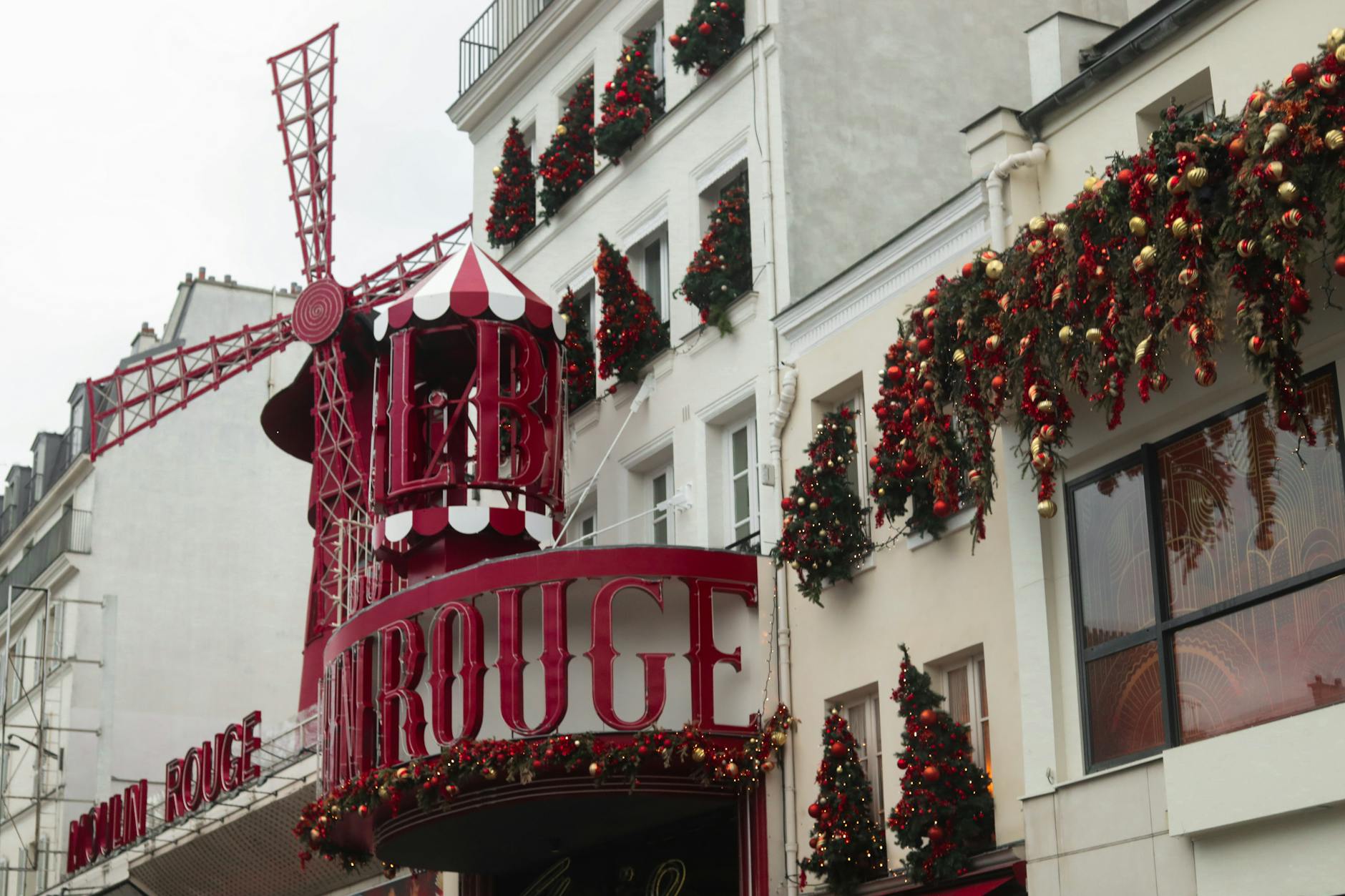
The red windmill perched at the foot of Montmartre is one of the most photographed facades in Paris, drawing crowds to a stretch of the Boulevard de Clichy that locals largely treat as a tourist corridor to pass through quickly. The immediate surrounding area is lined with the kind of entertainment venues and souvenir operations that bear no resemblance to the authentic Parisian neighborhood life found just a few blocks uphill. Residents of the 18th arrondissement take genuine pride in Montmartre’s history and artistic legacy but feel that the Moulin Rouge area functions as a kind of tourist containment zone disconnected from where they actually live. The dinner-and-show packages that fill the venue nightly are priced at levels accessible only to visitors on holiday budgets. Locals point guests toward the quiet village-like streets at the top of the hill as the real Montmartre worth experiencing.
Blarney Stone
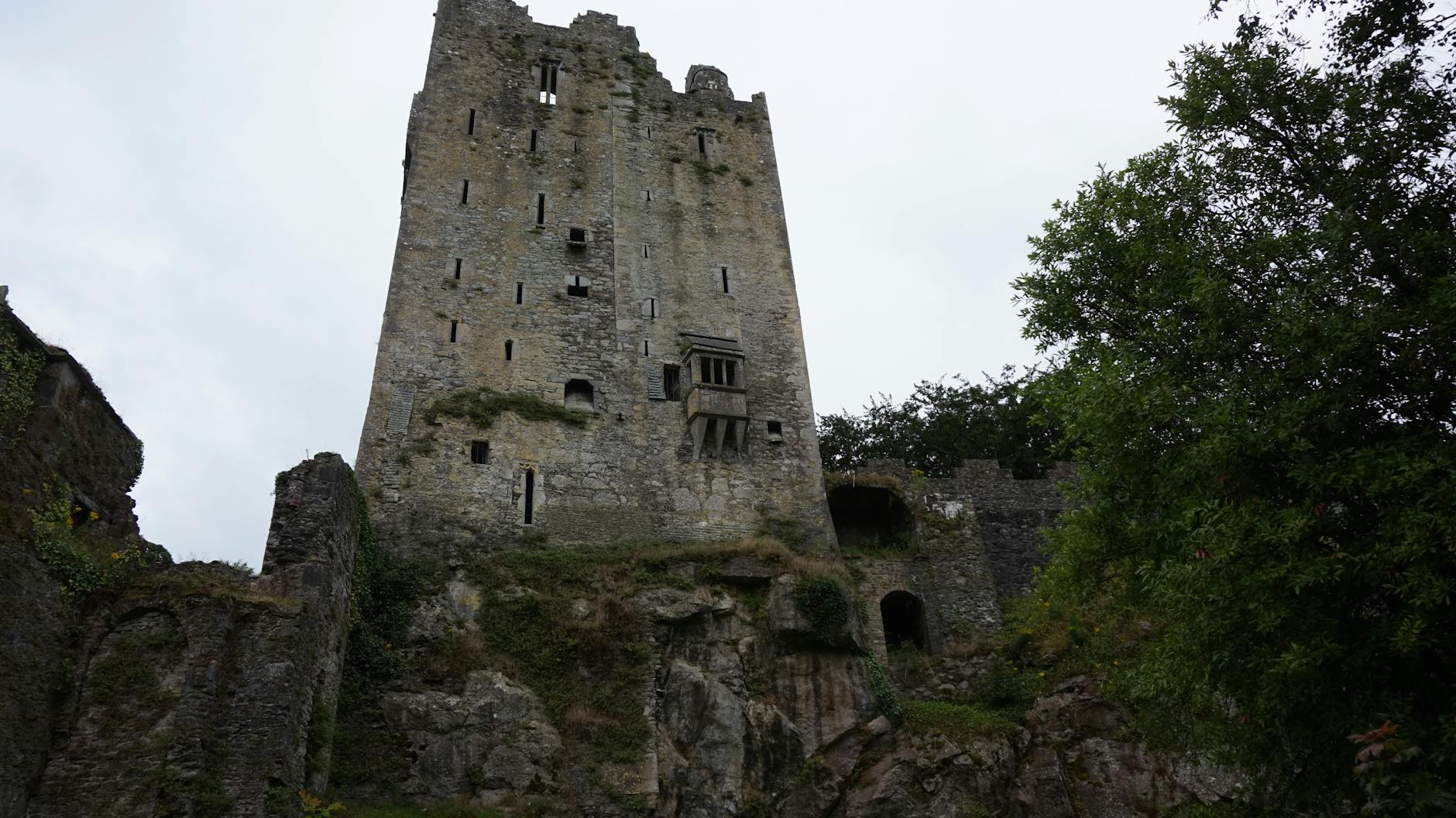
The medieval castle in County Cork draws visitors from around the world who queue patiently to lean backward over a parapet and kiss a block of limestone said to confer the gift of eloquent speech. Irish locals are broadly aware of the legend’s origins as a relatively modern tourist invention and regard the ritual with good-natured but genuine amusement. The surrounding castle grounds are genuinely attractive, but the central attraction of the stone itself is viewed by many Irish people as a peculiar thing to travel internationally to experience. The area around Blarney village becomes congested with tour coaches throughout the summer months, straining local roads and parking infrastructure. Cork residents are fond of pointing out that the stone’s association with eloquence is somewhat ironic given how difficult it is to say anything meaningful about the experience afterward.
Lombard Street
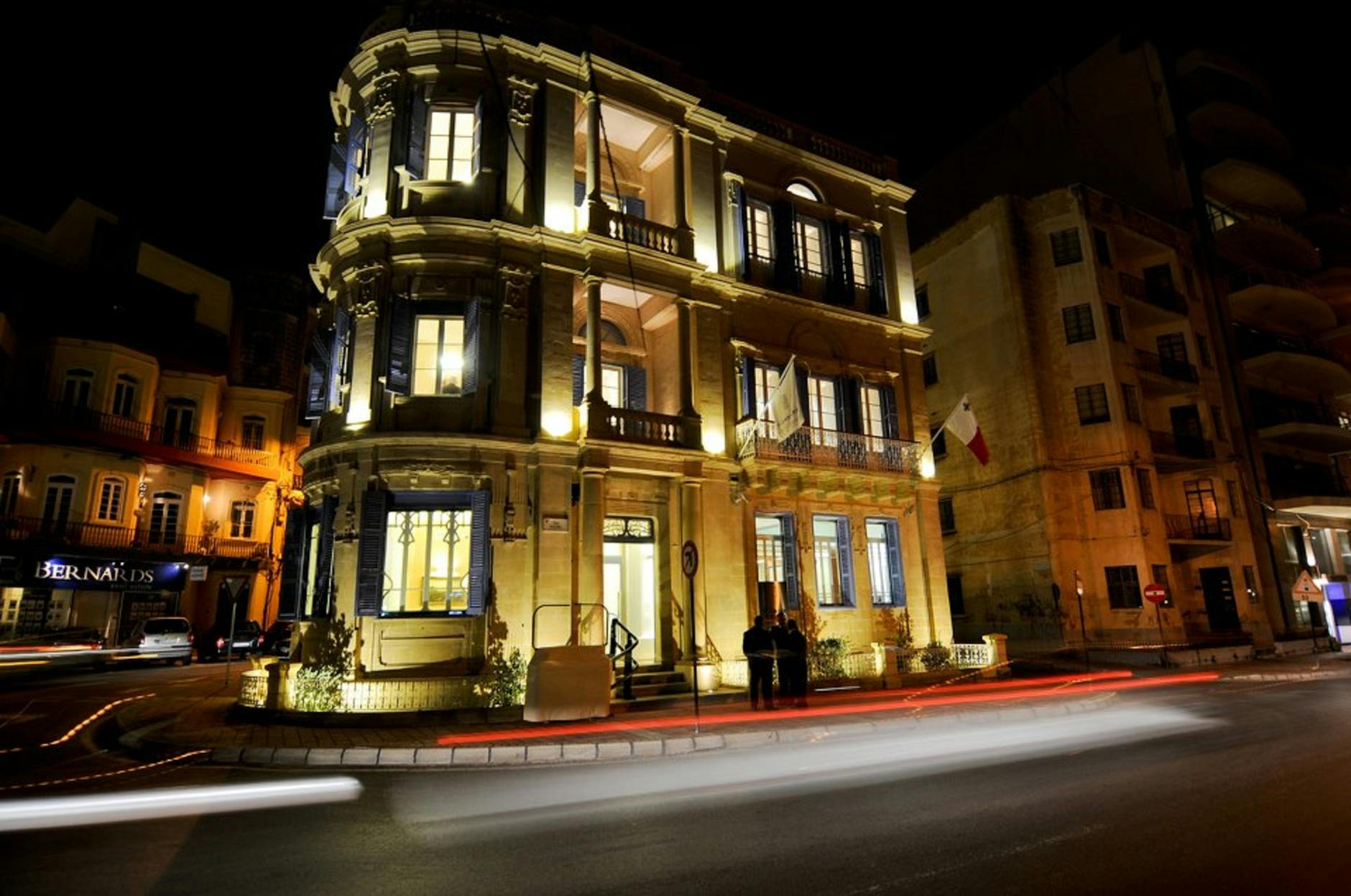
San Francisco’s famously crooked block of Lombard Street in Russian Hill is a genuine feat of early twentieth-century engineering, designed with its series of hairpin turns to manage the street’s extreme gradient. During peak summer months, the queue of cars waiting to drive down the one-block stretch backs up for several streets, creating gridlock that spreads through the surrounding quiet residential neighborhood. Locals who live on or near the block have been vocal for years about the impact of constant visitor traffic on their daily lives and the condition of the street itself. Pedestrians crowd the brick-lined garden path alongside the road and spill onto neighboring sidewalks throughout the day. The city has debated implementing a reservation or fee system to manage the flow, with residents firmly in support of any measure that would restore some quiet to their street.
Little Mermaid Statue
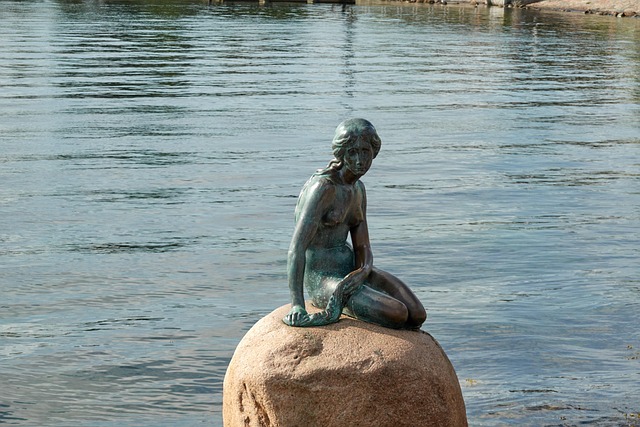
Copenhagen is a city of extraordinary design, architecture, and culinary innovation, yet its most visited attraction is a modest bronze sculpture seated on a rock at the edge of the harbor. The statue measures just 1.25 metres in height and was inspired by a Hans Christian Andersen fairy tale, making it meaningful in a specifically Danish cultural context that international visitors may not fully appreciate on arrival. Danes have a weary relationship with the statue, not because they dislike it, but because the gap between its modest physical presence and the expectation of visitors who have traveled specifically to see it produces a particular kind of communal awkwardness. The harbor promenade surrounding it fills with tour groups throughout the summer, and the statue itself has been vandalized, relocated, and debated so many times that it has taken on a life well beyond its original artistic intent. Copenhagen residents will readily direct you to a dozen more interesting things to see before they reluctantly mention the mermaid.
Leaning Tower of Pisa
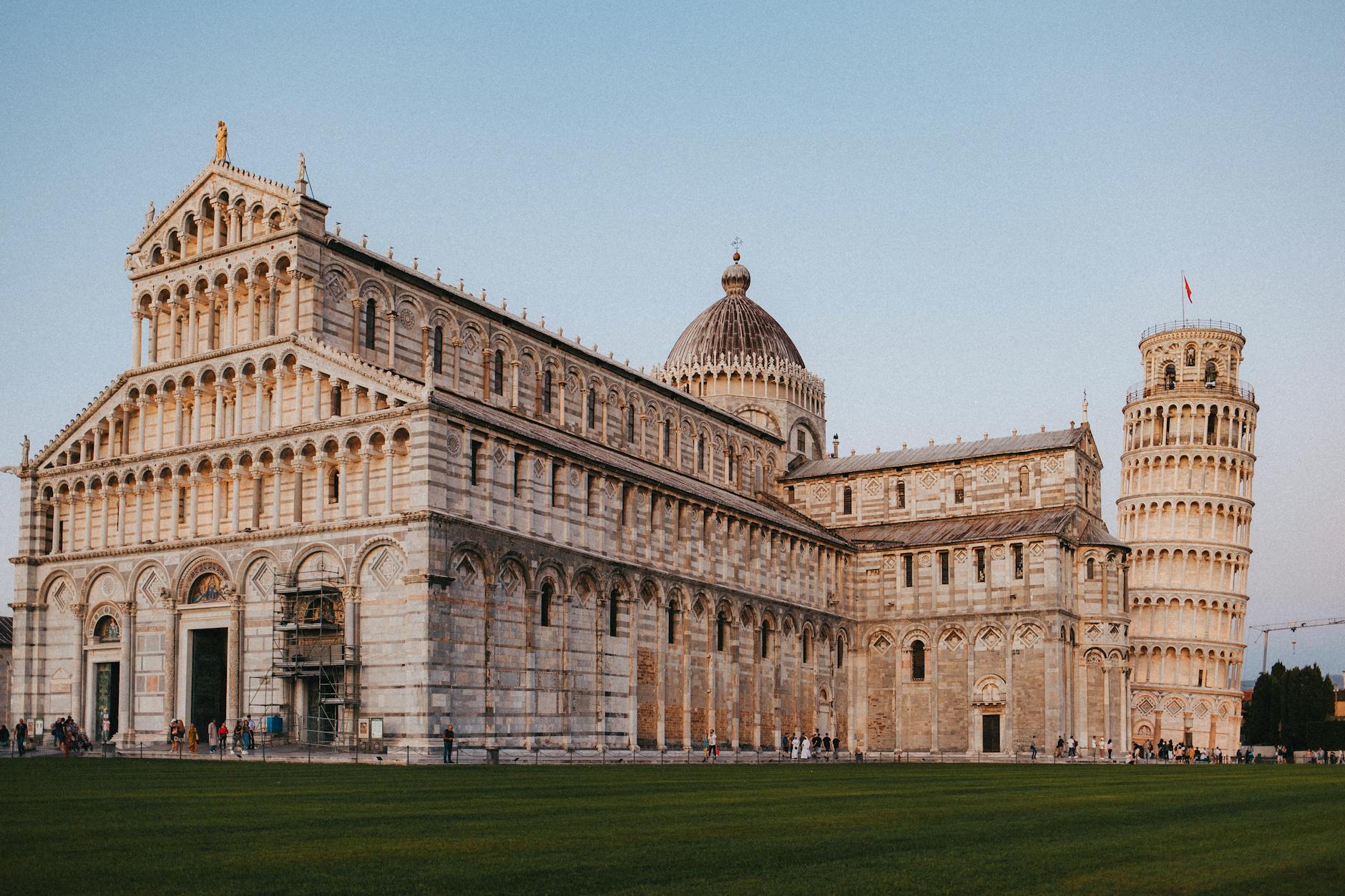
The famous tilting campanile in the Piazza dei Miracoli draws millions of visitors to the Tuscan city of Pisa each year, the vast majority of whom arrive, photograph themselves appearing to hold up the tower, and leave within the hour without seeing anything else. Pisans are proud of their extraordinary medieval architectural ensemble but find the reduction of their entire city to a single comedy photograph opportunity deeply reductive. The city has genuine depth as a university town with a rich intellectual and scientific history that most visitors entirely bypass on their way back to the tour bus. The piazza itself becomes extraordinarily crowded during peak season, and local residents avoid the area entirely during summer months. Pisa’s tourism infrastructure is heavily concentrated around the tower at the expense of encouraging exploration of a city that has considerably more to offer.
Hollywood Sign
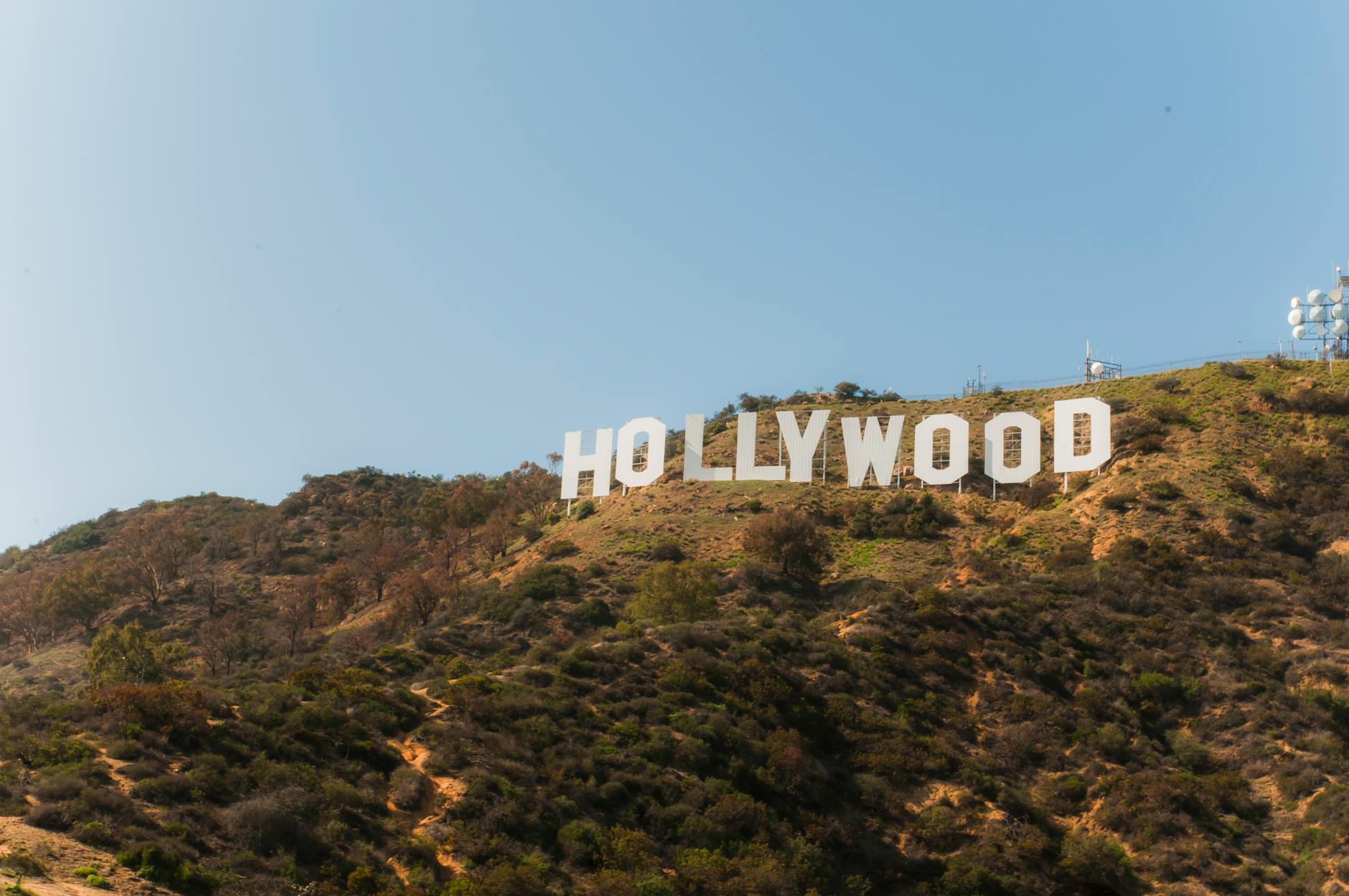
The large white letters mounted on the Santa Monica Mountains above Los Angeles are visible from a wide swath of the city and have become one of the most recognizable landmarks in American popular culture. Visitors who attempt to hike close to the sign find themselves navigating canyon trails in wildfire country, often in inappropriate footwear, creating regular situations that require intervention from local services. Residents of the Los Feliz and Beachwood Canyon neighborhoods directly below the sign deal with visitors parking on their streets, trespassing through private properties, and using the residential area as a staging ground for photos. The city has implemented a series of deterrent measures over the years after repeated incidents of people attempting to climb or interfere with the letters themselves. Angelenos regard the sign with a distant affection from afar while firmly viewing close-up tourism to it as a category of activity best undertaken by other people.
Sacré-Cœur
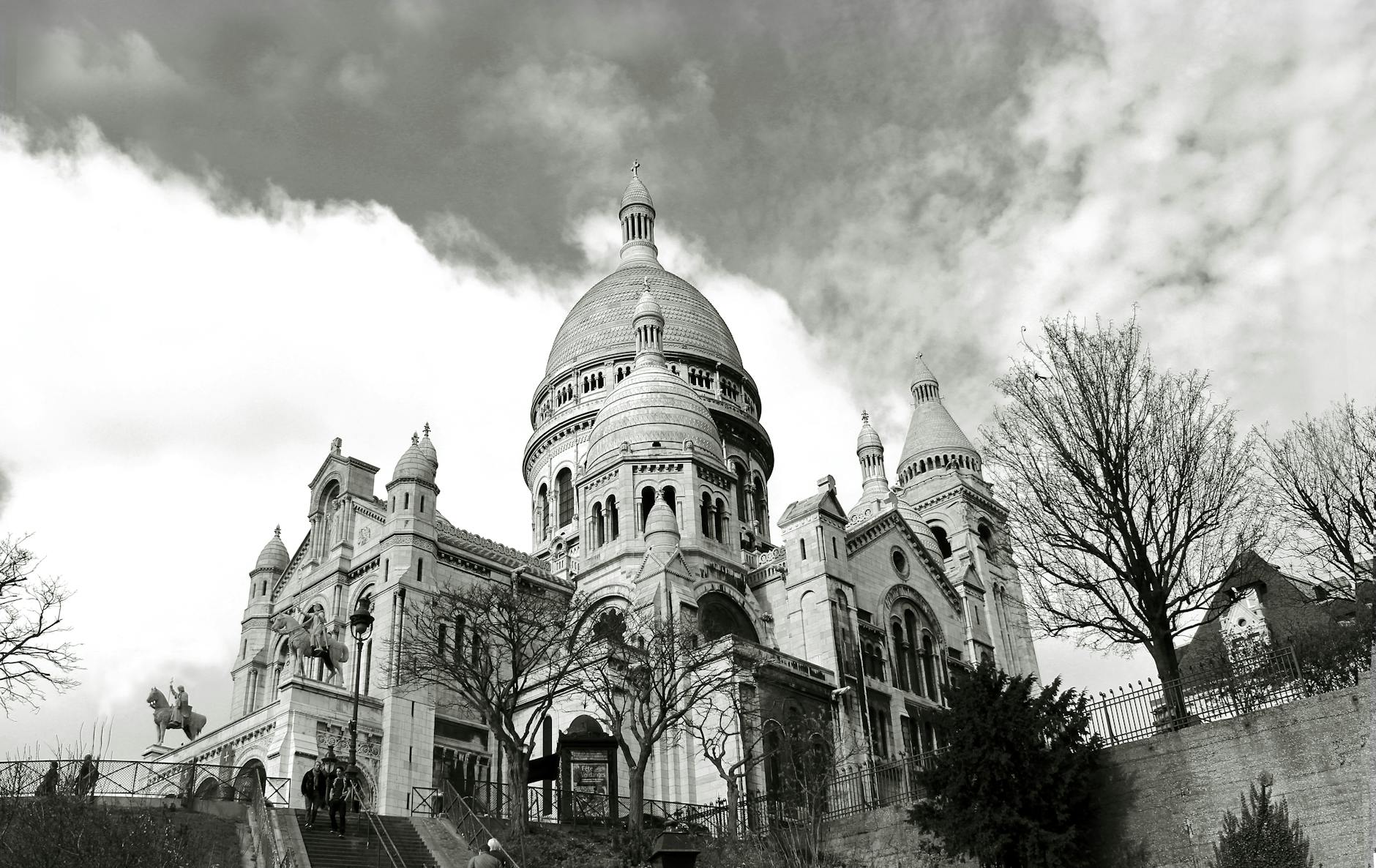
The white-domed basilica crowning the heights of Montmartre is one of the most visually dramatic churches in all of Europe, visible from a remarkable distance across the Paris rooftops. The broad tiered steps leading up to its entrance have become a permanent gathering point for tourists and street vendors, and the surrounding area operates as an almost entirely visitor-oriented commercial zone. Parisians have a specific kind of wariness about Montmartre’s tourist corridor that is distinct from their affection for the quieter streets and squares of the actual hilltop neighborhood. The persistent presence of souvenir sellers and the aggressive street artists who approach visitors for money on the steps have become a source of genuine frustration for locals. Residents of the 18th arrondissement point to the square at the top of the hill and the vineyard path as the Montmartre worth knowing, rather than the approach to the basilica.
Navy Pier
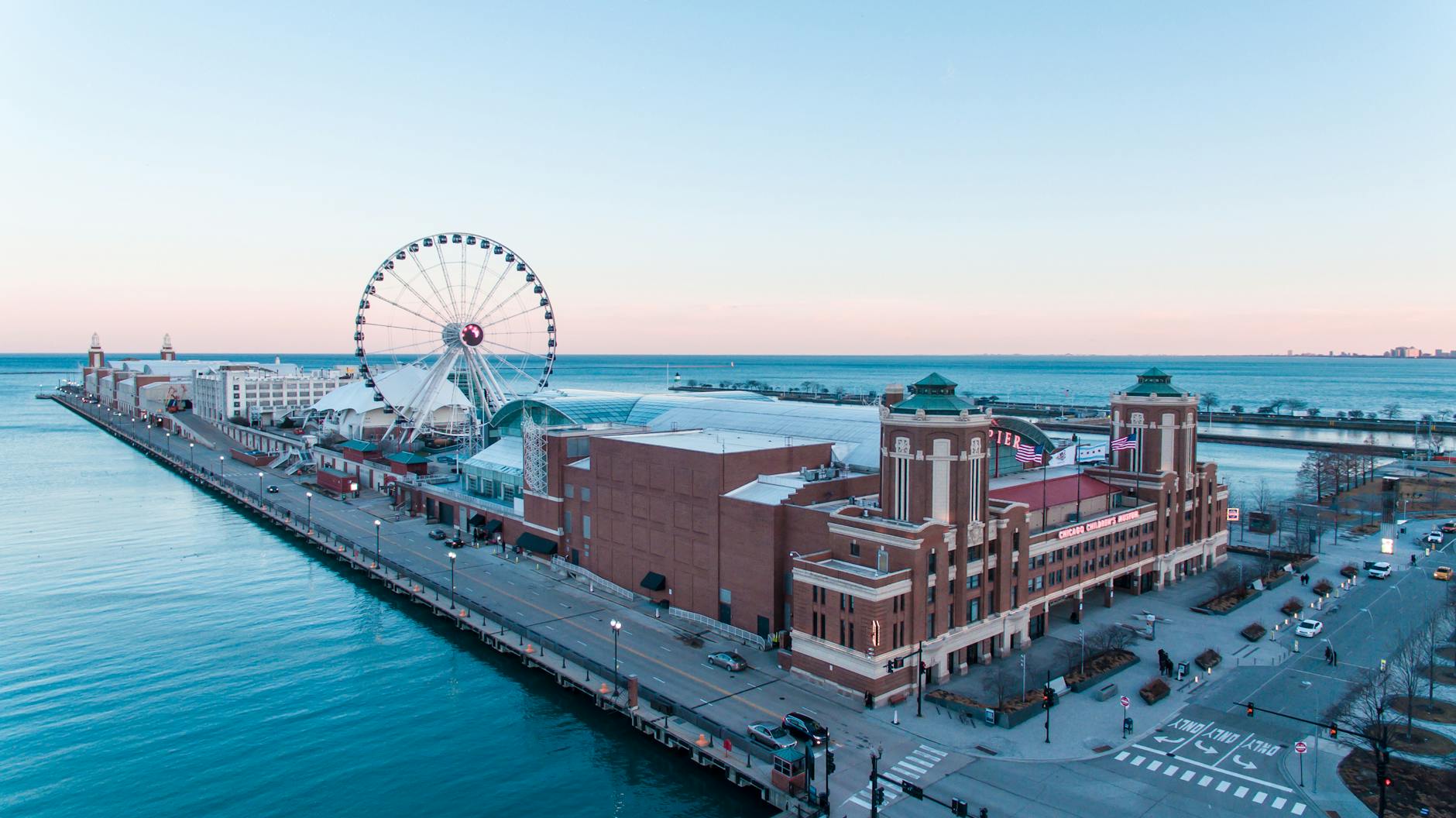
Chicago stretches magnificently along the southwestern shore of Lake Michigan and offers visitors an extraordinary range of architecture, music, and culinary culture, yet the Navy Pier remains the city’s single most visited attraction. Chicagoans tend to regard it with the resigned tolerance one extends to a well-meaning but exhausting relative, acknowledging its role in the tourism economy while having no personal interest in the Ferris wheel, chain restaurants, or festival marketplace it contains. The pier juts out into the lake and offers genuinely spectacular views of the downtown skyline, which is the one feature locals will occasionally cite as worthwhile. The summer months bring enormous cruise boat traffic and event crowds that make the adjacent lakefront path difficult for the cyclists and runners who use it year-round. Most Chicago residents will enthusiastically direct visitors to the city’s neighborhoods as the real Chicago experience while politely omitting the pier from their recommendations entirely.
Bondi Beach
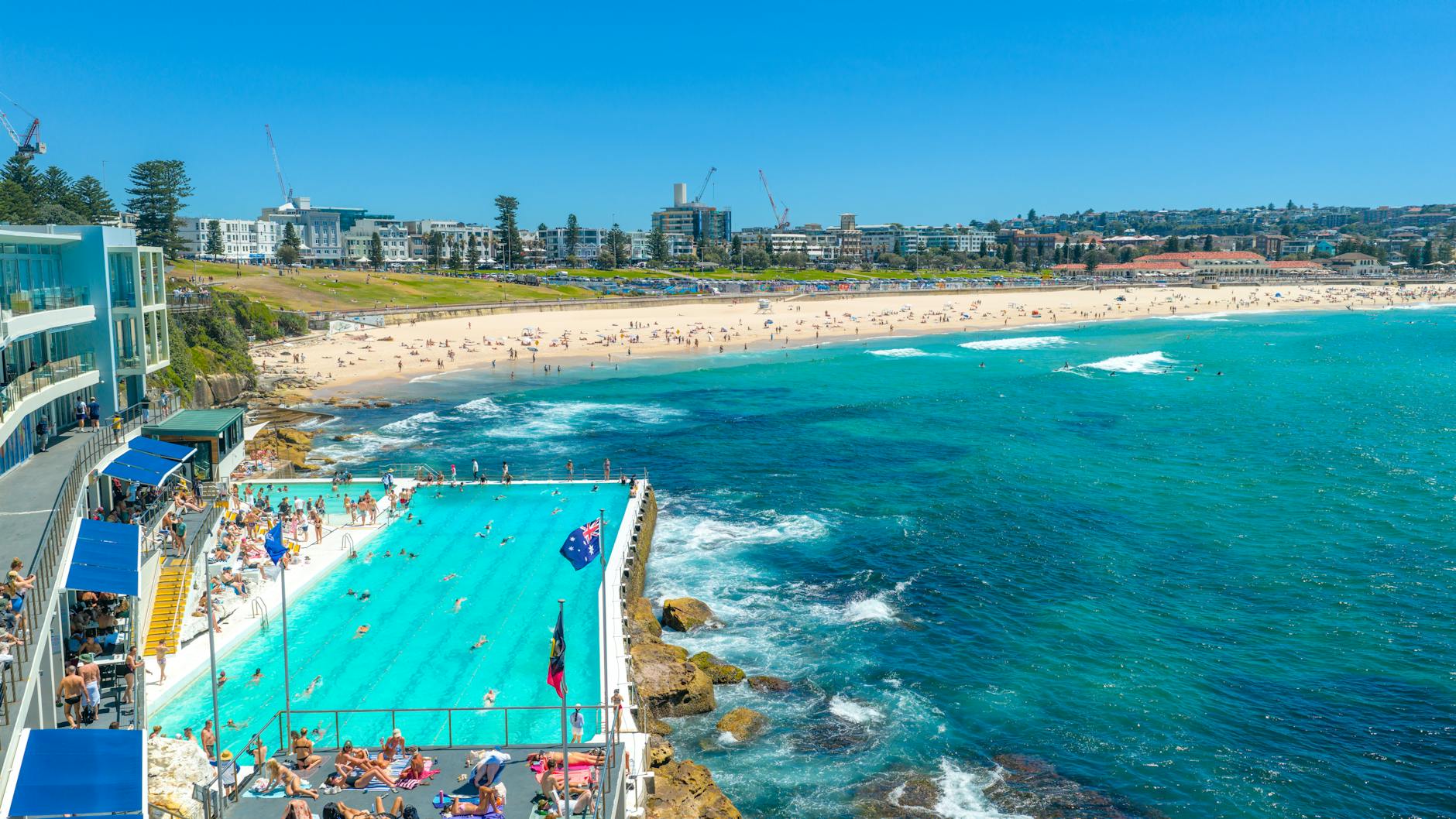
Sydney’s most internationally famous beach is an undeniably beautiful stretch of golden sand flanked by a striking crescent of sandstone headland, and its surf culture is genuinely embedded in the Australian coastal identity. Residents of the Eastern Suburbs, however, deal with visitor traffic that transforms the surrounding streets during summer into a gridlocked open-air parking challenge. The promenade and surrounding café strip become extremely crowded on weekends, and accommodation prices in the neighborhood have been driven to levels that have displaced many of the long-term residents who gave Bondi its original character. Sydneysiders who love the beach tend to favour less famous alternatives further along the coast that offer comparable beauty without the international visitor crowds. Bondi’s reputation has become so dominant in global travel conversation that locals sometimes feel it has stopped belonging to the city that produced it.
Covent Garden
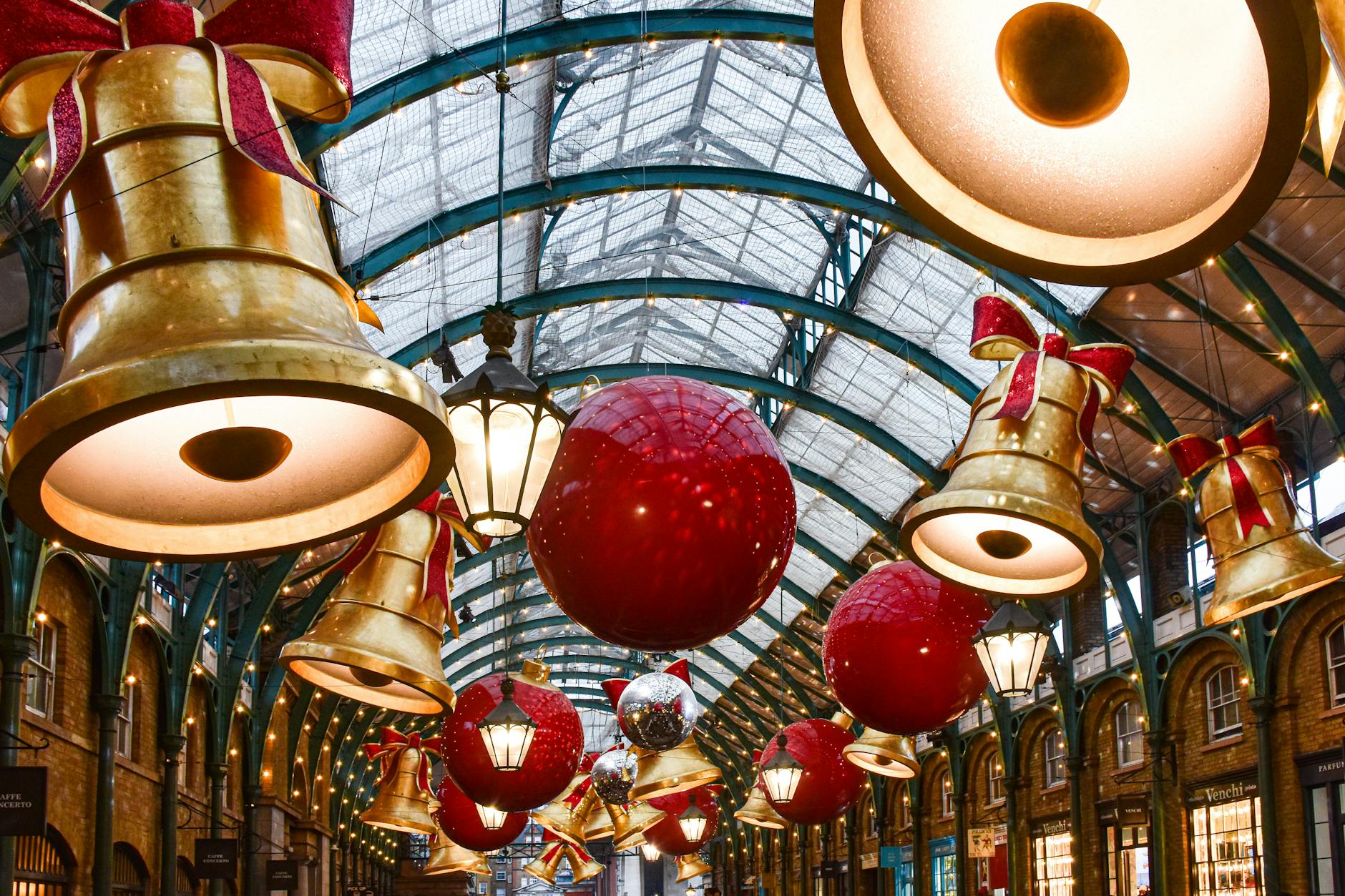
London’s former fruit and vegetable market has been converted into one of the city’s most visitor-heavy entertainment and retail precincts, with the surrounding streets forming a dense network of outdoor performance spaces, restaurants, and boutiques. Londoners rarely have occasion to visit and will typically choose any of the city’s other extraordinary markets and public spaces for their leisure time. The combination of street performers drawing large stationary crowds, tour groups navigating the cobbled piazza, and the acoustic amplification of the covered market hall creates a sensory environment that locals find exhausting. The transport connections around Covent Garden tube station are notoriously strained during peak hours as visitor numbers add significantly to passenger loads. Most Londoners treat the area as somewhere to pass through on the way to the West End theater district rather than a destination worth lingering in.
Checkpoint Charlie
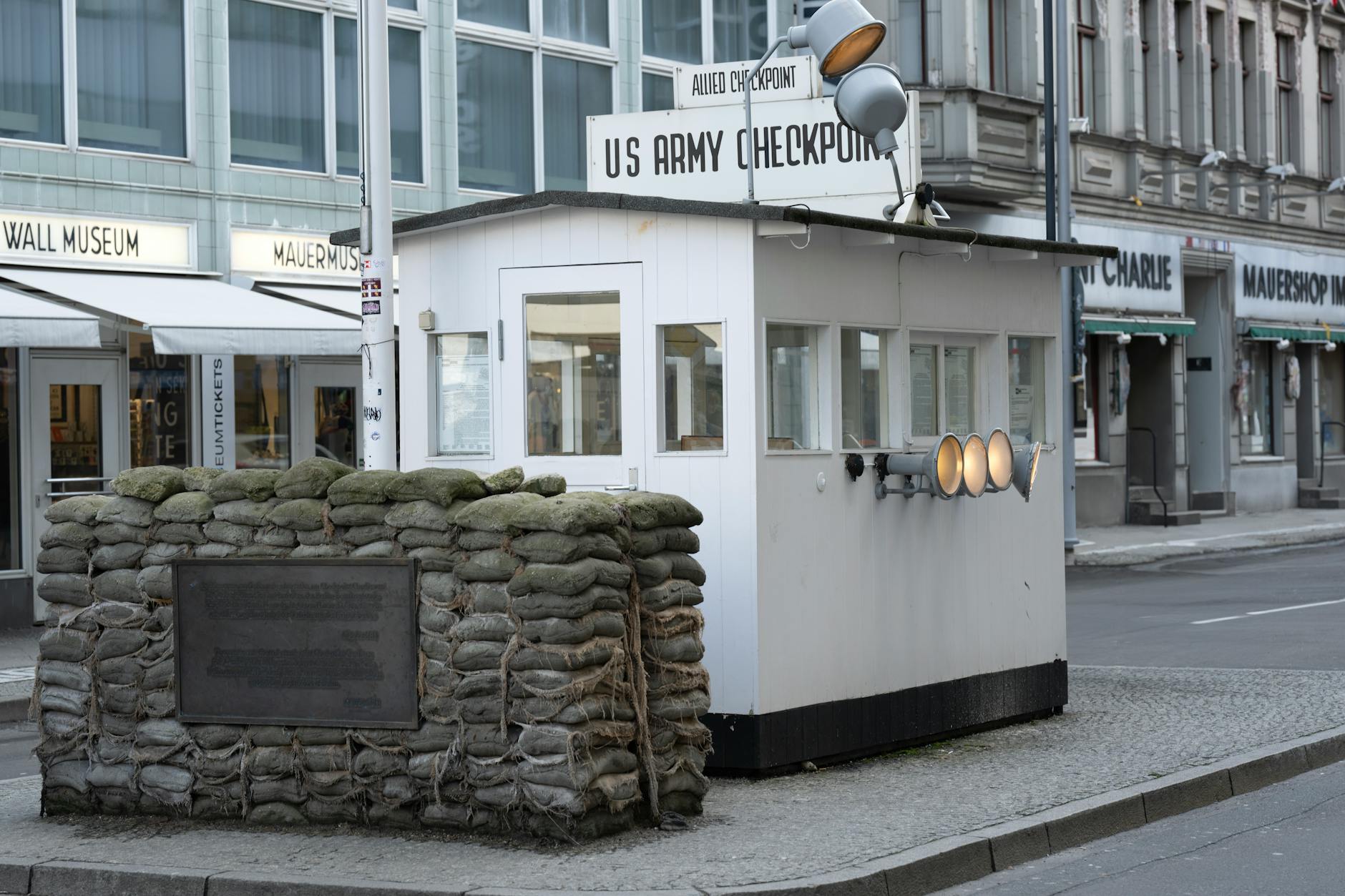
The reconstructed Cold War border crossing point in the heart of Berlin has become one of the most visited sites in the German capital, despite being a historically imprecise reproduction of the original structure. Berliners have a complicated relationship with the commercial apparatus that has grown around this piece of their painful recent history, including costumed actors posing as American soldiers for paid photographs and a surrounding cluster of tourist shops. Historians and educators in the city have been critical for years about the way the site’s commercialization reduces a complex and significant chapter of German history to a photographic opportunity. The surrounding area of Friedrichstrasse is now so thoroughly oriented around tourism that it bears little resemblance to the living neighborhood that once existed here. Locals interested in genuine engagement with Berlin’s divided history typically direct visitors to the Topography of Terror or the East Side Gallery instead.
Rialto Bridge
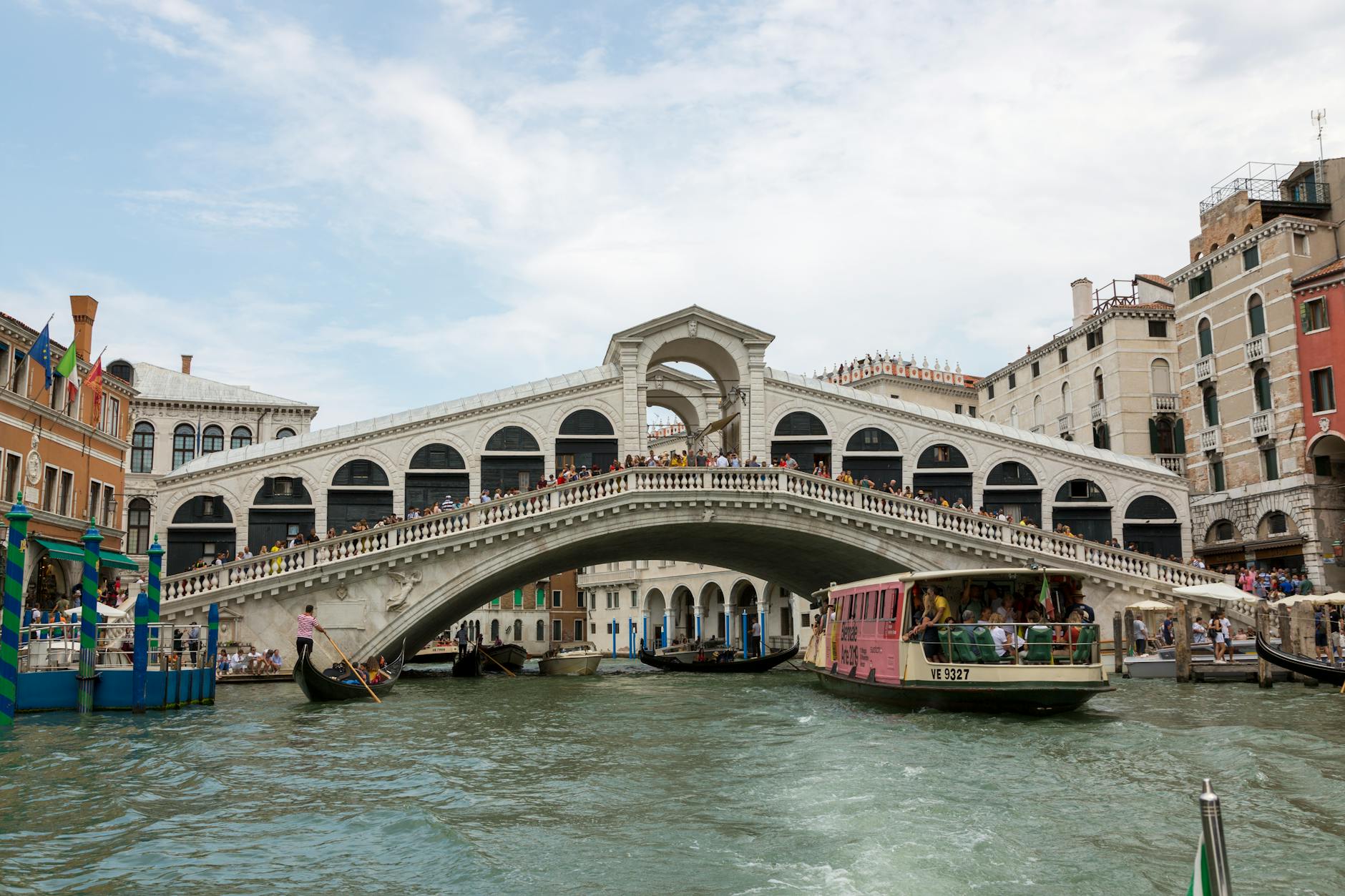
Venice is a city whose entire historic center functions as a kind of open-air museum, and the Rialto Bridge spanning the Grand Canal is among its most photographed landmarks. The bridge and its surrounding market area are among the most congested pedestrian zones in a city that already struggles enormously with the volume of day-trippers flooding its narrow calli each year. Venetians who still live in the city have watched their population shrink dramatically over decades as tourism infrastructure displaces the residential fabric that once made Venice a functioning urban community. The Rialto market on the San Polo side retains some authenticity in the early morning hours before the tour groups arrive, but by mid-morning it has been fully absorbed into the visitor economy. Locals navigate the city by memorizing the back routes and alternative bridges that allow them to move through their hometown without joining the procession across the famous arch.
Waikiki Beach
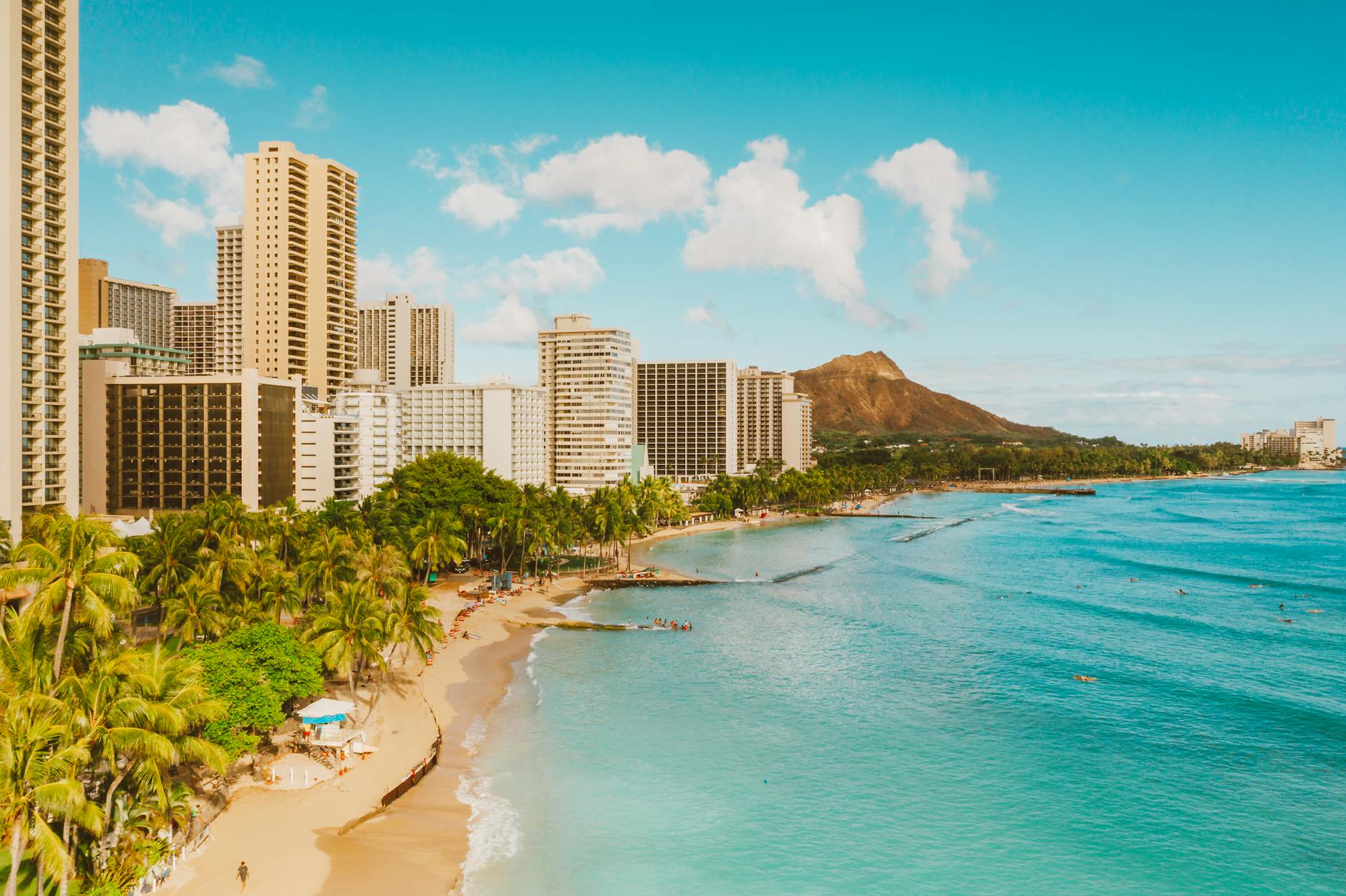
Hawaii’s most famous stretch of shoreline in Honolulu offers undeniably warm water, reliable surf, and a dramatic backdrop of the Diamond Head volcanic crater that makes for spectacular photographs. Native Hawaiian residents and long-term locals have watched Waikiki transform over decades into a dense corridor of international hotel towers, chain retail, and tourism infrastructure that has largely displaced the neighborhood’s historical and cultural character. The beach itself becomes intensely crowded during peak visitor season, and the surrounding streets operate as a kind of self-contained tourism ecosystem largely disconnected from the rest of Honolulu. Native Hawaiian cultural practitioners have been vocal about the tension between the tourism economy that the islands depend on financially and the erosion of the land and cultural practices that define Hawaiian identity. Many Oahu residents spend their beach time at less accessible shores along the island’s north and windward coasts where the character of Hawaii they love remains intact.
Spanish Steps
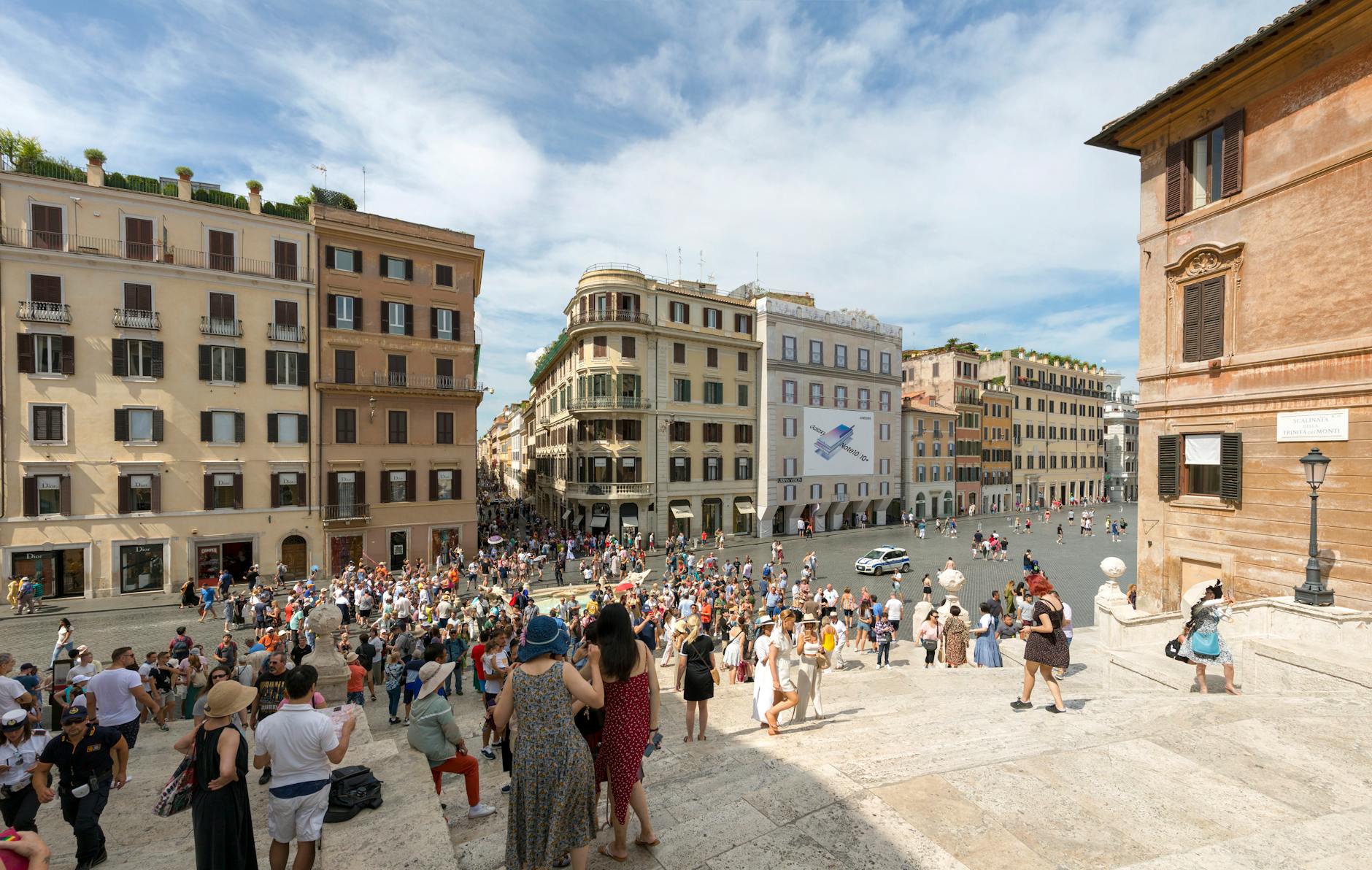
Rome’s wide travertine staircase connecting the Piazza di Spagna at the base to the Trinità dei Monti church at the top is one of the most enduring gathering points in European travel culture. Roman residents who live and work in the surrounding Tridente neighborhood navigate the area with the weary efficiency of people long accustomed to moving through permanent crowds. The steps and surrounding piazza have historically attracted vendors, artists, and visitors in such numbers that eating on the steps was eventually banned by city ordinance. The luxury retail corridor of Via Condotti leading away from the piazza has priced out every business that ordinary Romans might actually use. Locals treat the whole zone as the high-end tourist quarter of the city that it has become, visiting only when accompanying guests from out of town who have specifically requested it.
What is your experience with overcrowded tourist spots, and do any of these attractions surprise you? Share your thoughts in the comments.