Traveling and discovering new corners of the world ranks among life’s greatest pleasures for millions of people. But not every destination lives up to its reputation, no matter how many glowing reviews it has or how many photos flood your social media feed. Someone recently posed a question on Reddit asking users which famous tourist spots everyone else seems to love but that personally disappointed them. The responses poured in, and the list of overhyped destinations turned out to be surprisingly long.
Venice was one of the first places to come up, with users torn between frustration and genuine appreciation. One commenter wrote that the city is “overrun with tourists to the point that it’s dying and it’s hard to experience an authentic cultural experience.” That same person, however, balanced their critique by calling Venice “one of the most fascinating and unique places in the world” and encouraged others to visit off-season, steer clear of tourist hotspots, and explore quieter side streets. The general sentiment was that Venice is still worth seeing once, but that mass tourism has genuinely taken a toll on the experience.
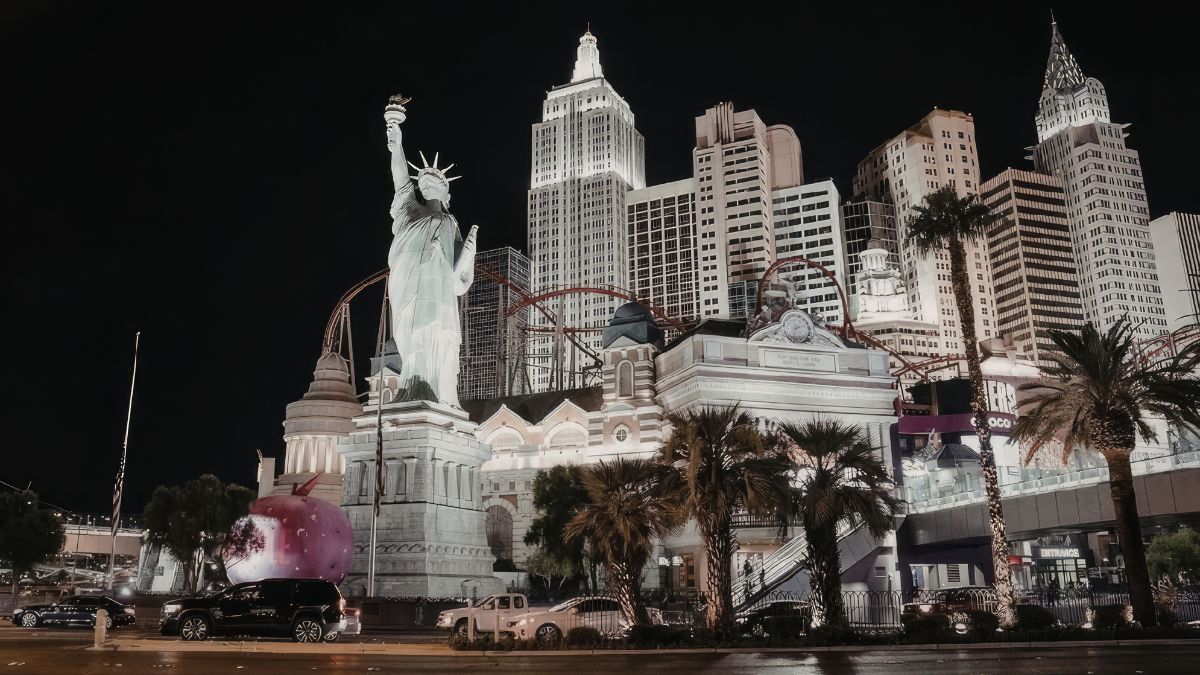
Las Vegas drew plenty of criticism as well, with one user flatly calling it “a dump” that is “overpriced.” Despite the harsh assessment, they admitted to still enjoying an annual weekend trip there with friends, pointing to the variety of things to do: gambling, pools, spas, restaurants, shows, sports events, and even exotic car driving experiences. The appeal of Vegas, they argued, lies in its spontaneity and the sheer number of options available. It seems the city divides people right down the middle.
Times Square in New York City was another recurring complaint. One Redditor recalled visiting about 20 years ago when it felt cleaner and safer for families, and going to Broadway shows was a simple pleasure rather than a logistical challenge. They admitted that despite how difficult Times Square has become, seeing the massive billboards and police on horseback back then was genuinely awe-inspiring. The nostalgia in their comment was palpable, hinting that the location has changed dramatically over time.
Florida as an entire state also made the list, with one user describing the financial experience of visiting as brutal. “Between the wild accommodation prices, tolls, resort fees, and every other small scam you can think of, it’s like they shove a huge vacuum hose into your wallet the moment you arrive,” they wrote. The sentiment was that Florida’s tourism industry has become so aggressively monetized that it drains the joy out of the experience. Several others quickly agreed.
Cruise vacations came under fire too, with a commenter describing the food as average, the activities as boring, and the free time as laughably limited. They delivered one of the thread’s most memorable comparisons, saying cruises are “the equivalent of going to Olive Garden thinking it’s gourmet Italian food.” The dig at both cruises and the popular Italian-American chain restaurant landed well with the community. The critique seemed aimed less at cruises themselves and more at the idea that they represent real travel.
Bali’s reputation took a hit not because of the island’s natural beauty or the Balinese people, but because of the overwhelming wave of Instagram-focused visitors who have reshaped it. One user described the island as now dominated by “entrepreneurs,” gyms, trendy cafes, and salons catering to the wellness-influencer crowd. Another added that they had actually canceled a planned trip to Bali after researching the state of overtourism there. The island’s charm, they felt, had been buried under an avalanche of curated content.
Dubai disappointed those who came expecting something culturally distinct. One commenter from a large American city said the experience felt like Dubai was simply trying to replicate an American city rather than showcasing its own heritage. “The huge mall had the same stores as every mall back home,” they observed, noting that the novelty wore off quickly. Jamaica rounded out the list for many, with one person having visited three times and left unconvinced each time. Another described the visible contrast between the luxury enjoyed by wealthy tourists and the difficult conditions faced by local workers as deeply troubling, adding that beaches outside resort areas were lined with garbage for miles.
Overtourism is a well-documented global phenomenon that has been studied extensively by organizations like the United Nations World Tourism Organization. The term refers to situations where the number of visitors to a destination exceeds its capacity, harming local communities, the environment, and the quality of the experience for travelers themselves. Cities like Venice, Barcelona, and Amsterdam have all implemented policies in recent years to try to limit tourist numbers, including entry fees, restrictions on short-term rentals, and crowd management systems. Researchers note that social media has played a major role in accelerating overtourism by creating viral interest in destinations that are not equipped to handle sudden surges in visitors.
Have you ever visited a destination that completely failed to live up to the hype? Share your experience in the comments.