Charismatic people seem to effortlessly draw others in, leaving a lasting impression wherever they go. While some assume this magnetism is an innate gift, research in social psychology consistently shows that charisma is a learned set of behaviors practiced deliberately over time. The habits and mental techniques behind it are accessible to anyone willing to apply them with consistency. These are the psychological tricks that highly charismatic people use every single day.
Genuine Listening

Charismatic individuals give their full, undivided attention when someone else is speaking. They resist the urge to formulate a response while the other person is still talking, which makes the speaker feel truly heard and valued. This quality of presence is increasingly rare in a distracted world, which makes it all the more powerful. People who feel genuinely listened to are far more likely to trust and admire the person giving them that attention. Active listening builds the kind of deep rapport that casual conversation never can.
Open Body Language

The way a person holds their body communicates volumes before a single word is spoken. Charismatic people consistently use open postures, keeping their arms uncrossed, their torso facing the person they are speaking with, and their chin slightly raised. They avoid nervous gestures such as fidgeting, checking their phone, or looking around the room. This physical openness signals confidence and signals to others that they are fully welcome in the conversation. Over time, mastering body language becomes one of the most effortless tools in a charismatic person’s repertoire.
Intentional Eye Contact

Sustained, warm eye contact is one of the most direct ways to create a sense of connection with another person. Charismatic individuals hold eye contact long enough to communicate genuine interest without crossing into discomfort. They allow their eyes to convey warmth and curiosity rather than dominance or intensity. This simple act signals that the other person is the most important presence in the room at that moment. People who feel truly seen are naturally drawn toward whoever made them feel that way.
The Power of Names

Using a person’s name in conversation is a small act with an outsized psychological effect. Charismatic people remember names quickly and weave them naturally into dialogue, which creates an immediate sense of familiarity and respect. Hearing one’s own name activates a specific neurological response associated with personal significance and identity. This practice transforms a generic exchange into something that feels personal and thoughtful. It signals that the charismatic person views the individual as worth remembering.
Strategic Vulnerability

Highly charismatic people understand that selective vulnerability makes them more relatable and trustworthy. Sharing an appropriate personal struggle, moment of doubt, or past failure creates an emotional bridge between speaker and listener. This willingness to be imperfect disarms defensiveness in others and invites them to lower their own guard. It communicates emotional maturity and a lack of ego-driven pretense. The result is a depth of connection that polished, carefully curated personas rarely achieve.
Mirroring

Behavioral mirroring is the subtle art of reflecting back another person’s gestures, speech pace, and energy level. Charismatic individuals do this naturally and unconsciously as a sign of attunement, though many eventually develop the habit with intention. When people notice someone mirroring them, even subconsciously, they experience a heightened sense of harmony and mutual understanding. It signals alignment and creates a psychological sense of being on the same team. Research in behavioral science consistently links mirroring to increased likeability and trust.
Slow, Measured Speech

The pace at which a person speaks sends strong signals about their internal state and self-assurance. Charismatic people tend to speak slowly and deliberately, which projects calm authority and gives their words added weight. They use pauses strategically to allow important points to land, rather than rushing to fill silence. This unhurried pace also demonstrates that they believe their words are worth waiting for. Listeners perceive slow, controlled speech as a marker of intelligence and emotional regulation.
Authentic Enthusiasm

Charismatic people express genuine excitement about ideas, people, and experiences without reservation or self-consciousness. Their enthusiasm is not performative but rooted in real curiosity and passion, which makes it contagious rather than exhausting. When someone lights up while discussing a topic, it invites the people around them to share in that energy. This quality makes ordinary conversations feel memorable and elevating. Authentic enthusiasm communicates a zest for life that others instinctively want to be near.
Asking Good Questions
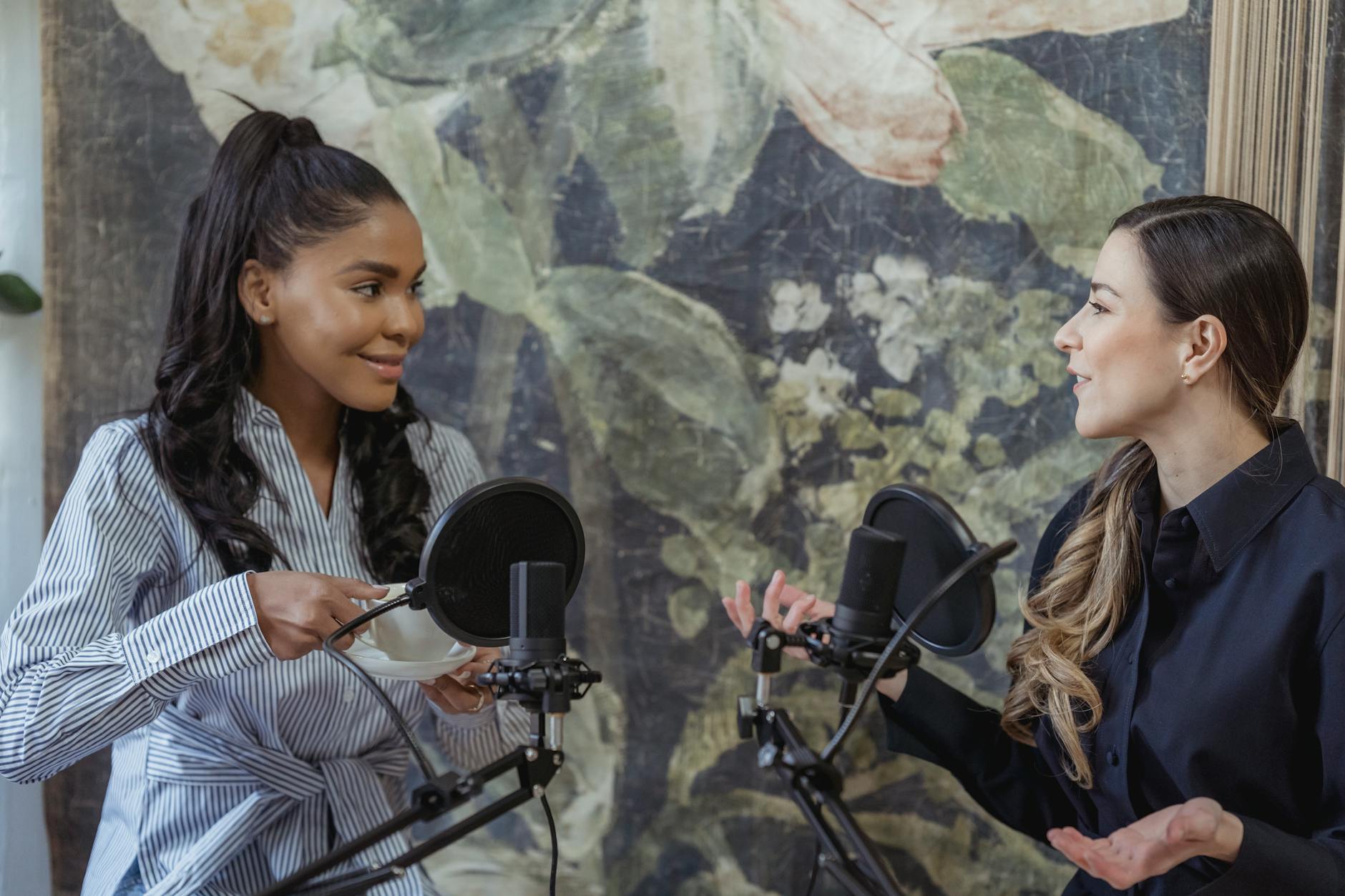
The ability to ask thoughtful, well-timed questions is a hallmark of charismatic communication. Rather than steering every conversation back to themselves, charismatic people invite others to go deeper by posing questions that require genuine reflection. These are not surface-level inquiries but questions that communicate curiosity about the other person’s inner world and perspective. The practice signals intelligence, empathy, and a sincere interest in understanding rather than simply being understood. People consistently walk away from these exchanges feeling intellectually and emotionally engaged.
Positive Reframing

Charismatic individuals have a practiced ability to find the constructive angle in difficult situations without dismissing their reality. When faced with setbacks or challenges, they naturally redirect focus toward what can be learned or gained rather than what was lost. This cognitive habit influences not only their own mindset but also shifts the emotional tone of conversations and groups around them. It does not stem from toxic positivity but from a grounded belief that perspective shapes outcome. Others are drawn to this quality because it feels both reassuring and empowering.
Remembering Details

One of the most quietly powerful habits of charismatic people is their tendency to remember specific details from past conversations. Bringing up a person’s mentioned vacation, family member, or ongoing project in a later exchange communicates that the original conversation mattered. This level of attentiveness is experienced as a form of care and respect by the person on the receiving end. It transforms acquaintances into people who feel like genuine connections. The psychological impact of being remembered in specific detail is profoundly affirming.
Confident Stillness

While nervous energy manifests as restless movement and erratic behavior, charismatic people are often characterized by a remarkable physical stillness. They do not pace, tap, or seek to occupy space unnecessarily, which creates an aura of calm authority. This stillness is not rigid or cold but grounded and deliberate, signaling that they are at ease with themselves and their environment. In group settings, this quality naturally draws the eye and commands quiet attention. The ability to be still under pressure is one of the most compelling nonverbal signals a person can project.
Gracious Disagreement

Charismatic people are capable of disagreeing with others without making them feel diminished or dismissed. They acknowledge the validity in another point of view before presenting a different perspective, which keeps the conversation productive and respectful. This approach demonstrates intellectual confidence because it does not require winning an argument to feel secure. Others find this combination of assertiveness and grace deeply appealing and rare. It positions the charismatic individual as someone worth engaging in dialogue rather than someone to argue against.
Purposeful Humor

The charismatic use of humor is never random or attention-seeking but deployed with timing and social awareness. They use levity to ease tension, create warmth, and forge shared moments of laughter that bond people together. This humor tends to be observational and inclusive rather than at anyone’s expense. A well-placed moment of genuine wit signals emotional intelligence and creates an atmosphere where others feel comfortable and at ease. People who can make others laugh without trying too hard become consistently magnetic presences in any room.
Focused Presence

Perhaps the most foundational of all charismatic traits is the ability to be fully present in every interaction. Charismatic people do not mentally rehearse their next task, scroll through their phone, or allow their attention to drift when engaging with someone else. This singularity of focus communicates that the person in front of them is the only priority in that moment. In a culture of constant distraction, this quality feels extraordinary and immediately distinguishes them from the crowd. Presence is ultimately the root from which all other charismatic qualities grow.
Share which of these psychological habits resonates most with you in the comments.