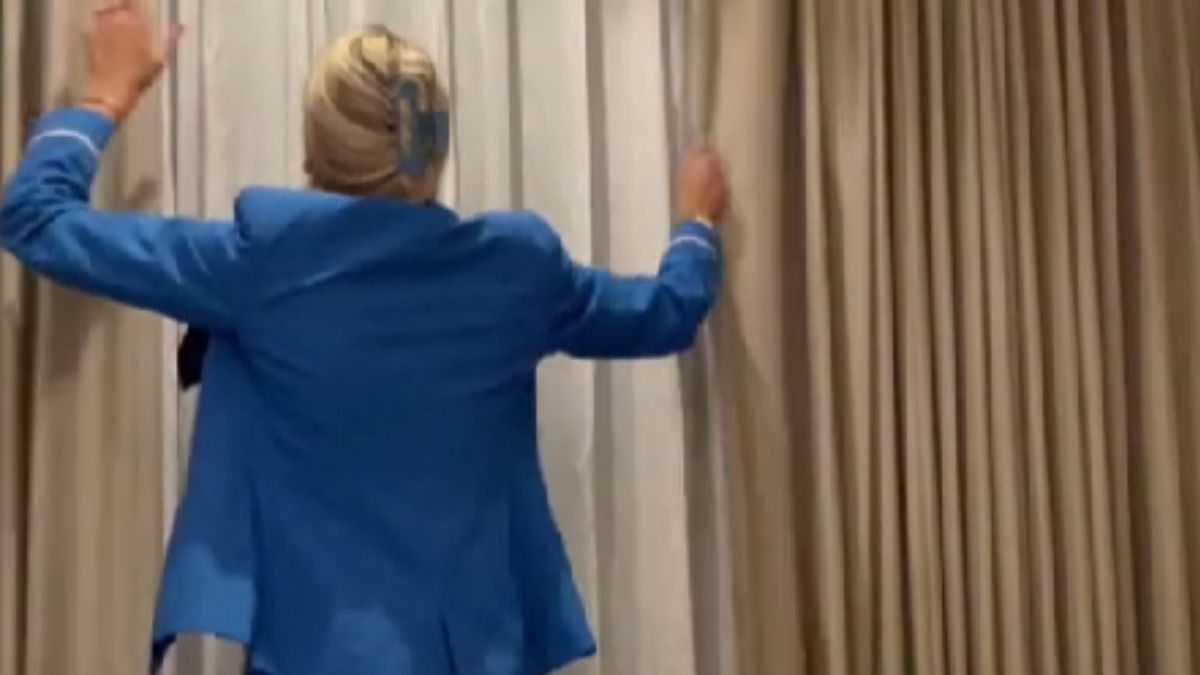
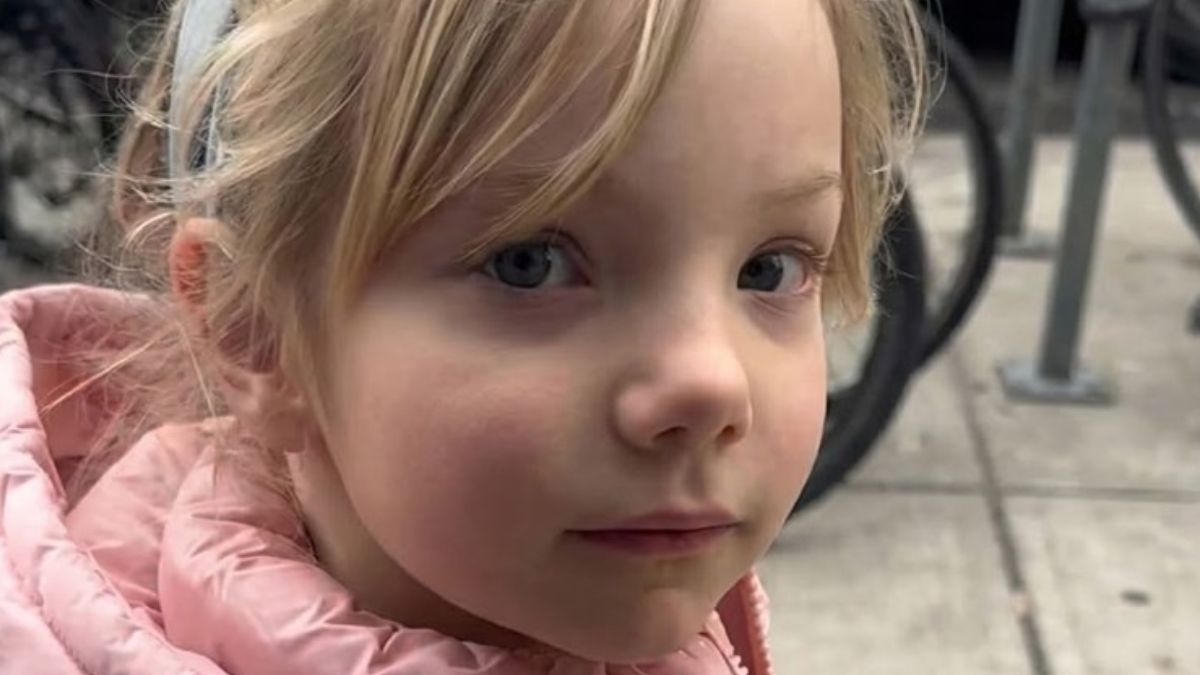
In Yakutsk, a city often labeled the coldest on the planet, everyday life turns into a constant test of planning and endurance. Winter temperatures can plunge to about minus 83 degrees Fahrenheit, which means even quick errands require strategy. A 32 year old mother named Sardana invited viewers into her home through a YouTube documentary and showed what it takes to keep a family moving in deep Siberian cold. She lives there with her husband Igor and their three children, 12 year old Maksim, 7 year old Vika, and baby Arina, who was just six weeks old during filming.
While the older kids get ready to head out, Sardana stays with the baby and begins her morning with gentle stretching to help keep her body warm. It is not presented as a wellness trend but as something practical that helps her cope with the climate. As she explains it, “In Yakutsk, not the smallest detail is a habit, it’s survival.” That mindset runs through the entire routine, from how they dress to how they manage water, food, and heating.
Inside the family’s apartment, the temperature sits around 77 degrees Fahrenheit even when it is brutally cold outdoors. Comfort like that comes at a price, and Sardana is blunt about it, saying “Heating costs us too much.” Keeping the home warm also makes the indoor air very dry, which is especially hard on a newborn. She spends extra time caring for Arina’s skin so it does not become irritated or cracked. You can watch video here.
After Igor and the two older children leave, the day settles into feeding and housework. Sardana says it is common in Yakutsk for mothers to breastfeed for two to three years. She also describes a local custom that encourages mothers to eat Yakut beef stew while nursing because it is considered a strong, warming meal. In her telling, it is one more way families try to support the body through a long winter that does not forgive mistakes.
Even basic chores look different when the cold shapes the infrastructure of daily life. Drinking water is not simply pulled from a tap, and she shows how families rely on melting blocks of ice for usable water. Food storage is also adapted to the environment, with an improvised outdoor freezer that uses the natural cold to keep meat and berries preserved. What might seem extreme elsewhere is treated as normal when temperatures stay far below freezing for months.
Laundry is another example of how Yakutsk routines can surprise outsiders. Sardana shows clothes being dried outdoors, where the air is so cold that items can stiffen quickly. People there believe the cold helps kill bacteria, so the practice is viewed as helpful rather than harsh. The overall message is that families build habits that match the climate, not habits that fight it.
One of the toughest parts of the day is picking up Vika from school, especially since Sardana does not have anyone to stay with the baby. She explains the challenge plainly, saying “Caring for a newborn in winter has its difficulties. I don’t have anyone who can watch the baby, so I have to take her with me when I go by car.” The biggest risk is the shock of moving from a warm home to air that can be more than 140 degrees Fahrenheit colder. That kind of swing forces parents to think about every layer of clothing and every minute spent outdoors.
Before they step outside, the baby is bundled in multiple layers and fully covered so no skin is exposed. The goal is not comfort but protection, and even the walk to the car is done as quickly as possible. Their vehicle is prepared for the conditions, including preheating and added measures like window film, electric heaters, and insulation under the hood to help the engine survive. Sardana sums up the mindset with a joke that still sounds like a rule, saying “In Yakutsk you don’t leave a vehicle to chance.”
Local traditions also influence how families handle newborns. Sardana describes a belief that babies should not be shown to people outside the household for the first 40 days to protect them from negative energy. Climate adds its own limits, and she notes that babies in Yakutsk often are not taken out for walks for nearly seven months because the cold can be dangerous. Medical care adapts as well, with doctors making home visits and checking on newborns once a week during the first month.
Yakutsk sits in the Sakha Republic in eastern Siberia and is known for its extreme subarctic climate and long, dark winters. The region is built on permafrost, which affects everything from building design to plumbing and road maintenance. Many residents rely on layered clothing, fur lined boots, and carefully timed errands because exposed skin can become frostbitten quickly in severe cold. The city is also famous for “ice fog,” a phenomenon that can appear when super cold air fills with tiny ice crystals from moisture and exhaust.
Stories like Sardana’s land with people because they show how ordinary family life continues in conditions that seem impossible from afar. The documentary details are not about spectacle as much as the small adjustments that make survival routine, like melting ice for water, storing food outside, and protecting a baby from extreme temperature swings. It is a reminder that what feels like a hardship in one place can be normal life in another. Share your thoughts in the comments on what part of daily life in Yakutsk surprised you most.