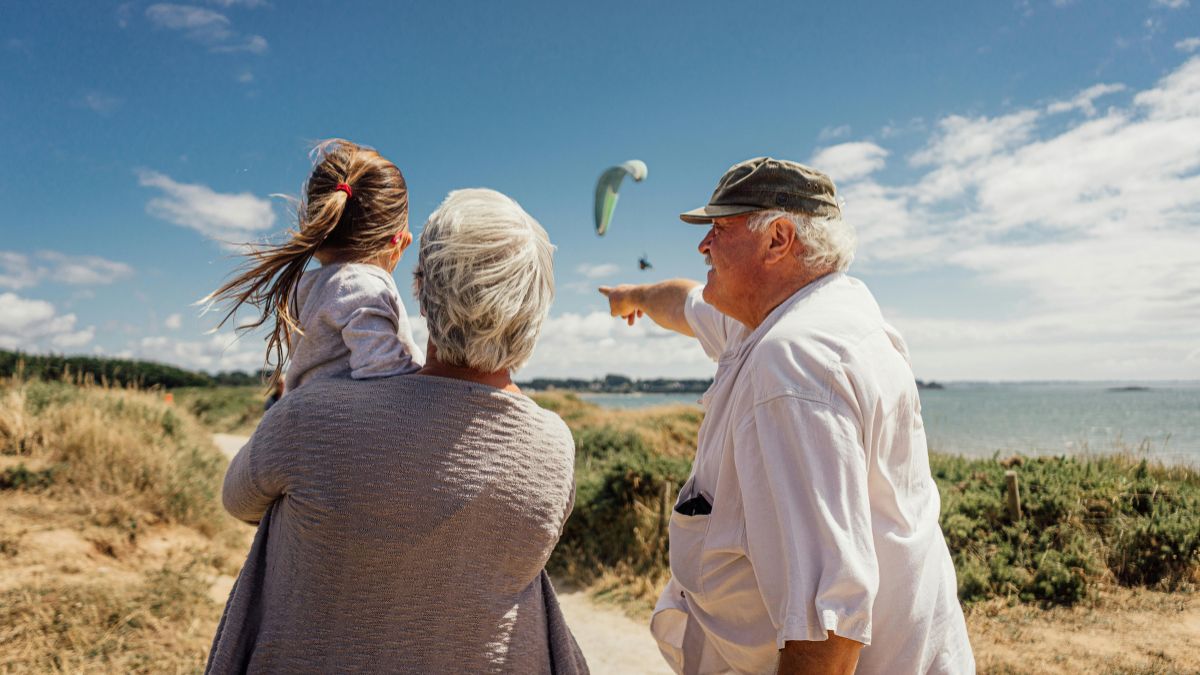
The concept of walking ten thousand steps has become a gold standard for daily activity in the modern wellness world. Many people treat this number as a magical threshold for guaranteeing optimal health and lasting fitness. Achieving this daily goal certainly improves general well-being compared to a completely sedentary lifestyle. Relying solely on this metric often fails to address specific health requirements or ambitious fitness objectives. Understanding the limitations of this arbitrary target helps in creating a more comprehensive and effective wellness plan.
Weight Loss Plateaus

The body is incredibly efficient at adapting to consistent energy expenditure over time. You may find that weight loss stalls even if you hit your daily step count religiously. A consistent walking routine eventually requires fewer calories to perform as your body becomes more mechanically efficient. Increasing intensity or changing the type of activity is often necessary to reignite metabolic fires. Relying on the same daily loop rarely challenges the body enough to provoke continuous change.
Lack of Cardiovascular Intensity

Walking is generally considered a low-intensity steady-state activity. Improving heart health often requires raising your heart rate into vigorous zones for sustained periods. A leisurely stroll does not place enough demand on the cardiovascular system to significantly boost VO2 max. You need activities that leave you breathless to truly strengthen the heart muscle. Without higher intensity intervals your endurance capacity remains largely stagnant.
Muscle Mass Maintenance

Walking primarily engages the slow-twitch muscle fibers in the lower body. It provides insufficient stimulus to build or maintain significant muscle mass in the upper body. Sarcopenia is the natural loss of muscle tissue as we age and requires resistance to combat. Lifting weights or performing bodyweight exercises stimulates muscle growth in ways walking cannot. Neglecting resistance training leads to a decrease in overall metabolic rate.
High Caloric Intake

Consuming more energy than you burn remains the primary barrier to weight management regardless of step count. A vigorous walk burns a relatively small amount of calories compared to the caloric density of modern processed foods. You cannot outwalk a diet that consistently exceeds your daily energy expenditure needs. Nutrition usually plays a larger role in body composition than low-intensity steady-state cardio. Focusing on food quality is essential alongside movement for real results.
Sedentary Job Impact

Sitting for eight to ten hours a day creates health risks that a brief burst of walking may not fully offset. The metabolic impacts of prolonged inactivity can persist even if you squeeze in steps before or after work. Breaking up long periods of sitting is just as important as the total daily accumulation of movement. Circulation slows down significantly during extended bouts of desk work. You need frequent movement snacks throughout the day rather than just one large block of walking.
Metabolic Adaptation
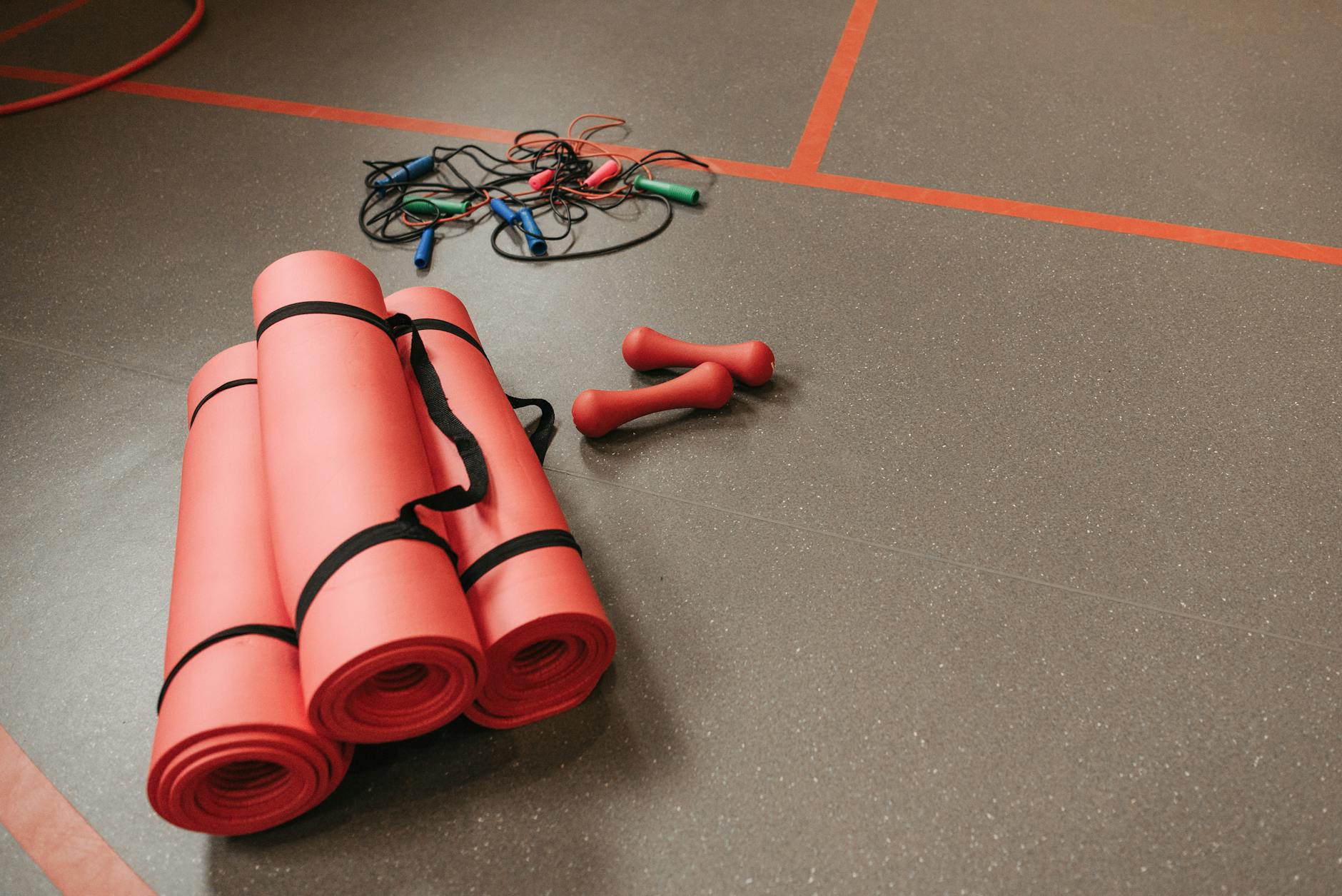
The human body is designed to preserve energy and survives by adapting to stress. Doing the exact same activity every day signals the metabolism to become more thrifty with energy usage. This adaptation means you burn fewer calories for the same amount of effort after a few months. Varying your workout routine prevents this metabolic efficiency from hindering your goals. Shocking the system with different modalities keeps the metabolism responsive.
Tracker Inaccuracy

Wearable devices often overestimate the actual distance covered or effort exerted during the day. Arm movements while sitting or vigorous gestures can sometimes register as steps on sensitive accelerometers. Relying blindly on these digital metrics might lead to a false sense of accomplishment regarding total activity. You might be doing significantly less physical work than the screen on your wrist suggests. Verifying effort with heart rate or perceived exertion is often more accurate.
Need for Resistance Training

Bone density relies on the mechanical stress provided by heavy loading and resistance. Walking is a weight-bearing exercise but often lacks the load required for significant bone strengthening. Resistance training applies the necessary force to stimulate osteoblasts and improve bone architecture. This becomes increasingly critical for women entering menopause and older adults generally. Steps alone are rarely enough to fully protect against osteoporosis.
Flexibility and Mobility

Repetitive walking in a straight line utilizes a very limited range of motion in the hips and ankles. It does not inherently improve flexibility or address tightness in the hamstrings and lower back. A dedicated stretching routine or yoga practice is necessary to maintain joint health. Ignoring mobility work can lead to stiffness and gait imbalances over time. You must move joints through their full range to stay supple.
Athletic Performance Goals
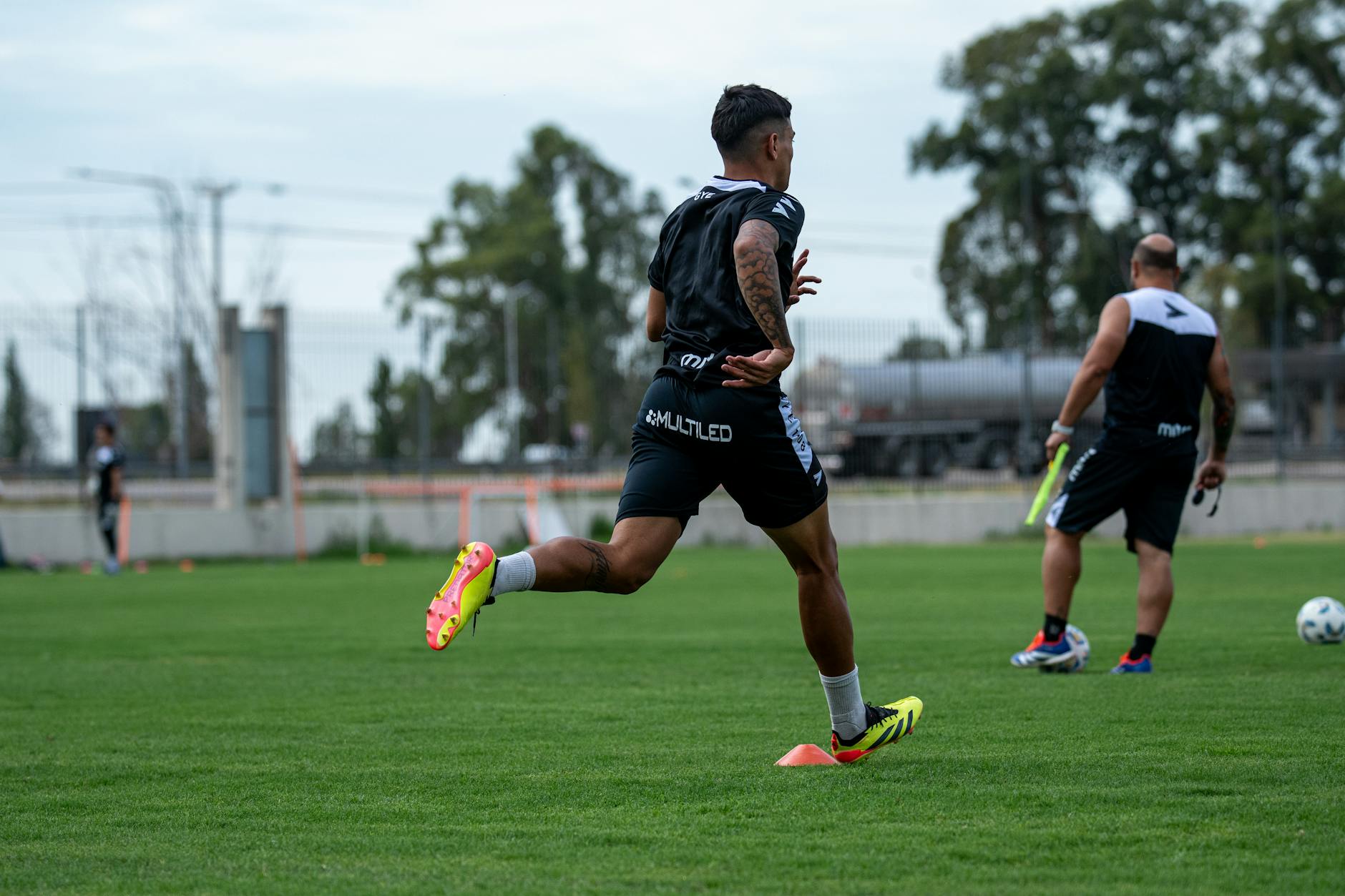
Training for specific sports requires movements that mimic the demands of that activity. Walking does not improve explosive power or lateral agility or sprint speed. Athletes need specific drills that target the energy systems used in their competitive field. A soccer player or tennis player gains little performance benefit from slow steps alone. Specificity in training is the key to improving athletic capability.
Core Strength Neglect

Walking engages the core muscles to a mild degree for stability but does not strengthen them significantly. A strong core is essential for posture and preventing lower back pain. Dedicated abdominal and lower back exercises are required to build a resilient trunk. Relying on steps ignores the muscular corset that protects your spine. You need targeted movements like planks to build true core stability.
High Stress Levels

Physical activity is a great stress reliever but low-intensity walking may not be enough to manage high anxiety. High-intensity exercise releases a larger flood of endorphins that combat cortisol more effectively. Some individuals require the cathartic release of heavy lifting or boxing to manage mental health. Walking allows the mind to wander and might lead to rumination rather than relaxation. Vigorous movement often forces the brain to disconnect from daily worries.
Poor Sleep Quality

Sleep hygiene is influenced by physical fatigue and the depletion of energy stores. Some people find that gentle walking does not tire them out enough to induce deep restorative sleep. Higher exertion levels often correlate with better sleep onset and quality. If you struggle with insomnia you might need to increase your physical output beyond simple steps. A truly tired body generally yields a more restful night.
Insulin Sensitivity

Improving how the body handles glucose often requires depleting muscle glycogen stores significantly. Moderate walking burns mostly fat and may not fully empty glycogen reserves. High-intensity interval training is shown to be superior for improving insulin sensitivity rapidly. Managing blood sugar levels effectively often demands more vigorous muscular contractions. Diabetics or pre-diabetics may need more than just walking to see changes.
Genetic Factors

Genetics play a massive role in how individuals respond to different types of exercise. Some people are non-responders to low-intensity endurance training like walking. Your DNA might dictate that you require strength training or sprints to see physiological changes. Assuming a one-size-fits-all approach ignores biological individuality. You have to experiment to find what stimulates your specific body type.
Age-Related Muscle Loss

Walking does not generate the hormonal response needed to counteract age-related muscle atrophy. Growth hormone and testosterone release is triggered more effectively by high-intensity compound movements. Preserving lean tissue is the primary marker of longevity and functional independence. Simply moving the legs without load does not send a strong enough signal to build muscle. You must challenge the muscles to keep them.
Inconsistent Stride Length

The term step is vague because it does not account for the length or quality of the stride. A short shuffling step burns far less energy than a long purposeful stride. Ten thousand short steps cover significantly less distance than ten thousand long ones. This discrepancy makes the step count a poor metric for actual work performed. Quality of movement matters just as much as the quantity.
Lack of Upper Body Engagement

Walking is almost entirely a lower-body activity that leaves the arms and chest passive. Neglecting the upper body leads to muscle imbalances and a loss of functional strength above the waist. A complete fitness program must address the pushing and pulling muscles of the torso. You use your arms for lifting groceries and luggage and children daily. Ignoring these muscle groups creates a functional deficit.
Psychological Habituation

Doing the same activity every day can lead to boredom and mental burnout. The lack of variety makes it difficult to stay motivated over the long term. Excitement and novelty are important factors in maintaining a consistent exercise habit. Switching activities keeps the mind engaged and the routine fresh. Mental stimulation is a key component of a sustainable lifestyle.
Dietary Choices

People often overestimate the calories burned during exercise and reward themselves with food. This halo effect can lead to overeating that negates the deficit created by walking. A small treat can easily contain more calories than an hour of walking burns. Awareness of energy intake is crucial regardless of activity levels. You must be mindful that exercise does not grant immunity from poor diet.
Hydration Habits

Walking does not always trigger the thirst mechanism as intensely as heavy sweating does. You might neglect hydration because you do not feel physically exhausted or parched. Proper fluid intake is vital for digestion and cognitive function and joint health. It is easy to forget to drink water when the activity level feels casual. Intentional hydration is necessary even for low-intensity activities.
Leisurely Pace

The speed at which you walk determines the aerobic benefit you receive. Meandering while shopping or cleaning the house counts as steps but offers little conditioning. To gain health benefits the pace must be brisk enough to raise respiration. Steps accumulated at a snail’s pace are better than sitting but insufficient for fitness. You need to walk with purpose to reap the rewards.
Balance and Coordination

Walking on flat pavement does not challenge the vestibular system or improve balance significantly. As we age the ability to balance becomes a critical factor in preventing falls. Exercises that require standing on one leg or moving in multiple planes are essential. You need complex movement patterns to keep the neural pathways for coordination sharp. Sidewalks are too predictable to train agility.
Social Eating Habits

Socializing often revolves around food and drink which can impact overall health. Meeting friends for walks is healthy but often ends at a café or restaurant. The calories consumed during the post-walk social hour can inhibit progress. Integrating movement into social lives is positive but requires dietary awareness. You must balance the social benefits with nutritional decisions.
Posture Issues

Walking with poor posture reinforces bad habits and can lead to chronic pain. Slumping shoulders or looking down at a phone while walking negates some benefits. You need to actively work on spinal alignment and back strength. Corrective exercises are often required to undo the damage of desk posture. Mindless walking can sometimes exacerbate existing structural issues.
Lack of Variable Terrain

Walking exclusively on flat paved surfaces fails to engage the stabilizing muscles of the ankle and foot. Hiking on trails or walking on sand forces the body to adapt to uneven ground. This variety strengthens the connective tissues and prevents repetitive strain injuries. Flat ground does not prepare the body for the dynamic nature of the real world. You need environmental complexity to build a robust body.
Hormonal Fluctuations

Women may find that their exercise needs change throughout their menstrual cycle. There are times when the body responds better to strength training or restorative yoga than walking. Ignoring these biological rhythms can lead to fatigue or suboptimal results. tailoring activity to hormonal states is a more sophisticated approach to wellness. Listening to internal cues is more valuable than hitting a static number.
Weekend Sedentarism

Accumulating steps during the week does not authorize a completely inactive weekend. The warrior mentality of cramming activity into a few days or resting completely for two is inefficient. Consistency throughout the entire week is what yields lasting health benefits. A two-day binge of sitting erases the positive momentum of the work week. You need to maintain a baseline of activity every single day.
Absence of High-Impact Movement

Bones require a certain amount of impact to stimulate density and strength. Walking is low impact which is safe but not always sufficient for bone remodeling. Occasional jumping or running provides the jolt needed to keep bones hard. This is particularly important for preventing fragility fractures later in life. You need some degree of impact to maintain skeletal integrity.
Cognitive Challenge Requirements

Walking is an automatic motor pattern that requires very little brain power. Learning new complex movements like dancing or martial arts builds cognitive reserve. Neuroplasticity is stimulated by mastering novel physical tasks. Keeping the brain sharp requires physical puzzles rather than just repetitive motion. You should engage the mind and body simultaneously for optimal aging.
Injury Rehabilitation Needs

If you are recovering from an injury walking might not be the correct therapeutic modality. Specific isolation exercises are often needed to strengthen injured tissues safely. Walking can sometimes aggravate lower body injuries if gait mechanics are altered. Rehabilitation requires a targeted approach designed by a professional. Generic movement is not always the best medicine for specific trauma.
Specific Event Training

Preparing for a marathon or a hiking expedition requires volume and intensity beyond daily steps. You need to condition the body for the specific duration and load of the event. Ten thousand steps is a general baseline and not a training program for endurance. Specificity is the golden rule of conditioning for an event. You must train for the task at hand.
Uneven Daily Distribution

Getting all your steps in one go and sitting for the rest of the day is problematic. The body prefers frequent movement to regulate blood sugar and lipase activity. Long periods of inactivity are independent risk factors for disease. You should aim to distribute movement throughout the waking hours. Intermittent activity is healthier than a single bolus of exercise.
The Arbitrary Origin of the Number

The figure of ten thousand steps originated from a Japanese marketing campaign for a pedometer in the 1960s. It was not born from rigorous scientific research or medical consensus. While it is a reasonable target it is not a biological imperative tailored to you. Your personal optimal number might be higher or lower depending on your lifestyle. Realizing it is a marketing tool allows you to be flexible.
Social Isolation

Solo walking can be a lonely endeavor if it replaces other forms of social connection. Team sports or group classes provide community and accountability that walking alone lacks. Mental health is deeply connected to social integration and shared experiences. Substituting all social interaction for solitary steps can be detrimental. You need a balance of solitude and community.
Please tell us about your own daily activity routines and whether you track your numbers in the comments.