Modern parenting trends have shifted significantly toward emotional attunement and away from traditional authoritative models. While the intention behind gentle parenting is to raise emotionally intelligent children, critics argue that the execution often misses the mark. Many families find themselves struggling with behavioral issues that seem to stem directly from a misapplication of these methods. The following points outline why this popular approach might not be delivering the positive results parents anticipate.
Misinterpretation as Permissiveness

Many parents confuse gentle parenting with permissive parenting and fail to set necessary limits. This misunderstanding leads to children who believe they can do whatever they want without repercussions. Children require structure to feel secure and understand their place in the family unit. The absence of firm boundaries often results in chaotic household dynamics and anxious children. True gentle parenting maintains high standards for behavior while offering emotional support during struggles.
Inconsistent Boundary Enforcement

A major pitfall occurs when parents state a boundary but fail to enforce it when the child pushes back. This teaches the child that rules are flexible and negotiable rather than fixed safety measures. Children naturally test limits to see if their caregivers will actually hold the line. When parents waiver or give in to stop a tantrum, they unintentionally reinforce the negative behavior. Consistency is the most critical component of any effective discipline strategy.
Parental Emotional Burnout
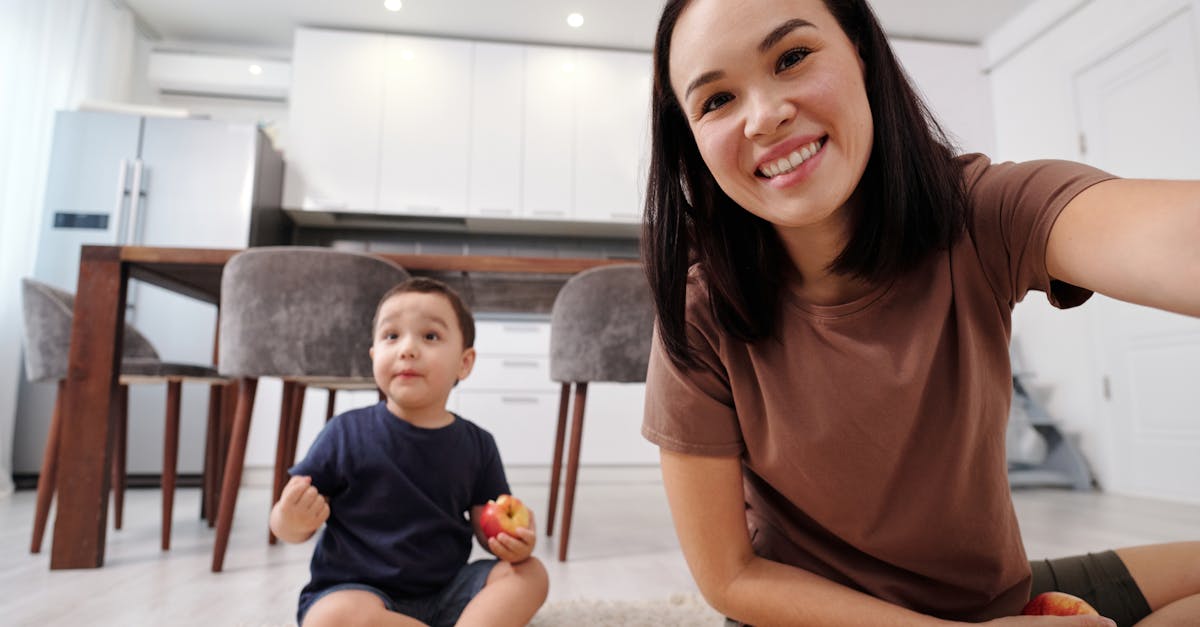
The demand for constant emotional regulation places an immense burden on the parent. Caregivers often feel they must suppress their own frustrations to maintain a perfectly calm demeanor at all times. This unrealistic expectation leads to severe burnout and eventual emotional explosions. Children need to see authentic human emotions to learn how to navigate relationships properly. A parent who acts like a robot cannot model healthy emotional expression.
Delayed Social Adaptability

Children raised without firm feedback may struggle when they enter environments with strict rules. Schools and extracurricular activities operate on systems of compliance that gentle parenting often avoids. A child accustomed to endless negotiation may view a teacher’s instruction as a suggestion. This friction can lead to behavioral reports and social isolation in the classroom. Real-world settings rarely offer the infinite patience found at home.
Over-negotiation of Instructions

Gentle parenting can inadvertently turn every request into a debate. Parents often explain the reasoning behind a request so thoroughly that the child feels invited to argue. This dynamic erodes parental authority and exhausts everyone involved. There are times when a child simply needs to follow directions for safety or efficiency. Excessive explanation can confuse a child and dilute the importance of the instruction.
Unrealistic Expectations of Self-Control

The method often assumes that young children have the neurological capacity for impulse control. Toddlers and preschoolers rely on their parents to act as their external prefrontal cortex. Expecting a small child to make a logical choice during a meltdown is biologically developmentally inappropriate. Parents may wait for a child to calm down independently when they actually need active intervention. This gap in understanding leads to prolonged distress for the child.
Confusion About Authority

A flat hierarchy in the home can leave a child feeling unsafe and unguided. Children instinctively look for a leader who can handle difficult situations and keep them safe. When parents act more like peers or friends, the child may feel the burden of being in charge. This role reversal creates anxiety because children know they are not equipped to lead. Healthy authority provides a container of safety that allows children to relax.
Excessive Verbal Explanations

Long lectures during disciplinary moments often go right over a child’s head. Young brains in a state of high emotion cannot process complex auditory information. Parents who rely on scripts and paragraphs of validation may miss the window for effective correction. Action often speaks louder than words when it comes to behavioral modification. Keeping instructions short and direct is usually more effective for retention.
Inability to Cope with Failure

The focus on constant validation can sometimes shield children from the natural sting of failure. If every mistake is met with a cushion of emotional processing, the child may not develop grit. Resilience is built through experiencing minor adversities and recovering from them. Children need to learn that feeling bad about a mistake is a natural motivator to do better next time. Over-protecting them from negative feelings hampers their emotional growth.
Neglect of Parental Needs

The child-centric nature of this approach often encourages parents to ignore their own basic needs. A parent who is hungry, tired, or overstimulated cannot parent effectively or gently. This martyrdom creates resentment that eventually seeps into the parent-child relationship. Children benefit from seeing that their parents also have boundaries and requirements for well-being. A balanced family system respects the needs of every member equally.
Mismatched Temperament Needs

Some children respond well to soft tones and gentle redirection, but others require firmness to feel grounded. A high-energy or strong-willed child may view a gentle approach as passivity. These children often escalate their behavior until they meet a wall of resistance. Parents who refuse to adjust their volume or intensity may fail to reach a spirited child. Different temperaments require different parenting toolkits to thrive.
Difficulty in School Settings

Teachers report that many children accustomed to gentle parenting struggle to follow group norms. The transition from a highly individualized home environment to a collective classroom is jarring. These students may demand immediate attention and validation that a teacher cannot provide to thirty students. This entitlement can disrupt the learning environment for the entire class. Parents must prepare children for environments where they are not the sole focus.
Suppression of Authentic Parental Reactions

Parents are often told that their anger is damaging to their children. This leads to parents hiding their true feelings and presenting a false mask of calm. Children are highly intuitive and can sense the disconnect between a parent’s face and their energy. This incongruence can be confusing and unsettling for a child. It is healthier to model how to repair a relationship after losing one’s temper.
Safety Risks in Critical Moments

There are situations where immediate compliance is necessary for physical safety. If a child runs toward a street, a gentle request is insufficient and dangerous. Children raised on constant negotiation may pause to discuss a command to stop. Parents must establish that certain commands require instant obedience without question. A hesitation in these moments can result in serious injury.
Dependence on Co-regulation

While co-regulation is vital for infants, older children need to learn self-regulation strategies. If a parent always steps in to manage the child’s emotions, the child may remain dependent on that external source. They might struggle to self-soothe or calm down without an adult present. The goal of parenting is to gradually transfer the responsibility of emotional management to the child. Prolonged dependency hinders the development of independent coping mechanisms.
Reduced Resilience Building

Constant shielding from discomfort prevents the development of psychological toughness. Children who are never allowed to sit with boredom or frustration do not learn how to solve their own problems. Parents often intervene too quickly to fix a situation rather than letting the child struggle. Facing small difficulties is the primary way human beings learn capability. A lack of resilience makes adulthood significantly more challenging.
Time-Consuming Discipline Tactics
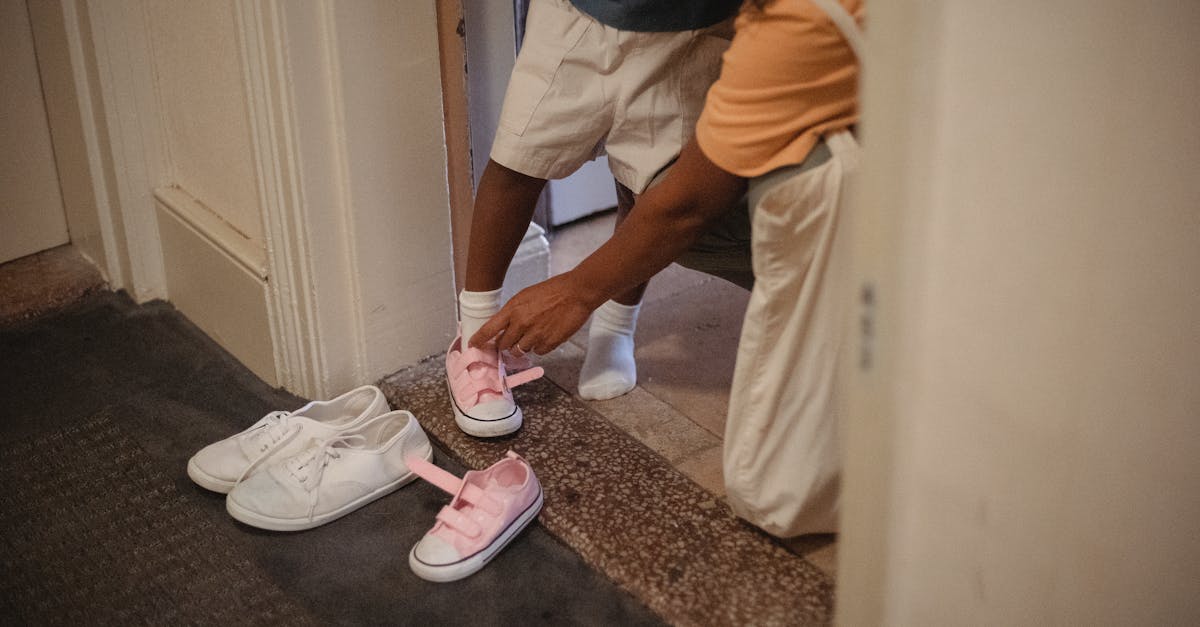
The gentle approach often requires lengthy discussions that are not practical in daily life. Parents may spend twenty minutes negotiating a simple task like putting on shoes. This inefficiency creates stress and lateness that impacts the whole family schedule. Life often requires swift transitions and efficient cooperation. Children need to learn to move with the flow of the family rather than dictating the pace.
Misalignment Between Partners

One parent often commits to gentle parenting while the other prefers a traditional approach. This inconsistency creates a “good cop, bad cop” dynamic that confuses the child. The child learns to manipulate the situation by defaulting to the more lenient parent. Marital strain increases as partners criticize each other’s methods. Unified parenting is generally more effective than any single method applied inconsistently.
Fear of Inflicting Trauma
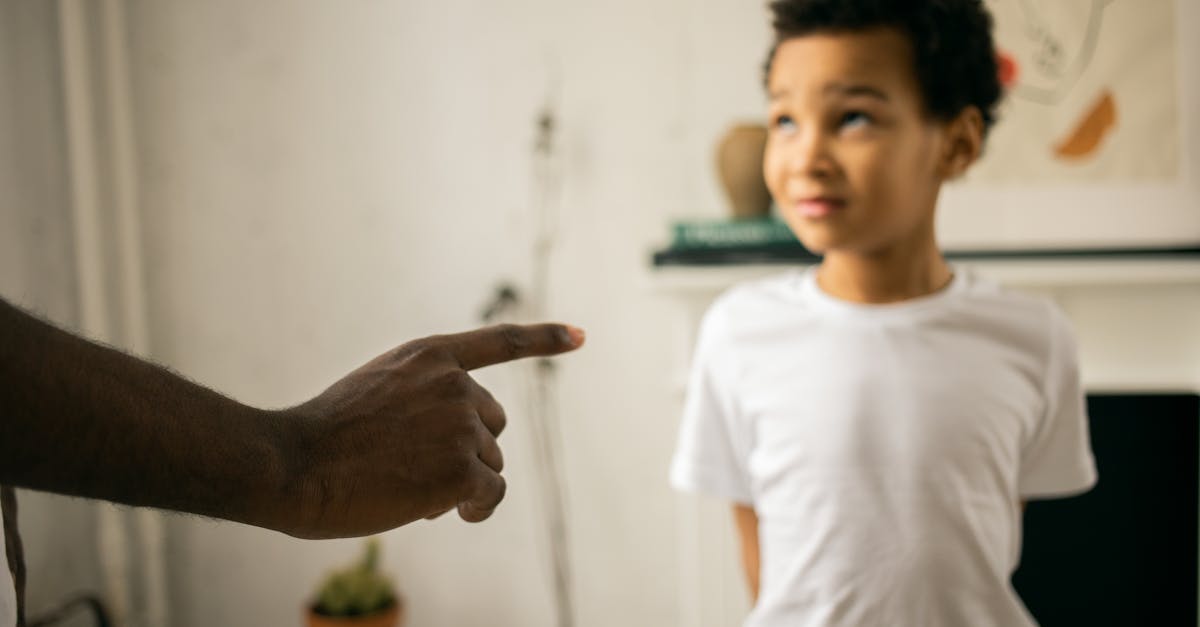
Many parents are paralyzed by the fear that any negative interaction will traumatize their child. This anxiety prevents them from making necessary unpopular decisions. Parenting involves making choices that a child will dislike or protest against. The fear of causing harm can actually cause harm by preventing the establishment of structure. Children are resilient and do not break from occasional conflict or firm discipline.
Validation of Aggressive Behavior

In an effort to validate feelings, parents sometimes inadvertently validate the behavior attached to them. A child hitting a sibling might hear that it is okay to be angry, but the message about hitting gets lost. The focus on the emotion can obscure the lesson that physical aggression is never acceptable. Parents must clearly separate the feeling from the destructive action. Stopping the violence must take precedence over discussing the feelings.
Lack of Preparation for Adult Hierarchies

The real world operates on hierarchies in workplaces and civil society. Children who never experience subordination to an authority figure may struggle with bosses or law enforcement. Learning to respect authority without agreeing with it is a crucial life skill. Gentle parenting can create a false sense of equality that does not exist outside the home. Preparing a child for reality involves teaching them how to navigate power dynamics.
Ignoring Neurodiverse Needs

Standard gentle parenting scripts may not work for neurodivergent children who need clear and concrete cues. Ambiguous language about feelings can be confusing for children with processing differences. These children often thrive on explicit rules and predictable consequences rather than emotional negotiation. Parents may feel like failures when the standard gentle advice yields no results. Specialized approaches are often necessary for diverse neurological profiles.
Performative Parenting Anxiety

Social media has created a standard of performative gentleness that is impossible to maintain. Parents feel they are being watched and judged on their ability to stay calm. This performance anxiety detracts from the authentic relationship between parent and child. The focus shifts to looking like a good parent rather than doing what the child needs. Authentic parenting is messy and often happens offline without an audience.
Disregarding Community Standards

Behavior that is tolerated at home may be unacceptable in public spaces like libraries or restaurants. Parents who refuse to correct their children in public often disturb others. This lack of consideration teaches children that their needs supersede the comfort of the community. Part of raising a citizen is teaching them to respect shared spaces. Ignoring social norms leads to children who are unwelcome in many environments.
Assumption of Rationality

The method assumes that children are rational actors who want to do good. In reality, children are often irrational, tired, hungry, or simply testing boundaries. Trying to reason with an irrational child is a futile exercise that frustrates everyone. Parents need tools for moments when logic is completely absent. Recognizing that children are often driven by impulse is key to effective management.
Loss of Personal Identity for Parents

The intensive nature of this parenting style leaves little room for the parent’s personal identity. Hobbies, careers, and social lives often disintegrate under the weight of constant parenting demands. A parent without a sense of self often looks to the child to provide fulfillment. This pressure is too heavy for a child to carry. Children benefit from seeing their parents engaged in life outside of the home.
Over-emphasis on Feelings

While feelings are important, they are not facts that dictate reality. Gentle parenting can teach children that their feelings are the most important thing in the room. This perspective can lead to narcissism and a lack of empathy for others. Learning to act correctly despite one’s feelings is a hallmark of maturity. Character is built by doing the right thing even when it feels difficult.
Ineffective Consequence Systems

Many proponents of gentle parenting reject all forms of punishment or consequences. This leaves parents without tools when a child refuses to cooperate. Natural consequences are not always immediate or severe enough to change behavior. Constructed consequences are often necessary to teach lessons safely. A lack of consequences breaks the feedback loop that helps children learn cause and effect.
Struggles with Sleep Training

The philosophy often discourages sleep training in favor of responsiveness. This can lead to years of sleep deprivation for both parents and children. Chronic lack of sleep affects cognitive development and emotional regulation. A well-rested family function is significantly better than a sleep-deprived one. Prioritizing sleep is a health necessity that sometimes requires firm boundaries.
Creation of Parent-Centric Anxiety

The pressure to script every interaction correctly creates massive anxiety. Parents obsess over saying the wrong thing and damaging their child’s psyche. This anxiety interrupts the natural flow of love and care. Children feel safer with a confident parent than an anxious one. Trusting one’s instincts is often better than following a rigid script.
Difficulty Handling Criticism

Children raised in a bubble of constant affirmation may crumble under constructive criticism. Coaches and teachers use critique to help children improve their skills. A child who interprets correction as an attack will struggle to learn. Developing a thick skin is necessary for personal and professional growth. Parents need to expose children to the reality that they are not perfect.
Limited Exposure to Adversity

Protecting children from all adversity denies them the opportunity to develop coping strategies. The immune system of the psyche needs exposure to stress to strengthen. Over-protection creates fragility rather than safety. Parents should aim to support children through adversity rather than removing it. Strength is born from struggle and overcoming obstacles.
Mixed Messages on Respect

The demand for respect often flows only from parent to child in this model. Parents are expected to respect every wish of the child, but the reverse is not enforced. This imbalance creates a household where the child dictates the atmosphere. Mutual respect is the foundation of any healthy relationship. Children must learn to respect their parents’ time, energy, and resources.
Overwhelming Choices

Giving children too many choices can create decision fatigue and anxiety. Small children feel safer when adults make the major decisions. Asking a child what they want for every meal or activity is a burden. It is often kinder to provide a clear structure than an open-ended question. Limited choices within boundaries offer the best balance of autonomy and security.
The Perfectionism Trap

The gentle parenting movement often sells a perfectionist ideal that does not exist. Parents feel constant guilt for every raised voice or lost temper. This guilt is unproductive and drains energy needed for parenting. Good parenting is about repair and connection, not perfection. Accepting that mistakes are part of the process is crucial for mental health.
Please share your own experiences with different parenting styles in the comments.