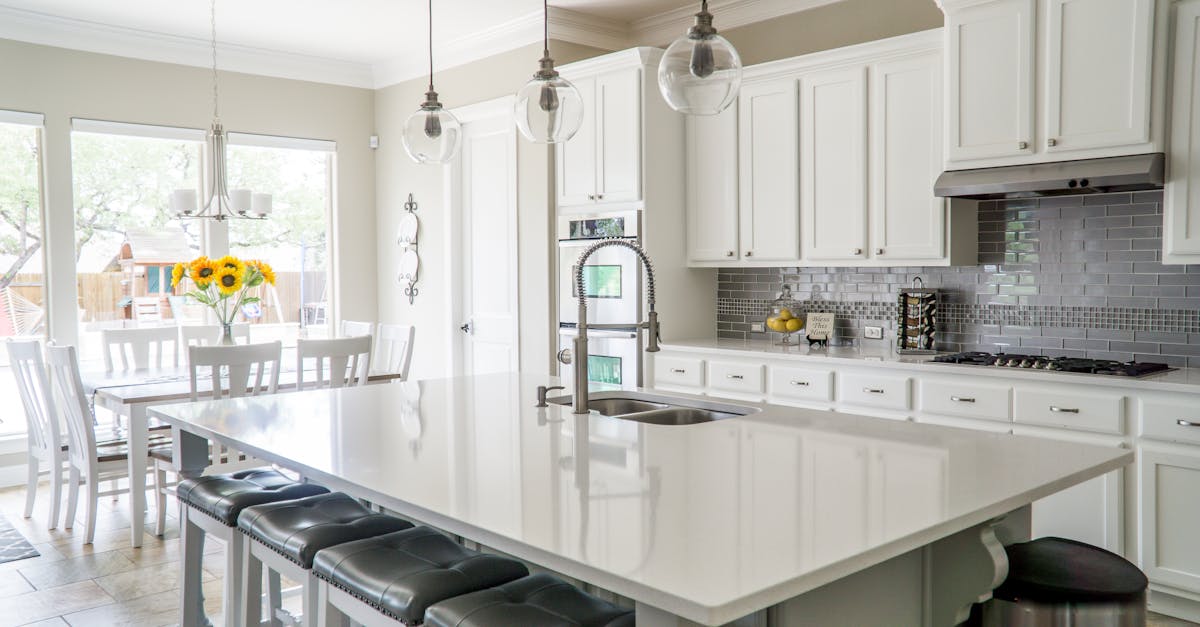
Open-concept homes once dominated the housing market as the ultimate symbol of modern luxury and spacious living. Architects and builders removed walls to create seamless transitions between kitchens and living areas for better social flow. Many homeowners now find that this architectural trend comes with significant practical downsides for daily life. The reality of living without boundaries often conflicts with the need for privacy and structure in a busy household.
Uncontrolled Noise Transmission

Sound travels unimpeded across large spaces without walls to absorb the noise or block the frequencies. A television playing in the living area becomes audible in the kitchen and dining room simultaneously. This lack of acoustic separation makes it difficult for multiple family members to engage in different activities without disturbing one another. Quiet time becomes impossible when everyone shares the same acoustic environment and volume levels escalate quickly.
Lingering Cooking Odors

Cooking smells inevitably drift from the kitchen to the sofa and curtains in the living area without doors to stop them. Fish or garlic prepared for dinner might linger on upholstery fabrics and throw pillows for days afterward. High-powered range hoods often fail to capture every bit of steam and grease in such expansive volumes. The entire first floor smells like whatever is on the stove regardless of where you are sitting.
Heating and Cooling Inefficiency

Large open spaces require significantly more energy to heat or cool compared to segmented rooms with doors. Hot air rises to high ceilings while drafts move freely across the floor level during the winter months. Maintaining a consistent temperature becomes a challenge when a single thermostat controls a vast and undefined square footage. Utility bills often increase because you must heat the entire space rather than just the room you are occupying.
Visible Kitchen Mess

The open kitchen ensures that dirty dishes remain in plain sight during dinner parties and relaxation time. Guests seated on the sofa have a direct line of sight to the clutter on the countertops and the sink. This creates a psychological inability to fully relax until the entire kitchen is spotless and organized. You lose the ability to close a door on the mess and deal with it the next morning.
Lack of Visual Privacy

Family members are constantly on display to one another without partitions to provide solitude. It is difficult to read a book or have a private conversation when there are no physical barriers. This constant exposure can feel draining for introverts who need seclusion to recharge their energy. Everyone in the household is aware of everyone else’s movements at all times.
Reduced Wall Storage
Removing walls means sacrificing valuable vertical space that could otherwise house cabinets or bookshelves. Kitchens in open plans often have fewer upper cabinets and rely heavily on island storage or pantries. Finding a place for tall furniture pieces like hutches or entertainment centers becomes a logistical struggle. This reduction in storage surface area often leads to increased clutter on flat surfaces.
Floating Furniture Frustrations

Arranging furniture becomes a complex geometry puzzle when there are no walls to anchor sofas or tables. Couches must float in the middle of the room which exposes the back of the furniture and requires floor outlets for lamps. Walkways must be carefully preserved behind seating areas to ensure traffic flow remains unobstructed. This limitation reduces the number of layout configurations available to the homeowner.
Child Safety Gate Struggles

Standard pressure-mounted baby gates are impossible to use when entryways are ten feet wide or nonexistent. Parents must purchase expensive and cumbersome extra-wide play yards to cordon off safe zones for toddlers. The lack of doorways means adventurous crawlers have unrestricted access to the kitchen and stairs. containing young children or keeping them out of specific areas becomes a major daily headache.
Visual Overstimulation
The eye has no place to rest when every object in the main living area is visible at once. Clutter from the kitchen mixes with toys in the living room and mail on the dining table to create visual chaos. A mess in one zone makes the entire floor look disorganized and untidy. Maintaining a sense of order requires constant vigilance and immediate cleanup of every item.
Work From Home Distractions

Taking a video call is nearly impossible if another household member is making coffee or watching the news nearby. The background noise and visual movement are distracting for both the worker and their colleagues on the screen. Focus is easily broken when you can see everything happening in the domestic sphere from your desk. Defined home offices with closing doors are superior for productivity and professionalism.
The Echo Chamber Effect

Hard surfaces like hardwood floors and stone countertops bounce sound waves around the room relentlessly. Rugs and curtains help slightly but rarely eliminate the cavernous echo found in open layouts. Conversations can feel loud and harsh rather than intimate and warm. This acoustic harshness can lead to sensory fatigue after a long day.
Inconsistent Lighting Needs

Lighting the space is difficult because one switch often controls multiple zones or requires a complex bank of dimmers. Bright task lighting needed for the kitchen might create an unwanted glare for someone trying to watch a movie nearby. It is hard to create a moody or cozy atmosphere in the evening when the kitchen appliances have bright digital displays. You often end up with a lighting scheme that is a compromise rather than a solution.
Floor Cleaning Challenges

Different zones often require different flooring materials but open plans force awkward transitions or uniform choices. Using hardwood throughout means the kitchen floor is susceptible to water damage and dropped pots. Mopping the kitchen floor often necessitates cleaning the entire living area to avoid leaving a visible stopping line. The sheer surface area makes vacuuming and mopping a physically demanding chore.
Lack of Cozy Spaces

Grand open spaces often lack the feeling of containment that makes a home feel secure and snug. Human psychology often associates comfort with smaller and more enclosed environments during relaxation. Large rooms can feel institutional or museum-like rather than warm and inviting. It takes significant effort and decor to make a warehouse-sized room feel like a home.
Art Display Limitations

Fewer walls mean significantly less surface area to hang paintings, photographs, or decorative mirrors. Homeowners are forced to crowd their art onto the perimeter walls or leave large spaces unadorned. This limitation restricts personal expression and makes it hard to display a growing art collection. The few walls that do exist are often occupied by windows or television screens.
Pet Containment Issues

Keeping a wet dog out of the living room is impossible when there is no door to the kitchen or mudroom area. Pets have free rein to run from the back door to the front door without any barriers. Muddy paws track dirt across the entire expanse of the flooring before you can catch them. Separating pets from guests who might be allergic or afraid requires locking the animal in a bedroom.
Outlet Accessibility

Electrical outlets are typically located in walls and become scarce in the center of a large open room. Plugging in a laptop or a vacuum cleaner often requires dangerous extension cords stretching across walkways. Floor outlets can be installed but they are expensive and limit future furniture arrangements. This lack of power access is a major inconvenience in our device-heavy modern lives.
Toy Creep

Children’s toys inevitably migrate from the designated play area to cover every square inch of the open floor. Without a playroom door to close the colorful plastic chaos is always part of the adult aesthetic. Parents spend their evenings clearing the living room just to reclaim a sense of adult space. The visual boundary between kid space and adult space is completely erased.
Entertaining Anxiety
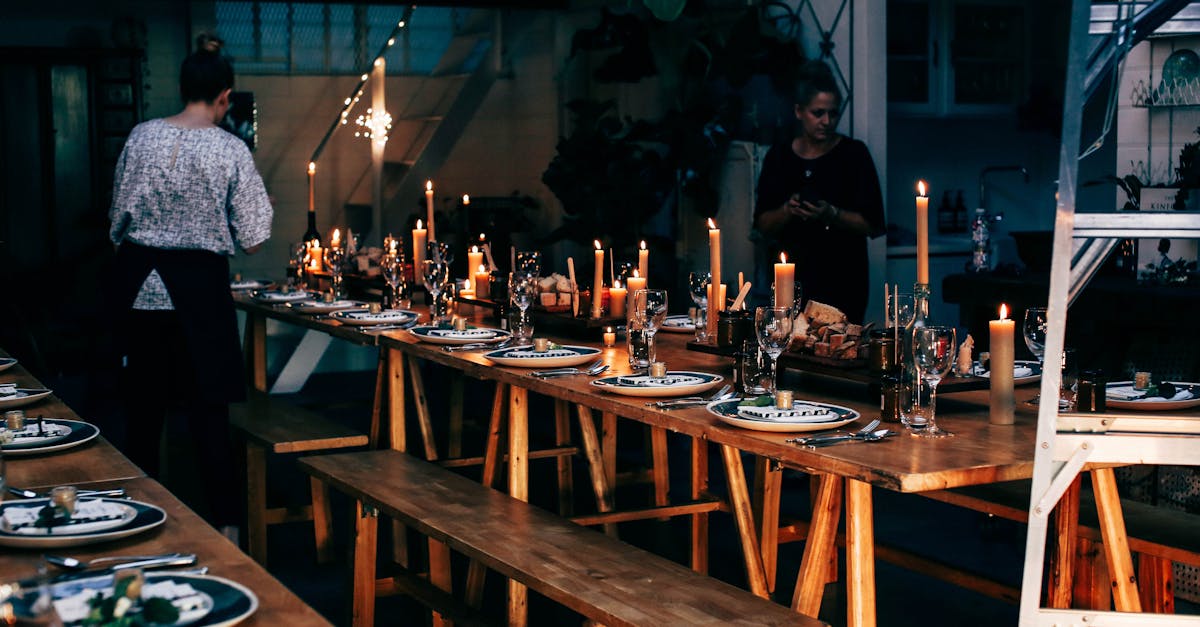
Hosts feel the pressure to entertain guests while simultaneously finishing food preparation in front of them. There is no backstage area to hide mistakes or take a moment to compose yourself before serving. The noise of clattering pans and running water competes with the conversation of your guests. This performance aspect adds unnecessary stress to the job of hosting a dinner party.
Flooring Transition Issues
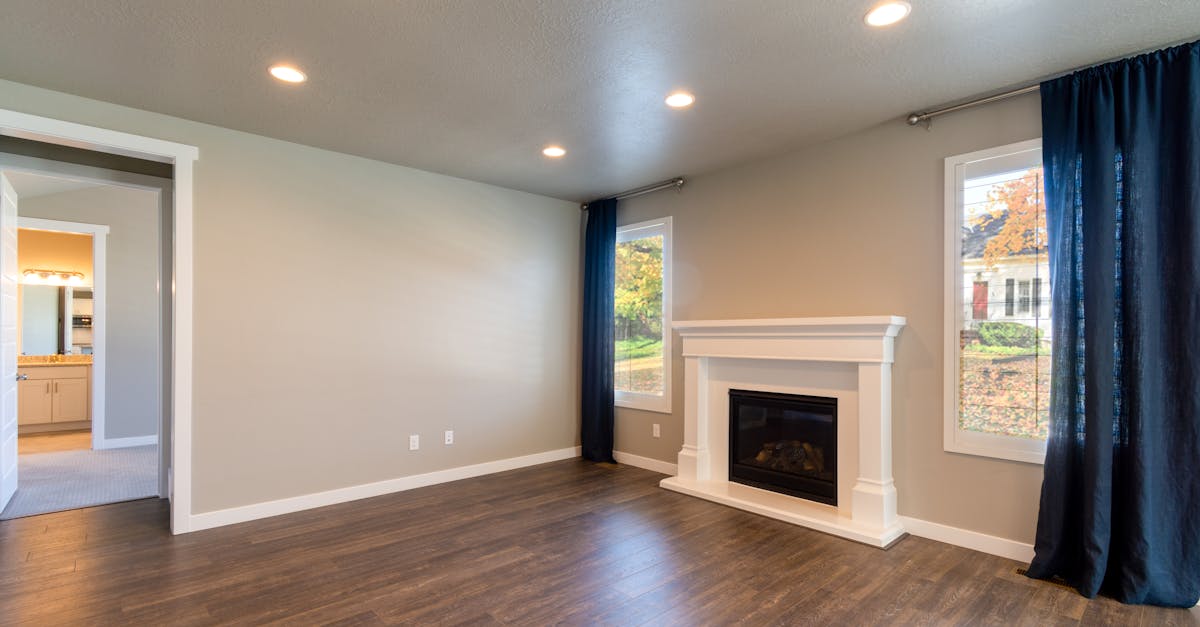
Architects often struggle to define where the kitchen tile should end and the living room carpet should begin. These transitions can look awkward or arbitrary without a doorway to mask the change in material. Uneven subfloors can create tripping hazards where two different flooring types meet in the open. Many homeowners opt for one expensive material throughout to avoid this visual break.
Drafty Environments

Large open rooms are prone to uncomfortable air currents that move from windows to hallways. It is difficult to eliminate cold spots because the air volume is too massive to stabilize effectively. Sitting near a window might feel freezing while the center of the room feels stifling. Curtains and blinds do little to stop the movement of air in such an unconstrained space.
Dust Migration

Dust generated in high-traffic areas like the entryway or kitchen spreads rapidly to the rest of the living space. Bookshelves and electronics in the living area accumulate a greasy dust film from cooking vapors. Cleaning becomes a more frequent necessity because debris is not contained to a single room. The lack of walls allows allergens to circulate more freely throughout the level.
Television Glare

Windows on all sides of an open concept plan mean uncontrolled natural light hits television screens from multiple angles. Finding a spot for the TV where it does not suffer from daytime reflections is a major challenge. You often have to close all the blinds just to watch a program clearly during the day. This defeats the purpose of having a bright and sun-filled open home.
Decoration Difficulty
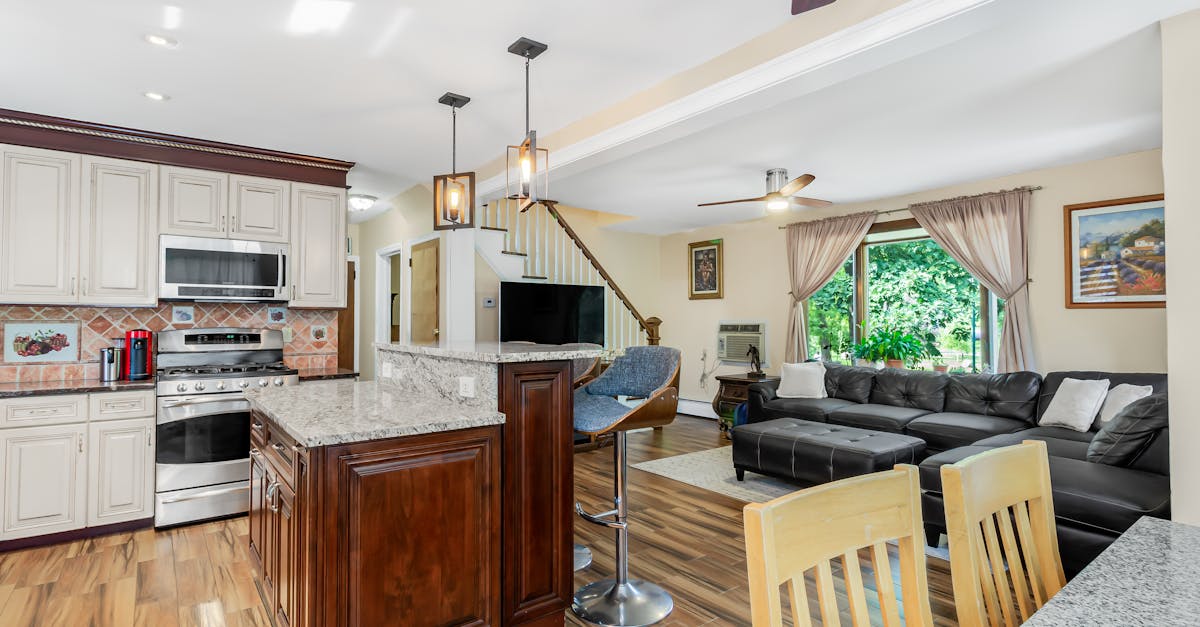
Every piece of furniture and decor must coordinate perfectly because everything is visible simultaneously. You cannot have a rustic kitchen and a modern living room because the styles will clash violently. This forces a monochromatic or uniform design style that can feel boring or restrictive. Changing the look of one area necessitates updating the entire floor to match.
Loss of Entryway Definition
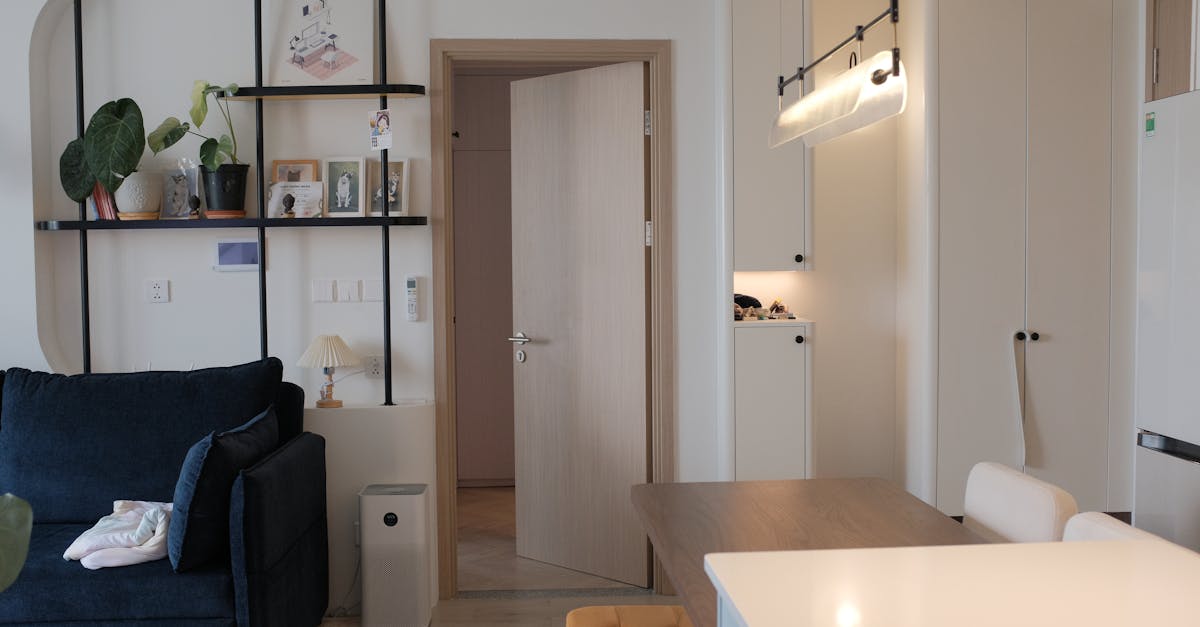
Many open plans open directly into the main living space without a formal foyer or vestibule. Shoes, coats, and mail pile up directly next to the sofa or dining table. There is no transitional buffer zone to greet guests or shake off the rain before entering the private home. Dirt and cold air enter the main living space every time the front door opens.
Appliance Noise Interference

The hum of the refrigerator and the sloshing of the dishwasher become the soundtrack to your movie nights. Modern appliances are quieter than before but they still produce distracting operational sounds. Running the laundry or a blender completely overpowers any conversation happening in the adjacent seating area. You find yourself delaying chores just to enjoy a quiet moment in the living room.
Difficult Color Schemes

Painting becomes a nightmare because there are no natural stopping points for wall colors. You are forced to paint the entire main floor the same color to maintain visual continuity. Accent walls can look out of place or random without structural corners to frame them. This limits creativity and makes the home feel more generic and builder-grade.
Reduced Resale Value Appeal
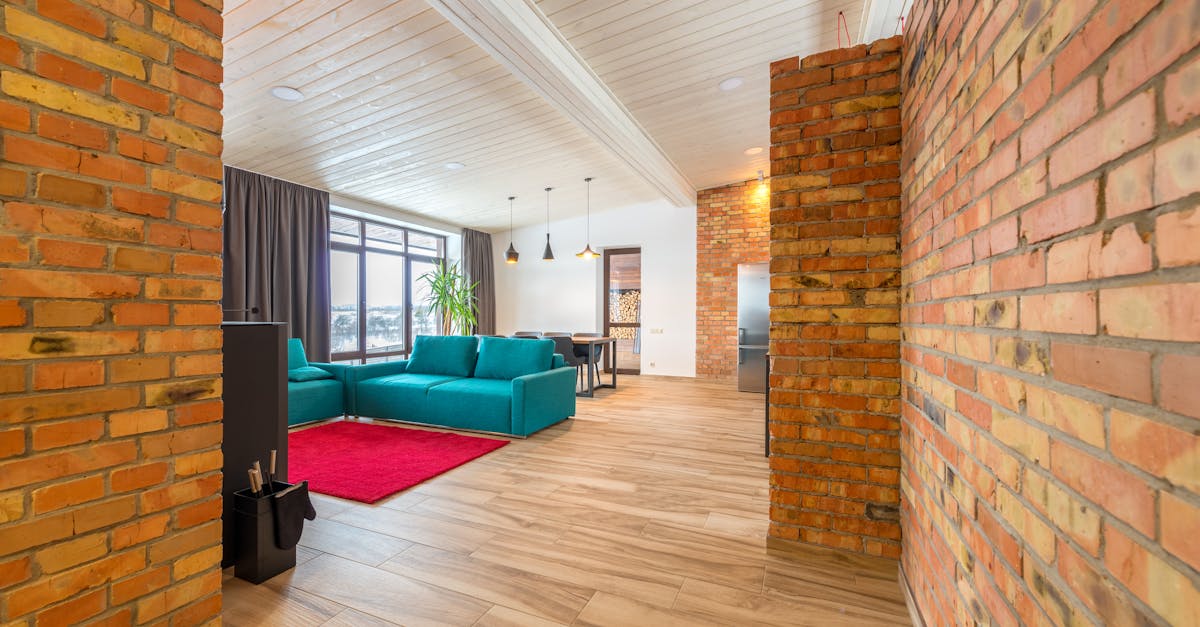
Trends are shifting as more buyers realize the practical difficulties of open-concept living. Many families are now specifically seeking homes with defined rooms and traditional layouts. Selling an open-concept home might become harder as the market preference swings back toward privacy. The “tear down walls” era is ending as people rediscover the value of walls.
Window Treatment Costs

Open floor plans often feature banks of large windows that are architecturally impressive but expensive to cover. Custom blinds or drapery for these expanses can cost thousands of dollars. Leaving them uncovered leads to privacy issues and temperature control problems. The sheer number of windows requires a significant investment just to make the space livable.
No Place to Hide

Sometimes you just need to step away from the family and sit in a room by yourself for five minutes. Open floor plans remove the ability to physically separate yourself without retreating to a bedroom. There is no neutral ground where one can take a private phone call or just breathe. The home ceases to offer the sanctuary of solitude that traditional layouts provide.
Please share your thoughts on whether these open-concept challenges resonate with your lifestyle in the comments.