Many individuals diligently fill their plates with vegetables and lean proteins yet struggle to see changes on the scale. This plateau often stems from subtle habits or biological factors that undermine caloric deficits despite high food quality. Eating clean is a powerful step toward health but it does not guarantee weight loss if other variables remain unaddressed. Understanding the nuances of metabolism and lifestyle factors clarifies why progress might stall. The following points illuminate common obstacles standing between a healthy diet and tangible results.
Underestimating Portion Sizes

Even healthy foods carry calories that accumulate quickly when portions remain unchecked. A common error involves eyeballing serving sizes rather than using measuring cups or a kitchen scale. You might believe you are eating a modest amount while actually consuming double the intended energy intake. This discrepancy often eliminates the calorie deficit required for fat loss. Awareness of volume versus density is crucial for maintaining a true balance.
Excessive Consumption of Healthy Fats

Avocados and nuts offer excellent nutritional benefits but are extremely calorie-dense. Adding large amounts of olive oil to salads or snacking on trail mix can skyrocket your daily intake without you realizing it. A single tablespoon of oil contains over one hundred calories and is easily overlooked during cooking. Moderating these fat sources is essential even when the source is natural and unrefined. Small adjustments to fat portions can restart stalled progress.
Chronic Sleep Deprivation

Lack of rest disrupts the hormones that regulate hunger and satiety signals. Elevated cortisol levels from sleep deprivation signal the body to store stubborn fat especially around the midsection. You may find yourself craving high-energy foods and carbohydrates to compensate for low energy levels. Prioritizing seven to nine hours of quality sleep supports metabolic health and impulse control. Recovery is just as important as nutrition in the weight loss equation.
High Stress Levels

Stress triggers a biological response that can halt weight loss regardless of how clean you eat. The body perceives chronic stress as a threat and prioritizes fuel storage for survival. This state often leads to elevated blood sugar levels and increased abdominal fat retention. Managing stress through meditation or walking is necessary to lower cortisol levels. A calm nervous system allows the body to burn energy more efficiently.
Unaccounted Liquid Calories
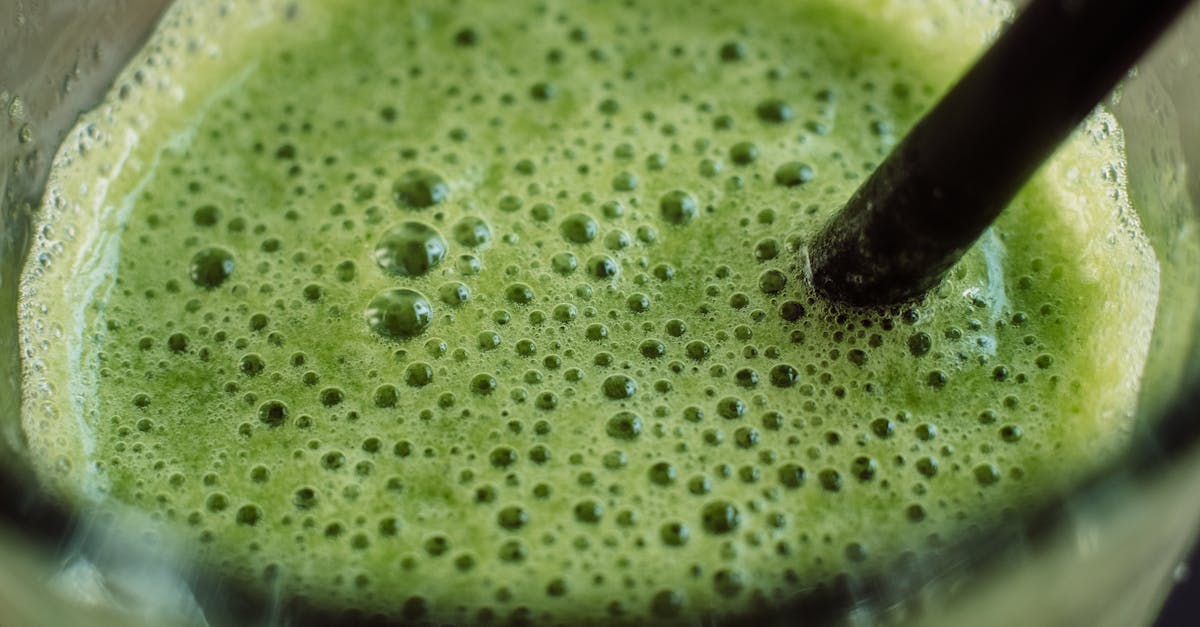
Smoothies and fresh juices often harbor a surprising amount of natural sugar. A large green juice can easily equal the caloric load of a substantial meal without providing the same satiety. Fancy coffees with plant milks or natural syrups add up significantly throughout the week. Water remains the best choice for hydration without interfering with your weight loss goals. Swapping high-calorie beverages for unsweetened tea or black coffee can make a noticeable difference.
Inconsistent Weekend Habits
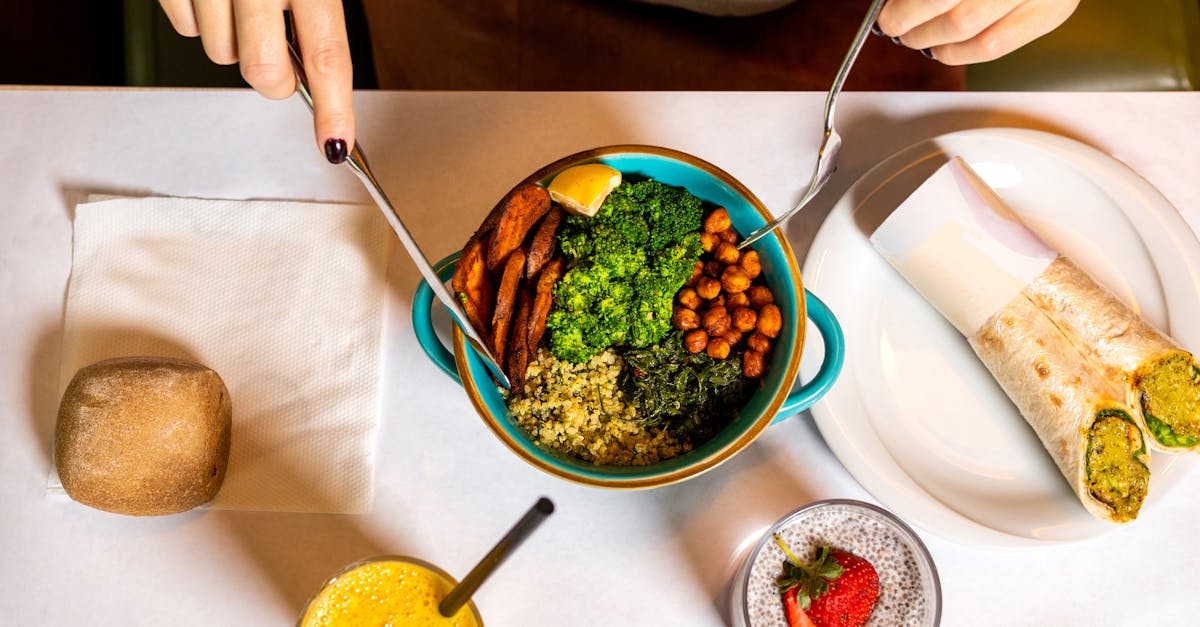
Strict adherence to a diet Monday through Friday can be undone by two days of relaxed eating. A caloric surplus created over the weekend can mathematically cancel out the deficit created during the week. Alcohol and restaurant meals often contain hidden fats and sodium that cause bloating and weight gain. Consistency across all seven days is required to see steady results. Viewing the week as a whole helps maintain a balanced approach.
Insufficient Protein Intake

Protein carries a high thermic effect which means the body burns more calories digesting it compared to fats or carbs. A diet low in protein may result in muscle loss rather than fat loss during a calorie deficit. Adequate protein supports satiety and keeps hunger pangs at bay for longer periods. It also provides the necessary building blocks for muscle repair after exercise. Aiming for a protein source at every meal supports metabolic rate.
Mindless Grazing

Snacking on small bites of healthy food while cooking or working adds up by the end of the day. These unrecorded calories are easily forgotten because they do not feel like a proper meal. A handful of almonds here and a slice of apple there can push you out of a deficit. Structuring meals and snacks helps prevent this unconscious intake. Sitting down to eat promotes mindfulness and better digestion.
Overestimating Exercise Burn

Fitness trackers and cardio machines often inflate the number of calories burned during a session. Relying on these numbers to justify eating more can lead to a caloric surplus. The “earned” calories approach often results in overcompensating with food after a workout. Focus on fueling the body for performance rather than eating back burned energy. Exercise should be viewed as a tool for health rather than a license to eat more.
Reliance on Processed Health Foods

Protein bars and gluten-free snacks often contain heavy processing and added sugars. The marketing on the package might claim the product is clean while the ingredients list suggests otherwise. These items can be less satiating than whole foods and may trigger cravings for more sweets. Prioritizing single-ingredient foods ensures you avoid hidden additives. Reading labels strictly helps navigate the grocery aisles.
High Sodium Intake

Excess salt consumption causes the body to retain water and masks fat loss on the scale. Even clean foods like canned beans or cottage cheese can be significant sources of sodium. This retention leads to bloating and can make you feel heavier than you actually are. Rinsing canned goods and limiting added salt helps regulate fluid balance. Staying hydrated flushes out excess sodium and reduces puffiness.
Dehydration

Thirst is often mistaken for hunger and leads to unnecessary snacking. Water plays a critical role in metabolizing stored fat into usable energy. Mild dehydration slows down metabolic processes and reduces physical performance. Drinking a glass of water before meals can aid with portion control and digestion. Consistent hydration supports every cellular function in the body.
Ignoring Gut Health

An imbalanced gut microbiome can affect how your body extracts energy from food. Inflammation in the digestive tract may lead to poor nutrient absorption and metabolic slowdown. Including probiotic-rich foods like sauerkraut or kimchi supports a healthy bacterial balance. A diverse diet of plants provides the fiber needed to feed beneficial gut bacteria. Addressing digestive issues is a key component of holistic weight management.
Undiagnosed Medical Conditions

Thyroid issues or hormonal imbalances like PCOS can make weight loss significantly more difficult. These conditions alter metabolic rate and fat storage regardless of diet quality. If you are doing everything right without results it may be time to consult a physician. Blood work can reveal underlying markers that need medical intervention. tailored treatment plans are often necessary to overcome these biological hurdles.
Medication Side Effects

Certain prescriptions list weight gain or increased appetite as common side effects. Antidepressants and beta-blockers are known to potentially impact metabolic rate or water retention. Discussing these concerns with a doctor might lead to alternative options or strategies. It is important never to stop medication without professional guidance. Awareness of these factors helps manage expectations and adjust dietary approaches.
Lack of Resistance Training

Focusing solely on diet without building muscle can lower your resting metabolic rate. Muscle tissue burns more calories at rest than fat tissue does. Lifting weights signals the body to hold onto lean mass while shedding fat stores. A body composition with higher muscle mass handles carbohydrates more efficiently. Incorporating strength training transforms the shape of the body as weight drops.
Heavy Use of Condiments

Salad dressings and dipping sauces are frequent culprits for hidden sugars and fats. A healthy bowl of greens becomes a calorie bomb when drenched in creamy dressing. Natural sweeteners like honey or maple syrup still impact blood sugar levels. Using vinegar or lemon juice adds flavor without the caloric penalty. Being mindful of condiments preserves the integrity of a clean meal.
Eating Too Quickly

Consuming food rapidly prevents the brain from receiving fullness signals in time. It takes approximately twenty minutes for satiety hormones to register after eating. This delay often results in going back for seconds before realizing you are full. Chewing slowly and putting the fork down between bites aids digestion. Mindful eating practices naturally reduce overall intake.
Nutrient Deficiencies

A lack of essential vitamins like Vitamin D or iron can hamper energy levels and metabolism. When the body is deficient it may trigger cravings to obtain missing nutrients. Low energy often results in less physical activity throughout the day. A varied diet usually covers these bases but supplementation is sometimes needed. Regular check-ups ensure your body has the micronutrients required for fat loss.
Frequent Alcohol Consumption

Alcohol provides empty calories and temporarily halts the body’s ability to burn fat. The liver prioritizes processing alcohol over metabolizing food which promotes fat storage. Drinking also lowers inhibitions and often leads to poor food choices. Even low-calorie drinks disrupt sleep and recovery patterns. Reducing alcohol intake is one of the fastest ways to improve body composition.
Extreme Caloric Restriction

Cutting calories too drastically causes the metabolism to adapt and slow down to preserve energy. This adaptive thermogenesis makes it harder to lose weight and easier to regain it. The body fights against starvation by increasing hunger hormones significantly. a moderate deficit is more sustainable and effective for long-term results. Fueling the body adequately prevents metabolic crash.
Low Non-Exercise Activity

A sedentary lifestyle outside of the gym reduces total daily energy expenditure. Sitting at a desk all day limits the calories burned through non-exercise activity thermogenesis. Simple movements like walking to the store or taking the stairs add up considerably. Fidgeting and standing also contribute to this daily burn. Increasing general movement is as important as structured workouts.
Emotional Eating Triggers

Using food to cope with boredom or sadness bypasses physical hunger cues. Healthy foods can still be overeaten during times of emotional distress. Identifying triggers helps in developing alternative coping mechanisms like reading or walking.Journaling can uncover patterns between mood and food intake. separating emotions from nutrition is vital for weight management.
Frequent Restaurant Dining

Restaurant meals generally contain far more butter and oil than home-cooked versions. Chefs prioritize flavor over calorie counts which usually means higher fat content. Even salads can be laden with high-calorie toppings and dressings. Portion sizes in restaurants are typically two to three times larger than necessary. Cooking at home allows for complete control over ingredients and preparation methods.
Hormonal Fluctuations

Menstrual cycles can cause significant water retention and temporary weight spikes. Progesterone and estrogen shifts impact hunger levels and energy expenditure. The scale might reflect water weight rather than fat gain during certain times of the month. Tracking these cycles helps to contextualize scale fluctuations. Patience is required as the body regulates its fluid balance.
Excessive Use of Artificial Sweeteners

Artificial sweeteners may perpetuate cravings for sweet tastes and disrupt gut bacteria. Some studies suggest they can trigger an insulin response despite having no calories. Reliance on diet sodas keeps the palate accustomed to high sweetness levels. Weaning off sweeteners allows taste buds to appreciate the natural sweetness of fruit. Water and herbal teas support a cleaner palate.
Skipping Meals

Skipping meals often leads to intense hunger and overeating later in the day. This feast and famine cycle can disrupt blood sugar regulation. A steady supply of energy prevents the energy crashes that lead to poor choices. Consistent meal timing helps regulate the circadian rhythm and metabolism. Planning meals ahead ensures you are never caught unprepared and starving.
Muscle Gain Masking Fat Loss

New exercise routines often build muscle while you simultaneously lose fat. The scale may stay the same even though your body composition is improving. Clothes fitting looser is a better indicator of progress than weight alone. Muscle is denser than fat and takes up less space in the body. Trusting physical changes over numerical data prevents discouragement.
Distracted Eating

Eating while watching television or scrolling on a phone disconnects you from the experience of eating. This lack of attention leads to poor satisfaction and a desire to eat more. The brain misses the visual and sensory cues that signify a meal has been consumed. creating a distraction-free environment helps you tune into fullness signals. Enjoying the texture and taste of food improves the relationship with eating.
Decision Fatigue

Making constant food choices throughout the day depletes willpower reserves. By the evening it becomes harder to resist convenient or comfort foods. Meal prepping eliminates the need to make decisions when you are tired. Having healthy options ready reduces the friction of eating well. Automating breakfast and lunch simplifies the daily routine.
Focusing Only on Scale Weight

The scale cannot differentiate between water, muscle, food volume, and body fat. Daily fluctuations are normal and do not always reflect true progress. Obsessing over the number can increase stress and cortisol levels. Using progress photos and measurements provides a more accurate picture of health. A multi-faceted approach to tracking success is healthier mentally and physically.
Lack of Fiber
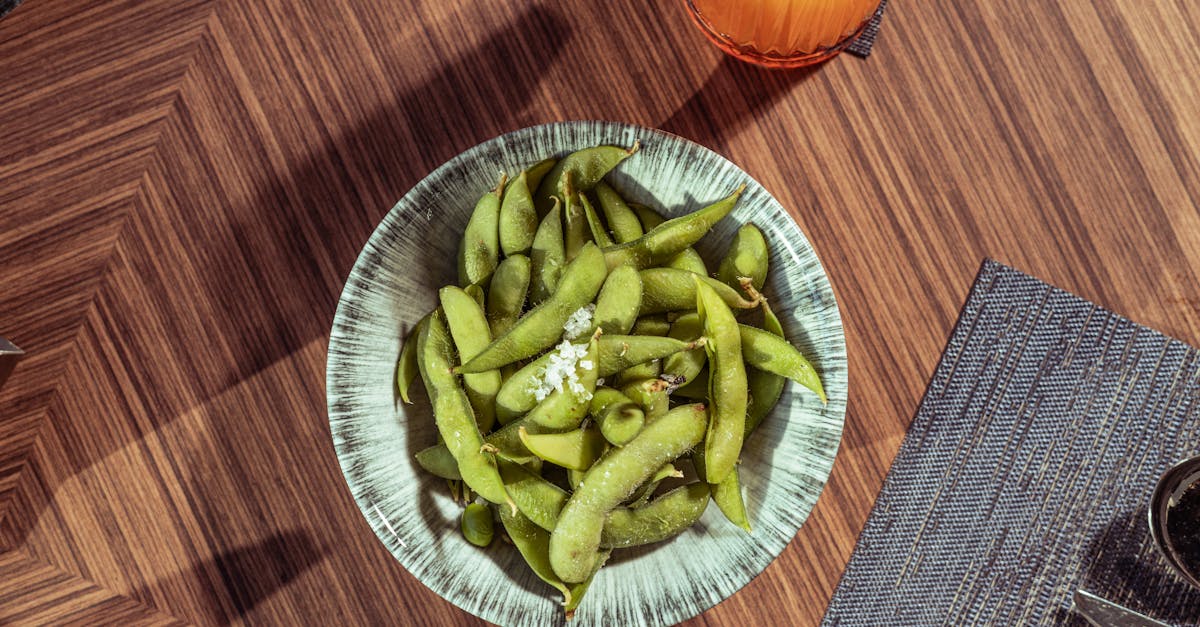
Fiber aids digestion and promotes a feeling of fullness for hours after a meal. A diet low in fiber can lead to rapid digestion and frequent hunger spikes. Vegetables and legumes are excellent sources that also regulate blood sugar. Fiber also supports a healthy gut microbiome which influences weight. Aiming for high-fiber foods at every meal controls appetite naturally.
Impatience with the Process

Real and sustainable weight loss takes time and consistency. Expecting rapid results often leads to giving up when progress is slow. The body needs time to adjust to new habits and shed excess storage. celebrating non-scale victories keeps motivation high during plateaus. A long-term perspective shifts the focus from quick fixes to lifestyle changes.
Compulsive Health Tracking

Over-tracking every gram and calorie can lead to orthorexia and stress. The anxiety surrounding food perfectionism can be counterproductive to health goals. Stressing over a slightly imperfect day raises cortisol and hampers results. Flexible dieting allows for a more relaxed and sustainable approach. A healthy lifestyle should enhance life rather than consume it.
Reliance on Willpower

Willpower is a finite resource that eventually runs out. Building an environment that supports your goals is more effective than relying on mental strength. Keeping trigger foods out of the house removes the option to indulge. establishing habits reduces the need for constant self-control. Systems and routines outperform willpower in the long run.
Please share your personal experiences with these weight loss hurdles in the comments.