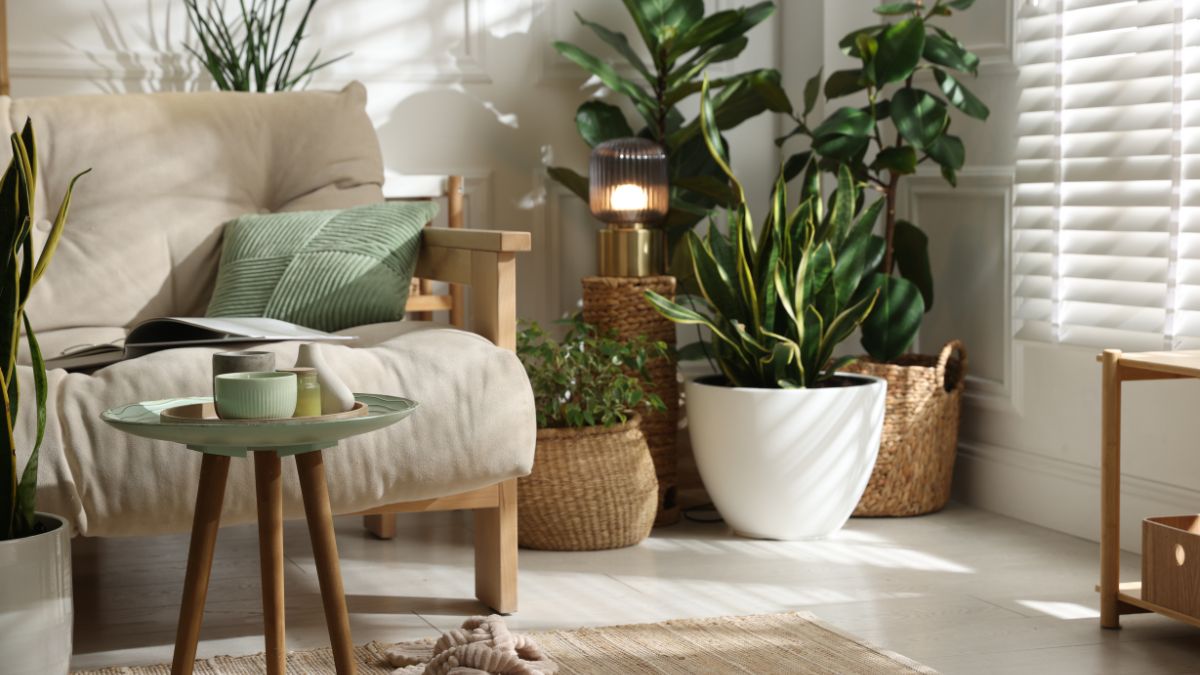
The relationship between houseplants and the air inside your home is considerably more complex than the simple narrative of green leaves producing clean oxygen suggests. Plants interact with indoor air chemistry in multiple directions simultaneously and the net effect on air quality depends on a wide range of factors including species selection placement maintenance practices and the specific pollutant profile of your indoor environment. Understanding this relationship in its full complexity allows plant owners to make informed decisions that genuinely support rather than inadvertently compromise the air they breathe every day. These are the reasons your houseplants are having a more complicated effect on your indoor air than you probably realize.
Potting Soil Emissions
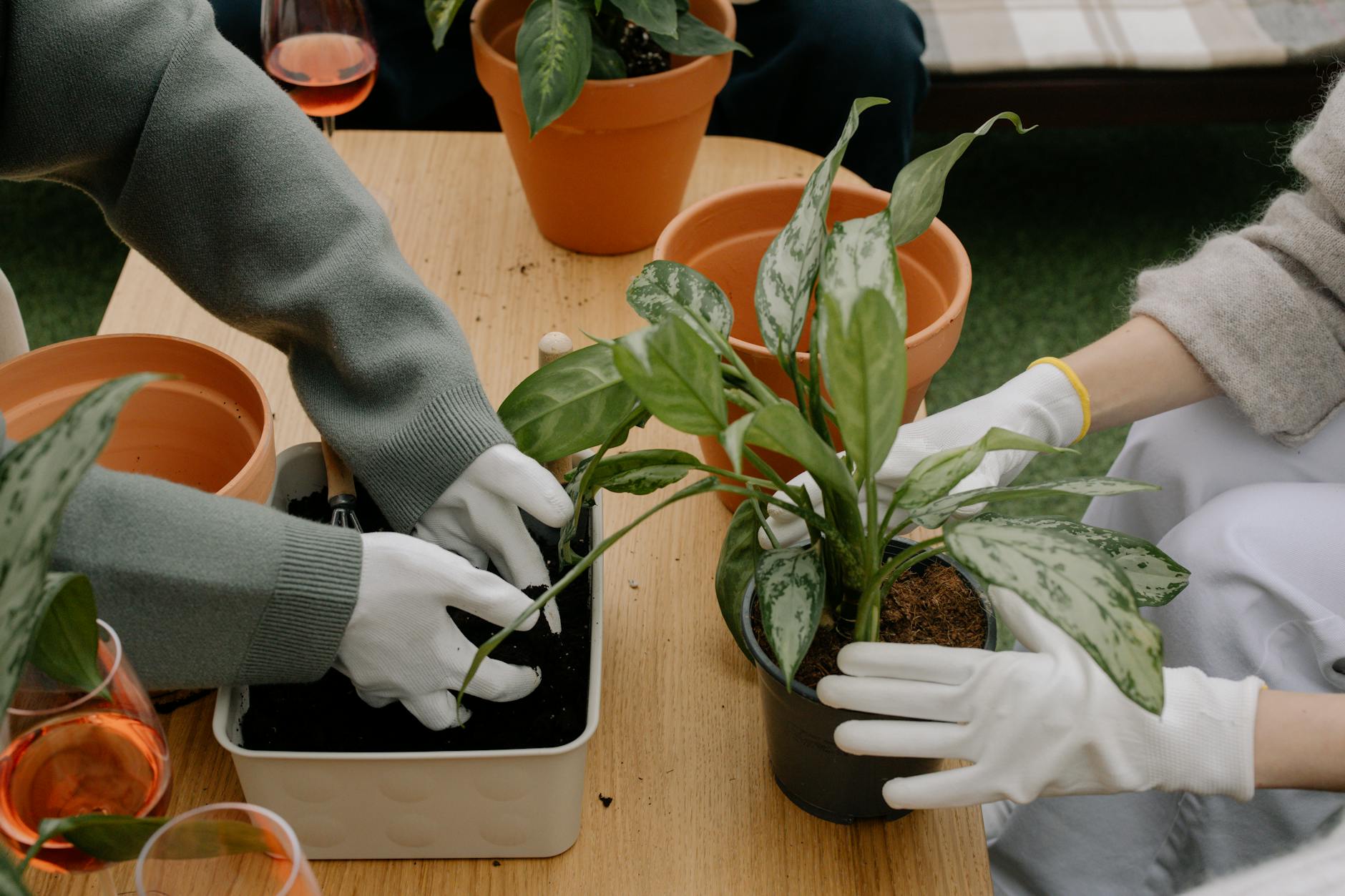
The soil medium in which houseplants grow is a biologically active ecosystem that continuously produces and releases volatile organic compounds including carbon dioxide methane and various microbial metabolic byproducts that enter your indoor air directly from the surface and drainage zones of every pot in your home. Microbial decomposition of organic matter within potting mix is an ongoing chemical process that accelerates in warm humid conditions and that produces measurable concentrations of airborne compounds in poorly ventilated indoor spaces where multiple plants are grouped together. The emissions profile of potting soil varies significantly between mix formulations with composts containing high proportions of decomposing organic material producing the greatest volume of microbial off-gassing. Replacing heavily decomposed or compacted potting mix on a regular cycle and choosing well-structured mixes with appropriate drainage reduces the microbial emission load that soil contributes to your indoor air chemistry.
Mold Spore Release
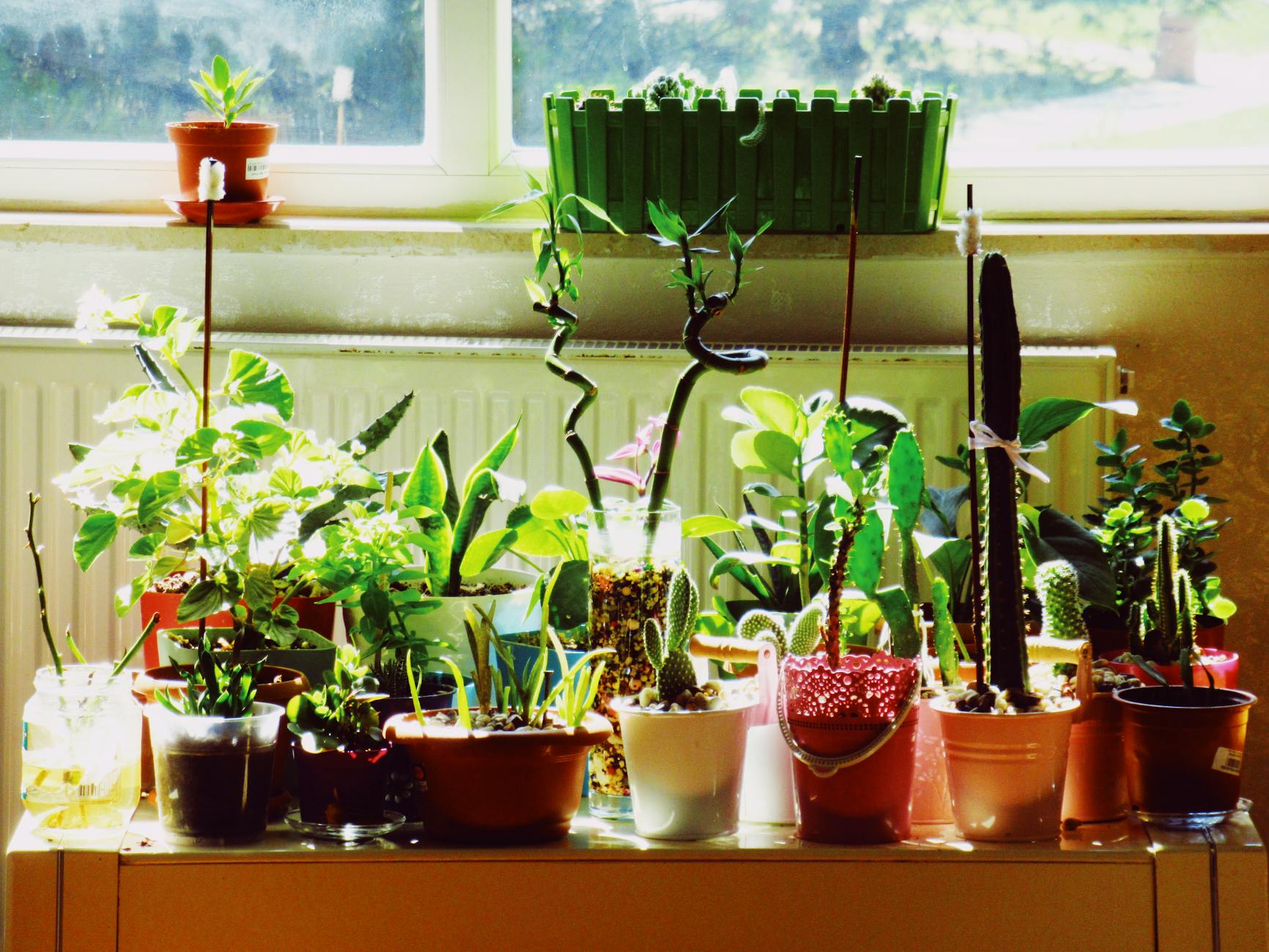
Consistently overwatered houseplants develop fungal colonies within their potting medium and on the surface of the soil that release mold spores into the surrounding air in concentrations that are clinically significant for occupants with respiratory sensitivities asthma or compromised immune function. The surface of an overwatered pot presents ideal conditions for common indoor mold genera including Aspergillus Penicillium and Cladosporium which are among the most prevalent triggers of allergic respiratory response in indoor environments. Spore release from soil-level mold colonies is continuous during active growth phases and increases during disturbance events including watering repotting and physical contact with the plant. Allowing the upper layer of potting medium to dry adequately between watering events and improving pot drainage through appropriate container selection directly reduces the conditions that support mold colony establishment.
Oxygen Fluctuation
The photosynthetic oxygen production that houseplants are most commonly credited with is a light-dependent process that reverses entirely during darkness when plants switch to respiration and consume oxygen while releasing carbon dioxide into the same air space that sleeping occupants are breathing. In a small poorly ventilated bedroom containing multiple large-leaved plants the overnight carbon dioxide contribution from plant respiration creates a measurable reduction in oxygen concentration that affects sleep quality cognitive function upon waking and the respiratory experience of sensitive individuals. The net oxygen contribution of houseplants in typical indoor settings is modest relative to the volume of air in even a small room but the local concentration effects around grouped plants in enclosed spaces during overnight hours are more significant than most plant owners appreciate. Limiting the density of large-leaved plants in sleeping spaces and ensuring adequate overnight ventilation mitigates the respiratory impact of nighttime plant respiration.
Pesticide Off-Gassing
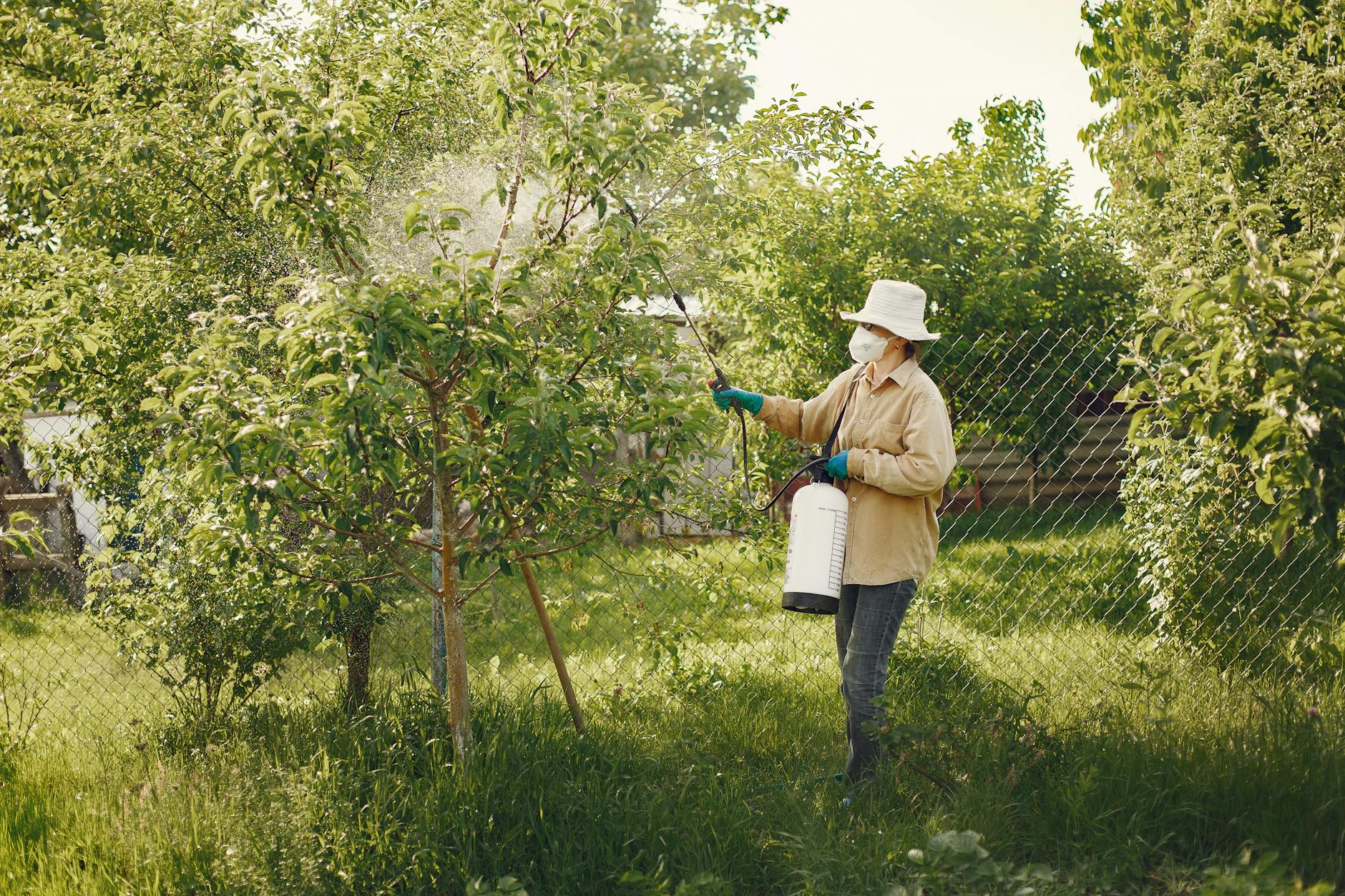
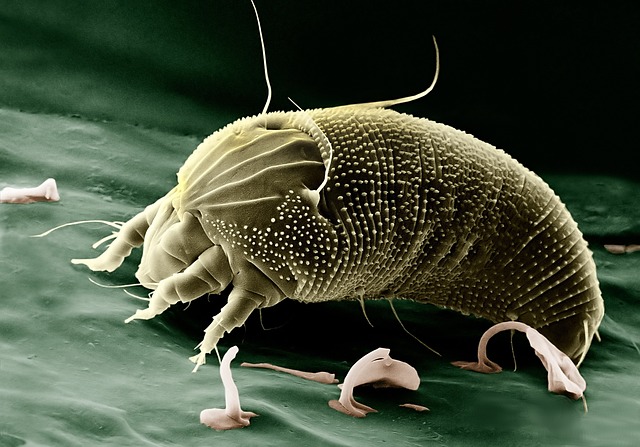
Houseplants treated with systemic or surface pesticides including common products used against fungus gnats spider mites and mealybugs continue to off-gas residual chemical compounds into the indoor air environment for extended periods following application with the rate of release accelerating in warmer indoor temperatures. Systemic pesticides absorbed into plant tissue are transported throughout the vascular system of the plant and are subsequently released through leaf transpiration in trace concentrations that accumulate in the air of enclosed indoor spaces with limited fresh air exchange. The chemical compounds in many common houseplant pesticide formulations include pyrethroids organophosphates and neonicotinoids whose indoor air concentrations at typical houseplant treatment levels are generally below acute toxicity thresholds but represent a chronic low-level exposure for regular room occupants. Choosing integrated pest management approaches that prioritize physical removal biological controls and least-toxic intervention before chemical pesticide application reduces the pesticide off-gassing contribution of houseplants to indoor air chemistry.
Allergen Dispersal
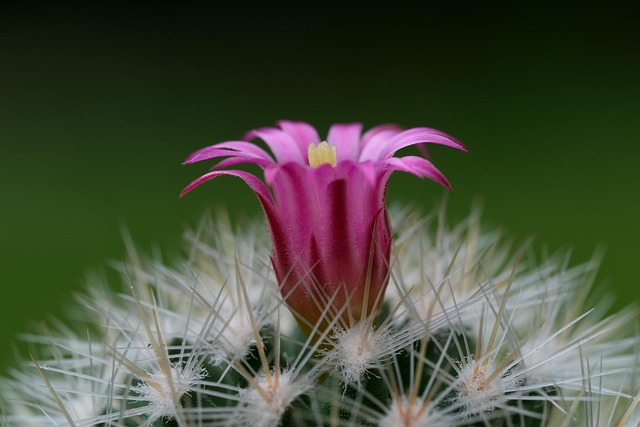
Flowering houseplants release pollen into the indoor air environment during their bloom cycles creating an allergen load that is confined within the enclosed volume of your home rather than being dispersed into the open outdoor environment where dilution rapidly reduces concentration. Indoor pollen from species including peace lilies anthuriums and various flowering succulents accumulates on surfaces and remains suspended in air currents created by heating and cooling systems in ways that produce sustained allergen exposure for sensitive occupants throughout the flowering period. The indoor pollen concentration produced by a cluster of flowering plants in a living space can meaningfully exceed outdoor pollen levels during moderate pollen seasons for the specific species involved creating a counterintuitive situation where indoor air quality is worse than outdoor air quality for allergy sufferers. Selecting predominantly non-flowering foliage plants for indoor environments occupied by allergy or asthma sufferers significantly reduces the indoor allergen contribution of a houseplant collection.
Transpiration Humidity
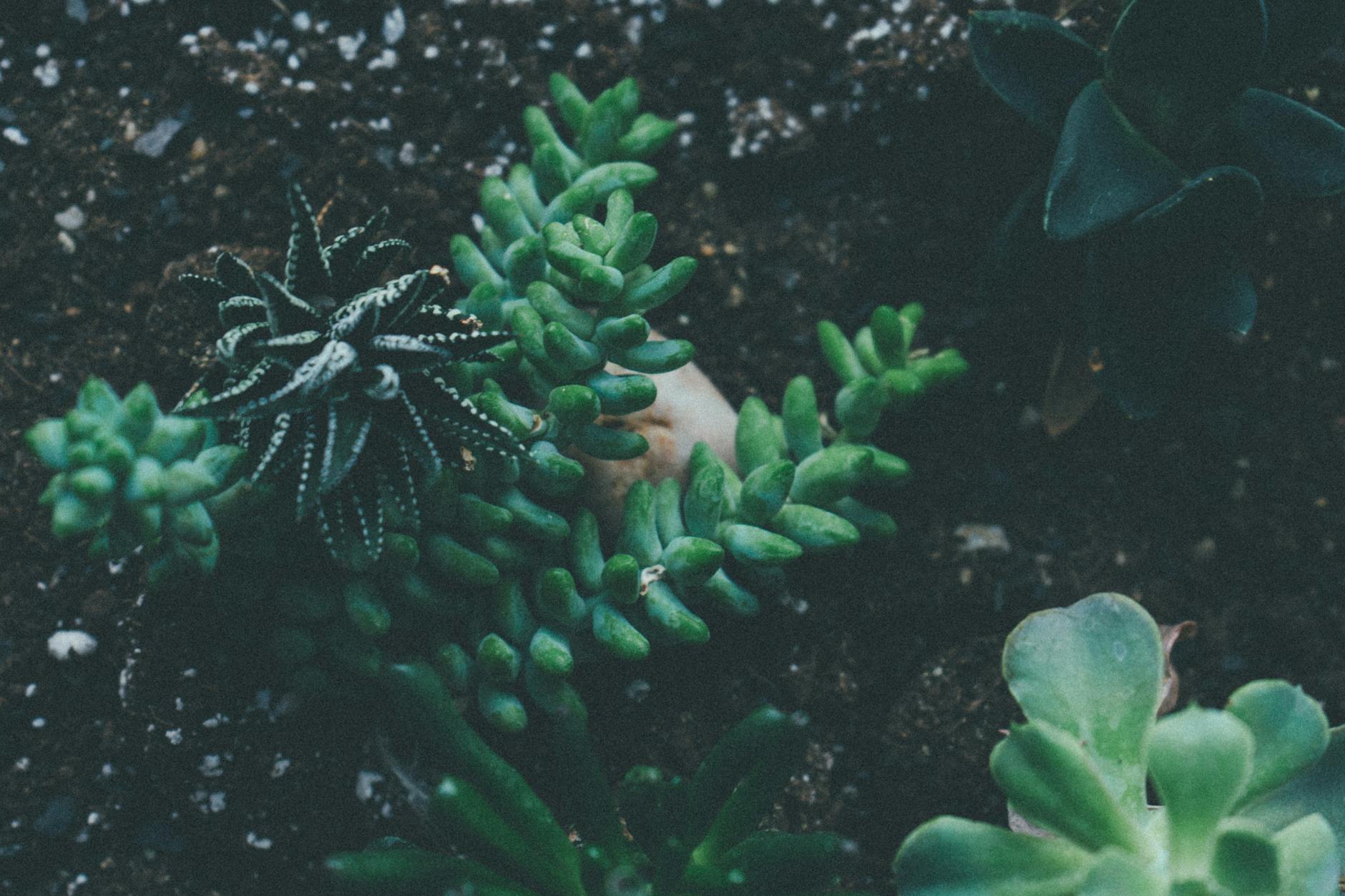
The transpiration process through which houseplants release water vapor from their leaf surfaces into the surrounding air raises local humidity levels in proportion to the leaf surface area and metabolic activity of the plants present creating conditions that support dust mite proliferation mold growth and the amplification of existing respiratory irritants in humid indoor environments. While moderate humidity is beneficial for respiratory comfort and mucous membrane health the humidity contribution of a large collection of actively transpiring tropical plants in a poorly ventilated space can push relative humidity into ranges that create more problems than they solve for the overall indoor air quality equation. Dust mites which are among the most significant indoor allergen sources thrive specifically in the humidity range that tropical houseplant collections commonly produce in temperate indoor environments. Monitoring indoor relative humidity and balancing plant transpiration against ventilation capacity ensures that the moisture contribution of houseplants enhances rather than compromises overall indoor air conditions.
Root Zone Bacteria
The rhizosphere which is the biologically complex zone of soil immediately surrounding plant root systems supports dense populations of bacteria that in healthy outdoor soil contribute to ecosystem function but in the enclosed environment of a houseplant pot release bacterial metabolic products and endotoxins into the surrounding air particularly during watering disturbance and repotting. Certain bacterial genera that colonize houseplant root zones produce volatile compounds as metabolic byproducts that are detectable in the air of rooms containing densely planted collections and which contribute to the characteristic earthy or musty odor associated with indoor plant environments. For occupants with compromised respiratory or immune function the bacterial aerosols generated during watering and handling of houseplants represent a more significant exposure concern than is generally recognized in mainstream plant care communication. Watering houseplants in ventilated areas and washing hands thoroughly after handling soil and root material are practical measures that reduce bacterial aerosol exposure during routine plant care activities.
Fertilizer Compounds
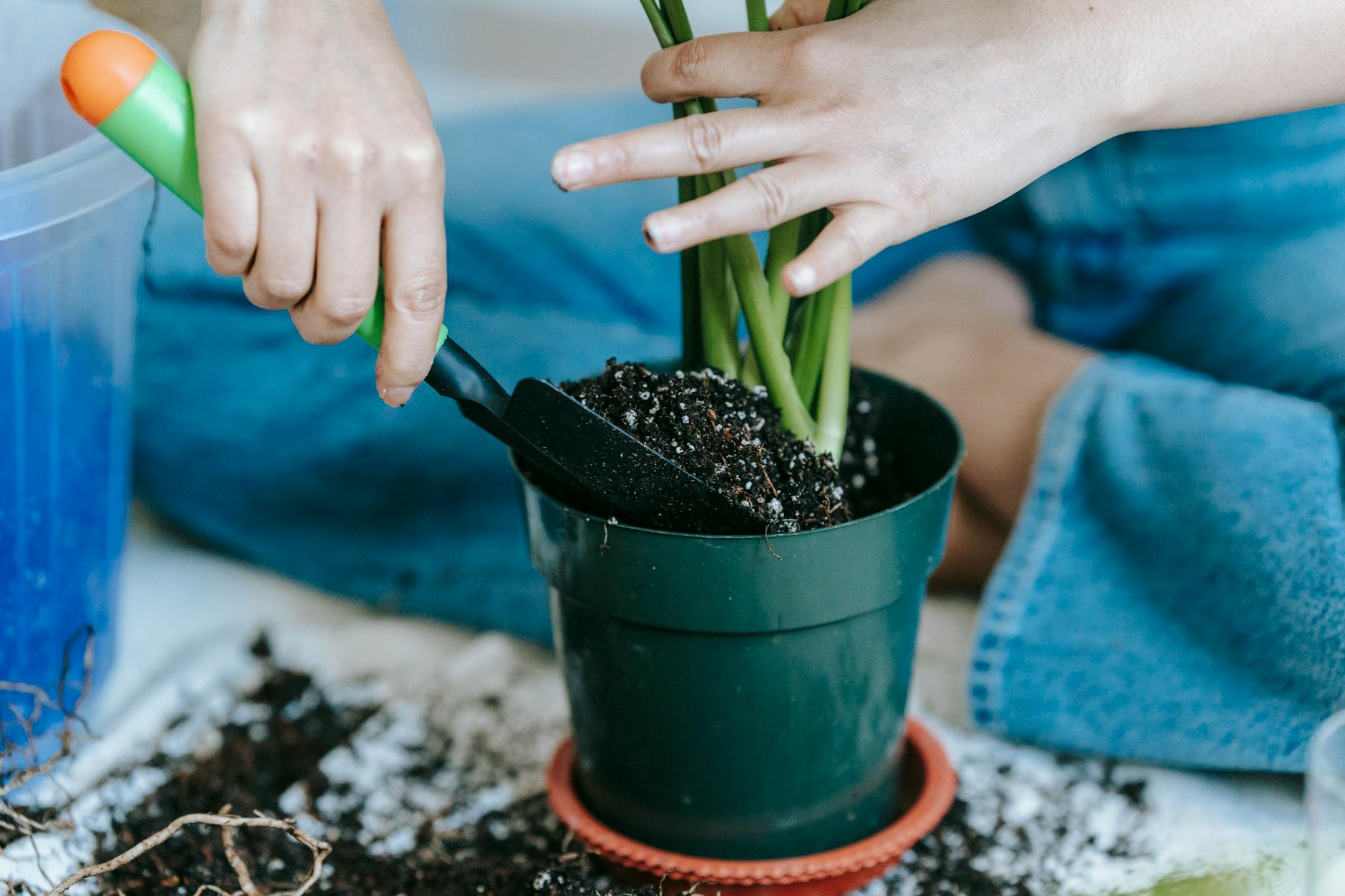
Liquid fertilizers applied to houseplants introduce concentrated nutrient compounds including nitrogen-based salts into the potting medium from which ammonia and related volatile nitrogen compounds can off-gas into the indoor air environment particularly when fertilizer is applied in excess of the plant’s immediate uptake capacity. The warm enclosed conditions of a typical indoor room accelerate the volatilization of nitrogen compounds from fertilizer residue in potting soil producing ammonia concentrations that are detectable as an odor and that represent an irritant to the respiratory mucous membranes of sensitive occupants at higher concentrations. Slow-release granular fertilizer formulations produce lower volatilization rates than liquid concentrates and represent a preferable option for indoor plant feeding from an air quality perspective. Applying fertilizer at manufacturer-recommended rates during periods of active plant growth when uptake is highest reduces the proportion of applied nutrients that remain in the soil available for volatilization.
Leaf Surface Particulates
The leaf surfaces of houseplants accumulate airborne dust particles volatile organic compound residues and other airborne contaminants that settle from the indoor air environment onto the waxy or textured surface of leaves where they are held until physical disturbance resuspends them into the air in a potentially concentrated release. A plant with heavily dust-loaded leaves that is moved watered or brushed against releases the accumulated surface contaminant load back into the breathing zone of nearby occupants in a concentrated burst that temporarily elevates local particulate concentrations. The leaf surface area represented by a large multi-stemmed tropical plant can accumulate a significant mass of particulate matter between cleaning events particularly in urban indoor environments with elevated outdoor pollution infiltration. Wiping leaf surfaces regularly with a damp cloth removes accumulated particulate matter from the plant and permanently transfers it out of the air cycle rather than returning it to suspension.
Volatile Compound Absorption
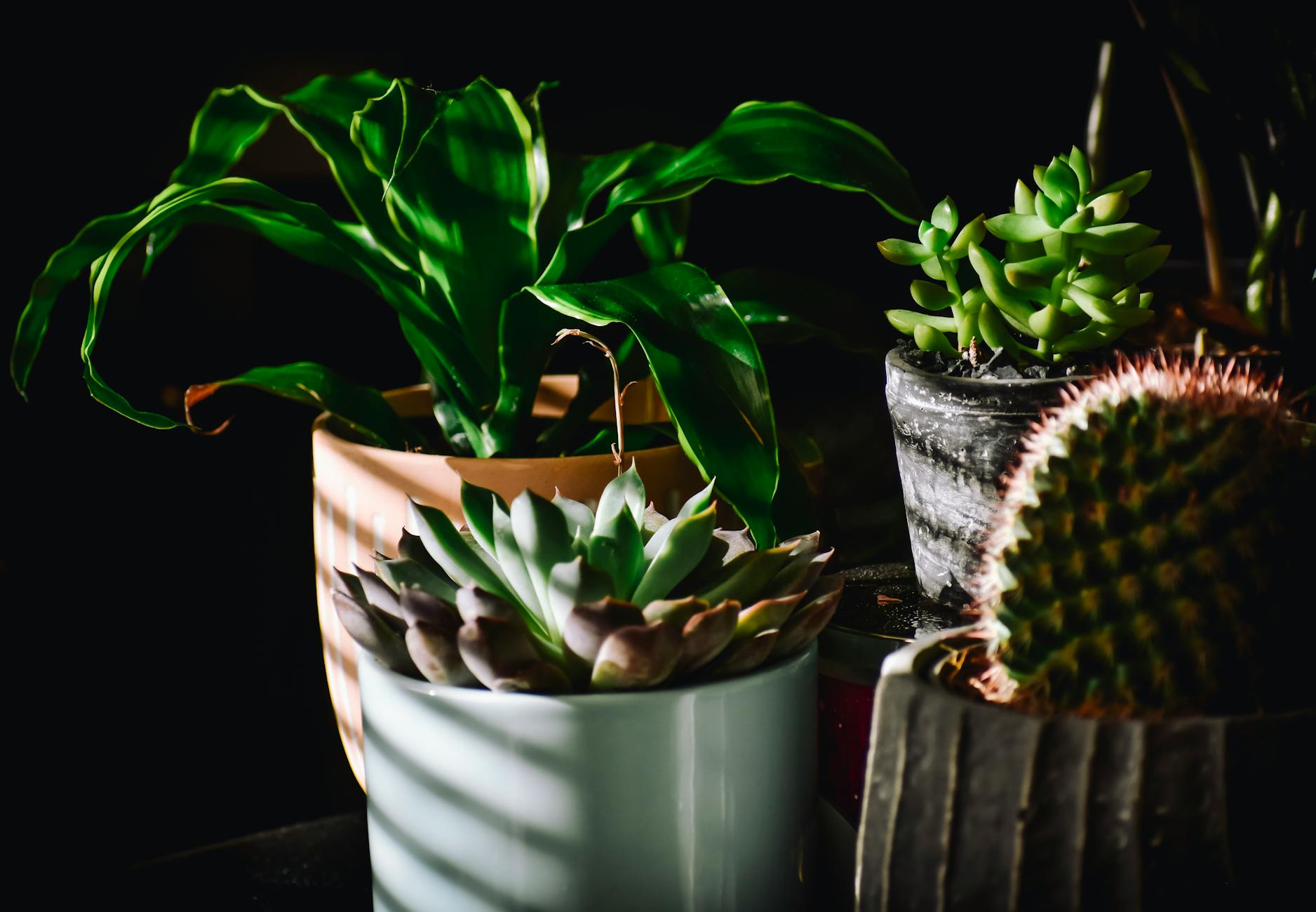
Certain houseplant species absorb specific volatile organic compounds from indoor air through leaf stomata and root zone soil processes in a mechanism that was extensively studied following NASA research into bioregenerative life support systems demonstrating that plants can measurably reduce concentrations of compounds including formaldehyde benzene and trichloroethylene under controlled conditions. The practical rate of volatile compound removal by houseplants in typical indoor settings is considerably lower than the NASA chamber study results suggested because real indoor environments are larger less sealed and have different air exchange dynamics than the closed experimental chambers used in the original research. The absorption capacity of individual plant species varies significantly with some varieties showing meaningful uptake of specific compounds while others show negligible effect on the same pollutants creating a species-specific rather than universal air purification effect. Understanding which species demonstrate absorption of which specific compounds allows plant owners to make targeted selections that address the specific pollutant profile of their indoor environment rather than assuming all houseplants provide equivalent air quality benefits.
Drainage Water Stagnation
Water that accumulates in the saucers and drip trays beneath houseplant containers becomes a stagnant shallow pool that supports rapid bacterial and algal growth releasing biological volatile compounds into the air immediately surrounding the plant and creating a localized zone of elevated microbial aerosol concentration at floor level where air circulation is typically lowest. The combination of organic material from soil drainage warmth from indoor heating and shallow water depth creates near-ideal conditions for the rapid proliferation of bacterial biofilms in plant saucers that produce sulfurous and organic volatile compounds detectable as unpleasant odors in plant-dense indoor spaces. Saucer water that sits for more than forty-eight hours in warm indoor conditions has typically developed a biologically active profile that contributes measurably to the microbial load of the surrounding air. Emptying drainage saucers promptly after watering events and periodically cleaning them with a dilute solution prevents the establishment of the biofilm communities responsible for stagnant drainage odor and microbial aerosol release.
Carbon Dioxide Concentration

During periods of low light or complete darkness all houseplants shift entirely from photosynthetic carbon dioxide consumption to respiratory carbon dioxide production creating a net addition to the indoor carbon dioxide burden that in high plant density scenarios and poorly ventilated rooms produces measurable elevations in ambient carbon dioxide concentration above the baseline level contributed by human occupants alone. Elevated indoor carbon dioxide concentrations are associated with reduced cognitive performance increased fatigue headache and impaired decision-making in occupants who spend extended time in affected spaces making the overnight carbon dioxide contribution of dense indoor plant collections in bedroom environments a practically relevant consideration. The carbon dioxide contribution of individual plants is modest but the cumulative effect of large collections in small sealed rooms during overnight hours when ventilation is minimal and plants are respiring continuously creates conditions that compound the carbon dioxide already produced by sleeping occupants. Strategic ventilation during morning hours following overnight plant respiration rapidly normalizes carbon dioxide concentrations in plant-dense rooms before occupants spend extended daytime hours in the same space.
Fungus Gnat Activity
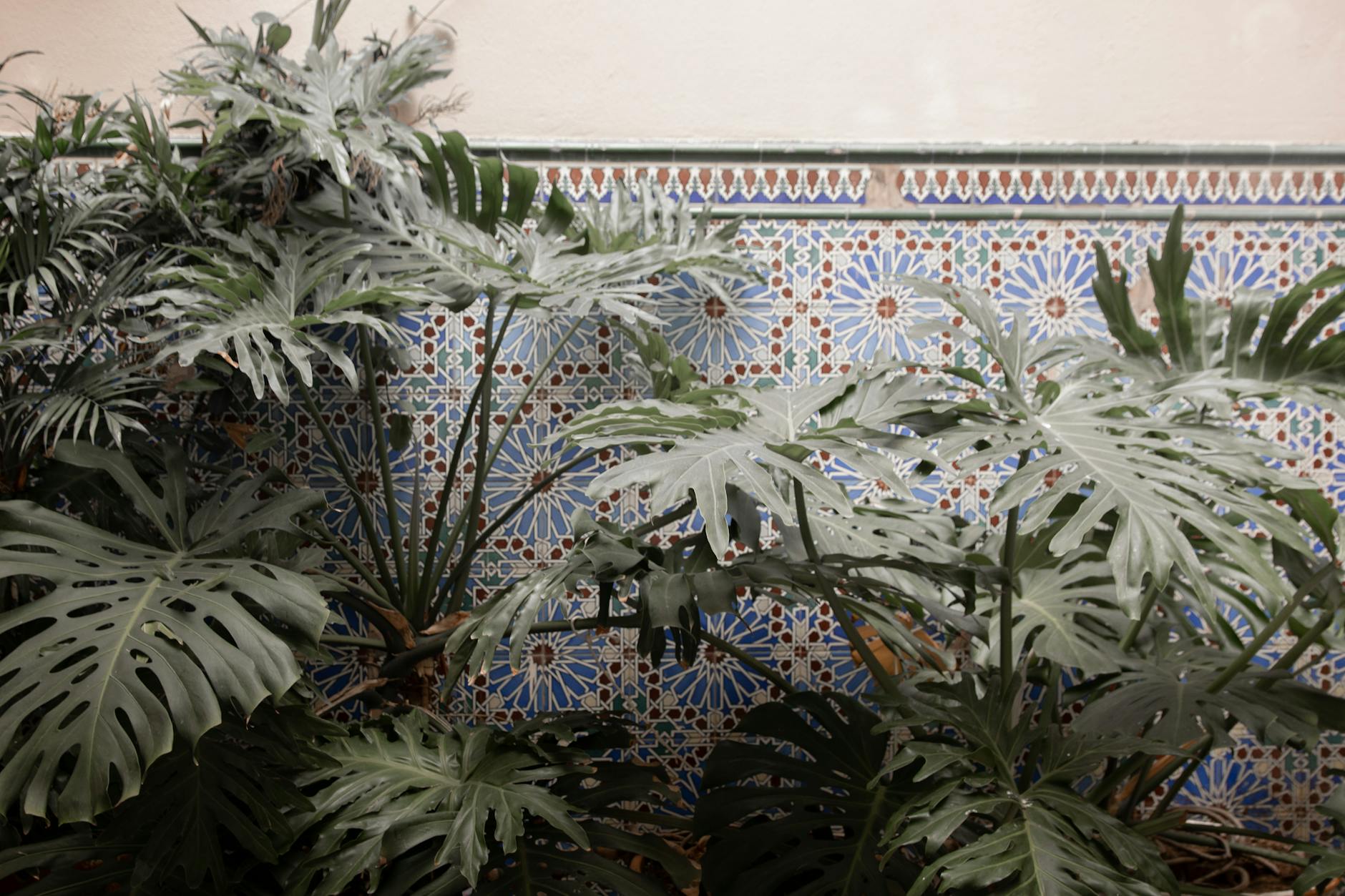
The fungus gnat populations that establish in overwatered houseplant potting medium complete their life cycle through larval stages in the soil and adult flight stages in the surrounding air creating a continuous presence of airborne insects in the immediate vicinity of affected plants that introduces insect body particles fecal material and shed exoskeletons into the indoor particulate environment. Adult fungus gnats are weak fliers that remain concentrated in the air column above and around their host plant containers but are readily distributed throughout a room by air currents from heating ventilation and air conditioning systems extending the particulate contamination beyond the immediate plant zone. For occupants with insect-related allergies the chronic low-level exposure to fungus gnat particulates in a heavily infested plant collection represents a clinically relevant allergen source that is frequently overlooked in indoor allergen assessments. Allowing potting medium to dry adequately between watering events disrupts the larval development cycle that sustains fungus gnat populations and represents the most effective long-term control strategy for this consistently underestimated indoor air quality contributor.
Leaf Litter Decomposition

Dead and dying leaves that fall from houseplants and accumulate on soil surfaces within containers and on the floor beneath plant displays undergo decomposition that produces volatile organic compounds fungal spore release and bacterial aerosols in ways that mirror the emission profile of outdoor leaf litter but are concentrated within the enclosed volume of an indoor space. The decomposition rate of fallen leaves accelerates significantly in the warm humid conditions typical of indoor tropical plant environments producing a continuous low-level emission of decomposition products that contributes to the background volatile compound and microbial aerosol load of heavily planted rooms. Partially decomposed leaf material pressed against the base of plant stems and pot rims provides an ideal substrate for mold and bacterial colonization that bridges the gap between surface debris and living plant tissue. Removing fallen leaves from soil surfaces and surrounding floor areas promptly and regularly prevents the decomposition emission cycle from establishing at a scale that meaningfully affects indoor air chemistry.
Terpene Emissions

Many houseplant species including lavender rosemary eucalyptus and various members of the citrus family continuously release terpene compounds through their leaves and stems into the surrounding air in concentrations that interact with other indoor air pollutants particularly ozone to form secondary chemical products including formaldehyde and ultrafine particulate matter through atmospheric chemical reactions. The terpene emissions of strongly aromatic plants are most concentrated immediately around the plant but are distributed throughout indoor spaces by air movement creating conditions for ozone-terpene chemistry to occur wherever both compounds are simultaneously present. In homes with elevated ozone concentrations from photocopiers laser printers or air purifiers that generate ozone as a byproduct the chemical interaction with plant-emitted terpenes represents a potentially significant indoor air chemistry concern that neither the plant nor the ozone source alone would create. Ensuring adequate ventilation in rooms containing strongly aromatic plant species dilutes both terpene concentrations and potential reaction products below levels of concern for most occupants.
Root Rot Gases

Houseplant containers in which root rot has established produce a characteristic and diagnostically recognizable odor that originates from the anaerobic decomposition of plant root tissue by bacterial communities that generate hydrogen sulfide dimethyl sulfide and other sulfurous volatile compounds as metabolic byproducts of tissue breakdown. The anaerobic conditions that produce root rot and its associated gas emissions are created by consistently waterlogged potting medium that excludes oxygen from the root zone and supports the proliferation of anaerobic decomposer bacteria whose chemistry differs fundamentally from the aerobic microbiome of a well-drained healthy pot. Root rot gas emissions are typically detectable as an unpleasant odor before the structural collapse of the plant becomes visually apparent making the smell an early diagnostic indicator that indoor air quality is being affected by active anaerobic decomposition within a container. Removing and repotting affected plants immediately upon detection of sulfurous pot odor and addressing the drainage conditions that created the anaerobic environment prevents the continued gas emission that active root rot produces.
Condensation Promotion
Large-leaved houseplants positioned close to walls and windows in cool rooms promote local condensation by raising the humidity of the air layer immediately adjacent to cooler surfaces through transpiration in ways that accelerate the development of surface mold on walls window frames and the surfaces of furniture in direct proximity to the plant. The mold colonies that establish in condensation-prone microclimates created by nearby plant transpiration release spores continuously into the surrounding air producing an ongoing allergen and irritant load that originates not from the plant itself but from the environmental conditions its moisture output has created on adjacent surfaces. Occupants who notice mold developing on walls near plant groupings and who treat the mold without addressing the plant-related humidity source will find that the mold recurs consistently because the contributing microclimate condition has not been resolved. Positioning large transpiring plants away from exterior walls cold surfaces and poorly ventilated corners eliminates the condensation-promoting microclimate that bridges plant moisture output and surface mold development.
Herbicide Residues
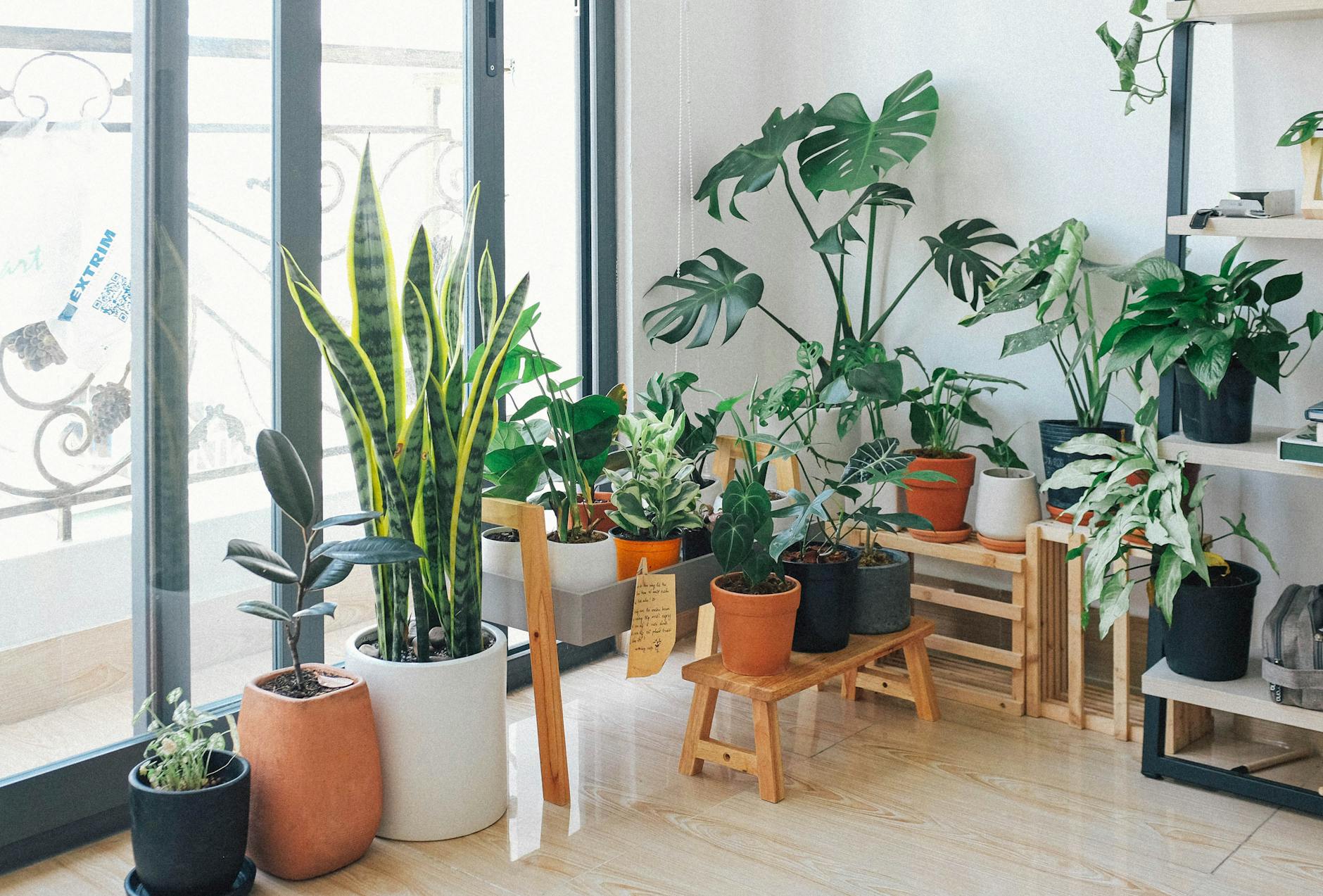
Houseplants purchased from commercial growers and garden centers frequently arrive having been treated with pre-emergent herbicides growth regulators and soil treatments applied during production that continue to off-gas residual compounds from the potting medium and plant tissue during the months following purchase when the plant is already positioned within your living space. Commercial plant production environments use a range of approved agricultural chemical treatments whose residue persistence in potting media and plant tissue varies significantly by compound class with some systemic treatments remaining detectable in plant tissue for multiple growing seasons following a single application. The indoor air quality implication of purchasing commercially produced houseplants is rarely communicated at the point of sale and the concept of a chemical residue off-gassing period following purchase is not part of mainstream consumer plant care awareness. Repotting newly purchased houseplants into fresh potting medium shortly after purchase removes the majority of soil-bound production chemical residues and represents a practical step toward reducing the off-gassing contribution of new plant acquisitions.
Air Circulation Obstruction
Dense groupings of large houseplants positioned in corners or against walls create zones of reduced air circulation within a room where volatile compounds humidity mold spores and microbial aerosols accumulate to higher concentrations than they reach in the well-circulated central volume of the same space. The stagnant air microenvironment within a dense plant grouping develops a distinct chemistry that includes elevated concentrations of all the biologically produced compounds that individual plants contribute and which represents a more concentrated exposure source for anyone spending time in close proximity to the arrangement. Interior plant styling that prioritizes aesthetic density over airflow creates the most problematic conditions from an indoor air quality perspective because the concentration effect of stagnation amplifies the contribution of every individual plant-related emission source present in the grouping. Spacing plant arrangements to allow air movement between containers positioning groupings away from walls and using gentle fan circulation in plant-dense rooms prevents the stagnant microenvironment accumulation that amplifies individual plant emission contributions.
Chemical Interaction

The volatile organic compounds emitted by houseplants do not exist in isolation within indoor air chemistry but interact with the full range of other indoor air pollutants including those from cleaning products building materials furnishings and cooking in chemical reactions that produce secondary compounds whose toxicological profile may differ significantly from either of the interacting precursor substances. Indoor air is a chemically complex mixture and the introduction of plant-derived terpenes alcohols and aldehydes into an environment already containing nitrogen oxides from gas cooking ozone from electronics and volatile compounds from synthetic furnishings creates a reactive chemistry that is poorly understood at the individual household level. The secondary products of indoor air chemistry reactions are not predictable from knowledge of the individual source compounds alone and represent a genuinely uncertain dimension of the air quality contribution of houseplants in chemically complex indoor environments. Prioritizing ventilation as the primary indoor air quality management strategy creates a dynamic that continuously dilutes and removes both primary emissions and their secondary reaction products regardless of the specific chemistry involved.
Substrate Degradation
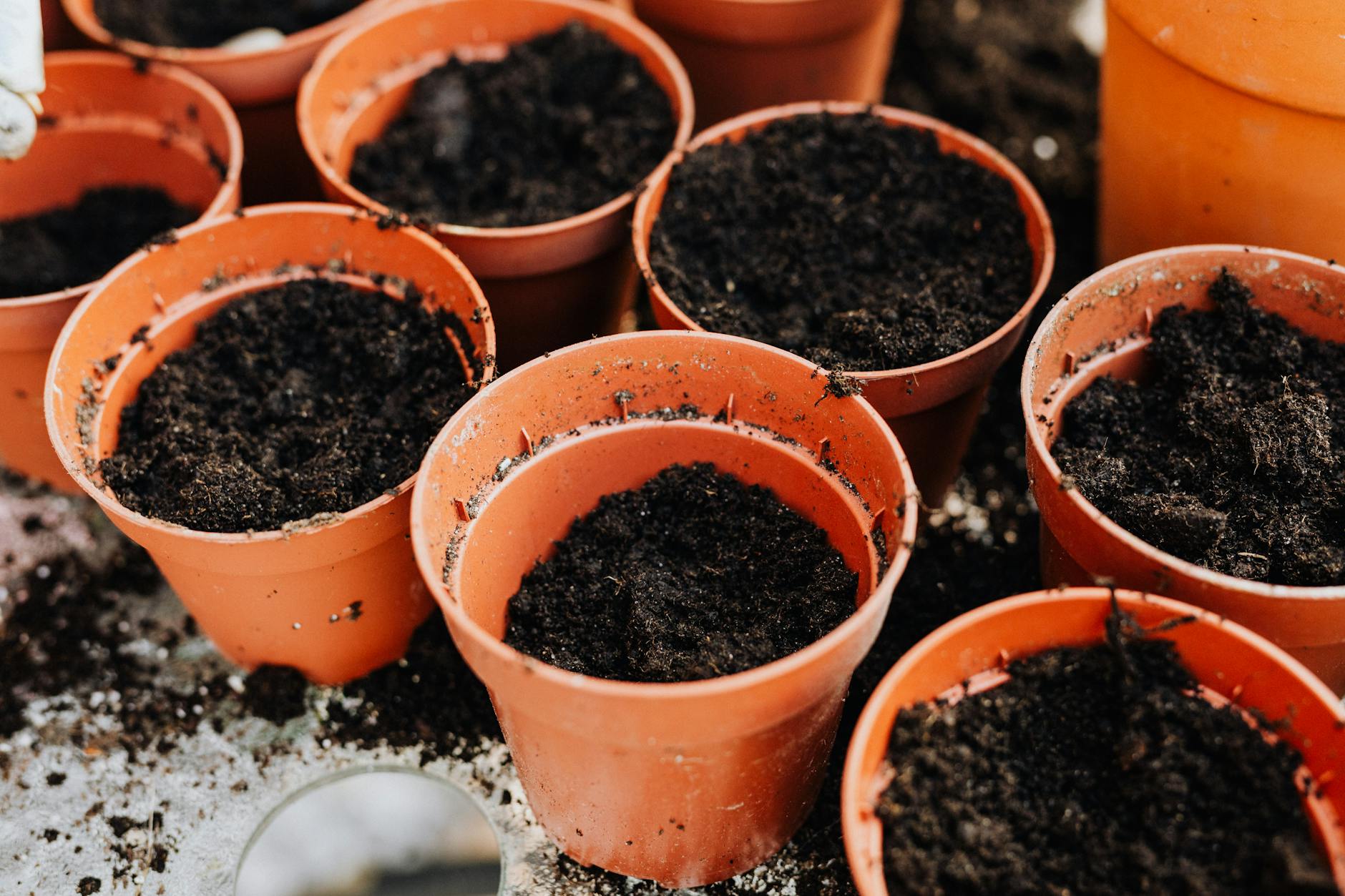
Potting medium that has been in use for multiple years without replacement undergoes progressive structural and chemical degradation that fundamentally changes its emission profile with decomposed organic fractions producing increasing volumes of volatile compounds and the declining biological diversity of aged substrate creating conditions that favor opportunistic pathogenic microorganisms over the balanced microbiome of fresh growing medium. The compression and breakdown of potting mix structure over time also reduces drainage capacity which creates the waterlogged conditions that support anaerobic bacterial communities whose chemistry is more harmful to indoor air quality than the aerobic microbiome of well-structured fresh medium. Most commercial potting mixes have a functional lifespan of one to two years in active use before their structural and biological properties have degraded sufficiently to affect both plant health and indoor air quality contribution. Scheduling regular potting medium replacement on a species-appropriate cycle maintains the biological quality of the root zone environment and prevents the progressive emission profile deterioration that aged substrate produces.
Seasonal Dormancy Changes

Houseplants that undergo seasonal dormancy cycles including various bulbous species deciduous tropical varieties and plants responding to reduced winter light levels shift their metabolic activity profile in ways that change both their air quality contribution and their maintenance requirements in ways that many indoor plant owners do not anticipate or manage appropriately. A plant entering dormancy reduces its photosynthetic activity and therefore its volatile compound absorption capacity while its soil microbiome continues operating at a rate proportional to moisture and temperature conditions that may not reflect the plant’s reduced metabolic state. Continuing to water and fertilize houseplants at active-growth rates during dormancy periods creates the overwatered anaerobic soil conditions that produce the most problematic indoor air quality contributions precisely at the time when the plant’s own active chemistry is least available to offset them. Adjusting watering frequency fertilization and light provision to match the actual seasonal metabolic state of each plant species maintains the conditions that support air quality-positive plant chemistry while preventing the soil-level conditions that produce the most significant negative contributions.
Proximity Concentration
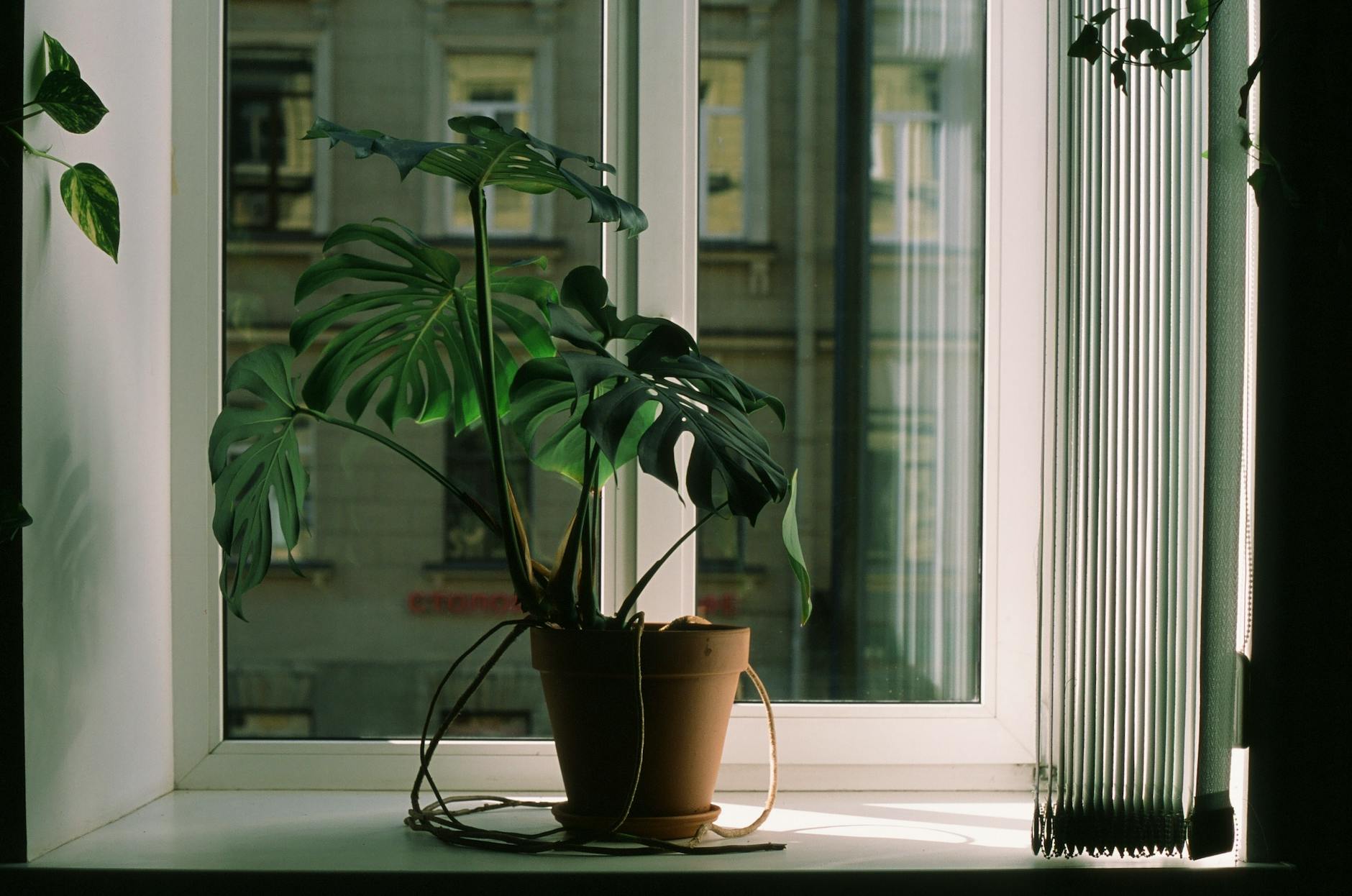
The indoor air quality effect of houseplants whether positive or negative is experienced most intensely in the immediate breathing zone of people who position plants on desks beside beds on dining tables and in other locations where close sustained proximity to the plant’s emission and absorption processes creates a concentrated exposure that differs significantly from the averaged air quality across the full room volume. A plant positioned on a bedside table creates a local air chemistry environment around a sleeping person that includes elevated humidity plant-respired carbon dioxide soil microbial emissions and any pesticide or fertilizer off-gassing at concentrations that are meaningfully higher than those experienced by someone across the room from the same plant. The beneficial compounds including volatile terpenes with documented antimicrobial properties that some plant species emit are also experienced at higher concentrations in close proximity creating a bidirectional intensification effect that applies to both positive and negative plant air chemistry contributions. Thoughtful placement that maintains appropriate distance between plants and sustained human breathing zones captures the aesthetic benefits of houseplants while managing the concentration-dependent dimensions of their air chemistry contribution.
If you have noticed unexpected changes in your indoor air quality or respiratory comfort since adding houseplants to your home share your observations and questions in the comments.