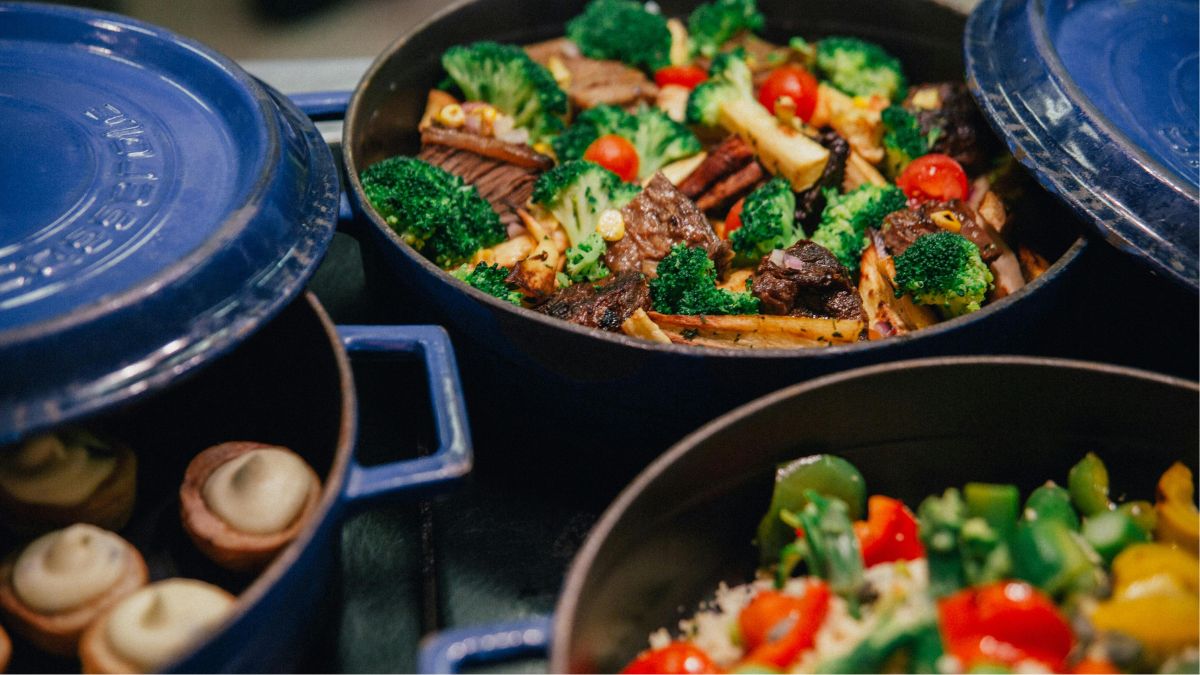
Meal prepping is one of the most powerful habits you can build for a healthier lifestyle, but even the most well-intentioned routines can quietly work against your goals. Nutrition experts are trained to spot subtle patterns that undermine the nutritional value, food safety, and overall effectiveness of a weekly prep session. These are the silent red flags hiding in common meal prep habits that professionals notice right away.
Raw Chicken Storage
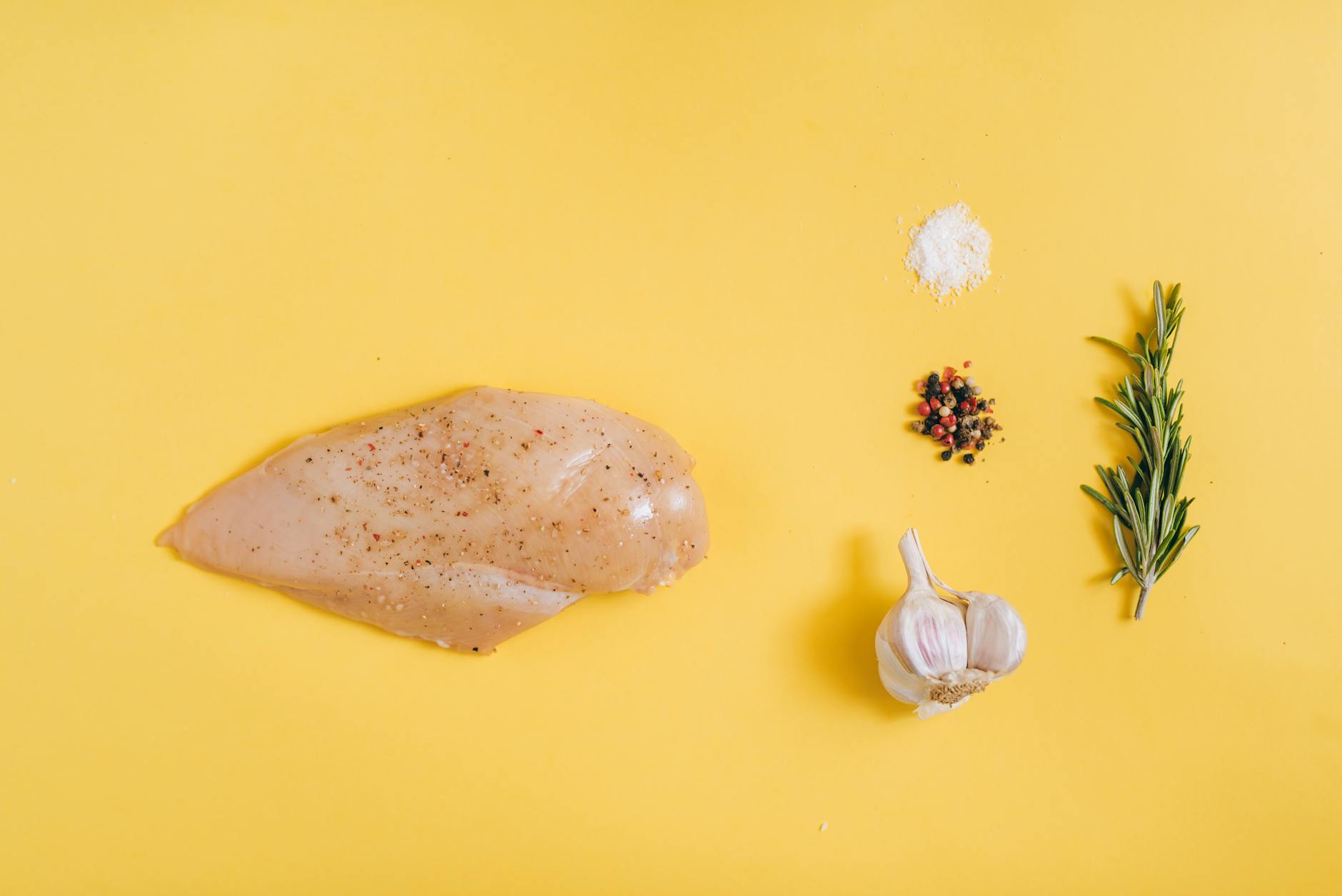
Storing raw chicken on upper refrigerator shelves rather than the bottom is one of the first issues nutrition and food safety experts flag. Juices can drip down onto other foods and create serious contamination risks that compromise an entire week of prepared meals. The bottom shelf is always the correct placement for raw poultry and meat. Many home preppers overlook this because the visual organization of their fridge takes priority over safe storage principles. Proper placement is a foundational food safety habit that protects everything else in the refrigerator.
Cutting Boards
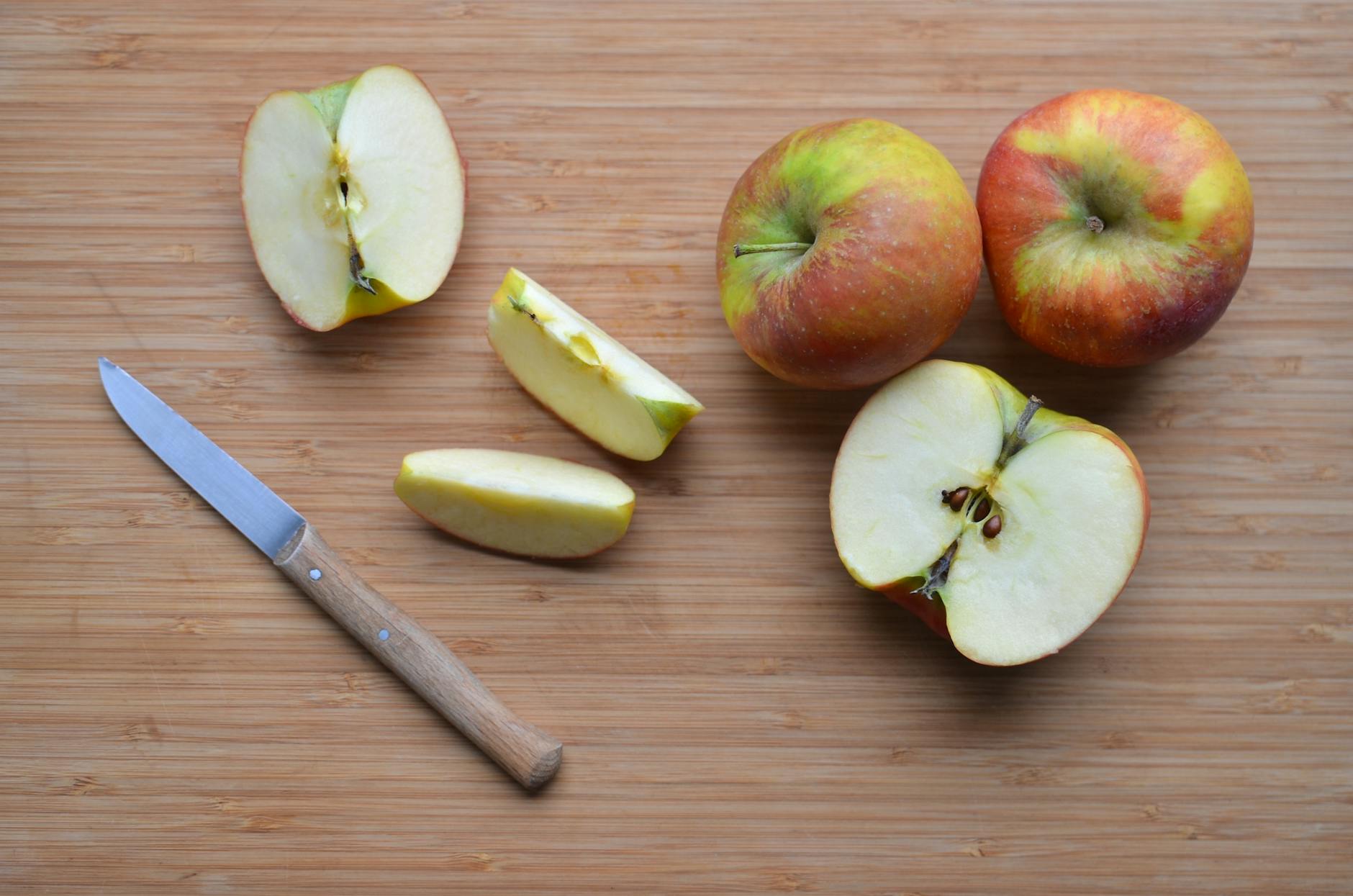
Using a single cutting board for all ingredients throughout a prep session is a red flag that professionals spot immediately. Cross-contamination between raw proteins and fresh vegetables is one of the most common sources of foodborne illness in home kitchens. Nutrition experts recommend color-coded boards as a simple system that eliminates this risk entirely. Even if the board appears clean between uses, invisible bacteria can linger on the surface. Dedicating separate boards to proteins and produce is a non-negotiable step in a safe and effective prep routine.
Meal Containers
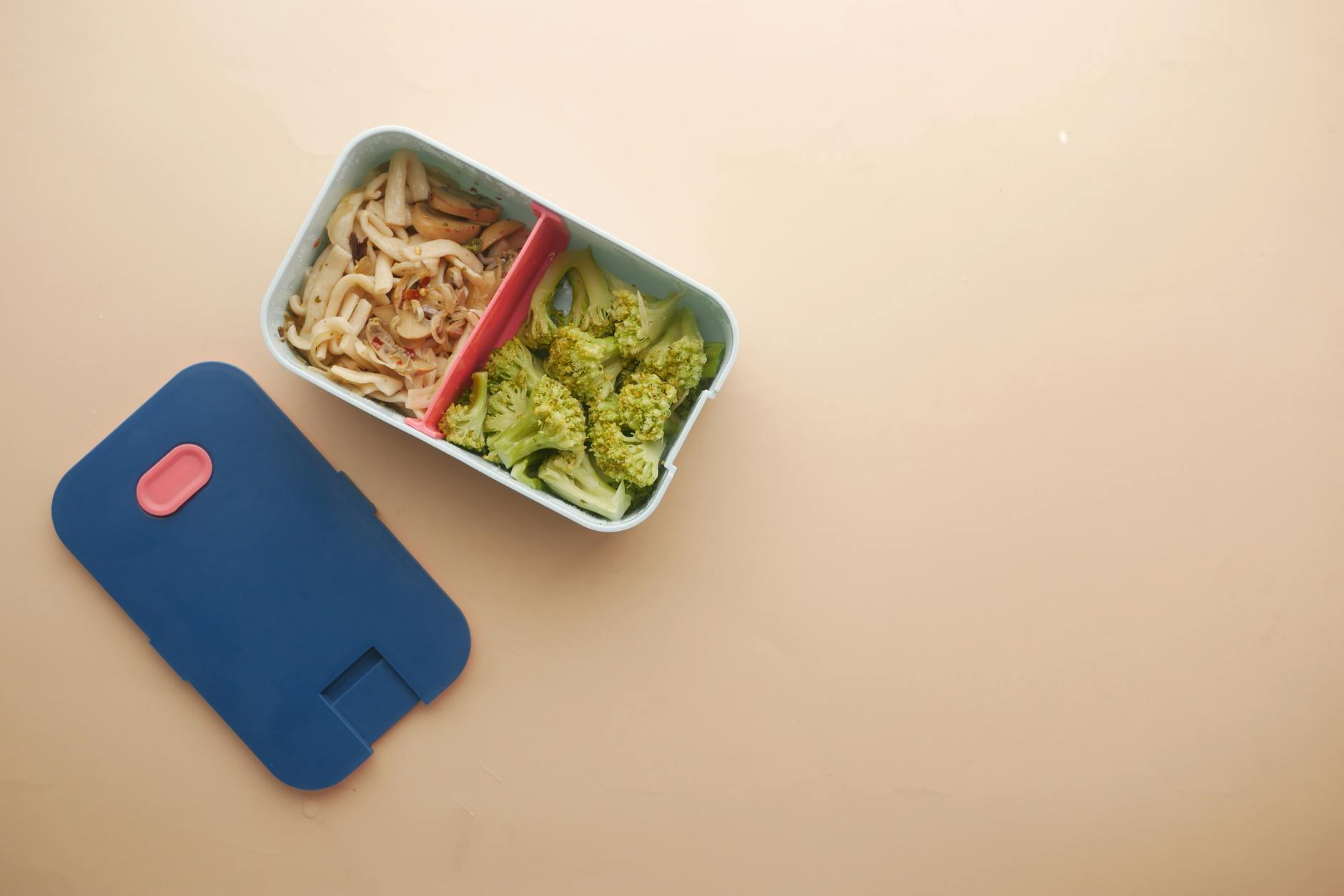
Reaching for the same mismatched containers week after week without considering portion size is a habit that quietly derails nutritional goals. When containers are too large, people tend to fill them regardless of the appropriate serving amount for their dietary needs. Experts look for containers that are portioned deliberately based on macronutrient targets rather than convenience. Airtight containers also play a direct role in how long meals stay fresh and safe to eat throughout the week. Investing in a consistent set of properly sized containers is a small change with a measurable impact on results.
Sauce Timing
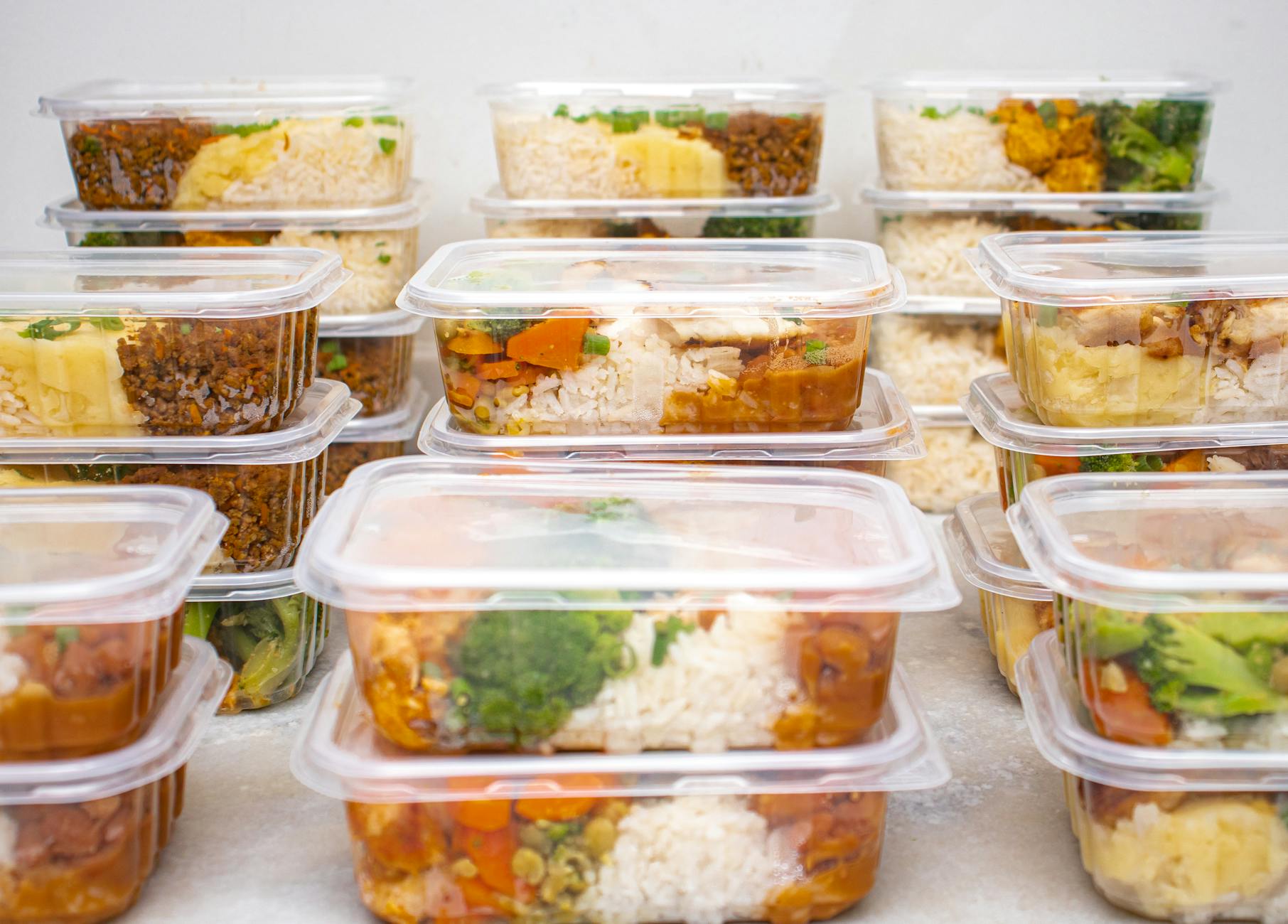
Adding sauces and dressings directly into meal prep containers before storing them is a pattern that nutrition experts frequently flag. Moisture-heavy condiments break down textures and cause certain ingredients to become soggy and unappetizing by day two or three. More importantly, many store-bought dressings are high in sodium and added sugars that can quietly inflate daily intake when applied in advance. Keeping sauces stored separately in small containers and adding them just before eating preserves both flavor and nutritional integrity. This one adjustment significantly improves the eating experience across an entire prep week.
Produce Washing
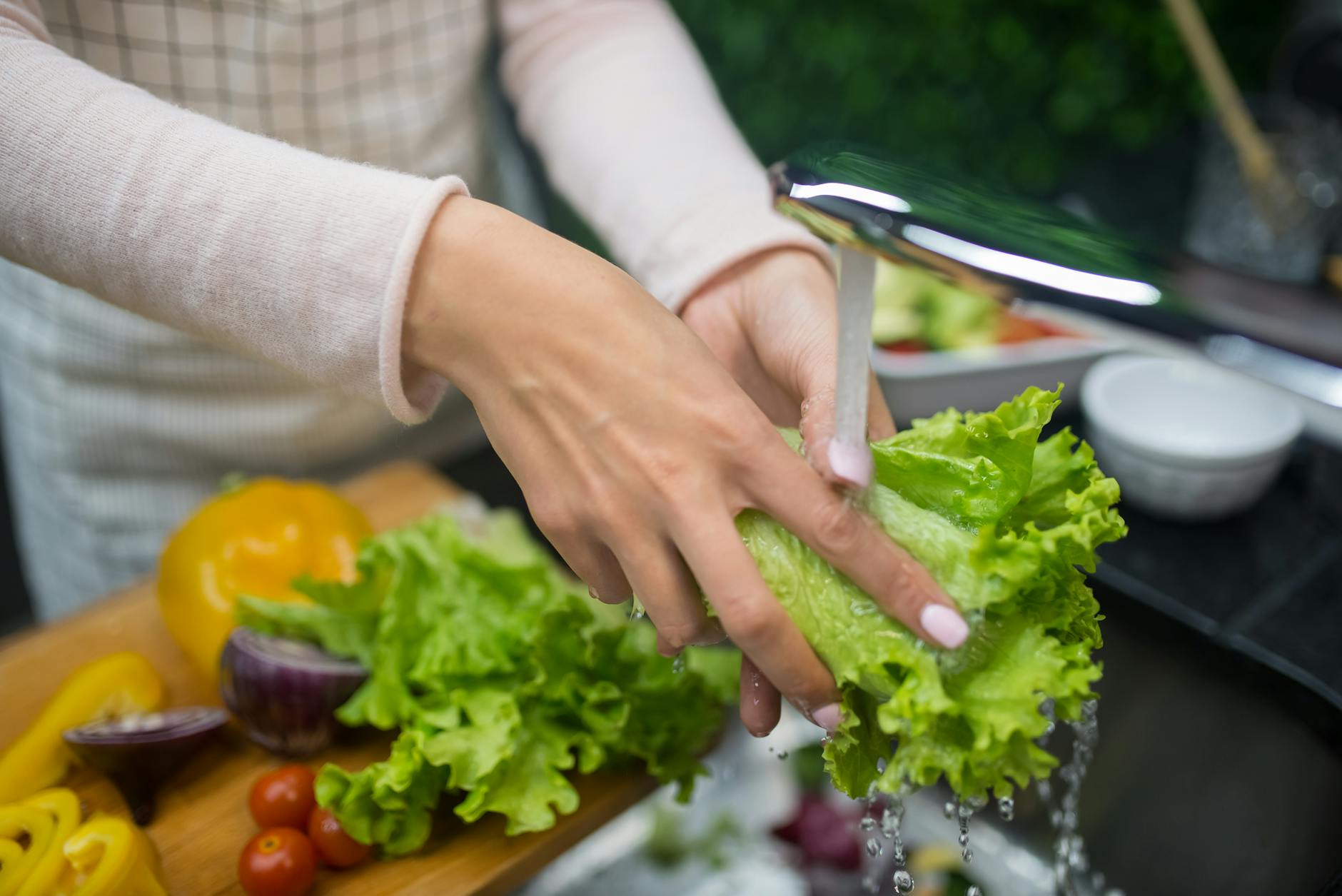
Washing fruits and vegetables and then immediately packing them while still damp is a red flag that accelerates spoilage. Excess moisture trapped inside containers creates the ideal environment for mold and bacterial growth to occur rapidly. Nutrition experts recommend washing produce only right before consumption or ensuring it is completely dry before storage. Paper towels layered inside containers can absorb residual moisture and extend the lifespan of greens and chopped vegetables considerably. Dry storage is one of the simplest ways to get more value and freshness from a weekly prep session.
Protein Variety
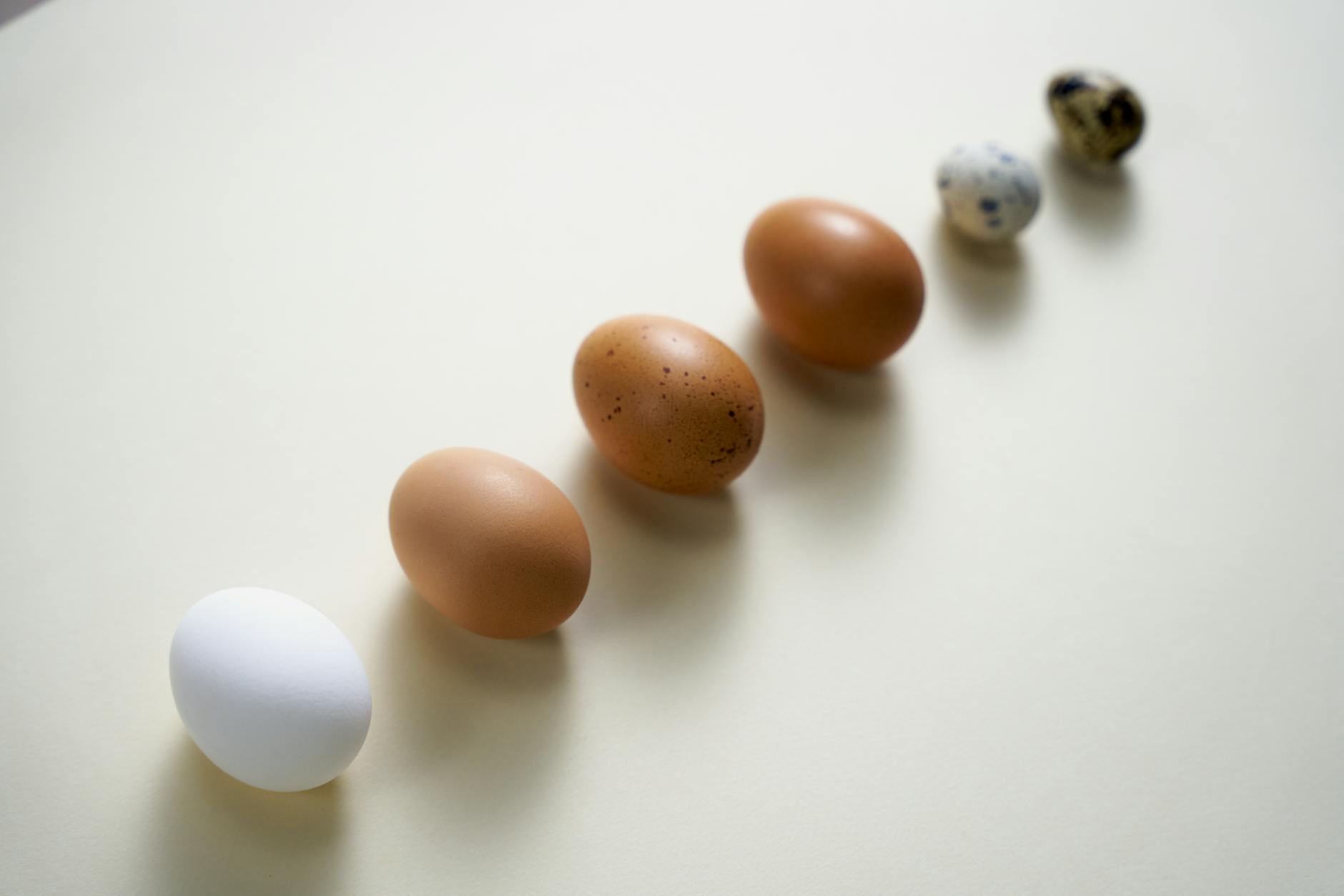
Prepping the same single protein source week after week is a pattern that signals a nutritional blind spot to experts. Relying exclusively on grilled chicken or canned tuna, for example, limits the range of amino acids and micronutrients the body receives across the week. A varied protein rotation including legumes, fish, eggs, and lean red meat supports a far more balanced nutritional profile. Monotony in meal prep also increases the likelihood of abandoning the routine altogether due to taste fatigue. Rotating proteins deliberately is both a nutritional strategy and a sustainability strategy.
Vegetable Ratio
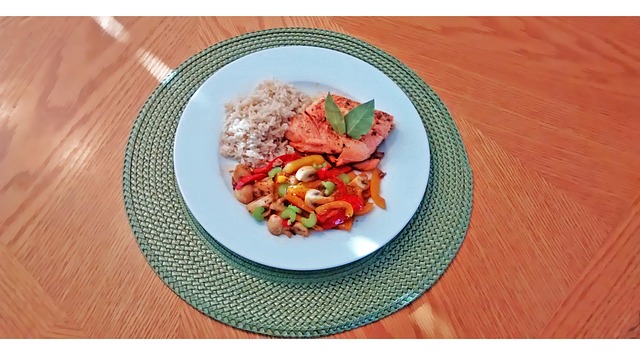
A meal prep spread that is overwhelmingly grain and protein heavy with minimal vegetable presence is something experts notice at a glance. Vegetables should occupy a substantial portion of each prepped meal to provide fiber, micronutrients, and volume that supports satiety. Many people underestimate how much vegetable mass is needed to meet daily nutritional requirements through prepped meals alone. Roasting a large batch of mixed vegetables alongside proteins is one of the most efficient ways to correct this imbalance. A visually colorful prep spread is often a reliable indicator of a nutritionally diverse week ahead.
Freezer Use

Preparing food for an entire week and relying solely on refrigerator storage is a timing error that nutrition experts frequently observe. Most cooked proteins and grains remain safe and high quality in the refrigerator for only three to four days before degradation begins. Meals intended for day five and beyond should be stored in the freezer and transferred to the refrigerator the night before consumption. Ignoring the freezer as part of the prep system leads to either wasted food or meals eaten past their safe window. Integrating the freezer into the weekly routine is a practical step that preserves quality and reduces food waste.
Herb and Spice Use
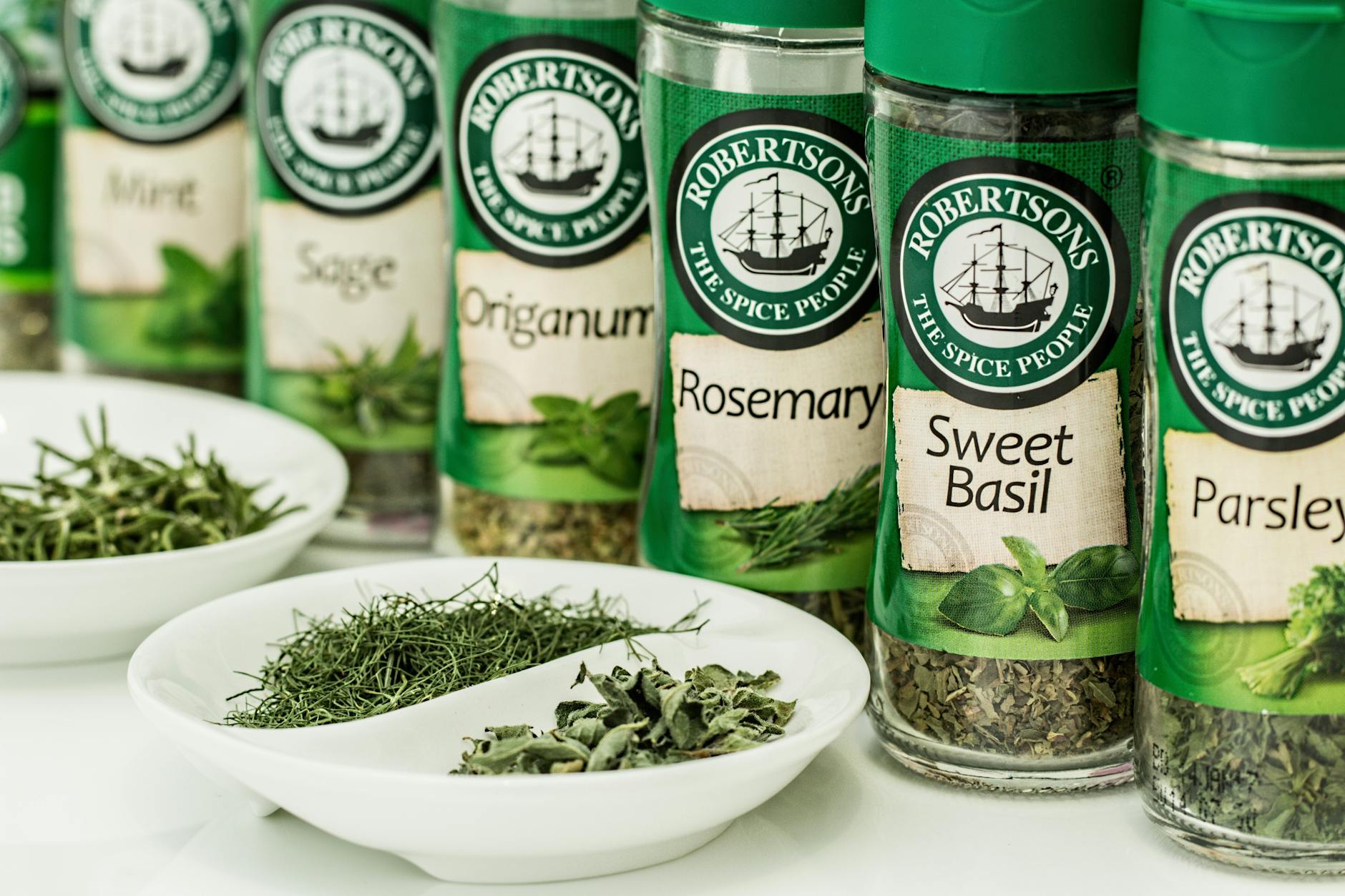
A meal prep routine built entirely around plain, unseasoned food points to a gap that experts consider both a flavor and a health concern. Many culinary herbs and spices carry significant anti-inflammatory and antioxidant properties that contribute meaningfully to overall wellness. Turmeric, garlic, ginger, and cinnamon are examples of ingredients that add nutritional value beyond simple taste enhancement. Bland prepped meals are also far more likely to be abandoned midweek in favor of less nutritious convenience options. Building seasoning into the prep process rather than afterthought stages is a mark of a well-designed routine.
Label Dating
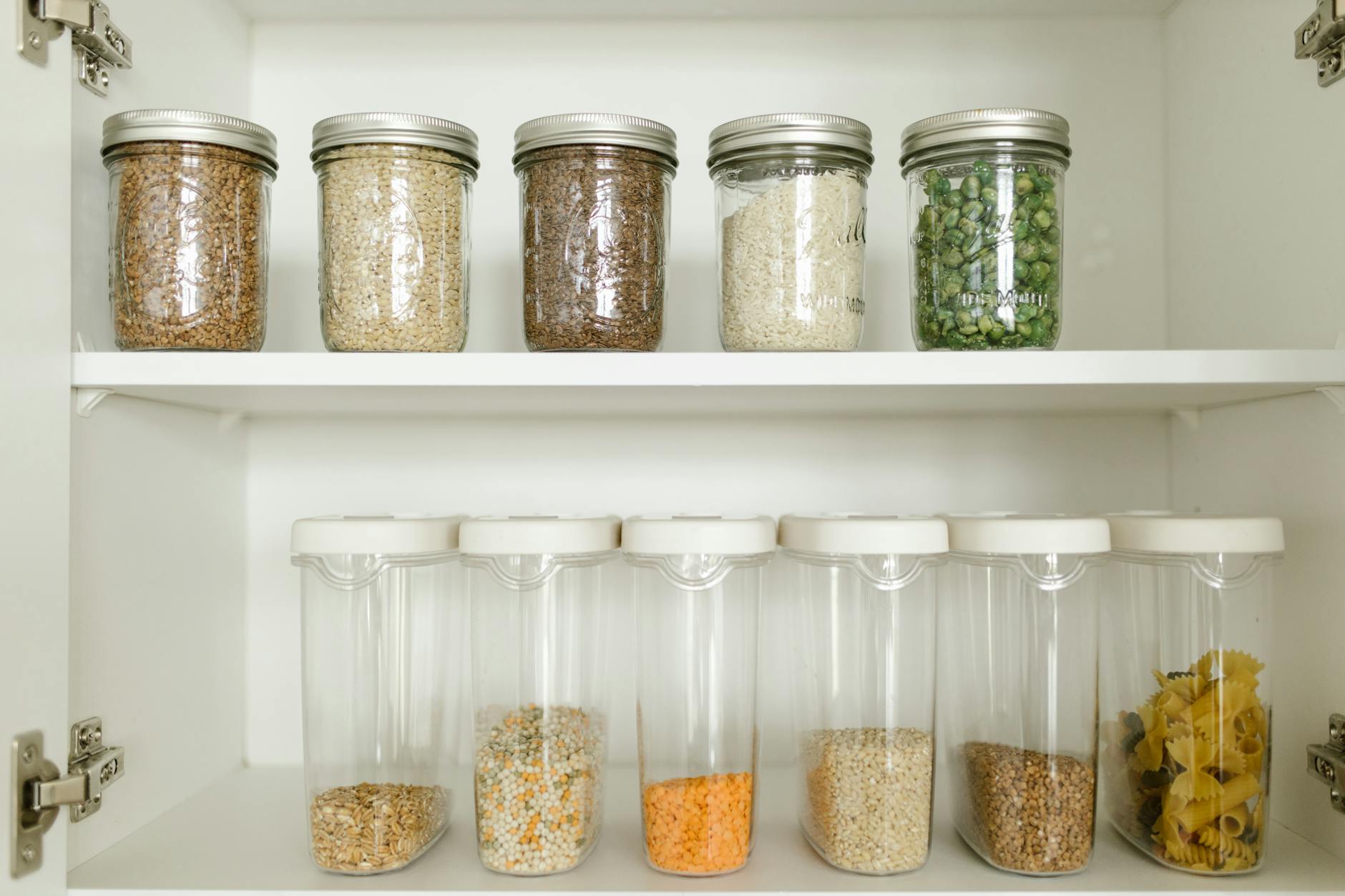
Skipping the step of labeling containers with preparation dates is a small omission that creates genuine food safety risk over time. Without clear dates, it becomes easy to lose track of which meals were prepared first and which have exceeded safe consumption windows. Nutrition professionals consider labeling a basic but essential discipline in any serious meal prep practice. A simple masking tape and marker system takes seconds and eliminates all guesswork about freshness. This habit becomes especially critical when multiple prep sessions overlap or when meals are stored across both the refrigerator and freezer.
Oil Quantities
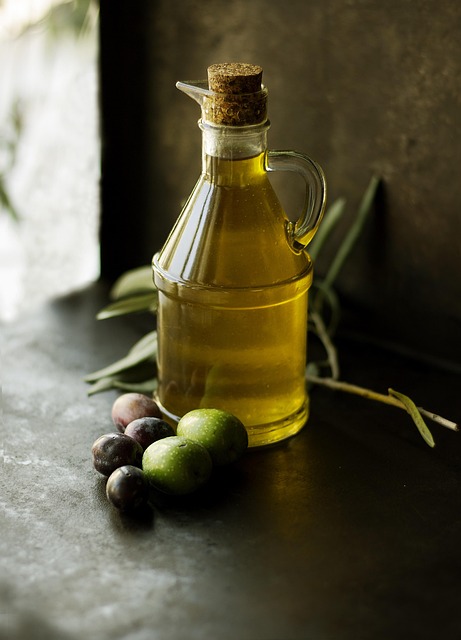
Using oil generously during the cooking phase of meal prep without measuring is a caloric variable that experts identify as a consistent issue. Even heart-healthy oils like olive oil are calorie-dense, and unmeasured use across a full batch of food can add hundreds of untracked calories to a weekly meal plan. Nutrition professionals look for evidence that oil use is intentional and controlled rather than habitual and imprecise. A light spray or a measured tablespoon applied deliberately produces the same cooking results with far greater nutritional accuracy. Precision with oil is one of the fastest ways to close the gap between perceived and actual caloric intake.
Grain Cooking Methods
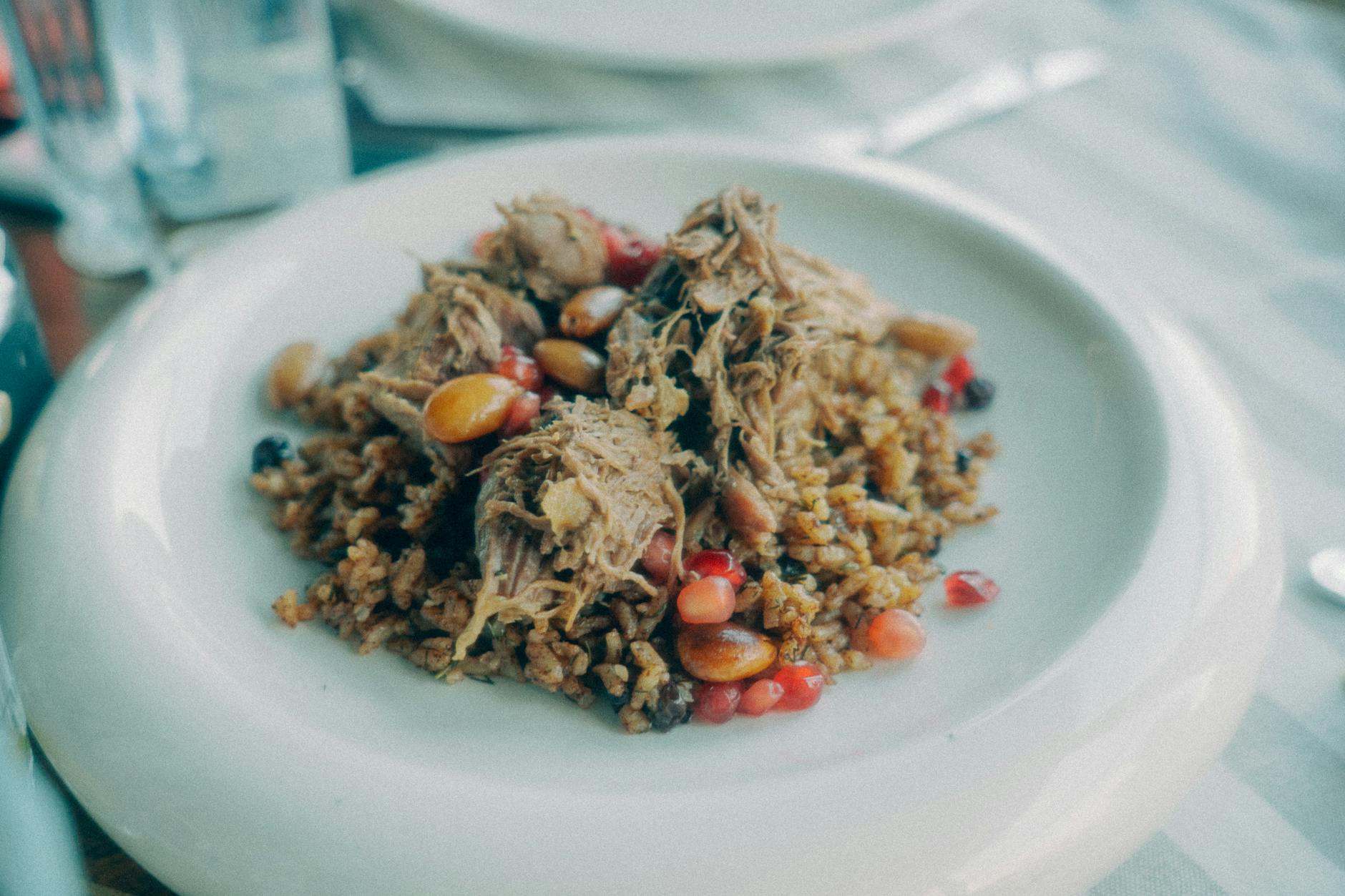
Cooking grains in plain water without any flavoring or nutritional enhancement is a missed opportunity that seasoned nutrition experts notice quickly. Preparing rice, quinoa, or oats in low-sodium broth with aromatics adds flavor depth that makes the finished meal far more satisfying and sustainable to eat throughout the week. Some grains also benefit from a brief toasting step before liquid is added, which improves both texture and digestibility. Grains cooked with intention rather than default convenience form a much stronger base for balanced prepped meals. Small technique upgrades in this area have an outsized effect on the overall quality of the prep spread.
Snack Absence
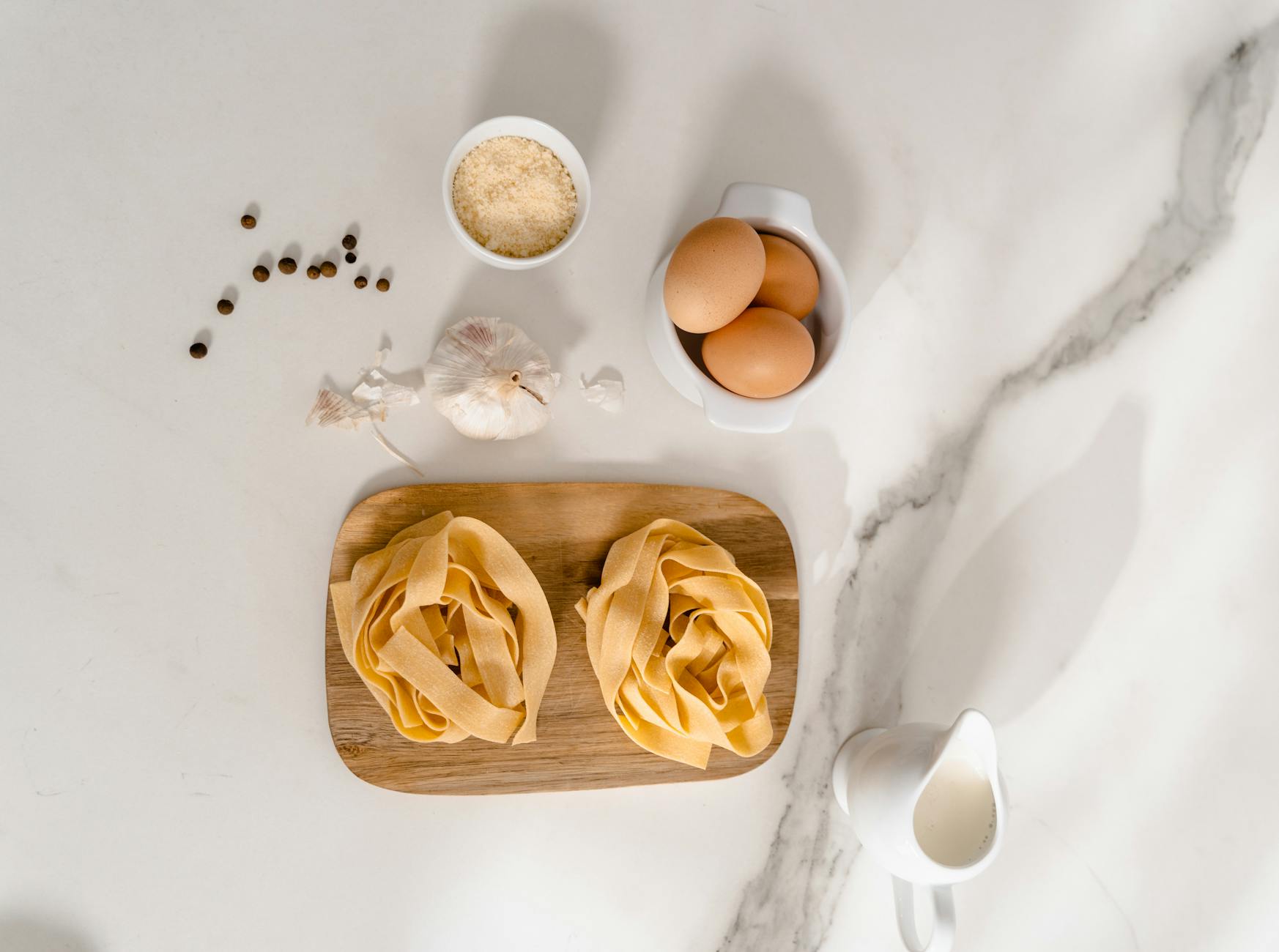
A meal prep routine that accounts only for main meals and ignores snack preparation is a structural gap that nutrition experts frequently point out. Unplanned snacking between meals is one of the primary ways that an otherwise solid nutritional week gets derailed by convenience choices. Prepping portioned snacks such as cut vegetables, boiled eggs, portioned nuts, or homemade energy bites closes the gap between meals with intention. Having grab-and-go snack options ready reduces the decision fatigue that typically leads to reaching for processed alternatives. A complete prep routine accounts for all eating occasions rather than only the three primary meals.
Hydration Prep
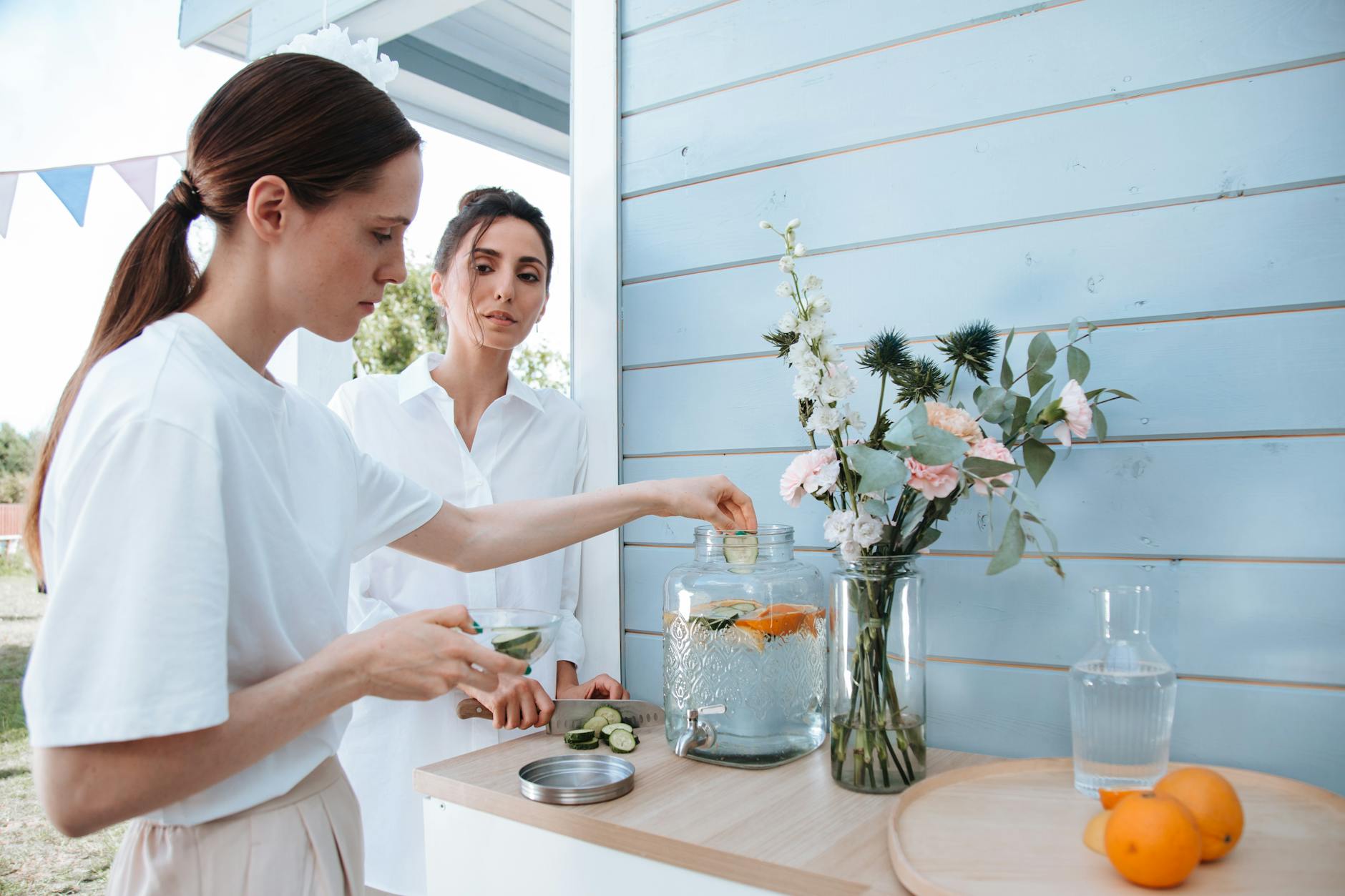
Overlooking beverage preparation as part of the weekly meal prep session is a red flag that nutrition professionals connect directly to hydration consistency. People who prepare infused waters, pre-portioned smoothie bags, or homemade herbal teas alongside their food are far more likely to meet their daily fluid targets. Hydration directly influences energy levels, digestion, and the effectiveness of all the nutrients consumed through prepped meals. Without a prepared hydration plan, most people default to sugary drinks or insufficient plain water throughout the week. Treating beverage preparation as an equal component of the routine reflects a genuinely holistic approach to nutrition.
Cooling Practices
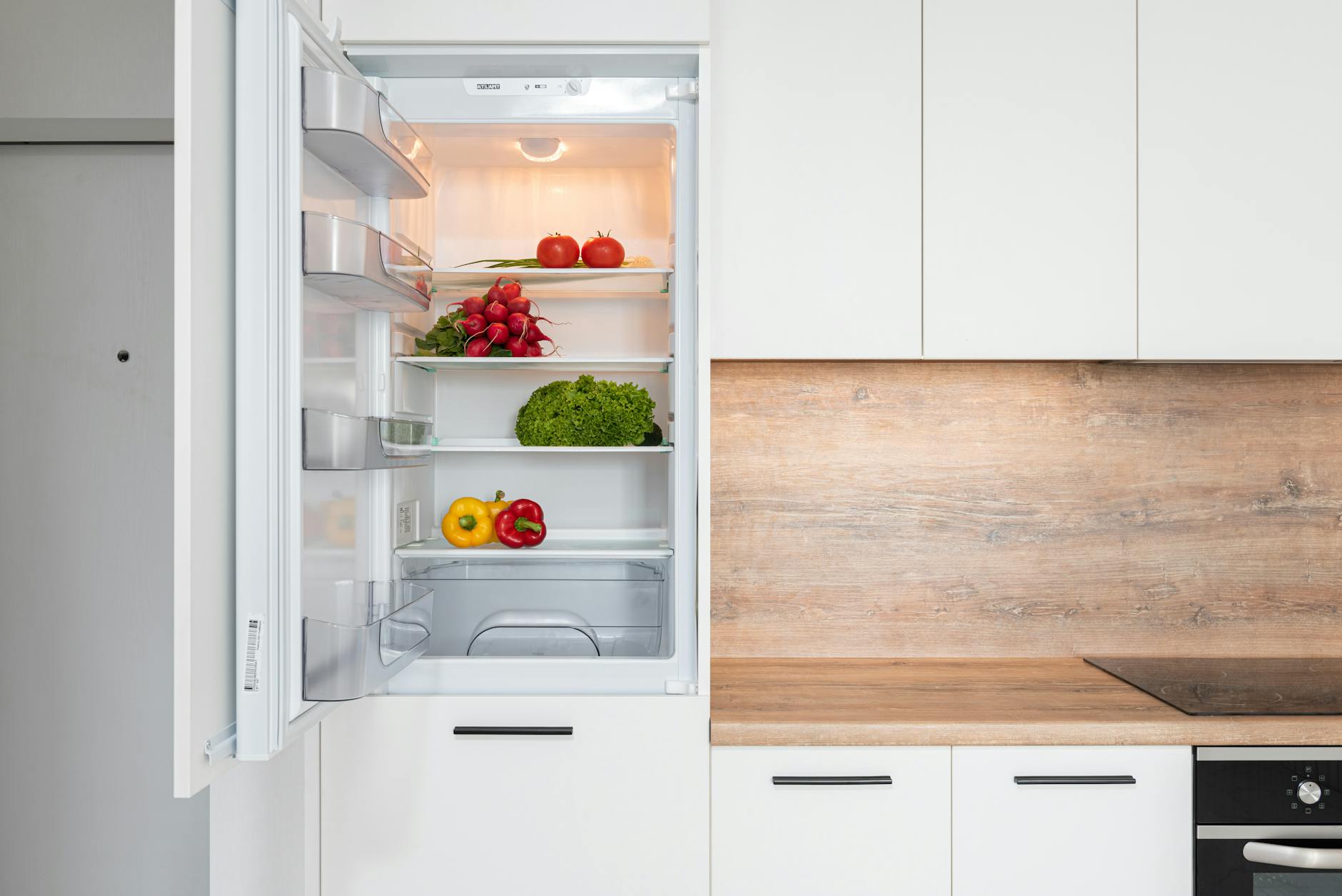
Placing large batches of hot food directly into sealed containers and immediately refrigerating them is a food safety error that experts take seriously. Hot food raises the internal temperature of the refrigerator, creating conditions that allow bacteria to multiply across multiple stored items. Food should be allowed to cool at room temperature for no longer than two hours before being portioned and refrigerated. Dividing large batches into smaller shallow containers speeds the cooling process and reduces the risk that any portion spends too long in the temperature danger zone. Proper cooling is one of the most overlooked steps in home meal prep and one of the most consequential for food safety.
What red flags have you noticed in your own meal prep routine? Share your thoughts in the comments.