Palliative care nurses and end-of-life caregivers often bear witness to the profound clarity that descends upon people in their final days. These professionals observe that dying patients shed their superficial concerns and focus intensely on how they spent their limited time on Earth. The conversations that take place during these final moments frequently revolve around distinct themes of missed opportunities and emotional suppression. This collection reveals the most common laments shared by those looking back on their lives with stark honesty.
Living a Life Others Expected

Many patients realize they lived to satisfy the expectations of society or family rather than their own desires. This leads to a profound sense of unfulfilled potential and dreams that were left unpursued. The realization comes that their autonomy was surrendered for the sake of external acceptance or perceived duty. It stands as one of the most common regrets recorded by palliative professionals across the board. The burden of conformity often weighs heavier than the risk of authenticity would have.
Working Too Hard

This regret is found predominantly among patients who feel they missed their children’s youth and their partner’s companionship. The treadmill of work existence overshadowed valuable personal time that can never be reclaimed. They realize late in the game that status and wealth do not replace shared memories. Reducing the work week earlier in life could have created a more balanced existence. The sacrifice of time for money is viewed as a poor trade in hindsight.
Suppressing Feelings

People often recall times they chose to remain silent in order to keep peace with others. This suppression frequently leads to a mediocre existence and resentment that manifests as physical illness. They regret not having the courage to express their true emotions to friends and family members. Honest communication might have caused temporary conflict but would have fostered healthier relationships. The weight of unsaid words becomes a heavy burden at the end.
Losing Touch with Friends

The full value of lifelong friendships is often not realized until the final weeks of life. Many people become so caught up in their own lives that they let golden relationships slip away over the years. There is a deep regret about not giving those friendships the time and effort they truly deserved. Everyone misses their friends when they are dying. The logistical excuses for losing contact seem trivial when facing the end.
Not Choosing Happiness

Many people do not realize until the end that happiness is actually a choice. They stayed stuck in old patterns and habits because the familiar provided a sense of comfort. Fear of change led them to pretend to others and to themselves that they were content. They wish they had let themselves laugh more and accept joy without guilt. The realization that they could have been happier is a bittersweet revelation.
Worrying Too Much

Patients frequently look back and see that the vast majority of their worries never actually came to fruition. The energy spent on anxiety and forecasting negative outcomes is viewed as a massive waste of precious mental resources. They wish they had lived more in the present moment rather than fearing the future. This regret highlights how fear inhibits the ability to enjoy the safety of the now. A life spent worrying is often seen as a life half-lived.
Not Traveling Enough

The desire to see more of the world and experience different cultures is a frequent theme in final conversations. People regret postponing trips until retirement only to find their health declining when the time finally arrives. They realize that experiences and memories hold more value than material possessions or a larger bank account. The world feels vastly unexplored to those who waited too long to buy the ticket. Adventure is rarely something people regret pursuing.
Holding Grudges

Carrying anger and resentment towards others is viewed as a toxic waste of emotional energy. Dying individuals often wish they had forgiven people sooner and let go of past hurts. The bitterness only served to darken their own days rather than punish the offender. Making peace with the past brings a tranquility that they wish they had claimed earlier. Forgiveness is seen as a gift to oneself rather than the other person.
Not Saying I Love You

There is often a painful realization that love was felt deeply but spoken rarely. People regret assuming their loved ones knew how they felt without hearing the words explicitly. They wish they had been more vocal and demonstrative with their affection on a daily basis. Leaving nothing unsaid becomes a priority that was unfortunately neglected for too long. The vulnerability of expressing love is no longer feared but cherished.
Taking Life Too Seriously

Looking back allows people to see the absurdity in many of the things they treated with grave seriousness. They wish they had allowed themselves to be sillier and more playful throughout their adult years. The pressure to appear professional or composed often robbed them of spontaneous joy. Laughter is remembered as the best medicine that was not taken often enough. A lighter approach to life’s challenges would have made the journey more enjoyable.
Staying in Bad Relationships

Staying in a toxic or unfulfilling partnership out of fear of being alone is a major source of regret. People realize they sacrificed their peace of mind and self-worth for security that was actually an illusion. They wish they had the strength to walk away sooner to find a partner who truly appreciated them. The time spent unhappy in a home feels like a prison sentence in retrospect. Solitude is viewed as preferable to loneliness within a relationship.
Not Saving Money for Experiences

While working too hard is a regret, so is spending money on things that did not matter. People wish they had managed their finances to allow for more freedom and experiences rather than accumulating clutter. The stress of debt often overshadowed the joy of their purchases. Financial discipline is seen as a tool for liberty rather than restriction. They realize that memories are the only true currency at the end of life.
Ignoring Health

Many individuals regret taking their physical body for granted until it began to fail them. They wish they had eaten better and exercised more consistently when they had the vitality to do so. The neglect of the body limits the options available in later years. Small daily habits are recognized as the foundation for a longer and more active life. Health is viewed as the ultimate wealth that was squandered.
Not Following a Passion

Abandoning a creative pursuit or a hobby because it did not pay the bills is a common sorrow. People look back and wish they had made time to paint or write or play music simply for the joy of it. The practicality of life often stifles the creative spirit that brings true fulfillment. They realize that a passion does not need to be a career to be valid. The soul needed feeding just as much as the bank account.
Comparing Self to Others

The habit of measuring one’s own life against the highlight reels of others is seen as a destructive force. Patients regret the envy and feelings of inadequacy that stemmed from constant comparison. They realize that every person has a unique path that cannot be replicated or ranked. The time spent looking sideways distracted them from moving forward on their own journey. Contentment was lost in the chase for superiority.
Not Spending Time with Children
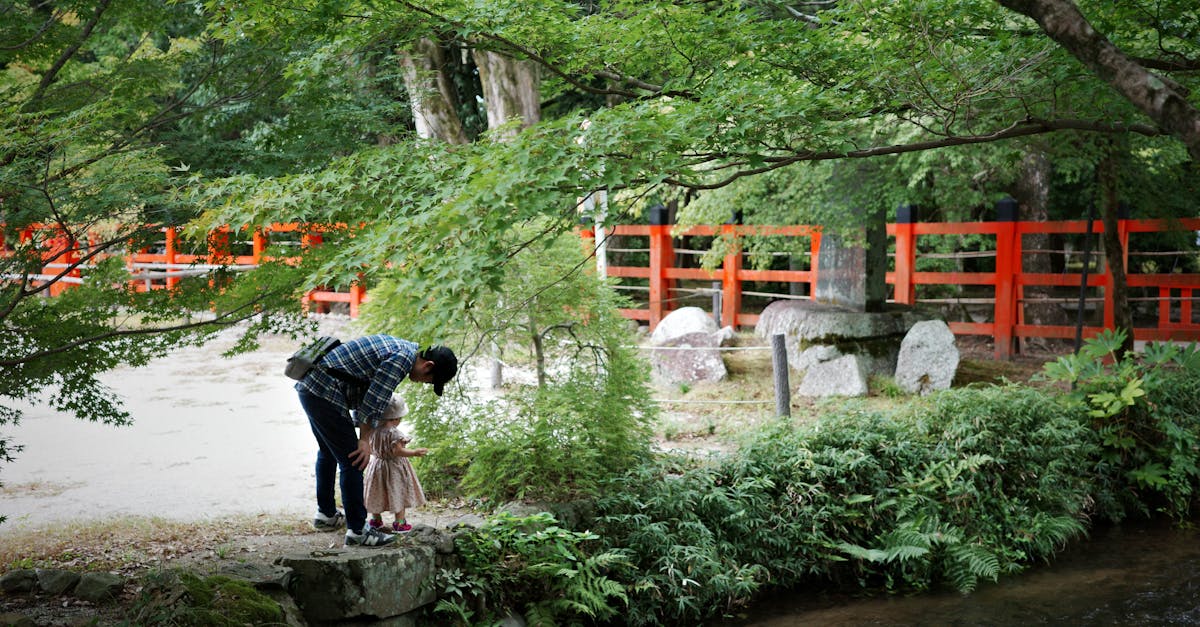
Parents often regret missing the small moments of their children’s lives while focusing on big achievements. They realize that the bedtime stories and weekend games were the most significant interactions. The children grew up faster than expected and the opportunity for connection changed irrevocably. Being physically present but mentally absent is a specific source of guilt. They wish they had put down the phone or the newspaper more often.
Not Listening to Intuition

Ignoring that inner voice or gut feeling in favor of logic or peer pressure is a frequent lament. People recall specific turning points where they knew the right answer but followed the crowd instead. They wish they had trusted their own wisdom and instincts to guide their major life decisions. The betrayal of one’s own judgment leaves a lasting sting. Self-trust is recognized as a vital component of a well-lived life.
Being Afraid of Failure

The fear of making a mistake paralyzed many people from trying new things or taking calculated risks. They realize now that failure was simply a part of the learning process and not a defining character flaw. They wish they had been bolder in their pursuits and less concerned with the outcome. The regret lies in the inaction rather than the errors made along the way. A safe life often feels like a stagnant one in the end.
Neglecting Spirituality

Many people regret not exploring their spiritual or philosophical beliefs until they were forced to by impending death. They wish they had spent time contemplating the bigger questions and finding a sense of connection to something larger. The lack of a spiritual practice often leaves them feeling unmoored during difficult times. They realize that inner peace requires cultivation just like any other skill. A connection to the divine or nature is missed.
Living in the Past

Spending decades reliving old glory days or past traumas prevented many from enjoying their current reality. They regret letting yesterday dictate the mood and potential of today. The realization is that the past is immutable and dwelling on it changed nothing. They wish they had practiced mindfulness and appreciation for the present era of their lives. The present moment was the only place life was actually happening.
Not Learning a New Skill

People often wish they had taken the time to learn a second language or play an instrument. They regret the mental laziness or fear that stopped them from expanding their capabilities. The satisfaction of mastering something difficult is a feeling they missed out on. They realize that age was often used as an unfounded excuse to stop learning. The brain craved challenges that were denied.
Working in a Toxic Environment

Staying in a job with a poisonous culture or an abusive boss is a major regret for many. They realize the toll that daily stress took on their mental and physical health. They wish they had valued their sanity enough to resign and find a respectful workplace. The paycheck was never worth the erosion of their self-esteem. No job title justifies the endurance of daily misery.
Not Setting Boundaries

People regret allowing others to intrude on their time and energy without consequence. They wish they had been firm about what they would and would not accept from family and colleagues. The lack of boundaries led to burnout and resentment that could have been avoided. They realize that saying no is a necessary act of self-preservation. Respect from others often follows self-respect.
Waiting for the Perfect Time

Many dreams were deferred indefinitely while waiting for the stars to align perfectly. People realize that there is never an ideal time to start a business or have a child or move cities. They regret the paralysis of analysis that kept them stationary. Action is recognized as superior to perfect planning. The “perfect time” is revealed to be a myth that justifies procrastination.
Not Standing Up for Oneself

Recalling moments of injustice where they remained silent brings a deep sense of shame. People wish they had defended their character or their rights when they were being mistreated. The fear of confrontation allowed others to walk over them. They realize that their voice mattered and should have been raised. Self-advocacy is seen as a duty they neglected.
Not Asking for Help

The pride that prevented people from accepting assistance is viewed as foolish in hindsight. They struggled alone with burdens that could have been shared and lightened. They regret isolating themselves during times of crisis instead of leaning on their community. Vulnerability is recognized as a bridge to connection rather than a sign of weakness. Asking for help allows others the grace of giving.
Letting Pride Get in the Way

Many broken relationships remain unrepaired because neither party wanted to apologize first. People regret letting their ego prevent reconciliation with loved ones. They realize that being right was far less important than being connected. The walls built by pride served only to keep love out. Humility is wished for in place of arrogance.
Not Laughing Enough

A life devoid of humor and lightness feels heavy and gray in retrospect. People wish they had sought out comedy and fun situations more actively. They regret being the person who dampened the mood rather than the one who lifted it. Laughter is seen as a vital release valve for the pressures of existence. They realize that joy is a serious business.
Not Helping Others

Self-absorption often blinded people to the needs of those around them. They regret not volunteering or being of service to their community. The realization comes that true fulfillment often springs from contribution rather than consumption. They wish they had left a positive mark on the lives of strangers. Generosity is viewed as a legacy that was missed.
Staying in the Comfort Zone

The safety of the known prevented many from discovering their true capabilities. They regret not taking the leap to move to a new city or try a scary activity. The comfort zone is revealed to be a place where nothing grows. They wish they had embraced discomfort as a sign of progress. Life feels small when it is lived entirely within safe boundaries.
Not Appreciating Nature

People living in urban environments often regret not spending more time outdoors. They wish they had witnessed more sunsets and walked in more forests. The healing power of the natural world was neglected for concrete and screens. They realize that connection to the earth grounds the human spirit. Nature is seen as a sanctuary that was ignored.
Spending Too Much Time on Screens

The hours lost to television and social media are viewed with disdain. People regret the passive consumption of content that replaced active living. They realize those hours could have been spent creating or connecting. The digital world offered a poor substitute for real-world experiences. Time is the one resource that cannot be downloaded.
Not Reading Enough

The wisdom contained in books was left untapped by many. People regret not expanding their minds through the stories and knowledge of others. They wish they had prioritized reading over mindless entertainment. Books are seen as portals to other lives that were left unopened. The world was narrower because their reading list was short.
Not Celebrating Small Wins

Focusing only on the massive milestones made the journey feel like a constant struggle. People wish they had toasted to the small victories along the way. They regret postponing their happiness until the final goal was reached. Life is made up of ordinary days that deserved celebration. Gratitude for the small things changes the entire texture of life.
Trying to Please Everyone

The exhaustion of trying to be everything to everyone is a common lament. People regret diluting their own personality to fit into every social circle. They realize that it is impossible to be universally liked. They wish they had been content with being deeply loved by a few. The effort to please everyone resulted in pleasing no one fully.
Not Trusting Oneself
People regret seeking external validation for every decision they made. They wish they had relied on their own internal compass. The constant search for approval eroded their self-confidence. They realize they were the expert on their own life all along. Self-trust is the anchor they needed.
Ignoring Mental Health

Treating mental struggles as a weakness rather than a health issue is a significant regret. People wish they had sought therapy or counseling sooner. They regret suffering in silence when tools for healing were available. Mental health is recognized as being just as vital as physical health. The stigma of seeking help caused unnecessary pain.
Not Making Amends

Leaving conflicts unresolved creates a sense of unfinished business at the end. People regret not offering that apology or extending that olive branch. They realize that peace of mind requires a clean slate with others. Carrying the weight of past wrongs is exhausting. Making amends is an act of liberation.
Being Too Frugal

While saving is important there is a regret of never enjoying the fruits of labor. People wish they had treated themselves and their families more often. The accumulated wealth means nothing if it was never used to create joy. They realize that money is a tool to be used not just hoarded. Generosity to oneself is permissible.
Not Pursuing Education

Many regret stopping their formal or informal education too early. They wish they had returned to school or taken courses to deepen their understanding of the world. The curiosity they suppressed left them feeling intellectually stagnant. Education is seen as a lifelong journey rather than a destination. The mind wanted to be stretched further.
Leaving a Legacy

People often worry that they will be forgotten quickly after they pass. They regret not creating something lasting whether it be art or a business or a garden. The desire to leave a footprint on the world is strong at the end. They wish they had built something that would outlast their physical body. A legacy provides a sense of continuity.
Not Being Present

Distraction is a thief that stole the richness of many moments. People regret physically being in a room while their mind was elsewhere. They wish they had practiced the art of full attention with their loved ones. The quality of presence is recognized as the greatest gift one can give. Life happened while they were planning something else.
Not Accepting Oneself

The lifelong battle against one’s own nature is viewed as a tragedy. People regret picking apart their flaws instead of embracing their uniqueness. They wish they had loved the person in the mirror unconditionaly. Self-acceptance is the foundation of peace that was often missing. They were enough all along.
Worrying About Opinions

The fear of what the neighbors or colleagues thought dictated too many choices. People regret letting the opinions of others steer their life course. They realize that those critics were not living their life for them. The freedom of indifference to public opinion is wished for. Authenticity requires disregarding the audience.
Not Taking Risks

The safe path is often revealed to be the one filled with the most regret. People wish they had bet on themselves more frequently. They realize that the pain of discipline weighs ounces while the pain of regret weighs tons. The risks not taken haunt them more than the ones that failed. A bold life is the one most admired in the final review.
Please share which of these life lessons resonates most with you in the comments.