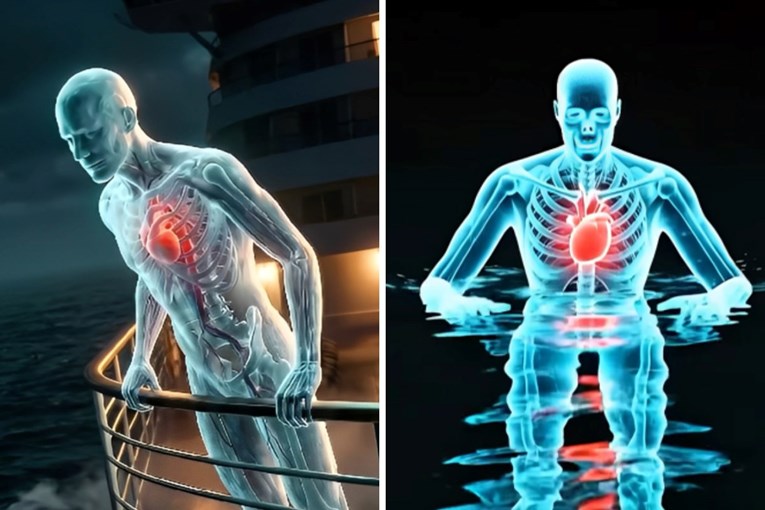
Even a single inhalation from a cigarette sets off a chain of immediate reactions throughout the body that many people never consider. The harsh smoke first irritates the delicate lining of your nose and esophagus causing that familiar coughing and spluttering sensation on a first try. Your mouth quickly dries out while unpleasant breath develops because the smoke disrupts the natural balance of beneficial bacteria living there. These early effects highlight how tobacco smoke begins harming tissues right from the start without any delay.
Within about twenty minutes nicotine slips into the bloodstream and triggers noticeable changes. Blood pressure rises and your pulse quickens as the stimulant takes hold. At the same time your sense of smell starts to dull in response to the chemicals introduced by the smoke. This rapid shift shows how even minimal exposure can alter basic bodily functions almost instantly and create an urge for more due to the feel-good chemicals released in the brain.
If you stop after that lone puff the recovery process begins surprisingly soon. It takes roughly forty-eight hours for nicotine and carbon monoxide to start clearing from your system provided you do not smoke again. During this time your lungs begin draining the excess mucus they produced as a protective barrier against the irritants. Senses of taste and smell gradually sharpen once more demonstrating the remarkable ability of the body to begin repairing itself when given the chance.
Continued smoking brings more visible and lasting consequences over time. Tar from the smoke tends to stain fingers and teeth a yellowish hue while building up in the lungs and often resulting in the persistent cough associated with regular smokers. Blood pressure and cholesterol levels can climb increasing the overall strain on the heart and raising risks for cardiovascular problems. Thousands of harmful chemicals in tobacco smoke contribute to these effects and over years they heighten the chances of developing lung cancer along with other serious diseases.
The good news lies in how quickly positive changes can appear once someone decides to quit. Many functions start improving within the first few days after the last cigarette as the body works to restore its natural balance. Circulation gets better oxygen levels rise and energy often returns making everyday activities feel easier. This rapid turnaround underscores that it is never too late to benefit from stopping even after years of exposure.
Understanding these quick responses to a single puff can serve as a powerful reminder of why avoiding tobacco altogether makes such a difference for long-term health. The body possesses an impressive capacity to heal when supported by smoke-free choices and small decisions today shape wellness for years ahead.
What immediate effects of smoking have you noticed or heard about and how has that influenced your views on the habit share your thoughts in the comments.