Dining out requires a level of trust in the establishment regarding hygiene and food quality standards. Certain warning signs act as immediate indicators that a restaurant may not be prioritizing the health or satisfaction of its guests. Paying attention to environmental cues and staff behavior can save diners from a disappointing meal or potential illness. These common red flags serve as reliable metrics for determining whether you should stay or find another place to eat.
The Smell of Stale Grease or Sewage

A distinct odor of old frying oil or sewage upon entering suggests serious ventilation or plumbing issues. This often means the kitchen traps have not been cleaned recently or the exhaust hoods are malfunctioning. If the dining room smells unpleasant it is highly likely the food preparation areas are in even worse condition. Your sense of smell is an evolutionary warning system that protects you from consuming spoiled or contaminated goods.
Sticky Floors

Walking across a floor that adheres to your shoes indicates a lack of thorough cleaning over an extended period. This tackiness usually results from layers of spilled soda or grease that have not been properly mopped away. Clean floors are a basic requirement for any sanitary establishment and reflect the overall management standards. If the visible dining area floors are neglected you can assume the kitchen floors are in a similar state of disrepair.
Dirty Menus

Menus serve as one of the first physical touchpoints in a restaurant and harbor bacteria if not sanitized. A menu covered in dried food splatters or a sticky film shows a disregard for small details and customer safety. Staff members should be wiping these down between every use to maintain a hygienic environment. Encountering a filthy menu often foreshadows dirty plates and neglected kitchen surfaces.
An Empty Parking Lot at Prime Time
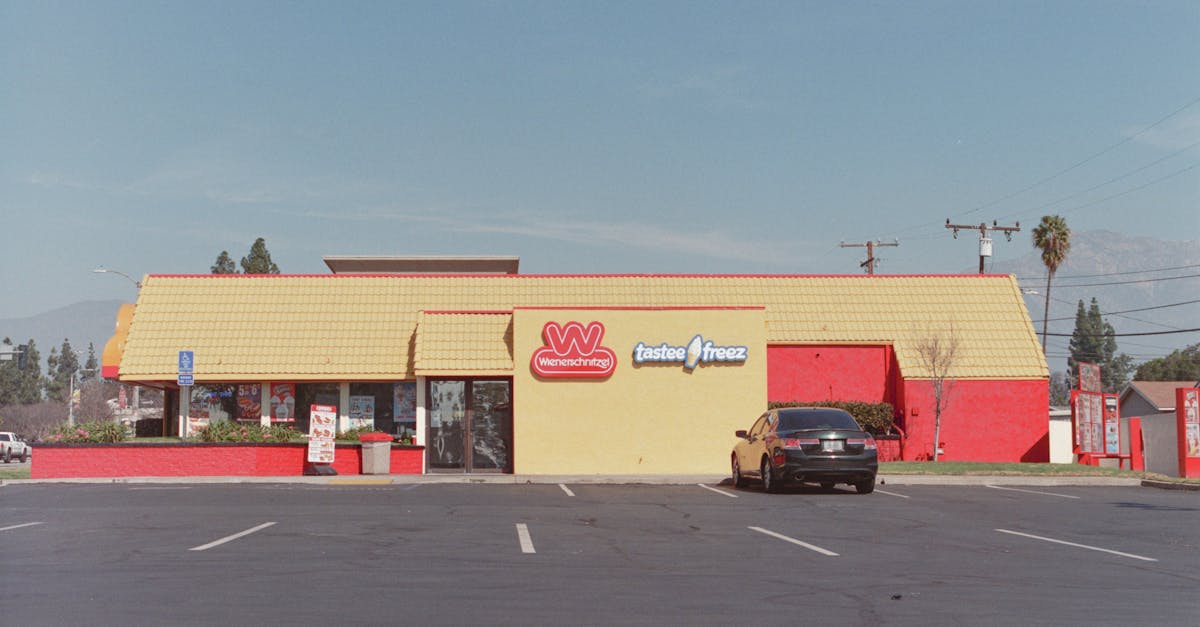
A restaurant with no cars outside during peak dinner hours is a significant warning regarding its reputation. Locals generally know which establishments offer good value and safe food and they vote with their wallets. Low turnover leads to stagnant inventory which means ingredients may not be fresh. Following the crowd is usually a safer strategy when exploring new dining options in an unfamiliar area.
The Giant Menu

A massive book of options ranging from sushi to pizza suggests the kitchen does not specialize in any single cuisine. It is logistically impossible to keep fresh ingredients on hand for hundreds of disparate dishes. This usually implies that the food is frozen or prepackaged rather than made to order. Specialization typically correlates with higher quality while a catch-all approach often results in mediocrity.
Unhappy Staff Demeanor

Servers who look miserable or seem afraid of management indicate a toxic work environment that affects service quality. Disgruntled employees are less likely to care about food safety protocols or the customer experience. High tension between the front and back of house often spills over into the meal preparation. A healthy restaurant culture promotes a welcoming atmosphere that enhances the dining experience.
Dead Plants

Wilted or dead plants in the dining room show a complete lack of attention to the restaurant’s aesthetics and environment. If the staff cannot remember to water a plant they may also forget to check food expiration dates. Living decor requires maintenance just like kitchen equipment and neglecting one suggests neglecting the other. This visual cue often points to a general apathy regarding the condition of the establishment.
Dirty Bathrooms

The state of the restrooms is a direct reflection of the hygiene standards maintained in the kitchen. If a restaurant cannot keep a public-facing bathroom stocked with soap and free of grime then the private areas are likely worse. Employees use these same facilities and a lack of hot water or soap compromises their handwashing ability. You should always inspect the restroom before ordering food to gauge the cleanliness of the operation.
Overwhelming Air Freshener
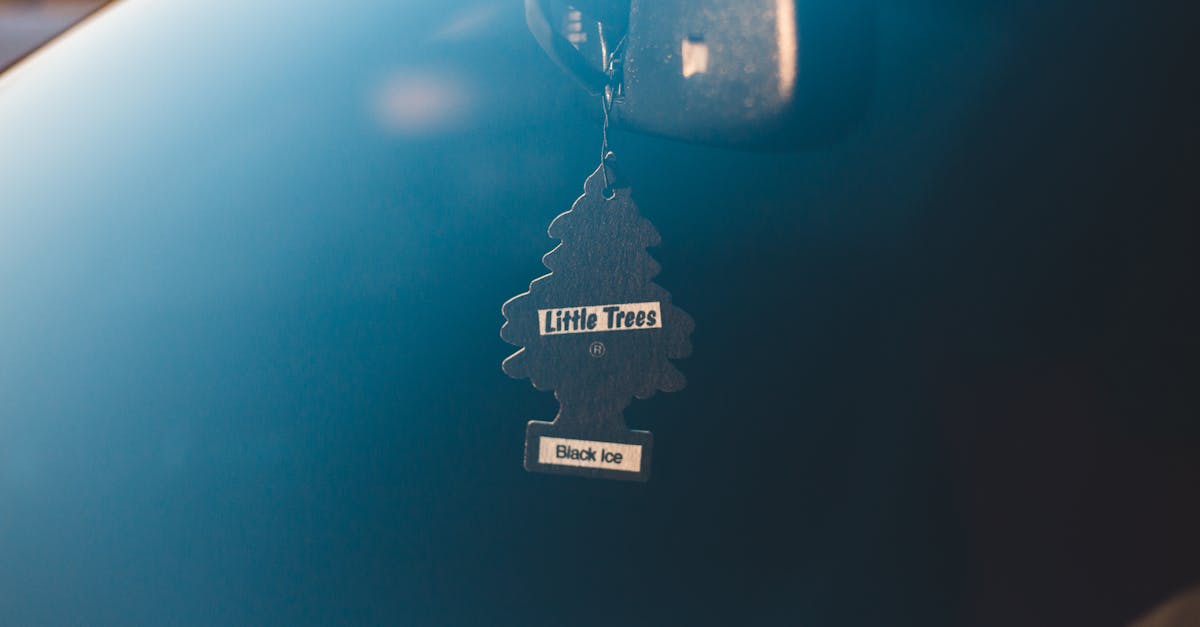
Heavy floral or chemical scents are often used to mask underlying odors of mold or spoilage. A clean restaurant should smell like food or have a neutral scent rather than an artificial fragrance. Masking agents suggest that management is hiding a cleanliness issue rather than resolving the root cause. This practice can also trigger allergies and ruin the palate before the food arrives.
Loud Arguments from the Kitchen
Hearing shouting or aggressive conflict coming from the kitchen destroys the ambiance and hints at chaotic management. This behavior suggests a lack of professionalism and high stress levels that can lead to mistakes with your order. A disorganized kitchen is more prone to cross-contamination or undercooking food due to distraction. Professional kitchens operate with focused communication rather than emotional outbursts.
Insects or Rodents

Spotting a fly, cockroach, or mouse in the dining area is an immediate signal to leave the premises. Pest infestations are difficult to control once established and indicate a failure in sanitation protocols. Pests carry diseases and contaminate work surfaces where your food is prepared. Even one visible pest usually implies a much larger colony hiding out of sight.
Buffet Trays with Dried Crust
Food on a buffet line should look fresh and be rotated frequently to prevent bacterial growth. A crust forming on sauces or dried edges on meat indicates the food has been sitting out for unsafe durations. Temperature control is critical for buffets and visual signs of aging suggest this is not being monitored. Consuming food that has languished in the danger zone significantly increases the risk of food poisoning.
Waiters Who Don’t Know the Menu
A server who cannot answer basic questions about ingredients or preparation methods has not been properly trained. This lack of knowledge becomes dangerous if you have specific dietary restrictions or allergies. Management is responsible for ensuring the staff understands what they are selling to guests. Uncertainty about the food suggests a disconnect between the kitchen and the service team.
Tables That Are Not Bussed

Seeing multiple tables filled with dirty dishes while the restaurant is not busy shows poor time management and laziness. Dirty dishes left sitting out attract pests and create an unappealing atmosphere for new guests. This usually means the staff is inattentive or understaffed which will likely result in slow service for you. Prompt clearing of tables is a fundamental standard of hospitality.
Stained Tablecloths

Linens with visible grease spots or food stains indicate that they are not being changed between customers. This practice saves money on laundry but compromises the sanitary conditions of the table. You rest your silverware and hands on these surfaces which facilitates the transfer of germs. Clean linens are an essential expectation for any establishment using tablecloths.
Dim Lighting Hiding Dirt

While mood lighting is common, excessively dark interiors may be an intentional choice to obscure dust and grime. Restaurants sometimes lower the lights to hide worn furniture or dirty corners that need deep cleaning. If you cannot see the cleanliness of your cutlery or the color of your food it is a cause for concern. Adequate lighting is necessary to verify the condition of what you are about to eat.
Aggressive Upselling

Staff members who push expensive items or alcohol too aggressively may be under pressure to meet sales quotas. This tactic shifts the focus from guest satisfaction to extracting maximum revenue from each table. It can make the dining experience feel predatory rather than hospitable. A good server suggests items based on taste preferences rather than just price.
Wet Dog Smell on Glassware

A distinct odor of wet dog coming from your water glass means the dishwasher is not being cleaned or the water is dirty. This smell transfers to the beverage and ruins the taste of anything you drink. It indicates a failure in the sanitization equipment or improper handling of clean dishes. You should request a replacement immediately or leave if the issue persists.
Salt Shakers with Clumps or Rust

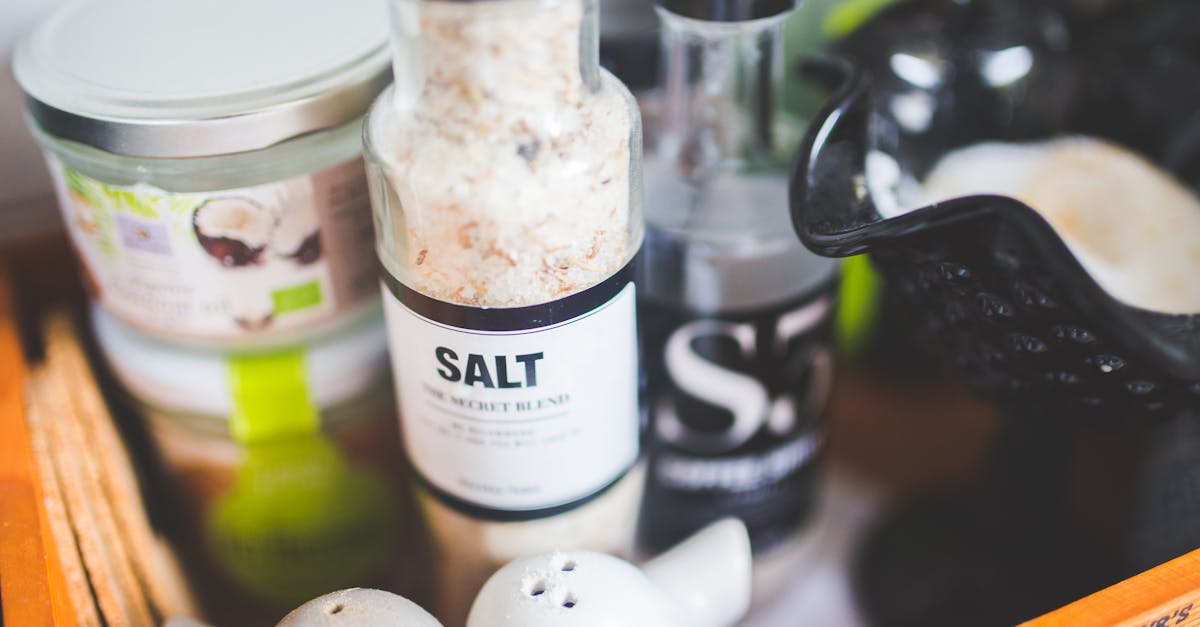
Condiment containers that are clogged or rusted show that they are rarely emptied and cleaned. Moisture gets trapped inside these shakers and promotes bacterial growth if they are just topped off repeatedly. This small detail reflects a lack of preventative maintenance in the dining room. Clean and free-flowing condiments are a sign of a well-managed front of house.
No Soap in the Restroom

The absence of soap in the dispensers is a critical health violation that impacts everyone in the building. Staff members cannot wash their hands effectively without soap which puts every diner at risk. This is a basic supply that should be checked hourly by the management team. A restaurant that runs out of soap is failing at the most elementary level of hygiene.
Reviews Solicited Before the Meal

A host or server asking for a five-star review before you have even eaten suggests the ratings may be manipulated. Establishments that focus on their online score more than the actual experience often have something to hide. Authentic reviews come naturally from satisfied customers without pressure from the staff. This desperation often correlates with mediocre food and service.
Carpet in the Dining Room

Carpeting in a restaurant dining area traps food spills and moisture that are nearly impossible to fully remove. This flooring material harbors odors and bacteria that accumulate over years of high traffic. Hard surfaces like wood or tile are much easier to sanitize and maintain. Old restaurant carpet often contributes to a musty smell that permeates the room.
Faded Photos of Food

Sun-bleached pictures of food taped to the window or menu indicate the marketing has not been updated in years. The actual dishes rarely resemble these old photographs which sets up false expectations. This lack of care for the visual presentation suggests the owner is not investing in the business. It signals a decline in standards and a lack of pride in the current menu offerings.
Sick Employees

Servers or kitchen staff who are visibly coughing or sneezing pose a direct threat to public health. Management forces sick employees to work when they prioritize staffing levels over customer safety. Food acts as a vector for viruses when handled by infected individuals. You should leave immediately if you see ill staff handling plates or utensils.
Generic Cardboard Boxes Visible

Seeing generic bulk supply boxes stacked in the hallway or dining room suggests a reliance on processed industrial food. High-quality restaurants typically store their inventory out of sight in organized pantries. Visible clutter indicates a lack of storage space or poor organizational skills by the management. It destroys the ambiance and hints at a chaotic back-of-house operation.
Flickering Fluorescent Lights

Poorly maintained lighting fixtures that buzz or flicker create an uncomfortable and institutional atmosphere. This neglect of the physical infrastructure often mirrors the neglect of kitchen equipment. Changing a lightbulb is a simple task and failing to do so shows laziness. It suggests the owners are cutting costs on maintenance wherever possible.
Lipstick on “Clean” Glasses

Finding lipstick marks on the rim of your glass means it was not washed or inspected properly. This is a clear sign that the dishwasher temperature is too low or the staff is rushing the cleaning process. It is physically repulsive and confirms you are drinking from a dirty vessel. This visual cue acts as a litmus test for the overall dishwashing standards.
Warm Sushi
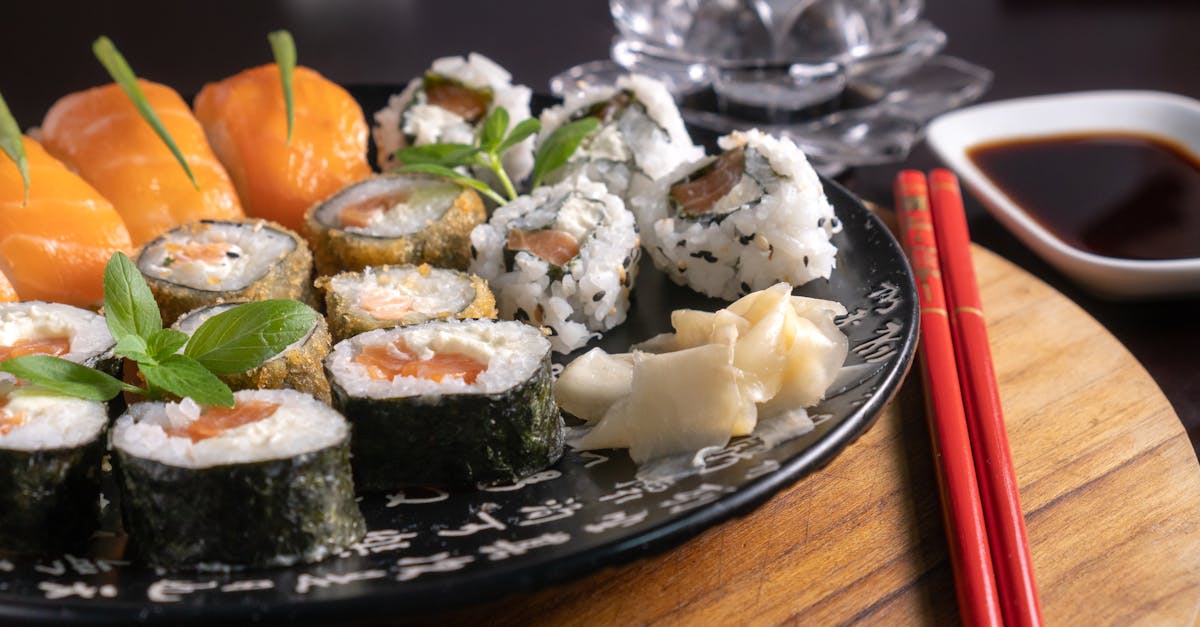
Raw fish must be served at specific cold temperatures to remain safe and maintain its texture. Sushi that arrives at room temperature or feels warm suggests improper storage or handling. This temperature abuse allows bacteria to multiply rapidly on the raw ingredients. Eating warm raw fish is a significant health risk that should be avoided entirely.
A “Broken” Credit Card Machine

A sudden claim that the card machine is broken often indicates the restaurant is trying to avoid declaring income or paying fees. While technical issues do happen a cash-only policy without prior warning is suspicious. It inconveniences the guest and can lead to awkward situations at the end of the meal. Legitimate businesses usually have backup systems or clear signage regarding payment methods.
Overly Sweet Cocktails

Drinks loaded with sugar and cheap mixers are often used to mask the taste of low-quality alcohol. A bartender who relies on heavy syrups is likely trying to hide the lack of balance in the drink. This approach saves money on ingredients but results in a subpar beverage experience. Quality cocktails rely on fresh ingredients and proper proportions rather than excessive sweetness.
Chewing Gum Under the Table

Running your hand under the table and finding hardened gum reveals that the furniture is rarely deep cleaned. This area is often overlooked by staff but speaks volumes about the thoroughness of the cleaning crew. It shows that the restaurant only cleans what is immediately visible at eye level. Detailed sanitation includes scrubbing the underside of surfaces where customers sit.
The Manager Is Drinking at the Bar

Seeing the owner or manager consuming alcohol while on duty blurs the line between work and leisure. This behavior often leads to a lack of supervision and a decline in service standards as the night progresses. Professional leadership requires sobriety and focus to handle issues that arise during service. It sets a poor example for the staff and creates an unprofessional atmosphere.
Ignoring Dietary Restrictions
If a server dismisses or mocks a request regarding allergies or dietary needs it shows a lack of safety awareness. Kitchens must take these requests seriously to prevent severe medical emergencies for their guests. A cavalier attitude toward ingredients suggests the kitchen does not track cross-contamination. Your health depends on the staff’s willingness to accommodate safety requirements.
Music Too Loud to Talk
Music volume that prevents comfortable conversation is often used to turn tables faster by making diners eat quickly. This tactic creates a stressful environment rather than a relaxing dining experience. It suggests the restaurant prioritizes volume of sales over the comfort of the guest. Extreme noise levels can also mask the sounds of a chaotic or unprofessional kitchen.
Crumbs on the Chairs
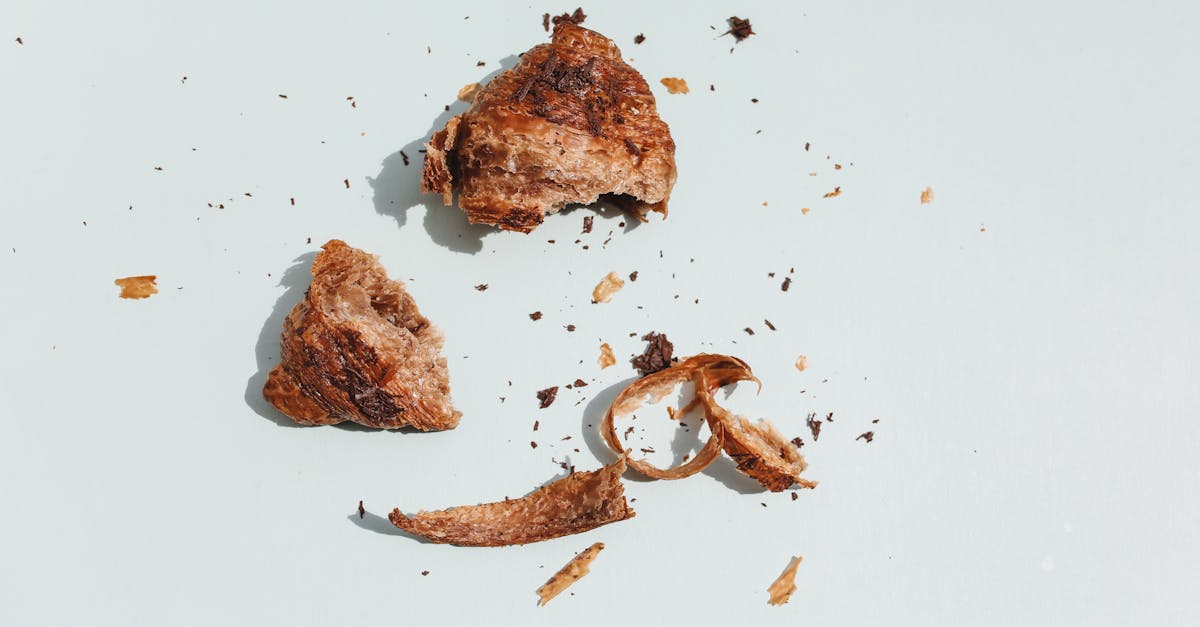
Finding crumbs or debris on your seat means the staff did not wipe down the chair when they cleared the table. This oversight transfers food waste onto your clothing and shows a lack of consideration. Chairs require the same attention as tabletops during the turnover process. It is a simple step that is frequently missed in sloppy establishments.
Uncovered Food in the Kitchen

If you can see into the kitchen and spot uncovered containers of food it indicates a violation of safety codes. Ingredients left open to the air are susceptible to contamination from dust and pests. Proper storage requires lids and labels on all products to ensure freshness. This visual confirms that the kitchen staff is cutting corners on food safety.
Using a Microwave Frequently

The constant sound of a microwave dinging suggests the food is being reheated rather than cooked fresh. While some items require microwaving a reliance on it for main courses implies low quality. You are paying restaurant prices for a meal that you could likely heat up at home. Freshly prepared food rarely requires the extensive use of a microwave.
Condiment Bottles That Are Sticky
Ketchup or mustard bottles that stick to your hands have not been wiped down during the shift. These high-touch objects transfer bacteria between every table that uses them. A sticky bottle is a sign that the front of house staff is not sanitizing common items. It is an unpleasant tactile experience that signals poor hygiene practices.
Wait Staff on Their Phones

Servers huddled together looking at their phones instead of the dining room indicates a lack of management supervision. This behavior leads to missed orders and empty water glasses for the paying customers. It creates an atmosphere where the guest feels like an interruption to the staff’s personal time. attentive service requires the staff to be present and observant.
Water That Tastes Like Chlorine

Tap water that smells or tastes heavily of chemicals suggests the restaurant does not use a filtration system. While the water may be safe to drink it ruins the palate for the meal ahead. Investing in water filtration is a standard practice for restaurants that care about flavor. It shows a lack of attention to the most basic element of the meal.
Dirty Vents and Ceiling Tiles

Dust bunnies hanging from air vents or stained ceiling tiles above your table are falling hazards for your food. These areas accumulate grime over time and require periodic maintenance to stay clean. Debris falling from the ceiling is a direct contamination risk for your meal. Neglecting the ceiling suggests the cleaning schedule is superficial at best.
Long Wait Times in an Empty Restaurant

Waiting a long time for food when the restaurant is empty suggests the kitchen is disorganized or understaffed. It may also mean the cook has to defrost ingredients or heat up the equipment from a cold start. Efficiency should be higher when there is less pressure on the kitchen team. Unexplained delays in a quiet room are a sign of operational incompetence.
Frozen Seafood in a Coastal Town

Ordering seafood in a coastal area and receiving frozen product is a major culinary red flag. Restaurants near the water should leverage local supply chains to provide fresh options. Using frozen goods in this context suggests cost-cutting or a lazy procurement strategy. It defeats the purpose of dining in a location known for its specific ingredients.
Piles of Trash Near the Back Door

Overflowing dumpsters or loose trash bags near the rear entrance attract vermin and create bad odors. This external mess often reflects the internal state of the waste management protocols. It signals that the restaurant produces more waste than it can handle or neglects the exterior. A clean perimeter is just as important as a clean dining room.
Handwritten Prices on the Menu

Prices that have been scribbled over or changed with a pen indicate rapid inflation or poor planning. This look is unprofessional and suggests the restaurant is struggling to manage its costs. It can also lead to confusion when the bill arrives if the handwriting is unclear. A professional establishment prints new menus when pricing structures change.
Share your own experiences with restaurant red flags in the comments.