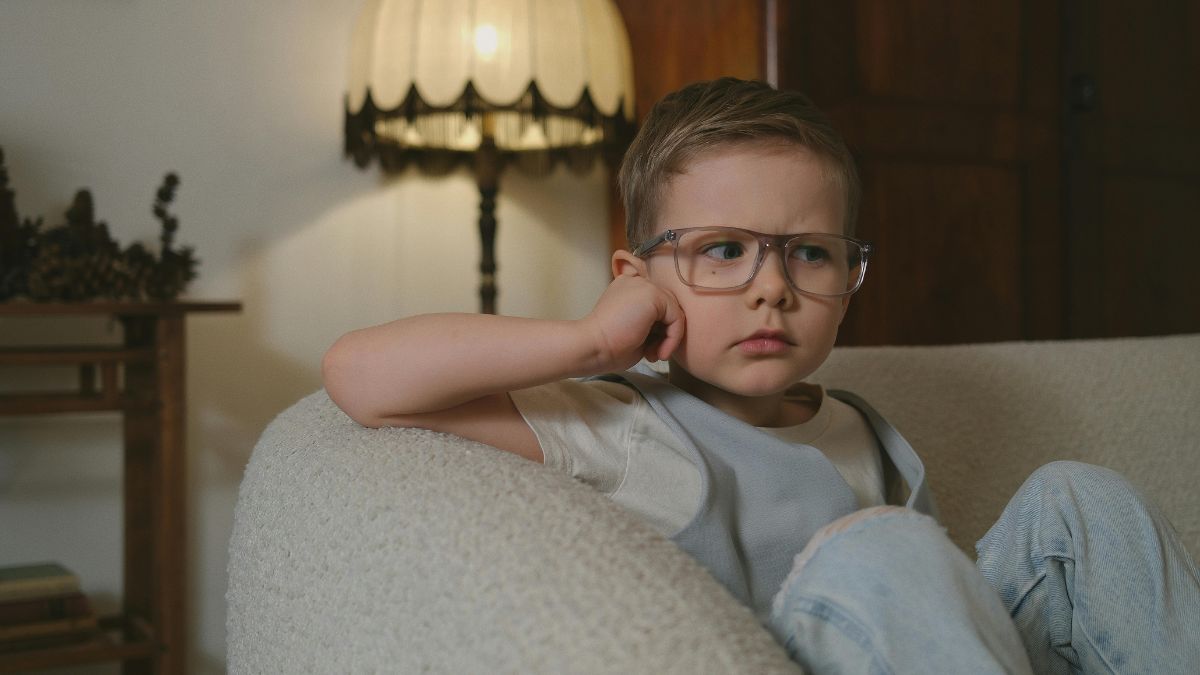
Clinical child psychologist Ross W. Greene, who has spent more than forty years working with children and families and has supported over a thousand kids, believes that growing up now presents unprecedented challenges. He points to alarmingly high levels of depression, anxiety, and ongoing school absences as clear evidence that the current system is failing many young people. These struggles stem from genuine difficulties rather than simple misbehavior or lack of discipline. Greene stresses that kids are not being defiant on purpose but are reacting to overwhelming pressures in their environment.
Several major societal shifts have combined to make life tougher for children compared to past generations. School violence has become a constant reality, fostering persistent fear among students, educators, and families alike. High-stakes standardized testing demands that every child meets identical benchmarks, overlooking vast differences in individual development and progress. Smartphones and social media expose kids to distracting influences at school and, more harmfully, to the darkest corners of the internet at far younger ages than before. A severe lack of mental health professionals leaves many children waiting weeks or even months in emergency rooms during crises without adequate support. Deep political divisions, unmatched since the Civil War era, filter down into daily life and add to the stress young people experience.
Greene explains that punishments and rewards fail to address these root issues effectively. While they might offer short-term motivation, they do nothing to ease depression, anxiety, troubling actions, thoughts of self-harm, or repeated truancy. Children who face the most serious challenges have often endured more punishment than most adults ever will, and piling on more tends to make things worse rather than better. Power-based methods built on control frequently backfire, damaging trust and escalating problems instead of solving them. Greene draws on decades of hands-on experience to show that persisting with ineffective tactics helps no one.
Instead of relying on consequences, Greene advocates for a collaborative and proactive mindset that views mental health struggles as solvable problems in living. Parents can make a real difference by tackling everyday concerns such as conflicts with peers, feelings of isolation, academic hurdles, or family disagreements about screen time, sleep, and nutrition. The key lies in involving children in finding solutions together, since they are far more likely to follow through when they help create the plan. Listening actively to what bothers them opens better communication and strengthens relationships. Adults should assume kids generally want to do well and simply need understanding partners to guide them.
Being proactive means anticipating predictable issues and addressing them before they spiral out of control. Focusing on the underlying causes rather than just the surface behavior allows for more honest conversations. Greene reminds parents that children often say adults do not truly listen, while grown-ups feel kids refuse to open up. Shifting to this partnership approach builds skills in problem-solving and fosters mutual respect. Even when larger societal forces feel out of reach, small, consistent changes at home can create meaningful improvement.
What do you think about these ideas for supporting kids through today’s challenges? Share your thoughts in the comments.