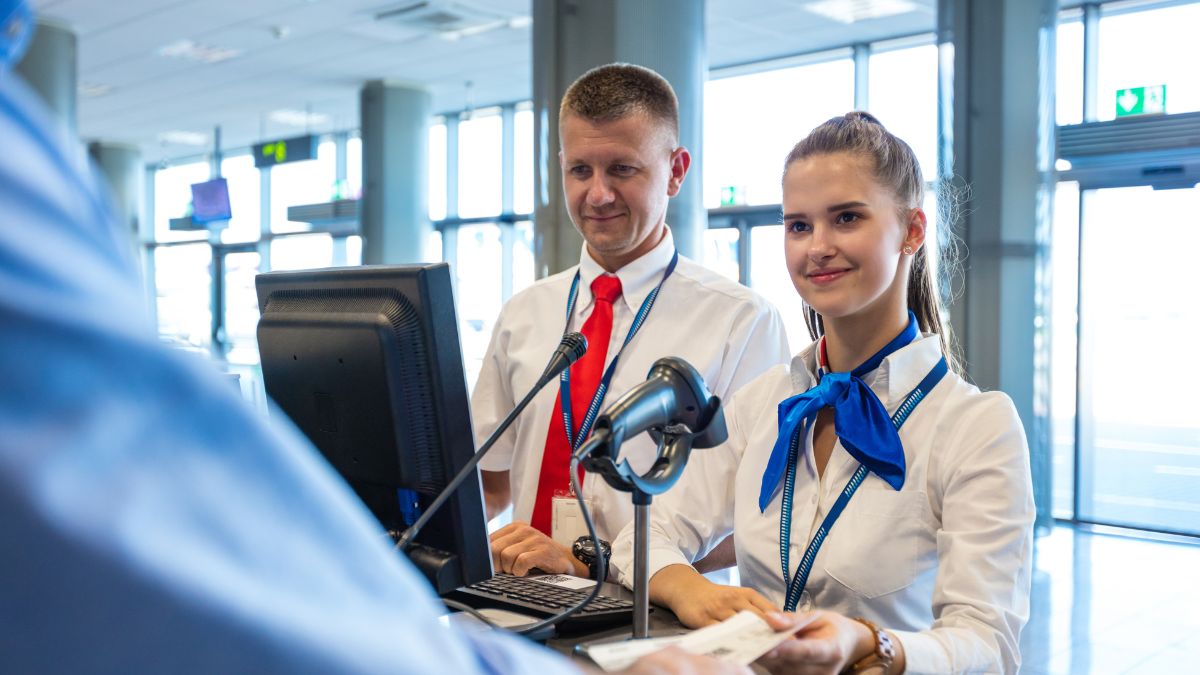
Airlines have perfected the art of selling more seats than physically exist on any given aircraft, turning passenger displacement into a calculated revenue strategy. The practice is legal in most countries and governed by complex algorithms that airlines have refined over decades of data collection. What feels like an unfortunate coincidence to a stranded traveler is almost always the result of deliberate corporate policy. Understanding the specific mechanics behind these strategies gives passengers the knowledge they need to protect themselves before they ever reach the gate.
Yield Management
Airlines use sophisticated yield management software that calculates the precise number of seats to oversell on every single flight. These systems analyze years of historical data including cancellation rates, no-show patterns, and last-minute booking behavior for specific routes and travel periods. The algorithm is designed to maximize revenue by ensuring every seat generates income even when the mathematics of overselling occasionally produces a displaced passenger. The software is updated continuously in real time as booking patterns shift in the days and hours before departure. Passengers are essentially competing against a machine that has been optimized entirely in the airline’s financial interest.
No-Show Modeling
Airlines maintain detailed statistical models predicting exactly how many passengers on any given flight will fail to appear at the gate. These models are broken down by route, season, day of the week, and even time of departure to produce highly accurate no-show probability scores. Business routes during holiday periods are oversold at dramatically different rates than leisure routes on peak travel days because the data justifies it. When the model underestimates passenger attendance the result is a gate with more confirmed ticket holders than available seats. The passenger who gets bumped is not the victim of an error but of a calculation that simply did not work out in their favor that day.
Basic Economy Traps
Basic economy fare structures are deliberately designed to create a class of passengers who are easier to displace without significant financial or legal consequence. These tickets typically come with the most restrictive terms, the lowest compensation entitlements, and the least flexibility in rebooking options when a passenger is involuntarily denied boarding. Airlines prioritize bumping basic economy ticket holders first because the compensation obligations attached to those fares are substantially lower than those tied to standard or premium economy purchases. The price difference that attracted the passenger to the cheaper fare is partially subsidized by that passenger’s reduced boarding priority. Many travelers purchasing basic economy fares are unaware of their diminished standing in the boarding priority hierarchy.
Loyalty Tier Manipulation
Frequent flyer tier status is one of the primary sorting mechanisms airlines use to determine which passengers get seats and which ones get vouchers. Elite status members at the highest tiers are almost never involuntarily bumped because the reputational and financial cost of alienating a high-value repeat customer outweighs the benefit of the oversold seat revenue. Mid-tier and unaffiliated passengers absorb the displacement risk that elite members are effectively insulated from. Airlines rarely disclose the full weighting of loyalty status in their denied boarding priority systems. The practical result is that occasional travelers without status carry a disproportionate share of the overbooking burden on any given flight.
Fare Class Coding
Every seat on an airline has a fare class code that determines not just pricing but boarding priority, rebooking eligibility, and compensation thresholds in the event of overbooking. Passengers who believe they have purchased the same seat for a similar price may actually occupy entirely different priority positions within the airline’s internal system. Lower fare class codes are systematically assigned lower boarding priority regardless of when the ticket was purchased or how long in advance the seat was selected. Airlines do not typically communicate fare class information to passengers in plain language during the booking process. This opacity ensures that travelers cannot easily calculate their own displacement risk before arriving at the airport.
Voluntary Bump Auctions
Airlines conduct what amounts to a reverse auction at the gate when an oversold flight is identified, soliciting volunteers to give up their seats in exchange for compensation. The process is structured to minimize the airline’s financial exposure by starting compensation offers at the lowest amount the market will bear in that moment. Gate agents are trained to create time pressure during the solicitation process which discourages passengers from negotiating or fully evaluating the offer before accepting. The compensation offered is frequently in the form of travel vouchers with expiration dates and blackout periods that significantly limit their practical value. Airlines that fill their volunteer quota early avoid the higher mandatory compensation thresholds that apply when passengers are involuntarily denied boarding.
Check-In Timing Exploitation
Passengers who check in close to the departure window are systematically flagged as higher displacement risks regardless of when they purchased their ticket or selected their seat. Airlines use check-in timestamp data as one of several factors in constructing the denied boarding priority list for oversold flights. A passenger who checked in 23 hours in advance of departure and one who checked in 45 minutes before the gate opens may hold identical fare classes yet occupy very different positions on the bump list. This policy is rarely communicated to passengers during the booking process or in pre-departure communications. Travelers who are unaware of this mechanism inadvertently increase their own displacement risk through ordinary behavior.
Seat Assignment Removal
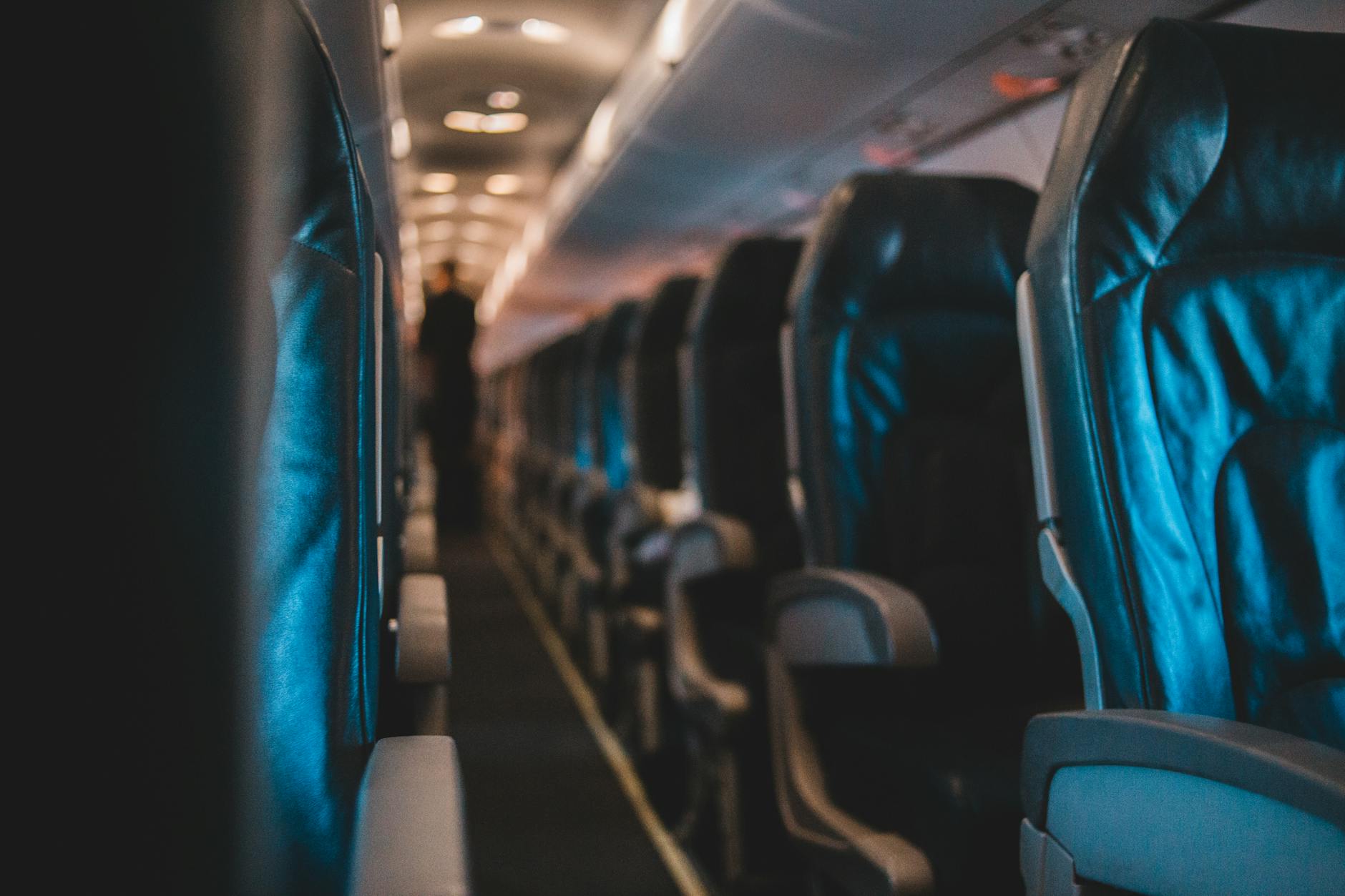
Airlines reserve the right to change or remove seat assignments at any point between booking and boarding, a power that is buried in the terms and conditions accepted at purchase. Removing a passenger’s pre-selected seat can be a precursor to displacement, signaling that the flight is oversold and that the passenger is being flagged for potential denied boarding. Passengers who discover at check-in that their seat has been unassigned are often already in a disadvantaged position within the airline’s internal priority system. The process is presented as an administrative change rather than a displacement signal which prevents passengers from taking early protective action. Airlines are not required to notify passengers that a seat reassignment is connected to an overbooking situation.
Codeshare Confusion
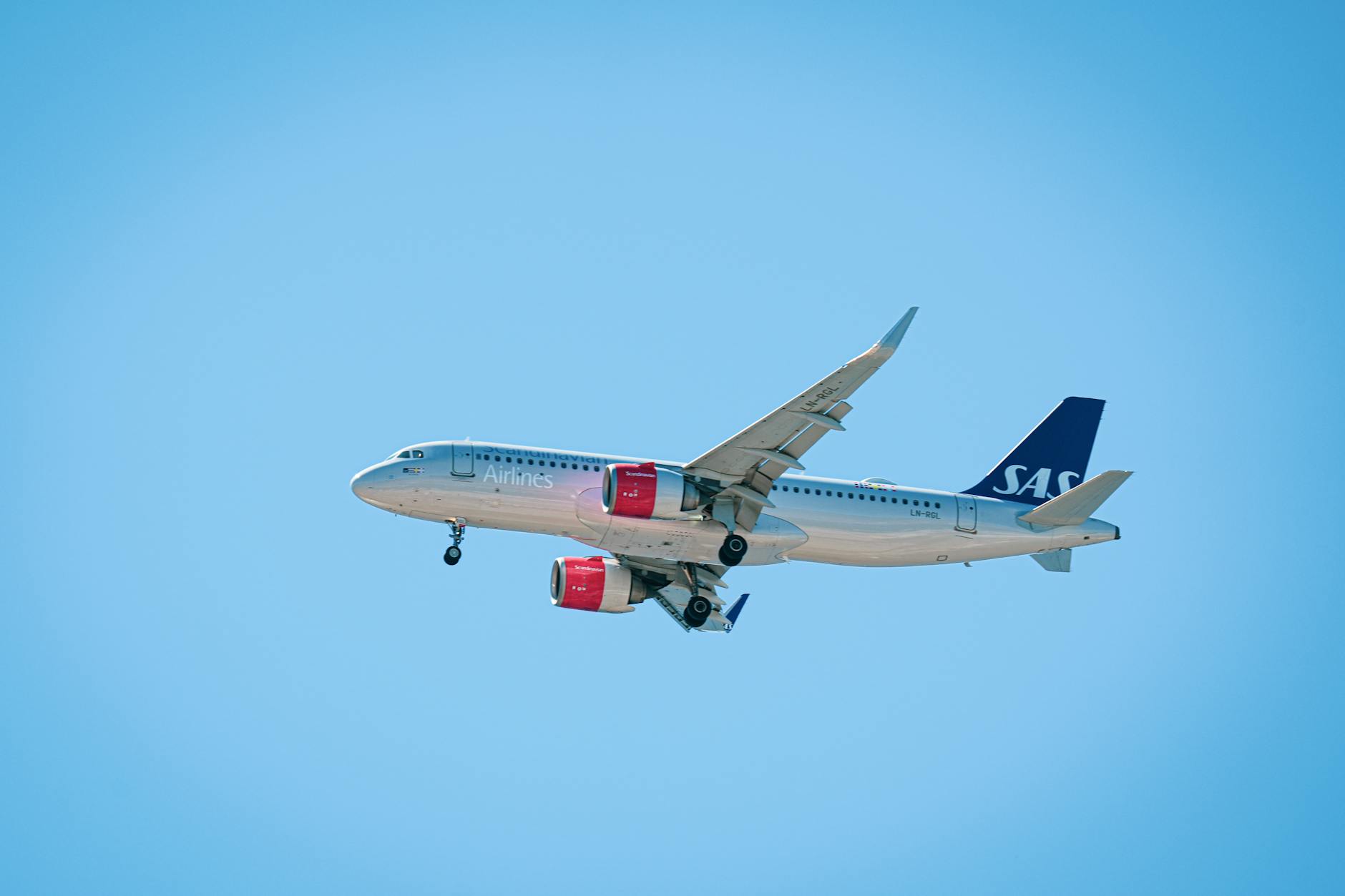
Codeshare flights operated by one airline but sold under the flight number of a partner carrier create a confusion layer that complicates passenger rights in overbooking situations. When a passenger purchases what appears to be a ticket on one airline and is actually traveling on a partner carrier’s aircraft, the compensation obligations and priority rules may differ significantly from expectations. Airlines exploit the complexity of codeshare arrangements to obscure which carrier bears legal responsibility for denied boarding compensation. Passengers stranded on codeshare flights frequently receive conflicting information from representatives of both carriers before any resolution is reached. The regulatory framework governing codeshare overbooking compensation is significantly less transparent than for direct carrier bookings.
Phantom Availability
Airlines occasionally display seat availability during the booking process that does not correspond to seats that can realistically be guaranteed at the time of travel. Revenue management systems are designed to maximize booking conversion rates by presenting optimistic availability windows rather than conservative ones. A passenger booking a flight several weeks in advance may be purchasing a seat on an aircraft that the airline’s own modeling already anticipates will be oversold by multiple passengers on departure day. The booking confirmation creates a legal expectation in the passenger’s mind that the airline’s internal systems treat as a probabilistic commitment rather than an absolute guarantee. The gap between perceived and actual seat security begins at the moment of purchase rather than at the gate.
Upgrade Bait
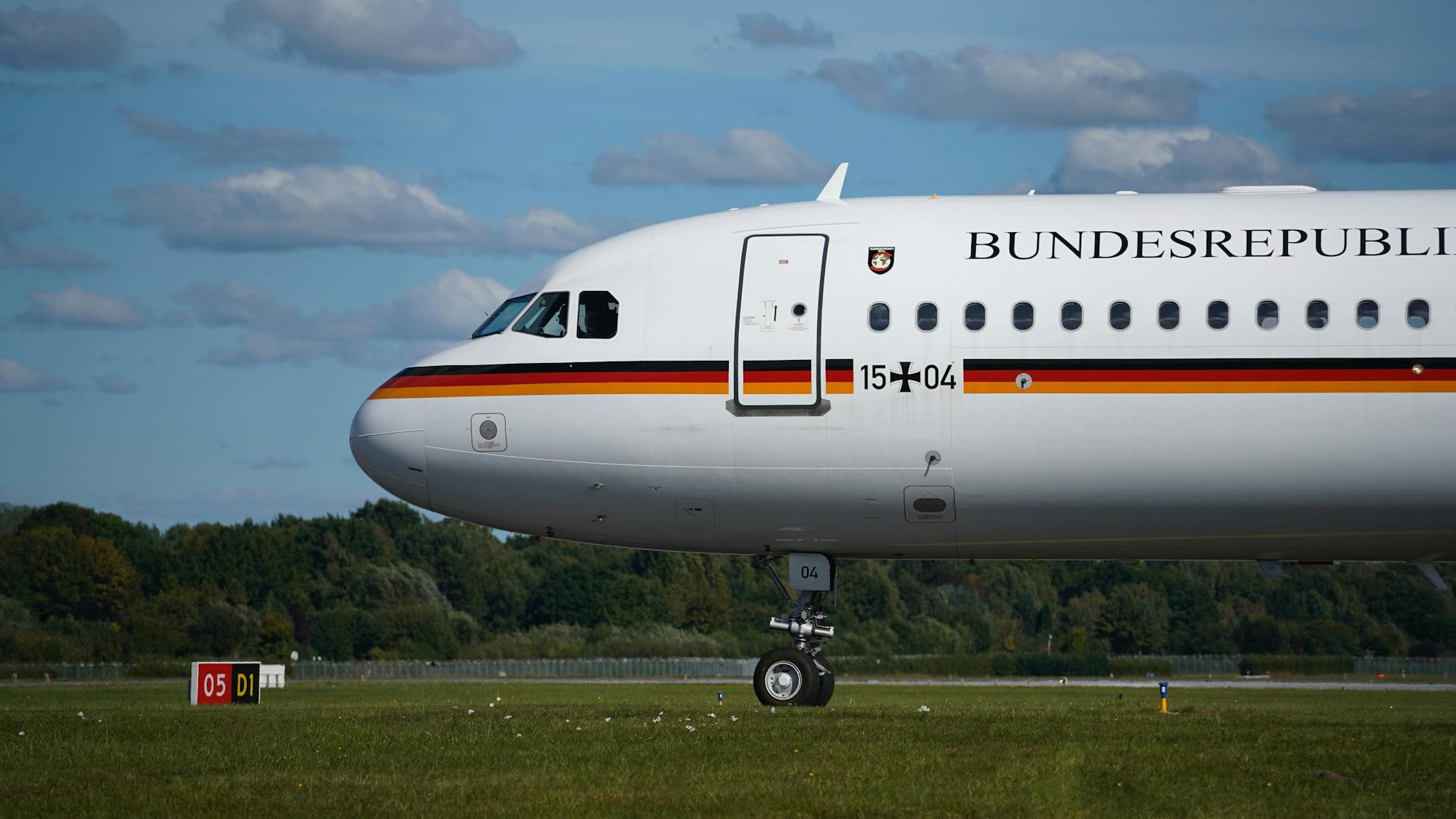
Complimentary upgrade offers extended to passengers in the gate area are sometimes used strategically to move travelers out of economy cabin seats that the airline needs to free up for oversold configurations. A passenger who accepts a surprise upgrade from economy to business class may unknowingly be participating in the airline’s solution to an overbooking problem in the cabin they vacated. The upgrade feels like a reward but functions as a displacement mechanism that benefits the airline’s seat inventory management without triggering denied boarding compensation obligations. Airlines do not disclose the operational motivation behind complimentary gate upgrades when they are connected to overbooking resolution strategies. Passengers are understandably unlikely to question or decline an unexpected upgrade regardless of its underlying purpose.
Connection Buffer Abuse
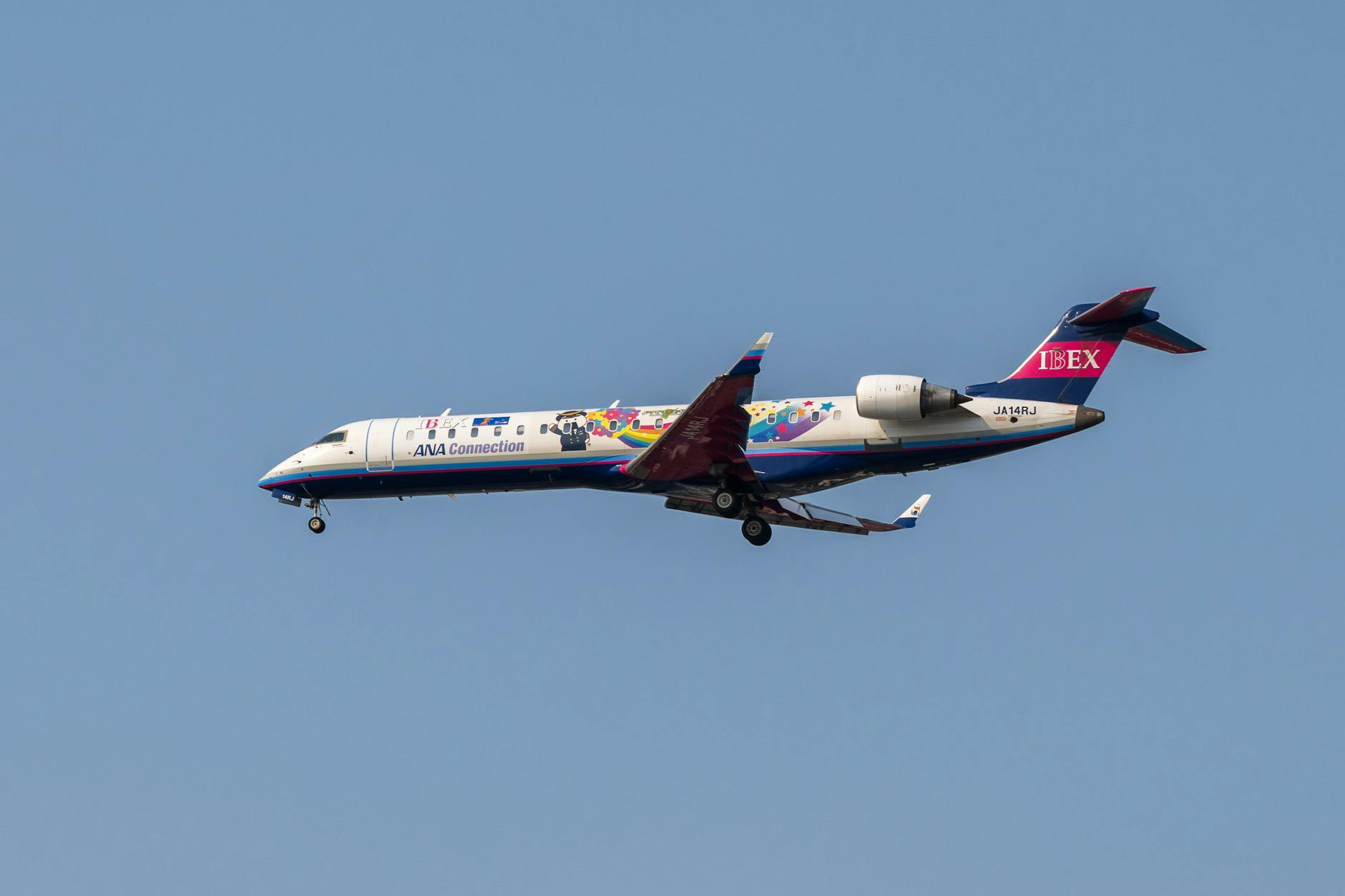
Passengers booked on connecting itineraries are statistically more likely to miss their second flight due to delays on the first leg, a fact that airlines incorporate directly into their overbooking calculations for popular connecting routes. Airlines deliberately oversell connecting flight segments at higher rates than nonstop routes because the no-show probability for connecting passengers is measurably elevated by the variables of the inbound journey. A passenger who misses a connection due to an airline-caused delay may arrive at a gate to find their reserved seat has already been assigned to another traveler. The airline’s overbooking model and its operational delay patterns create a self-reinforcing cycle that produces stranded connecting passengers at predictable rates. Compensation rights in these situations vary significantly depending on whether the missed connection was caused by the same carrier or a separate operating airline.
Seasonal Surge Timing
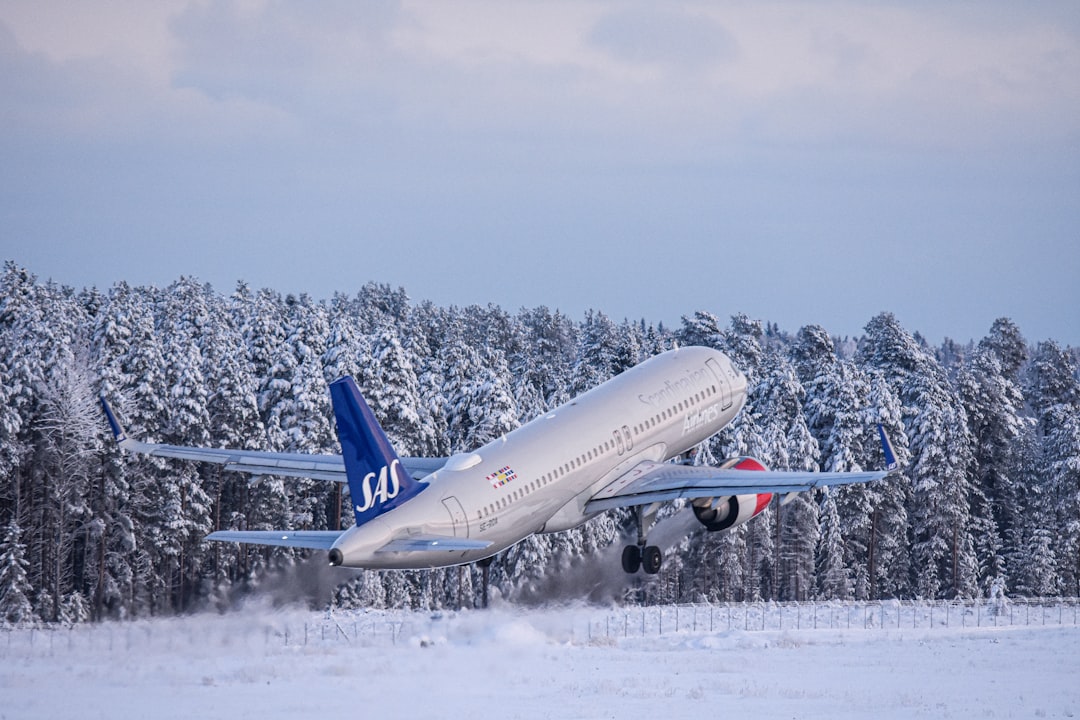
Airlines deliberately calibrate their highest overbooking rates to coincide with peak travel periods when passengers are least likely to volunteer for denied boarding and have the fewest alternative routing options. Holiday travel windows represent the highest-risk overbooking environments for passengers precisely because the airline’s models indicate that full passenger attendance is near certain on those flights. The scarcity of alternative flights during peak periods means that displaced passengers face longer waits and more disruptive itinerary changes than at any other time of year. Airlines accept this passenger experience outcome because the revenue generated by peak season overbooking strategies justifies the compensation expenses incurred. The passengers most likely to be stranded during holidays are those traveling on the most restrictive ticket types purchased to manage holiday travel budgets.
Rebooking Illusions
When passengers are denied boarding they are typically presented with rebooking options by gate agents in ways that obscure the full range of alternatives and compensation entitlements available under airline and regulatory policy. The options presented first are almost always those most convenient for the airline’s scheduling needs rather than those most beneficial to the displaced passenger. Agents are trained to move quickly through the resolution process in a high-pressure gate environment where passengers are emotionally distressed and time-pressured. Passengers who are unaware of their specific regulatory rights in denied boarding situations accept less favorable resolutions than those who request the full written statement of rights before signing any agreement. The information asymmetry between airline staff and displaced passengers is not accidental but is a structural feature of gate overbooking resolution procedures.
Travel Agent Exclusion
Tickets purchased through third-party travel agents or online booking platforms are sometimes assigned lower boarding priority than tickets purchased directly through the airline’s own channels. Airlines favor direct booking relationships because they capture more complete passenger data and retain higher profit margins on direct sales. A passenger who booked through a third-party platform and a passenger who booked directly on the airline’s website may hold what appear to be identical tickets with materially different displacement risk profiles. The priority differentiation between direct and indirect bookings is not disclosed at the time of purchase through third-party channels. Airlines have a financial incentive to use overbooking resolution as an indirect mechanism for discouraging platform-mediated booking behavior.
Volunteer Guilt Framing
Gate agents managing oversold flights are trained to frame voluntary bump requests in ways that appeal to passenger goodwill and community sentiment rather than presenting the request as the commercial transaction it actually is. Phrases emphasizing fellow travelers in need or families trying to get home are deployed to encourage volunteering without triggering the financial negotiation that passengers are legally entitled to initiate. The emotional framing of the request is designed to produce faster volunteer responses at lower compensation offers than a purely transactional solicitation would generate. Passengers who respond to emotional appeals before asking specific questions about compensation value and rebooking guarantees routinely accept inferior outcomes. The asymmetry of information and emotional tone at the gate is a deliberate feature of airline overbooking resolution training programs.
App Notification Delays

Airlines control the timing of gate change and overbooking status notifications delivered through their mobile applications in ways that disadvantage passengers who might otherwise have time to take protective action. Delayed notifications about flight status changes, gate reassignments, or seat conflicts can prevent passengers from arriving at the gate early enough to secure their position in the boarding priority queue. The app notification infrastructure gives airlines granular control over what information reaches passengers and when it reaches them during the pre-departure window. Passengers who rely exclusively on airline app notifications for real-time flight status are operating with information the airline has filtered and timed on its own terms. Monitoring flight status through independent tracking applications provides travelers with a more unfiltered view of developing situations before they reach the gate.
Points Ticket Vulnerability
Passengers who redeem frequent flyer miles or loyalty points for award tickets are often assigned the lowest boarding priority of any category on an oversold flight. Award tickets are treated by airline revenue management systems as lower-value inventory because the seat was paid for with points rather than cash revenue. This means that a loyal customer who has accumulated miles through years of travel may paradoxically be the first person removed from an oversold flight. The terms and conditions attached to award ticket redemption typically disclose this reduced boarding priority in language that is rarely read or understood at the time of booking. Travelers using points for high-priority travel should specifically ask about boarding priority status at the time of redemption.
Overbooking on Upgrades
Airlines oversell premium cabin upgrades separately from economy cabin inventory, a practice that can result in passengers being downgraded from a business or first-class seat they paid a premium to secure. The upgrade overbooking calculation operates independently of the main cabin overbooking model and produces its own category of displaced passenger who expected a premium experience. Compensation for involuntary cabin downgrades is governed by a different set of regulations than denied boarding compensation and is typically far less generous relative to the price differential paid. Passengers who purchased direct business class tickets are generally better protected than those who reached the premium cabin through an upgrade purchase or redemption. The distinction is rarely explained to passengers at the time they are informed of a downgrade.
Same-Day Change Exploitation
Same-day flight change programs offered by airlines allow passengers to move to earlier or later departures for a reduced fee, a product that airlines use to actively thin the passenger load on chronically oversold routes. By encouraging passengers to voluntarily move flights through same-day change programs, airlines reduce their overbooking exposure without triggering denied boarding compensation obligations. The same-day change fee is structured to be low enough to encourage uptake but high enough to generate incremental revenue from passengers who would otherwise remain on the original oversold departure. Airlines promote same-day change availability most actively on routes and dates where their own models predict overbooking resolution challenges. Passengers who take same-day changes rarely realize they are participating in the airline’s overbooking management strategy.
International Regulation Gaps
Airlines exploit significant differences in overbooking compensation regulations between countries to minimize their financial exposure on international routes. Flights departing from jurisdictions with strong passenger protection laws carry higher mandatory compensation thresholds than those departing from countries with minimal regulatory oversight. Airlines routing connecting itineraries through international hubs in less regulated markets can shift the point of denied boarding to a jurisdiction where their compensation obligations are substantially lower. Passengers traveling on complex international itineraries are rarely aware of which country’s regulations apply to their specific denied boarding situation. Seeking clarity on applicable passenger rights regulations before traveling internationally on complex itineraries is a meaningful protective step that most travelers never take.
Last-Minute Fare Dumping

In the final hours before departure airlines sometimes release deeply discounted last-minute fares to fill remaining inventory on flights that their models indicate will have higher than expected no-show rates. When the no-show rate comes in lower than projected the late fare sales push the flight into oversold territory that was not anticipated in the original overbooking calculation. Passengers who purchased these last-minute discounted fares are then among the first candidates for denied boarding because their tickets carry the most restrictive terms and lowest compensation thresholds. The very price that made the last-minute fare attractive is a signal of the reduced boarding priority status attached to it. Airlines benefit from both the incremental revenue of last-minute sales and the operational flexibility that low-priority ticket holders provide in overbooking resolution scenarios.
Gate Closing Manipulation
Airlines maintain control over the precise moment a gate is officially closed, a determination that has significant consequences for passengers who arrive in the boarding area within what they believe is the required check-in window. Closing a gate slightly earlier than the posted boarding deadline allows airlines to classify late-arriving passengers as no-shows rather than denied boarding cases, which eliminates the compensation obligations that attach to involuntary displacement. The distinction between a passenger who missed a gate closing and one who was denied boarding is legally and financially significant but is rarely explained to the affected traveler at the moment it occurs. Gate agents have discretion in how they document passenger arrival timing relative to gate closing which creates an inherent accountability gap. Arriving at the gate well in advance of the posted boarding time is the single most effective individual protection against this particular mechanism.
Partner Airline Dumping
When an airline cannot resolve an overbooking situation on its own metal it sometimes transfers displaced passengers to partner carrier flights without fully disclosing the compensation rights that transfer with them. The rebooking onto a partner flight is presented as a solution to the overbooking problem but may involve a significantly longer delay, an inferior routing, or a reduction in the service class the passenger originally purchased. Airlines use partner network transfers to close overbooking incidents in their own operational records before the passenger has reached their destination or understood the full implications of the rebooking. Compensation entitlements do not always transfer cleanly between partner carriers, leaving passengers to pursue claims across multiple airlines with differing policies and contact procedures. Requesting complete written documentation of all compensation commitments before accepting any partner rebooking is the most effective protection against this practice.
Opaque Contract Language
The conditions of carriage documents that govern every airline ticket are deliberately written in legal language that is inaccessible to the average passenger and rarely reviewed before travel. These documents contain the precise terms under which airlines reserve the right to deny boarding, reassign seats, downgrade cabins, and modify itineraries without the passenger’s consent. The overbooking authorization that airlines operate under is embedded within these terms and conditions in ways that are technically disclosed but practically invisible to the traveler at the point of purchase. Regulatory bodies in most jurisdictions have required airlines to summarize key passenger rights in plain language but the full scope of overbooking authority remains buried in lengthy contract documents. Passengers who take the time to read and understand their carrier’s conditions of carriage before travel are materially better equipped to assert their rights when an overbooking situation arises.
If you have ever been bumped from a flight or witnessed these tactics firsthand, share your experience in the comments.