
Fast food has become a cornerstone of modern eating habits, yet the ingredients hiding beneath familiar flavors are far more complex than most people realize. Food scientists and manufacturers have spent decades refining formulas that do much more than simply taste good. Many of these compounds interact directly with hormones, gut bacteria, and neurological pathways in ways that researchers are only beginning to fully understand. The following ingredients are among the most physiologically active substances found across popular fast food chains today.
Phosphates

Phosphate additives are found in everything from processed chicken to fast food buns and act as preservatives and texture enhancers. When consumed in large quantities they interfere with the body’s ability to regulate calcium and phosphorus balance, which plays a direct role in bone density over time. Research has linked chronically elevated phosphate intake to accelerated cellular aging and increased cardiovascular strain. The kidneys bear a significant burden when processing excess phosphates, particularly in individuals who consume fast food multiple times per week. Most people have no idea this mineral compound is present in nearly every component of a typical fast food meal.
Tertiary Butylhydroquinone

Tertiary butylhydroquinone commonly known as TBHQ is a petroleum-derived preservative used to extend the shelf life of frying oils and packaged food items. Studies conducted on animal models have shown that prolonged exposure to this compound may affect immune cell behavior and alter the body’s response to certain allergens. It is found in products ranging from chicken nuggets to crackers and cookies sold at fast food counters. Regulatory bodies permit its use at low concentrations but many nutrition researchers argue that cumulative daily exposure across multiple products adds up significantly. Its molecular structure allows it to interact with cellular membranes in ways that are still being investigated.
Carrageenan

Carrageenan is a seaweed-derived thickener and emulsifier used in milkshakes, sauces, and dairy-based fast food products to improve texture and consistency. Despite its natural origin, degraded forms of this compound have been associated with gastrointestinal inflammation in numerous laboratory studies. It activates the same molecular pathway implicated in inflammatory bowel responses, which has raised concerns among gastroenterologists. The digestive tract processes carrageenan differently depending on an individual’s gut microbiome composition, meaning its effects are not uniform across all consumers. Regulatory debate around its safety has been ongoing for several decades without a definitive consensus.
Artificial Flavors

Artificial flavor compounds used in fast food are rarely single substances and instead represent complex chemical blends designed to mimic and intensify natural tastes. These blends can include dozens of individual molecules that interact with taste receptors and olfactory pathways simultaneously. Research has shown that certain artificial flavor chemicals can disrupt endocrine function by mimicking or blocking hormonal signals in the body. They are engineered to bypass the brain’s natural satiety cues, encouraging continued consumption beyond the point of physical fullness. The regulatory classification of these substances as generally safe is based on individual compound testing rather than the effect of the full proprietary blend.
Sodium Nitrite

Sodium nitrite is a curing agent and color fixative used in fast food items containing processed meats such as bacon, ham, and certain sausage-based products. When exposed to high heat during cooking it reacts with amino acids to form compounds called nitrosamines, several of which have been classified as probable carcinogens by major health organizations. It plays an important role in preventing bacterial growth including the bacteria responsible for botulism, which is why its use remains widespread across the meat processing industry. The compound also affects vascular function by interacting with hemoglobin and altering the way red blood cells carry oxygen. Individuals who consume cured meat products regularly are estimated to have meaningfully higher nitrosamine exposure than those who do not.
High Fructose Corn Syrup
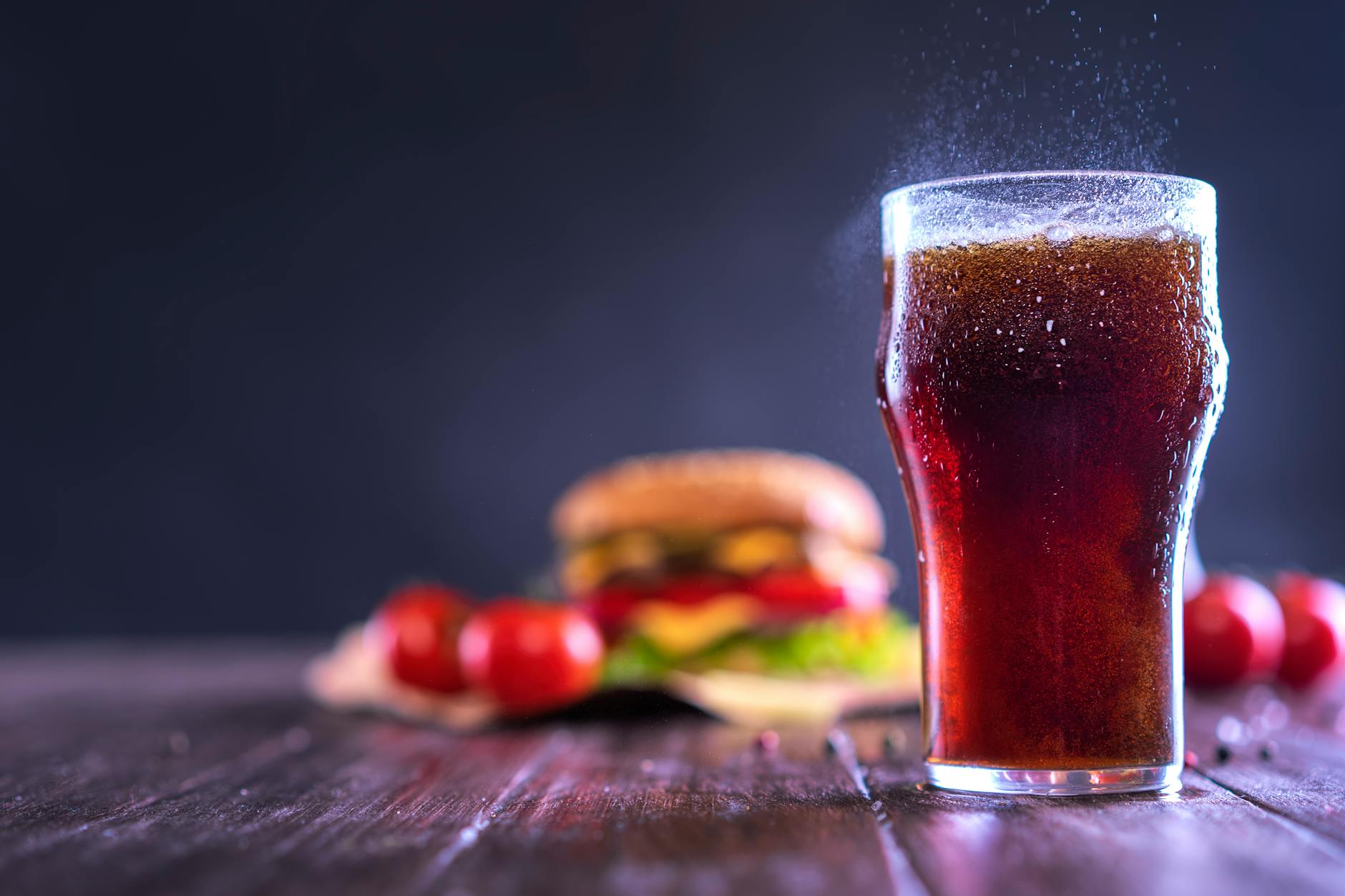
High fructose corn syrup is a liquid sweetener processed from corn starch and used extensively in fast food beverages, condiments, and baked goods. Unlike glucose, fructose is metabolized almost entirely by the liver, which under conditions of excess converts it into triglycerides and stores it as fat tissue. This metabolic pathway bypasses the normal hormonal responses that signal fullness and satisfaction to the brain, making overconsumption far easier than with other sugars. Elevated triglyceride levels resulting from regular high fructose corn syrup consumption are directly linked to increased risk of fatty liver disease and metabolic syndrome. Its low production cost has made it one of the most ubiquitous sweetening agents in the global fast food supply chain.
Monosodium Glutamate

Monosodium glutamate is a flavor enhancer derived from glutamic acid and used across a wide range of fast food products including fried chicken coatings, seasoned fries, and burger sauces. It stimulates glutamate receptors on the tongue to produce the sensation known as umami, which creates a deeply savory and satisfying taste profile that is difficult for the brain to ignore. Glutamate also functions as a neurotransmitter in the central nervous system and research has explored whether high dietary intake may influence neurological signaling pathways over time. Some individuals report sensitivity symptoms including headaches and nausea after consuming large amounts, though controlled studies have produced mixed results. Its ability to enhance palatability makes it one of the most strategically deployed ingredients in fast food flavor engineering.
Cellulose

Cellulose sourced from plant fiber is used as a filler, anti-caking agent, and fat substitute in numerous fast food products including shredded cheese toppings, sauces, and certain meat-based items. Because the human digestive system lacks the enzymes required to break it down, cellulose passes through largely intact and contributes no caloric value. In small amounts it functions similarly to dietary fiber and supports digestive transit, but in industrially processed quantities it displaces more nutritionally valuable ingredients. Some manufacturers use microcrystalline cellulose derived from wood pulp as a texture modifier in items marketed to health-conscious consumers. Its presence in food is rarely disclosed prominently on packaging, making it difficult for consumers to track their daily intake.
Dimethylpolysiloxane

Dimethylpolysiloxane is a silicone-based anti-foaming agent added to fast food frying oils to prevent spattering and extend the usable life of the oil during high-volume cooking. It is also found in certain condiments and sauces as an emulsifying and stabilizing compound. As a synthetic polymer it is not metabolized by the body in the conventional sense and is generally excreted without significant absorption. However, its presence in oil that is repeatedly heated to extreme temperatures raises questions among food scientists about potential degradation byproducts. Most regulatory agencies classify it as safe at permitted levels but long-term population-level research on regular consumers remains limited.
Xanthan Gum

Xanthan gum is a polysaccharide produced through bacterial fermentation and widely used in fast food sauces, dressings, and gluten-free menu items as a thickener and stabilizer. It is highly resistant to digestion and passes through the gastrointestinal tract largely intact, where it acts as a prebiotic fiber and influences the composition of gut bacteria. In individuals with sensitive digestive systems, high doses of xanthan gum can cause bloating, gas, and changes in bowel frequency. Its ability to dramatically alter the viscosity of liquids makes it one of the most effective and economical texture modifiers available to food manufacturers. The long-term effects of regular consumption on gut microbiome diversity are an active area of nutritional research.
Carnauba Wax

Carnauba wax derived from the leaves of a Brazilian palm tree is used as a glazing agent and coating on fast food dessert items, confections, and certain bun surfaces to create visual appeal and prevent moisture loss. It is one of the hardest natural waxes available and forms a protective film that slows oxidation and extends the visual shelf life of food products. While classified as safe by food authorities the digestive system does not process wax compounds efficiently and they are largely excreted unchanged. Its presence is often listed in fine print on ingredient labels under glazing agents or coating substances. Though the direct physiological impact of carnauba wax is considered minimal in isolation, it is frequently found alongside other synthetic coatings that collectively affect digestion.
Propylene Glycol

Propylene glycol is a synthetic organic compound used as a humectant and solvent in fast food items including certain bakery products, sauces, and flavoring systems to retain moisture and maintain texture during storage. It is also used as a carrier for artificial flavors, allowing volatile flavor compounds to be distributed evenly throughout a product. The liver metabolizes propylene glycol into lactic acid, and while this process is efficient under normal dietary exposure, excessive intake has been associated with metabolic acidosis in clinical case studies. Individuals with compromised kidney function are considered more vulnerable to propylene glycol accumulation than the general population. It appears across a surprisingly broad range of fast food products given how rarely it is discussed in mainstream nutritional conversations.
Acesulfame Potassium

Acesulfame potassium is an artificial sweetener approximately two hundred times sweeter than table sugar and used extensively in diet beverages and reduced-calorie fast food items. It passes through the body without being metabolized and contributes zero calories but research has suggested it may still elicit an insulin response in certain individuals despite providing no actual glucose. Some animal studies have raised questions about its potential to alter gut microbiota composition and affect metabolic signaling over extended periods of consumption. Its heat stability makes it a preferred sweetener in food products that undergo cooking or baking processes where other sweeteners might degrade. The compound is frequently blended with other artificial sweeteners to improve overall taste profile and mask bitter aftertastes.
Butylated Hydroxyanisole

Butylated hydroxyanisole known as BHA is a synthetic antioxidant used to prevent fat and oil rancidity in fast food products including potato chips, fried items, and packaged baked goods. It is fat-soluble and can accumulate in body tissue over time, which distinguishes it from water-soluble additives that are more readily excreted. The National Toxicology Program in the United States has listed BHA as reasonably anticipated to be a human carcinogen based on animal studies, though it remains approved for use in food within concentration limits. Its endocrine-disrupting potential has also been studied in relation to estrogen receptor activity, with some research indicating low-level hormonal interference. Consumer awareness of BHA remains low despite its presence across a significant portion of the fast food supply chain.
Caramel Color

Caramel color is one of the most widely used food colorings in the world and is found in fast food colas, gravies, sauces, and baked goods to produce a consistent brown appearance. It is manufactured through the controlled heating of sugar compounds with ammonia or sulfite compounds, and the ammonia-processed version known as Class IV caramel produces a byproduct called 4-methylimidazole. This compound has been classified as a possible human carcinogen by the International Agency for Research on Cancer based on animal inhalation studies. The concentrations found in individual servings of fast food beverages are considered low by regulatory standards but daily habitual consumption across multiple products compounds overall exposure. Despite the availability of natural coloring alternatives many manufacturers continue to use caramel color due to its low cost and color consistency.
Sodium Aluminum Phosphate

Sodium aluminum phosphate is a leavening agent used in fast food pancakes, waffles, biscuits, and other baked items to help dough rise consistently during high-volume production. It releases aluminum into food during baking, and aluminum is a neurotoxic metal that the human body has no known biological requirement for. While the digestive system absorbs only a fraction of dietary aluminum, cumulative intake from multiple processed food sources is a growing area of concern among neurological researchers. Studies have explored potential associations between elevated aluminum body burden and cognitive decline, though direct causal relationships in human populations remain under investigation. Its presence in breakfast-style fast food items means that consumers who frequent these options may encounter it multiple times throughout a single week.
Potassium Bromate

Potassium bromate is a flour-treating agent used by some fast food chains to strengthen dough and improve the rise and texture of burger buns and bread products. It has been banned in the European Union, Canada, the United Kingdom, and several other countries due to evidence suggesting carcinogenic properties identified in animal studies. In the United States it remains permitted but the Food and Drug Administration has encouraged bakers to voluntarily discontinue its use. When baking is complete, potassium bromate is ideally converted into non-harmful potassium bromide, but improper baking times and temperatures can leave residual bromate in the finished product. Consumer advocacy groups have repeatedly petitioned for a formal ban on this ingredient with limited regulatory response to date.
Hydrogenated Oils

Partially hydrogenated oils and fully hydrogenated fats are used in fast food frying systems, pastry coatings, and certain sandwich spreads to provide stability and a desirable texture at room temperature. The hydrogenation process rearranges the molecular structure of naturally occurring unsaturated fats into configurations that behave more like saturated fats in the body. Trans fats produced during partial hydrogenation have been directly linked to elevated low-density lipoprotein cholesterol levels and reduced high-density lipoprotein cholesterol, a combination associated with significantly increased cardiovascular disease risk. Regulatory action in several countries has reduced but not eliminated their presence in the fast food supply. Fully hydrogenated oils do not produce trans fats but introduce highly saturated fat profiles that carry their own cardiometabolic implications.
Disodium Inosinate

Disodium inosinate is a flavor enhancer often derived from meat or fish and used in fast food seasonings, seasoned coatings, and processed sauces to amplify umami taste alongside monosodium glutamate. When combined with glutamate compounds it produces a synergistic flavor intensification effect far greater than either ingredient achieves alone, which is why the two are frequently used together in fast food formulations. For individuals who follow vegetarian or vegan diets its animal-derived origin presents a transparency concern that is rarely addressed clearly on ingredient labels. High intake of inosinate compounds contributes to elevated purine levels in the body, which metabolize into uric acid and may exacerbate conditions such as gout in susceptible individuals. It is one of several nucleotide-based flavor enhancers that have become standard tools in the fast food flavor engineering toolkit.
Natural Flavors

The regulatory designation of natural flavors permits the use of flavor compounds derived from plant or animal sources through chemical or thermal processing, meaning the final substance can be highly refined and far removed from its original form. A single natural flavor listed on an ingredient panel may represent a blend of dozens of individual chemical compounds selected specifically to trigger palatability responses in the brain. Because manufacturers are not required to disclose the individual components within a natural flavor blend, consumers have no practical way to assess what they are actually ingesting. Some natural flavor compounds have been found to interact with hormone receptors and neurotransmitter systems in ways that influence appetite regulation. Their broad legal definition makes them one of the least transparent categories in fast food ingredient labeling.
Sodium Stearoyl Lactylate

Sodium stearoyl lactylate is an emulsifier and dough conditioner used in fast food buns, wraps, and fried batter coatings to improve texture, volume, and shelf stability. It works by strengthening gluten networks in dough and improving the interaction between fat and water components in processed food systems. As an emulsifier it belongs to a class of food additives that researchers have been examining in relation to gut barrier integrity and the composition of the intestinal microbiome. Animal studies have suggested that certain emulsifiers may promote low-grade intestinal inflammation by disrupting the protective mucus layer lining the gut wall. Human research in this area is still emerging but the volume of emulsifiers present collectively across a typical fast food meal is considerably higher than most consumers appreciate.
Polysorbate 80

Polysorbate 80 is a synthetic emulsifier derived from sorbitol and oleic acid and used in fast food ice cream products, sauces, and certain baked goods to improve texture and prevent ingredient separation. It has attracted scientific attention following studies suggesting it may degrade the gut mucus barrier and alter microbial populations in the intestinal tract in ways that promote inflammation. Research conducted on mice showed that regular consumption of polysorbate 80 at doses comparable to human dietary exposure led to increased intestinal permeability and metabolic syndrome markers. Its presence in products marketed as treats or premium offerings makes it a less expected ingredient for health-conscious consumers to encounter. Ongoing human clinical trials are examining its effects on gut microbiome composition and inflammatory biomarkers with results anticipated in coming years.
Modified Food Starch

Modified food starch is produced by chemically or physically altering the structure of natural starches derived from corn, wheat, potato, or tapioca to improve their performance as thickeners, stabilizers, and texture agents in fast food sauces, gravies, and coatings. The modification process can involve treatment with acids, alkalis, bleaching agents, or cross-linking chemicals depending on the functional properties required by the manufacturer. Because it is derived from multiple possible source materials the allergen status of modified food starch can be ambiguous, particularly for individuals with wheat or corn sensitivities. In the digestive system it behaves differently from unmodified starch and may be fermented by gut bacteria at different rates, influencing gas production and microbial balance. Its ubiquity across fast food menus means that virtually every meal category from breakfast items to desserts contains at least one product in which it features.
Azodicarbonamide
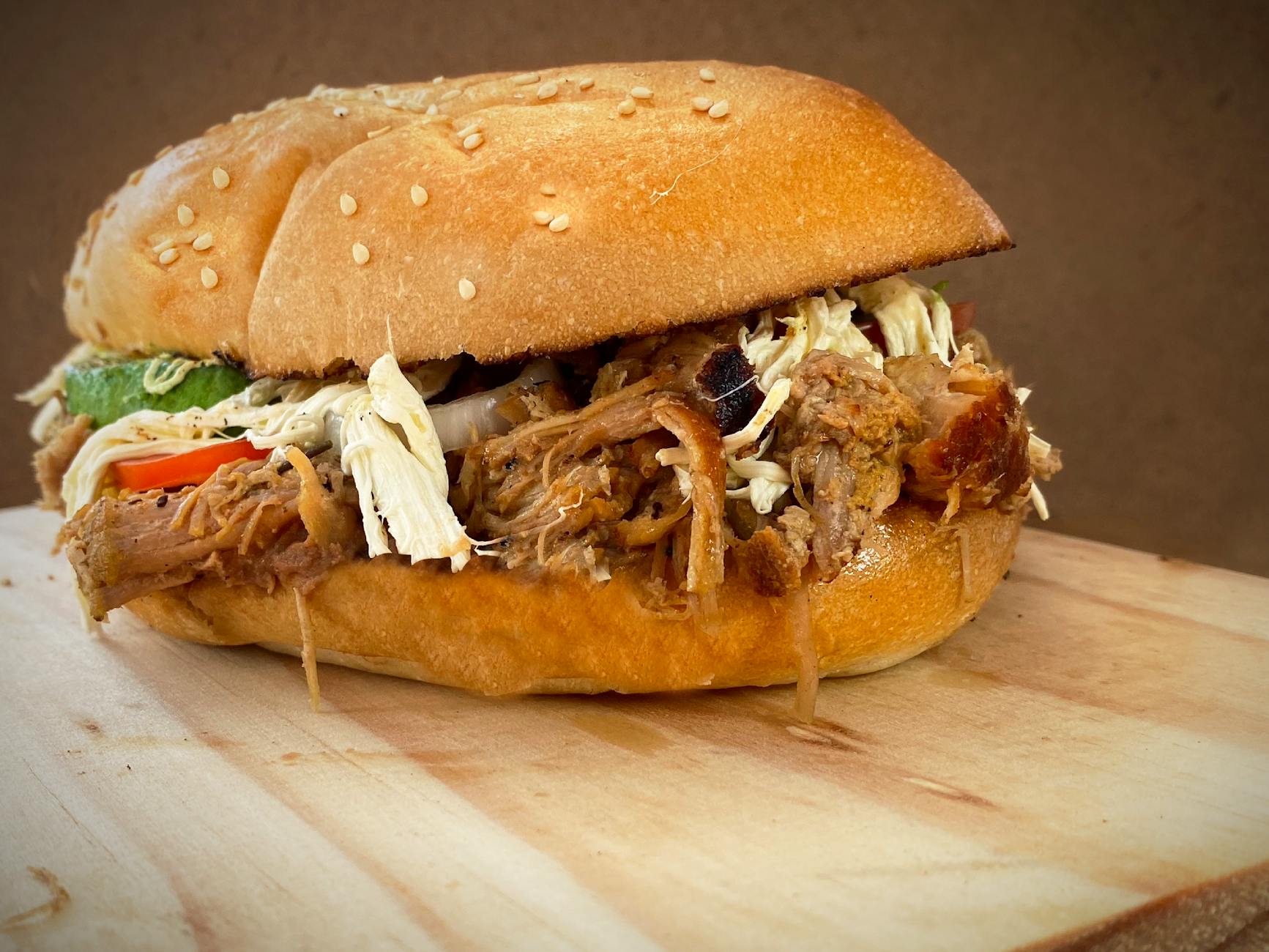
Azodicarbonamide is a chemical dough conditioner and bleaching agent used by a number of fast food chains in their sandwich buns and bread products to improve elasticity and reduce production time. It is banned as a food additive in the European Union and Australia where it is also regulated as a workplace chemical hazard in flour processing environments due to respiratory risks associated with inhalation. During baking it decomposes into compounds including semicarbazide and urethane, the latter of which is classified as a probable human carcinogen by the International Agency for Research on Cancer. Despite these regulatory concerns it remains approved for use in the United States within established concentration limits. Several fast food companies announced voluntary removal of azodicarbonamide from their recipes following consumer pressure campaigns, though its use has not been eliminated across the industry.
Calcium Propionate

Calcium propionate is an antimicrobial preservative added to fast food buns, wraps, and baked goods to inhibit the growth of mold and rope-forming bacteria and extend the usable shelf life of bread products in warm serving environments. When ingested it is metabolized into propionic acid, a short-chain fatty acid that also occurs naturally in certain fermented foods and is produced in small amounts by the human gut microbiome. Emerging research has identified a potential link between elevated propionic acid levels and neurological signaling, with some animal studies observing behavioral changes at high doses. A clinical study published in Science Translational Medicine found that propionic acid stimulated the liver to produce glucose and contributed to insulin resistance markers in human participants. The concentrations found in a single serving of fast food bread are considered low but cumulative daily exposure across multiple bread-containing items adds up in ways that ongoing nutritional research continues to monitor.
What fast food ingredient surprised you most? Share your thoughts in the comments.