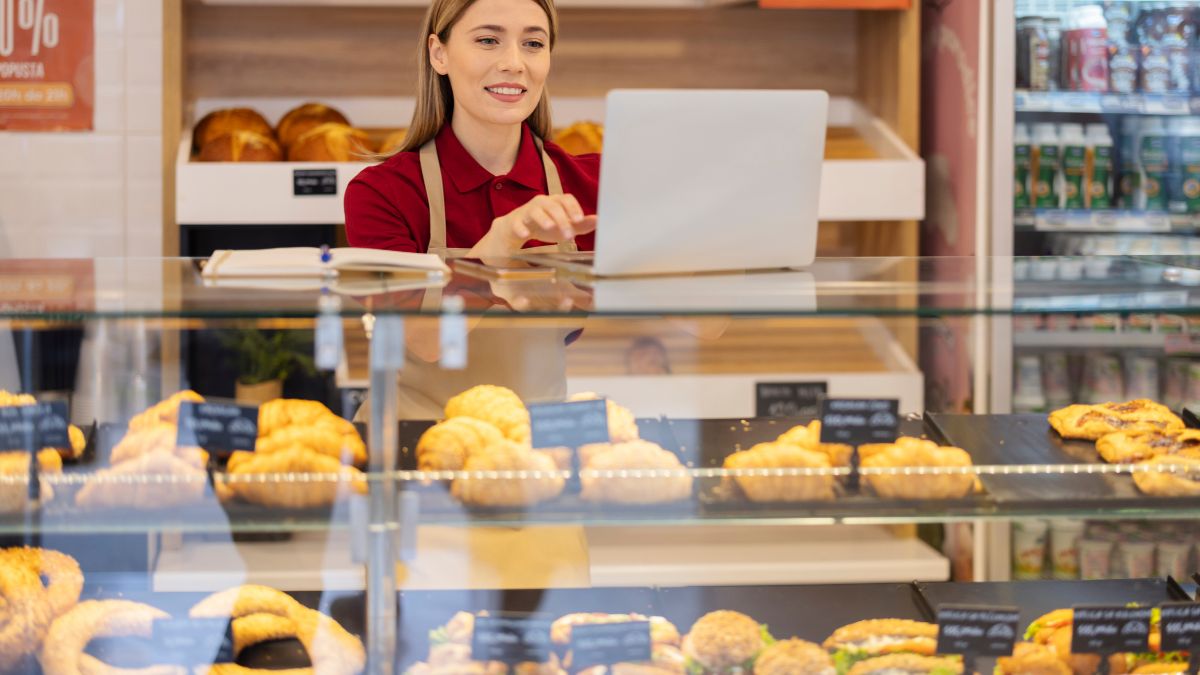
Walking into a bakery and inhaling the warm scent of fresh bread feels like one of life’s simple pleasures, but there is far more happening behind the counter than most customers ever realize. Bakers and bakery staff operate with a deep knowledge of their craft that rarely makes it into casual conversation. From the way dough is handled to the timing of each batch, the details that shape a perfect loaf are carefully guarded. Understanding what goes on behind the scenes changes the way bread lovers shop, store, and appreciate every slice.
Morning Baking
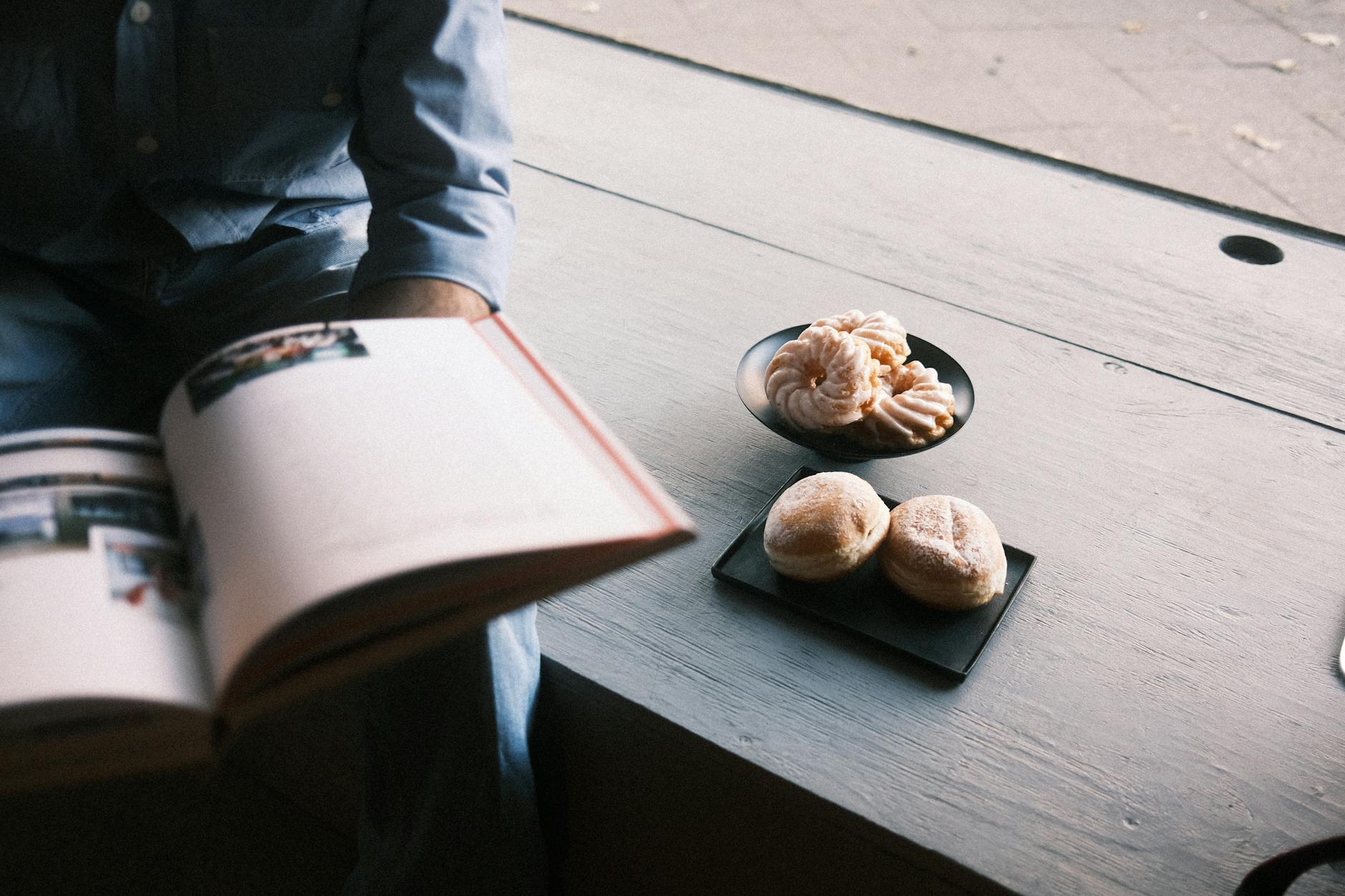
Most bakeries begin their baking process in the early hours of the morning, often starting between two and four in the morning. The bread available when doors open has typically been out of the oven for at least an hour by the time the first customer walks in. This resting period is essential for the crumb structure to set properly and for the loaf to reach its ideal texture. Cutting into bread too soon after baking can result in a gummy, dense interior that misrepresents the true quality of the product. Experienced bakers always allow adequate cooling time before a loaf is considered ready for sale.
Day-Old Bread
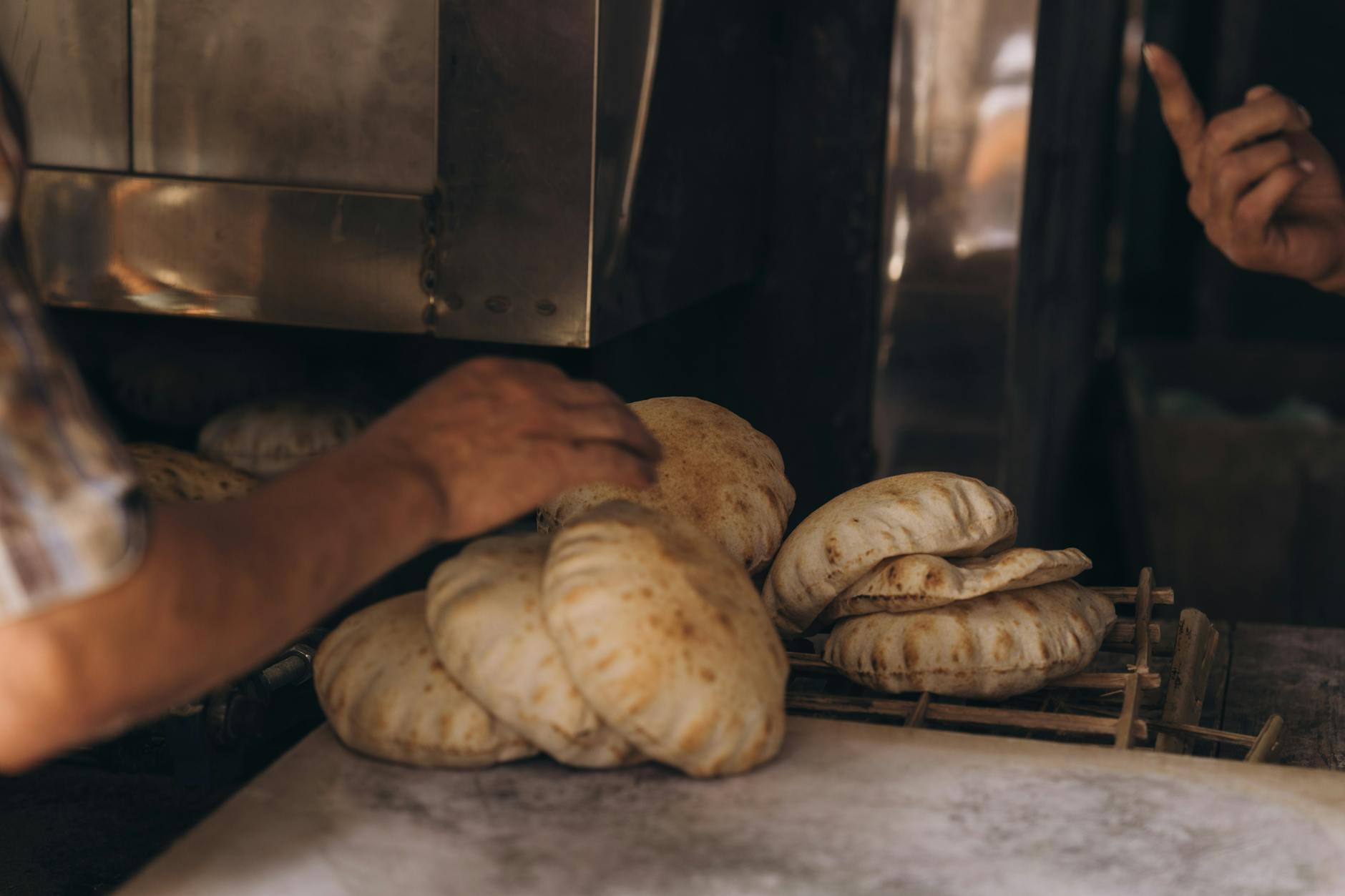
Bread labeled as “day-old” is often only a matter of hours past its peak rather than a full day old. Bakeries discount this bread to move inventory efficiently before closing, and it is frequently still excellent in quality. Many professional bakers argue that certain varieties such as sourdough actually improve slightly in flavor after the first day as the fermentation notes deepen. Customers who purchase day-old bread and store it properly at room temperature can enjoy it for another day or two without any noticeable decline. Day-old sections are one of the best-kept value secrets in any bakery.
Bread Flour
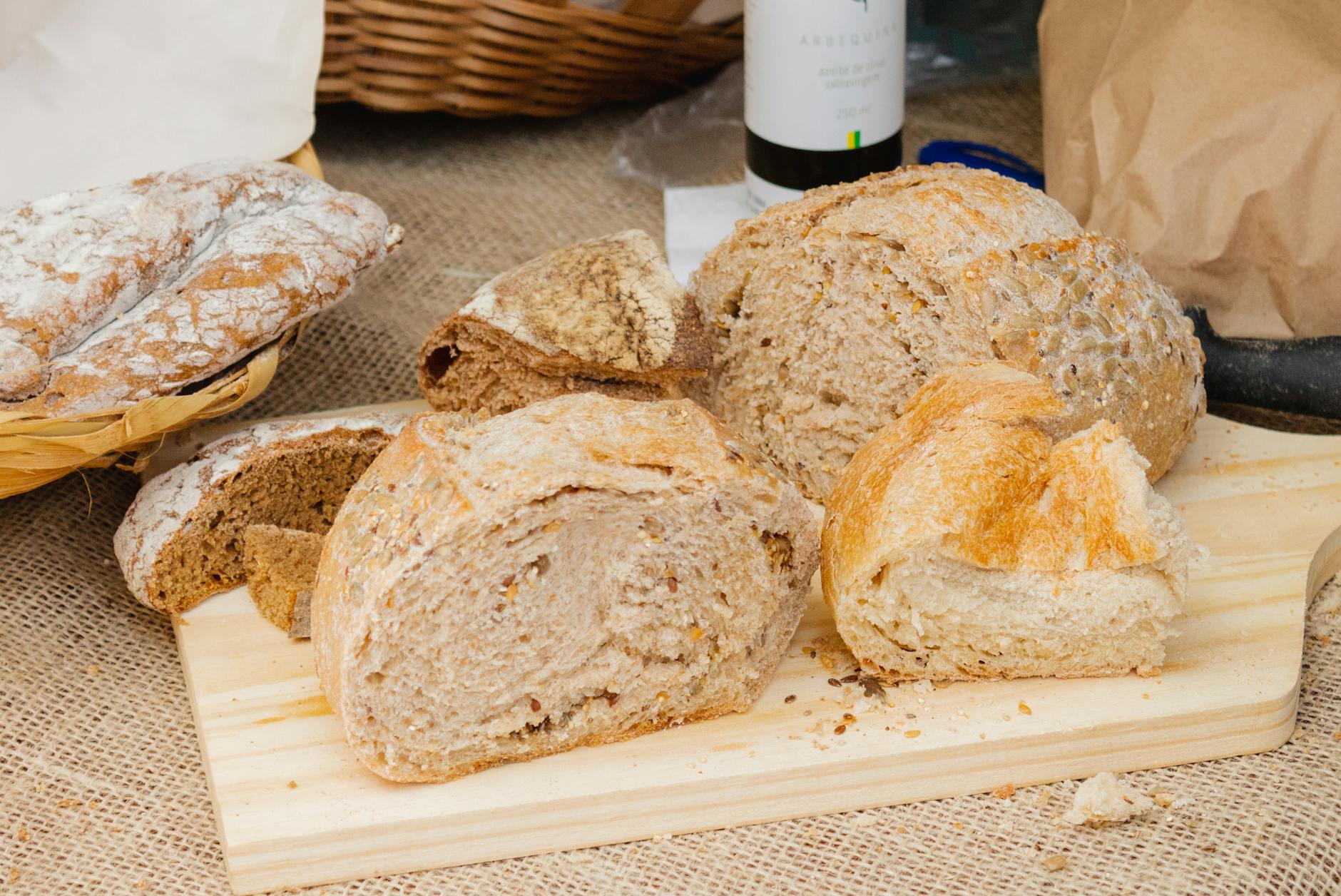
The type of flour used in a bakery dramatically affects the final product in ways that are rarely explained to customers. High-protein bread flour is the standard choice for most traditional loaves because it develops stronger gluten networks during kneading. This gluten structure is what gives artisan bread its characteristic chew and allows it to trap gas during fermentation for a proper rise. Many bakeries source their flour from specific mills and consider their supplier relationships a core part of their competitive identity. The flour brand and protein content are rarely disclosed on menu boards or packaging.
Proofing Time
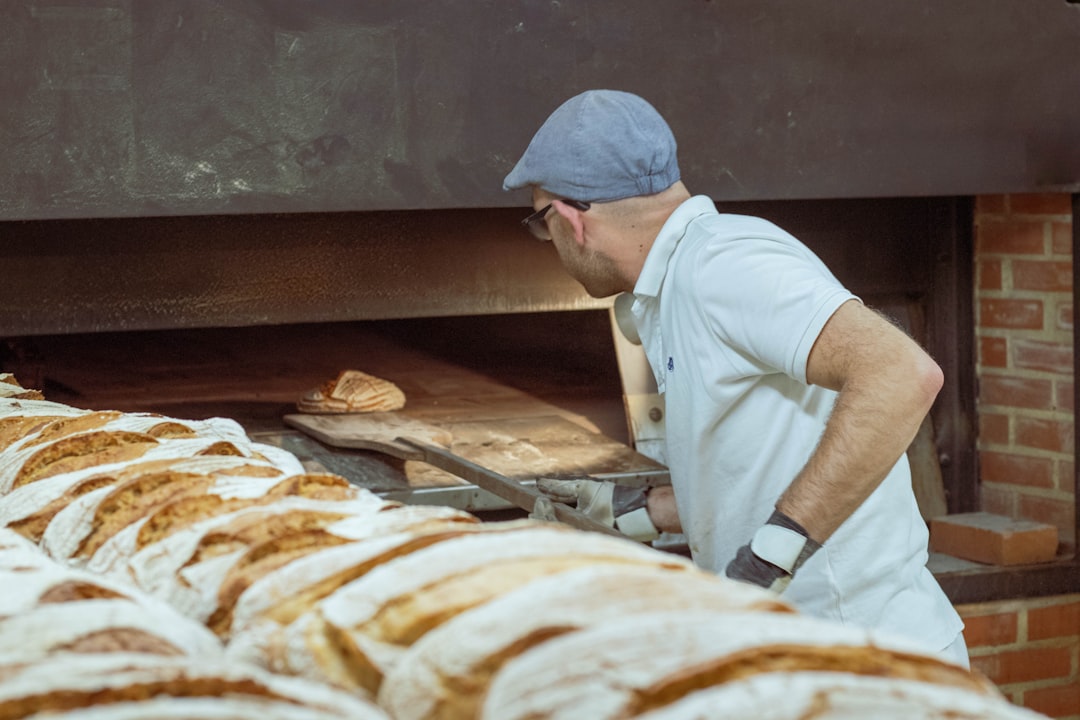
One of the most significant variables in bread quality is the length of time the dough is allowed to ferment and proof before baking. Longer fermentation at cooler temperatures develops more complex flavor compounds and improves digestibility for many people. Bakeries that rush this process to meet demand often produce bread that tastes noticeably flatter and less nuanced than slow-fermented alternatives. Some high-end bakeries cold-proof their dough overnight for up to eighteen hours to achieve a depth of flavor that simply cannot be replicated quickly. Customers rarely ask about proofing time, but it is one of the clearest indicators of a bakery’s commitment to quality.
Sourdough Starter
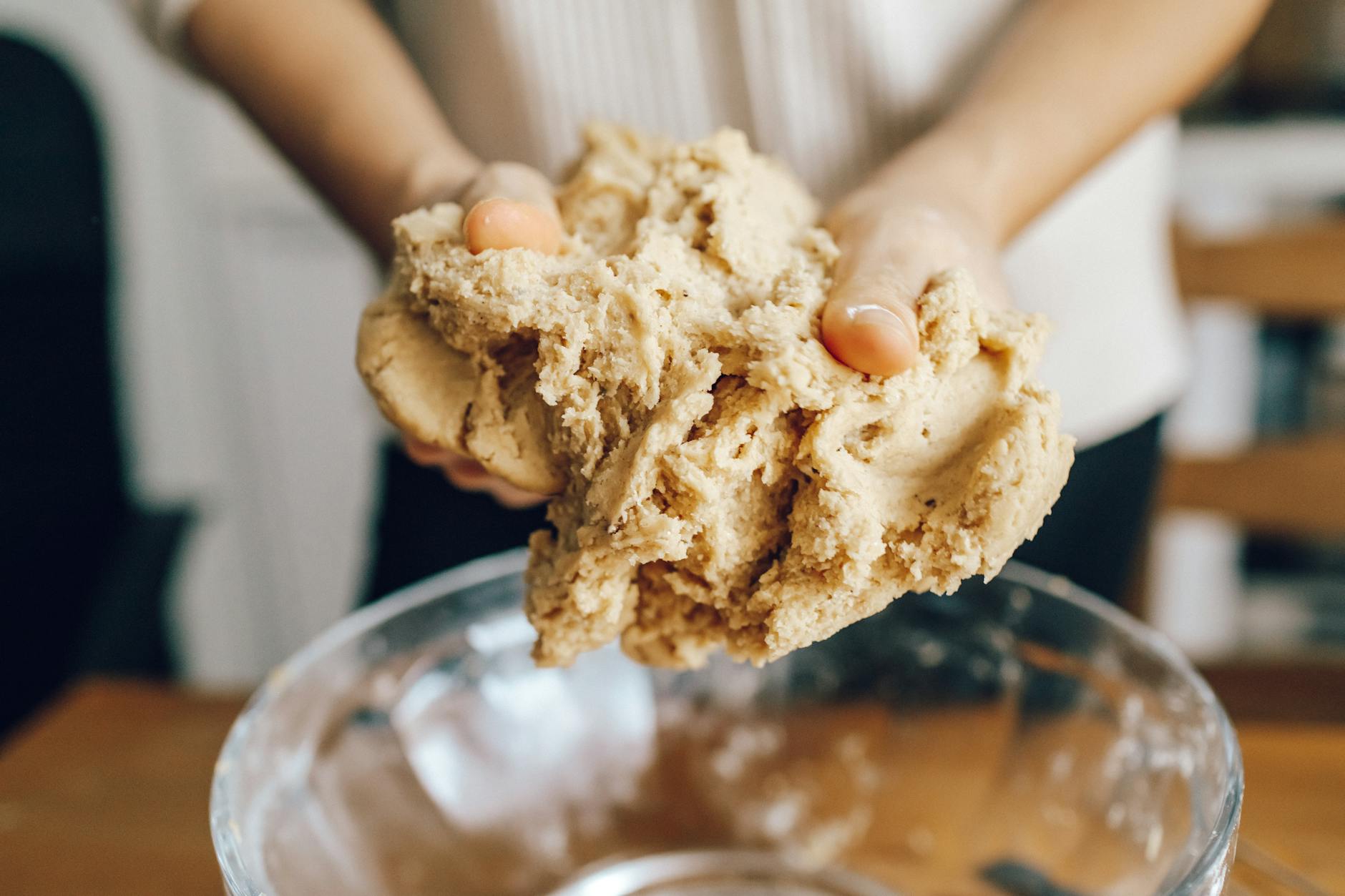
Every sourdough loaf sold in a bakery traces its flavor back to a living culture called a starter that the baker feeds and maintains continuously. The age and composition of this starter is something bakers take enormous pride in, with some cultures maintained for decades or even passed down through generations. Changes in temperature, humidity, and feeding schedule all influence how the starter behaves and how the finished bread tastes. Many bakers consider their starter a form of living heritage and guard its recipe and care routine carefully. The unique character of any sourdough loaf is essentially impossible to fully replicate without access to that specific culture.
Steam Injection
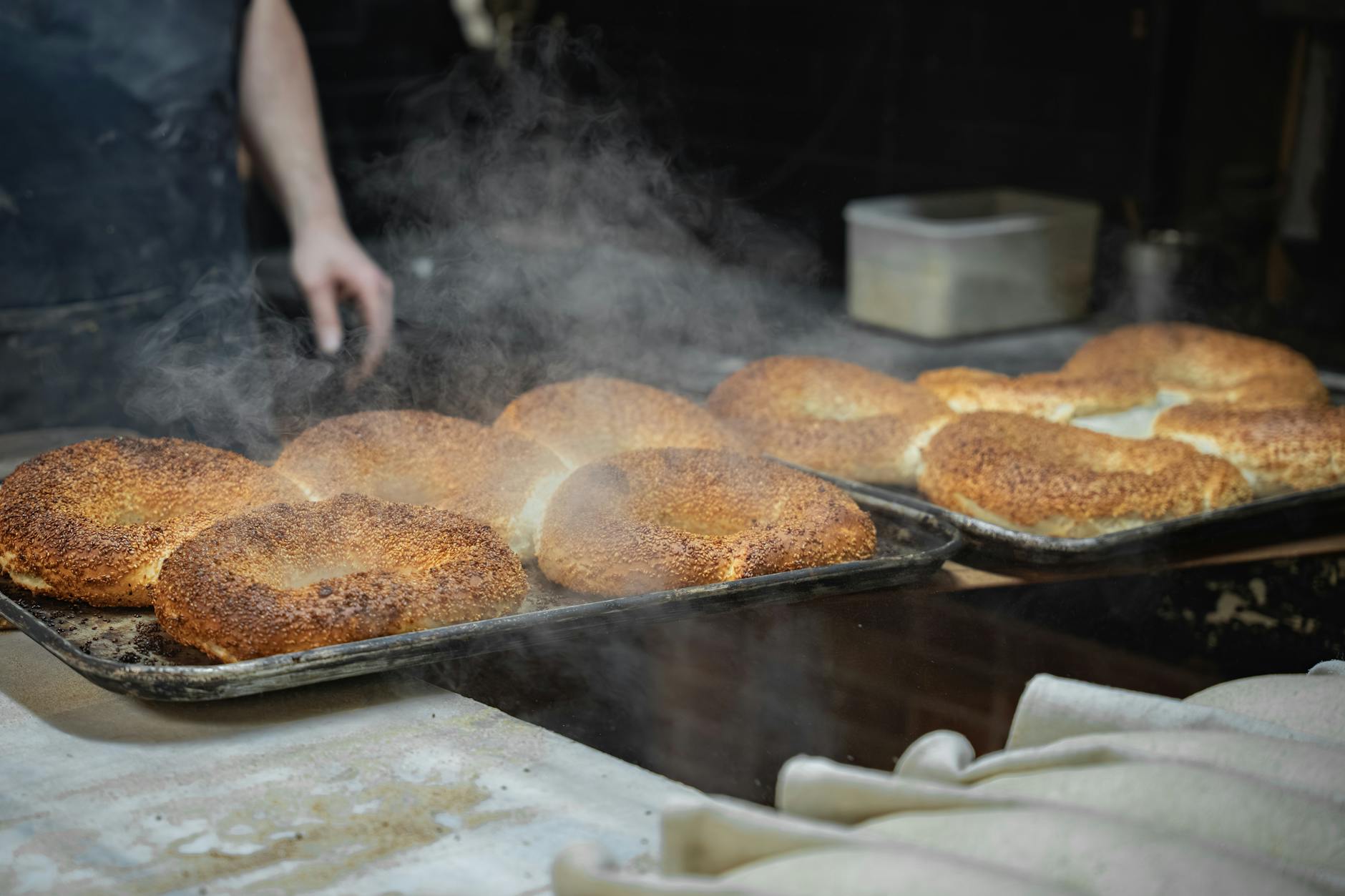
Professional deck ovens used in artisan bakeries are equipped with steam injection systems that home ovens cannot replicate. Steam introduced at the beginning of baking keeps the outer surface of the dough pliable during its final rise in the oven, allowing the loaf to expand fully before the crust sets. This process is directly responsible for the glossy, crackly crust that distinguishes bakery bread from home-baked alternatives. Without proper steam, crusts tend to form too quickly and restrict the loaf’s volume. Bakers adjust steam levels precisely depending on the bread variety being produced.
Scoring Patterns
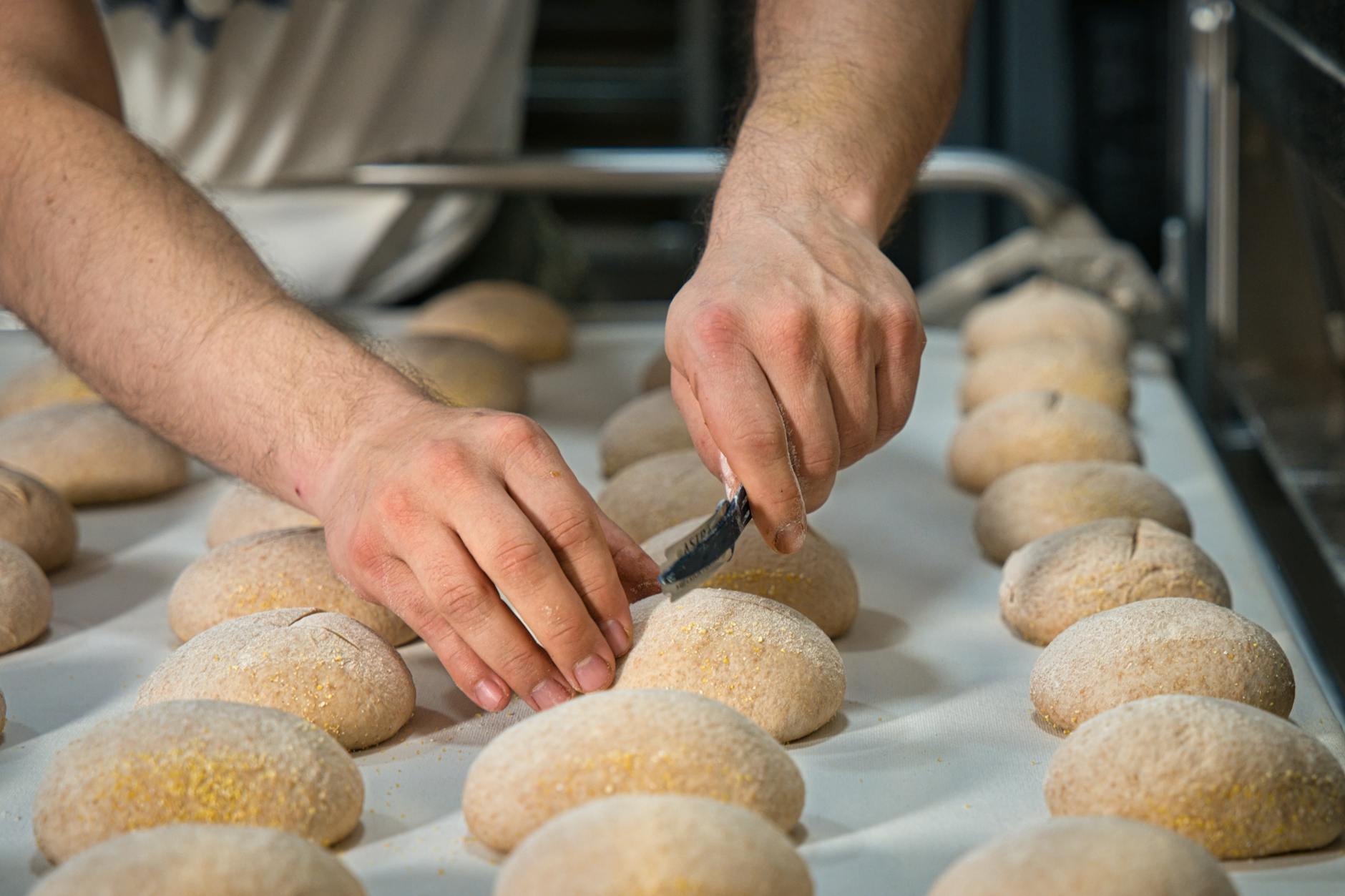
The decorative cuts made on the surface of a loaf before it enters the oven serve a functional purpose that goes far beyond aesthetics. Scoring controls where the bread expands during baking, directing the rise and preventing the crust from cracking unpredictably in areas with weaker structure. Different scoring patterns are associated with specific bread styles and regional traditions, and an experienced baker can identify the origin of a loaf by its scoring alone. The depth, angle, and direction of each cut affect the final shape, ear development, and even the internal crumb distribution. Bakers use specialized curved blades called lames to achieve clean, precise scores that would be difficult to replicate with an ordinary knife.
Bread Storage
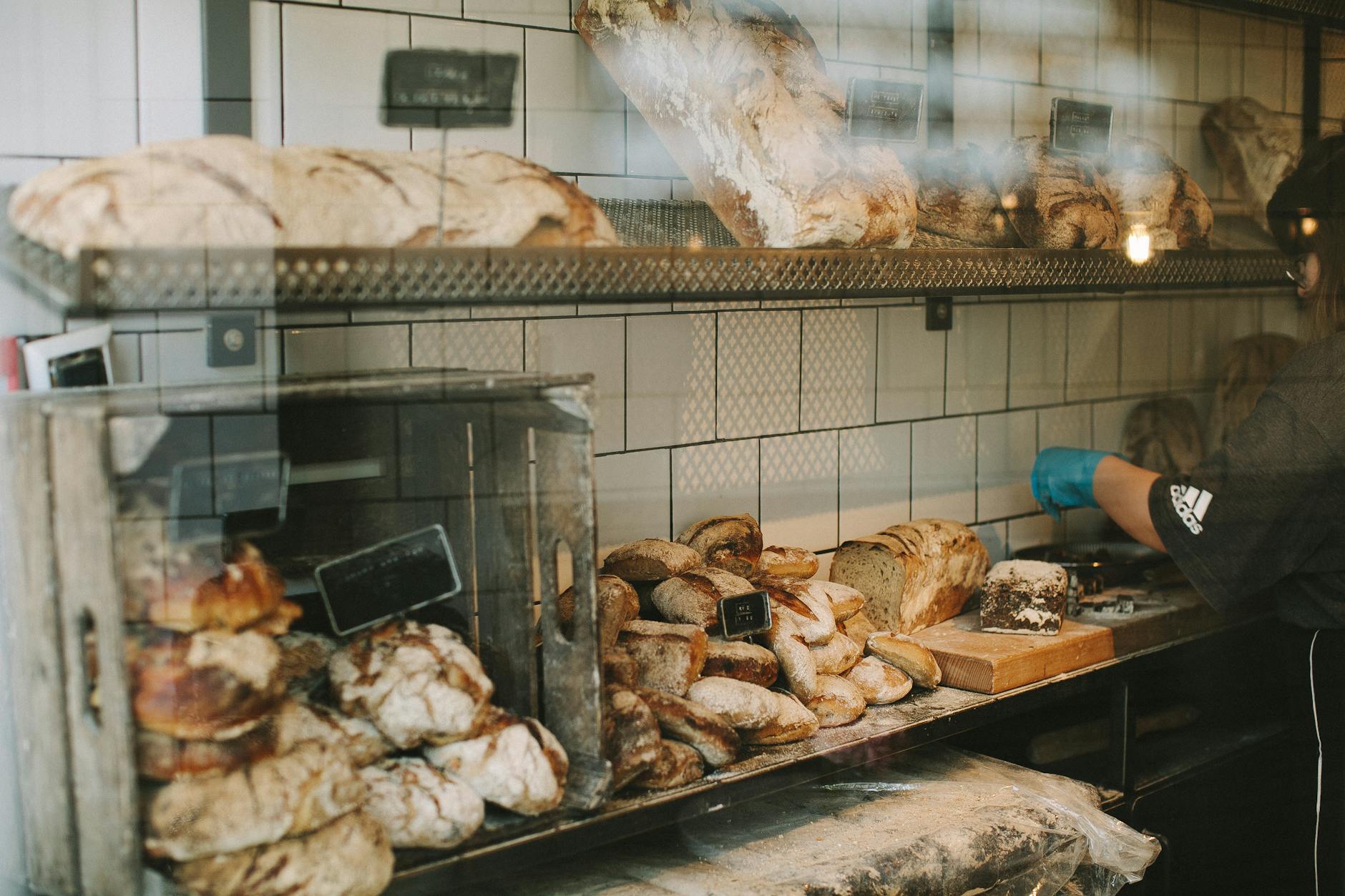
Bakery staff almost universally recommend storing fresh bread at room temperature in a paper bag or wrapped loosely in a clean cloth rather than in plastic. Plastic traps moisture against the crust, softening it and accelerating mold growth faster than most customers expect. Refrigerating bread is considered one of the worst storage choices by most bakers because the cool temperature causes starch molecules to crystallize more rapidly and makes the bread go stale far sooner than it would at room temperature. Freezing, on the other hand, is an entirely acceptable option for preserving bread quality for up to three months. Reviving frozen bread in a hot oven for ten to fifteen minutes restores much of its original crust and interior texture.
Bread Weights
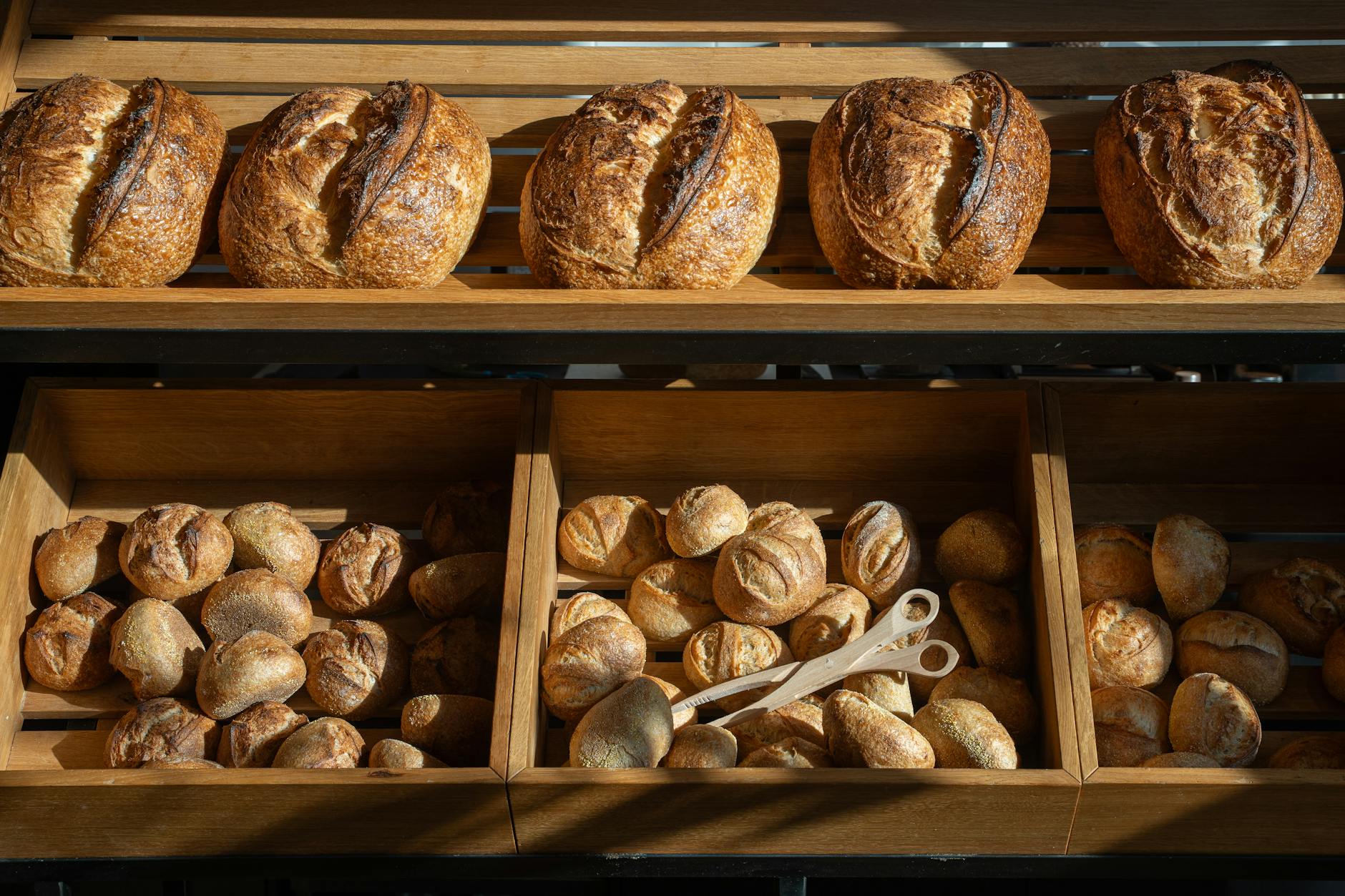
Most artisan bakeries weigh their dough portions before shaping to ensure consistency across every loaf in a batch. Weight is a more reliable measure of portion control than visual estimation, particularly for enriched doughs that contain butter, eggs, or milk. A discrepancy of even a small percentage between loaves can lead to uneven baking times and inconsistent crust thickness across the same variety. Bakery staff who weigh dough meticulously are working to a professional standard that is not always visible to the customer but is fundamental to delivering a reliable product. Customers who notice variation in loaf sizes across purchases are often observing the difference between weighed and hand-estimated portioning.
Enriched Dough
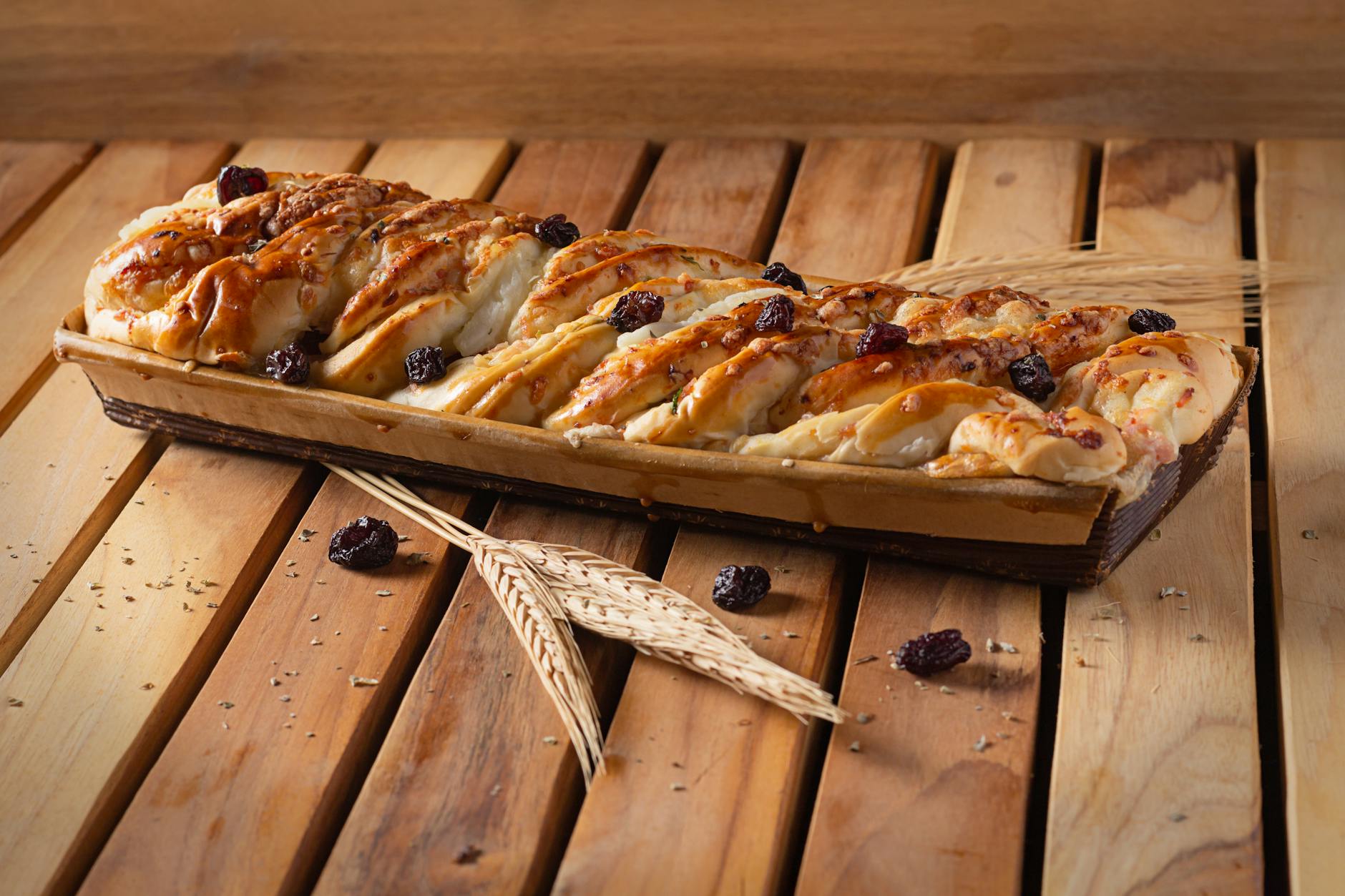
Breads that appear light and soft on the bakery shelf often contain significantly higher quantities of fat and sugar than customers assume. Brioche, milk bread, and enriched sandwich loaves rely on butter, eggs, and sugar to achieve their pillowy texture and golden color. These additions slow gluten development and require adjusted fermentation strategies compared to lean doughs made with only flour, water, salt, and yeast. The fat content also extends shelf life by slowing moisture loss, which is one reason enriched breads stay soft for longer than a crusty sourdough. Bakers who produce these styles must closely monitor dough temperature during mixing to prevent the butter from melting and compromising the emulsion.
Bread Additives
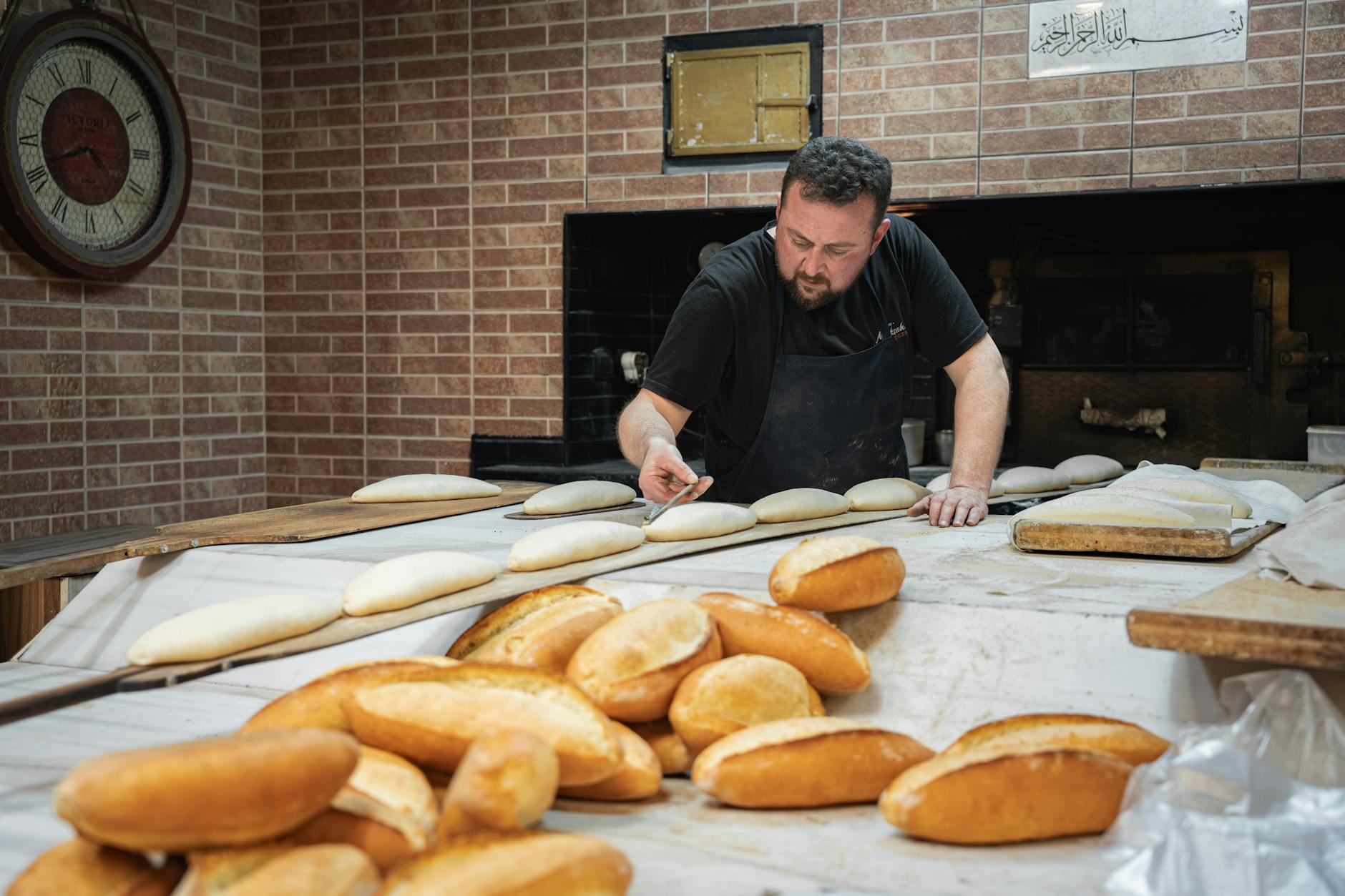
Many commercial bakeries and some larger artisan operations use dough conditioners and improvers that are not highlighted on front-of-label packaging. These additives can include enzymes, ascorbic acid, and emulsifiers that strengthen gluten, extend shelf life, or improve the consistency of the final crumb. Their use is legal and regulated, but customers seeking purely traditional ingredient lists are advised to ask staff directly about what goes into each product. Small independent bakeries are often more transparent about their ingredient choices because their identity is built on craftsmanship and minimal processing. Reading ingredient lists on packaged bread from bakery counters is the most reliable way to identify the presence of conditioners.
Bread Waste
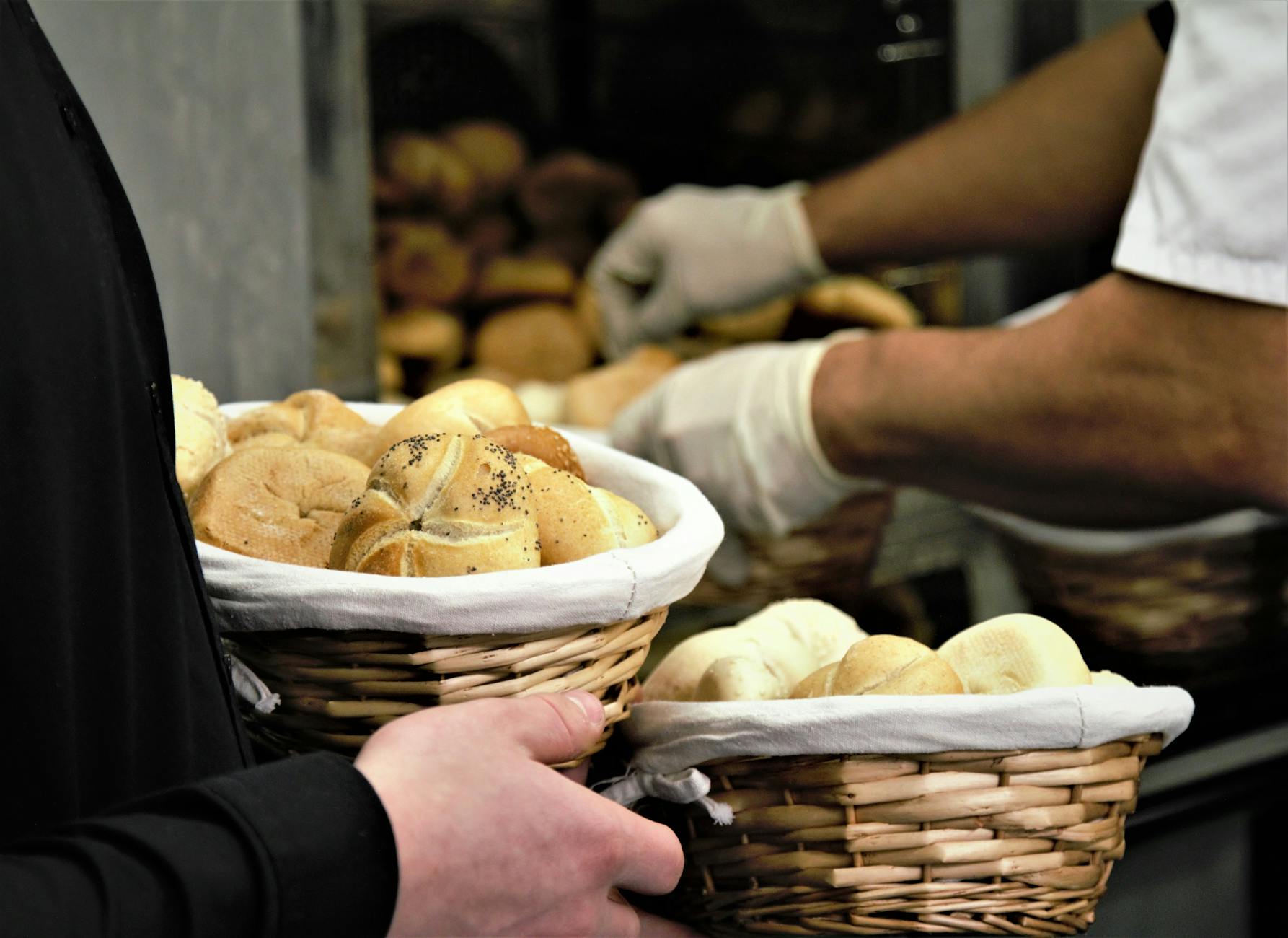
Unsold bread at the end of each day represents a meaningful operational challenge for most bakeries. Some operations donate excess loaves to food banks or community organizations, while others repurpose stale bread into breadcrumbs, croutons, or other baked goods sold the following day. Bread pudding, panzanella, and French onion soup are just a few of the recipes that professional kitchens attached to bakeries use to reduce food waste creatively. The volume of unsold inventory a bakery experiences is closely tied to its accuracy in forecasting daily demand, which improves significantly with experience and careful sales tracking. Customers who ask about end-of-day surplus may occasionally find opportunities to purchase discounted items before closing.
Crust Color
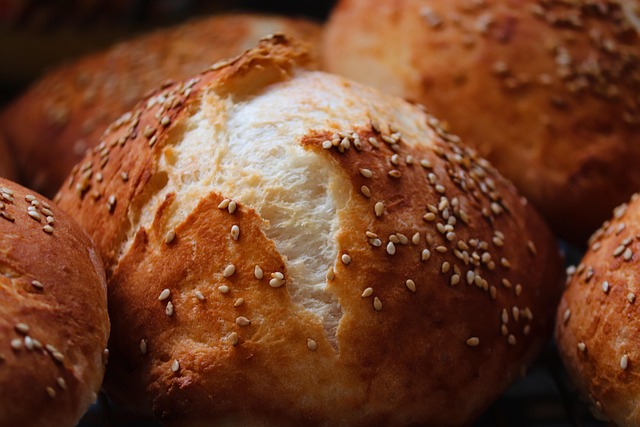
The deep brown color of a well-baked crust is produced by two chemical processes that bakers monitor closely throughout the baking cycle. The Maillard reaction occurs between amino acids and sugars and is responsible for the complex savory notes in a darkly baked crust. Caramelization of surface sugars contributes a sweeter, more aromatic dimension to the outer layer. Bakers adjust oven temperature, baking time, and the sugar content of doughs to control how far these reactions progress in each product. A pale crust is generally an indicator of underbaking, while a very dark crust signals that the outer layer has developed the maximum flavor the dough can offer.
Bread Temperature
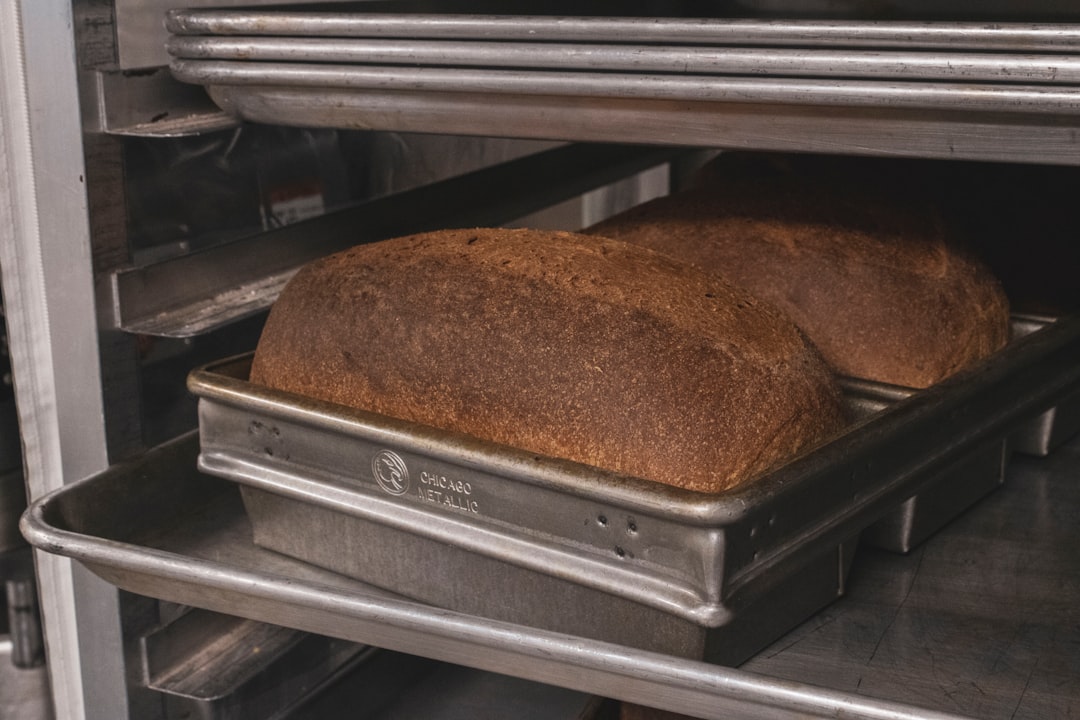
Bread pulled directly from the oven continues to cook internally through residual heat for a period after it leaves the baking chamber. Slicing into a hot loaf releases the steam trapped within the crumb, which disrupts the structure and results in a texture that feels gummy and compressed. Bakers are firm about allowing loaves to rest on a cooling rack until the internal temperature drops to a range where the starch has fully set. This resting period can range from thirty minutes for smaller rolls to over two hours for a large dense miche. Customers who insist on purchasing bread immediately after baking are advised to wait before cutting for the best possible eating experience.
Seasonal Ingredients
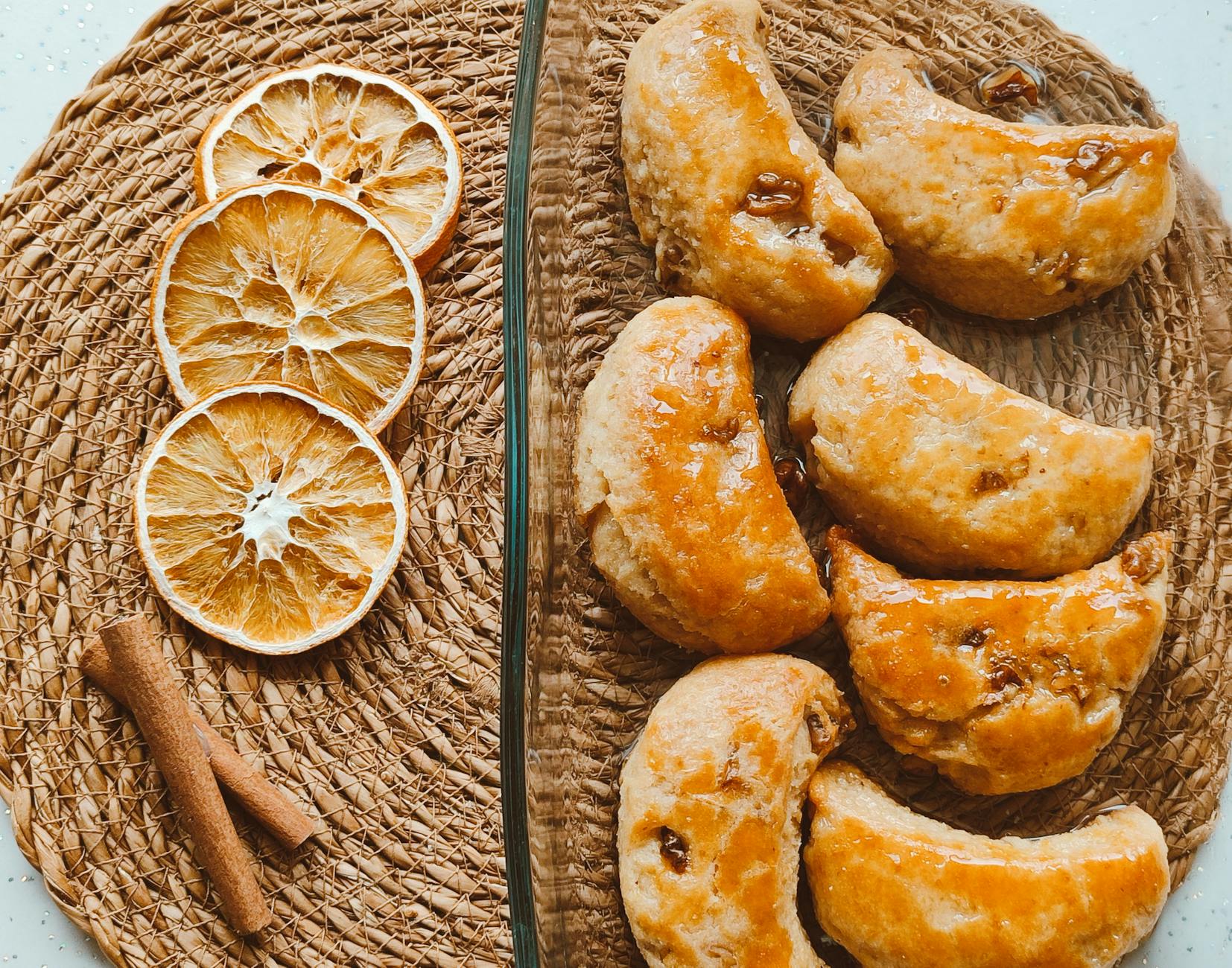
Bakeries that use seasonal and locally sourced ingredients adjust their product offerings throughout the year in ways that regular customers rarely notice explicitly. Flour milled from freshly harvested grain behaves differently than flour that has been stored for months, requiring bakers to recalibrate hydration levels and fermentation times accordingly. Fruit breads, grain blends, and specialty loaves often reflect the availability of local harvests, which means a beloved seasonal item may taste slightly different from one year to the next. Bakers who work closely with local mills and farms develop an intuitive understanding of how ingredient variability affects the final product. Paying attention to seasonal changes on a bakery’s menu is one of the most reliable ways to discover their freshest and most thoughtfully sourced offerings.
Share your own bakery discoveries or behind-the-counter surprises in the comments.