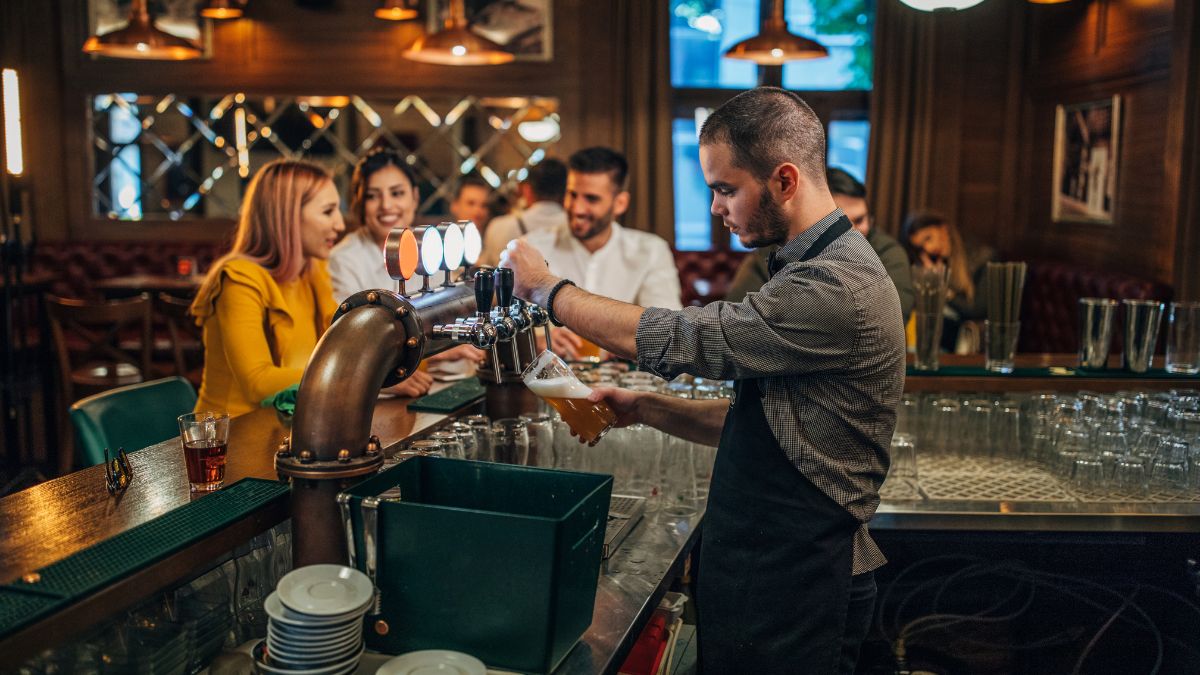
Behind every well-crafted drink is a bartender who understands far more than just mixology. The service industry runs on tips, and experienced bartenders have quietly developed a set of subtle strategies that influence how generously customers reach into their wallets. These techniques are rooted in psychology, hospitality, and years of reading people across the bar. Understanding them gives you a fascinating look at the invisible dynamics playing out every time you order a round.
Eye Contact
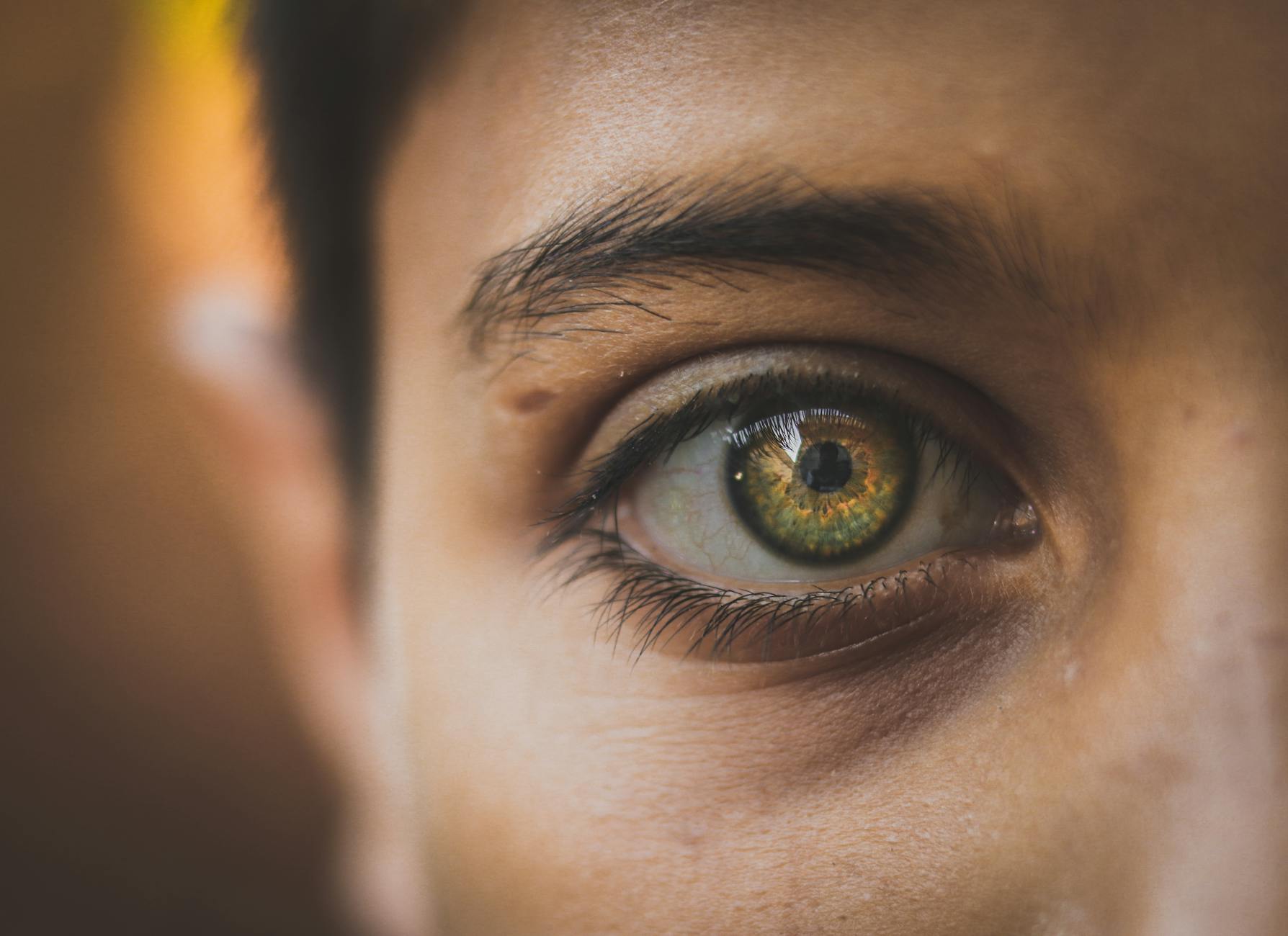
Bartenders are trained to make strong, warm eye contact the moment a customer walks in or approaches the bar. This simple gesture signals attentiveness and creates an immediate sense of personal connection between the server and the guest. Customers who feel seen and acknowledged are psychologically more inclined to show appreciation through their tip. The technique costs nothing and takes less than a second but its effect on the final bill is well documented in hospitality research. It sets the tone for the entire interaction before a single word is spoken.
First Name
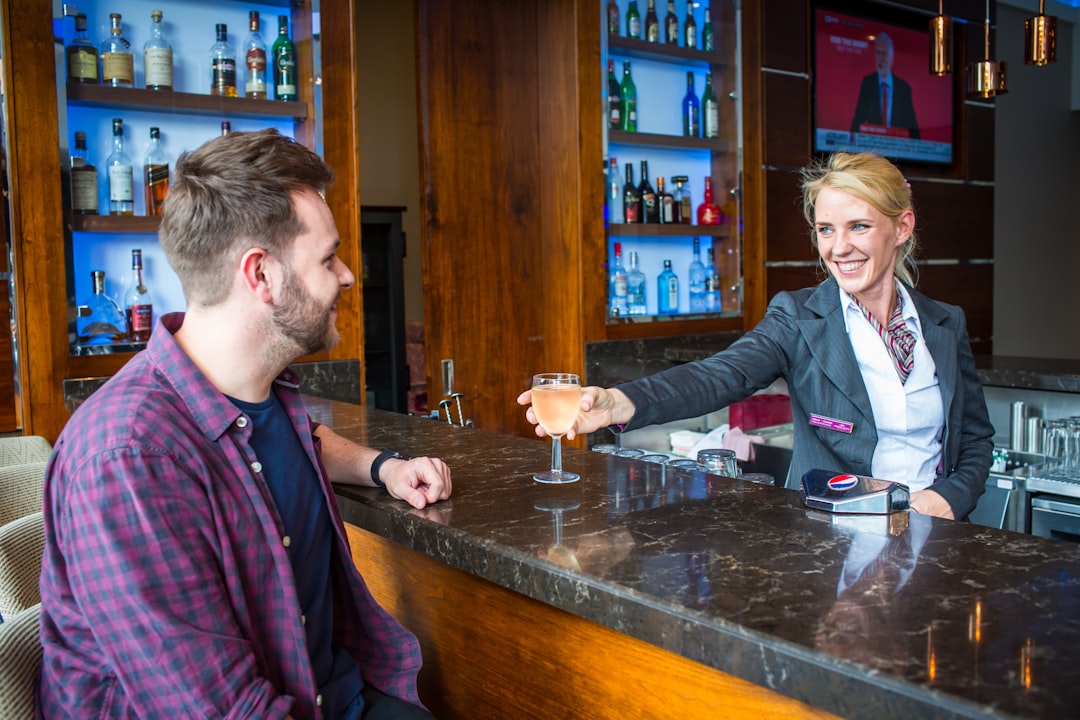
Introducing themselves by name is one of the oldest and most effective tools in a bartender’s repertoire. A name transforms the interaction from a transaction into something that feels more like a friendly exchange between two people. When customers know who is serving them they feel a stronger social obligation to reciprocate the personal touch with a generous tip. Skilled bartenders will also make a point of remembering and using the customer’s name if they hear it during conversation. This small act of personalisation dramatically increases the perceived quality of the service.
The Touch
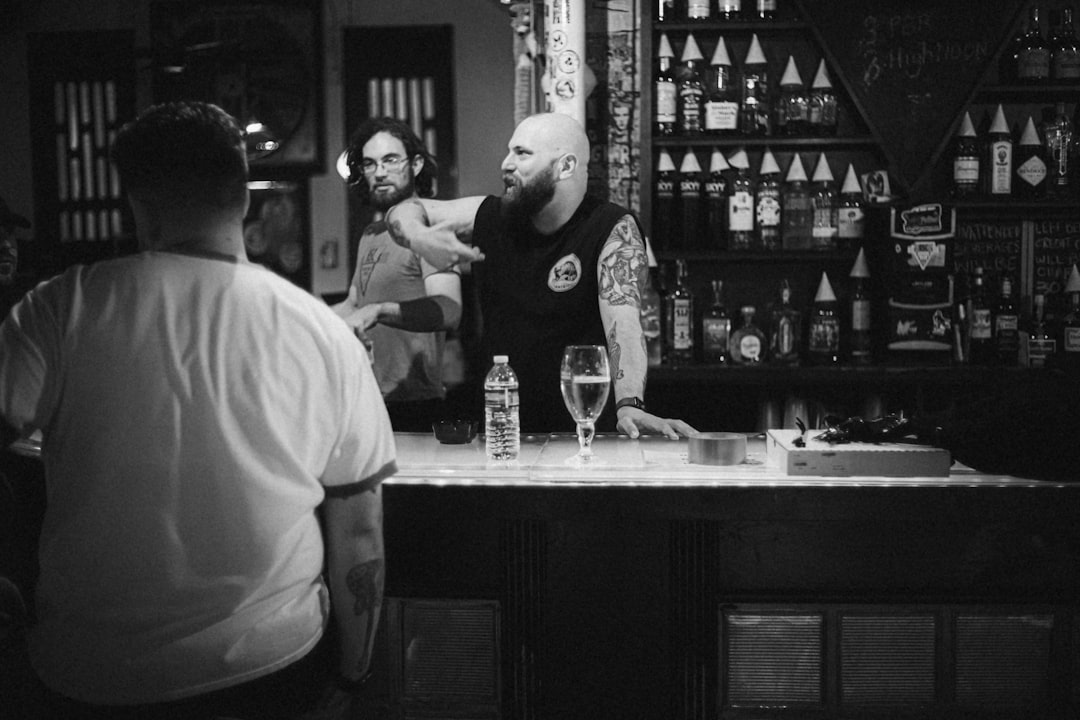
A brief and appropriate touch on the hand or shoulder when delivering a drink or returning change has been shown to increase tips significantly. Physical contact triggers a neurological response that creates warmth and positive feelings toward the person initiating it. Bartenders use this sparingly and professionally so it reads as friendly rather than intrusive. The gesture communicates genuine care and attentiveness in a way that words alone cannot always achieve. Even customers who do not consciously register the touch tend to tip more when it occurs.
Mirroring
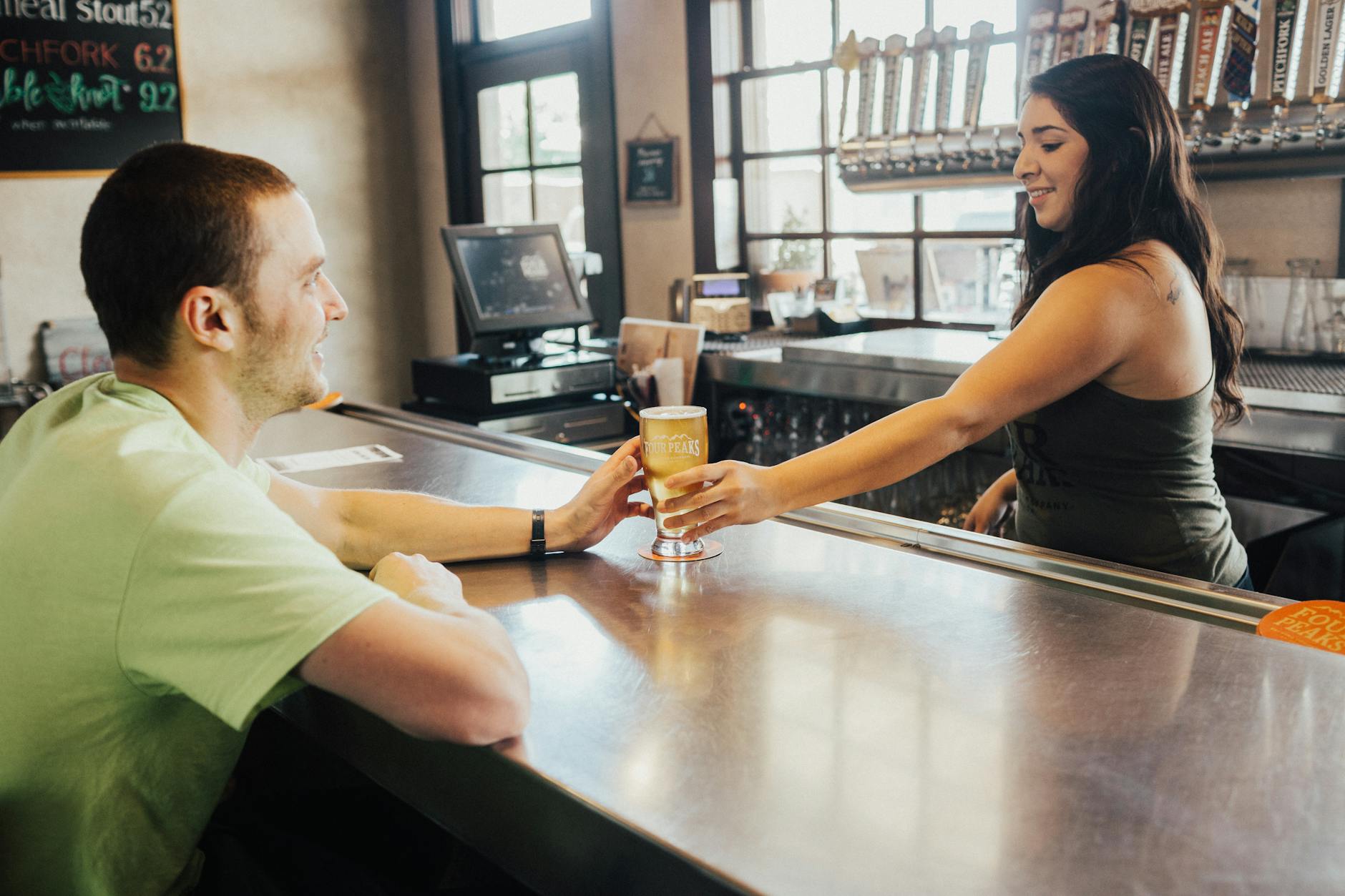
Experienced bartenders often subtly mirror the body language and verbal tone of the customer they are serving. If a guest is relaxed and casual the bartender matches that energy while if someone is sharp and businesslike the bartender adjusts accordingly. This unconscious synchronisation creates a sense of rapport and makes the customer feel deeply understood. People naturally gravitate toward and feel more generous with individuals who seem to be on the same wavelength as them. Mirroring is an advanced social skill that top-earning bartenders develop almost instinctively over time.
Smiling
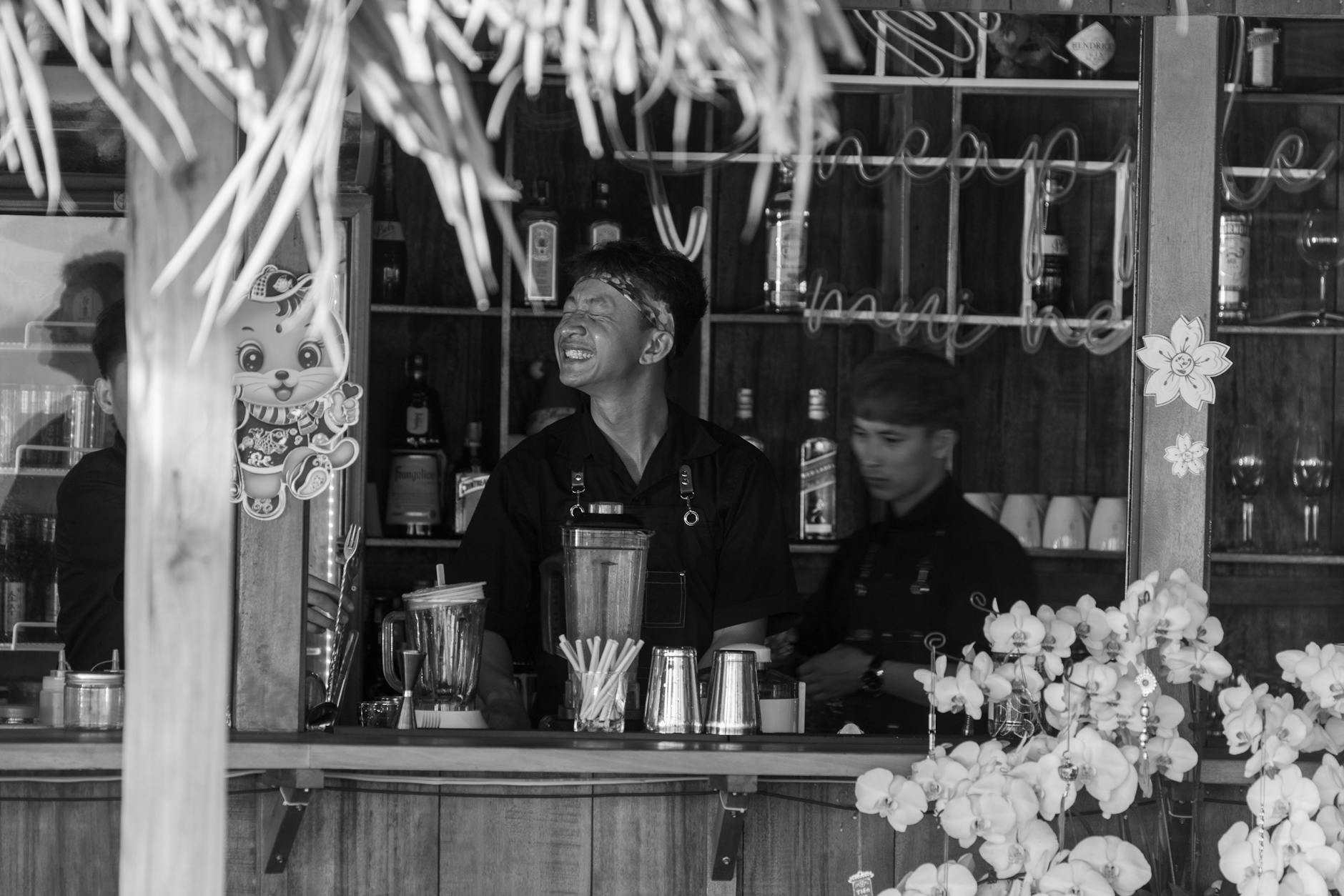
A genuine and frequent smile is one of the most reliable ways a bartender can increase their tips across the board. Smiling triggers a mirroring response in customers who instinctively smile back and feel better about their surroundings as a result. The positive emotional state that follows makes people more relaxed and more willing to spend and tip generously. Bartenders who maintain a warm expression throughout a shift consistently out-earn those who adopt a more neutral or distracted demeanor. The effect is even stronger when the smile accompanies eye contact during the handoff of a drink.
Weather Forecast
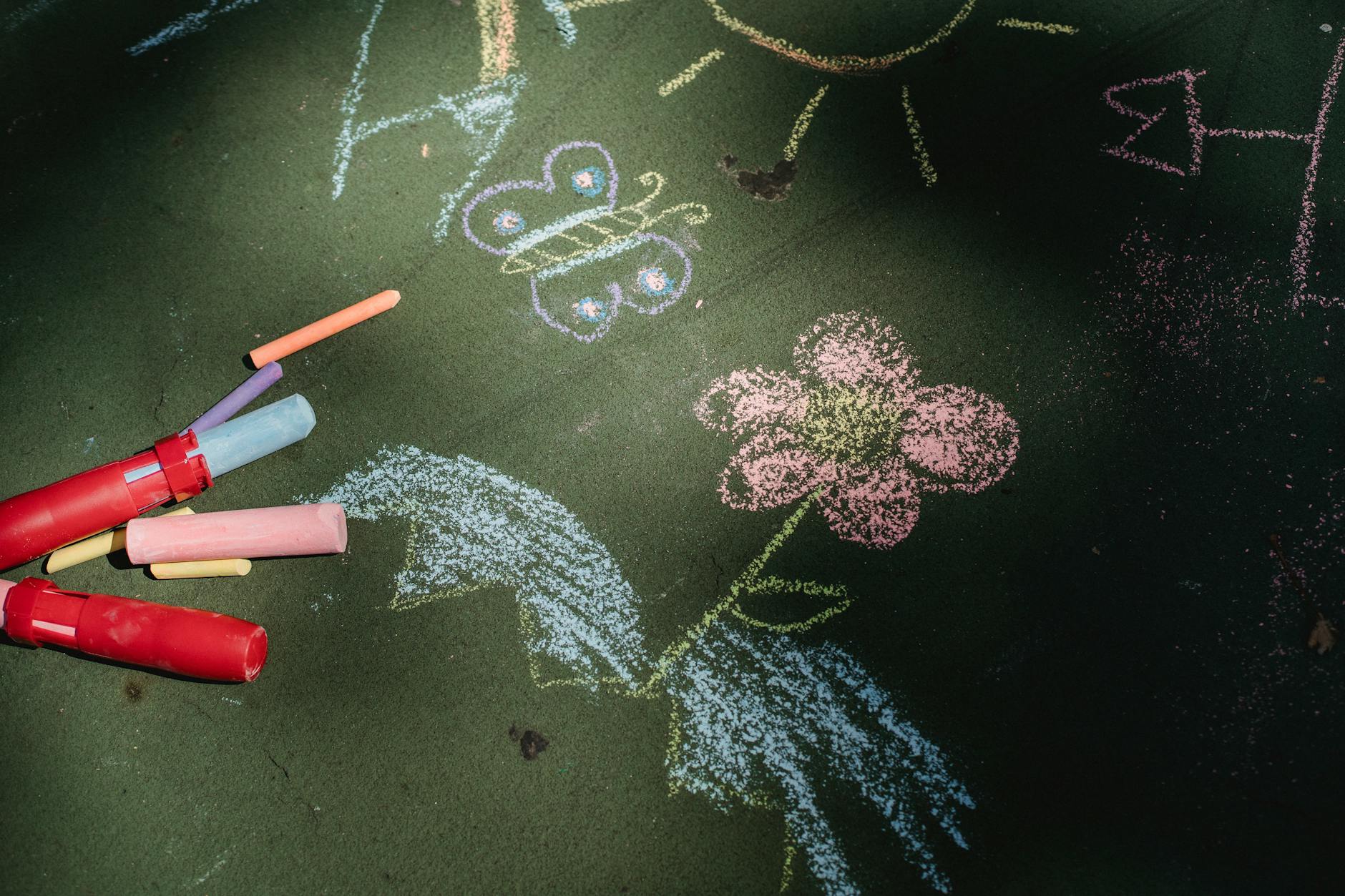
Telling customers a positive or upbeat piece of information when delivering their drink is a technique borrowed from classic tipping studies. In one well-known experiment servers who wrote a cheerful sun drawing or a weather forecast on receipts received noticeably larger tips. Bartenders apply this principle by sharing light positive news or a fun fact as they place the drink down. The brief positive moment leaves customers feeling good and they unconsciously associate that feeling with the person who created it. It is a low-effort interaction that consistently nudges the gratuity upward.
Drink Repetition
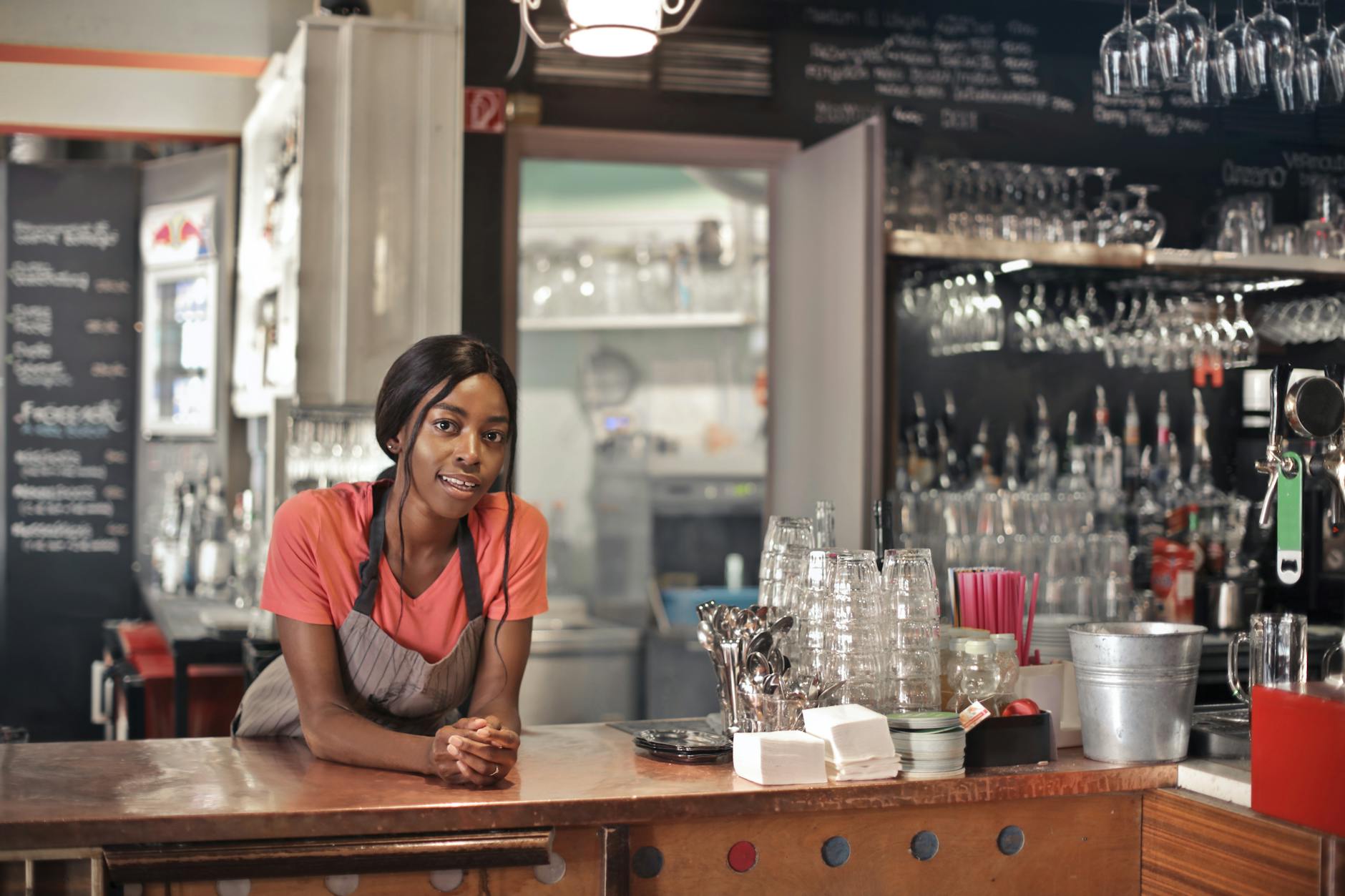
When a customer orders a drink a skilled bartender will repeat the order back clearly and confidently before turning to prepare it. This behavior signals professionalism and attention to detail while also giving the customer a chance to feel heard and valued. The act of repetition reinforces the idea that the bartender is fully focused on delivering exactly what was asked for. Customers interpret this attentiveness as a marker of exceptional service which naturally translates into a more generous tip. It also reduces errors and the need to remake drinks which keeps the mood positive throughout the interaction.
Suggestive Selling
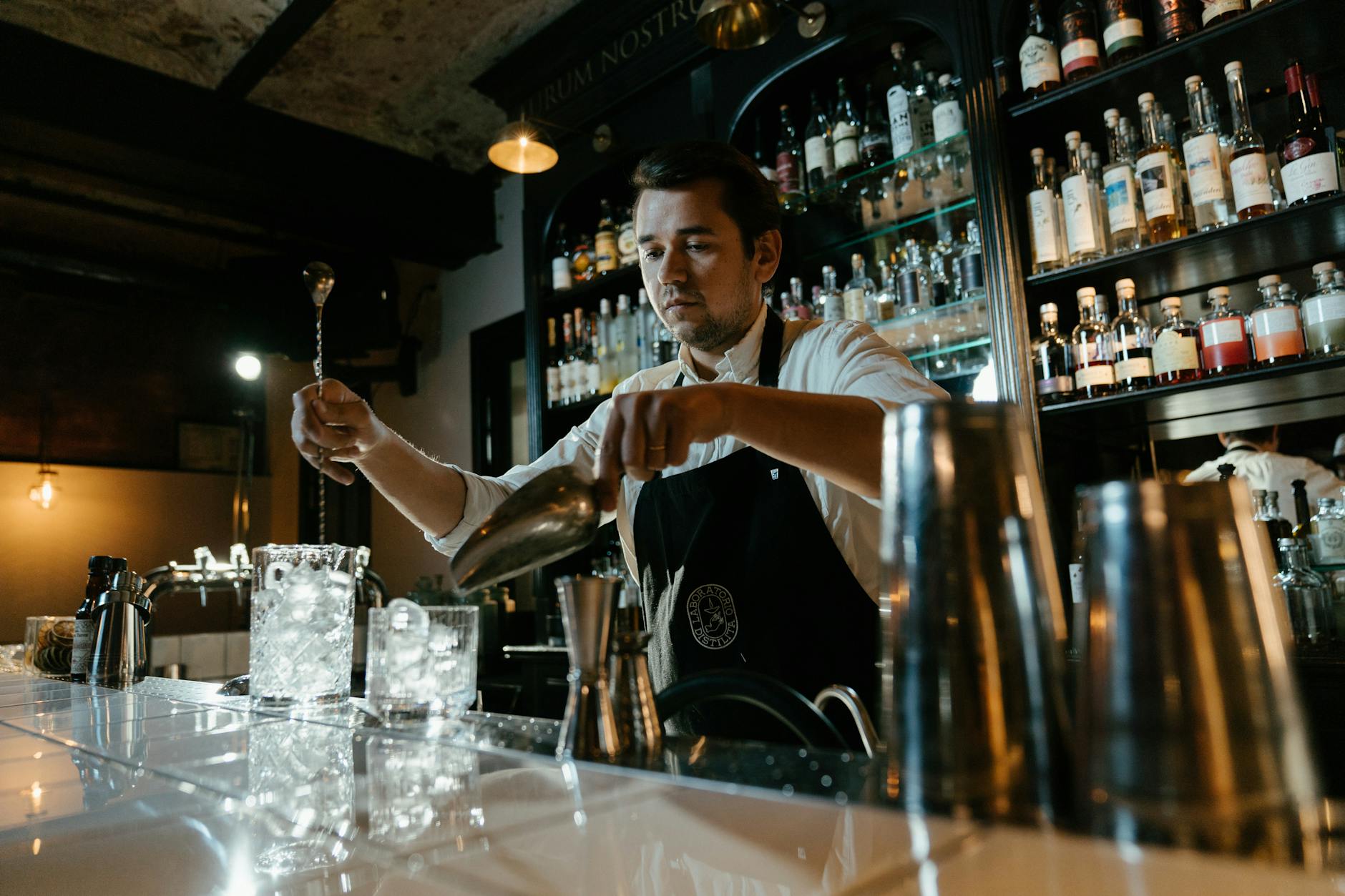
Recommending a premium spirit or a popular cocktail addition is a subtle way bartenders increase both the bill and the tip attached to it. When a bartender says “the aged rum version of that is really popular right now” they are positioning themselves as a knowledgeable guide rather than just an order-taker. Customers who take the suggestion and enjoy the result feel grateful and are far more likely to tip on the higher end. The recommendation also signals investment in the customer’s experience which builds the kind of trust that encourages generosity. Even when customers decline the upsell the act of suggesting it creates a positive impression of attentiveness.
Providing Change Strategically
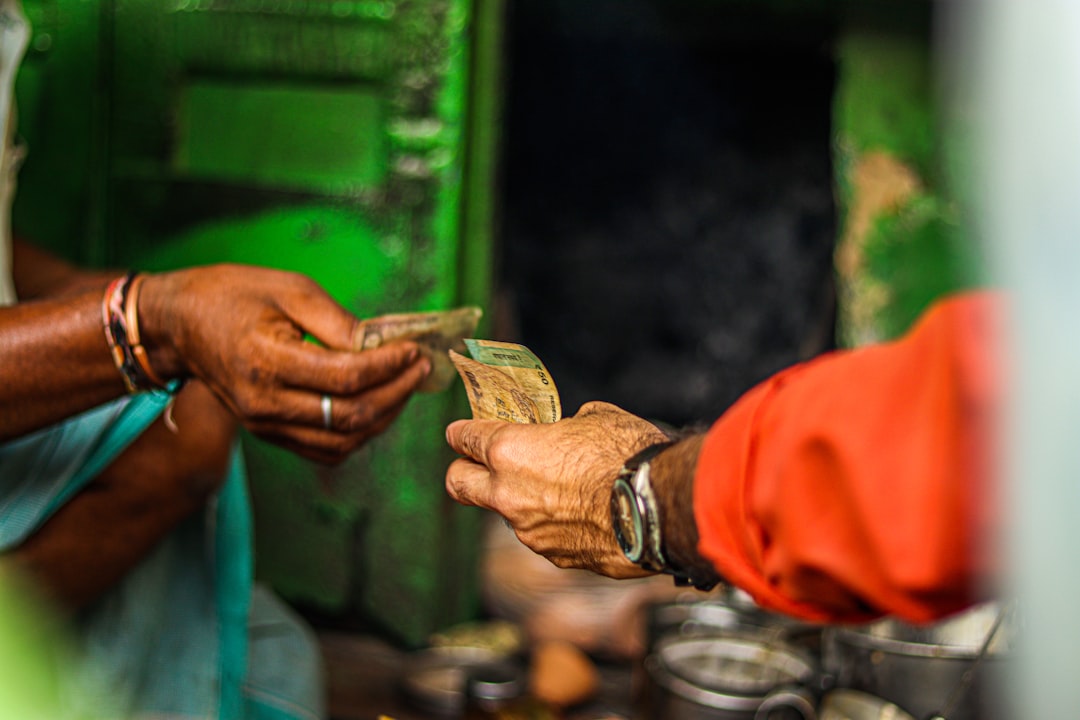
Returning change in smaller denominations rather than a single large bill is a quiet but highly effective tipping technique. When a customer receives five one-dollar bills instead of a single five their brain perceives more money in hand and they are more comfortable leaving one or two of those bills behind. Bartenders who are conscious of how they return change consistently see higher tip percentages than those who do not think about denomination. The psychology behind this is straightforward since breaking down the money into smaller units makes tipping feel less like a significant loss. It is a small operational choice with a measurable impact on nightly earnings.
The Lingering Check-In
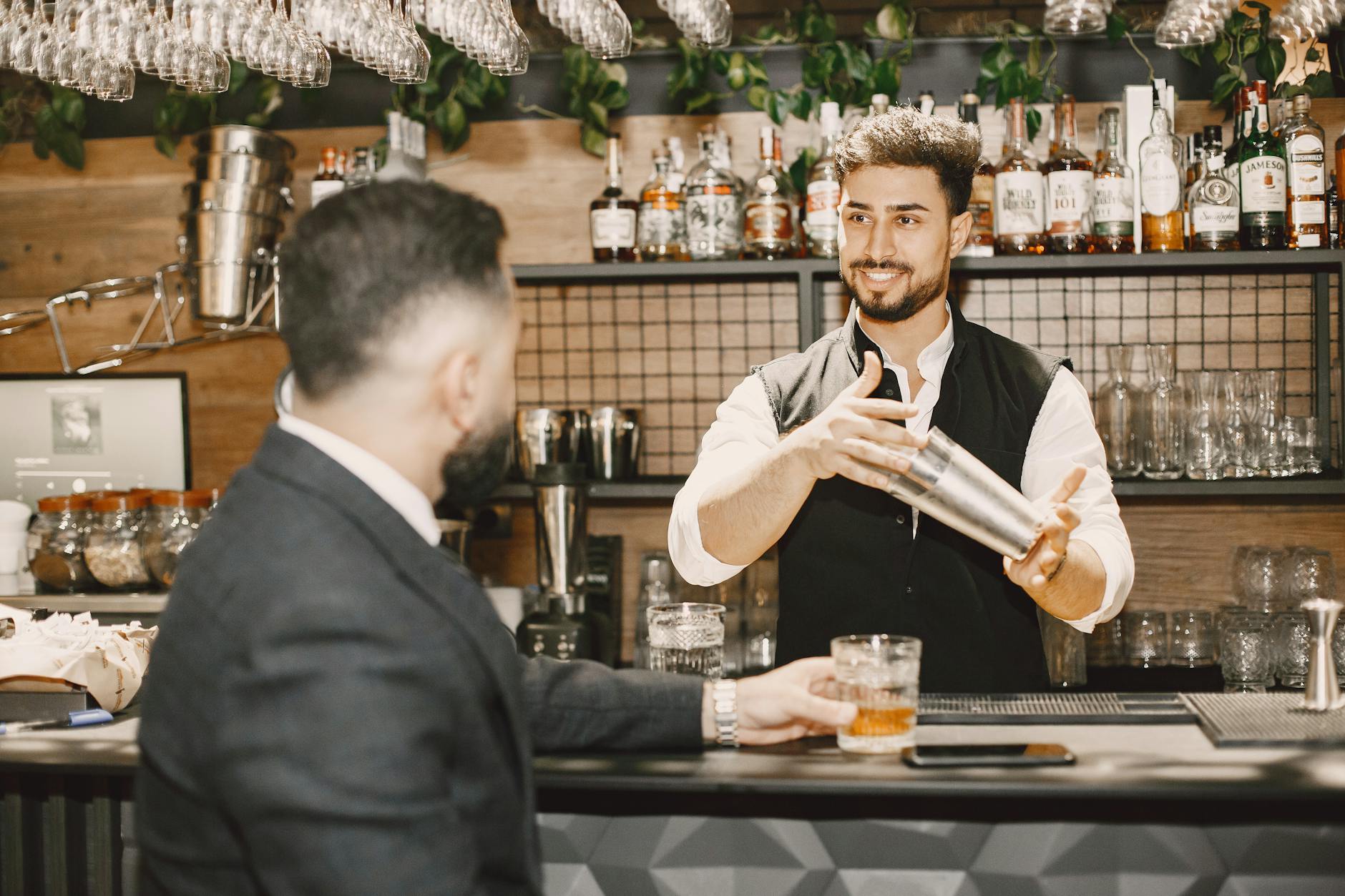
Returning to check on a customer one or two minutes after serving their drink is one of the most practiced moves in the bartender’s playbook. The check-in communicates that the bartender has not forgotten about the guest and is actively invested in whether they are enjoying the experience. It also creates a second point of positive personal contact which reinforces the relationship built during the initial order. Customers who receive a follow-up almost always rate their service more highly regardless of how simple the interaction was. That elevated perception of service quality is one of the most direct drivers of a generous tip at the end of the night.
Have you ever caught a bartender using one of these techniques on you? Share your stories in the comments.