Hotel stays offer a luxurious escape from daily chores and responsibilities. Guests often marvel at the crisp linens and seemingly spotless surfaces upon entering their suite. Housekeeping staff work tirelessly behind the scenes to maintain these high standards of cleanliness and order. However strict time limits and heavy workloads necessitate certain shortcuts during the cleaning process. Knowing these operational secrets helps travelers make safer and more informed decisions during their next trip.
Bathroom Glasses

Many travelers assume the sparkling glasses near the sink have been sanitized in a dishwasher. Housekeepers often rinse these items under the hot tap and dry them with a generic cloth. Some staff members might spray them with glass cleaner to achieve a streak-free shine. It is safer to wash these glasses yourself with soap and hot water before using them. Disposable plastic cups are usually the most hygienic option available in standard hotel rooms.
Decorative Throw Pillows
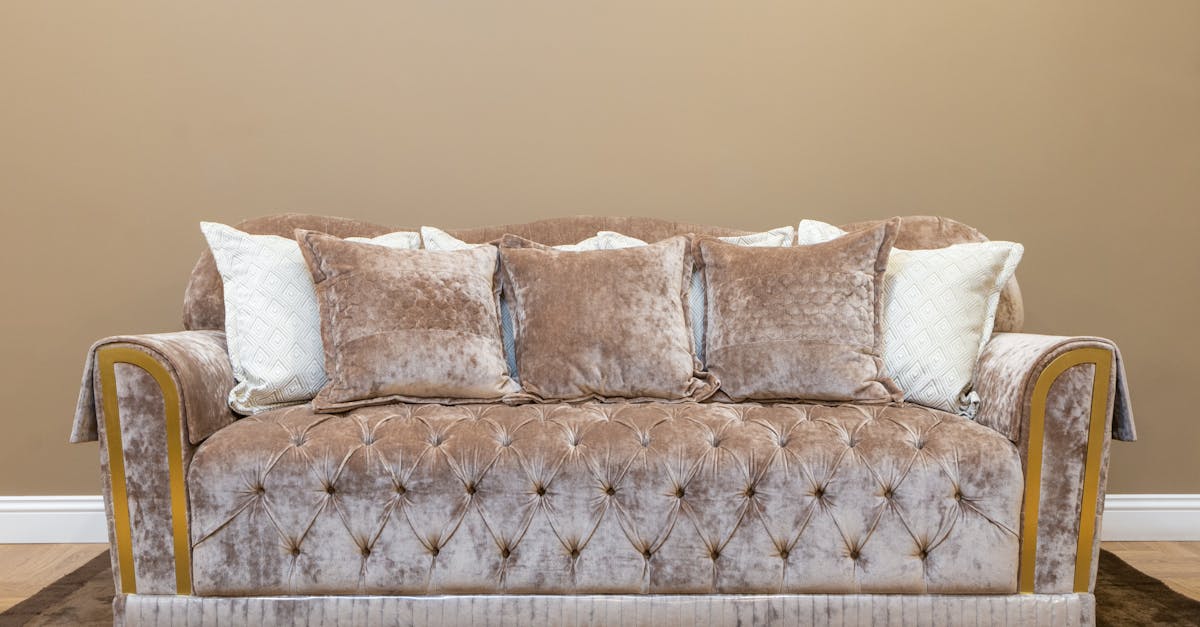
Decorative pillows add aesthetic appeal but rarely see the inside of a washing machine. Staff members place them on chairs or the floor while changing the sheets. These items can harbor dust mites and germs from previous occupants. It is best to place these decorative accents in the closet during your stay. Skin contact with these unwashed fabrics should be avoided whenever possible.
Coffee Makers

The in-room brewing station often accumulates stale water and bacterial buildup inside the internal tubing. Maids frequently wipe the exterior without performing a deep internal cleaning or descaling cycle. Glass carafes may be rinsed in the bathroom sink rather than sanitized properly. Using the machine without running a plain water cycle first is not recommended. Many frequent travelers prefer to buy coffee elsewhere rather than risk using these devices.
Remote Controls

The television remote is one of the most touched objects in any hotel room. Cleaning crews rarely focus on disinfecting the buttons or the crevices between them. Studies have shown these devices carry high levels of bacteria and other contaminants. Placing the remote inside a clear plastic bag allows you to use it safely. Wiping it down with a disinfectant wipe is another effective precautionary measure.
Ice Buckets
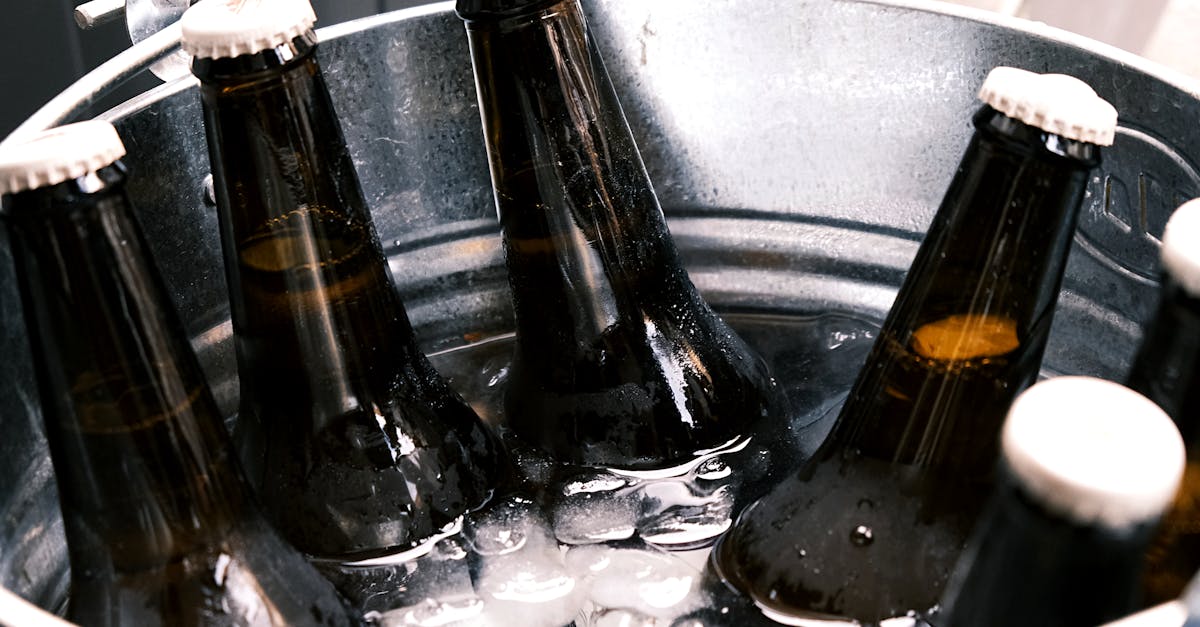
Those shiny plastic or metal buckets are almost never sanitized with soap and water. Guests often use them as trash cans or sickness receptacles before they are rinsed and returned to the shelf. Housekeepers may wipe them with a general cleaning rag that was used elsewhere in the room. You should always use the plastic liner bag provided before putting ice inside. Consuming ice directly from the bucket surface poses a significant hygiene risk.
The Mattress Pad
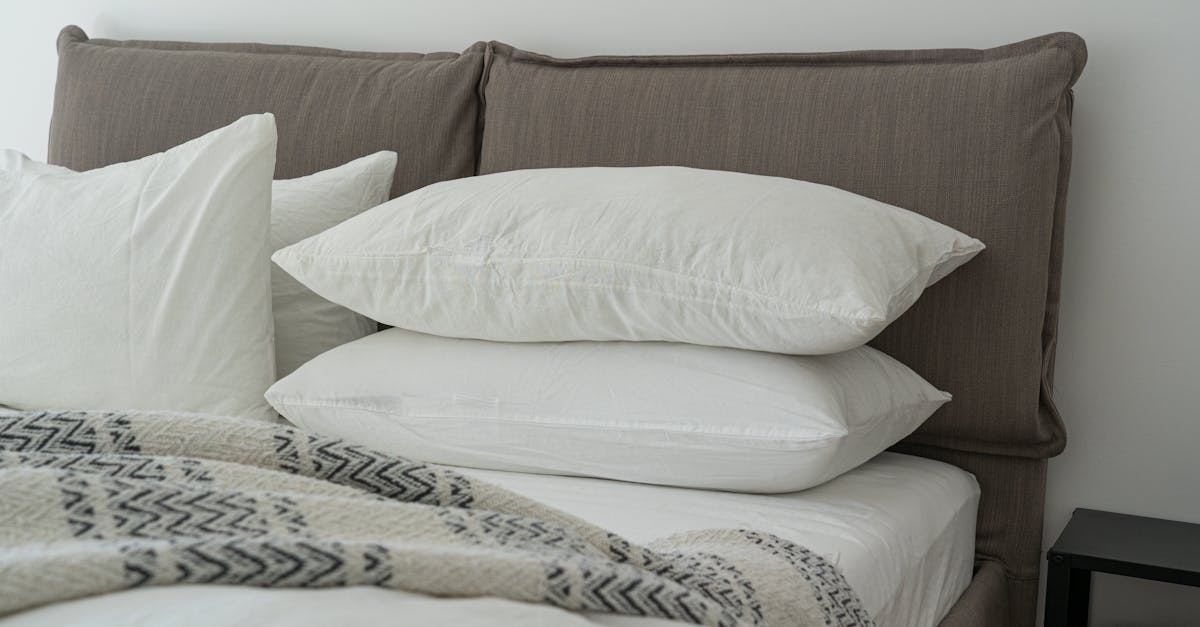
Sheets and pillowcases are changed daily but the mattress pad is often neglected. Some hotels only wash the mattress protector when visible stains appear or during deep cleaning cycles. Sweat and allergens can accumulate in the fabric layers over time. Checking the mattress seams for signs of pests is a prudent habit for any traveler. Requesting fresh bedding upon arrival ensures every layer is clean.
Carpet Cleanliness

Vacuum cleaners remove visible dirt and crumbs but do not sanitize the fibers. Carpets in hotel rooms trap dead skin cells and outdoor pollutants tracked in by shoes. Walking barefoot exposes your feet to fungus and bacteria embedded deep in the rug. Wearing socks or slippers is always the safest choice when moving around the room. Deep steam cleaning happens very rarely in the hospitality industry.
Privacy Signs
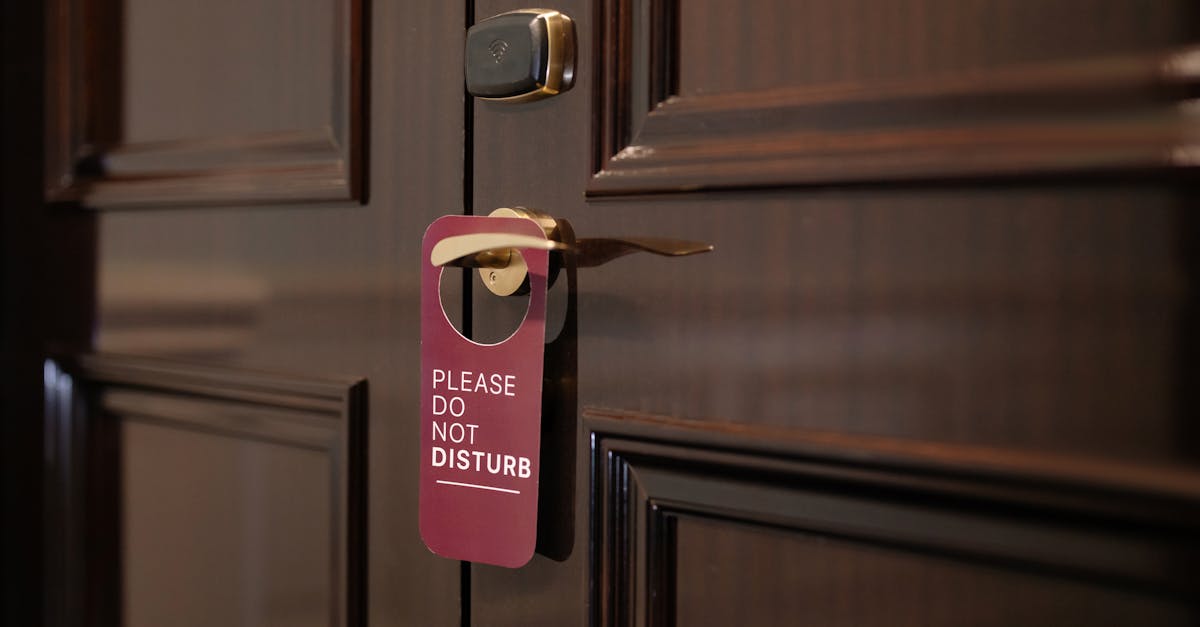
Hanging the sign on your door does not guarantee total exclusion from staff entry. Management can authorize entry for wellness checks if the sign remains up for more than twenty-four hours. Housekeepers might still knock to ensure the room is occupied or to slide a bill under the door. Security protocols require staff to verify the safety of the room and its assets. It effectively stops cleaning service but does not act as a legal barrier.
Bathroom Phones

The telephone next to the toilet is a magnet for fecal bacteria and other pathogens. Cleaning staff often overlook this device during their quick wipe-down of the bathroom fixtures. The keypad and handset collect germs from every guest who has used the facilities. Touching this phone while in the bathroom is generally ill-advised. If you must use it you should sanitize it thoroughly beforehand.
Cleaning Rags
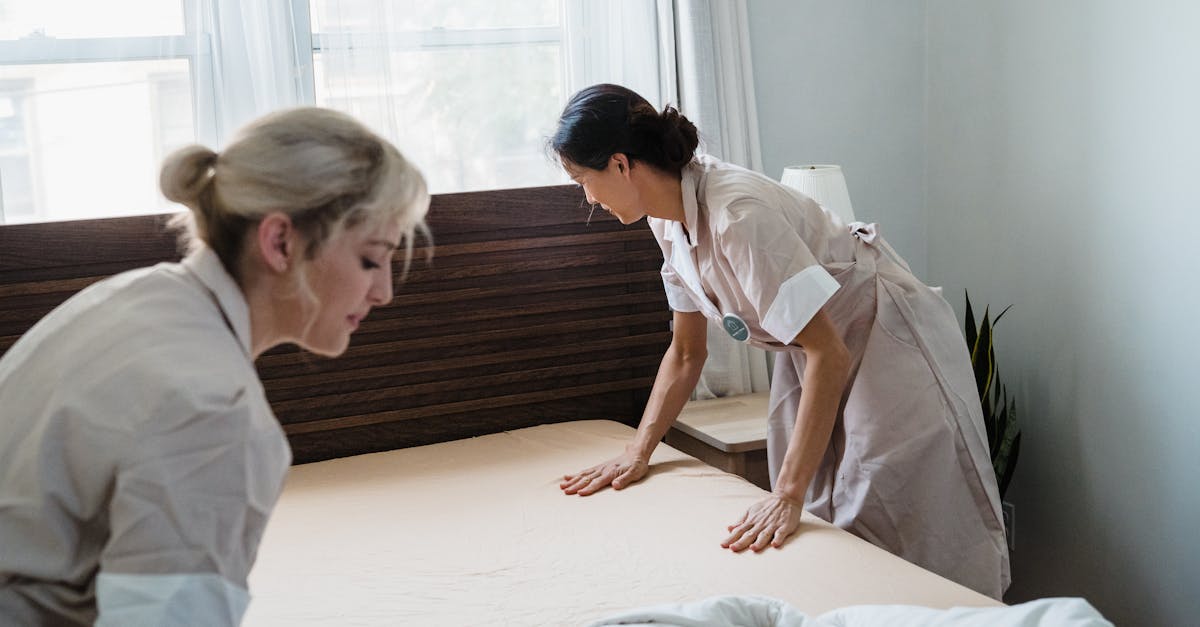
Some housekeepers use the same cloth for multiple surfaces to save time. A rag used on the toilet rim might subsequently be used to wipe the shower floor or counter. Cross-contamination is a serious issue when staff members are under extreme time pressure. High-end hotels implement color-coded systems to prevent this but budget motels may not. Carrying your own disinfectant wipes provides peace of mind against surface germs.
Light Switches

Switches and door handles are high-touch points that often escape the disinfectant spray. Thousands of hands touch the main entry switch and the bedside lamp toggles every year. These small surfaces can transmit cold and flu viruses very easily. A quick wipe with an alcohol pad eliminates most of the risk. Being mindful of hand hygiene after adjusting the lights is essential.
Upholstered Chairs

The fabric armchair in the corner collects dust and absorbs odors from previous guests. Stains are often spot-cleaned with chemicals rather than the furniture being shampooed. Guests frequently sit on these chairs in damp towels or dirty outdoor clothing. Placing a towel over the seat before sitting down creates a sanitary barrier. You should inspect the crevices for crumbs or debris before settling in.
Time Constraints

Maids are typically given thirty minutes or less to completely turn over a standard room. This strict quota forces them to prioritize visible cleanliness over deep sanitation. They must rush through tasks like scrubbing the tub or dusting high shelves. The pressure to meet quotas often leads to the skipping of hidden areas. Understanding this reality helps manage expectations regarding clinical sterility.
Luggage Racks
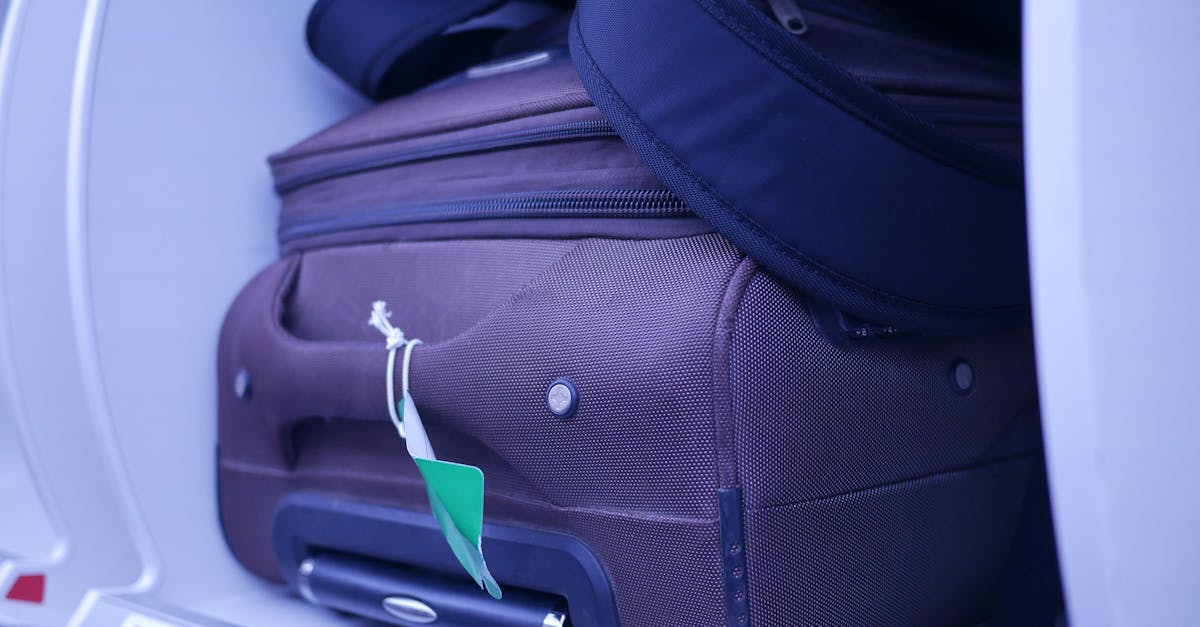
The wooden or metal luggage stand is a frequent hiding spot for bed bugs. These pests can travel from one suitcase to another via this common piece of furniture. Inspecting the straps and joints of the rack is a necessary precaution. Many experts recommend placing your suitcase in the bathtub while you inspect the room. Keeping your luggage off the floor and rack is the best defense.
Key Cards

Plastic key cards change hands hundreds of times without being sanitized. Front desk agents reuse them immediately after a guest checks out. The card spends time in pockets and wallets and on dirty countertops. Wiping the card upon receipt is a quick and easy safety step. You should avoid placing the key card on your bedside table where you sleep.
Check-Out Times

Staying past the designated check-out time disrupts the entire housekeeping schedule. Maids are assigned a specific list of rooms based on expected vacancy times. A delay in one room creates a domino effect that rushes the cleaning of subsequent rooms. Leaving on time allows the staff to perform their duties without added stress. Requesting a late check-out in advance is the polite way to handle schedule changes.
Blackout Curtains
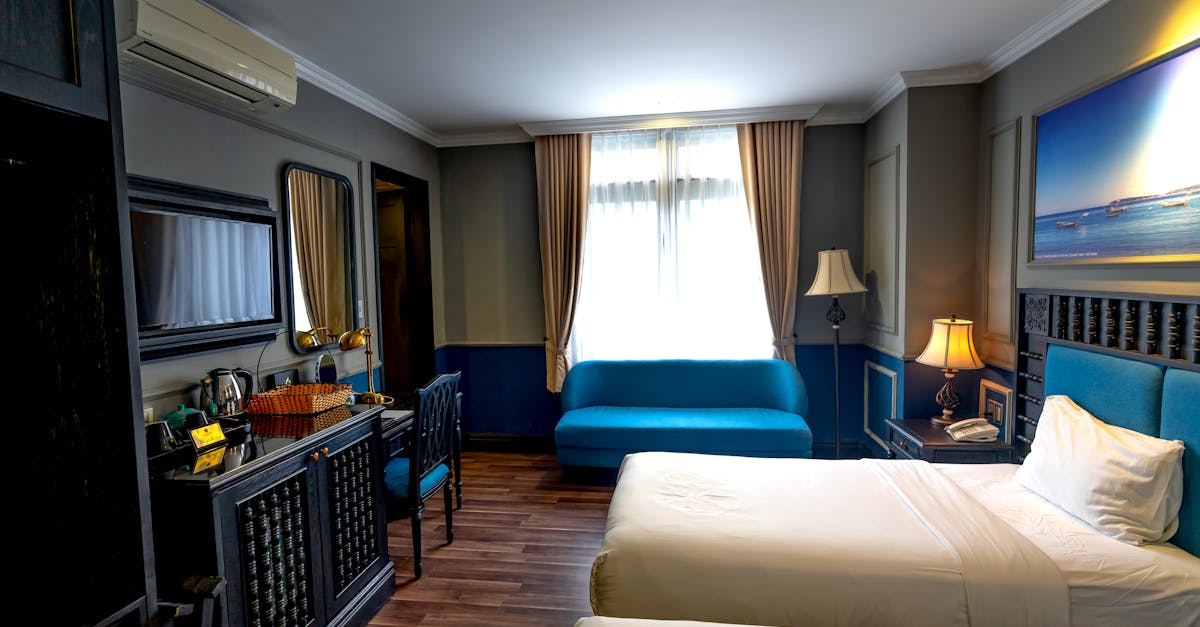
The heavy drapes used to block light are almost never taken down for dry cleaning. Dust and allergens settle in the deep folds of the thick fabric over months or years. Guests often wipe their hands on them or use them to open the window. Touching the wand or pull cord is cleaner than grabbing the fabric itself. Avoid shaking the curtains vigorously to prevent releasing a cloud of dust.
Shower Curtains

Standard plastic shower liners are prone to mold and mildew growth at the bottom. While they are replaced periodically they are not changed for every new guest. Bacteria thrive in the damp environment of the bathroom folds. You should examine the bottom hem for pink or black discoloration before showering. Leaving the curtain open after use helps it dry and reduces fungal growth.
Hair Dryers

The hair dryer provided in the room usually lives in a drawer or a fabric bag. It is frequently handled by guests with unwashed hands and is rarely cleaned by staff. The intake vent often clogs with dust and hair from hundreds of users. Using the device can blow accumulated dust particles onto your clean hair. Wiping the handle is a smart move before using the appliance.
Tipping

Leaving a tip can significantly influence the quality of service you receive. Maids who see a daily tip are more likely to provide extra towels or toiletries. It is better to tip a small amount daily rather than a lump sum at the end. Different staff members work different shifts and the daily tip rewards the person working that day. A small note of appreciation often accompanies better attention to detail.
Lost and Found
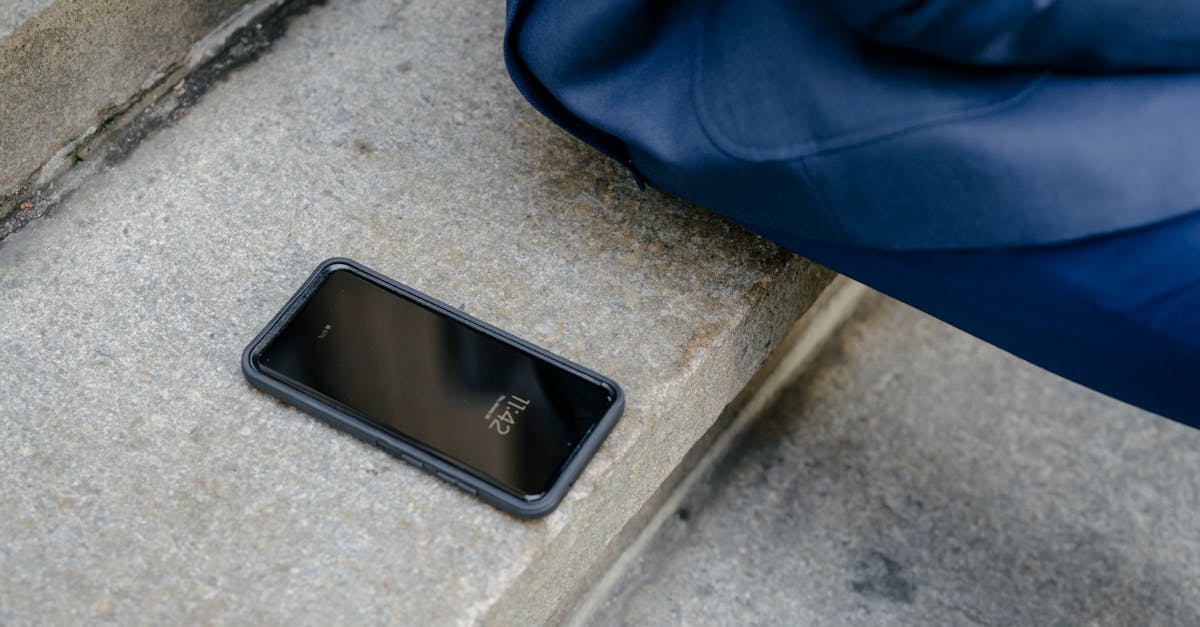
Housekeepers find everything from phone chargers to expensive jewelry left behind. Most items are logged and kept for a specific period before being discarded or donated. Food and beverages are typically thrown away immediately for safety reasons. Calling the hotel immediately increases your chances of recovering a lost item. Staff members are generally honest but prompt reporting is crucial.
Soap Usage

A bar of soap is often discarded even if the guest only used it once to wash their hands. This generates a massive amount of waste across the hotel industry. Some hotels now participate in recycling programs that sanitize and reprocess used soap. Liquid dispensers are becoming more common to combat this environmental issue. Bringing your own soap reduces unnecessary waste during your stay.
Bed Bugs

Bed bugs are a constant threat regardless of how expensive or clean the hotel is. Housekeepers are trained to look for them but can miss early signs of an infestation. The pests can hide in electrical outlets and behind headboards. You should not place your clothing in the drawers until you have inspected them. Finding these pests requires immediate notification to management and a room change.
Unlocked Doors

Maids sometimes prop doors open with their carts while cleaning a row of rooms. This practice allows for airflow but can compromise the security of the room. It is possible for someone to slip inside while the housekeeper is in the bathroom. Always use the deadbolt and safety latch when you are inside the room. Double-check that your door is fully closed and locked when you leave.
Toilet Brushes

Most hotel bathrooms do not contain a toilet brush for guest use. If a toilet requires scrubbing the maid brings a brush on her cart. This means the toilet might remain soiled until the next scheduled service. You can call the front desk to request immediate cleaning assistance if necessary. This policy prevents germ-laden brushes from sitting in the guest bathroom.
Balcony Handles
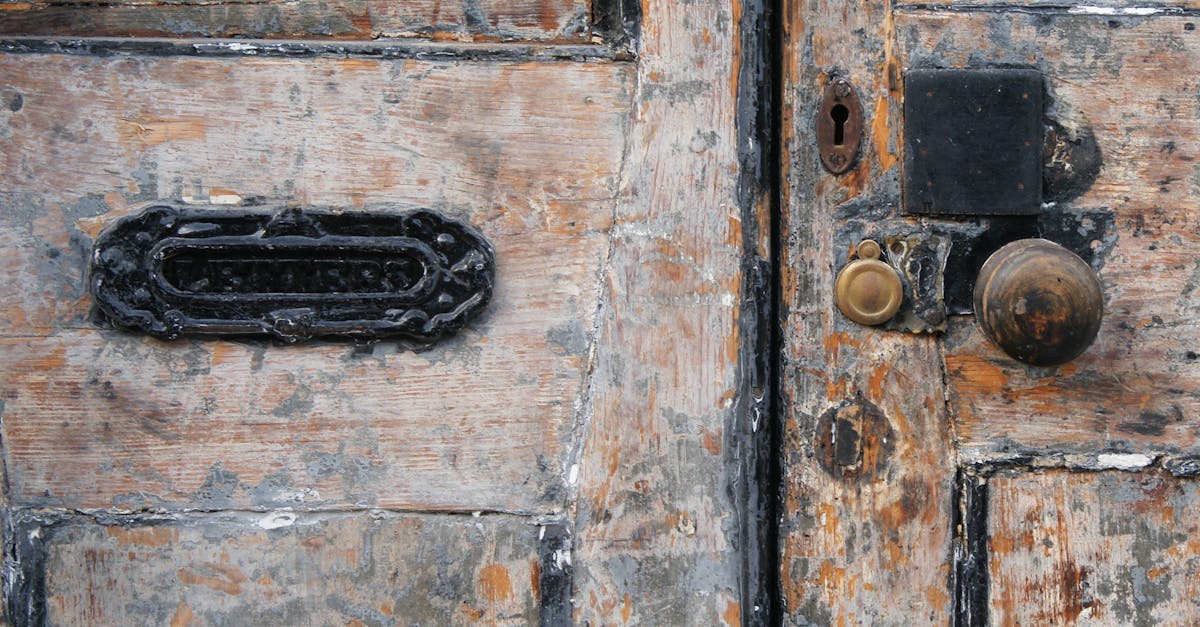
Sliding door handles and locks accumulate grime and fingerprints. These areas are exposed to outdoor elements and are frequently touched but rarely scrubbed. Insects and dust often collect in the sliding tracks. Wiping the handle before using it prevents sticky residue transfer. Ensure the lock engages fully as these mechanisms can wear out over time.
Minibars

Staff check minibars daily to restock items and look for tampering. Some guests try to refill liquor bottles with water or replace consumed snacks. Housekeepers must inspect seals carefully to ensure the next guest is not cheated. Moving items in the fridge can trigger automatic sensors that charge your bill. It is best to leave the minibar contents undisturbed unless you intend to pay.
Room Scents

A strong smell of air freshener or bleach often masks unpleasant odors. Hotels use industrial deodorizers to hide the smell of smoke or mildew. If the chemical scent is overpowering it might be covering up a cleanliness issue. Ventilating the room by opening a window is a good idea upon arrival. Persistent bad odors warrant a request for a different room.
Baseboards

Dust accumulates heavily on the baseboards and in the corners of the room. Time-crunched maids focus on eye-level surfaces and often skip the floor perimeter. A quick glance at the baseboards usually reveals how deep the cleaning actually goes. This dust is generally harmless but indicates a lack of detailed attention. Allergies may flare up in rooms where dust bunnies are allowed to gather.
Pillow Protectors

Beneath the crisp pillowcase lies a pillow protector that shields the cushion. These zippered covers are not changed as frequently as the outer pillowcases. Drool and sweat stains often mar the surface of these inner covers. It is worth taking a peek underneath the pillowcase to check for cleanliness. You can always request fresh pillows if the condition is unacceptable.
Room Service Trays

Dirty trays left in the hallway create a tripping hazard and attract pests. Guests should call for tray pickup rather than simply pushing it out the door. Housekeepers are not always responsible for retrieving these items promptly. The smell of leftover food can linger in the corridor for hours. Proper disposal protocols help maintain a pleasant environment for everyone.
Do Not Disturb

Leaving the privacy sign up for your entire stay means your room will not be cleaned. You will not receive fresh towels or trash removal while the sign is displayed. Housekeepers respect the sign but will not stockpile supplies outside your door. You must remove the sign or call housekeeping if you need specific services. Communication is key to getting what you need while maintaining privacy.
Theft Prevention
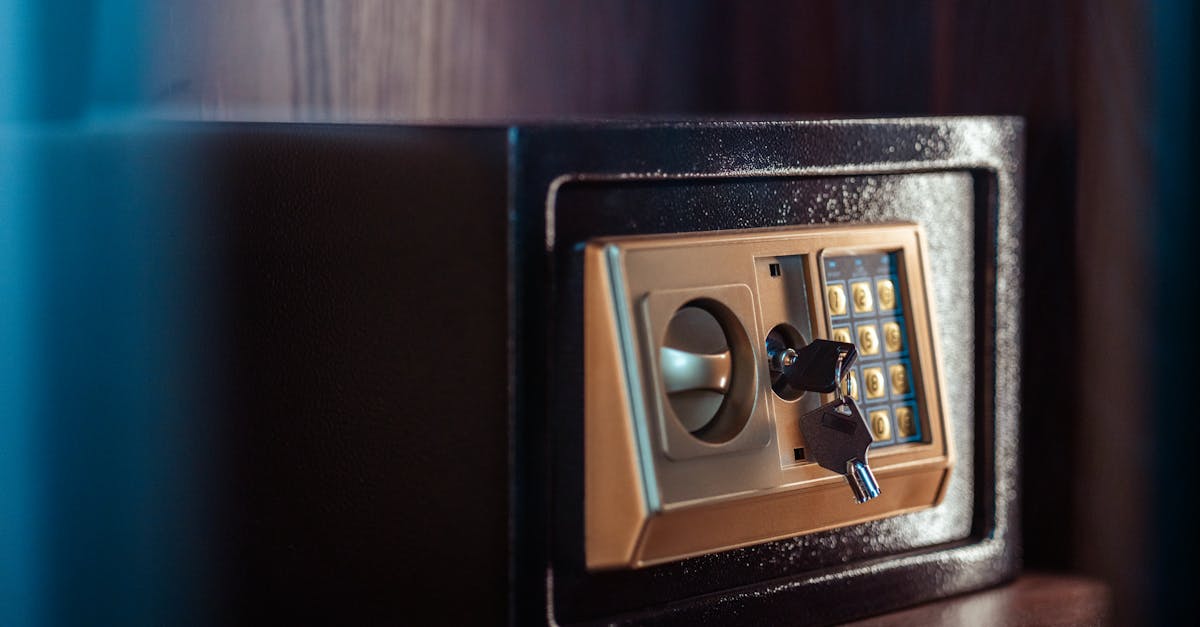
Theft by housekeeping staff is statistically rare but it does happen occasionally. Leaving cash or expensive jewelry in plain sight is a temptation best avoided. The in-room safe provides a basic level of security for your valuables. Most hotels monitor key card entries which helps identify who entered the room. Packing away valuables is the smartest way to prevent misunderstandings or theft.
Body Fluids

Housekeepers frequently encounter bodily fluids on sheets and towels. They are trained to handle these biohazards safely but it is an unpleasant part of the job. Stained linens are bagged separately and treated with harsh chemicals. Being considerate and not using towels to clean up messes helps the staff. Calling for assistance with major spills is preferred over hiding them in the laundry.
Loud Noises

Vacuum cleaners and slamming doors are inevitable sounds during the morning shift. Housekeepers start their rounds early to prepare rooms for afternoon check-ins. Asking for a quiet room usually places you away from the housekeeping staging area. Earplugs are a useful travel accessory if you plan to sleep in. The noise is a sign that the staff is working hard to clean the hotel.
Toothbrush Holders
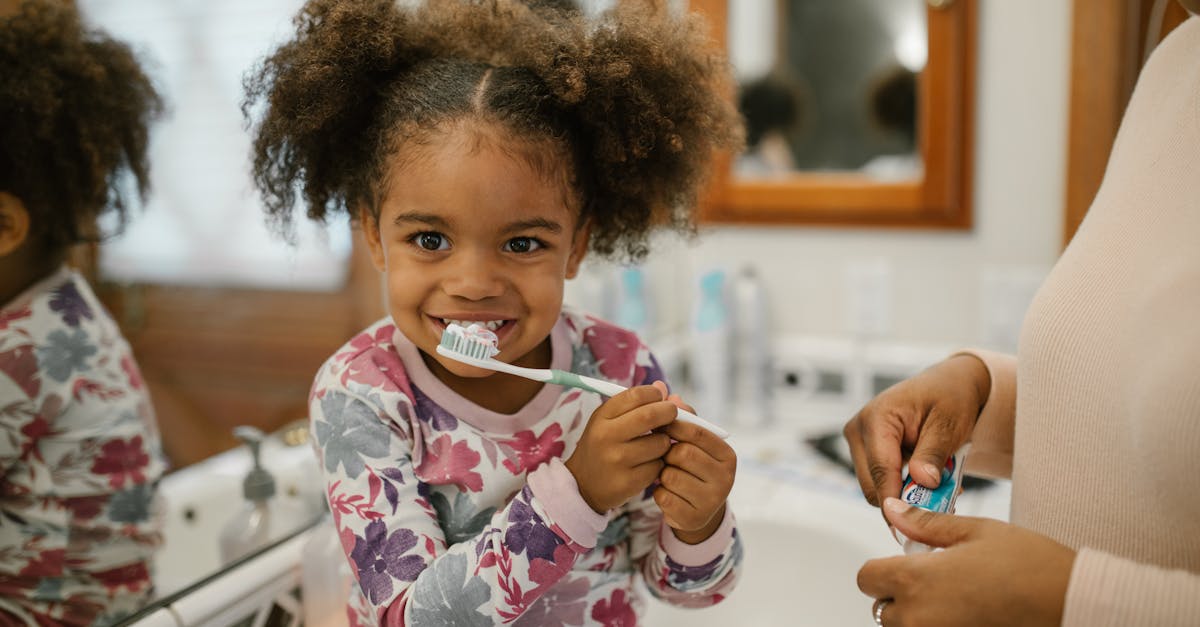
The cup or holder designated for your toothbrush is rarely sanitized. Bacteria from the flushing toilet can settle on these open containers. Laying your toothbrush on a paper towel is a safer sanitary choice. Rinse the holder with hot water before placing any personal items in it. Travel toothbrush covers protect your bristles from bathroom germs.
Spare Blankets

The extra blanket stored in the closet is not always washed between stays. Guests often pull it out for a nap and fold it back up without notifying staff. Inspect the blanket for hair or stains before using it for warmth. Requesting a fresh blanket from housekeeping is a reasonable precaution. It ensures you are not wrapping yourself in someone else’s dust.
Under the Bed
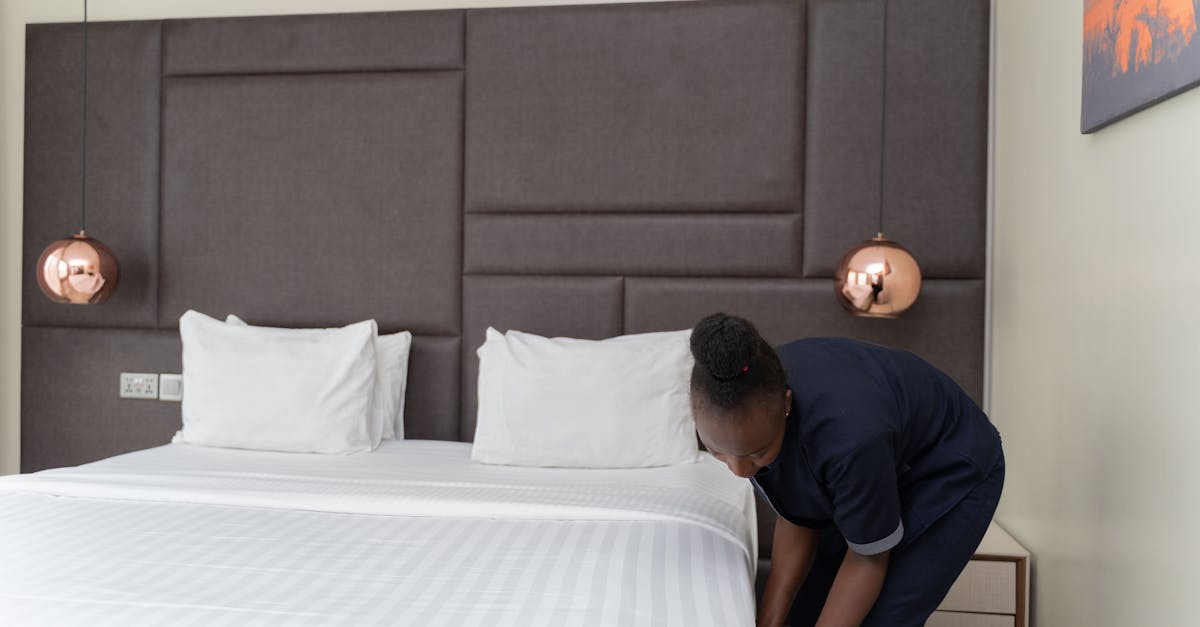
Cleaning beneath the bed is a difficult task that requires moving heavy furniture. Debris and lost items from previous guests often remain there for weeks. Housekeepers focus on the visible floor space to save time and energy. A quick check under the bed ensures you do not leave anything behind. It also reveals the true cleanliness level of the room.
Air Vents
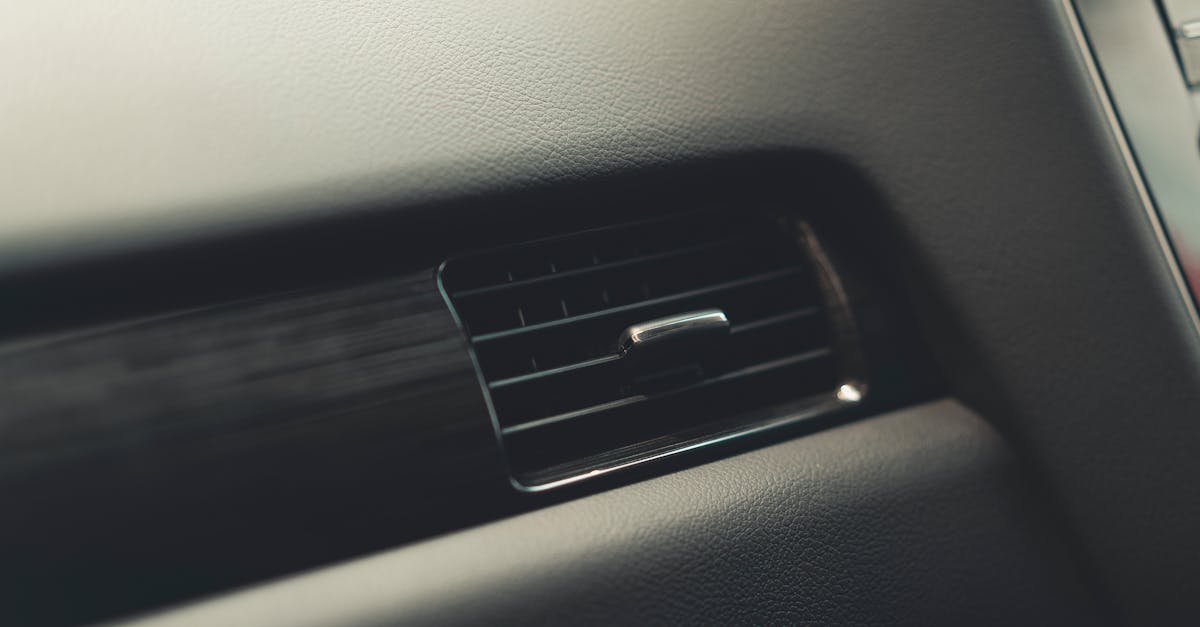
Air conditioning vents collect dust and circulate it throughout the room. Staff members vacuum these high fixtures only during deep cleaning schedules. Black soot or fuzzy dust bunnies on the vent indicate poor maintenance. This can affect air quality and trigger respiratory issues for sensitive guests. Pointing the vents away from the bed can minimize direct exposure to dust.
Drawer Liners

The decorative paper inserts in drawers are often not changed. They can hide crumbs or sticky spots from previous occupants. Using the drawers without wiping them out first can soil your clean clothes. Keeping your clothes in your suitcase avoids this potential problem. A quick wipe with a damp cloth can make the drawers usable.
Bathtubs
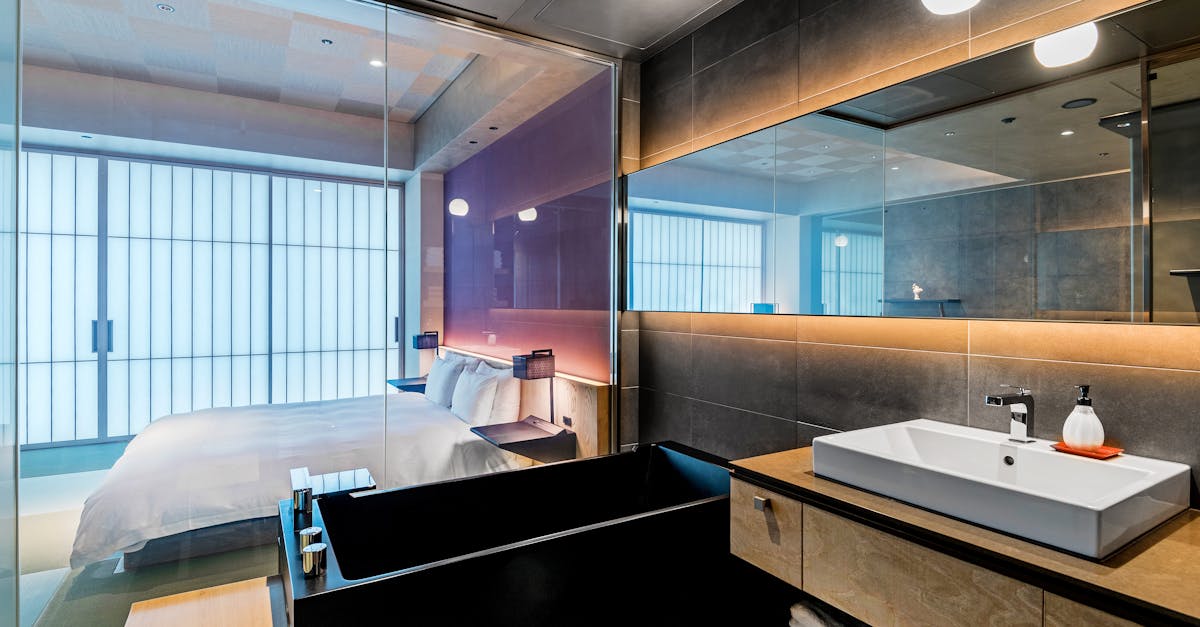
The bathtub surface retains residue from cleaning chemicals and previous bathers. A quick rinse is often all that happens between guests. Running hot water for a minute helps wash away leftover cleaning agents. Disinfecting the tub yourself is recommended if you plan to take a bath. Showering is generally more hygienic than soaking in a hotel tub.
Closet Hangers

Wooden or plastic hangers are dusted infrequently. They are handled by hundreds of people and collect oils from hands. Wiping them down prevents dust from transferring to your clothes. Some guests prefer to bring a few of their own travel hangers. Checking the closet floor for dust protects your shoes and luggage.
Guest Habits

Maids can tell a lot about a person based on the state of their room. An organized room usually results in a better cleaning job. Piles of clothes and trash make it difficult for staff to clean surfaces. Leaving the room in decent shape is a sign of respect for the worker. It allows them to focus on sanitation rather than tidying up clutter.
Polite Greetings

Acknowledging the housekeeping staff with a smile or hello goes a long way. They perform physically demanding work and are often ignored by guests. Treating them with kindness can lead to better service and extra amenities. They are the backbone of the hotel operation and deserve respect. A simple greeting validates their hard work.
Comment Cards

Filling out the comment card or online survey truly affects the staff. Management uses this feedback to evaluate performance and assign bonuses. Mentioning a housekeeper by name can help them get a raise or recognition. Negative feedback should be constructive and specific to be helpful. Taking a moment to review the service supports the workers who looked after you.
Please share your thoughts on hotel hygiene and your own travel experiences in the comments.