The nail salon industry is a multi-billion dollar business built on the promise of beauty and self-care, but behind the polished counters and cheerful decor lies a side most clients never see. From questionable hygiene practices to misleading product claims, there are things happening in your favorite salon that the staff would prefer you never discover. Understanding these hidden realities can help you make smarter decisions about where and how you spend your beauty budget. Here are 13 secrets nail salons hope you never find out.
Tool Sterilization
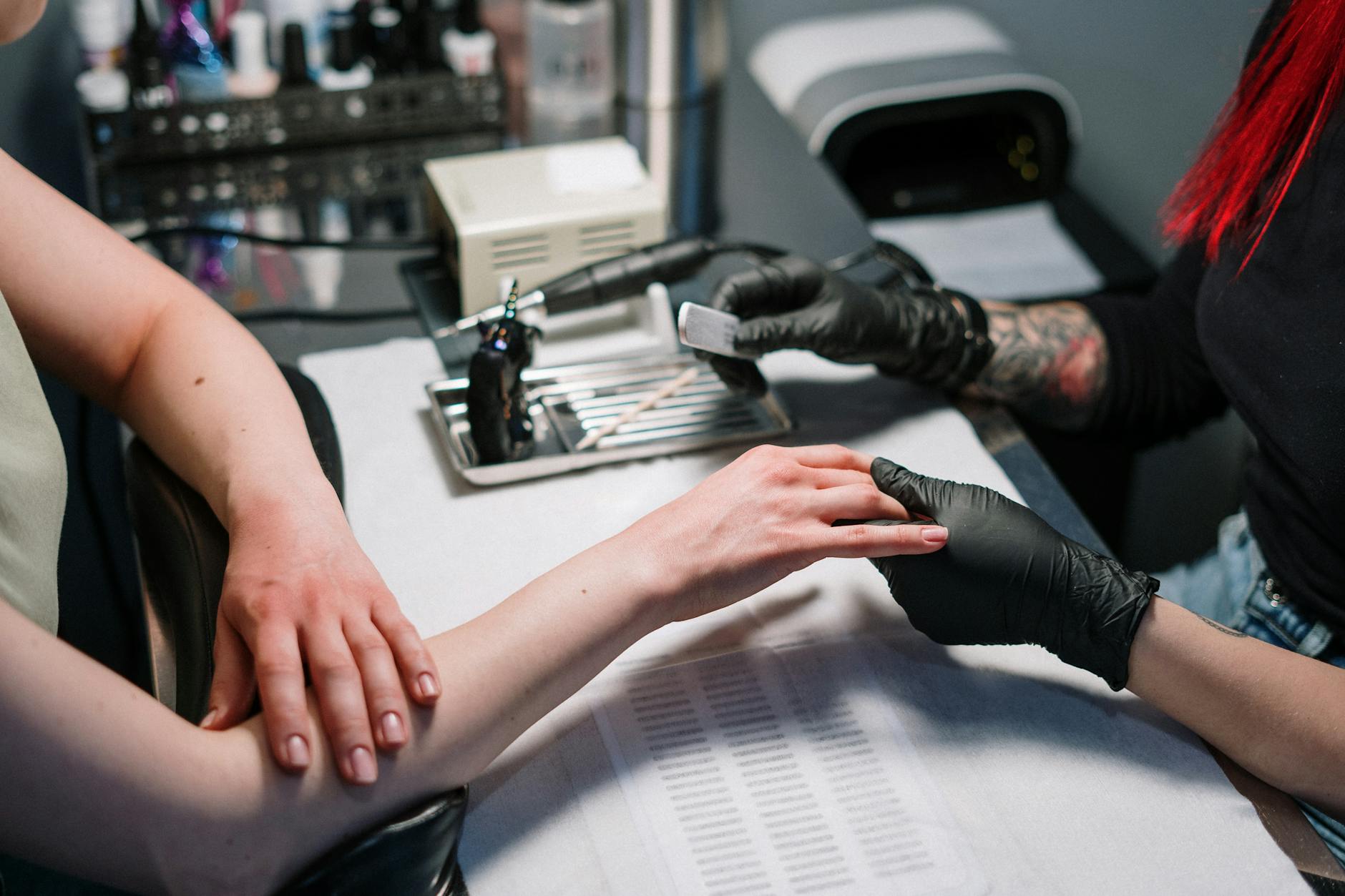
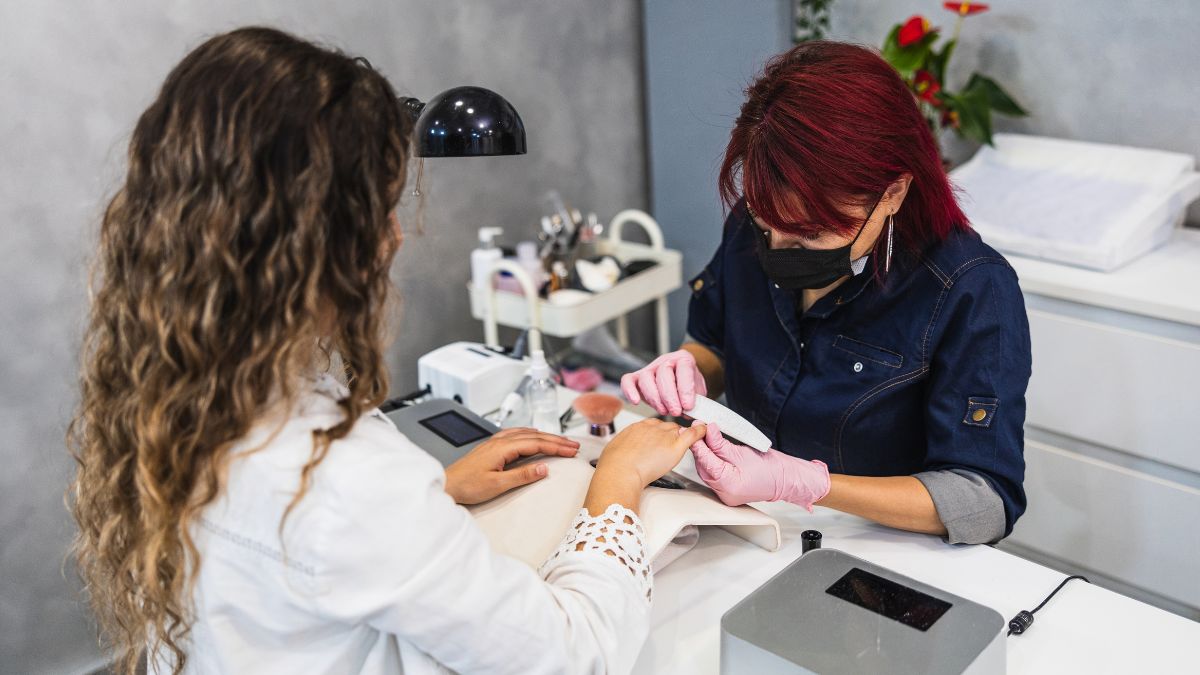
Many nail salons do not properly sterilize their metal tools between clients, even when they appear clean. True sterilization requires an autoclave machine, the same device used in medical offices, and most budget salons simply do not own one. Tools that are soaked briefly in colored liquid or wiped with a cloth are not being disinfected at a level that eliminates fungal or bacterial risk. This practice creates a real opportunity for infections, including nail fungus and staph bacteria, to transfer between customers. Bringing your own set of tools to every appointment is the most effective way to protect yourself from this hidden risk.
Ventilation Systems
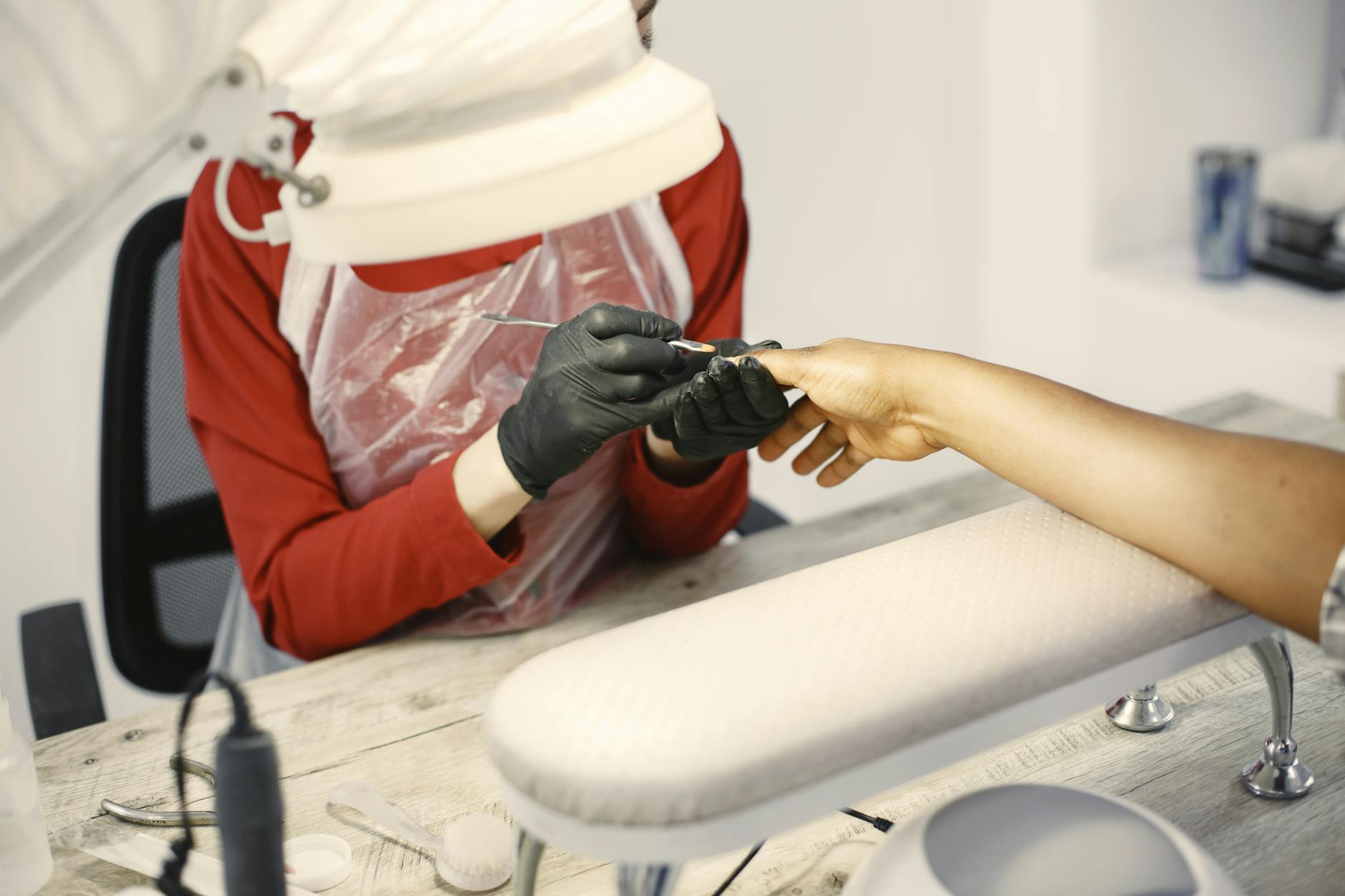
The chemical fumes inside a nail salon are far more hazardous than most clients realize, and poor ventilation makes the problem significantly worse. Acrylic compounds, gel polish removers, and nail primers contain volatile organic compounds that have been linked to respiratory issues and long-term health concerns. In many salons, the ventilation systems are inadequate for the volume of chemicals being used throughout the day. Technicians who breathe these fumes for hours every day face the greatest health risks, but clients absorb more than they typically expect during even a short visit. A salon with open windows, air purifiers, or dedicated ventilation units is a much safer environment than one that relies on a single exhaust fan.
Drill Bits
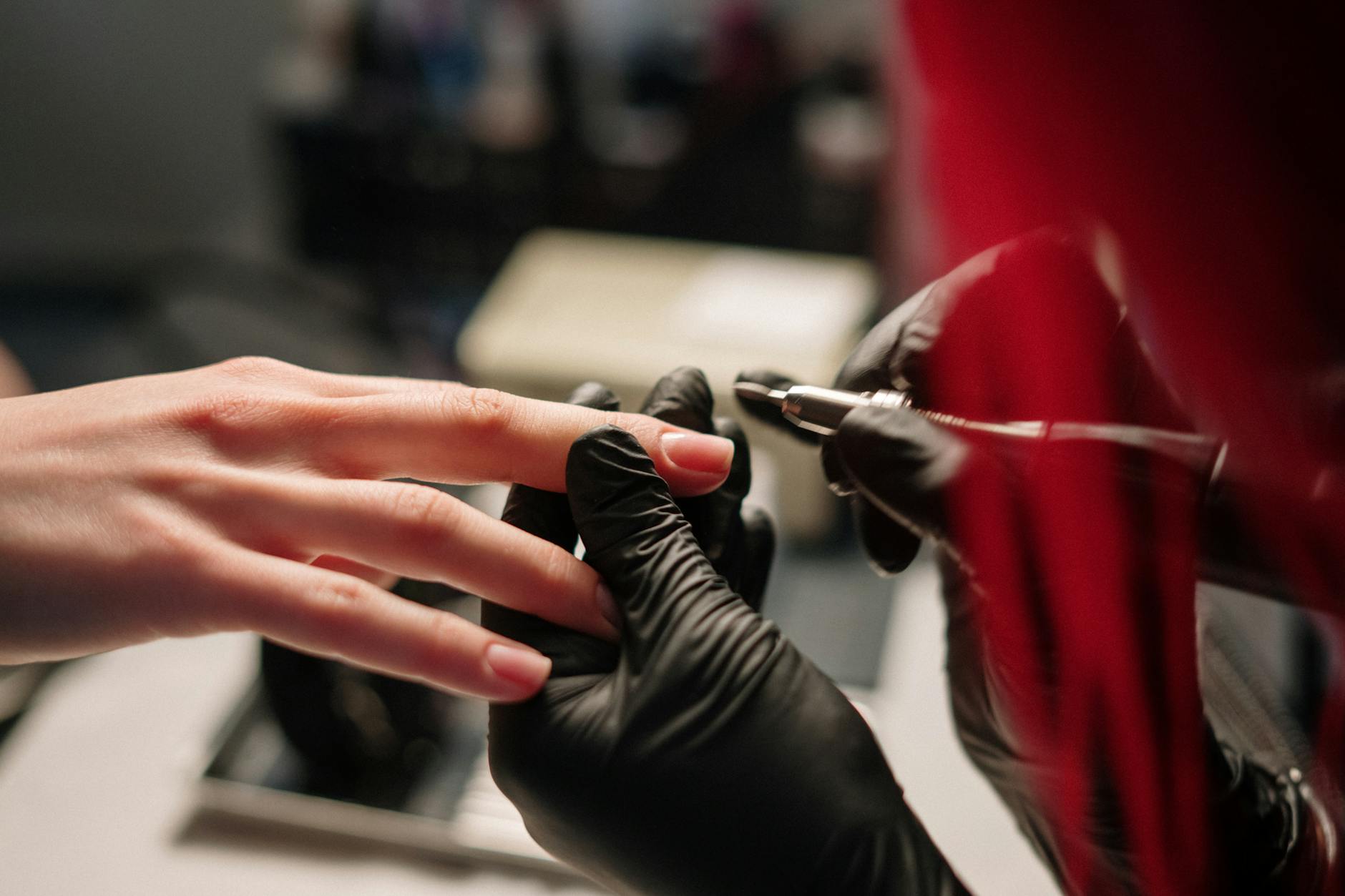
Electric file drills are powerful tools that can cause permanent thinning of the natural nail plate when used incorrectly or too aggressively. Many technicians use drills on natural nails in ways that manufacturers and nail industry educators specifically advise against. Repeated drilling sessions can compromise the integrity of the nail bed over time, leading to brittleness and sensitivity that clients often mistake for a personal nail health issue. Salons rarely disclose that the damage accumulating on a client’s nails is caused by their own equipment and technique. Requesting a manual file instead of a drill is a simple step that can protect the long-term health of your natural nails.
Gel Removal
Salons frequently rush the gel removal process in ways that cause significant and sometimes irreversible damage to natural nails. Proper removal requires soaking the nails in acetone for a sufficient period until the gel lifts cleanly on its own. When technicians peel, pry, or scrape gel off prematurely, they strip away layers of the actual nail plate along with the product. This repeated damage is a leading cause of the peeling, thinning, and weakness that clients frequently complain about after long-term gel use. Taking the time to remove gel correctly at home or insisting on a proper soak-off process at the salon makes a measurable difference in nail health over time.
Nail Dust
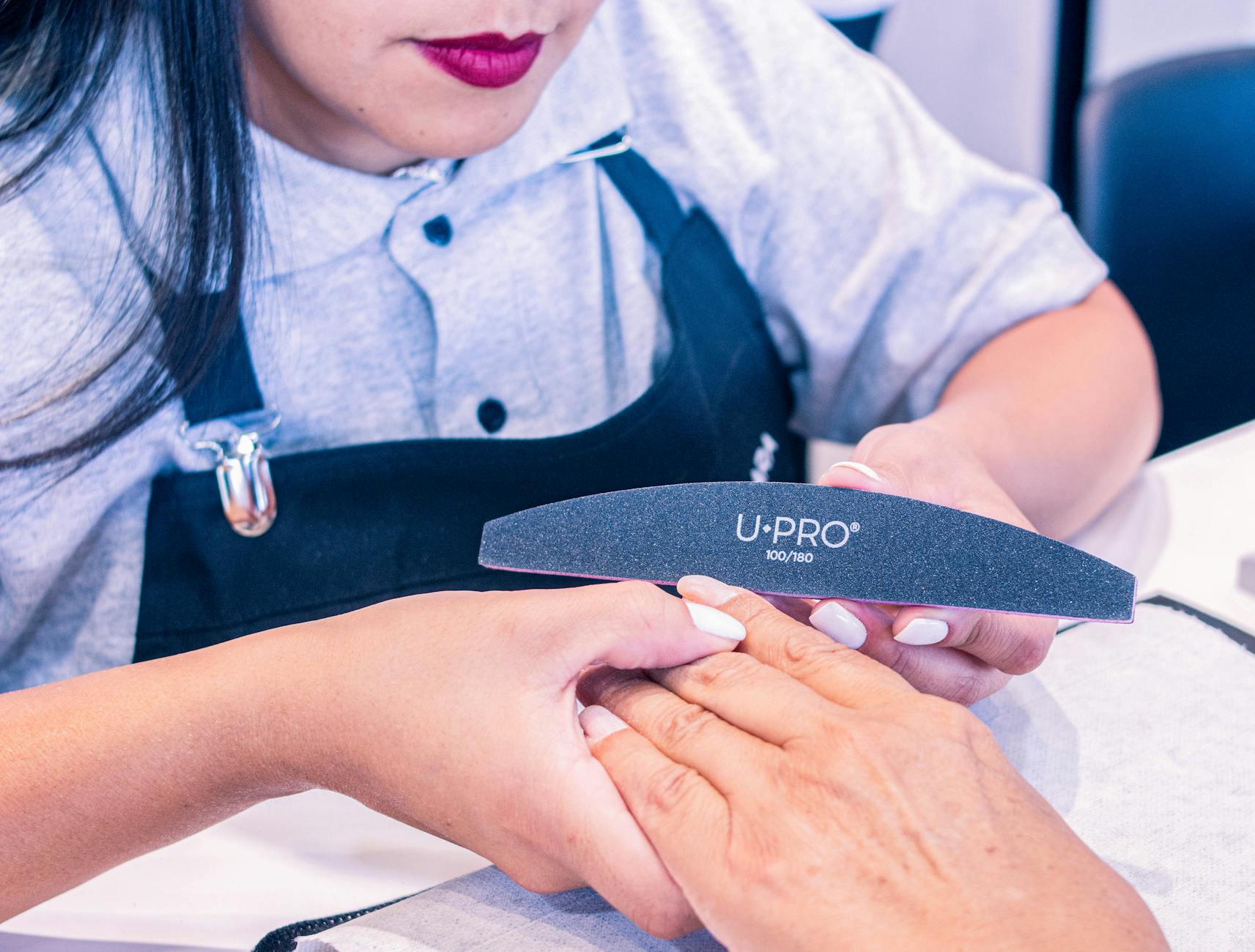
The fine dust produced during filing and drilling is one of the least discussed hazards in the nail salon environment. This dust contains particles from acrylic powders, gel products, and natural nail material that become airborne and are easily inhaled by both technicians and clients. Research has connected prolonged inhalation of nail dust to respiratory irritation and other health concerns, particularly in poorly ventilated spaces. Most salons do not use dust extraction systems at individual stations, meaning the particles settle on surfaces and circulate throughout the room. Clients who visit frequently or have pre-existing respiratory sensitivities should be particularly mindful of the air quality in the salons they choose.
Expiry Dates
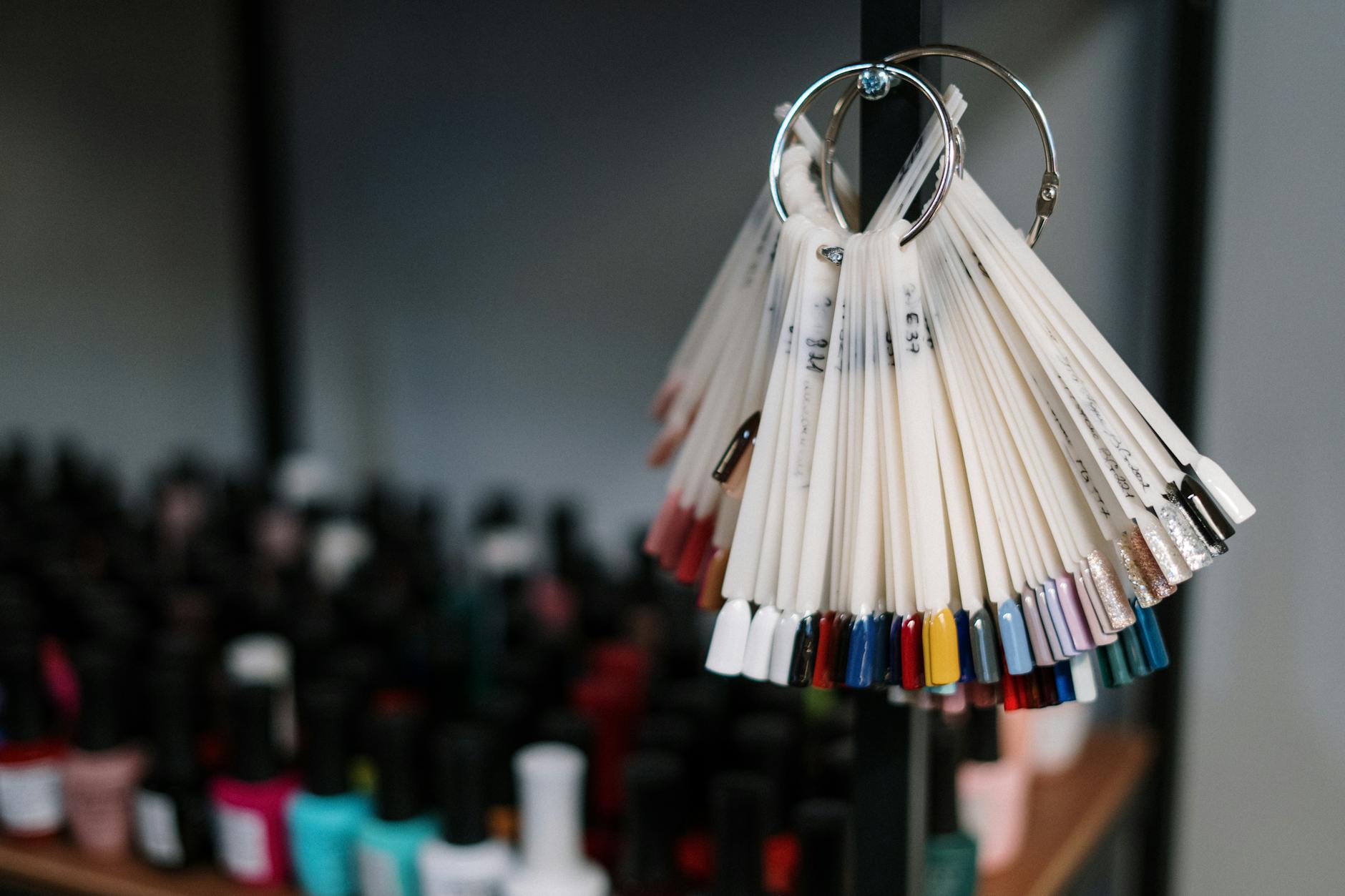
Nail products including polishes, gels, acrylics, and primers all have shelf lives that directly affect both their performance and safety. Many salons continue to use products well past their expiration dates because discarding old stock cuts into profit margins. Expired acrylics can cause allergic reactions and skin sensitization that may develop over time and become permanent. Gel polishes that are past their prime often cure improperly, leading to lifting and peeling that salons tend to blame on the client’s nail type. Customers rarely think to ask about product freshness, but it is a legitimate question that any reputable salon should be willing to answer honestly.
Cuticle Cutting
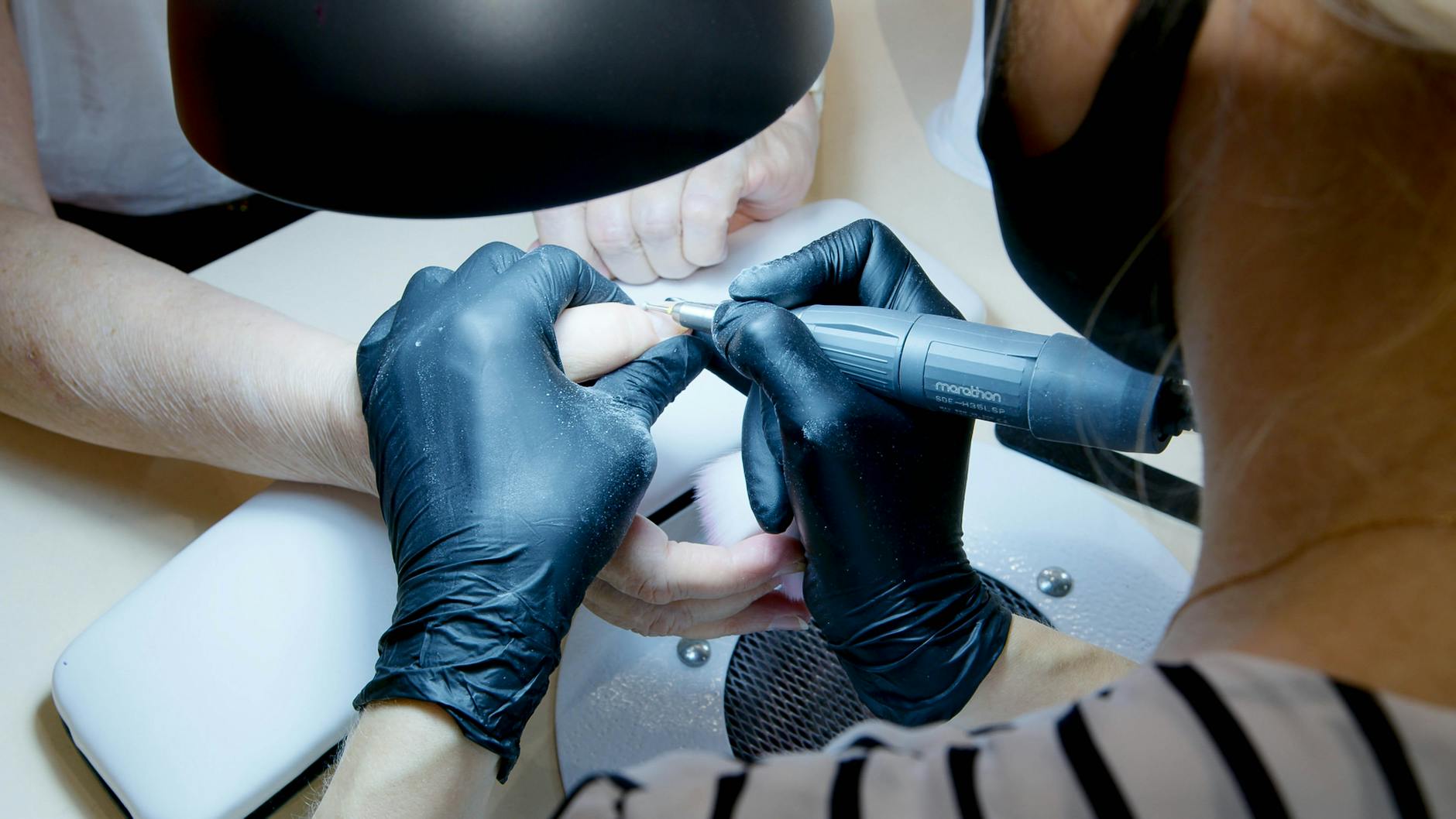
The cuticle is not simply dead skin to be trimmed away for aesthetic reasons. It serves as a protective seal that prevents bacteria, fungus, and moisture from entering the space between the nail plate and the nail bed. Cutting the cuticle removes this barrier entirely, creating an open pathway for infections that clients may not connect back to their salon visit. Many nail associations and dermatologists advise pushing cuticles back rather than cutting them, yet aggressive trimming remains standard practice in the majority of salons. Requesting that your cuticles be pushed back with a wooden or rubber tool rather than cut is a straightforward way to protect your nail health.
Disinfectant Jars
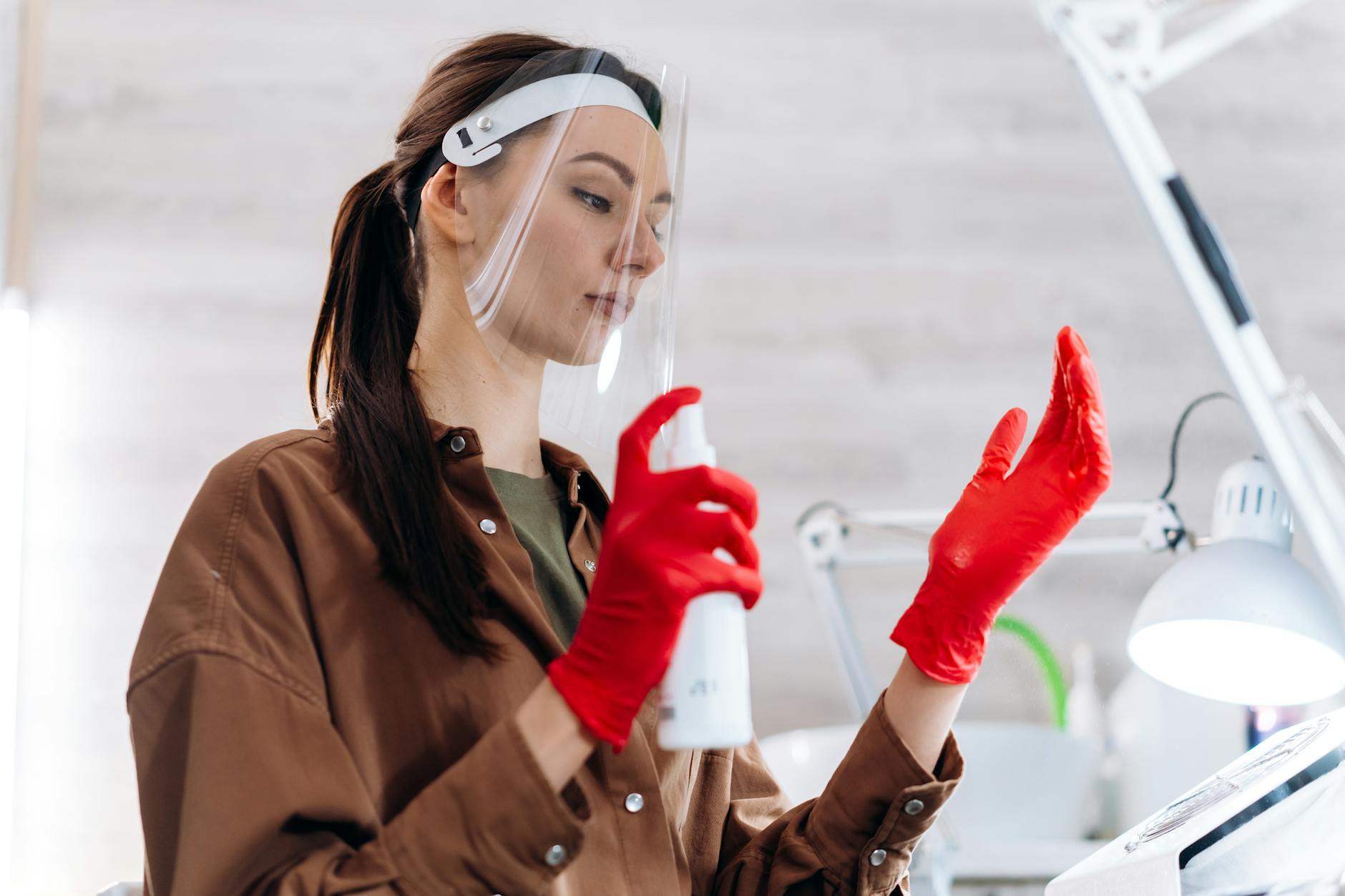
The colorful liquid-filled jars holding combs and scissors at nail stations create a professional impression, but the reality of what they actually accomplish is more complicated. For a disinfectant solution to be effective it must be changed regularly and mixed to the correct concentration, and studies have found that many salon solutions are either too diluted or far too old to work as intended. Some salons refill their jars with colored water or non-disinfecting liquid simply to maintain appearances. Implements left sitting in these solutions between clients are not necessarily safe to use and may harbor residual contamination. A truly hygienic salon should be transparent about its disinfecting protocols and willing to answer specific questions about how tools are cleaned.
Acrylic Allergies
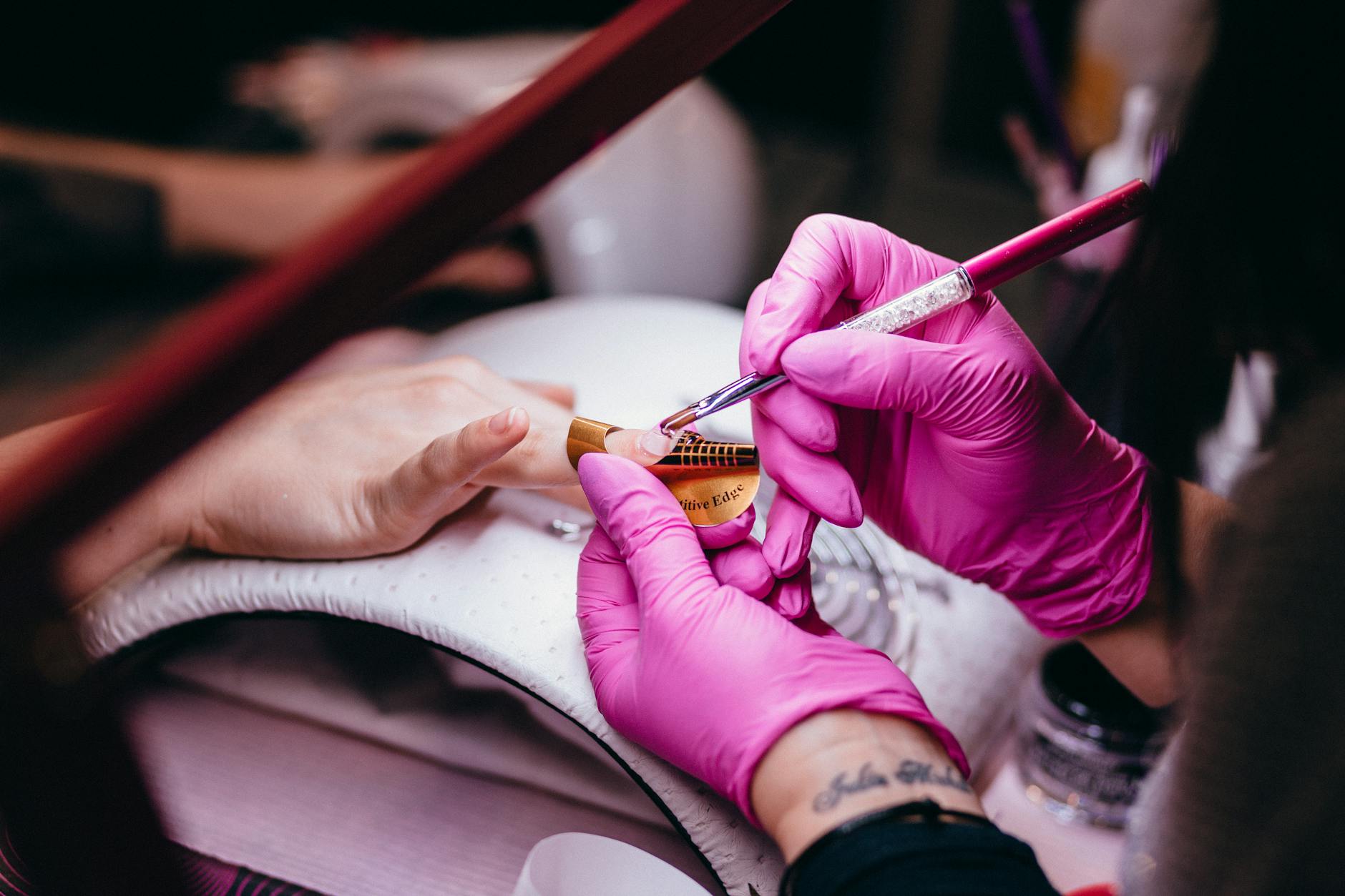
Allergic reactions to the chemicals used in acrylic and gel nail products are far more common than the nail industry typically acknowledges. Repeated exposure to certain monomers found in acrylic liquids can trigger a sensitization response in the immune system that may not appear after a first or second appointment but develops gradually over time. Once sensitized a person can experience severe reactions to any product in the same chemical family, including those used in dental work and certain medical adhesives. Technicians who work without proper gloves can develop the same sensitivity, which is frequently treated as an occupational hazard rather than a safety concern. Clients who notice persistent redness, swelling, or itching around their nails should consult a dermatologist rather than assuming the reaction will resolve on its own.
UV Lamps
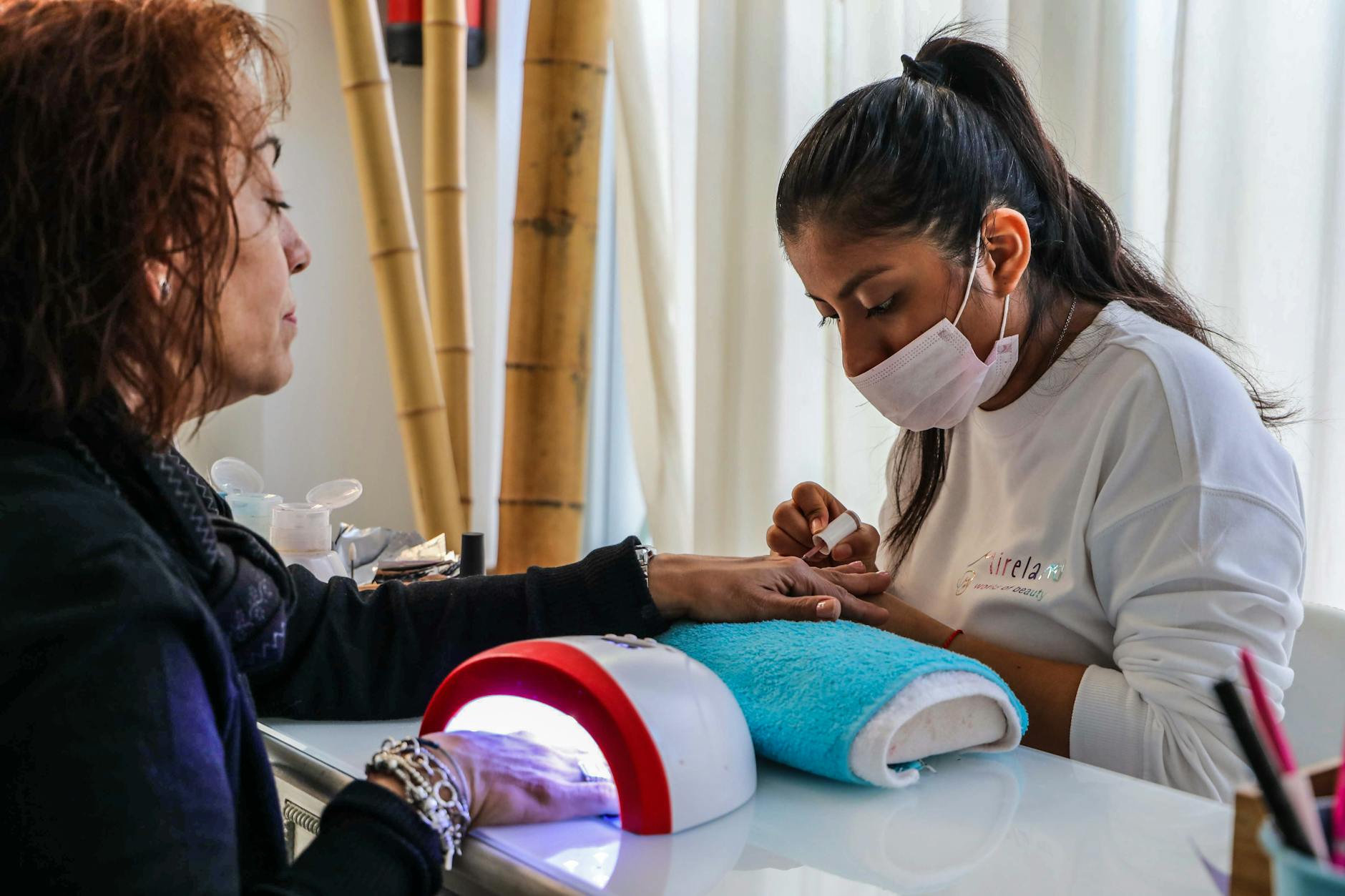
Gel manicures require curing under UV or LED lamps, and the cumulative UV exposure from regular appointments is a concern that salons seldom raise with clients. Dermatologists have noted that the hands receive a concentrated dose of UV radiation during each curing session, which adds up meaningfully for clients who maintain gel manicures month after month. Some studies have suggested a potential connection between frequent UV lamp exposure and changes in skin cells on the hands over time. Wearing broad-spectrum sunscreen or UV-protective gloves with the fingertips cut off during curing sessions is a precaution that many dermatologists recommend. Very few salons proactively offer this advice or make protective products available at their stations.
Fungal Infections
Foot baths and pedicure basins are among the most difficult salon equipment to properly disinfect between clients, and the consequences of inadequate cleaning can be serious. The jets and internal pipes of whirlpool foot baths accumulate skin cells, water, and organic material that create an environment where bacteria and fungi can thrive even after a surface rinse. Nail fungus infections acquired at salons can take months to diagnose correctly and well over a year to fully treat. Some states require specific cleaning protocols for foot basins but enforcement is inconsistent and client-facing records are rarely made available. Opting for a simple bowl basin without jets or bringing your own liner is a practical way to reduce risk during pedicure visits.
Polish Thinners
When nail polish starts to thicken with age, many salons restore it using thinning agents rather than replacing the bottle. Not all thinners are created equal, and some salons use acetone or other harsh solvents that change the chemical composition of the polish and can cause it to dry unevenly, chip prematurely, or apply at inconsistent thickness. The same polish bottle may be used on dozens or hundreds of clients over an extended period far beyond its recommended use-by window. Clients who notice their manicure chipping unusually fast after a salon visit may be experiencing the result of old or improperly thinned product. Asking for a fresh bottle or bringing your own preferred polish is a small step that can have a noticeable impact on the quality and longevity of a manicure.
MMA Monomer
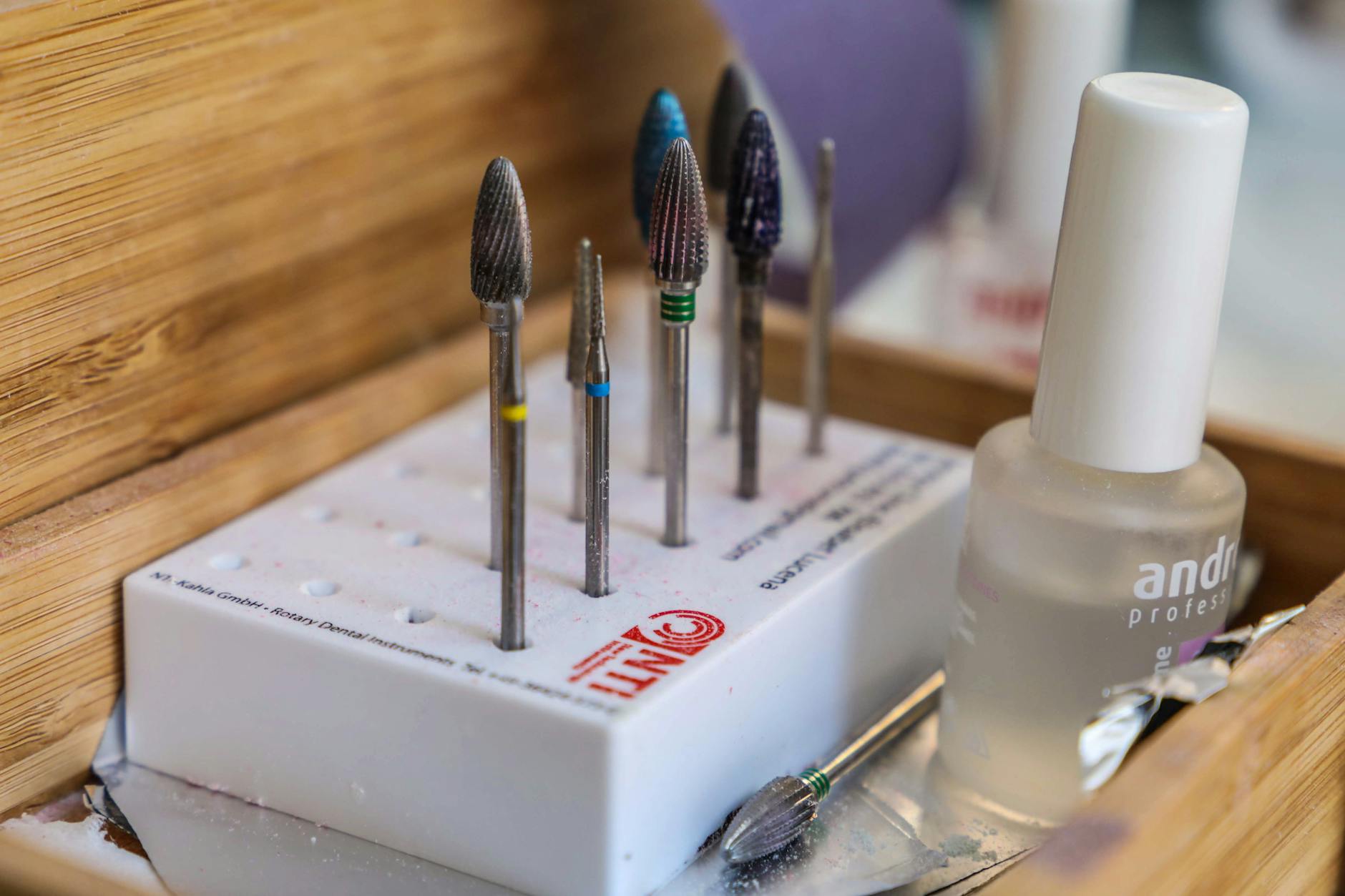
Methyl methacrylate is a low-cost chemical used in some budget salons as an alternative to the industry-approved ethyl methacrylate monomer in acrylic nail products. It has been banned for use in nail products in several countries and flagged by health authorities due to its links to permanent nail damage, allergic reactions, and respiratory harm. MMA creates an extremely hard acrylic that bonds so aggressively to the nail plate that removal can tear off layers of the natural nail. It is often described within salons as producing stronger or more durable nails, which can sound appealing to clients unfamiliar with the risks. The most reliable indicator of MMA presence is an unusually strong or distinct chemical odor during application, and clients should be aware that a lower-priced acrylic service is sometimes a signal worth investigating further.
Have you ever experienced any of these surprises at a nail salon? Share your thoughts and stories in the comments.