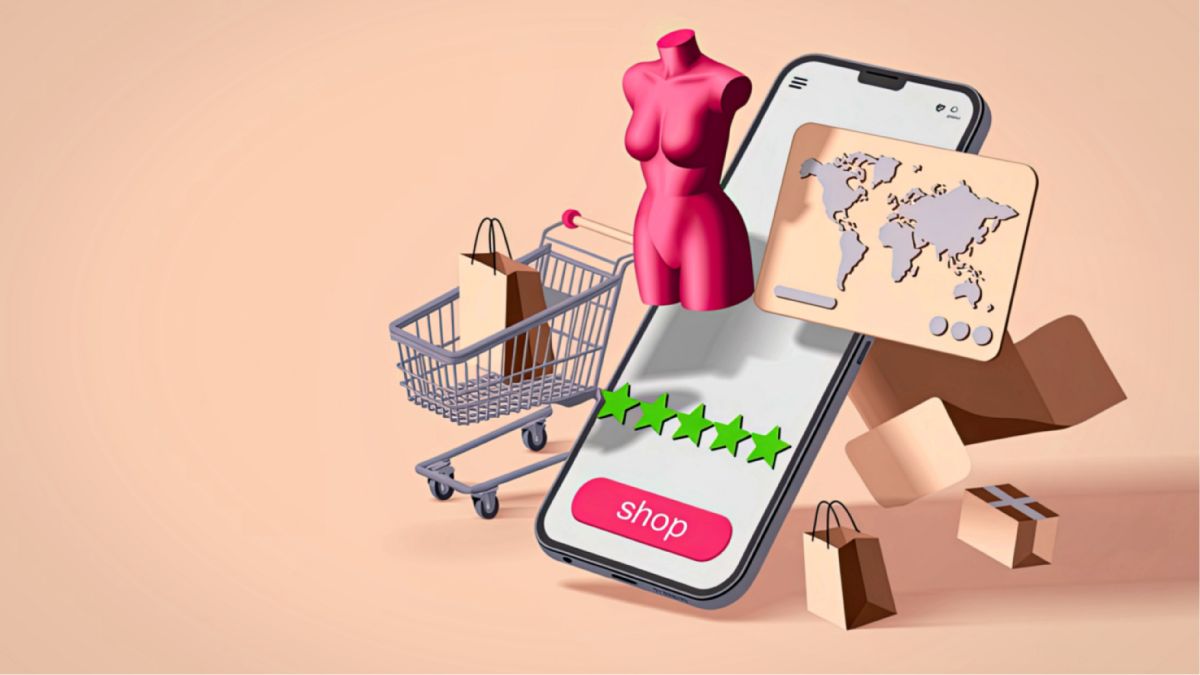
Online shopping has quietly become one of the most psychologically engineered experiences in modern consumer life. Behind every smooth scroll and seamless checkout lies a carefully designed system built to anticipate your hesitation and dissolve it before you even notice. Understanding these tactics does not make you immune to them, but it does give you a clearer view of the invisible forces shaping your spending. The more you know about what happens behind the screen, the better equipped you are to shop with intention rather than impulse.
Scarcity Messaging
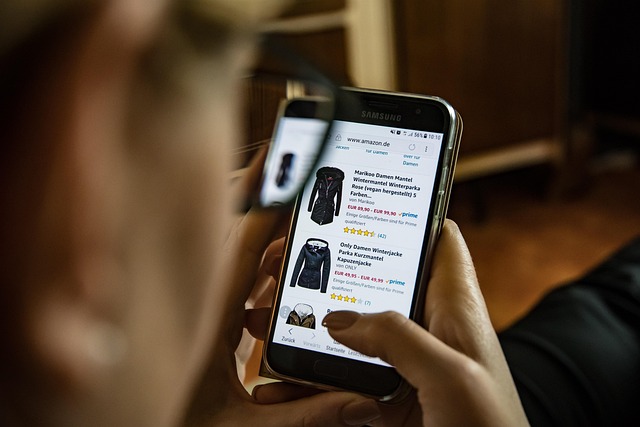
When a product page tells you that only three items remain in stock, your brain immediately shifts into a mode of urgency that overrides rational deliberation. This sense of limited availability triggers a fear of missing out that makes acquiring the item feel more valuable than it actually is. Retailers often display these low-stock warnings strategically, regardless of actual inventory levels, to compress the decision-making window. The psychological principle at work is loss aversion, which research consistently shows to be a more powerful motivator than the prospect of gain. Shoppers who feel they might lose access to something act faster and question the purchase far less.
Countdown Timers
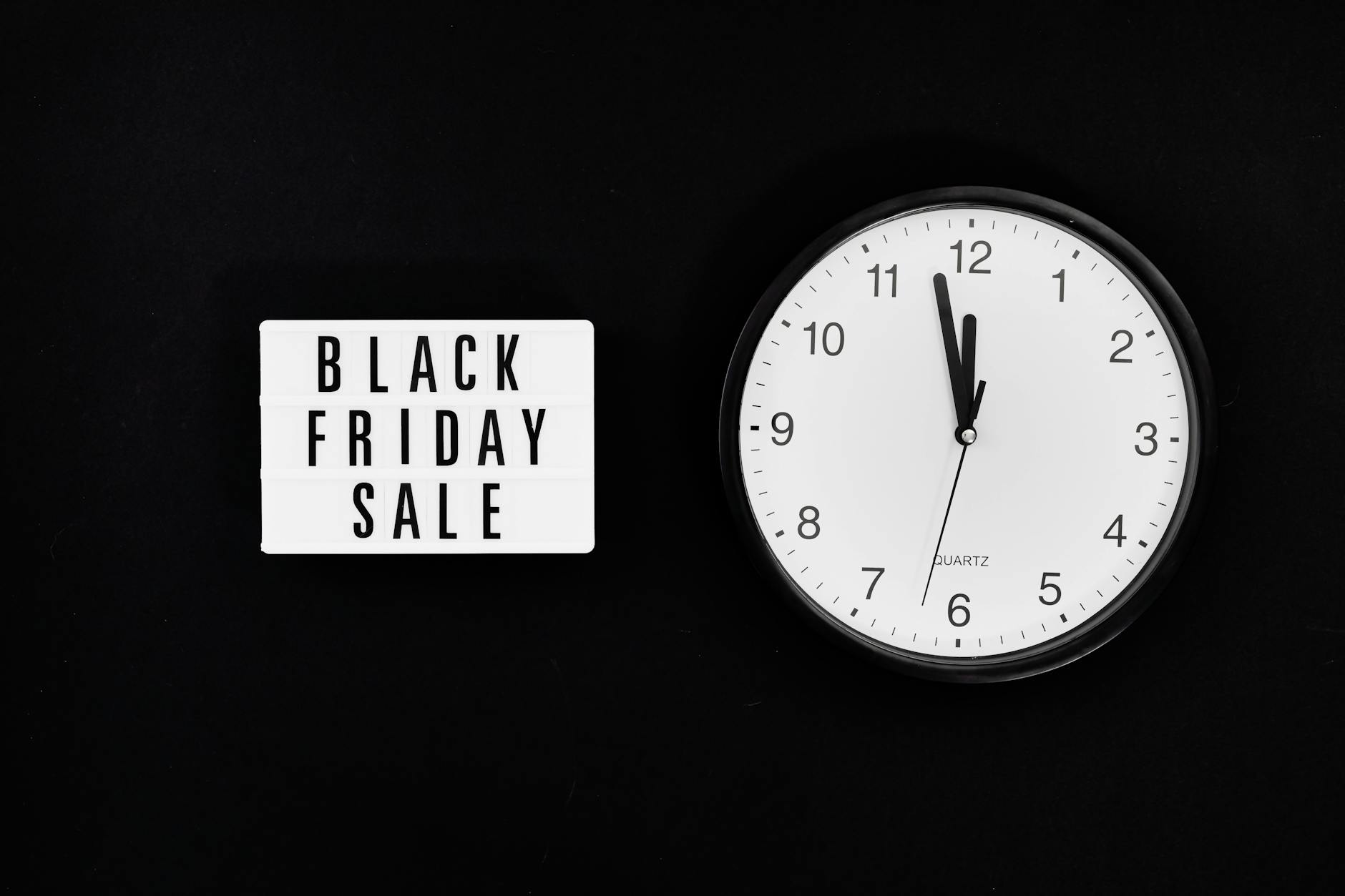
A ticking clock placed near a sale price or a limited-time offer creates a manufactured sense of deadline that short-circuits careful thinking. The visual element of a timer activates the same stress response as a real-world time constraint, making the brain treat a discount expiration like a genuine emergency. Retailers use this tool to prevent shoppers from leaving the page to compare prices or sleep on a decision. Once the timer resets or disappears after a missed window, many shoppers return anyway, only to find the same deal waiting for them again. The urgency was never real, but the psychological effect it produced was entirely genuine.
Personalized Recommendations

Every click, hover, and purchase you make is fed into an algorithm designed to build a detailed profile of your preferences and predict what you will want next. The “you might also like” and “customers also bought” sections are not casual suggestions but precisely targeted nudges calibrated to your browsing history. This personalization creates a shopping experience that feels intuitive and tailor-made, which increases trust and encourages longer sessions on the platform. Seeing products that align closely with your tastes makes it easy to rationalize additions to your cart as sensible rather than impulsive. The algorithm essentially becomes a mirror that shows you a version of yourself always in need of just one more thing.
Free Shipping Thresholds
Setting a free shipping minimum just above the average order value is one of the oldest and most effective tactics in e-commerce. When a shopper sees they are only a few dollars away from qualifying, the mental calculus shifts toward finding something to add rather than paying a shipping fee. This threshold nudges customers into browsing longer and spending more than they originally intended in order to avoid what feels like an unnecessary extra cost. The perception of getting something for free is deeply rewarding to the brain, even when the additional items purchased far exceed the cost of shipping itself. Retailers calibrate these thresholds carefully based on data to maximize the value extracted from each transaction.
Abandoned Cart Emails
When you leave a website without completing a purchase, a sequence of automated emails is often triggered within hours to bring you back. These messages typically include an image of the exact item you left behind, sometimes accompanied by a time-sensitive discount designed to lower the final barrier to purchase. The reminder works because it re-engages a purchase intention that already existed, requiring far less persuasion than generating new interest from scratch. Retailers know that many abandoned carts represent not a firm decision to decline but a moment of hesitation or distraction. A well-timed follow-up email is one of the highest-converting tools in the digital retail arsenal.
One-Click Checkout

Removing friction from the checkout process is one of the most consequential improvements online retailers ever made to conversion rates. When payment details are stored and a purchase can be completed with a single tap, the natural pause that comes with entering card information disappears entirely. That pause is valuable to shoppers because it creates a moment of reflection where second thoughts can surface. One-click purchasing eliminates that window deliberately, compressing the gap between impulse and transaction to nearly nothing. The easier it is to buy, the less opportunity the rational mind has to intervene.
Social Proof Displays

Star ratings, review counts, and user-generated photos placed prominently on product pages create a powerful sense of collective validation. When a shopper sees that thousands of people have purchased and positively reviewed an item, the decision to buy feels less like a personal gamble and more like joining a trusted consensus. Retailers curate and position this social proof strategically to address the most common hesitations before they arise. Even a single compelling review placed directly beneath the buy button can tip a wavering shopper toward conversion. The wisdom of the crowd, real or selectively presented, carries enormous persuasive weight in a digital environment where physical inspection is impossible.
Dynamic Pricing

Prices on many retail platforms are not static but shift in real time based on your browsing behavior, location, device type, and demand patterns. A product you viewed repeatedly may quietly increase in price, or a brief discount may appear after you have shown consistent interest in an item. This elasticity allows retailers to extract the maximum amount each individual shopper is willing to pay without advertising different prices openly. Shoppers who notice a price has dropped since their last visit feel rewarded, while those who see an increase feel renewed urgency to act before it rises further. Either way, the dynamic movement of price keeps attention focused and purchasing momentum alive.
Wishlist Features

Wishlist and save-for-later functions appear to serve the shopper by helping them organize desired items, but they also serve the retailer in several important ways. Every item saved to a wishlist signals clear purchase intent, which feeds directly into retargeting campaigns and personalized email strategies. Retailers use wishlist data to send notifications when a saved item goes on sale, drops in stock, or becomes newly popular, all of which reignite the original desire. The act of saving something also creates a psychological sense of partial ownership, making it harder to walk away later. What feels like a convenient organizational tool is also a sophisticated data collection and re-engagement mechanism.
Loyalty Programs

Points systems and tiered membership programs turn the act of spending into a game with its own internal rewards structure. Shoppers who are close to earning a reward or reaching a new status tier are motivated to make additional purchases they might not have otherwise considered, simply to unlock the next level. The accumulation of points creates a sunk cost effect where the value of rewards already earned discourages switching to a competitor. Retailers design these programs with psychologically satisfying progress bars and milestone notifications to keep engagement high between purchases. The result is a customer who shops not just out of need but out of a desire to advance within a system that rewards their loyalty with status and perks.
Influencer Integrations

Partnerships between retailers and content creators blur the line between entertainment and advertising in ways that traditional marketing never could. When a trusted personality introduces a product within the context of their daily life, the endorsement feels personal rather than commercial, which dramatically lowers consumer resistance. Affiliate links embedded in social content allow retailers to track exactly which creators drive conversions, enabling increasingly precise targeting of relevant audiences. Shoppers who discover products through influencers they follow often feel a sense of shared taste and identity that makes the purchase feel like self-expression. The retailer benefits from the creator’s relationship capital without the skepticism that typically accompanies direct advertising.
Gamified Browsing

Spin-to-win wheels, mystery discounts, and interactive quizzes are increasingly common features on retail sites designed to make the shopping experience feel like play. These gamification elements introduce variable rewards, which is one of the most compelling behavioral mechanics known to drive repeated engagement. A shopper who wins a discount through an interactive element feels a sense of earned reward that increases their commitment to completing a purchase. The entertainment value of these features also extends time spent on the site, which increases exposure to products and raises the probability of multiple additions to the cart. What looks like a fun gimmick is a carefully engineered engagement loop with measurable commercial outcomes.
Curated Bundles

Bundling complementary products together at a slightly reduced combined price makes individual purchasing decisions feel incomplete by comparison. When a skincare set or a kitchen starter kit presents multiple items as a natural unit, shoppers are implicitly told that the full experience requires the full set. The perceived value of the bundle is amplified by anchoring it against the higher cost of purchasing each item separately, even if the savings are modest. Bundles also reduce the cognitive load of decision-making by presenting a pre-selected combination that feels thoughtfully assembled. The shopper feels guided and rewarded rather than upsold, even when spending significantly more than they initially planned.
User-Generated Content
Customer photos, unboxing videos, and real-world styling posts embedded on product pages provide a form of social proof that professional photography cannot replicate. Seeing a product used by someone who looks like an ordinary person rather than a model makes the purchase feel more realistic and attainable. Retailers encourage shoppers to tag their purchases on social platforms by offering features like shoppable feeds, which turn customers into unpaid brand ambassadors. This content also keeps product pages feeling fresh and trustworthy without additional production costs on the retailer’s part. The line between community and marketing becomes intentionally difficult to distinguish.
Seamless Return Policies

Prominently advertised free and easy return policies remove one of the most significant psychological barriers to online purchasing. When shoppers know they can send something back without penalty, the risk calculation around buying something untested shifts dramatically in the retailer’s favor. Behavioral research consistently shows that easy return policies increase purchase rates far more than they increase actual return rates, because most shoppers never follow through. The reassurance of a safety net is enough to push hesitant buyers across the line, and the retailer banks on the likelihood that convenience, attachment, and inertia will prevent most items from ever coming back. What is marketed as customer-friendly policy is also a highly effective conversion strategy.
Which of these tactics have you noticed changing the way you shop? Share your experiences in the comments.