Traveling internationally opens the door to unforgettable experiences, but it also exposes even the most seasoned travelers to a range of security risks that are easy to overlook. From the moment you leave home to the second you return, the decisions you make about your safety can have serious consequences. Many of these mistakes are so common that most travelers do not even realize they are making them. Understanding these vulnerabilities is the first step toward protecting yourself, your belongings, and your personal information while abroad.
Public WiFi

Connecting to free public WiFi in airports, cafes, and hotels is one of the most common and dangerous habits travelers have. These networks are frequently unsecured, making it easy for cybercriminals to intercept your data. Logging into banking apps or email accounts on public networks can expose your credentials to bad actors. A virtual private network, commonly known as a VPN, encrypts your connection and significantly reduces this risk. Purchasing a local SIM card or using a personal hotspot are far safer alternatives for staying connected.
Passport Copies
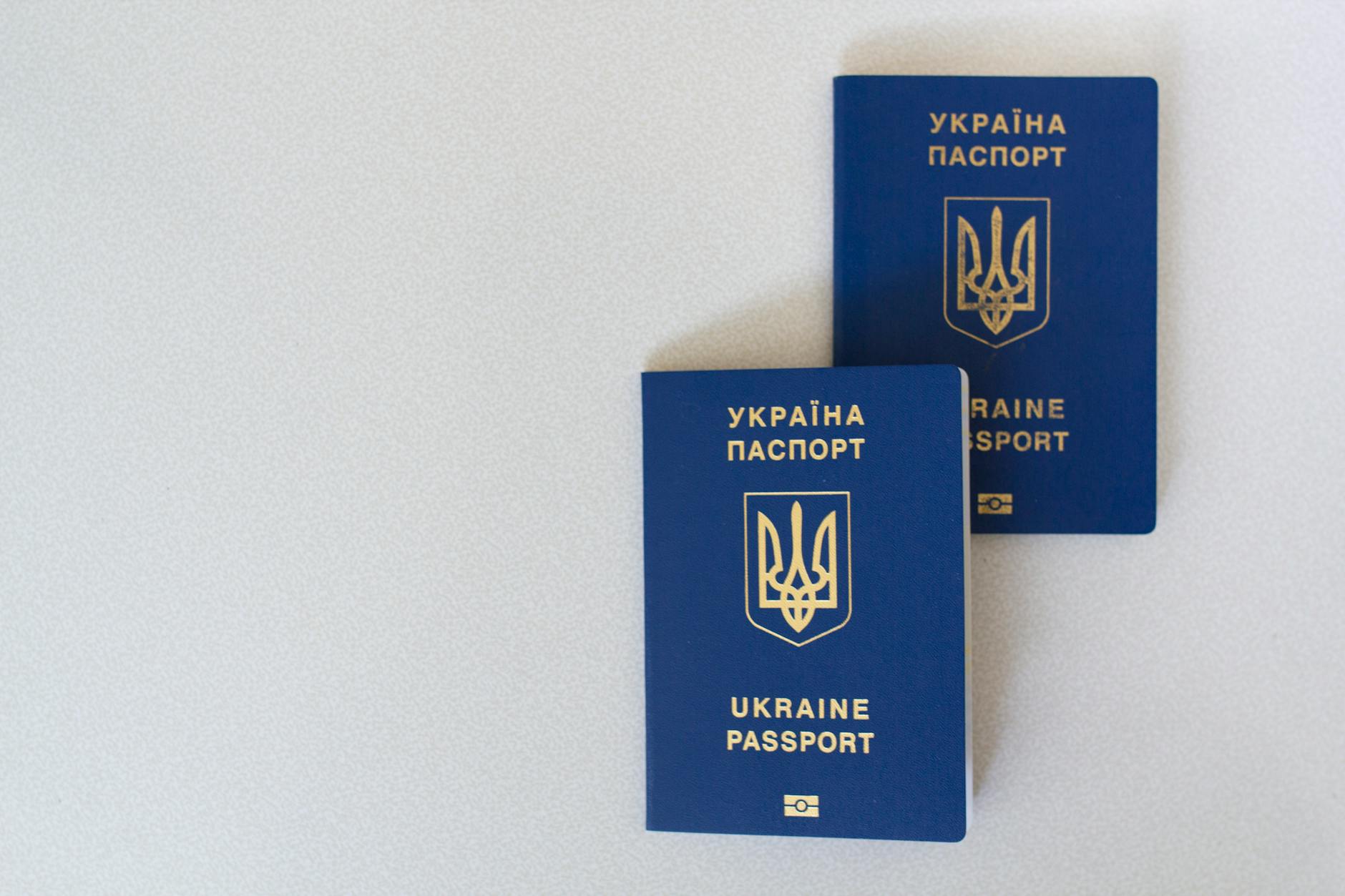
Traveling with only your original passport and no backup copies is a mistake that can turn a minor incident into a major crisis. If your passport is lost or stolen, having photocopies stored separately in your luggage speeds up the replacement process significantly. Digital copies stored securely in an encrypted cloud folder add an additional layer of protection. Many experienced travelers also email themselves a scan of the photo page before departure. Keeping a copy with a trusted person at home provides yet another safety net.
Hotel Safe
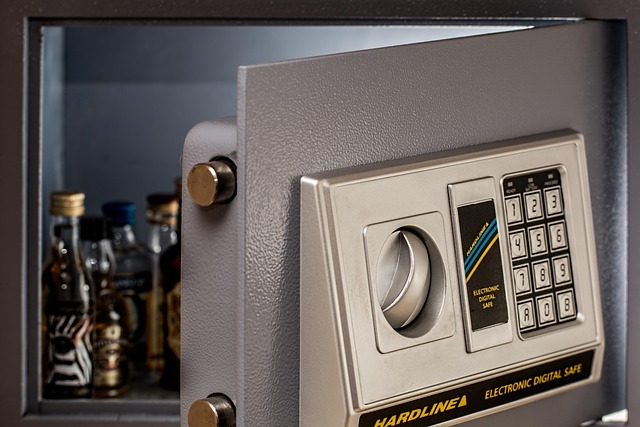
Leaving valuables such as spare cash, a second card, or important documents loose in your hotel room is an unnecessary risk. Hotel safes exist specifically to protect your most important items from opportunistic theft during housekeeping visits or in the event of a break-in. Most modern room safes allow you to set a personal PIN rather than relying on a master key. It is also wise to avoid storing your primary credit card and all cash together in one place. Spreading your financial resources across different secure locations minimizes the damage of any single loss.
Social Media
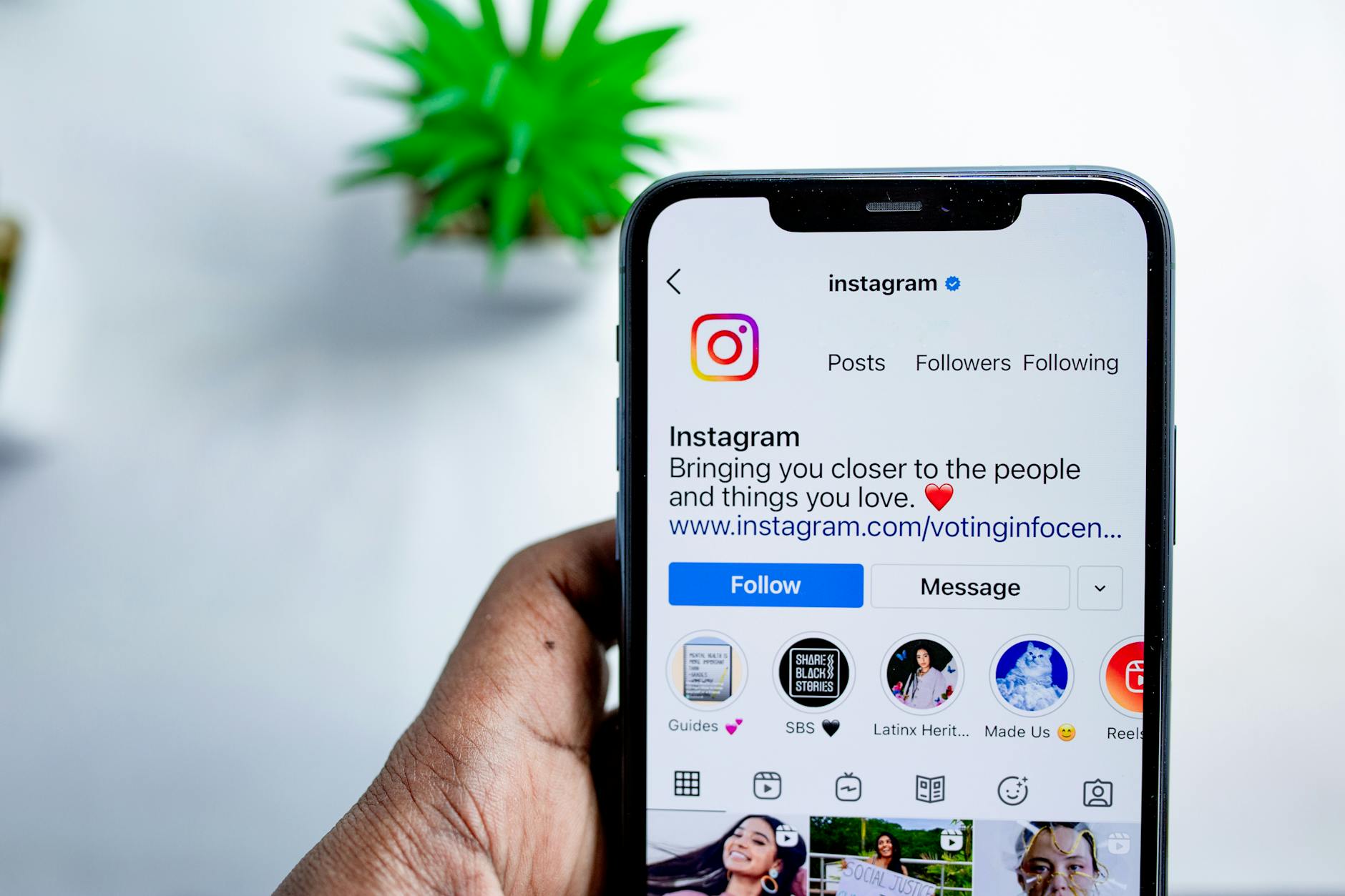
Posting real-time updates about your location on social media while traveling is a habit that signals to potential criminals that your home may be unattended. Broadcasting that you are at a specific hotel, beach, or landmark also tells strangers exactly where to find you. Many travelers underestimate how much information can be gleaned from a single geotagged post. Saving your travel photos for after you return is one of the simplest ways to protect both your property and your physical safety. Adjusting your privacy settings before departure so that posts are not visible to the public is also a recommended precaution.
Flashy Jewelry

Wearing expensive jewelry, designer watches, or carrying a high-end camera openly in unfamiliar destinations immediately marks you as a target for theft. In many popular tourist cities, pickpockets and opportunistic thieves operate specifically by identifying travelers who display signs of wealth. Even items that appear valuable but are not can attract unwanted attention. Opting for modest accessories and carrying equipment in inconspicuous bags significantly lowers your profile. Researching the local dress norms before arrival helps you blend in more effectively.
ATM Machines
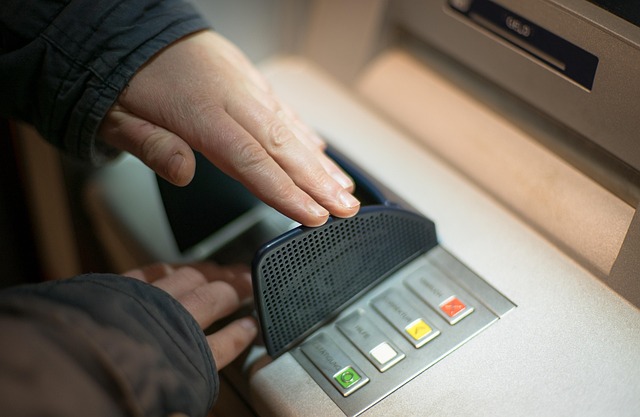
Using ATMs located in poorly lit or isolated areas is a security mistake that carries both digital and physical risks. Skimming devices are frequently attached to machines in tourist-heavy locations, capturing your card information without your knowledge. Always inspect the card slot and keypad before inserting your card, and cover your hand when entering your PIN. Bank-affiliated ATMs inside actual bank branches are generally considered much safer than standalone machines on the street. Withdrawing larger amounts less frequently also reduces the number of times you are exposed to this risk.
Back Pocket
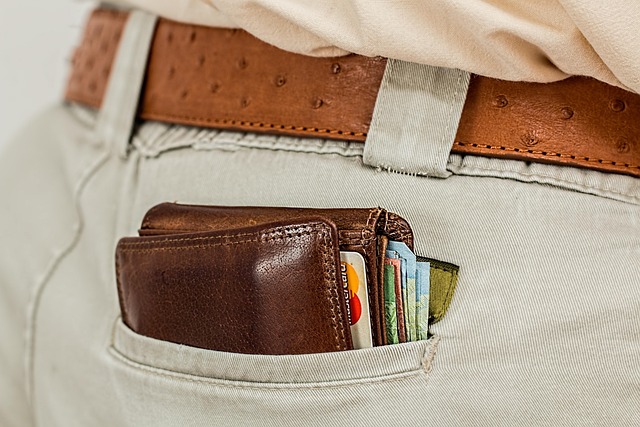
Keeping your wallet, phone, or passport in your back pocket while moving through busy areas is an open invitation for pickpockets. Skilled thieves can remove items from a back pocket in a fraction of a second without the victim noticing until much later. Front pockets are significantly harder to access without detection, particularly when they are buttoned or zipped. Money belts worn under clothing are widely recommended for carrying documents and emergency cash in high-risk environments. Distributing your essentials across different pockets also ensures that a single theft does not leave you without resources.
Luggage Locks
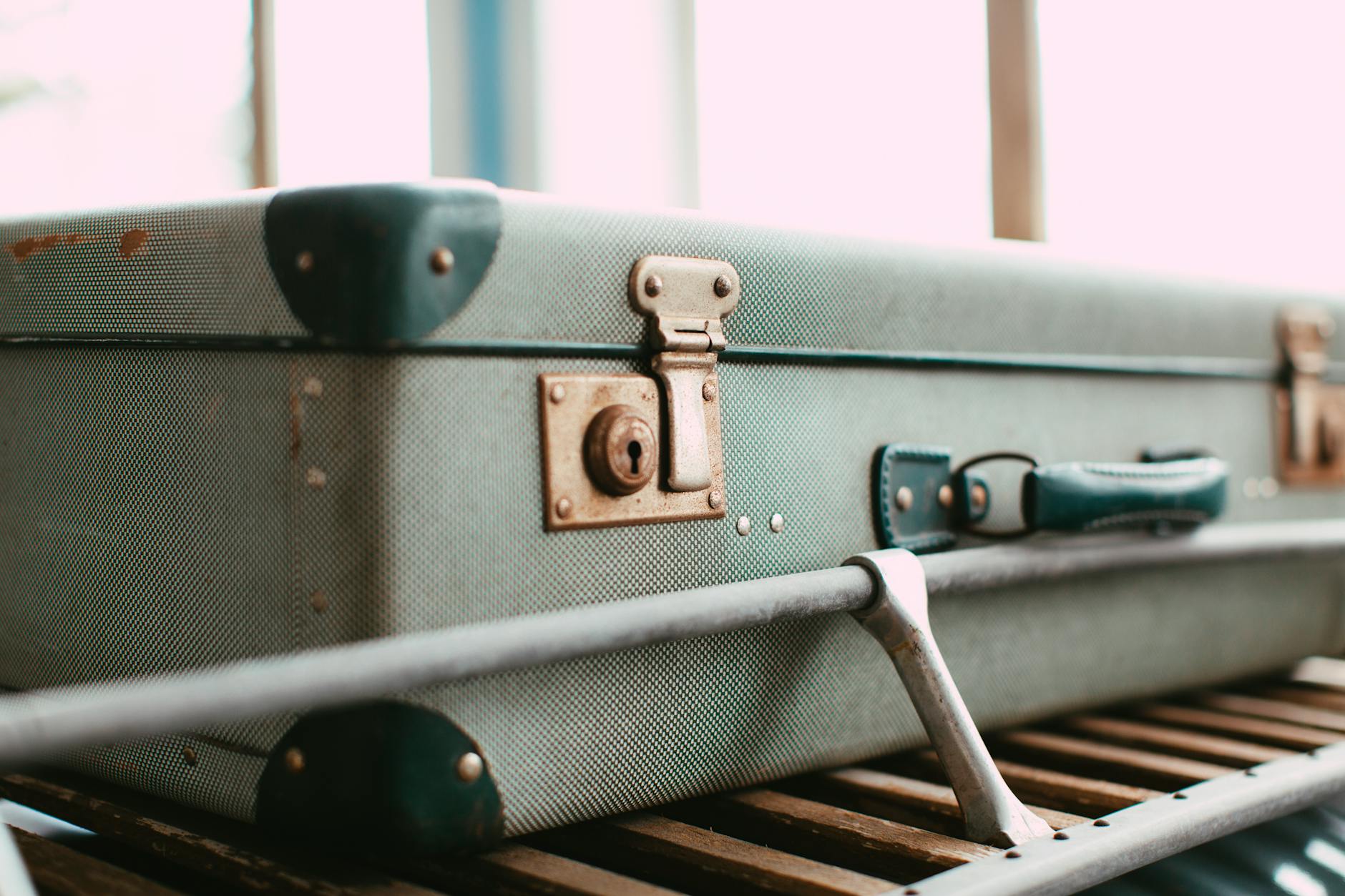
Traveling with unlocked luggage, whether in transit or stored at a hotel, leaves your belongings vulnerable to theft. TSA-approved locks allow security personnel to inspect bags without cutting the lock, making them the standard recommendation for international air travel. Locking your bag in the hotel room while you are out adds an extra barrier against opportunistic theft during your absence. Cable locks can also secure bags to fixed objects in hostels or shared accommodations. Investing in high-quality, tamper-resistant luggage with reinforced zippers is a worthwhile long-term safety measure.
Travel Advisories
Ignoring official travel advisories issued by your home government before and during your trip is a mistake that can place you in genuinely dangerous situations. Governments regularly update these advisories to reflect civil unrest, natural disasters, disease outbreaks, and elevated crime rates. Registering with your country’s embassy or consulate notification system means you will receive alerts directly if conditions change while you are already abroad. Checking advisories not just before departure but also periodically throughout your trip keeps your situational awareness current. Being informed allows you to make timely decisions about adjusting your plans.
Accepting Drinks

Accepting beverages from strangers in bars, clubs, or social settings abroad is a risk that travelers frequently underestimate. Drink spiking incidents targeting tourists are well-documented in destinations across Europe, Southeast Asia, and Latin America. Always order drinks directly from a bartender and keep your glass in sight at all times. Attending social events with a trusted travel companion and establishing a buddy system for nights out adds a meaningful layer of security. Being firm but polite when declining offers from unfamiliar individuals is a skill worth practicing.
Emergency Contacts

Traveling without a clearly organized list of emergency contacts is a preparedness gap that can have serious consequences in a crisis. Every traveler should have the local emergency number, the nearest embassy or consulate contact, and their travel insurance hotline saved and accessible offline. Sharing your complete itinerary with a trusted contact at home ensures someone knows where you should be at all times. In the event of a medical emergency or theft, having these details readily available dramatically speeds up the response process. A small laminated card kept in your bag alongside your phone is a simple but effective backup.
Phone Usage
Using your smartphone openly in crowded streets, markets, or tourist areas makes you a target for snatch-and-grab theft, which is among the most common crimes affecting travelers worldwide. Many thieves operate on motorbikes or bicycles, reaching over to grab a device directly from a pedestrian’s hand. Being aware of your surroundings and stepping into a shop or building to check your phone significantly reduces this risk. Keeping your phone in an inner pocket or crossbody bag with a secure closure when not in active use is a straightforward preventive habit. Using a phone grip or wrist strap also makes a device far harder to grab cleanly.
Unattended Luggage
Leaving your bag unattended even briefly in airports, train stations, cafes, or beaches creates an opportunity for theft that is almost entirely avoidable. In many international hubs, unattended luggage is also treated as a security threat, potentially resulting in disruption and delays. Looping a bag strap around your leg or a fixed object while seated in a public space is a simple deterrent. Avoid placing bags on the back of chairs in restaurants where they are out of your line of sight. Bag hooks and personal alarm clips are affordable accessories that add both physical security and a deterrent effect.
Travel Insurance
Traveling internationally without comprehensive travel insurance is a financial and logistical risk that many people underestimate until something goes wrong. Medical emergencies abroad can generate costs that reach tens of thousands of dollars, far exceeding the cost of any policy premium. Quality travel insurance also covers trip cancellations, lost baggage, and emergency evacuation in extreme circumstances. Policies vary widely in their coverage, so carefully reading the fine print before purchasing ensures you are protected for the specific activities you plan to undertake. Keeping your policy documents and the 24-hour assistance number accessible offline is an important practical step.
Cash Storage
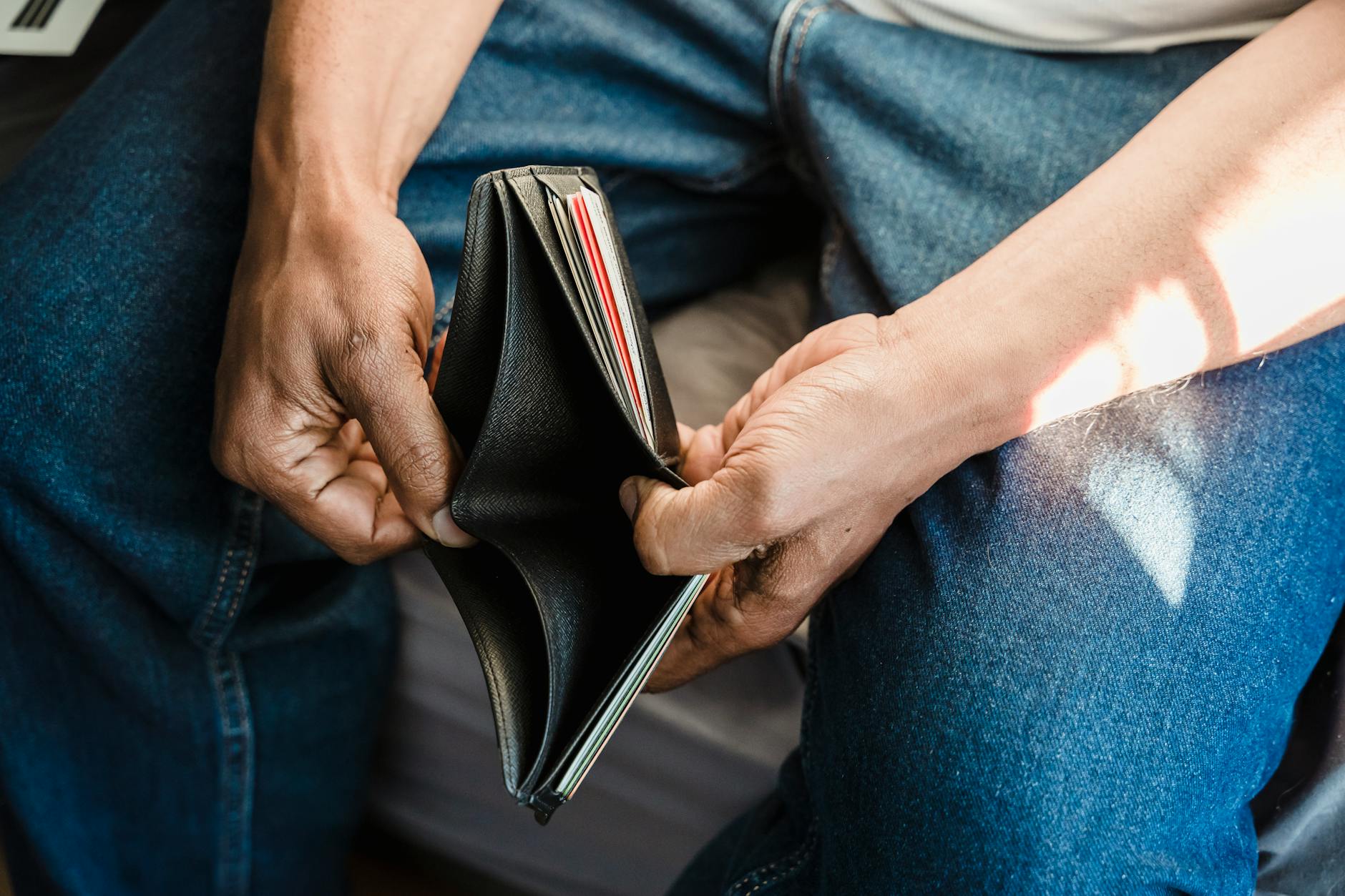
Carrying all of your cash in a single wallet or location is a mistake that leaves you financially stranded if that wallet is lost or stolen. Experienced travelers typically divide their cash across at least two separate locations, such as a money belt, a hotel safe, and a secondary card tucked into a bag. Having access to multiple payment methods including at least two international bank cards reduces dependency on any single resource. Informing your bank of your travel dates before departure prevents your card from being flagged and frozen due to unusual foreign transactions. Knowing the location of the nearest Western Union or international wire transfer service is a useful contingency.
Local Scams

Failing to research the most common tourist scams operating in your destination city before you arrive leaves you poorly prepared to recognize and avoid them. Distraction scams, fake police officers, friendship bracelet traps, and rigged taxi meters are among the tactics regularly used on unsuspecting tourists in destinations around the world. Reading recent traveler forums and destination-specific safety guides provides current and practical information that general travel guides may not cover. Establishing the correct fare or price for common services such as taxis or market goods before agreeing to anything protects you from overcharging. Trusting your instincts when an interaction feels scripted or pressured is one of the most reliable protective instincts you can develop.
Embassy Registration

Failing to register your travel with your country’s embassy or consulate before or upon arrival is a preparedness step that is simple to take but widely neglected. In the event of a natural disaster, political crisis, or major security incident, registered citizens are among the first to receive evacuation assistance and official communications. Most governments offer free online registration systems that take only a few minutes to complete. Providing your accommodation details and an emergency contact allows authorities to reach you or locate you if necessary. This step requires minimal effort and provides a meaningful safety advantage in extreme situations.
Hotel Door
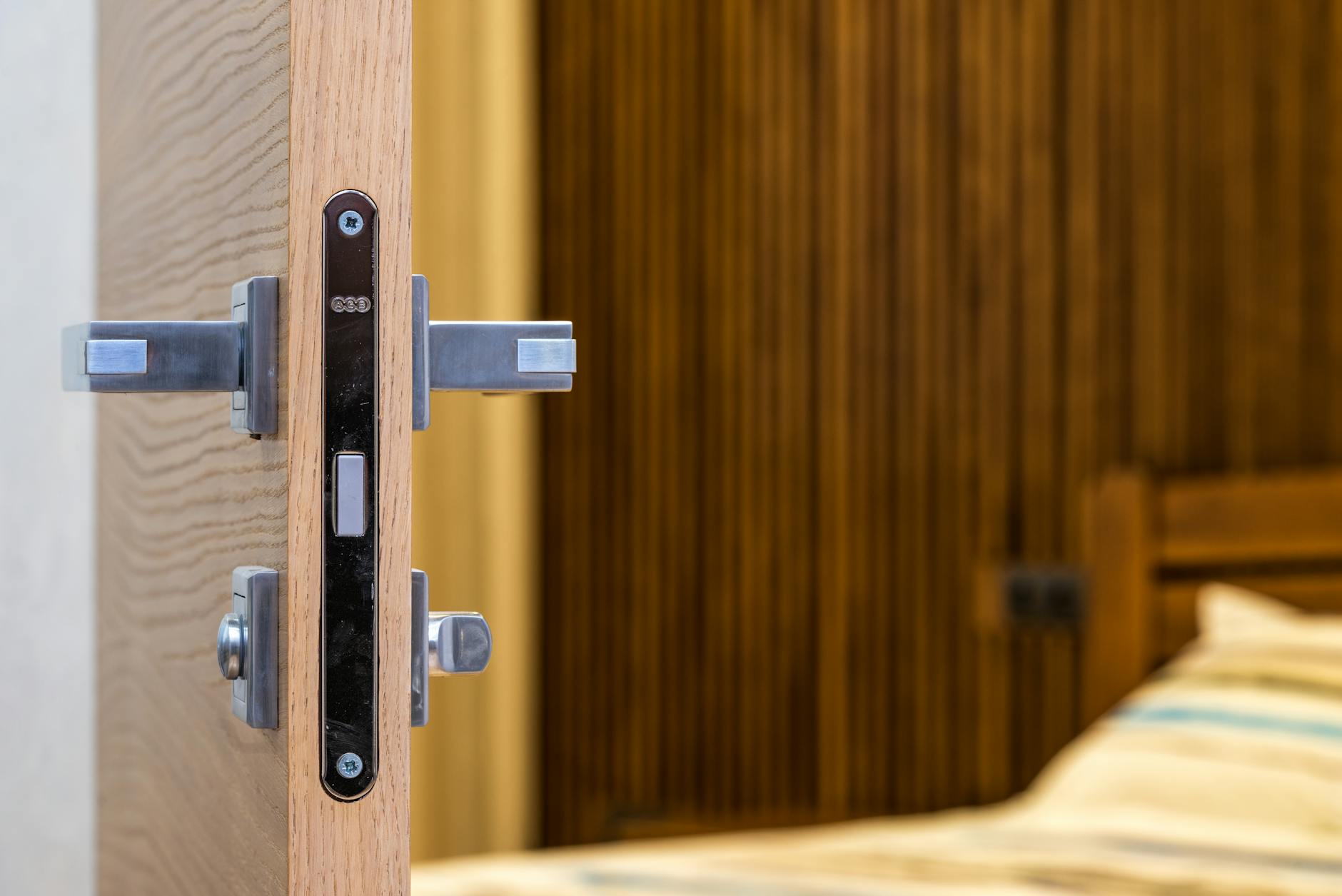
Relying solely on the standard hotel door lock without using additional security measures is a habit that leaves you more vulnerable than necessary, particularly in budget accommodations. Door wedge alarms are inexpensive, lightweight devices that physically block a door from opening and emit a loud alert if forced. Always using the deadbolt and chain lock provided in the room is a basic step that many travelers skip out of habit. Verifying that the connecting room door is locked from your side is a detail that is easy to overlook during the excitement of arrival. Keeping your room number private and not announcing it in public spaces within the hotel is also a recommended precaution.
Itinerary Sharing
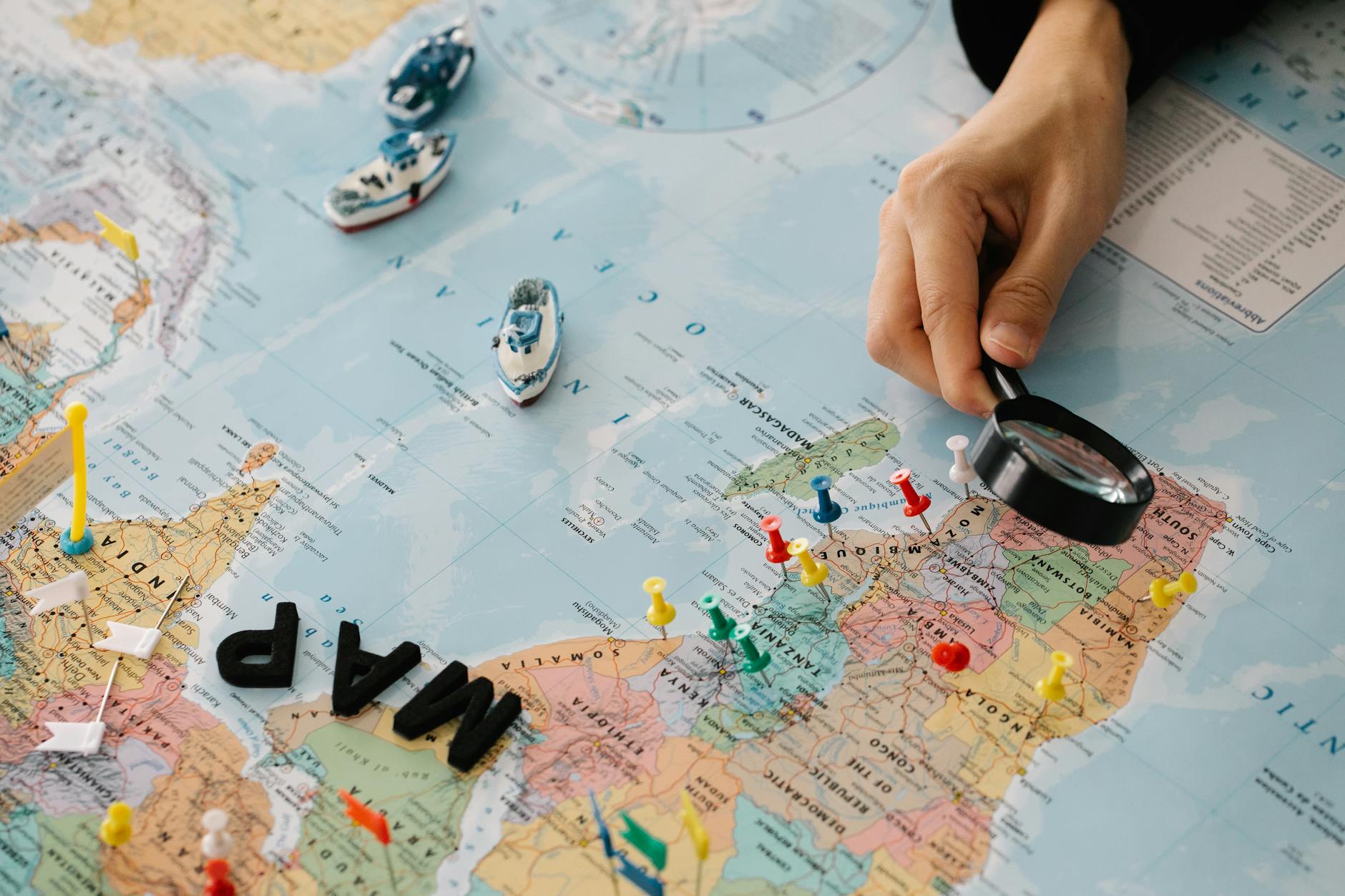
Publishing your detailed travel plans openly online or sharing them with casual acquaintances creates a map of your movements that can be exploited. Knowing that someone will be at a specific location on a specific day and time provides a predictable window of opportunity for theft or worse. While sharing plans with close friends and family is wise from a safety standpoint, that information should remain within a trusted circle. Varying your daily routines where possible and avoiding the same routes at the same times reduces your predictability in unfamiliar environments. Staying flexible with your plans is not only a security advantage but also a hallmark of experienced travel.
Crowded Markets
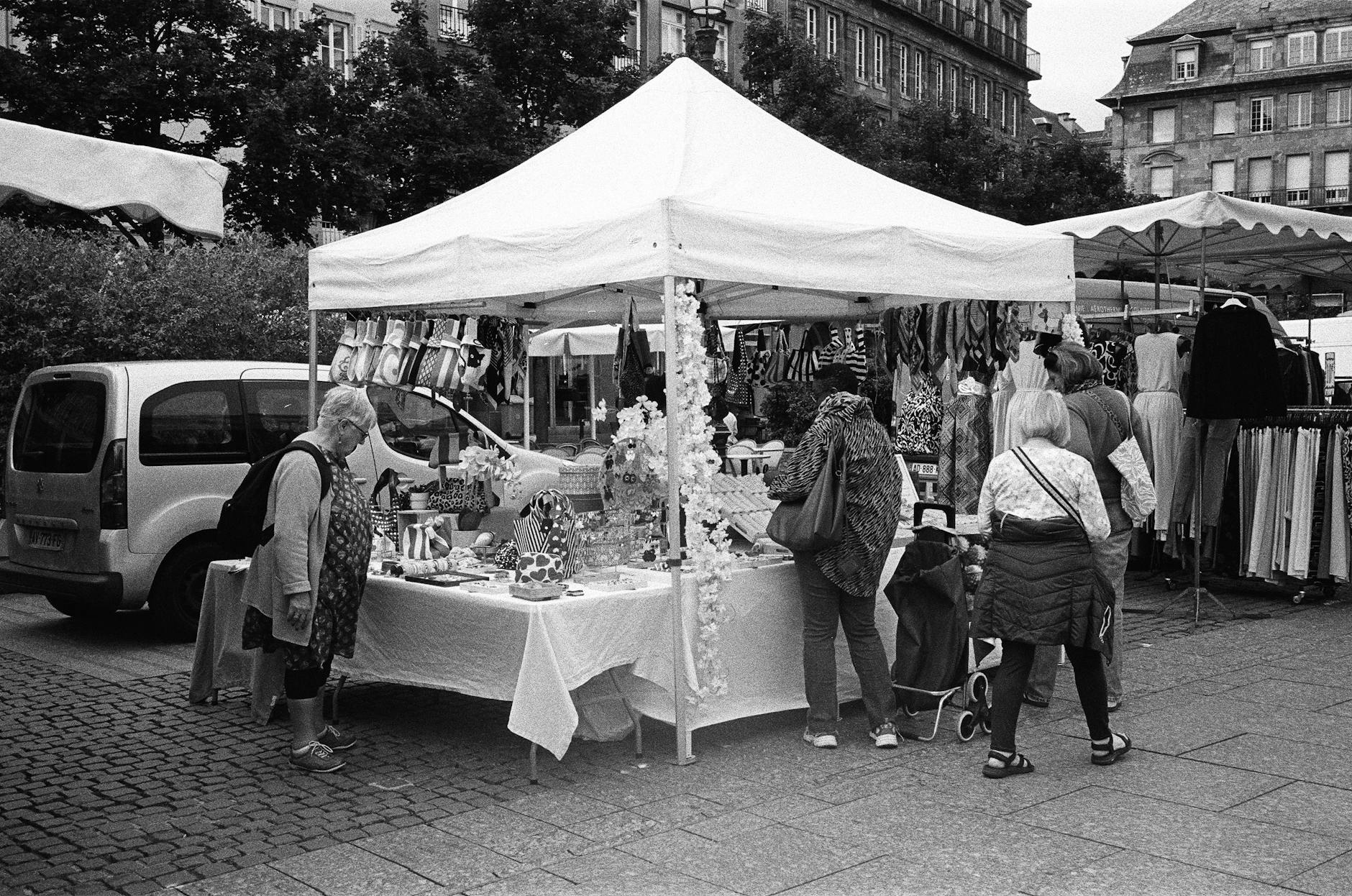
Navigating crowded markets, festivals, or public transportation without adjusting your security habits is one of the most consistent mistakes travelers make in high-density environments. These settings are ideal operating conditions for pickpockets because the physical contact and distraction involved are built into the environment. Keeping bags zipped and positioned in front of your body rather than on your back dramatically reduces accessibility. Avoiding the use of your phone or camera in particularly dense crowds prevents both theft and the distraction that makes you vulnerable in the first place. Taking a moment to identify exits and less congested pathways when entering any large crowd is a simple situational awareness habit with significant protective value.
If any of these mistakes have caught you off guard or if you have your own travel security tips to share, drop your thoughts in the comments.