Many snacks marketed as wholesome choices are carefully designed to appeal to health-conscious shoppers while delivering little more than sugar, refined ingredients, and empty calories. Nutritionists have long pointed out that clever packaging and buzzwords like “natural,” “low-fat,” or “made with real fruit” can be deeply misleading. Understanding what actually goes into these popular picks can make a significant difference in long-term wellness. The following snacks are ones that dietitians and nutrition experts consistently flag as far less virtuous than they appear on store shelves.
Flavored Rice Cakes

Rice cakes built their reputation as a guilt-free, low-calorie snack, but flavored varieties tell a very different story. Most caramel, cheddar, or chocolate-coated versions contain added sugars, artificial flavorings, and sodium levels that rival traditional chips. They are also made from highly refined white rice, which offers almost no fiber or protein to support satiety. Eating them tends to trigger blood sugar spikes followed by rapid hunger, making overeating far more likely. Nutritionists consistently note that their low calorie count masks their poor nutritional value.
Granola Bars

Granola bars occupy a prominent place in the “health food” aisle, yet most commercial versions are essentially candy bars in disguise. They are frequently loaded with high-fructose corn syrup, chocolate chips, honey-flavored coatings, and hydrogenated oils that push sugar content surprisingly high. The oats used are often so processed that they contribute minimal fiber compared to their whole-grain counterparts. Many popular brands contain more sugar per serving than a standard cookie. Nutritionists recommend checking labels carefully, as marketing terms like “wholesome” and “hearty” rarely reflect what is inside.
Veggie Straws

Veggie straws are marketed with images of fresh vegetables and bright colors that imply a nutritious snack, but their actual vegetable content is minimal at best. They are primarily made from potato starch, cornstarch, and tomato paste powder, which contribute almost no meaningful vitamins or minerals. The sodium content is often comparable to or higher than regular potato chips, and the fiber content is negligible. Despite their crunchy, light texture, they offer little to no satiety and tend to encourage mindless snacking. Nutrition experts point out that eating a handful of real vegetables would deliver dramatically more benefit.
Fruit Leather

Fruit leather is frequently positioned as a smart alternative to candy for both children and adults, but its nutritional profile tells a more complex story. Most commercial versions are made from fruit puree that has been heavily concentrated, which strips away fiber and dramatically increases the sugar density per serving. Added sugars and corn syrup are common additional ingredients in many popular brands. The chewy texture and sweetness closely mimic traditional candy, and the portion sizes are easy to misjudge. Nutritionists note that whole fruit provides the same natural sweetness with far more fiber and far less concentrated sugar.
Yogurt-Covered Raisins

The yogurt coating on these snacks sounds like a nutritional bonus, but it is actually a confectionery mixture of sugar, partially hydrogenated oil, and yogurt powder with minimal live cultures. The raisins themselves are already a concentrated source of natural sugar, and the coating adds another significant layer of sweetness. A standard serving can contain as much sugar as several pieces of hard candy. The perceived health benefit of yogurt disappears almost entirely once it has been processed into a candy-style shell. Dietitians often use this snack as a prime example of health-washing in the packaged food industry.
Baked Chips
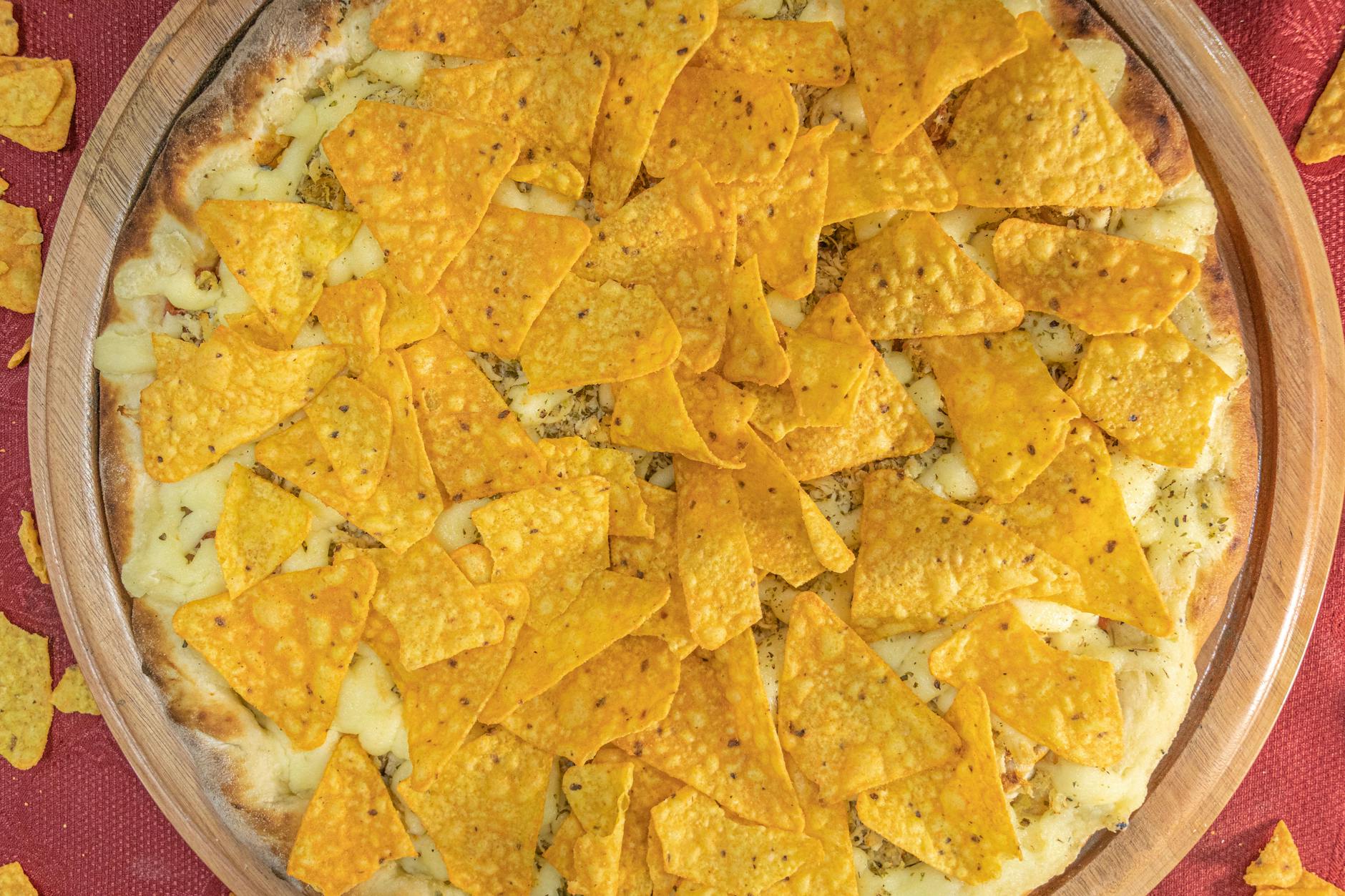
Baked chips are frequently chosen over their fried counterparts as a supposedly smarter snacking option, but the difference is often smaller than people expect. While they do contain slightly less fat, they are still made from refined starches that offer very little fiber or protein. Sodium levels in baked chips regularly match or exceed those found in traditional fried versions. The absence of fat also means they digest quickly, causing a rapid rise in blood sugar without delivering lasting fullness. Nutritionists point out that the word “baked” on packaging has become one of the most effective but misleading marketing terms in the snack food category.
Protein Bars
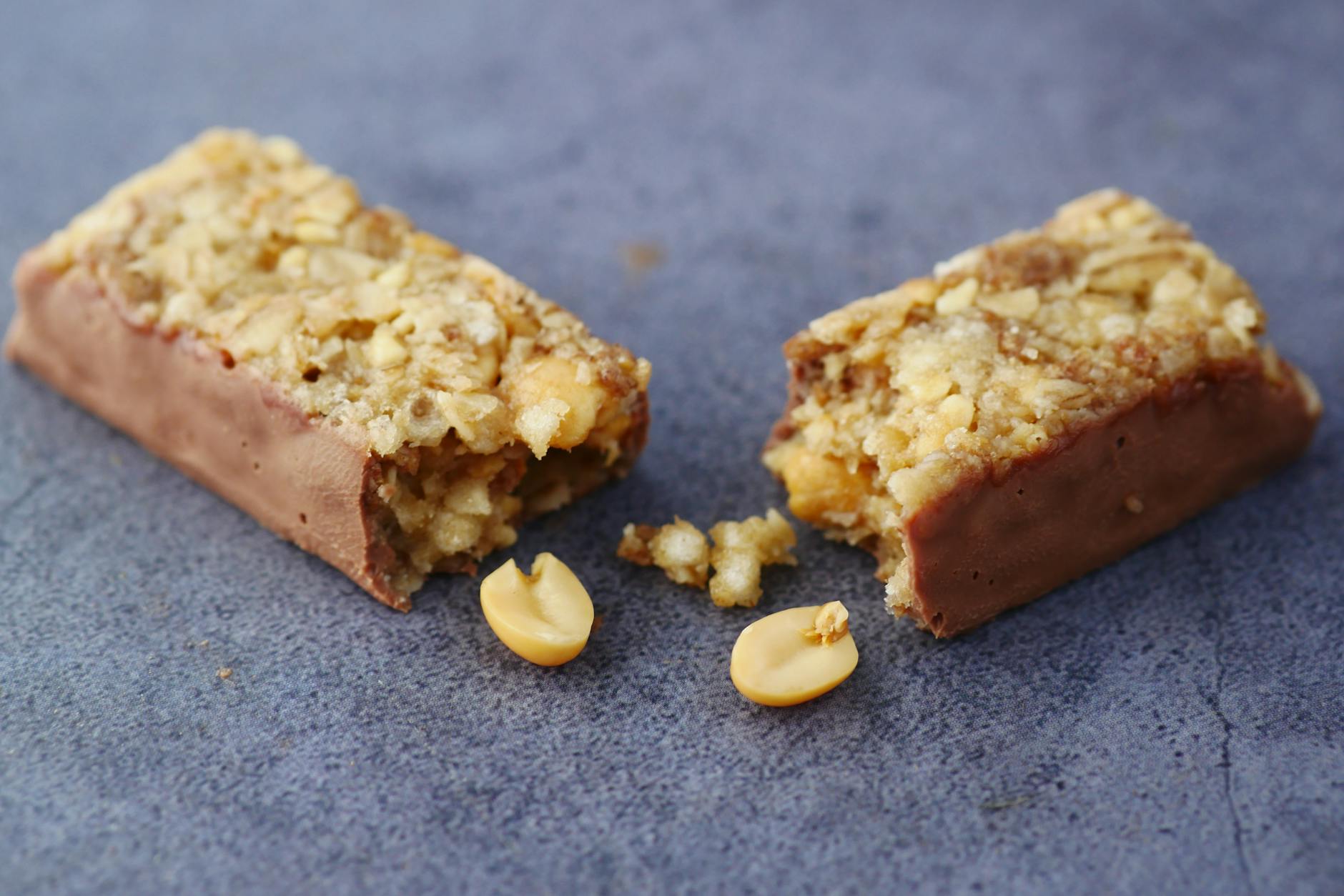
Protein bars have become a staple of gym bags and office drawers, yet many of them function as little more than glorified candy bars with a protein supplement added. A large number of popular varieties contain between 20 and 30 grams of sugar per bar, often sourced from syrups, coatings, and artificial sweeteners layered together. The protein sources used are frequently low-quality isolates that the body absorbs less efficiently than whole food proteins. Artificial flavors, colors, and preservatives are also common ingredients in the most heavily marketed brands. Nutrition professionals recommend reserving these bars for genuine emergencies rather than treating them as everyday health foods.
Dried Mango
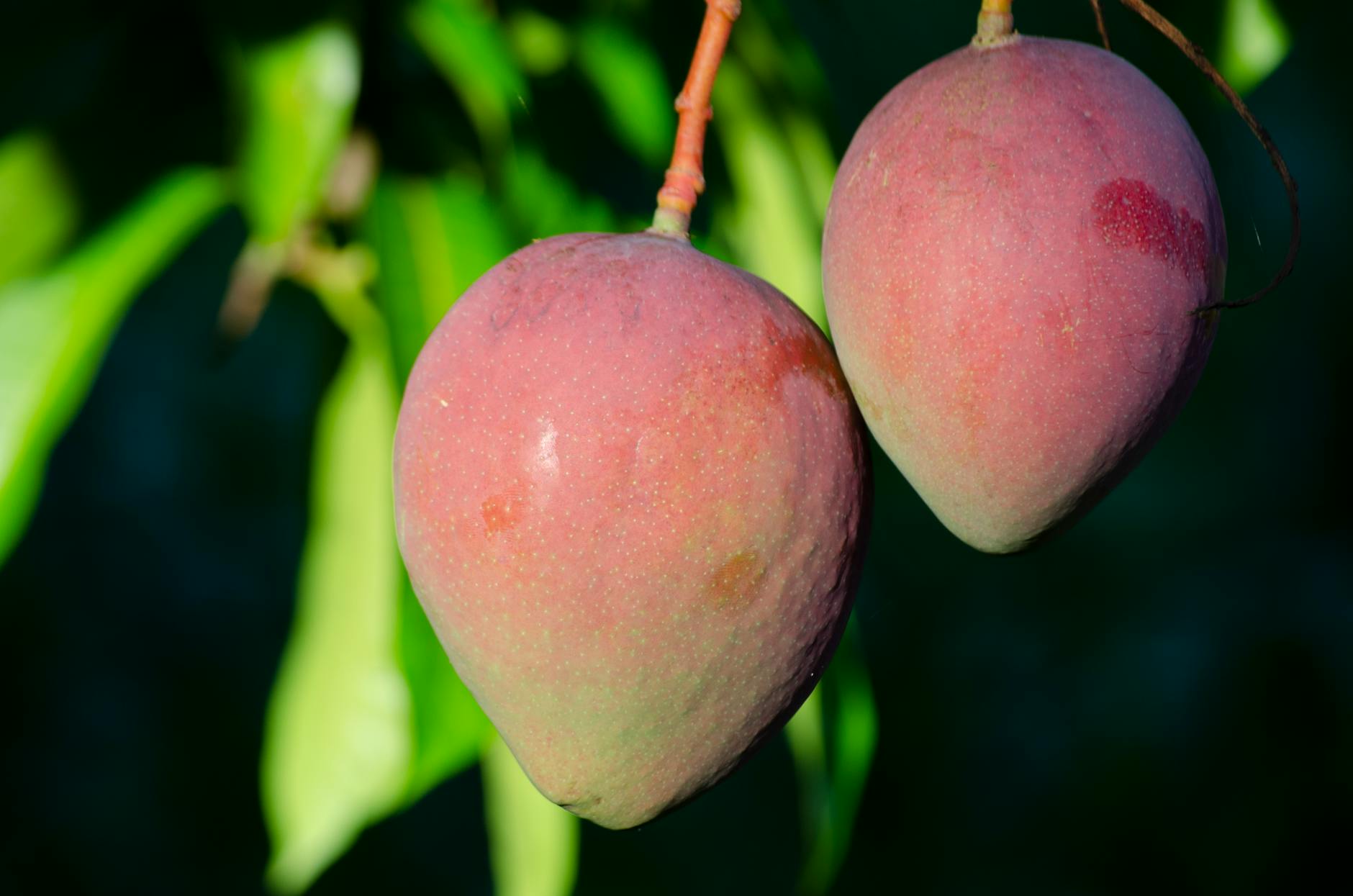
Dried mango has an appealing wholesome image rooted in its origins as a real tropical fruit, but commercial versions often bear little resemblance to a nutritious whole food. Many packaged varieties are coated in added sugar or sulfur-based preservatives and contain two to three times the sugar concentration of fresh mango per gram. A small handful can easily deliver 30 or more grams of sugar without the water content and fiber that slow sugar absorption in the whole fruit. The calorie density is also significantly higher, making portion control extremely difficult. Nutritionists consistently advise choosing fresh or frozen mango over the dried and sweetened version.
Smoothie Pouches
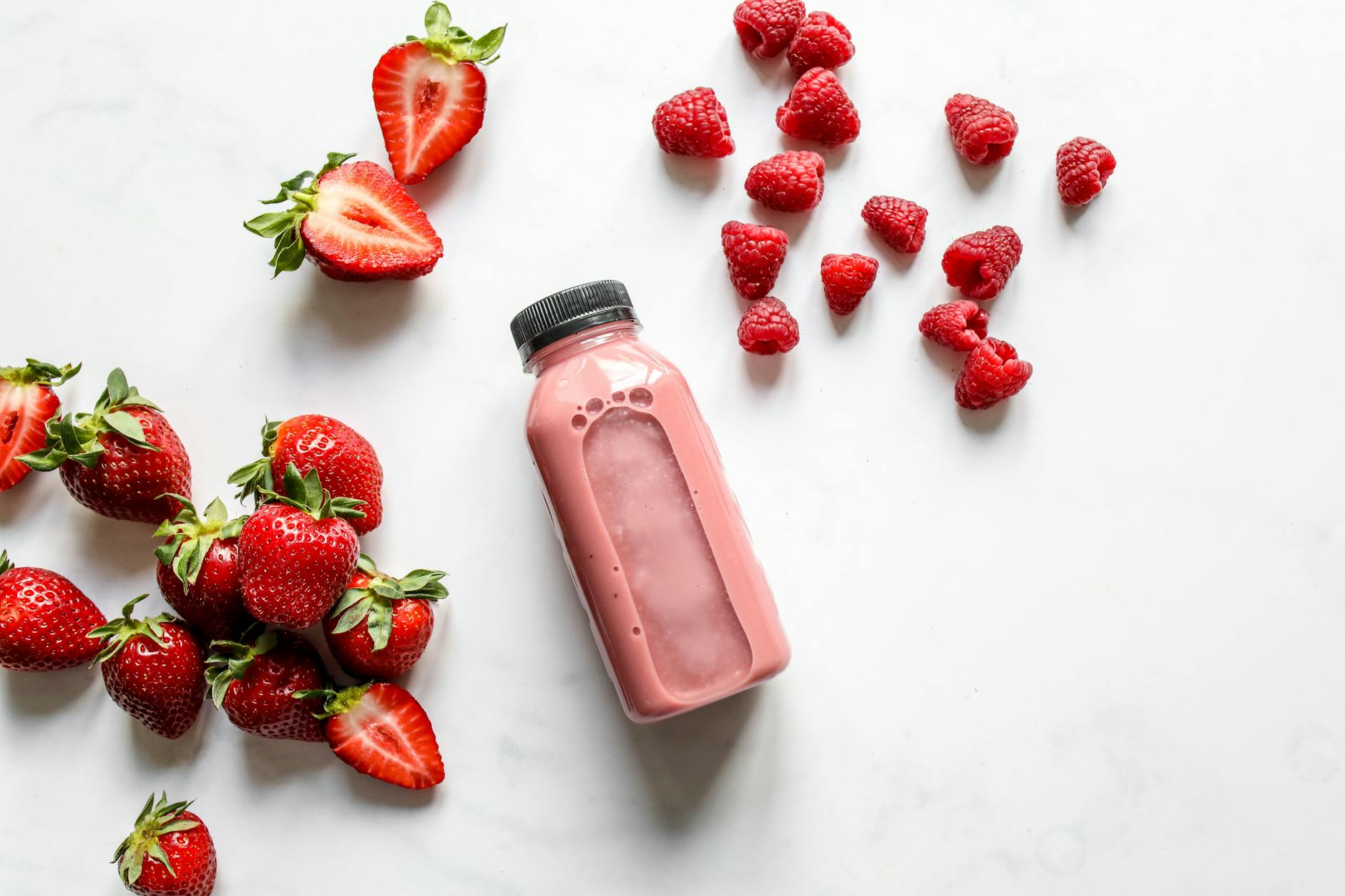
Pre-made smoothie pouches are marketed heavily to parents and health-focused consumers as a convenient way to consume fruit, but most commercial versions are nutritionally poor choices. They are typically made from fruit purees rather than whole fruits, meaning that the fiber has already been broken down or removed during processing. Some brands add fruit juice concentrate or cane sugar on top of the already high natural sugar content of the blended fruits. Without fiber intact, these pouches can cause blood sugar to spike similarly to drinking a sugary soft drink. Dietitians point out that blending whole fruit at home delivers the same convenience with substantially better nutrition.
Low-Fat Peanut Butter

Low-fat peanut butter is one of the most persistent myths in the health food aisle, as reducing fat does not translate to a healthier product in this case. To compensate for the removed fat, manufacturers typically add sugar, maltodextrin, or corn syrup solids, which significantly increase the carbohydrate content. The healthy monounsaturated fats found in full-fat peanut butter are precisely what makes it a nutritionally valuable food, and removing them strips away much of its benefit. The altered texture and flavor profile also make low-fat versions less satisfying, which can lead to consuming larger portions. Nutrition experts broadly agree that traditional peanut butter made with minimal ingredients is the far superior choice.
Rice Crackers
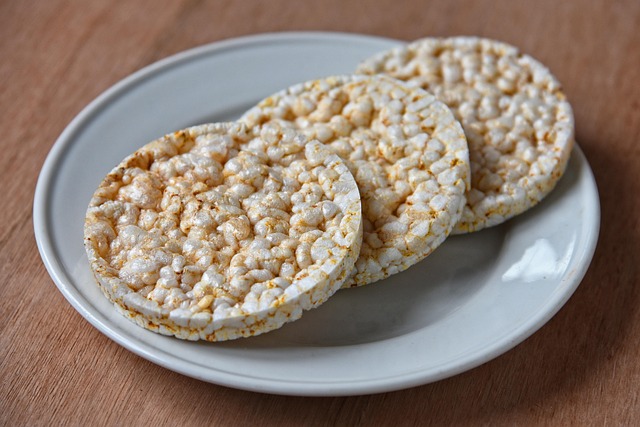
Rice crackers are a popular pantry staple often perceived as a lighter and more refined alternative to standard crackers, but their nutritional contribution is extremely limited. They are made almost entirely from white rice flour, which provides simple carbohydrates with virtually no fiber, protein, or fat to slow digestion. Many flavored varieties include monosodium glutamate, artificial seasonings, and significant quantities of sodium to create an appealing taste. Their light crunch and subtle flavor make portion control particularly difficult, as the body registers very little satisfaction after eating them. Dietitians frequently use rice crackers as an example of a snack that feels healthy but functions nutritionally like refined sugar.
Trail Mix with Candy Pieces
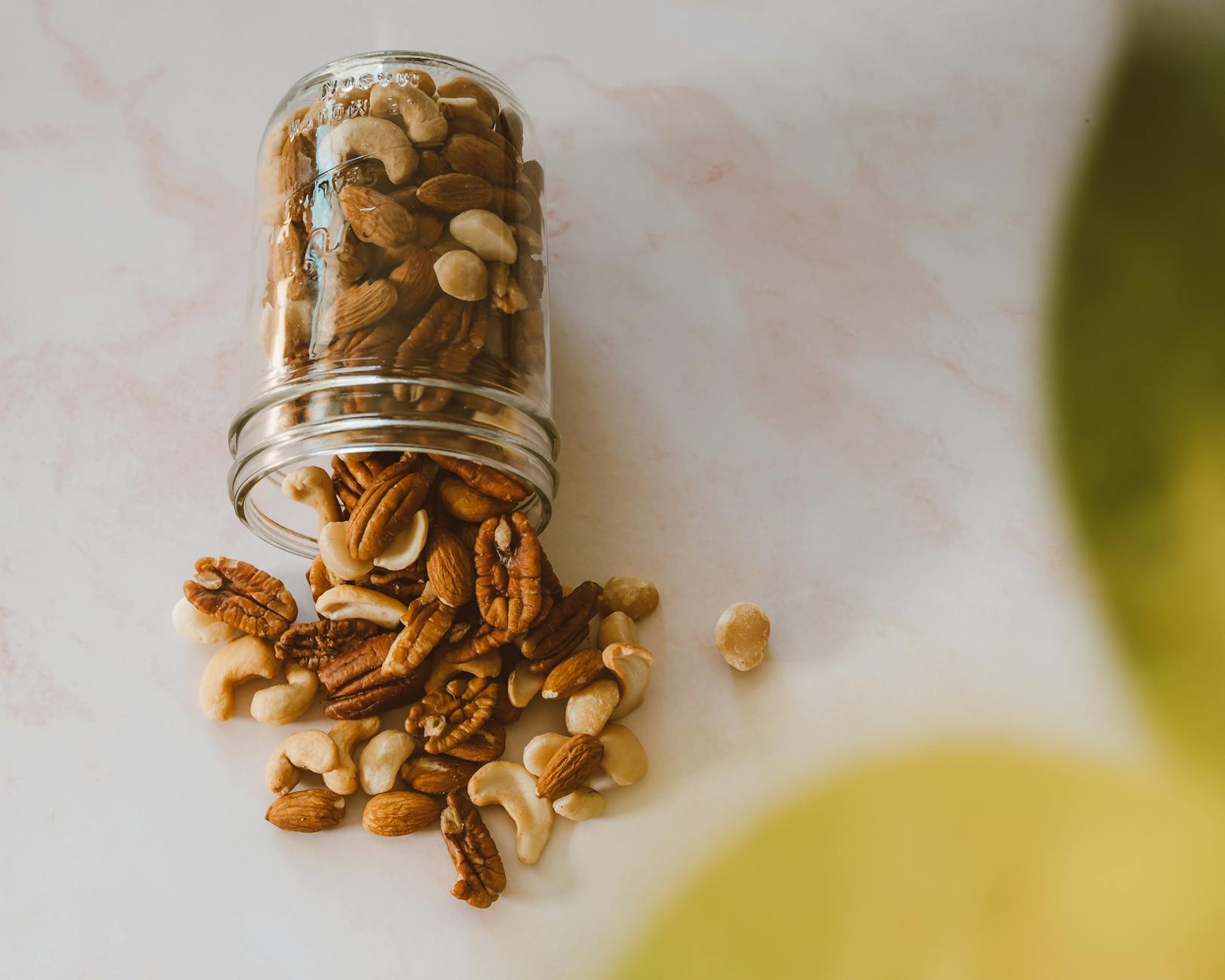
Trail mix has a well-earned reputation as an energizing outdoor snack, but commercially prepared versions loaded with candy-coated chocolates, sweetened cranberries, and yogurt chips are a very different product. The addition of these ingredients pushes the sugar content of many store-bought mixes well beyond what would be found in a simple nut-and-seed blend. Sweetened dried fruits in particular contribute concentrated sugars that interact with the fat content of the nuts to create an extremely calorie-dense combination. The crunchy variety of textures also encourages eating past the point of satiety without noticing. Nutritionists suggest building a custom mix at home using plain nuts, seeds, and a small amount of unsweetened dried fruit for a genuinely balanced snack.
Flavored Almonds

Plain almonds are widely recognized as one of the most nutritious snack options available, but heavily flavored varieties transform them into something far less virtuous. Honey-roasted, barbecue, chocolate-dipped, and sweet chili almonds are typically coated with sugar, salt, maltodextrin, and artificial flavor compounds that significantly alter their nutritional profile. A single serving of honey-roasted almonds can contain as much sugar as several pieces of hard candy layered on top of an already calorie-dense base. The roasting process used for flavored varieties also often involves oils that introduce additional unnecessary fat and sodium. Nutritionists advise choosing raw or dry-roasted almonds with no added ingredients to capture the genuine health benefits of this nut.
Breakfast Biscuits

Breakfast biscuits are marketed as a smart on-the-go morning option, often carrying claims about whole grains and natural ingredients on their packaging. However, most popular brands contain refined flour as their primary ingredient with only a small percentage of actual whole grain content. Sugar appears early in the ingredient list of many varieties, and some biscuits contain as much sugar per serving as a frosted pastry. The lack of meaningful protein or fat means they digest rapidly and provide little sustained energy through the morning hours. Nutrition professionals note that the “breakfast” label on these products is primarily a marketing strategy rather than a nutritional designation.
Coconut Water Drinks
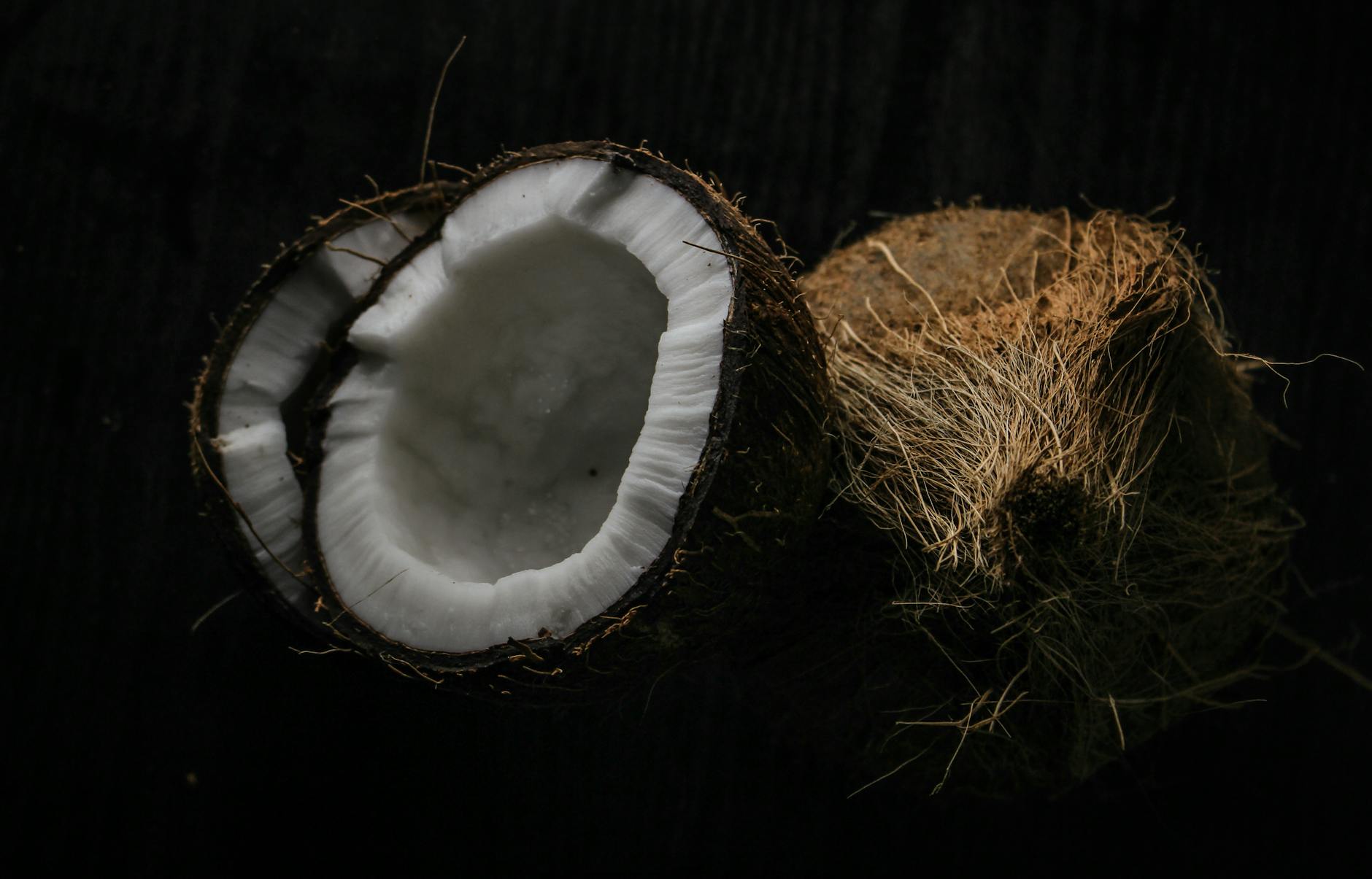
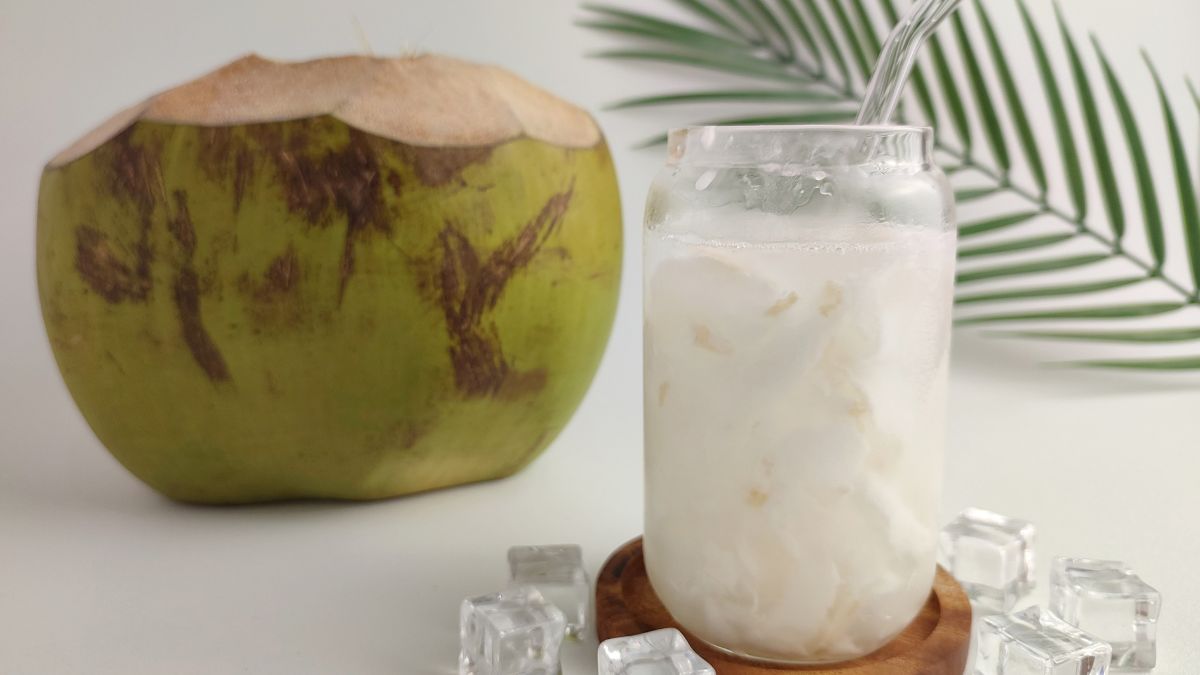
Coconut water earned its health reputation as a natural hydration source, but many bottled coconut water products on the market are enhanced with added sugars, natural flavors, or fruit juice concentrate that significantly increase their sugar load. Even pure coconut water contains a notable amount of naturally occurring sugar, and consuming multiple servings or flavored versions can push intake into ranges that rival sports drinks. The electrolyte content, often cited as the primary health benefit, is actually modest and easily obtained through a balanced diet. Marketing imagery of tropical freshness and athletic performance has helped coconut water beverages command a premium health-food price point that their actual nutrition often does not justify. Dietitians recommend reserving coconut water for genuine post-exercise hydration and drinking plain water for everyday hydration needs.
Multigrain Crackers
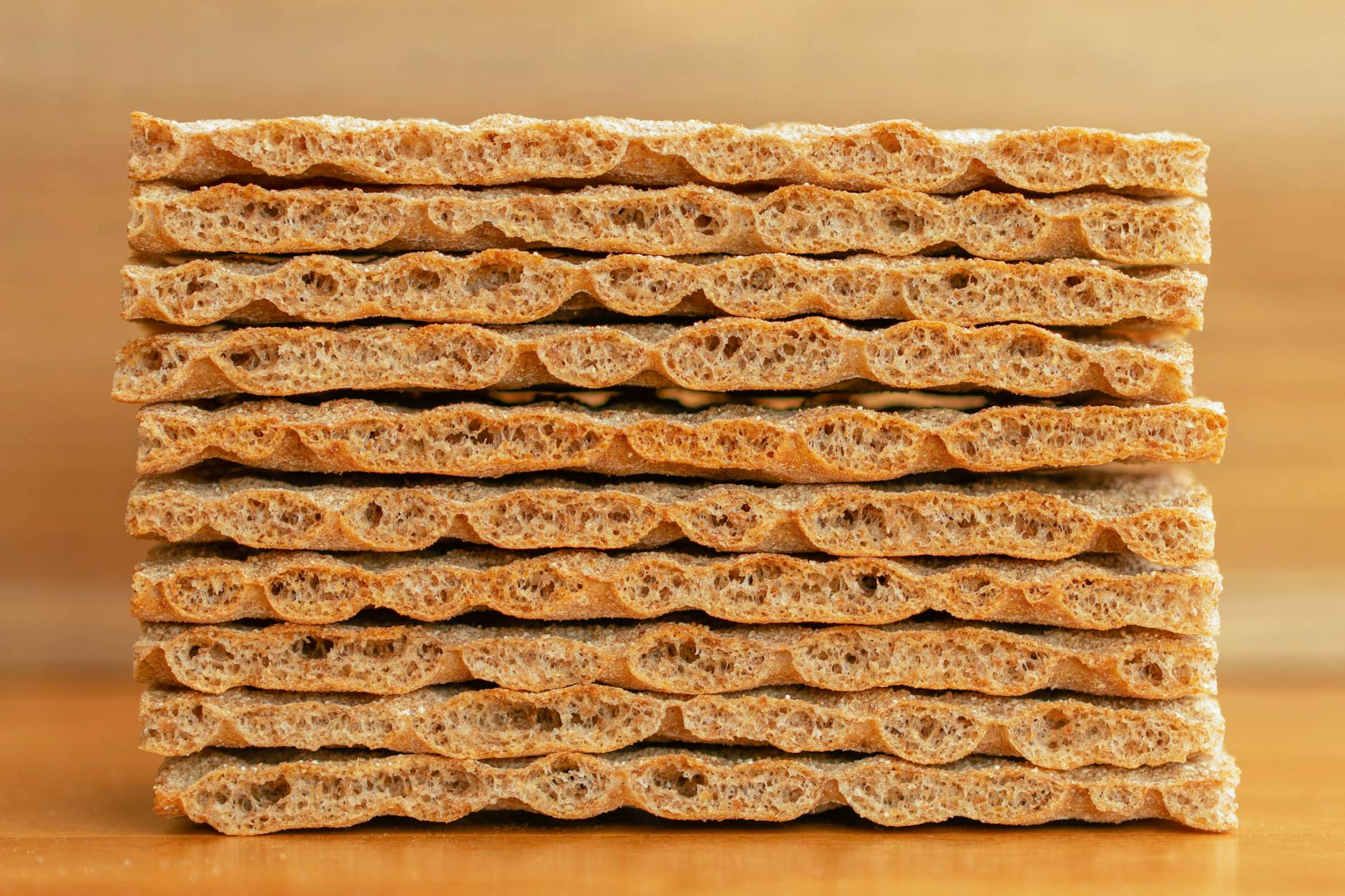
The word “multigrain” on a cracker box implies a product rich in whole grain nutrition, but it legally means only that more than one type of grain was used, not that any of them are whole or unrefined. Most multigrain crackers are primarily made from enriched white flour with small additions of oat flakes or other grains included more for appearance than nutrition. Sodium content in these products is frequently very high, and added oils push the fat content into ranges comparable to traditional snack crackers. The fiber content, despite the multigrain branding, is often only marginally higher than standard white flour crackers. Nutrition experts consistently flag the multigrain label as one of the most misleading terms in the packaged food space.
Freeze-Dried Fruit Snacks
Freeze-dried fruit snacks have surged in popularity as a crunchy alternative to fresh fruit, and while they retain more nutrients than other processing methods, they are not without significant drawbacks. The freeze-drying process removes all water content, which means that the natural sugars become extremely concentrated in a very small and light package. It is easy to consume the sugar equivalent of several pieces of fresh fruit in just a few handfuls without realizing it, as the airy texture creates an illusion of low calorie intake. Many commercial varieties also add sugar or flavoring to enhance sweetness beyond the fruit’s natural profile. Nutritionists recommend treating freeze-dried fruit as an occasional treat rather than a substitute for whole fresh fruit.
Instant Oatmeal Packets

Plain oats are one of the most nutritionally solid breakfast choices available, but flavored instant oatmeal packets repackage this wholesome grain into something far less impressive. Popular varieties like maple brown sugar, peach cream, and cinnamon roll contain substantial amounts of added sugar, artificial flavoring, and sodium alongside the oats. The oats used in instant varieties are also rolled thinner and processed more extensively than steel-cut or old-fashioned oats, causing faster digestion and more pronounced blood sugar fluctuations. The portion sizes in individual packets are small enough that many people eat two or three at once, multiplying sugar and sodium intake. Nutritionists recommend cooking plain rolled oats and adding fresh fruit or a small amount of natural sweetener as a far healthier approach.
Pretzels

Pretzels have long enjoyed an image as a low-fat, sensible snack, and while that fat claim is technically accurate, the overall picture is considerably less flattering. They are made almost entirely from refined white flour, which offers virtually no fiber, vitamins, or minerals beyond what is added back through enrichment. The salt content is very high, and the simple carbohydrate structure means the body digests them almost as quickly as pure sugar. Pretzels score very high on the glycemic index, making them a poor choice for anyone managing blood sugar levels or seeking lasting satiety between meals. Nutrition professionals note that the low-fat label has allowed pretzels to maintain a health halo that their actual ingredient list does not support.
Flavored Popcorn

Plain air-popped popcorn is a legitimately high-fiber, low-calorie whole grain snack, but the flavored varieties that dominate store shelves are a fundamentally different product. Butter-flavored, white cheddar, kettle corn, and caramel popcorn varieties introduce oils, sugars, artificial flavoring agents, and significant sodium that transform the base grain into a snack closer to chips or candy. Caramel corn in particular can contain more sugar per cup than many desserts, with a coating that adheres extra calories to every kernel. The light and airy texture of popcorn creates the illusion that one is eating less than they actually are, making it easy to consume very large quantities. Nutritionists draw a firm line between air-popped plain popcorn and the flavored commercial varieties, treating the latter as indulgences rather than health foods.
Vitamin-Enhanced Water
Vitamin-enhanced waters are positioned as a wellness upgrade to plain hydration, but nutrition experts have long questioned their actual benefit. Most of these beverages contain a significant amount of added sugar, with popular brands delivering between 30 and 50 calories per serving from sweeteners. The vitamins included are typically water-soluble and excreted in urine when consumed beyond what the body immediately needs, meaning the nutritional benefit is often negligible for anyone eating a reasonably balanced diet. Artificial colors, flavors, and preservatives are also common ingredients that counteract the health-focused image these drinks project. Dietitians point out that a varied diet and plain water address hydration and micronutrient needs far more effectively than a sweetened vitamin beverage.
Gluten-Free Cookies
Gluten-free cookies are frequently purchased by people without celiac disease or gluten sensitivity under the assumption that the label signals a healthier product, but that assumption is nutritionally unfounded. Gluten-free baking requires alternative binding agents and flours such as rice flour, tapioca starch, and potato starch, all of which are highly refined and low in fiber. To compensate for the texture and flavor that gluten provides, manufacturers often add extra sugar, fat, and artificial ingredients. The calorie and sugar content of most gluten-free cookies is equal to or higher than that of their conventional counterparts. Nutrition professionals emphasize that gluten-free is a medical dietary requirement for specific individuals, not a universal indicator of nutritional quality.
Store-Bought Hummus with Flavored Pita Chips

Plain hummus made from chickpeas, tahini, lemon, and olive oil is genuinely nutritious, but the flavored store-bought versions paired with packaged pita chips represent a considerably different snacking experience. Many commercial hummus varieties contain added oils, preservatives, and flavor enhancers that dilute the quality of the base ingredients. The pita chips served alongside are typically made from refined white flour, fried or baked with oil, and seasoned with high levels of sodium and sometimes sugar. The combination makes it easy to consume a large amount of refined carbohydrates and sodium while feeling justified by the presence of chickpeas in the dip. Nutritionists suggest pairing plain or minimally processed hummus with raw vegetables to maintain the genuine health benefits of the snack.
Flavored Kefir Drinks
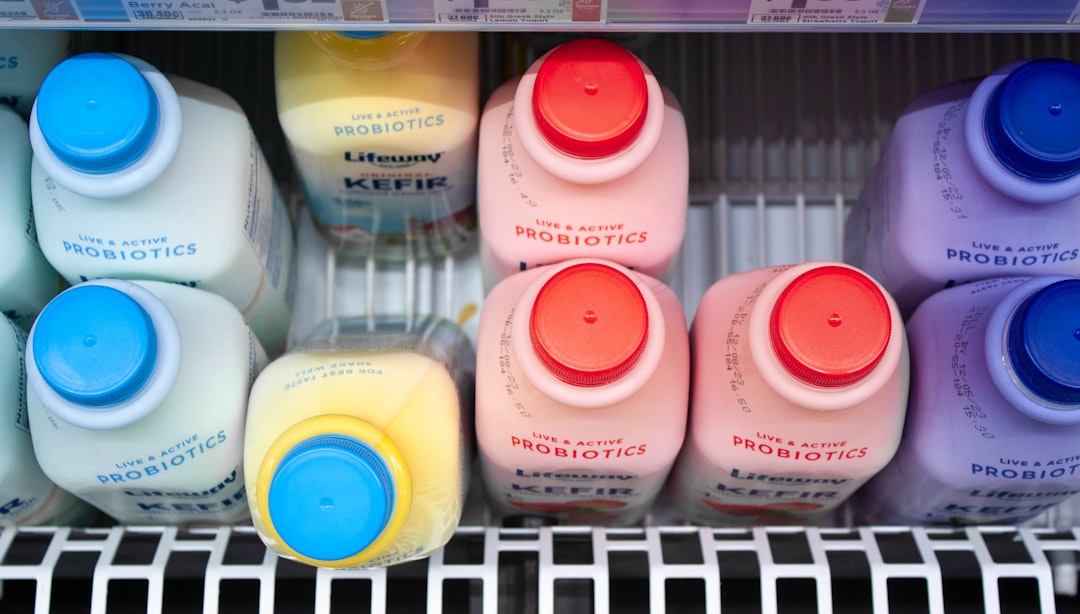
Plain kefir is a fermented dairy product with legitimate probiotic benefits and a solid protein profile, but commercially flavored kefir drinks shift significantly from that nutritional baseline. Strawberry, mango, peach, and vanilla varieties commonly found in supermarkets contain substantial amounts of added sugar, with some brands delivering more than 20 grams per serving. The fruit content in these drinks is typically from concentrate or puree rather than whole fruit, contributing to sugar load without the fiber benefit. While the probiotic cultures survive the flavoring process, their benefit is increasingly offset by the inflammatory potential of a high sugar intake. Nutrition experts recommend choosing plain, full-fat kefir and adding fresh fruit at home to control sugar content while preserving the fermentation benefits.
Apple Chips

Apple chips appear on store shelves as a clever way to consume fruit in a portable, shelf-stable format, but the processing required to achieve that crispy texture significantly alters their nutritional value. Commercial apple chips are often made with added sugar or fruit juice concentrate to enhance sweetness and improve texture during dehydration or frying. The removal of water concentrates calories and natural sugars, while the fiber structure of the apple is partially broken down in the process. Many brands also introduce flavoring agents, citric acid, and preservatives that are absent from the whole fruit. Nutritionists point out that eating a fresh apple delivers more fiber, more water content, and greater satiety than an equivalent portion of apple chips, making the processed version a far less effective nutritional choice.
What snacks have you been surprised to learn are not as healthy as they seem? Share your thoughts in the comments.