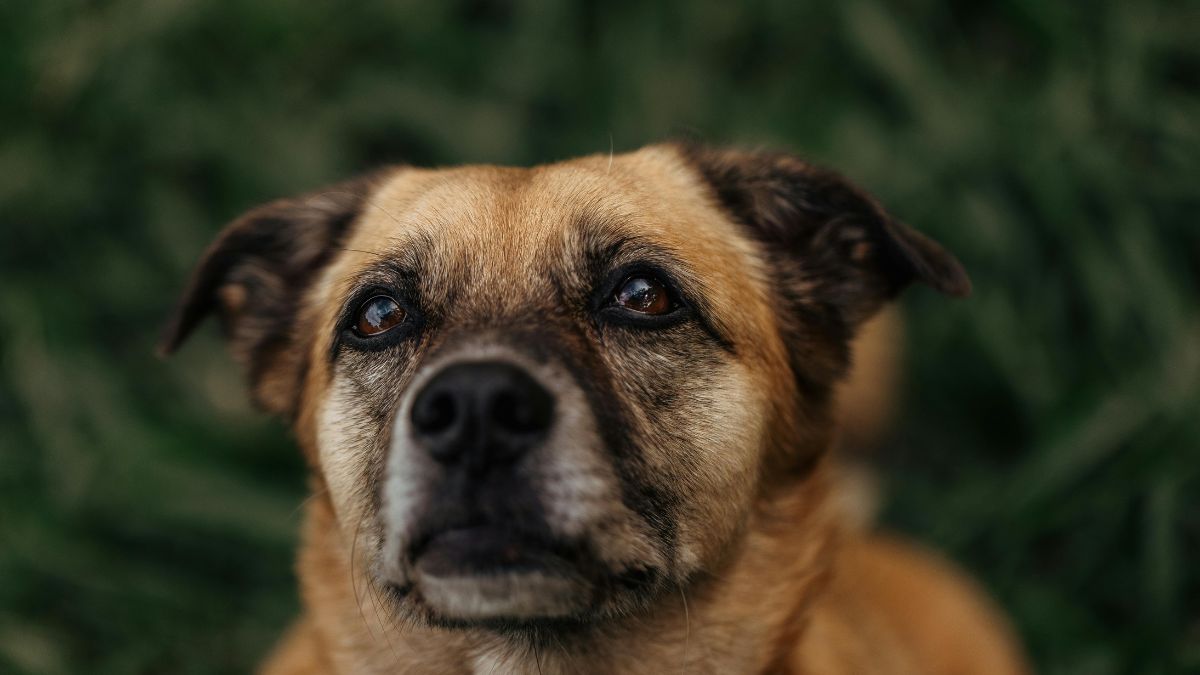
It feels like just yesterday your furry companion was a boundless, energetic puppy tearing through the house, and now they have earned their place among the silver-muzzled elders. While an older dog may have slowed down considerably, that does not mean the joy has drained from their days. According to Alexandra Bassett, founder and lead dog trainer at Dog Savvy Salt Lake City, many owners unknowingly shortchange their senior pets by assuming age equals unhappiness. Understanding what contentment actually looks like in an older dog can make a profound difference for both of you.
Bassett, who spoke with Parade Pets on the topic, points out that well-meaning owners often pull back on enrichment the moment a dog starts aging. “It’s important to recognize this because when caregivers assume their dog is ‘too old,’ they sometimes unintentionally withhold life enrichment and neglect them,” she explained. Skipping walks, cutting out playtime, and reducing outings because the dog seems slower are all habits that can quietly diminish a senior dog’s quality of life. The desire to participate, Bassett notes, often outlasts the physical stamina to do so at full throttle.
One of the clearest indicators that a senior dog is doing well is a healthy, consistent appetite. When a dog eagerly approaches mealtime or accepts treats with enthusiasm, it signals that their senses and overall engagement with life remain intact. Equally telling is how a dog reacts to the sight of a leash. “If your dog brightens up when they see the leash and willingly moves toward you, that tells you they are mentally present and still value routine, exercise, and exploration,” Bassett said. Even a slow, short walk carries enormous emotional weight when the motivation to head outside is still there.
Play is another powerful window into a senior dog’s emotional state. An older dog may only want the ball tossed a handful of times rather than twenty, but returning the toy and nudging for another round reveals that the spark of engagement has not gone out. “Play, even in small doses, is a strong indicator of interest in life,” Bassett noted. Beyond play, a dog that chooses to nap close to their owner is quietly broadcasting trust and emotional security. Dogs are inherently social animals, and resting near their person signals that the bond remains strong and the dog feels safe enough to fully relax.
Curiosity is perhaps the most underrated sign of senior dog happiness. A dog that pauses to sniff a bush, notices a squirrel, or tracks what is happening in the kitchen is still actively engaged with the world around them. “Curiosity is a great sign that your dog is still interested and wants to be a part of what is happening around them,” Bassett explained. A warm greeting when you walk through the door also says a great deal. The dog may no longer sprint to the entrance or leap with excitement, but if they wag their tail and rise to meet you, that emotional connection is very much alive. Finally, a dog that leans into touch, sighs contentedly, or nudges for more petting during a cuddle session is communicating trust and happiness through body language. “If your senior dog leans into your touch, sighs, or relaxes while being petted and pushes for more, that is a sign of trust and satisfaction,” Bassett said.
It is equally important to know when behavioral changes point to something beyond normal aging. Bassett stresses that a dog who simply moves slower but otherwise behaves consistently is likely just getting older. However, sudden shifts in personality, appetite, or interest in daily life can signal pain or illness and warrant a veterinary visit. Warning signs include marked lethargy, social withdrawal, limping, difficulty climbing stairs, panting while at rest, excessive licking of a specific body part, and increased irritability. “Pain can reduce a dog’s tolerance and patience, especially when handled, around other pets, or in busy environments,” Bassett warned. When in doubt, a vet consultation is always the right call.
Dogs are generally considered seniors at different ages depending on their size. Small breeds tend to reach senior status around 10 to 12 years old, while large and giant breeds may be considered seniors as early as 6 or 7 years of age. This is partly because larger dogs age faster at a cellular level, a phenomenon researchers continue to study. The American Veterinary Medical Association recommends that senior dogs receive veterinary checkups twice a year rather than annually, since health conditions can develop and progress more rapidly in older animals. Common age-related health issues in dogs include arthritis, cognitive dysfunction syndrome (sometimes compared to dementia in humans), dental disease, and vision or hearing loss. Keeping a senior dog mentally stimulated through puzzle toys, scent games, and gentle socialization can help slow cognitive decline and maintain a higher quality of life well into their golden years.
If you have a senior dog at home, feel free to share what happiness looks like for them in the comments.