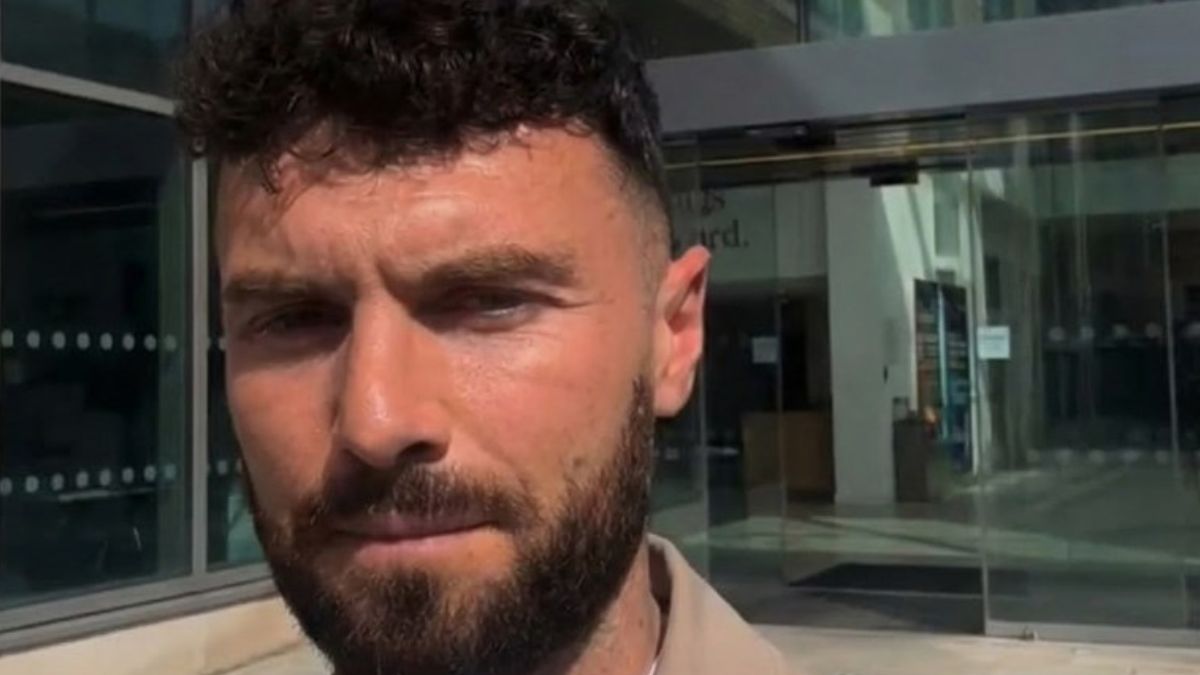
When Kaly Miller appeared on the British morning show This Morning, she described a job that still shocks plenty of viewers. Miller said she works as a “surrogate partner,” and she also claimed she has slept with more than 400 clients as part of that work. The conversation landed at a moment when “intimacy therapy” has been getting more mainstream attention through TV, social media clips, and heated debates about ethics. Her appearance put a single question in the spotlight. Where is the line between therapy, coaching, and something else entirely.
Miller’s role was described as a “surrogate partner,” sometimes also called a “sexual surrogate,” and she framed it as structured work done to help clients learn intimacy. In the segment, the point was not romance, and not building a traditional couple. Instead, she presented it as guided practice that can involve emotional closeness and, in some cases, physical intimacy. That distinction matters to how supporters defend the practice and how critics push back. It also shapes how Miller explains her own motivation. She summed it up with a simple statement that echoes the headline, “This is my path.”
The topic has gotten extra attention thanks to TV content like Virgin Island from Channel 4, which introduced a wider audience to the idea of intimacy coaching that may include surrogate partners. In that framing, the goal is not “a relationship,” but learning intimacy and sexuality through a guided process. Some people hear that and immediately assume it is just repackaged sex work. Others argue it is closer to exposure therapy for touch, vulnerability, and confidence, particularly for people who feel stuck or afraid. Either way, the concept challenges social norms about how adults are “supposed” to learn connection. And it forces a conversation about what should and should not happen inside a therapeutic setting. You can watch video here.
Miller told the show that she did not plan to enter this field at all. Earlier in her career, she worked in rehabilitation sports massage therapy, then began studying psychosexuality in her late 30s. She said that during that period she realized how much she personally lacked understanding around intimacy, which pushed her curiosity further. A turning point came from a job ad seeking “open-minded body workers,” which she later understood was pointing toward surrogate partner work. That discovery changed her professional direction and also gave her language for what she felt she was meant to do. In her telling, it was less a sudden leap and more a series of realizations that led her to commit.
Her clearest example was her first client, a man in his mid 60s whom she described as extremely shy and socially insecure. She said he had no experience with intimate relationships and carried a heavy fear of dying without ever knowing closeness. According to Miller, he told her he did not want to die without learning “what love feels like.” That sentence stayed with her and became proof, in her mind, that the work could matter. She also described how he would carry coins into a store just so his hands might accidentally touch someone else’s during a transaction, because even brief contact felt unreachable to him.
Miller said she worked with that client for a full year and saw real change over time. In her story, he spent years building fantasies about strangers he saw on the street while never approaching anyone in real life. The work, as she described it, helped him move from imagination to actual interaction, step by step. By the end of their time together, she claimed he was able to enter an intimate relationship. For her, this was the emotional anchor of the job, not the sensational number attached to it. It was a before and after arc that made her believe she was helping someone step into a life they thought they could never have.
She also described working with clients who are virgins, especially men who, as she put it, had mostly learned about sexuality through pornography and masturbation. In that context, she said part of the process is breaking away from automated patterns and slowing everything down. The focus begins with touch that is not necessarily sexual, allowing a person to feel safe, present, and connected without racing toward performance. Only later, she said, does a client gradually learn sensual and erotic touch and how to regulate urges. This is where supporters argue the work is educational and therapeutic rather than purely physical. It is also where critics worry about blurred boundaries, power dynamics, and the risk of exploitation.
When asked about how her personal relationships fit into this, Miller said she had a partner when she started the work. She described her partner as understanding and said jealousy was not an issue, because he viewed it as part of her life direction. She also said that simply thinking back on her sessions brings “a flood of memories” of intense moments with clients. In her account, some people she worked with later got married or found partners. She added that friends and family have been supportive, which is not always the reaction people expect when they hear what the job involves. Her message was that her private life and her professional work can coexist with clear understanding and support.
More broadly, surrogate partner therapy is typically described as a three person model involving a client, a talk therapist, and a trained surrogate partner working as a team. In that setup, the surrogate partner does not replace psychotherapy, but acts as a practical partner for structured exercises that build comfort with intimacy and communication. The approach is often linked to the work of sex researchers William Masters and Virginia Johnson, who argued that some sexual and intimacy problems improve most through guided experience, not conversation alone. Professional groups have tried to formalize boundaries through ethics codes that emphasize supervision by a therapist and clear agreements about goals and limits. Even with those frameworks, the practice remains controversial because laws, cultural attitudes, and professional standards differ widely, especially when physical intimacy enters the picture. For many observers, the central tension is whether the therapeutic intent can truly prevent exploitation, or whether the structure itself creates too much risk.
Miller’s story is likely to keep circulating as long as shows like Virgin Island keep pushing intimacy topics into mainstream entertainment and as clips keep spreading on YouTube. Some people will see her account as a compassionate, unconventional way to help those who feel shut out of connection. Others will see an arrangement that seems impossible to separate from sex and money, no matter how carefully it is described. Either way, it taps into modern anxieties about loneliness, social skills, and the gap between fantasy and real intimacy. Share your thoughts on what ethical intimacy therapy should look like in the comments.