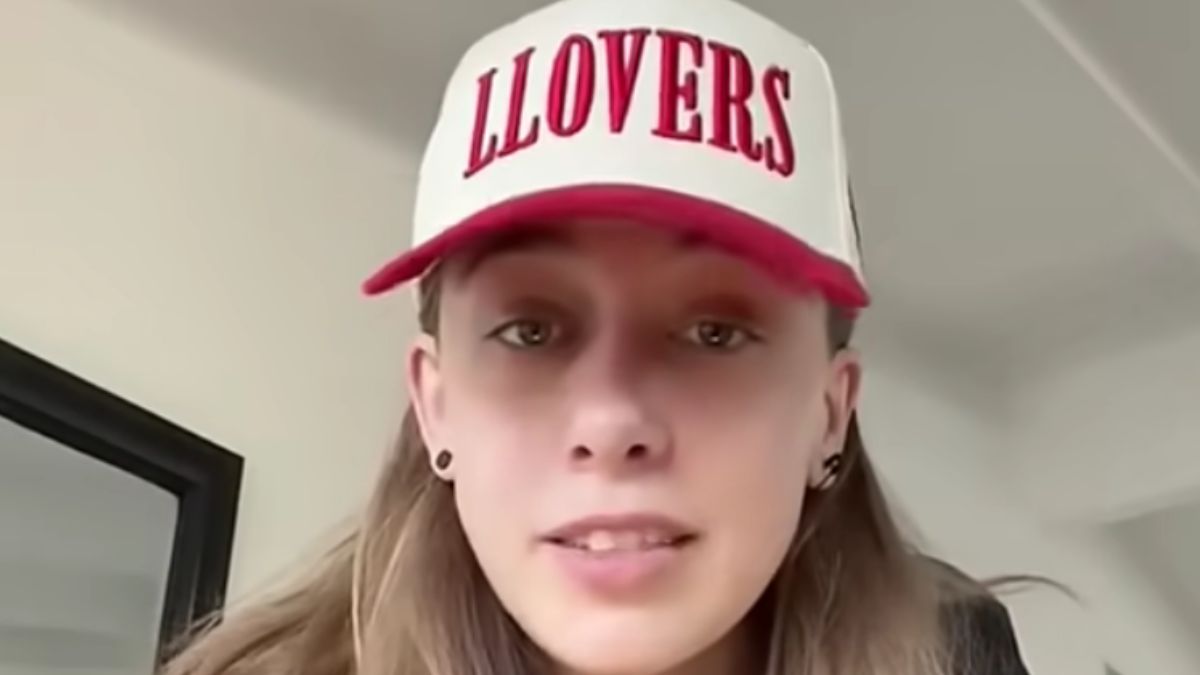
Giving up a habit that has been woven into your daily life for a decade is no small feat, and content creator Bella Rose, known online as OnlyJayus, found that out the hard way. After a full ten years of regular marijuana use, she made the decision to quit and documented the entire experience in a YouTube video, walking her followers through every uncomfortable moment of the process. What she discovered surprised even her most loyal viewers, and the video has continued to draw significant attention long after she first posted it.
Bella is firm in her belief that marijuana is genuinely addictive, despite widespread claims to the contrary. “Whatever anyone says or whatever they tell themselves, marijuana is addictive,” she stated plainly. She went on to explain that after a decade of daily use, she had finally reached a point where she could admit the truth to herself. “After ten years of smoking, I was finally able to admit it to myself and decided it was time to stop,” she said. The video she published in 2023 detailing her first seven days without the drug has continued to attract views and spark conversation.
Quitting marijuana after prolonged and heavy use can trigger a wave of withdrawal symptoms that many people underestimate. According to guidelines from American addiction treatment centers, these symptoms typically appear within 24 to 72 hours of the last use. They can include irritability, anxiety, nervousness, insomnia or disrupted sleep, loss of appetite, weight loss, restlessness, and low mood. Physical symptoms are also common and may involve tremors, sweating, headaches, chills, nausea, and stomach pain. The severity and duration vary from person to person depending on how frequently and heavily they used, but most symptoms tend to resolve within two weeks, though sleep problems can linger considerably longer.
For Bella, the toughest stretch came right at the beginning. She described suffering from a persistent, throbbing headache during those opening days that refused to let up no matter how much water she drank. Her appetite disappeared almost entirely. “I had no appetite at all,” she said. “I tried to force myself to eat, but it just wasn’t happening.” Insomnia also returned with a vengeance, which was especially frustrating because she had believed she had already conquered that particular issue a year earlier. Her energy levels bottomed out, making her regular workout routine impossible to maintain, and her mood took a noticeable hit. “I was terribly irritable, the smallest things would throw me off,” she admitted. After getting through a full week without marijuana, she gave her followers an update, saying she felt “better, but not great.”
@onlyjayus week 1 of my attempt to quit smoking
♬ original sound – Bella Rose
The outpouring of support from her online community was immediate and heartfelt. Commenters flooded in with their own experiences and words of encouragement. “Being sober is strength in itself! Be proud that you’ve moved away from needing a substance to get through the day,” one person wrote. Another added, “It takes incredible willpower and determination to truly quit something you’ve depended on for years. If you can do this, nothing can stop you.” Many others shared that the worst would soon be behind her, with one commenter noting, “After two months you’ll feel a hundred percent better, I promise. You’ll notice so many positive things.” For anyone considering quitting, experts recommend patience and giving the body adequate time to readjust, and consulting a doctor or licensed addiction specialist if symptoms feel unmanageable.
The cannabis plant has been cultivated by humans for at least 12,000 years, making it one of the oldest known crops on earth, which somehow makes the modern debate about its addictiveness feel even more complicated. About 9 percent of people who try marijuana will develop a dependence on it, and that number jumps to around 17 percent for those who start using in their teens. Marijuana withdrawal was only officially recognized as a clinical condition by the American Psychiatric Association in 2013, meaning for decades, millions of people were going through exactly what Bella described with zero medical acknowledgment that it was even real.
Have you ever tried quitting a long-standing habit cold turkey? Share your experience in the comments.