Many people prioritize fashion over function when selecting footwear and often ignore the long-term consequences for their health. Podiatrists agree that improper shoes can cause permanent damage ranging from bunions to chronic back pain. Understanding which styles compromise structural integrity helps you make smarter choices for your daily wardrobe. The following list highlights fifteen types of shoes that experts recommend avoiding for the sake of foot wellness.
High Stiletto Heels
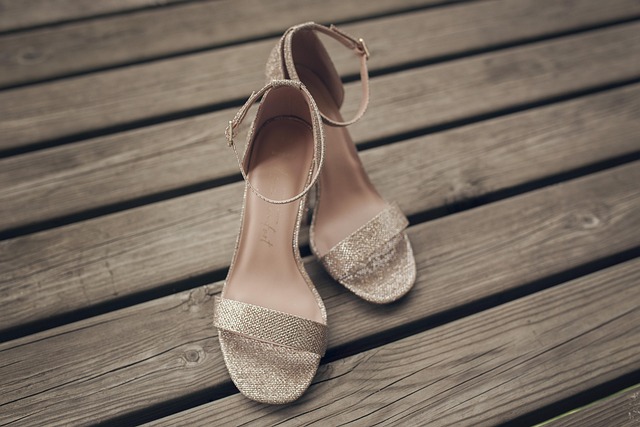
Podiatrists frequently warn against these shoes because they shift the entire body weight to the ball of the foot. This unnatural posture shortens the calf muscles and increases the risk of developing painful bunions or hammertoes. The lack of stability can lead to frequent ankle sprains or severe fractures on uneven surfaces. Long-term wear often results in chronic lower back pain due to the alteration of the natural spinal alignment.
Flat Flip-Flops
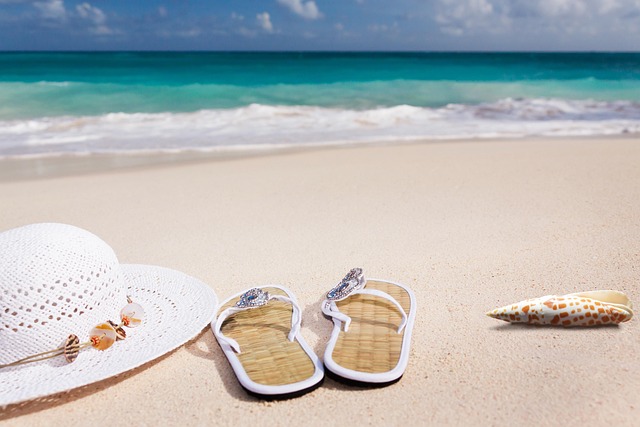
These popular summer sandals offer virtually no arch support or shock absorption for daily walking. The toes must constantly grip the shoe to keep it in place which leads to tendonitis and permanent toe deformities. Wearing them for extended periods exposes the feet to bacteria and increases the likelihood of cuts or injuries. Most doctors agree they should only be used for short walks around a pool or locker room.
Pointed-Toe Pumps
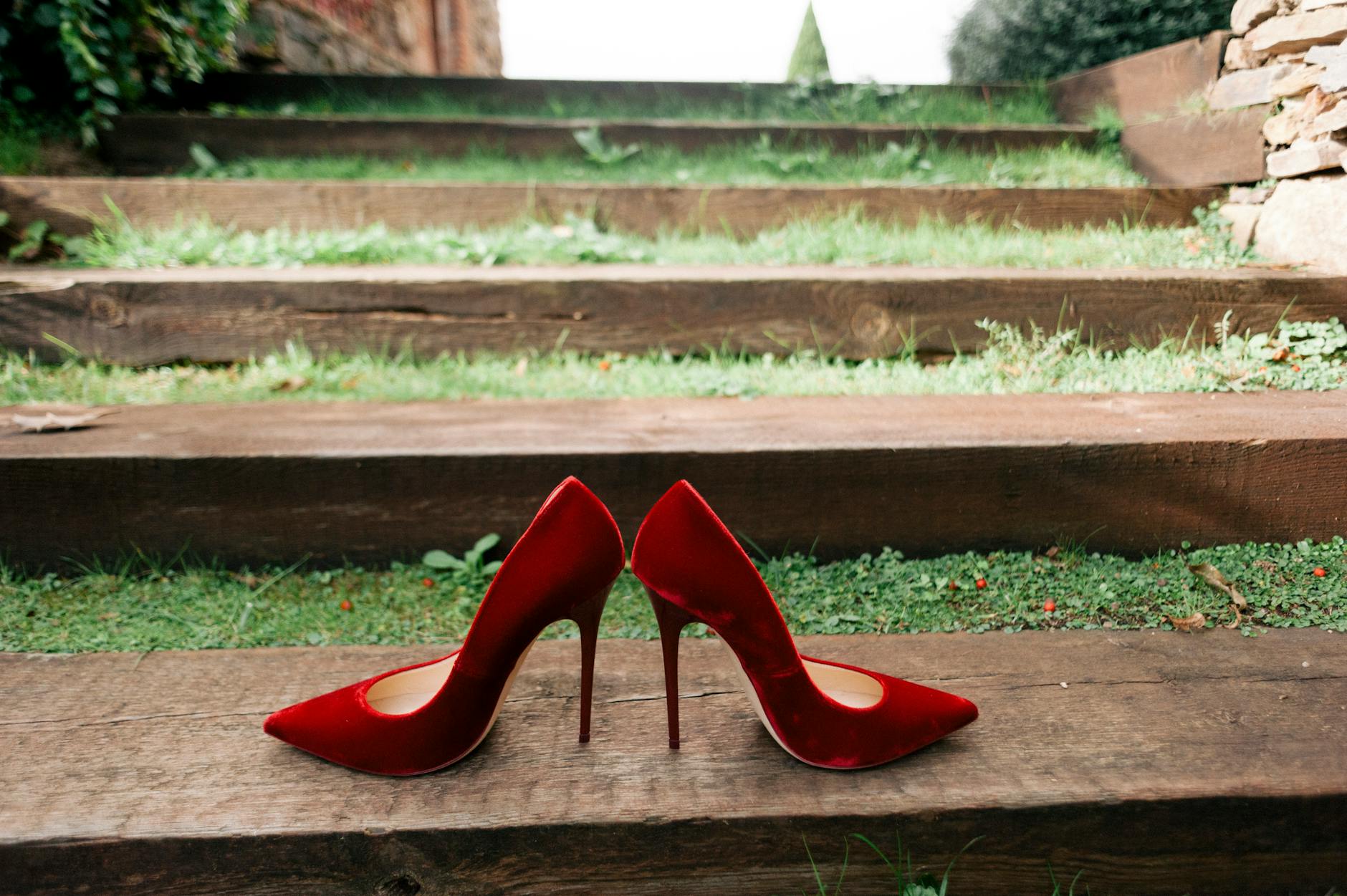
The narrow shape of the toe box forces the toes into a cramped and unnatural triangular position. This constriction restricts blood flow and significantly exacerbates the development of painful neuromas between the toes. Many wearers experience ingrown toenails or corns caused by the constant friction against the rigid sides. Choosing a wider toe box allows the foot to spread naturally and prevents long-term nerve damage.
Unsupportive Ballet Flats

While they may appear comfortable they often lack the necessary internal structure to support the plantar fascia. The completely flat sole provides zero cushioning against hard pavement and causes significant heel pain over time. People with flat feet often find their condition worsens after wearing these unstructured shoes for full work days. Adding high-quality orthotic inserts is the only way to make this footwear option safe for prolonged use.
Worn-Out Running Shoes
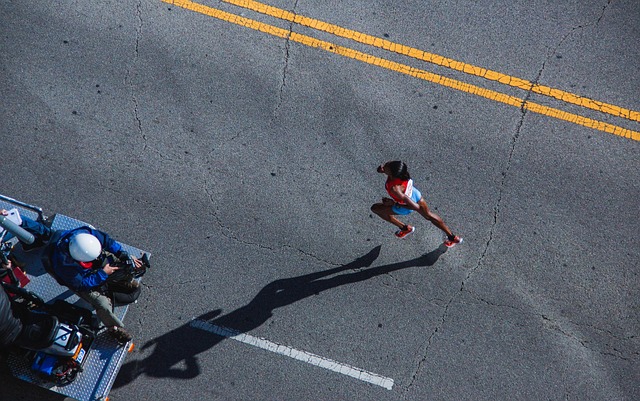
Athletic shoes lose their shock-absorbing capabilities long before they look physically damaged on the outside. Running in shoes that have exceeded four hundred miles can lead to shin splints and stress fractures in the foot bones. The midsole foam compresses over time and fails to protect joints from the heavy impact of striking the ground. Regular replacement is essential to maintain proper alignment and prevent overuse injuries during exercise.
High Platform Wedges
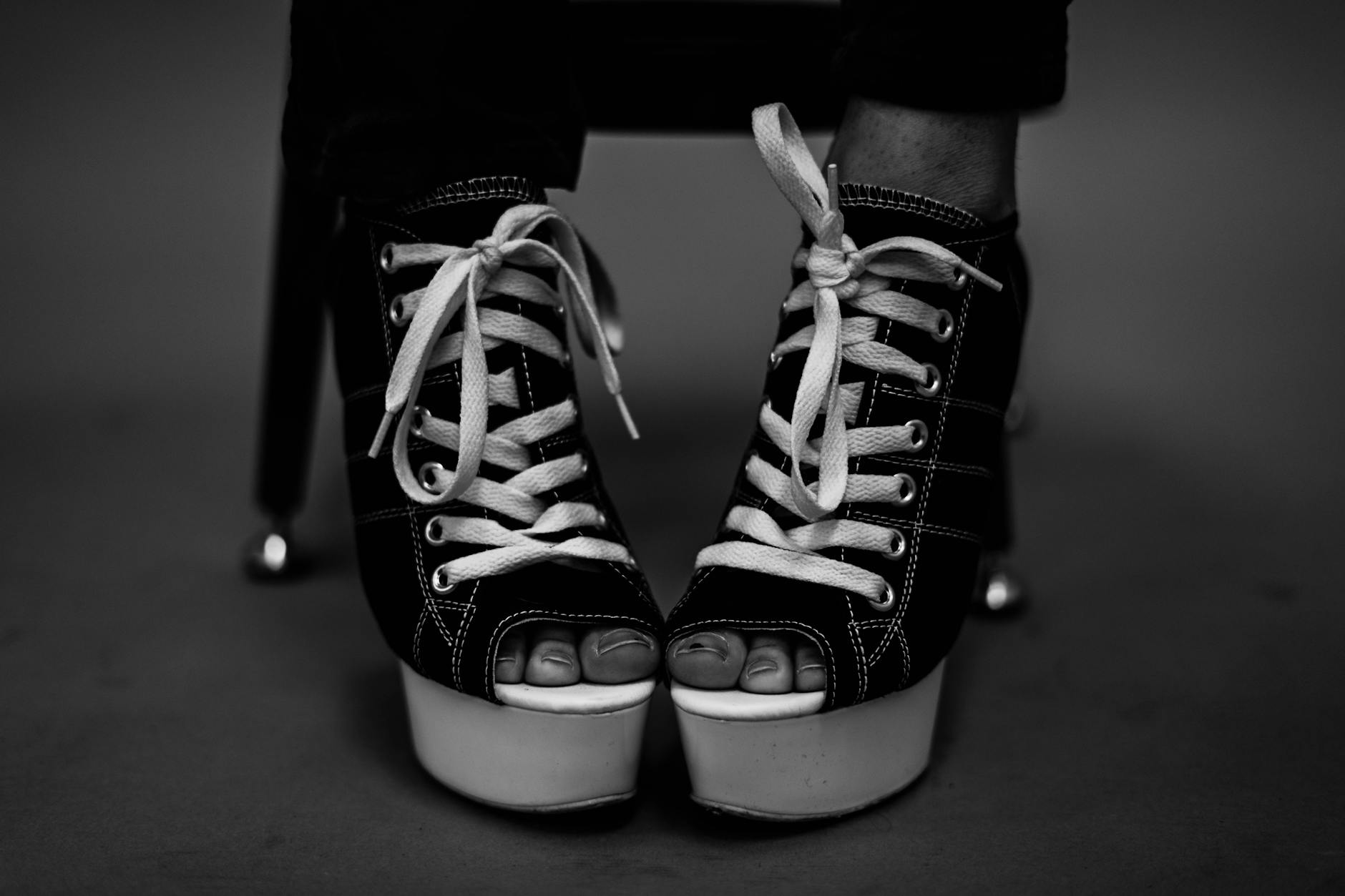
The rigid sole of a platform shoe prevents the foot from flexing naturally while walking. This lack of movement forces the ankle to do extra work and creates a high risk for lateral sprains or ligament tears. The elevated height changes the center of gravity and makes wearers much more prone to tripping or falling. Doctors suggest avoiding these for daily wear to protect ankle stability and ensure a natural gait cycle.
Backless Mules

Shoes without a heel strap force the toes to curl and grip the sole with every single step. This repetitive gripping action places excessive strain on the tendons and can eventually cause hammertoes. The unstable design forces the wearer to shuffle rather than walk with a normal heel-to-toe stride pattern. This altered walking style often manifests as pain in the hips or knees after a long day of standing.
Rigid Wooden Clogs
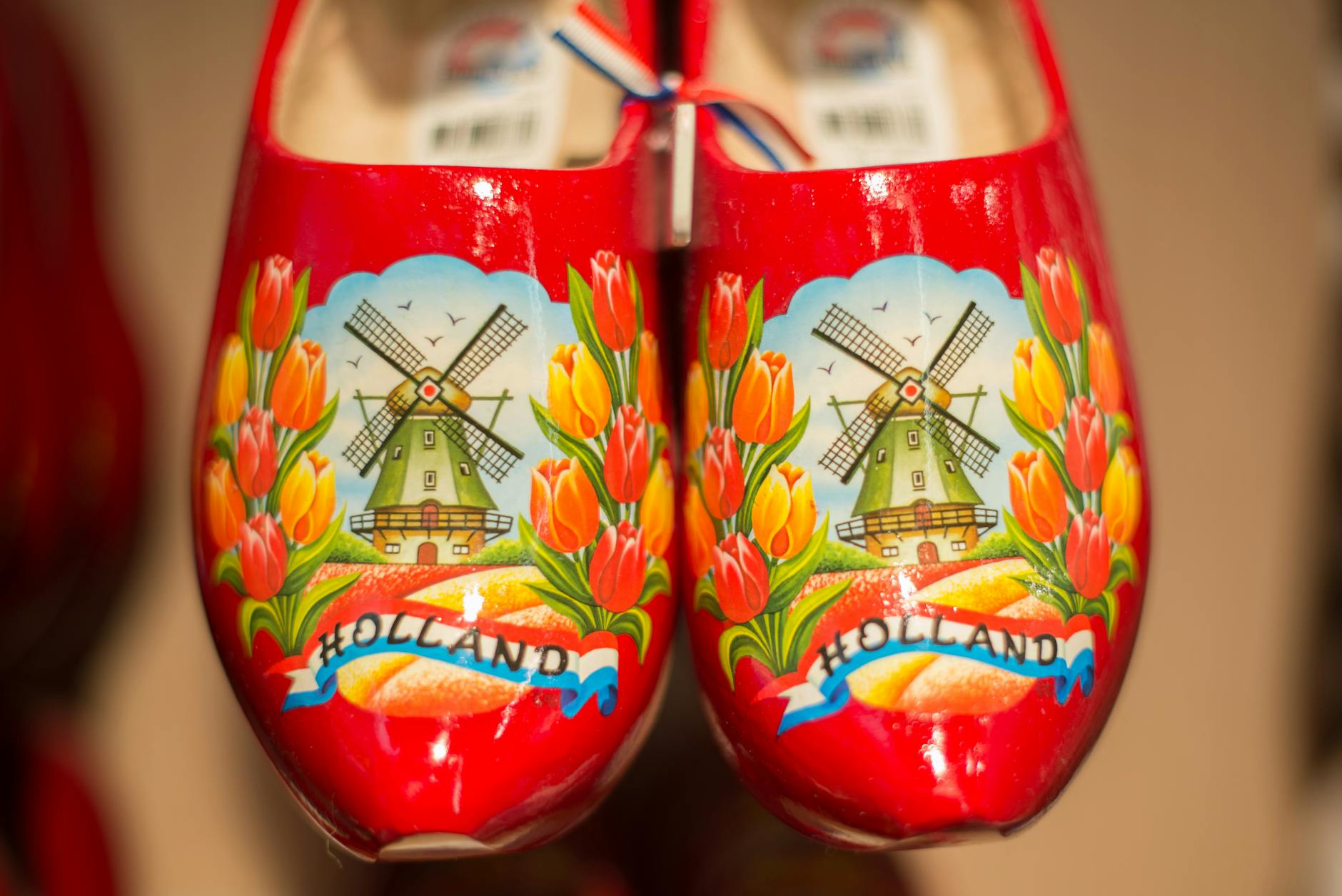
The extremely hard sole of a traditional clog prevents natural shock absorption and transfers impact directly to the spine. Walking in footwear that does not bend requires the foot to work much harder to propel the body forward. This stiffness often leads to severe foot fatigue and inflammation of the soft tissues on the bottom of the foot. A flexible sole is much better for maintaining healthy mechanics during a long shift at work.
Flexible Sock Sneakers
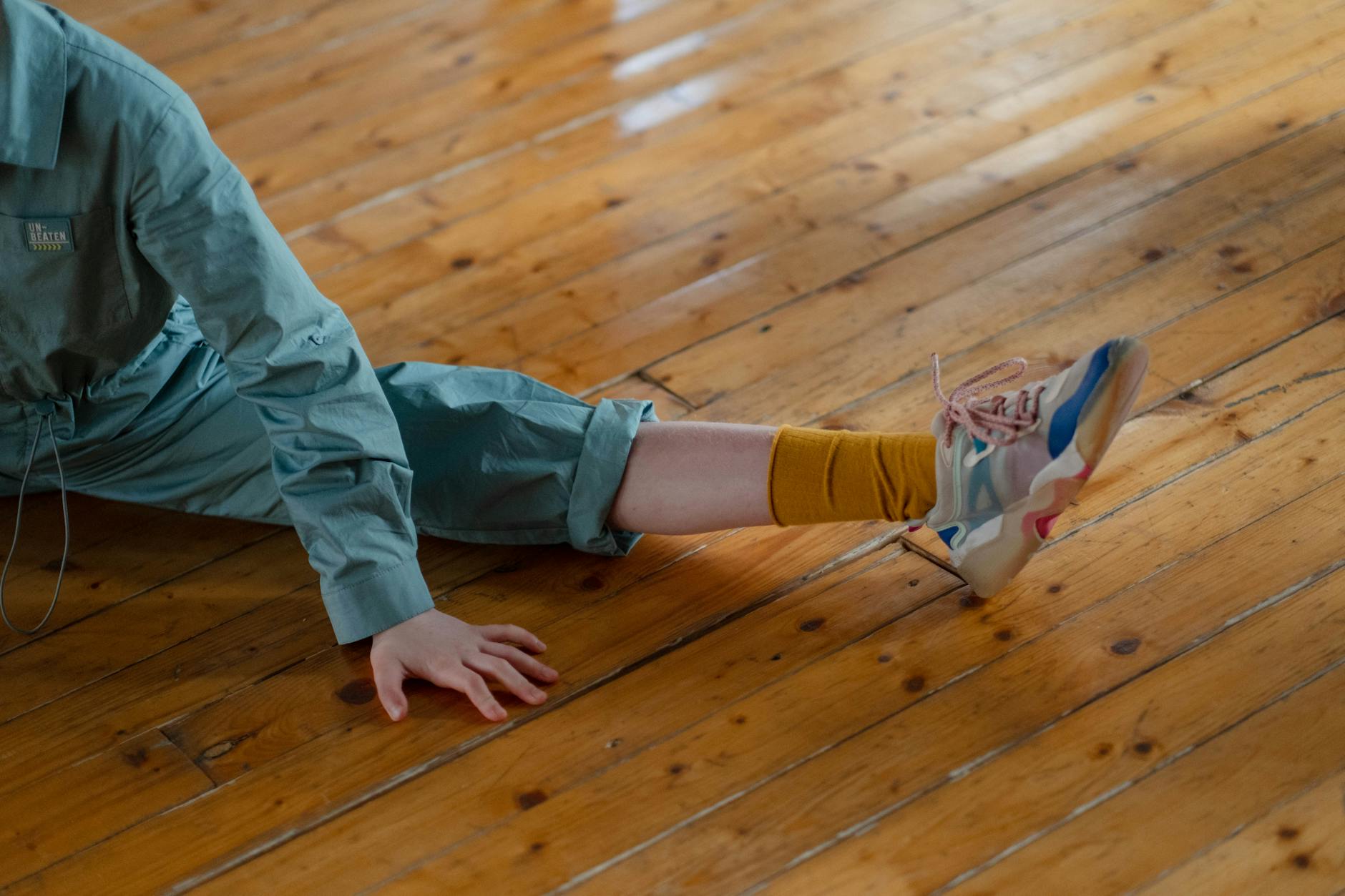
These trendy shoes might feel like slippers but they offer almost no lateral stability for the ankle joint. The soft fabric upper provides zero protection against bumps or dropped objects while walking in crowded areas. Lack of a firm heel counter means the foot can slide around inside and lead to blisters or instability. Podiatrists recommend choosing footwear with a solid structure to keep the heel aligned properly.
Soft Sheepskin Boots
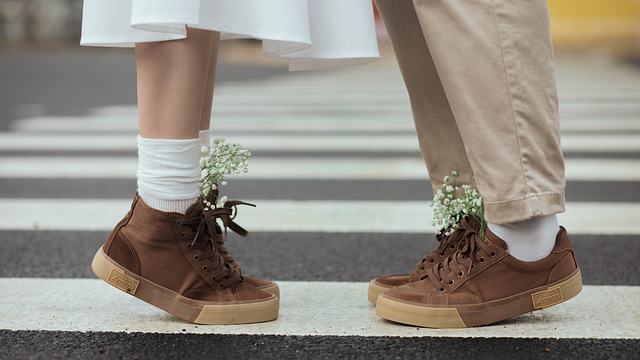
These popular winter boots often have flat interiors that provide no arch support for the wearer. The warm lining causes feet to sweat excessively which creates a breeding ground for fungus and bacteria. Walking long distances in them can aggravate plantar fasciitis due to the complete lack of structural integrity in the sole. They are best reserved for relaxing indoors rather than walking on hard city streets.
Gladiator Sandals
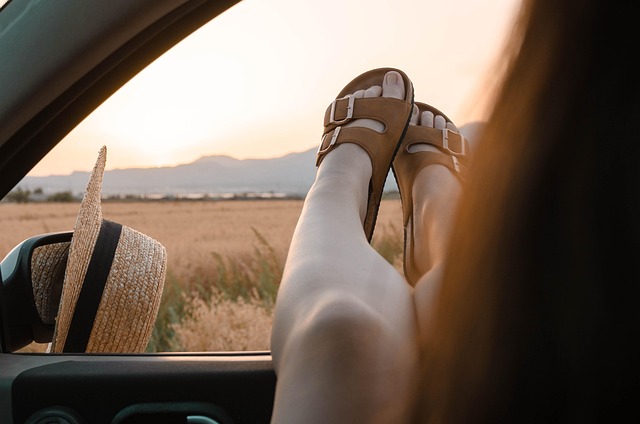
The intricate straps on these sandals often provide little security and can cause irritation or blisters on the skin. A completely flat sole creates significant tension on the Achilles tendon and the calf muscles. Many designs lack a supportive heel cup which allows the foot to slide around dangerously on the footbed. Wearing them for extended periods can result in soreness in the arch and heel areas.
Slip-On Canvas Shoes

Most canvas slip-ons are designed with a flat rubber sole that offers very little contour for the arch. The lack of laces makes it impossible to tighten the shoe for a secure and customized fit. Feet tend to fatigue quickly because the muscles must work harder to stabilize the body without proper shoe structure. Adding an over-the-counter arch support is necessary to prevent strain during all-day wear.
Rubber Rain Boots
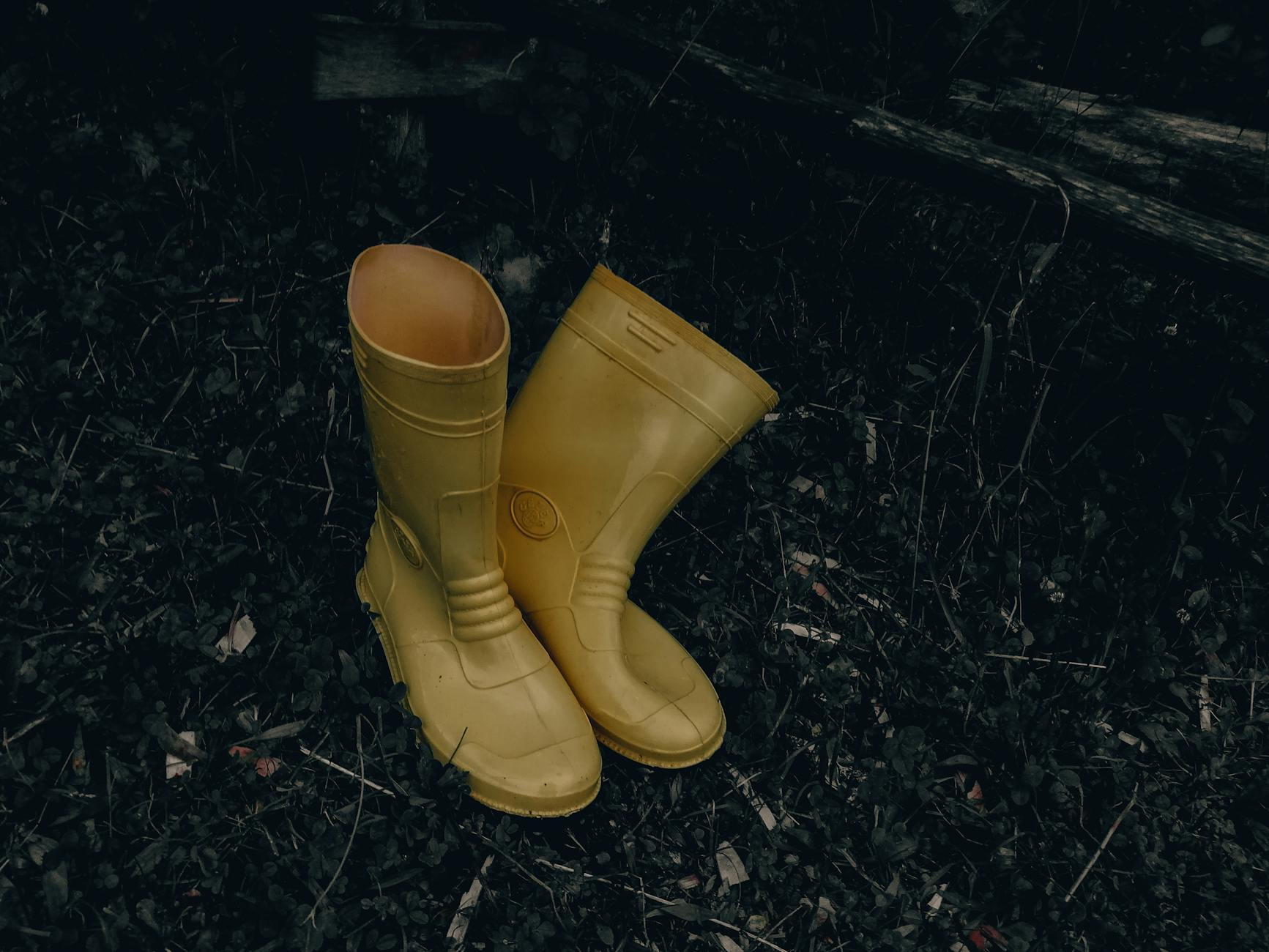
Rubber boots are excellent for keeping water out but terrible for allowing the feet to breathe. Moisture trapped inside often leads to fungal infections or warts if worn for many hours at a time. The loose fit causes the foot to slide back and forth which can result in painful blisters. It is best to change into breathable shoes immediately after getting out of the rain.
Minimalist Barefoot Shoes

Switching to shoes with zero drop or padding without proper training can cause immediate injury to the foot. The sudden lack of cushioning exposes the bones to stress fractures if the foot is not conditioned for the impact. People with existing foot issues often find their pain increases significantly when using footwear with thin soles. Doctors advise a very gradual transition if one insists on trying this footwear style.
Heavy Work Boots

While protection is necessary the excessive weight of some steel-toed boots can alter a person’s natural walking pattern. Dragging heavy footwear around all day strains the hip flexors and leads to significant leg fatigue. The stiff materials often restrict natural ankle movement and reduce overall agility on job sites. Finding a lighter composite safety toe can provide protection without the heavy toll on the body.
Please share your experiences with these types of shoes and let us know which ones you plan to replace in the comments.