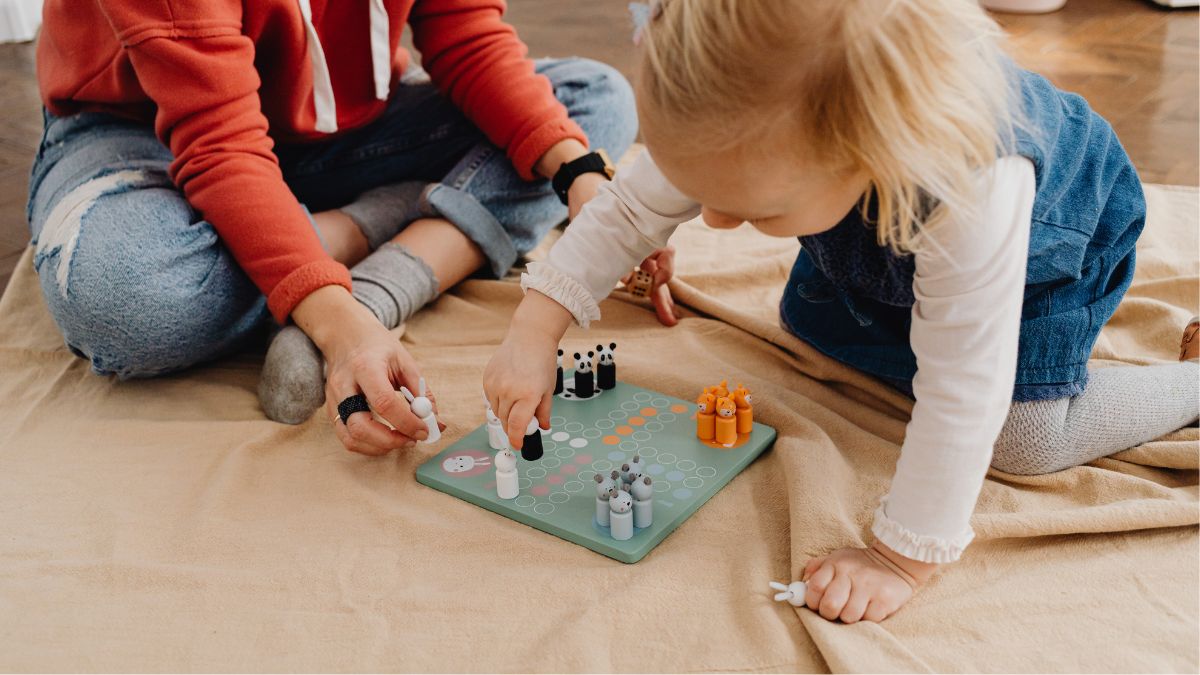
Play is one of the most essential parts of childhood, serving a purpose far deeper than simple entertainment. Through games and structured activities, children develop the ability to follow directions, wait their turn, listen carefully, and build the kind of social and emotional skills they will carry with them for life. Most games also pull kids away from screens, encourage movement, and get them outdoors. But as any parent knows, the moment fun tips into frustration and tears, the whole experience can unravel fast.
When a young child loses, the emotional fallout can be swift and intense, and it is tempting to simply let them win to keep the peace. Parents who have watched an afternoon of board games dissolve into a meltdown may wonder whether engineering a win for their child every now and then is actually such a bad thing. Experts say the answer depends heavily on how old your child is, how the game is being played, and whether you are approaching it with intention.
Psychiatric nurse practitioner Shebna Osanmoh recommends thinking about this question through the lens of age and developmental stage. “For children ages three to five, positive early experiences with games and competition are important,” she explains. “At that stage, frequent wins help build confidence and keep their interest in playing alive.” She draws a clearer boundary for slightly older kids, noting that “children ages six to nine need a balance of wins and losses.” Rather than simply throwing a game, Osanmoh suggests parents consider using a handicap, such as playing with their non-dominant hand or giving a younger child additional pieces in a board game. This approach keeps the game genuinely challenging while still giving children the chance to experience real success through effort.
Parenting counselor MegAnne Ford takes a slightly different angle, encouraging families to establish what she calls “house rules” that all players agree on before the game begins. “Instead of aiming for ‘fairness,’ which is subjective for every player, aim for equity and shared understanding,” Ford advises. This strategy is especially useful when children of different ages are playing together. She suggests asking older kids what adjustments they would suggest to make the game work for everyone at the table. “This helps older children get involved in the collaborative process instead of fostering rivalry between siblings,” Ford adds. “Games are a great way to build positive dynamics among them.”
For families who want to sidestep the winner-loser dynamic entirely, cooperative games offer a compelling alternative. In these formats, all players work toward a shared goal rather than competing against one another. Everyone succeeds together or tries again until they do, shifting the focus to teamwork and creative problem-solving rather than individual outcome.
The case for letting children experience real losses is equally strong, particularly as they get older. Losing in a safe, supportive environment teaches kids to persist in the face of setbacks, sharpen their problem-solving instincts, and practice resilience. Osanmoh acknowledges that losing can bring on genuine sadness, frustration, and even anger, but argues that the experience holds significant value. “When a child loses, parents can model good sportsmanship and turn defeats into learning moments by talking through what worked and what did not,” she says. Ford adds an important observation for parents of children who become especially distressed during games: “A child who becomes overly frustrated during a board game is most likely becoming emotionally overwhelmed in other moments, too. Find ways to support that child during their other difficult moments and apply those same coping strategies during game time.”
Teacher Ash Brandin echoed this perspective in an Instagram video, suggesting that parents who play video games with their kids can actually experiment with intentionally losing in order to model how to handle defeat with grace. “Knowing how to lose is a skill we have to practice,” he wrote. “And children, because of their age and general abilities, lose much more often than adults, and it really hits them hard. The most important thing we can do is show them by example how to lose.”
One line parents should be careful not to cross is the difference between thoughtful adjustments and outright cheating. Modifying rules so that younger players have a fair shot is a legitimate strategy and one that still allows parents to hold a firm boundary against dishonest play. After any loss, parents can help by validating the disappointment without dramatizing it, reminding children that luck and chance factor into every game, and praising genuine effort over outcome. Gloating or making a child feel embarrassed about a loss, even subtly, can discourage them from wanting to play at all in the future.
Ultimately, experts agree that the real goal is less about who wins and more about simply enjoying the time together. Shifting the focus away from outcomes and toward connection and shared experience removes pressure from children and redirects attention to the skills being built along the way. As Ford puts it, “Children learn best from what we do, not what we say. So skip the lectures and focus on your actions. Model good sportsmanship and celebrate all players during the game.”
The concept of cooperative board games actually dates back to the 1970s, but the genre exploded in popularity in the 2010s, with titles designed specifically to reduce the anxiety that competitive play can trigger in young children. Research in developmental psychology has found that children as young as three can begin to understand the concept of fairness in games, but the capacity to genuinely regulate the emotions that come with losing typically does not solidify until around age seven or eight. Some game designers now deliberately build in mechanics that shift outcomes based on player skill levels without either party knowing, essentially creating a hidden handicap that keeps things competitive and emotionally safe at the same time.
What do you think — do you ever let your child win, or do you keep things competitive? Share your approach in the comments.