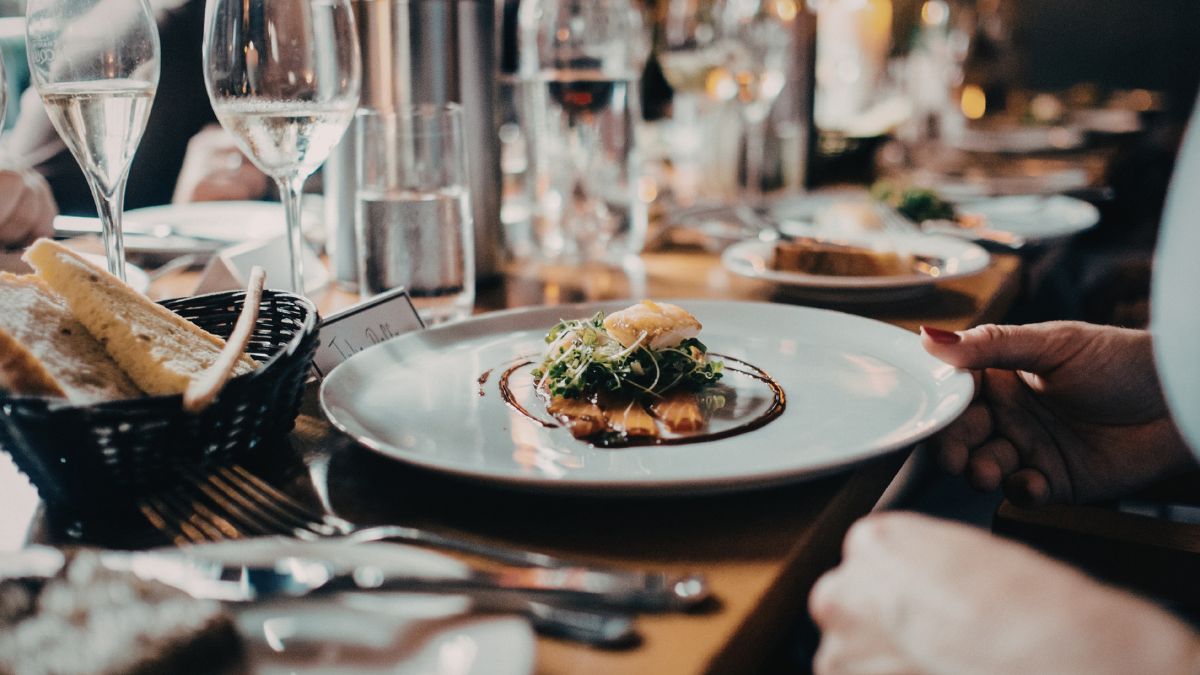
Not every white tablecloth and candlelit setting guarantees an exceptional meal, and seasoned travelers know that the line between genuine culinary artistry and overpriced theater can be surprisingly thin. Fine dining establishments in popular destinations have mastered the art of creating an atmosphere of exclusivity while quietly cutting corners that truly matter. Learning to spot the warning signs before you sit down can save both your budget and your evening. These are the telltale signals that a so-called fine dining restaurant is more interested in your wallet than your palate.
Street Hawkers
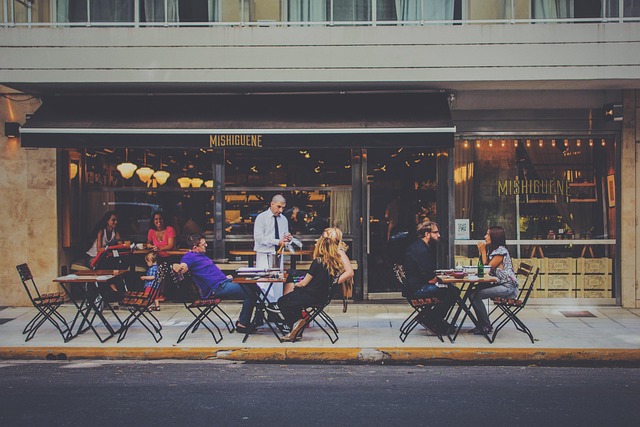
Restaurants that employ people to stand outside and actively pull passersby off the street are rarely focused on delivering an authentic fine dining experience. Legitimate upscale establishments rely on reputation, word of mouth, and reservations rather than aggressive sidewalk recruitment. The presence of a host or greeter outside who is incentivized to fill seats quickly suggests the kitchen is more focused on volume than quality. This practice is commonplace in heavily touristed areas where foot traffic is high and repeat customers are rare.
Laminated Menus
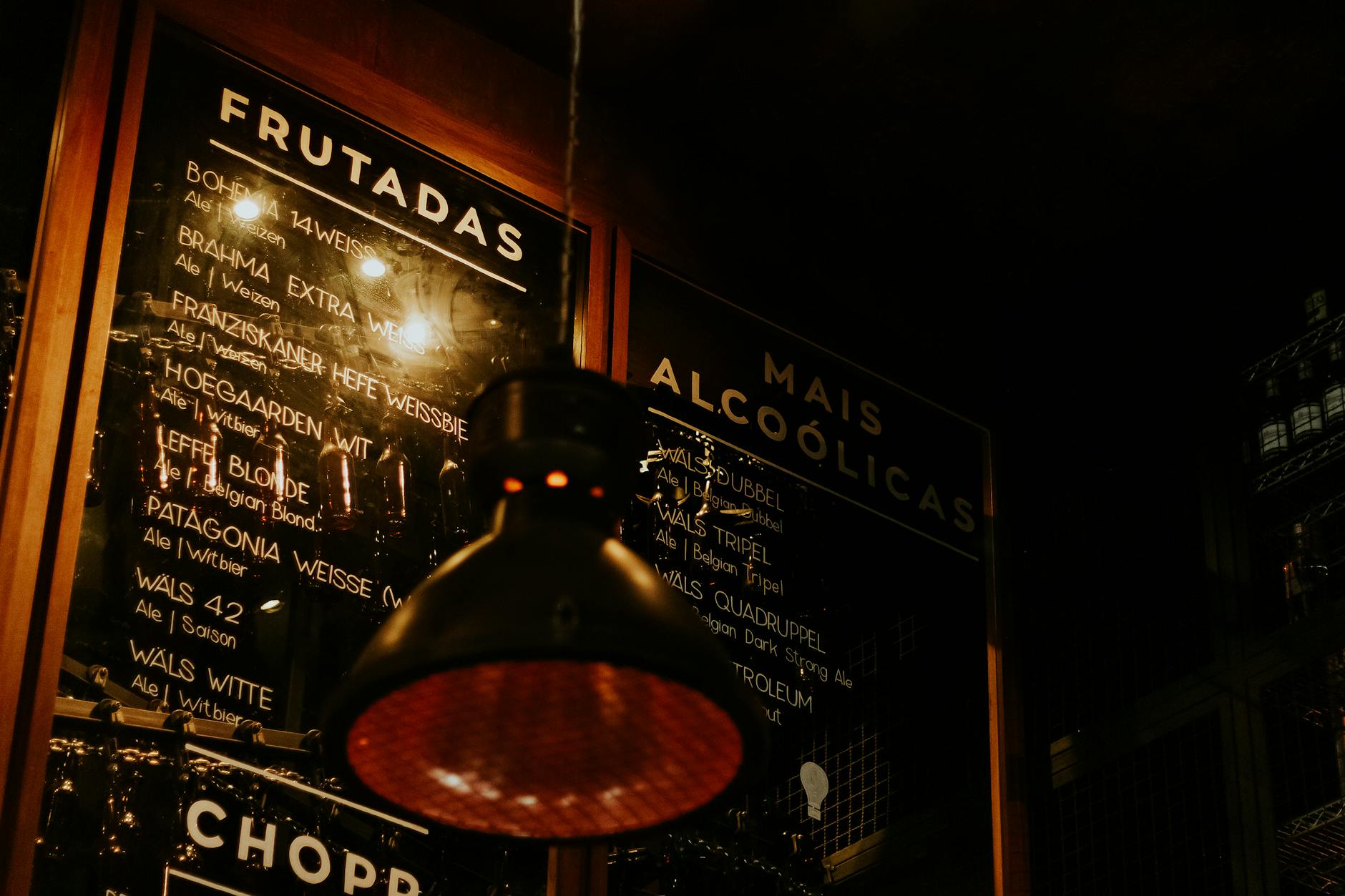
A laminated or oversized plastic menu is one of the most reliable indicators that a restaurant caters primarily to tourists who will never return. Fine dining establishments typically use elegant printed menus that change with the season to reflect fresh and locally sourced ingredients. When a menu appears designed to withstand years of handling rather than reflect a carefully curated culinary vision, it signals a lack of investment in the dining experience. The sheer volume of dishes listed is often another red flag, as a kitchen capable of executing dozens of options well is exceedingly rare.
QR Code Menus
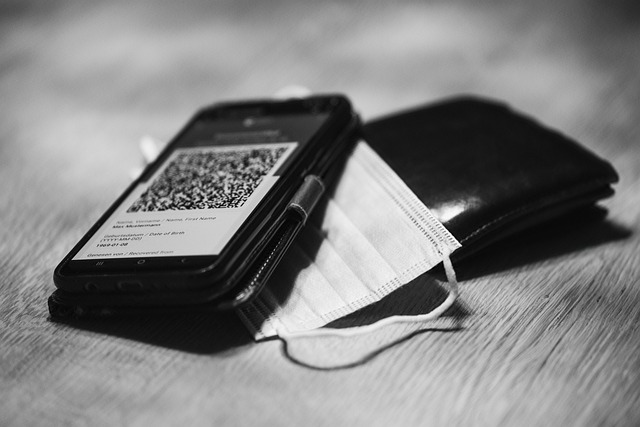
While digital menus became common during the pandemic, a fine dining restaurant that has permanently replaced physical menus with QR codes often signals a cost-cutting mindset. The tactile experience of a beautifully designed physical menu is considered part of the hospitality ritual in genuinely high-end establishments. QR menus also make it easier for restaurants to quietly raise prices without the expense of reprinting. When the digital menu is poorly formatted, difficult to navigate, or riddled with stock photography, the concern is compounded.
Prix Fixe Pressure
Being aggressively steered toward an expensive prix fixe menu the moment you sit down is a common tactic used to inflate the final bill without delivering proportional value. Authentic fine dining experiences offer set menus as a thoughtful culinary journey, never as a pressure mechanism. Staff who seem reluctant to let you order à la carte or who dismiss simpler options with vague explanations are working toward a commission or a house target rather than your satisfaction. This upselling behavior is a textbook sign that the establishment prioritizes revenue over reputation.
Rushed Service
Fine dining is defined in large part by an unhurried, attentive pace that allows guests to savor each course at their own rhythm. When waitstaff hover impatiently, clear plates before everyone at the table has finished, or present the bill without being asked, the restaurant is signaling that your table is more valuable than your experience. This turnover-focused service style is particularly common in tourist-heavy neighborhoods where the next group of diners is always waiting outside. Genuine hospitality never makes a guest feel like a transaction.
Tourist Area Pricing
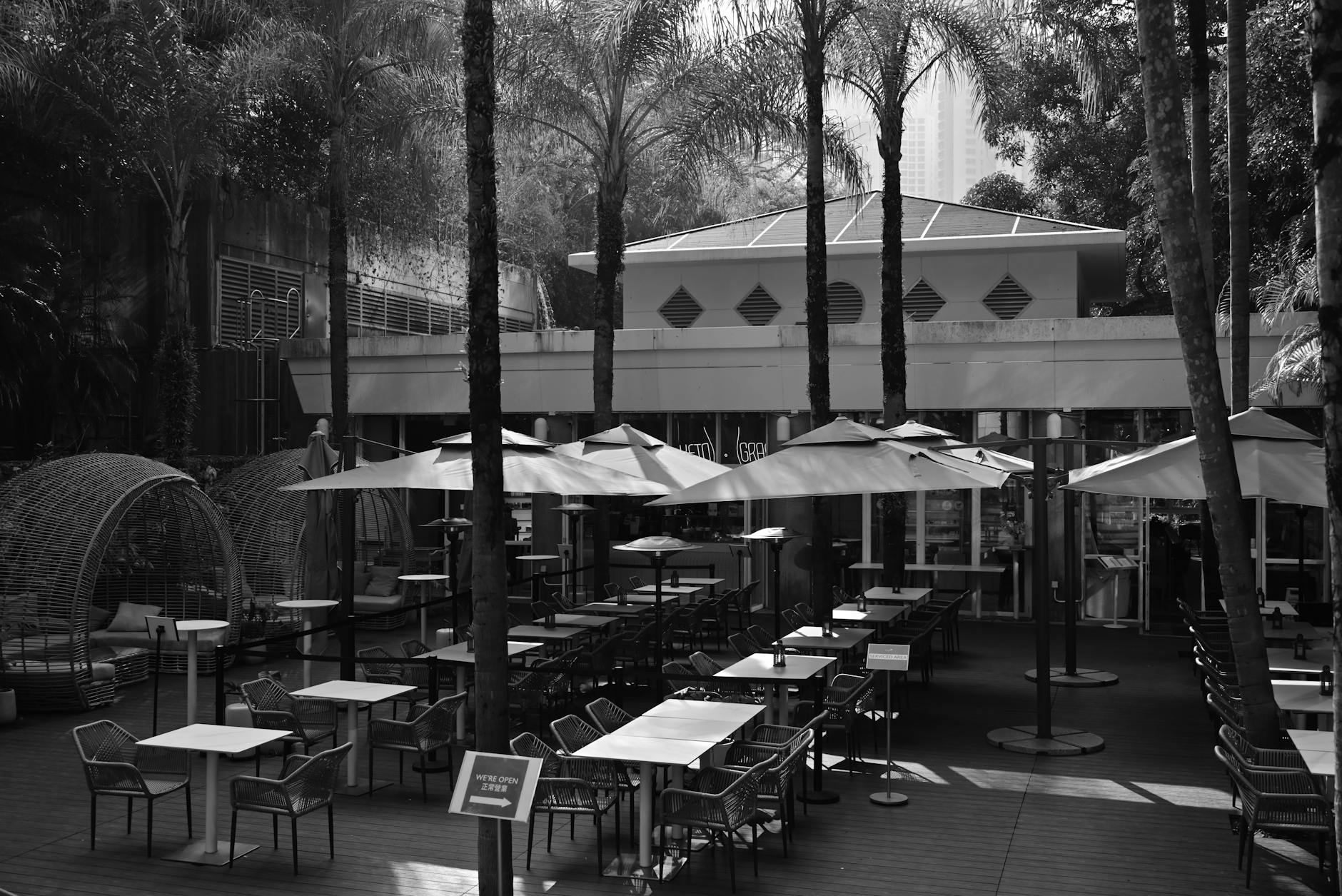
A restaurant located directly adjacent to a major landmark, museum, or cruise ship terminal almost always commands a location premium that has nothing to do with the quality of the food. Pricing in these zones can be two to three times higher than comparable establishments just a few blocks away. The assumption embedded in this pricing model is that guests are unlikely to know local market rates and even less likely to return to complain. A quick comparison with neighborhood alternatives almost always reveals the markup for what it is.
Stock Photography
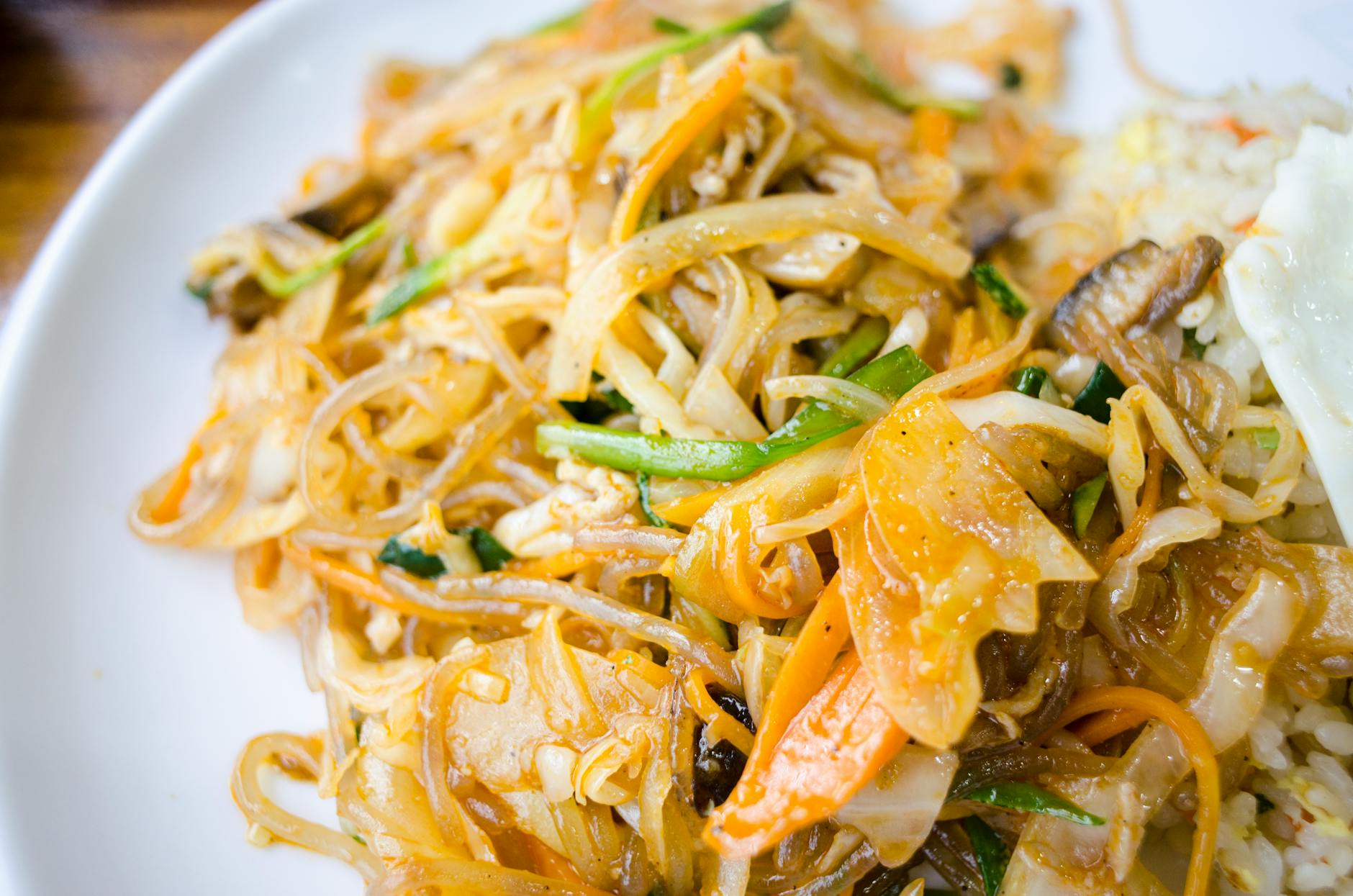
Fine dining menus and promotional materials that use generic stock photographs of food rather than actual images of the restaurant’s own dishes are a significant warning sign. A kitchen proud of its output will showcase its own plates, not aspirational images sourced from a photo library. Stock photography suggests that the actual food may not be photogenic enough to represent the brand honestly. This gap between visual promise and plate reality is one of the most common disappointments reported by travelers at tourist-oriented restaurants.
Fake Reviews
An unusually high volume of five-star reviews posted within a short time window, especially reviews that sound generic or overly enthusiastic, often indicates a managed or purchased review strategy. Legitimate fine dining establishments accumulate reviews gradually and reflect a genuine range of nuanced opinions. Reviews that mention the restaurant’s name repeatedly or read like promotional copy rather than personal experience are strong indicators of inauthenticity. Cross-referencing across multiple review platforms can help reveal inconsistencies that expose this pattern.
Décor Overload
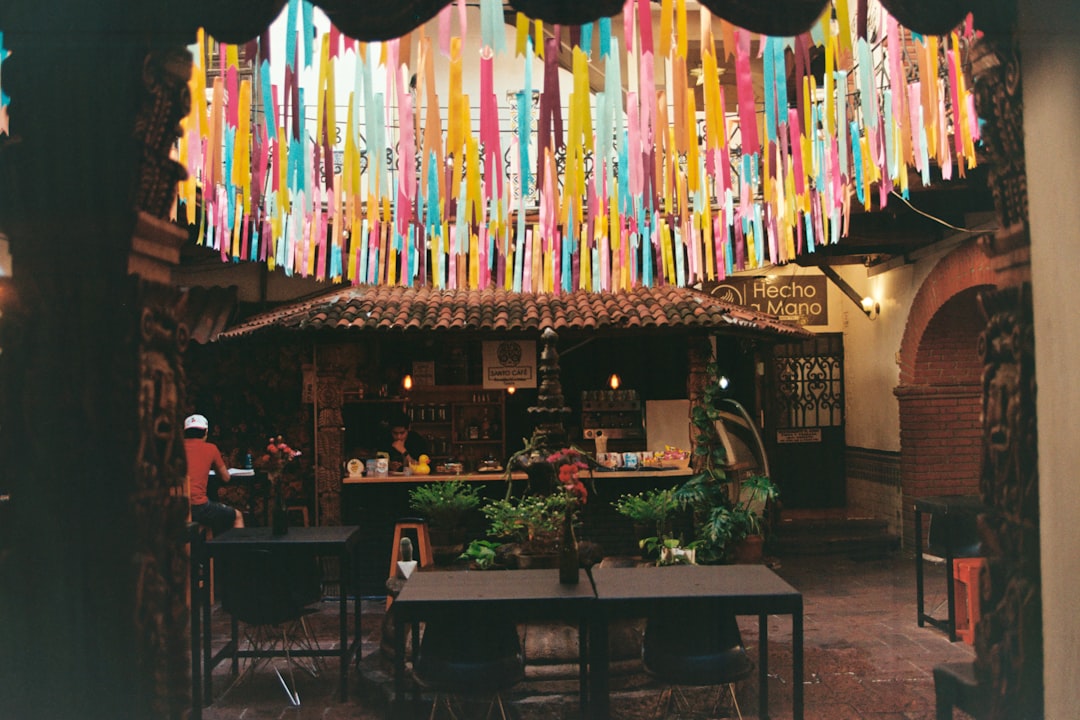
When a restaurant invests heavily in theatrical décor, elaborate costuming for staff, or themed environments but the menu reads as an afterthought, priorities have clearly been misaligned. Genuine fine dining places the culinary experience at the center, with ambiance serving as a complement rather than the main attraction. Tourist trap establishments often use visual spectacle as a distraction from mediocre food, knowing that the setting will feature prominently in social media posts regardless of what ends up on the plate. The more elaborate the backdrop, the more important it becomes to scrutinize what arrives from the kitchen.
Visible Microwaves
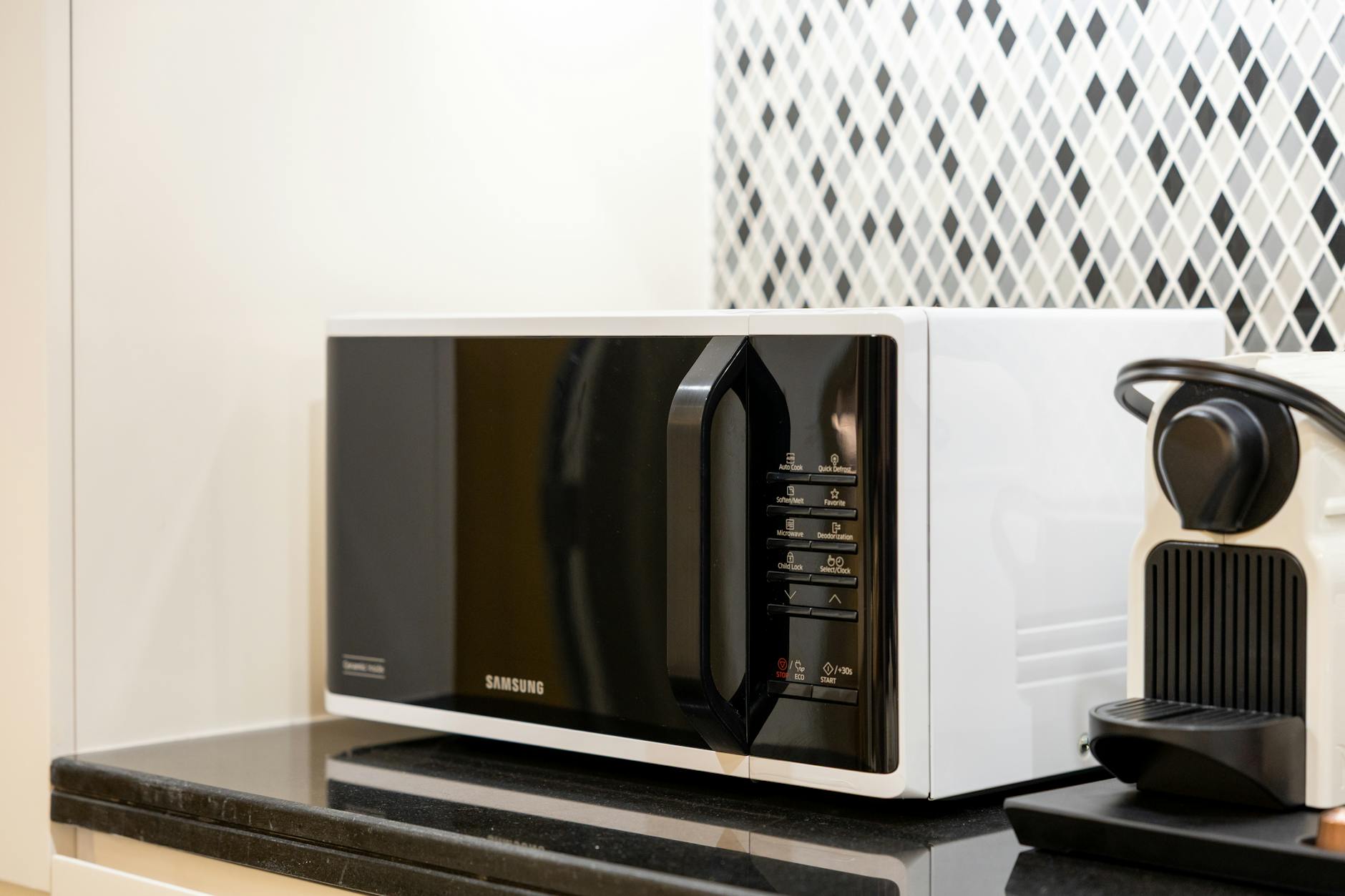
The presence of a visible microwave in or near the kitchen, or food that arrives at the table suspiciously quickly for dishes described as freshly prepared, is a clear sign that convenience is prioritized over craftsmanship. Fine dining kitchens operate with brigade precision and timelines that reflect actual cooking rather than reheating. Dishes that taste flat, uniformly textured, or lacking the depth that comes from fresh preparation are telltale signs of a kitchen relying on pre-made components. No amount of elegant plating can fully disguise food that was not made to order.
Generic Wine Lists
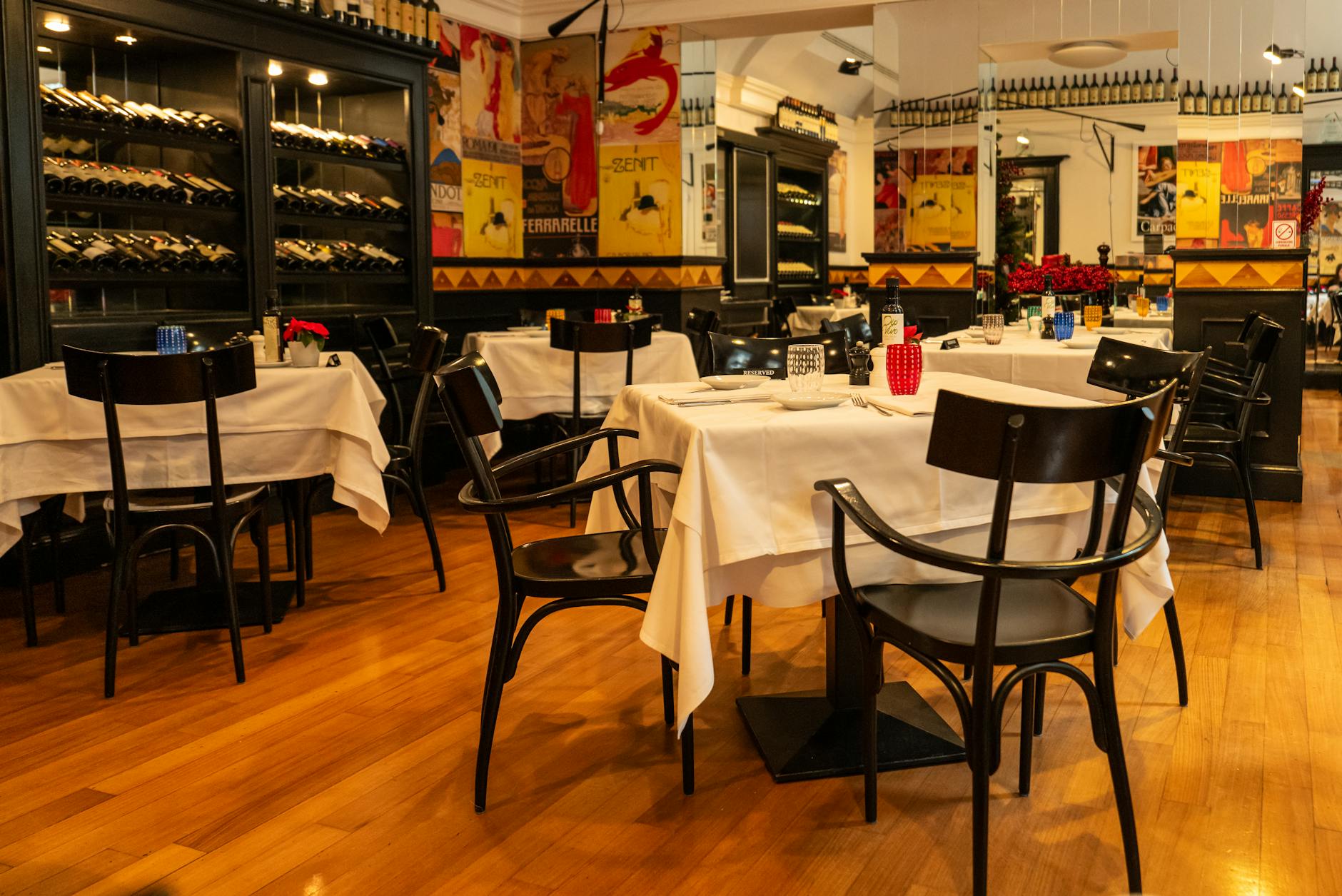
A wine list dominated by well-known commercial brands available at any supermarket is inconsistent with the fine dining positioning a restaurant claims to hold. Genuine upscale establishments curate their wine programs thoughtfully, often featuring regional producers, small-batch labels, and staff with enough knowledge to guide guests through meaningful pairings. When the sommelier cannot speak fluently about the selections or resorts to suggesting the house wine for every course, the program exists for markup purposes rather than for enhancing the meal. The markup itself on recognizable mass-market bottles tends to be especially aggressive in tourist-facing restaurants.
No Local Ingredients
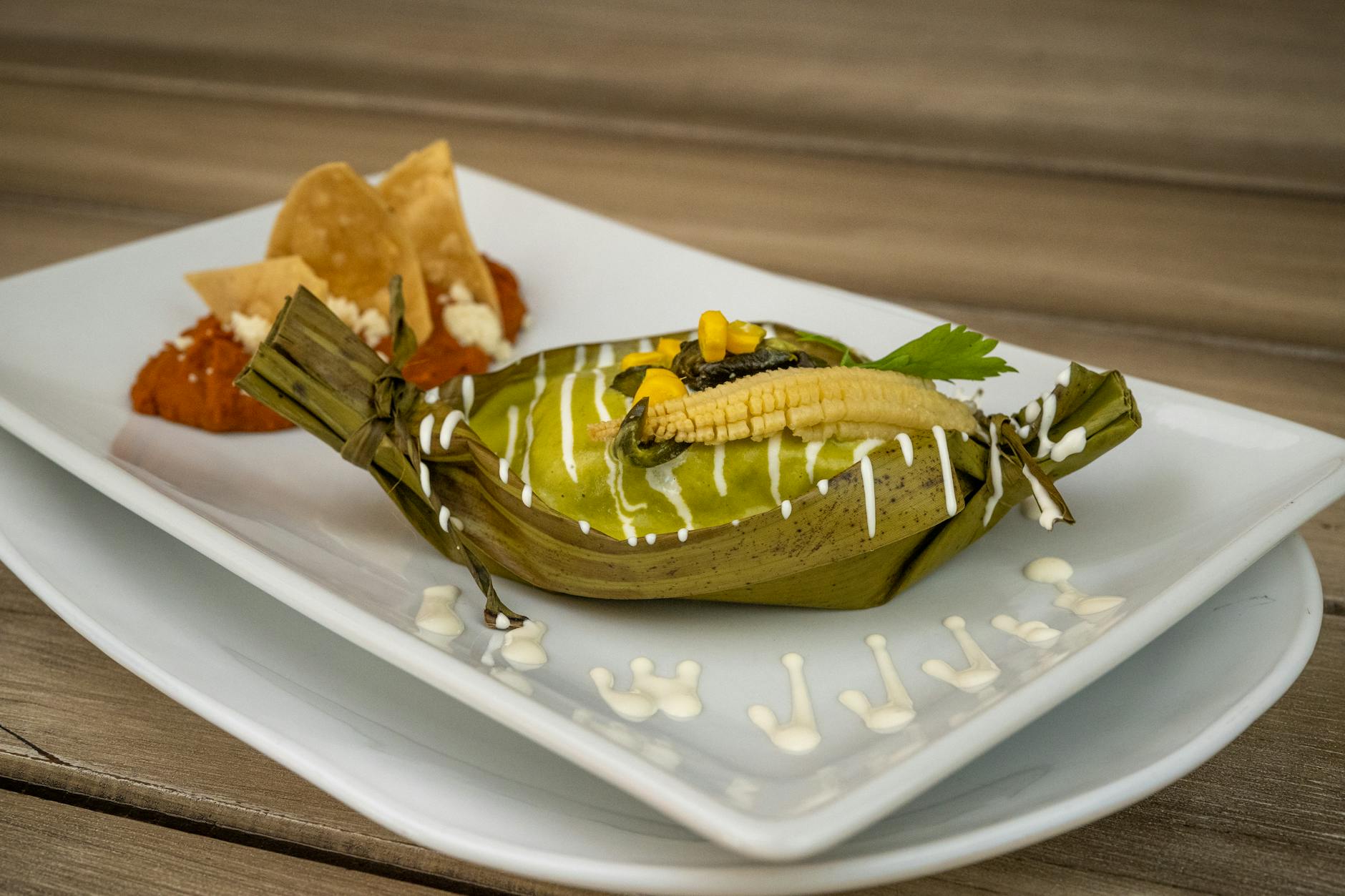
A fine dining restaurant in a coastal city that offers no fresh seafood, or one situated in an agricultural region whose menu bears no relationship to local produce, has made a deliberate choice to prioritize cost and consistency over culinary integrity. Authentic restaurants with genuine ambitions source seasonal and regional ingredients as a point of pride, often naming farms or fishing suppliers on the menu. The absence of any local identity on a menu suggests the kitchen is working from a standardized playbook designed to appeal to international visitors rather than to celebrate the destination. Food that could have been served anywhere in the world is rarely worth paying fine dining prices for.
Bread Basket Charges
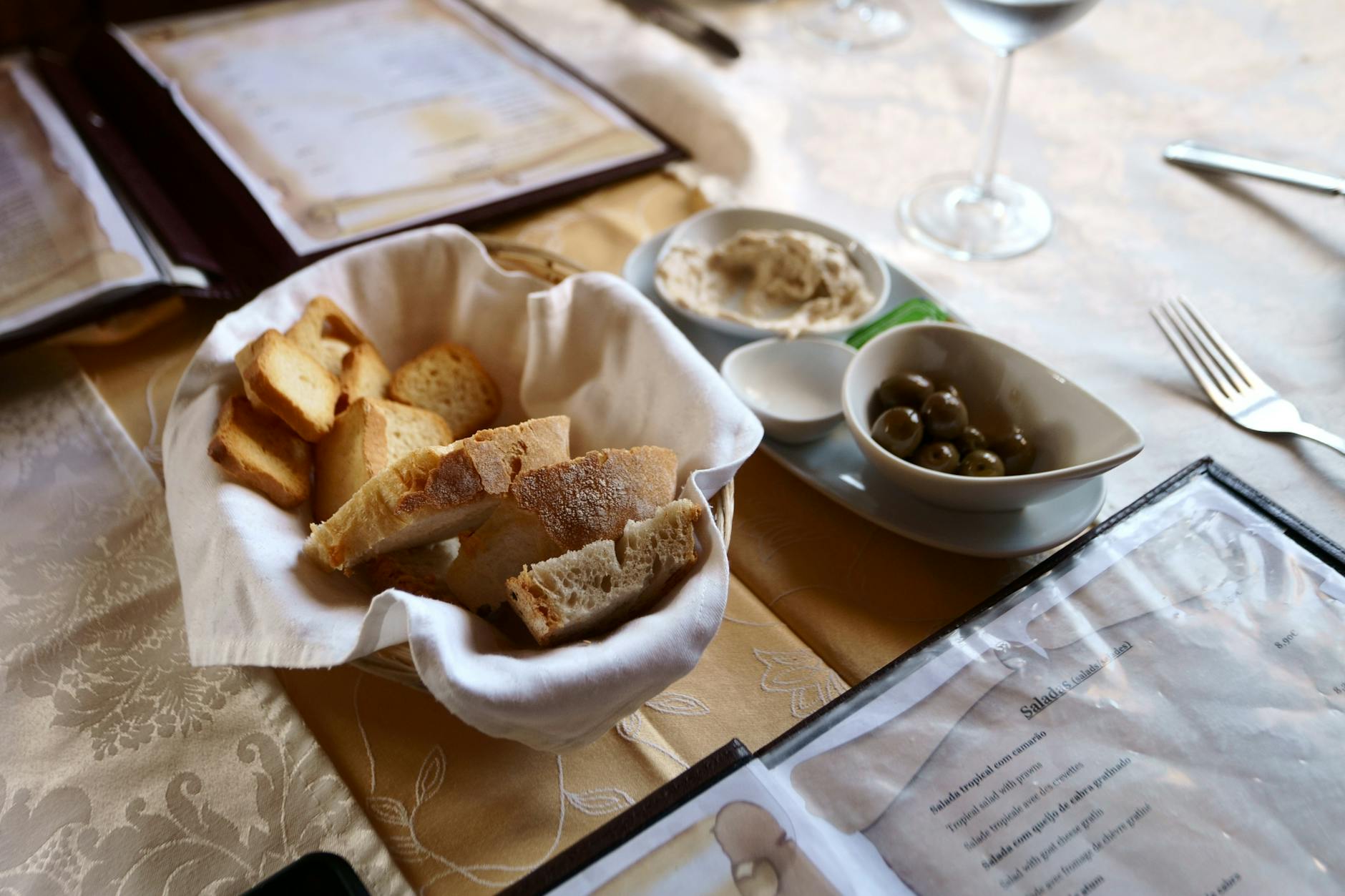
Charging for bread service without disclosure until the bill arrives is a longstanding practice among restaurants that rely on uninformed diners rather than earned loyalty. In genuinely hospitality-focused establishments, bread service is either complimentary or clearly communicated as a charged item from the outset. Hidden or surprise charges of any kind signal a restaurant culture that values extraction over transparency. This practice is especially common in high-traffic tourist zones where the likelihood of a return visit from any given table is statistically low.
Untrained Staff
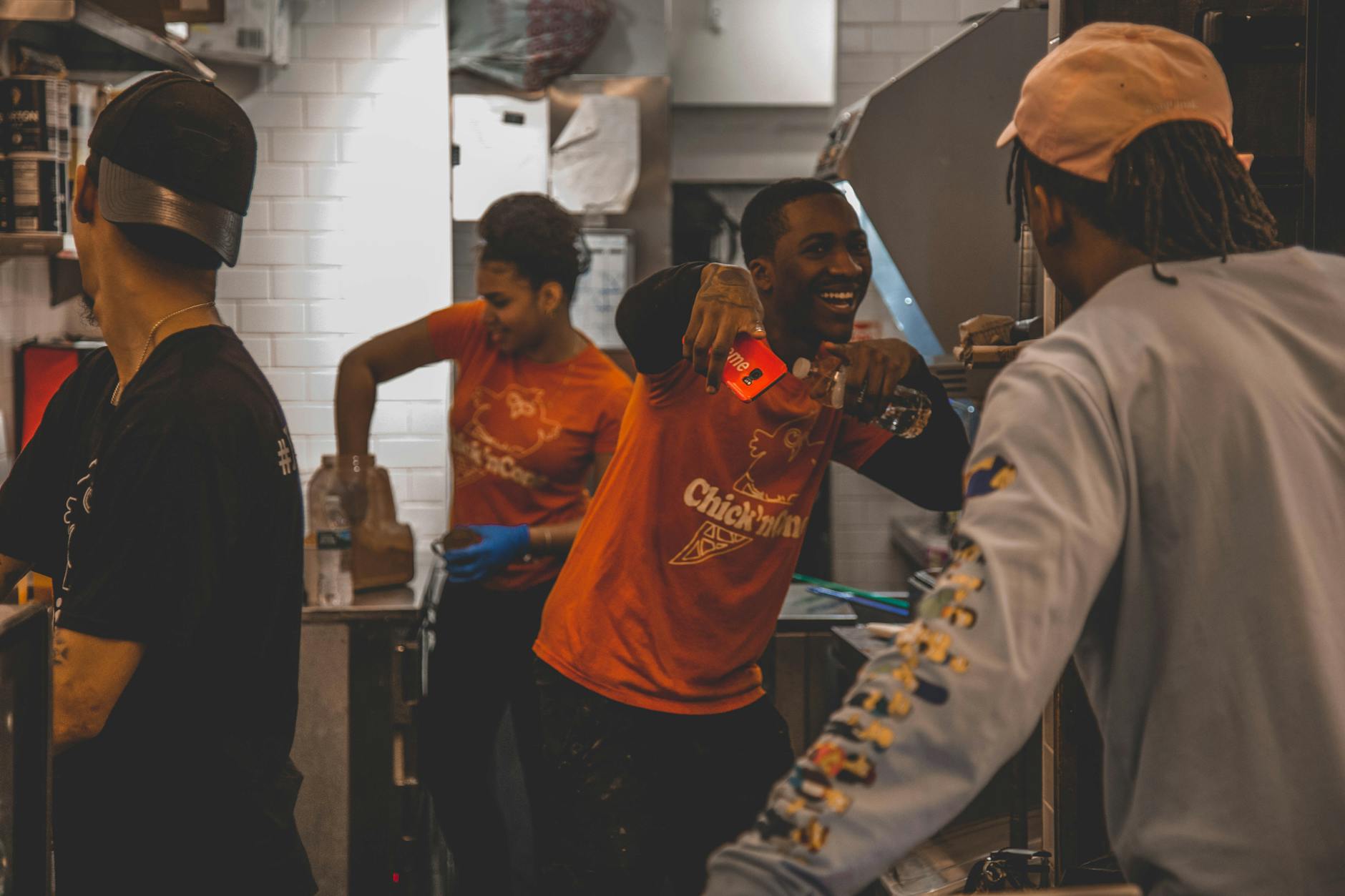
Waitstaff who cannot accurately describe dishes on the menu, do not know the origin of key ingredients, or are unfamiliar with the preparation methods used in the kitchen are a fundamental problem in any establishment claiming a fine dining standard. In legitimate upscale restaurants, floor staff undergo extensive training and are expected to be ambassadors of the menu as much as facilitators of service. When servers respond to detailed questions with uncertainty or deflection, it reflects a management culture that does not invest in the team delivering the experience. The quality of hospitality is inseparable from the quality of the dining experience.
Dress Code Theater
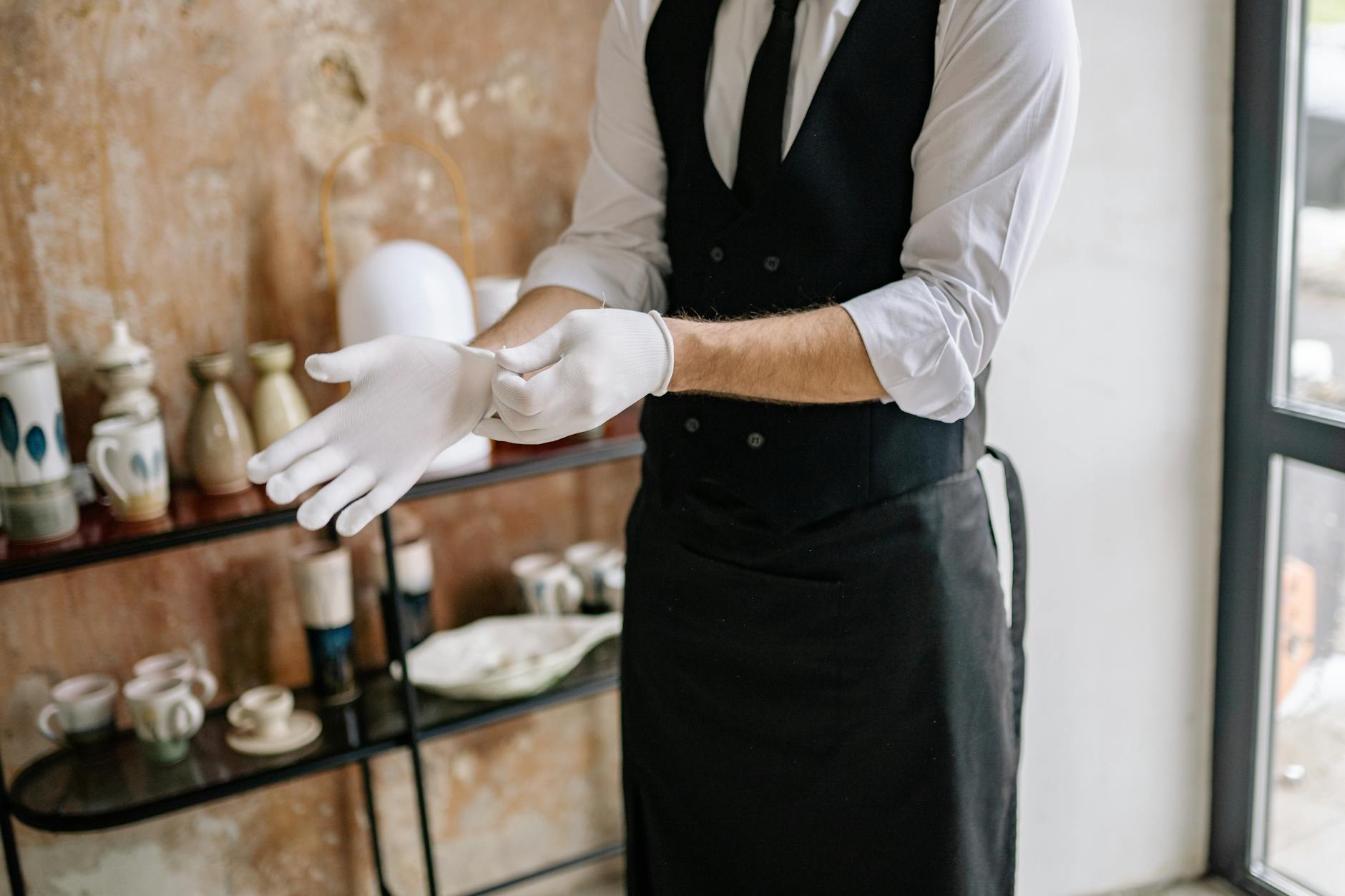
Restaurants that prominently advertise a strict dress code but do not actually enforce it, or that use dress code language purely as a marketing signal of exclusivity, are performing a version of fine dining rather than delivering it. Legitimate establishments that maintain dress standards do so consistently and with the genuine intention of preserving a certain atmosphere. When guests arrive in casual clothing and are seated without comment despite prominent signage to the contrary, the dress code exists as a perception tool rather than a reflection of actual standards. This performative approach to exclusivity is one of the subtler but telling signs that image has been prioritized over substance.
Share your own experiences with tourist trap restaurants in the comments and let other readers know which red flags you wish you had spotted sooner.