Bread is a staple food found in pantries across the country but it remains highly susceptible to fungal growth. Identifying the early warning signs of spoilage helps prevent foodborne illness and ensures your family consumes only safe products. Various types of mold manifest differently depending on the specific strain and the environment where the loaf is stored. Knowing exactly what to look for allows you to catch contamination before it spreads to other foods in your kitchen.
Fuzzy Green Or Blue Patches
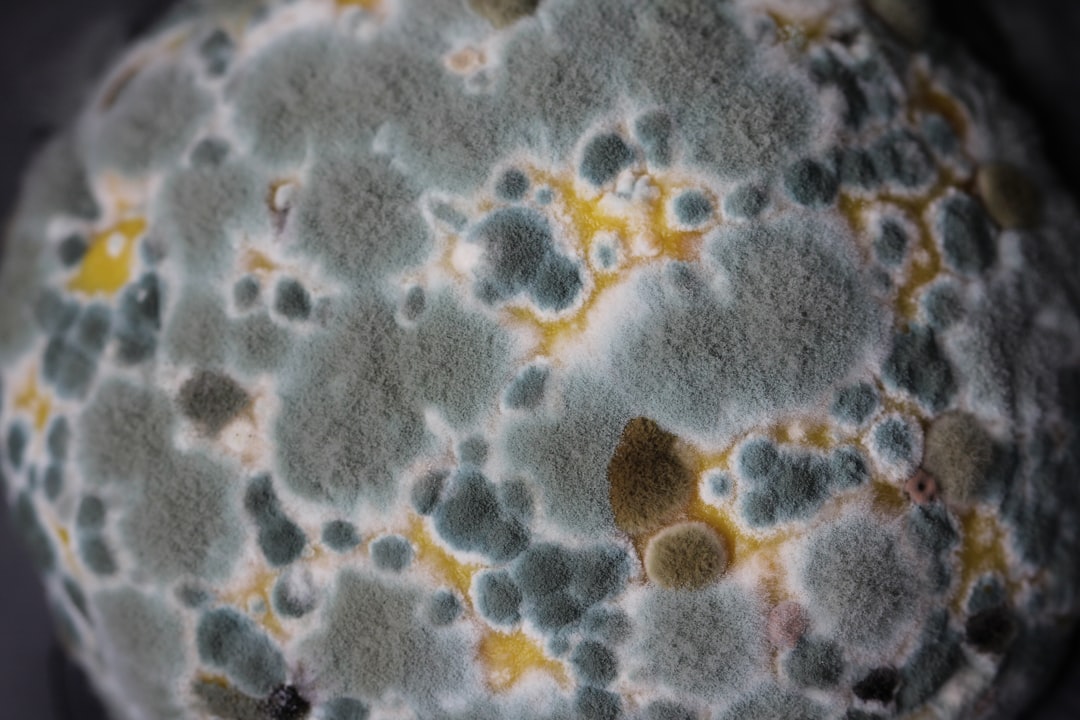
You will often see fuzzy circular patches growing on the crust or the distinct soft interior of the loaf. These spots frequently appear in shades of blue or green and indicate the presence of Penicillium fungi. The texture usually looks velvety or dusty due to the microscopic spores spreading across the surface. Eating bread with these colorful growths can cause allergic reactions or respiratory issues in sensitive individuals. It is safer to discard the entire package rather than trying to cut away the visible mold.
Unpleasant Musty Smell
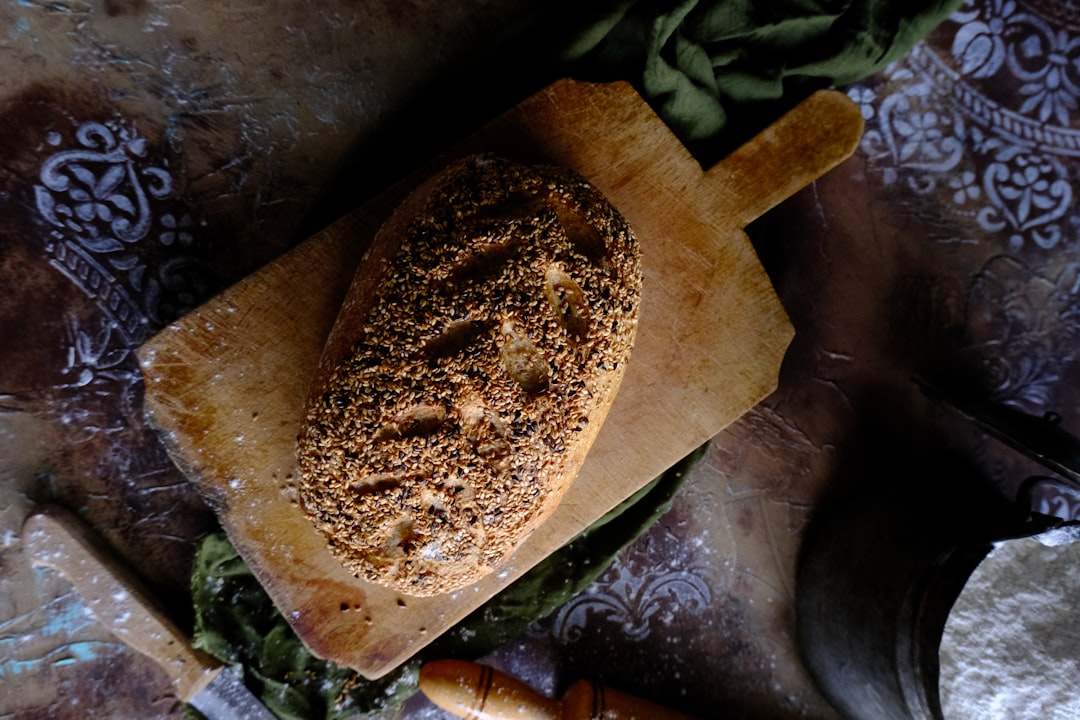
Fresh bread should always carry a pleasant and slightly yeasty aroma typical of baked goods. A strong musty or earthy scent suggests that mold spores have taken hold deep within the porous structure. This odor often becomes detectable before any visible signs of fungus appear on the surface. Inhaling these spores deeply can irritate the nasal passages or trigger asthma symptoms. Trusting your sense of smell remains a reliable method for determining if a loaf has passed its prime.
Dusty White Powder
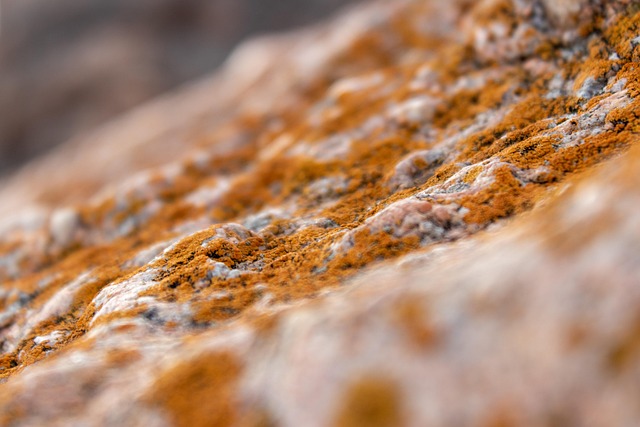
Many people mistake early white mold growth for leftover dusting flour from the baking process. True flour falls off easily when you tap the crust while mold clings stubbornly to the surface. This white fuzz appears slightly hairy or web-like when examined under a bright light. It indicates that the fungi are in the early stages of colonization and will soon change color. Consuming bread at this stage exposes the body to mycotoxins that may cause digestive discomfort.
Black Spots
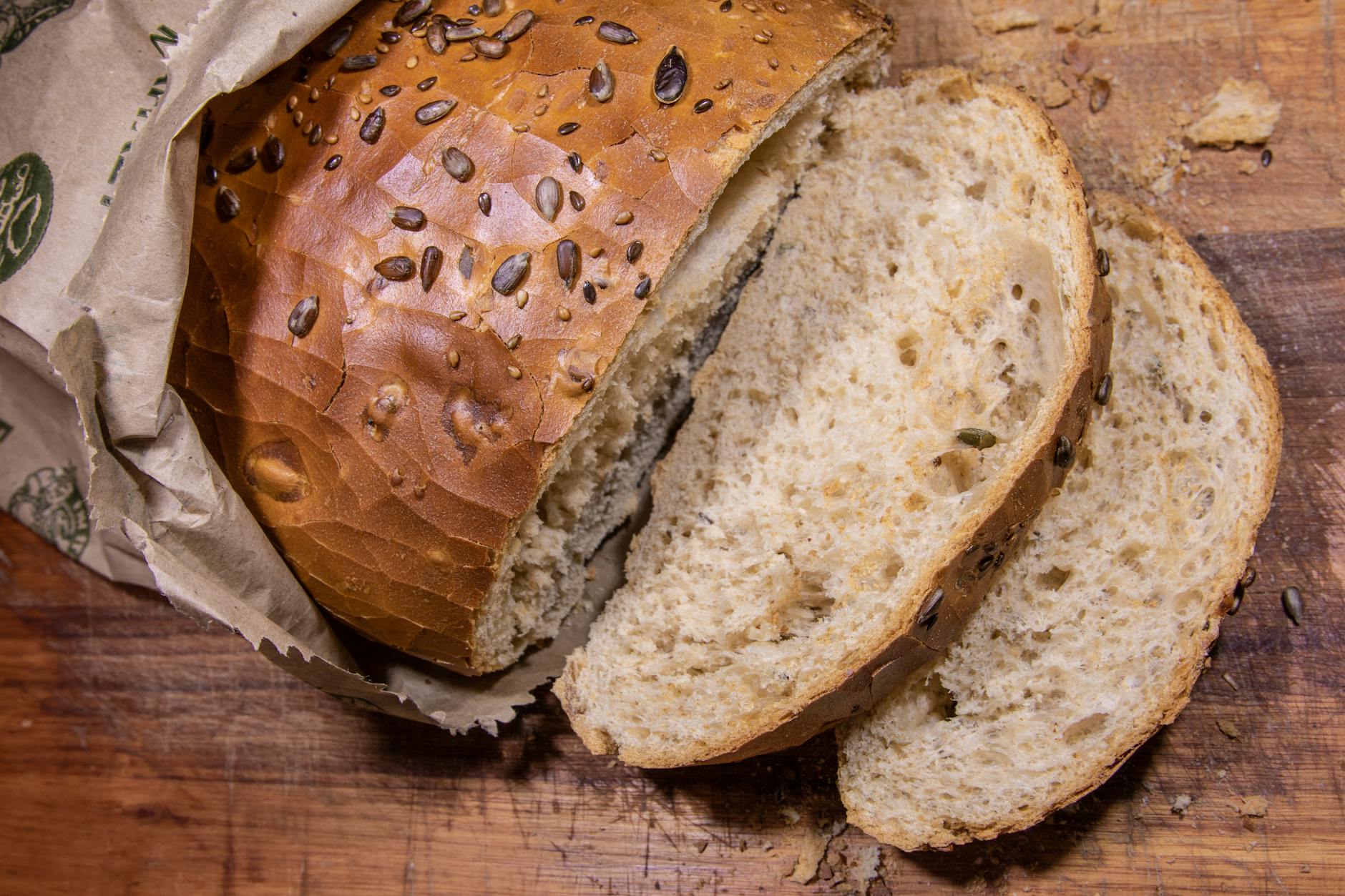
Small black dots appearing on your bread often signal the presence of Rhizopus stolonifer or black bread mold. This aggressive fungus spreads rapidly and poses more serious health risks than common green mold. The patches look like pepper flakes or small dark splotches that expand quickly over a day or two. People with compromised immune systems need to be especially careful around this specific type of growth. Discarding the bread immediately prevents the release of more spores into your kitchen environment.
Slimy Or Sticky Surface
A distinct change in texture to a slimy or sticky feel indicates bacterial spoilage known as rope spoilage. This condition results from heat-resistant Bacillus bacteria that survive the baking process and multiply in warm conditions. The crumb of the bread turns soft and develops a sweet and rotting fruit odor similar to overripe melons. Pulling the bread apart might reveal thin stringy threads that signify the food is heavily contaminated. This type of spoilage makes the bread unsafe for consumption and requires immediate disposal.
Share your best methods for storing bread to prevent mold in the comments.